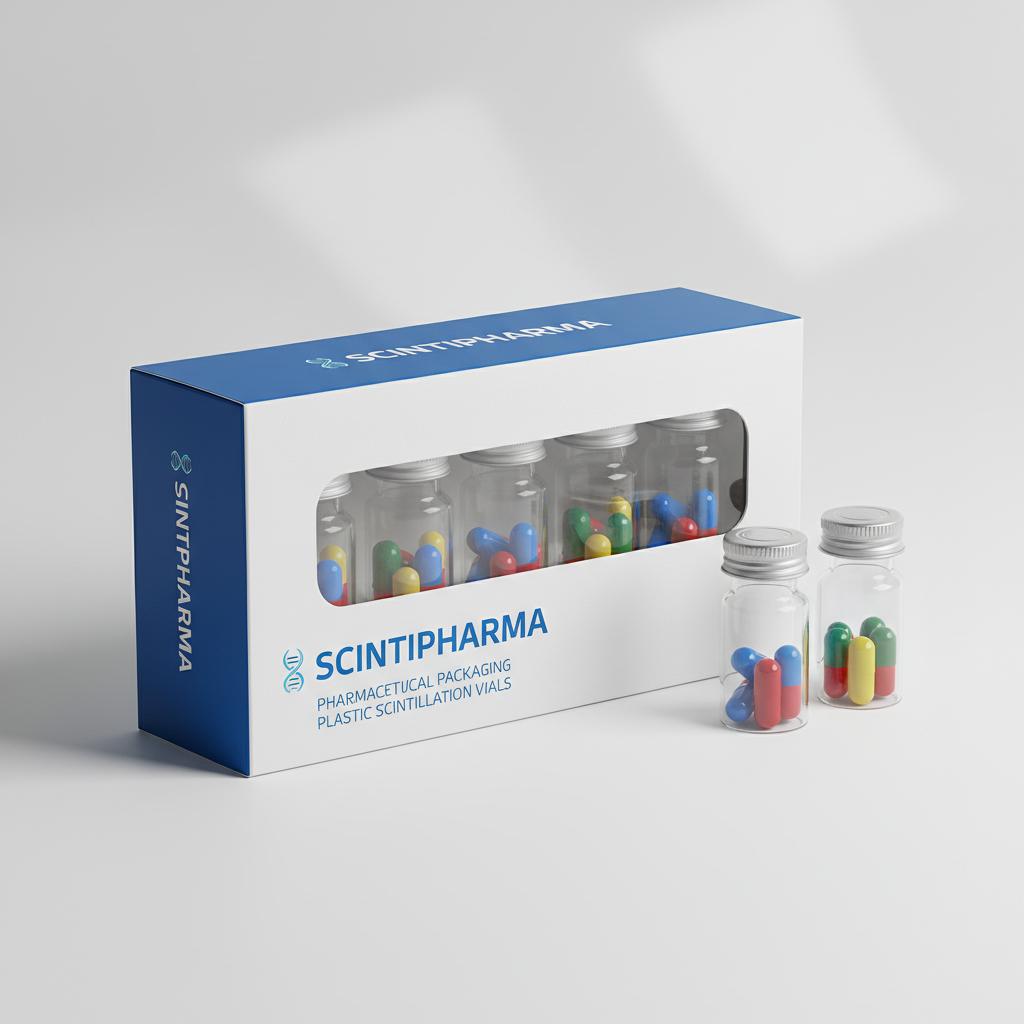
Securing a reliable supply of prescription bottles wholesale is a critical operational requirement for pharmacies, clinics, and veterinary laboratories that demand high-standard containment for liquid medications. In the specialized field of non-metallic plastic packaging, the integrity of a container directly impacts the potency of the pharmaceutical contents and the safety of the end-user.
Procurement managers often struggle with balancing cost-efficiency against strict medical-grade requirements, such as chemical inertness and shatter resistance. The primary challenge lies in finding wholesale partners capable of providing sterile, contamination-free containers that comply with rigorous laboratory and pharmaceutical storage standards without sacrificing lead times.
This professional analysis provides a comprehensive framework for evaluating wholesale pharmaceutical plastic containers, focusing on material science, design safety features, and the technical criteria necessary to optimize procurement for veterinary and medical applications.

Material Composition and Chemical Compatibility

The effectiveness of prescription bottles wholesale depends primarily on the polymer chemistry used in production. Most medical-grade containers utilize Polypropylene (PP), Polyethylene (PE), or Polyester (PET). These materials are selected for their chemical inertness, ensuring that the plastic does not react with organic solvents or active pharmaceutical ingredients (APIs), which could otherwise compromise the stability of the medicine.
From a manufacturing perspective, the transition from raw resin to a finished bottle involves high-temperature heating and precise molding processes, such as injection molding or extrusion blow molding. For laboratory-grade supplies, the use of medical-grade plastics ensures the containers remain shatter-resistant—a vital advantage over glass in high-traffic clinic environments where breakage presents a significant safety risk.
Critical Design Features for Medical Safety
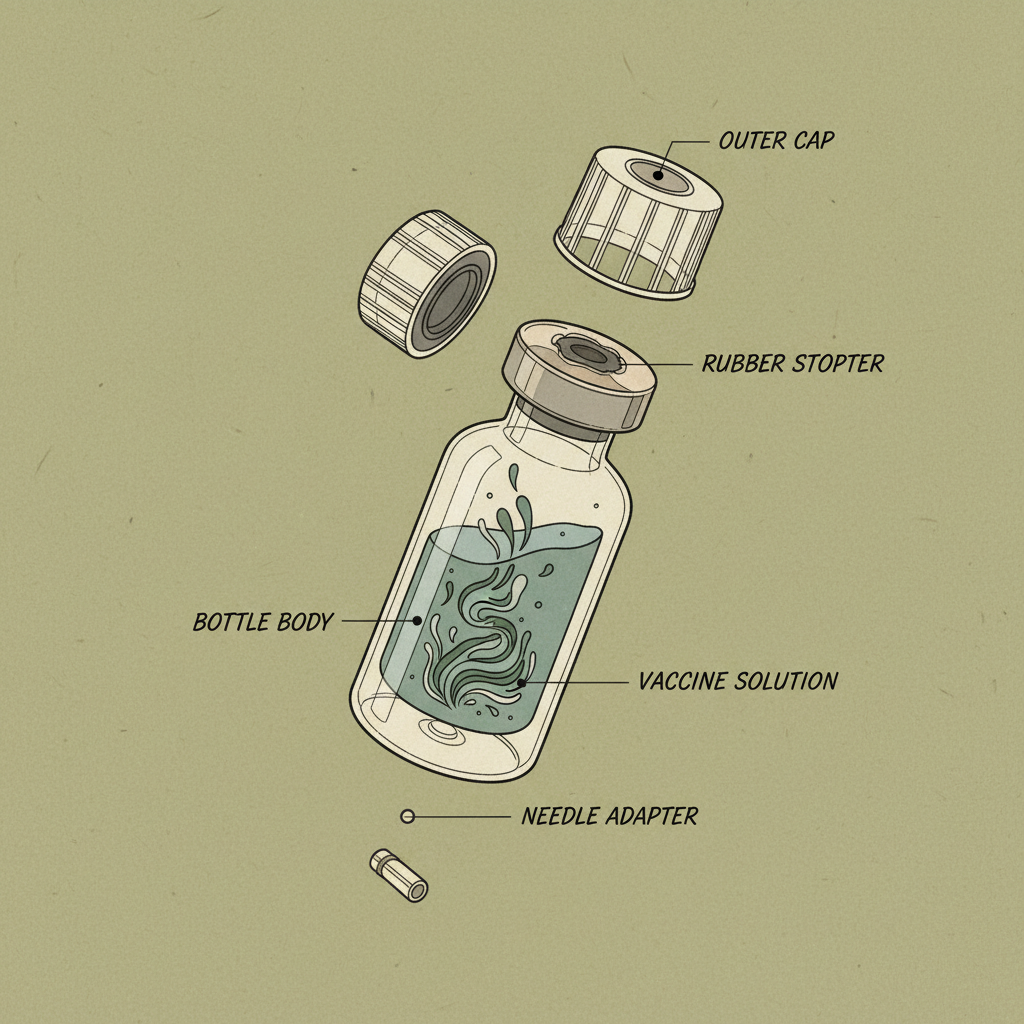
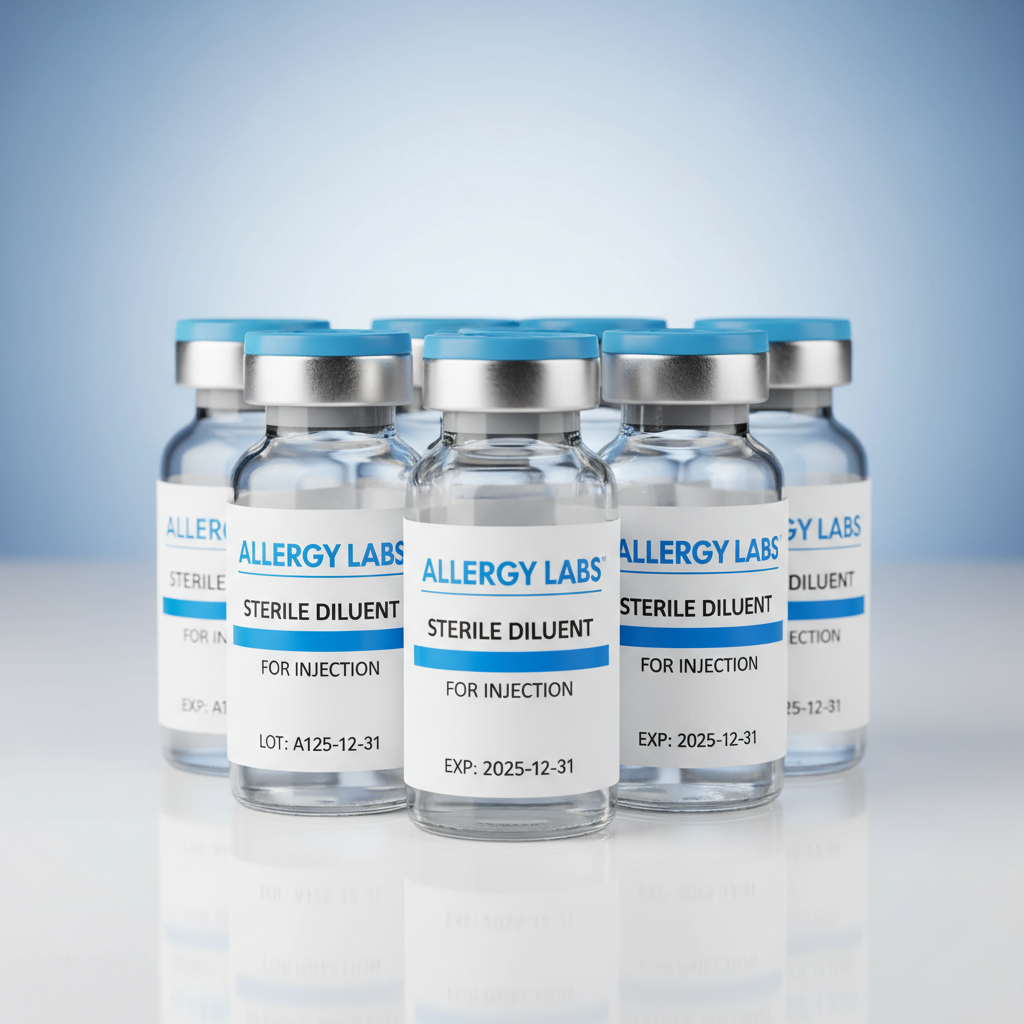
Safety in pharmaceutical packaging is achieved through a combination of structural integrity and secure closure systems. High-quality wholesale bottles feature screw caps or tamper-evident lids that create a hermetic seal, preventing leaks and protecting the sterile internal environment from atmospheric contamination. This is especially crucial for vaccine vials and liquid serums that require strict sterility until the point of administration.
Furthermore, the transparency of the plastic allows healthcare providers to perform immediate visual inspections of liquid levels and clarity, reducing dosing errors. Ergonomic shaping ensures that bottles can be gripped securely even in fast-paced environments, while standardized neck finishes allow for compatibility with various automated dispensing systems used in modern pharmacy workflows.
Application Scenarios in Veterinary and Lab Settings
In veterinary medicine, the demand for durable plastic containers is driven by the need for mobile field operations. Unlike controlled hospital settings, veterinary professionals often transport vaccines and liquid medications in vehicles or outdoors. Shatter-resistant PP and PE bottles are indispensable here, as they withstand physical impact and temperature fluctuations better than fragile alternatives.
In laboratory environments, these containers serve as critical vessels for reagents and experimental liquids. The ability to customize molds allows for the creation of specific volumes—from small single-dose vials to larger bulk storage bottles—ensuring that lab consumables match the exact scale of the research project, thereby reducing reagent waste and improving experimental reproducibility.
Operational Efficiency Metrics for Container Choice
Selecting the right wholesale packaging directly impacts the operational throughput of a medical facility. Efficiency is measured by the reduction in downtime caused by breakage, the speed of visual inventory checks, and the accuracy of dosing. The following conceptual framework illustrates the relative impact of different container attributes on overall workflow efficiency.
As indicated by this relative evaluation, the durability of the material and the security of the closure system provide the highest gains in operational stability. When these factors are optimized, staff spend less time on cleanup and repackaging and more time on patient care or research analysis.
Evaluating Wholesale Supplier Capabilities
When auditing a supplier for prescription bottles wholesale, procurement officers should look beyond unit price and examine the manufacturing infrastructure. A professional manufacturer should operate within certified clean room environments (such as 10,000-class purification workshops) to ensure that the bottles are free from particulate matter before they reach the end-user.
Additionally, the capacity for customized molding is a key differentiator. A supplier that can adapt bottle geometry to specific dosing needs or labeling requirements provides significantly more value than a provider of generic stock. Evidence of ISO 9001 or FDA certifications further validates that the supplier adheres to the quality management systems necessary for pharmaceutical-grade packaging.
Common Procurement Risks and Mitigations
One of the most frequent risks in wholesale procurement is the mismatch between material properties and the chemical nature of the medication. Using a low-grade plastic for a highly reactive organic solvent can lead to leaching, where plasticizers migrate into the medicine, potentially causing toxicity or degradation of the active ingredient.
To mitigate this, buyers should request material data sheets and perform compatibility tests. Another risk is the failure of closure seals during long-distance transport. Implementing a rigorous quality check on the torque and seal integrity of the caps can prevent costly spills and loss of sterile contents, ensuring that the products remain viable throughout the supply chain.
Pharmaceutical Packaging Selection Matrix
Choosing the ideal container requires a weighted analysis of the specific application. Whether the priority is extreme durability for field use, high clarity for laboratory monitoring, or maximum sterility for vaccine storage, the following matrix provides a qualitative guide for decision-making.
| Container Type | Primary Strength | Ideal Application | Main Consideration |
|---|---|---|---|
| PP-Based Bottle | Heat Resistance | Autoclave-sterilized meds | Slightly lower clarity |
| PE-Based Bottle | Flexibility/Impact | Mobile Veterinary Field | Gas permeability |
| PET-Based Bottle | High Transparency | Visual Reagent Monitoring | Lower heat tolerance |
| Customized Vial | Precision Volume | Specialized Research | Higher initial mold cost |
| Sterile Vaccine Vial | Contamination Control | Injectable Liquid Meds | Strict seal verification |
| Reagent Bottle | Chemical Inertness | Lab Chemical Storage | Compatibility with solvents |
By aligning the container type with the operational environment, procurement managers can maximize the lifespan of the medication and ensure the highest safety standards for both the handler and the patient.
Frequently Asked Questions
Polypropylene (PP), Polyethylene (PE), and PET are the industry standards. PP is preferred for heat resistance, PE for impact durability in field use, and PET for maximum clarity during visual inspection.
Plastic is shatter-resistant, lightweight, and generally safer for transport and high-volume clinical use. While glass offers superior gas barriers, medical-grade plastics provide the durability needed for veterinary and mobile medical services.
Verify the existence of clean room production facilities, ISO 9001 or FDA certifications, and the ability to provide customized molds to match specific volume and design requirements.
Yes, provided they are produced in a controlled purification workshop and equipped with secure, tamper-evident screw caps to maintain sterility during transport and storage.
Professional manufacturers offer mold customization, allowing you to specify dimensions, neck finishes, and volumes to integrate seamlessly with your existing lab hardware or dosing systems.
Compatibility is verified through material data sheets and testing the polymer's reaction to specific organic solvents to ensure no leaching or degradation occurs over the storage period.
Conclusion
Selecting a provider for prescription bottles wholesale requires a technical evaluation of material science, manufacturing hygiene, and design functionality. By prioritizing medical-grade polymers like PP and PE and ensuring suppliers operate within certified clean rooms, organizations can significantly reduce the risk of medication contamination and operational downtime.
For procurement professionals seeking high-quality pharmaceutical packaging and laboratory apparatus, detailed product specifications and customization options are available at www.wkpacking.com to ensure a perfect match for your clinical or research requirements.