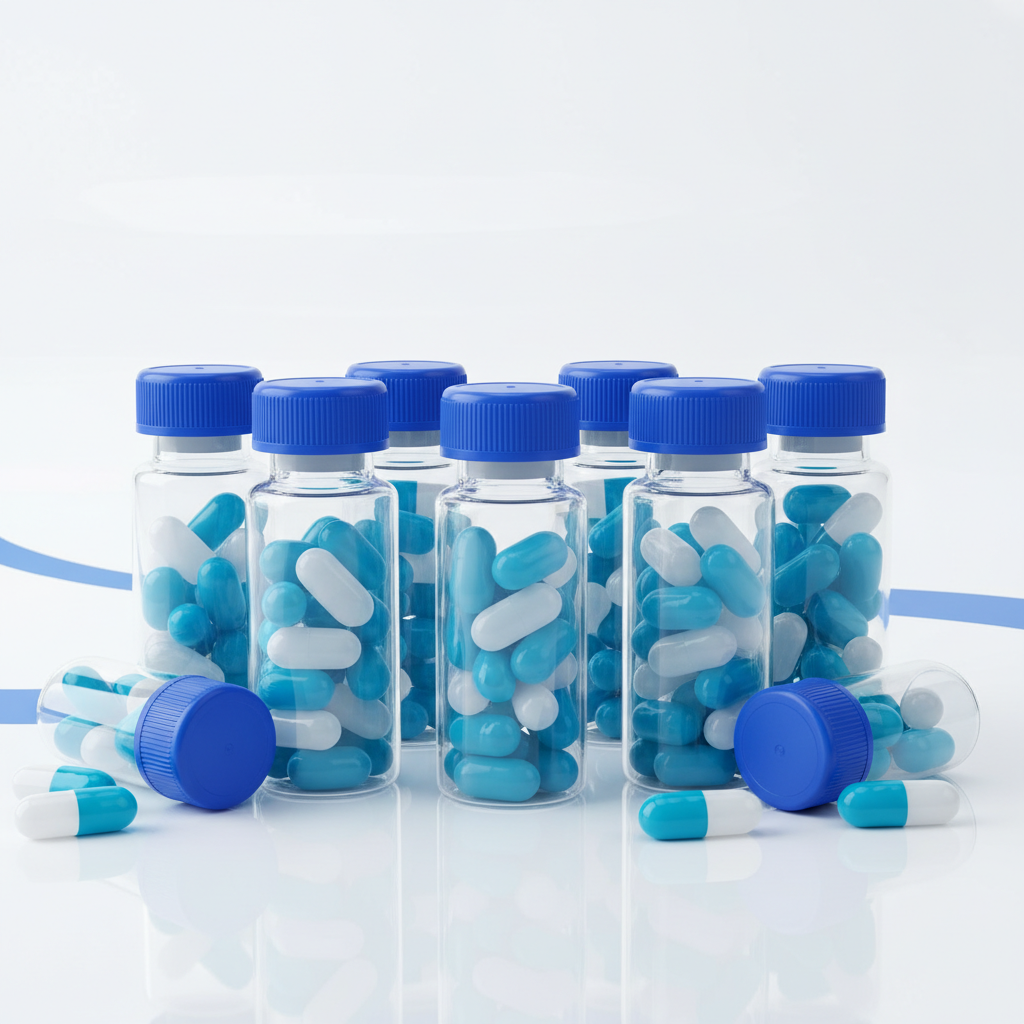
When professionals look to buy empty pill bottles, they are seeking more than just a container; they are investing in the stability and safety of pharmaceutical or veterinary agents. These specialized vessels, typically crafted from medical-grade polymers, serve as the primary barrier between sensitive chemical compounds and external contaminants, ensuring that the potency of the medicine remains intact from the production line to the point of administration.
The challenge for procurement teams in the medical and laboratory sectors is balancing material durability with chemical compatibility. Many standard containers fail to protect light-sensitive liquids or leak during high-pressure transport, leading to significant waste and potential safety risks in clinical environments. Choosing the right material, such as high-density polyethylene (PE) or polypropylene (PP), is critical to avoiding leaching and ensuring a sterile environment.
This guide provides a comprehensive analysis of the selection criteria for pharmaceutical plastic packaging. By examining the technical advantages of injection-blown molding and UV-protective tinting, this article will help you determine the optimal bottle specifications for your specific laboratory or veterinary needs, ensuring compliance with safety standards and maximizing product shelf life.

1Understanding Medical-Grade Plastic Containers

Medical-grade plastic containers are engineered to meet rigorous pharmaceutical standards, prioritizing chemical inertness and structural integrity. Unlike consumer-grade plastics, those used in the production of medicine bottles must undergo strict purification processes. The use of polyethylene (PE) and polypropylene (PP) ensures that the containers can withstand varying temperatures and pressures without compromising the purity of the stored substance.
The production process, typically involving injection and blowing, ensures a uniform wall thickness and a smooth exterior. This precision is not merely aesthetic; it prevents stress points that could lead to fractures during shipping and provides a consistent surface for critical labeling of batch numbers and expiration dates.
For those who buy empty pill bottles for specialized use, understanding the role of the purification workshop is essential. Clean-room environments, such as 100,000-level clean rooms, prevent particulate contamination, ensuring that the bottle is sterile before it ever reaches the filling station.
2Key Technical Features of Pharmaceutical Vials
A primary technical requirement for liquid medication storage is protection against photo-degradation. Brown plastic vaccine vials utilize specific pigments that act as a UV barrier, shielding light-sensitive compounds from ultraviolet radiation. This is critical for maintaining the potency of vaccines and veterinary medicines that would otherwise break down when exposed to natural light.
Sealing mechanisms also play a pivotal role in safety. The integration of rubber plugs and aluminum caps creates an airtight seal that prevents leakage and atmospheric contamination. In laboratory settings, tamper-evident lids provide an additional layer of security, ensuring that the integrity of the sample has not been compromised during transit.
Furthermore, the shatter-resistant nature of these polymers offers a significant safety advantage over glass. In fast-paced clinic environments, the risk of accidental breakage is minimized, reducing the potential for injuries and preventing the loss of expensive or rare medicinal liquids.
3Application Scenarios in Veterinary and Lab Settings
In veterinary medicine, the portability of plastic vials is indispensable. Mobile veterinary units often transport vaccines across rugged terrains where glass containers would be impractical. The lightweight nature of PP and PE materials reduces the overall weight of medical kits, while the ergonomic design allows for easy handling and rapid administration during large-scale livestock vaccination programs.
Laboratory environments utilize these bottles for reagent storage and sample collection. The chemical resistance of these plastics ensures that they do not react with various solvents or acidic solutions, which is critical for maintaining the accuracy of experimental results. The variety of available capacities, ranging from 10ml to 500ml, allows researchers to optimize storage space in refrigeration units.
Additionally, these containers are widely used in the pharmaceutical industry for the distribution of oral medications and liquid supplements. The ability to customize bottle shapes and sizes ensures a precise fit for specific dosage requirements and automated filling machinery.
4Material Performance and Stability Metrics
The performance of a pharmaceutical bottle is measured by its ability to maintain a sterile barrier and resist chemical leaching. High-quality medical plastics are tested for extractables and leachables (E&L) to ensure that no monomers or additives migrate into the medication. This is especially important for injectable liquids where purity is a non-negotiable requirement.
Stability is also evaluated through pressure tests and leak rate analysis. The injection-blowing process creates a seamless bottle body that distributes internal pressure evenly, reducing the likelihood of cap failure or wall rupture during air transport where pressure fluctuations are common.
buy empty pill bottles Performance Metrics
When comparing professional-grade bottles to generic alternatives, the difference lies in the consistency of the wall thickness and the precision of the thread engagement. A consistent wall ensures that the thermal expansion of the plastic is uniform, preventing structural weaknesses during sterilization cycles.
5Procurement Guide for Sterile Packaging
For procurement officers looking to buy empty pill bottles, the evaluation should start with certification. ISO 9001 and FDA certifications are basic requirements that guarantee a quality management system is in place. Furthermore, checking for drug packing material registration certificates ensures that the supplier complies with the legal standards of the pharmaceutical industry.
Capacity selection should be based on the average dose per patient or animal to minimize wastage. For example, 10-50ml vials are ideal for multi-dose veterinary vaccines, whereas larger 500ml bottles are better suited for bulk laboratory reagents. Ensuring the cap type (screw vs. crimp) matches your filling equipment is also a critical step in the procurement process.
Finally, consider the total cost of ownership, which includes not just the unit price but also the reduction in breakage costs and the efficiency gained from using standardized, easy-to-label containers. Reliable suppliers like Cangzhou Weikang Package provide integrated solutions that reduce these operational risks.
6Innovation in Pharmaceutical Plastic Packaging
The industry is moving toward "smart packaging" and sustainable polymers. While PP and PE remain the standards for safety, there is increasing research into biodegradable medical plastics that maintain the same barrier properties. This shift aims to reduce the environmental footprint of the massive volume of single-use medical plastics generated globally.
Another area of innovation is the enhancement of tamper-evident technology. Modern lids now incorporate multi-stage locking mechanisms that provide visual and tactile evidence of opening, which is critical for preventing medication errors and ensuring the safety of the end-user in pharmaceutical distribution chains.
Furthermore, the integration of QR codes and RFID tags directly into the label area of the bottle is improving traceability. This allows pharmacies and clinics to track batch numbers and expiration dates in real-time, significantly reducing the risk of using expired medication.
7Comparative Analysis: Plastic vs. Glass Vials
The choice between plastic and glass often comes down to a trade-off between absolute chemical inertness and operational safety. Glass is traditionally seen as the gold standard for long-term stability of highly reactive substances, but it carries the inherent risk of fragility and higher transport costs.
Plastic vials, particularly those made from medical-grade PP, offer a practical alternative for the majority of veterinary and laboratory applications. They provide sufficient chemical resistance for most agents while eliminating the risk of shatter-related accidents and reducing the overall logistical burden.
| Feature | Medical-Grade Plastic | Borosilicate Glass | Impact on Operation |
|---|---|---|---|
| Durability | High (Shatter-resistant) | Low (Fragile) | Safety in Field Use |
| Weight | Lightweight | Heavy | Shipping Costs |
| UV Protection | Integrated Tinting | Amber Coating | Potency Maintenance |
| Sterilization | EO Gas / Autoclave | Heat / Steam | Process Compatibility |
| Chemical Inertness | High (PP/PE) | Very High | Stability of Agent |
| Cost Efficiency | Higher (Scale) | Lower (Fragility) | Total Procurement Cost |
Ultimately, the decision should be based on the specific sensitivity of the medication and the environment of use. For field operations and high-volume clinics, plastic vials are the superior choice due to their robustness and efficiency.
Frequently Asked Questions
Conclusion
Selecting the right container is a fundamental step in ensuring the safety and efficacy of any pharmaceutical or veterinary product. By prioritizing medical-grade materials, UV protection, and sterile production environments, professionals can significantly reduce the risk of contamination and degradation. The transition from glass to high-performance plastics like PP and PE has proven essential for modern, mobile, and high-volume medical operations.
For organizations looking to buy empty pill bottles that meet international safety and quality standards, partnering with an experienced manufacturer is key. You can review comprehensive product specifications and available solutions for pharmaceutical packaging at www.wkpacking.com to ensure your requirements are fully met.