-
 Afrikaans
 -
 Albanian
 -
 Amharic
 -
 Arabic
 -
 Armenian
 -
 Azerbaijani
 -
 Basque
 -
 Belarusian
 -
 Bengali
 -
 Bosnian
 -
 Bulgarian
 -
 Catalan
 -
 Cebuano
 -
 Corsican
 -
 Croatian
 -
 Czech
Czech -
 Danish
 -
 Dutch
Dutch -
 English
 -
 Esperanto
 -
 Estonian
 -
 Finnish
 -
 French
 -
 Frisian
 -
 Galician
 -
 Georgian
 -
 German
 -
 Greek
Greek -
 Gujarati
 -
 Haitian Creole
 -
 hausa
hausa -
 hawaiian
 -
 Hebrew
 -
 Hindi
Hindi -
 Miao
Miao -
 Hungarian
 -
 Icelandic
 -
 igbo
igbo -
 Indonesian
 -
 irish
irish -
 Italian
 -
 Japanese
 -
 Javanese
 -
 Kannada
 -
 kazakh
 -
 Khmer
Khmer -
 Rwandese
 -
 Korean
 -
 Kurdish
 -
 Kyrgyz
 -
 Lao
Lao -
 Latin
Latin -
 Latvian
 -
 Lithuanian
 -
 Luxembourgish
 -
 Macedonian
 -
 Malgashi
 -
 Malay
Malay -
 Malayalam
 -
 Maltese
 -
 Maori
Maori -
 Marathi
 -
 Mongolian
 -
 Myanmar
 -
 Nepali
 -
 Norwegian
 -
 Norwegian
 -
 Occitan
 -
 Pashto
 -
 Persian
 -
 Polish
 -
 Portuguese
 -
 Punjabi
 -
 Romanian
 -
 Russian
 -
 Samoan
 -
 Scottish Gaelic
 -
 Serbian
 -
 Sesotho
 -
 Shona
Shona -
 Sindhi
 -
 Sinhala
 -
 Slovak
 -
 Slovenian
 -
 Somali
 -
 Spanish
 -
 Sundanese
 -
 Swahili
 -
 Swedish
 -
 Tagalog
 -
 Tajik
Tajik -
 Tamil
Tamil -
 Tatar
Tatar -
 Telugu
 -
 Thai
Thai -
 Turkish
 -
 Turkmen
 -
 Ukrainian
 -
 Urdu
Urdu -
 Uighur
 -
 Uzbek
Uzbek -
 Vietnamese
 -
 Welsh
Welsh -
 Bantu
Bantu -
 Yiddish
 -
 Yoruba
 -
 Zulu
Zulu
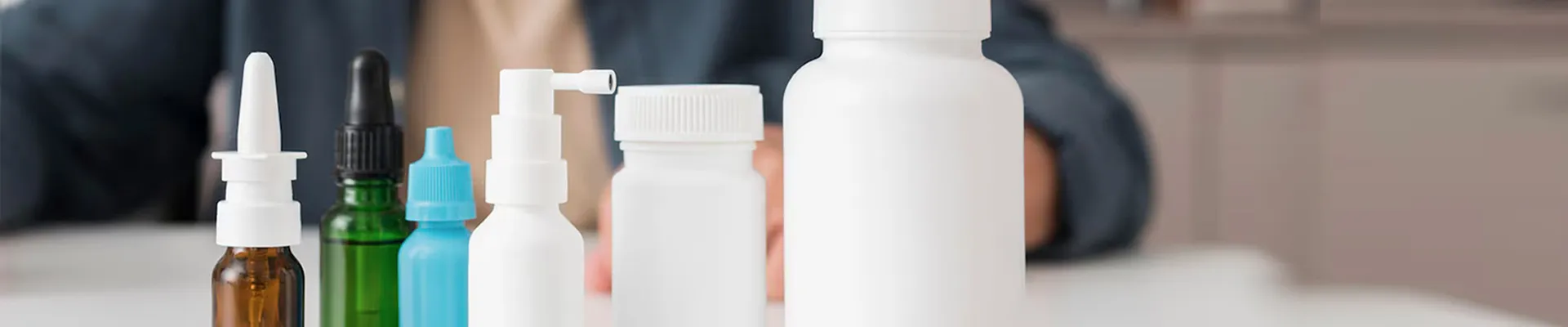


Quality Reagent Bottle in Modern Laboratories
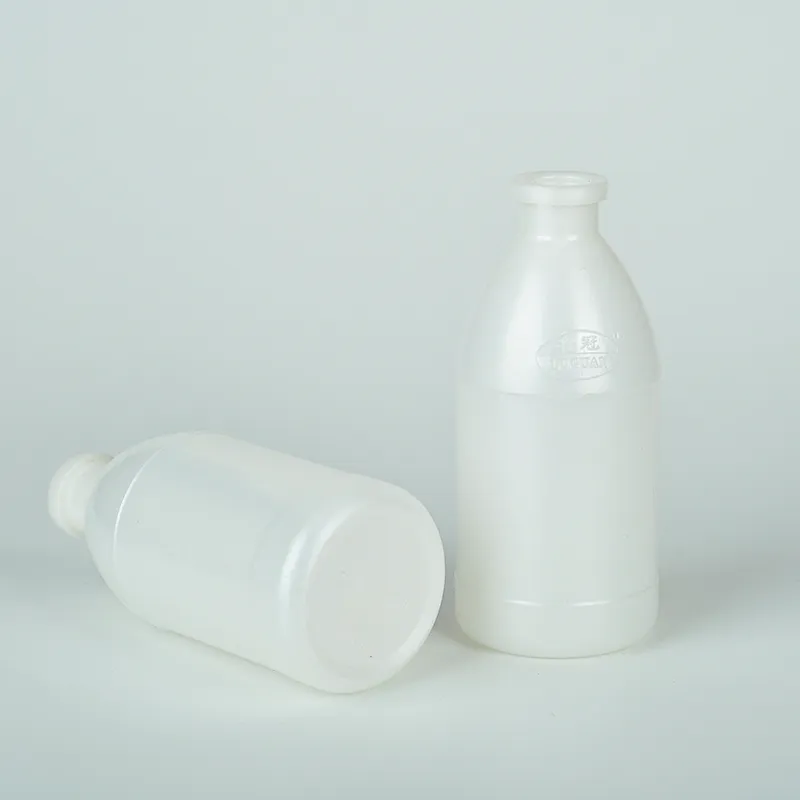
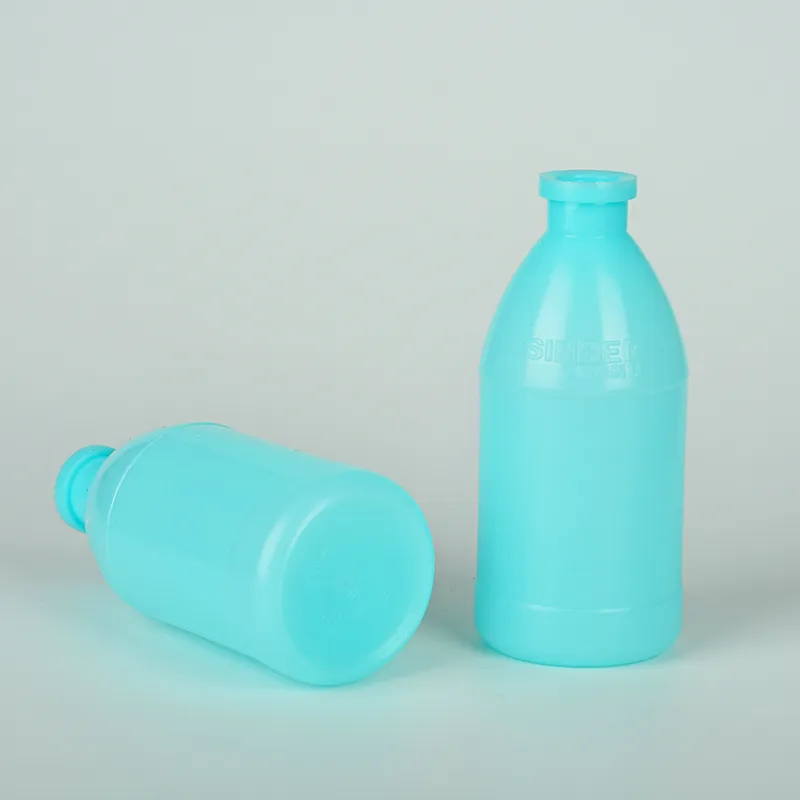
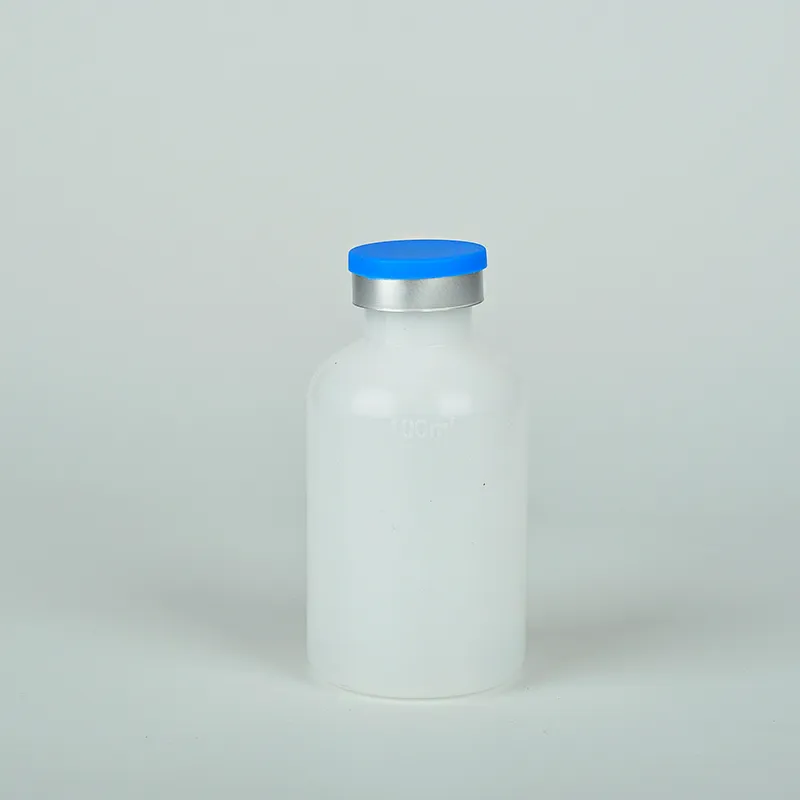
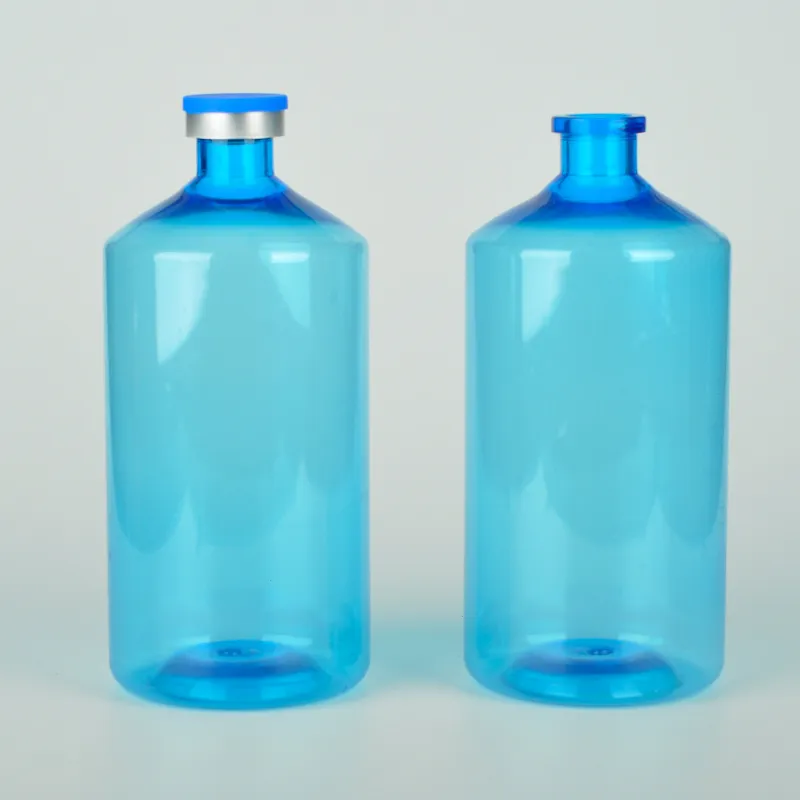
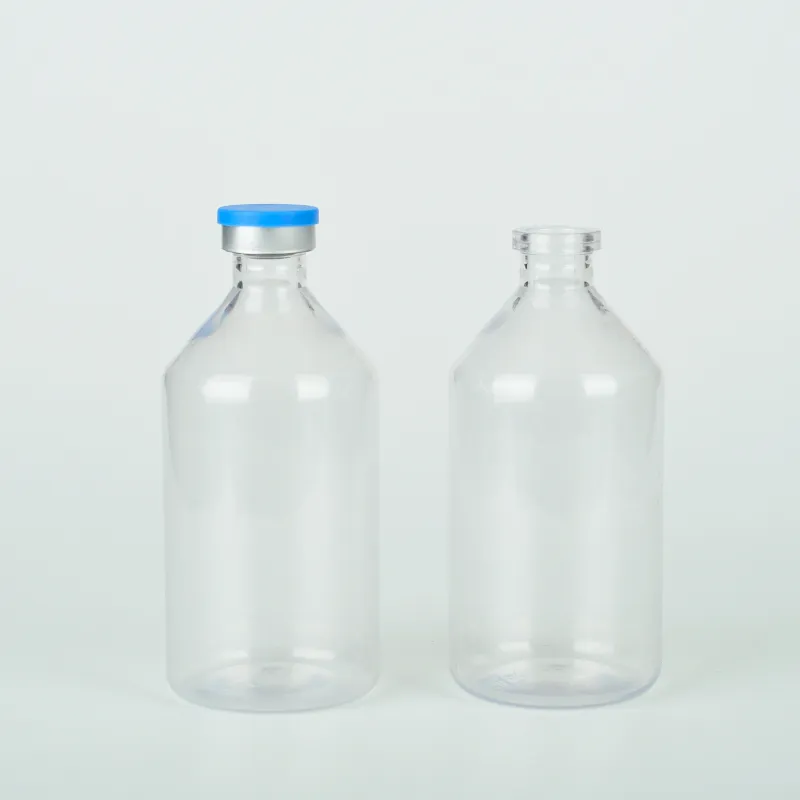
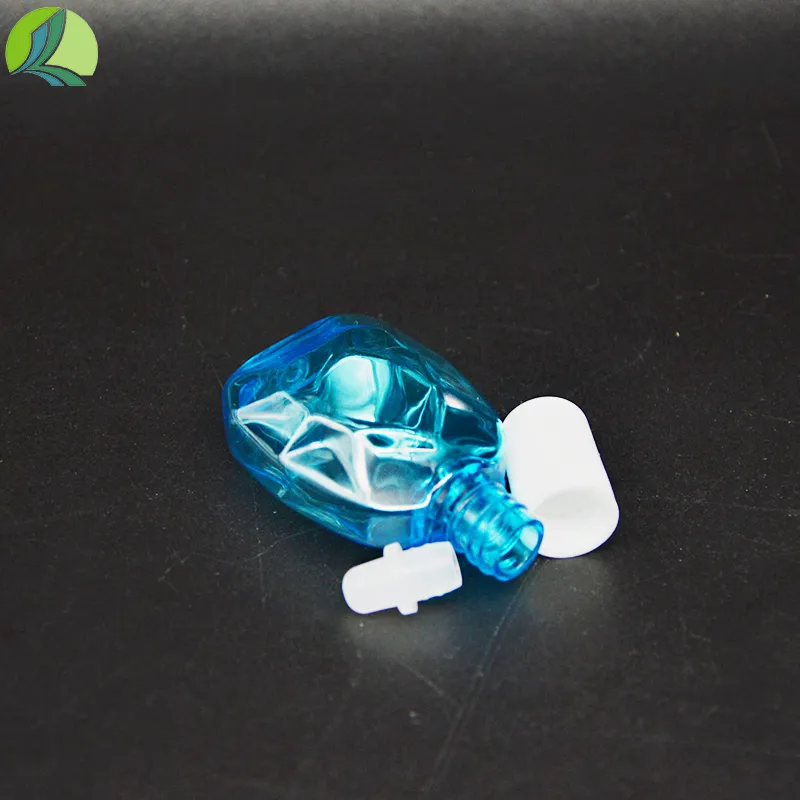
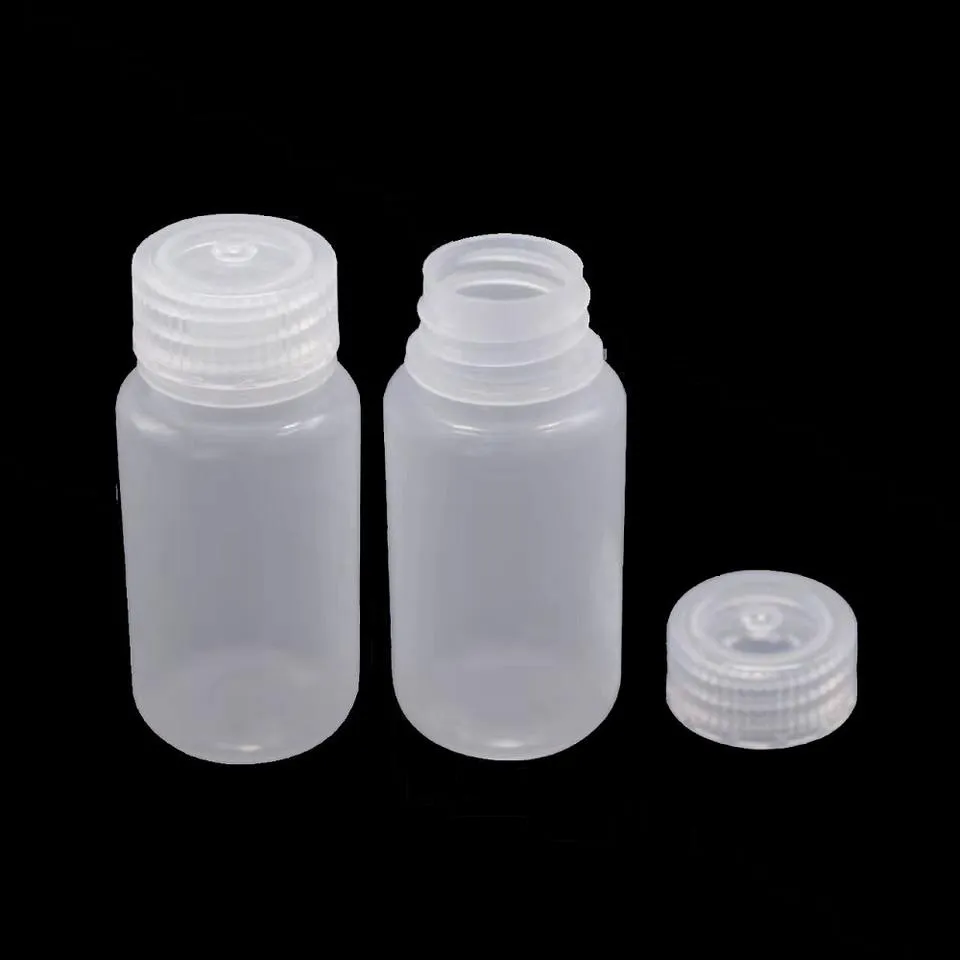
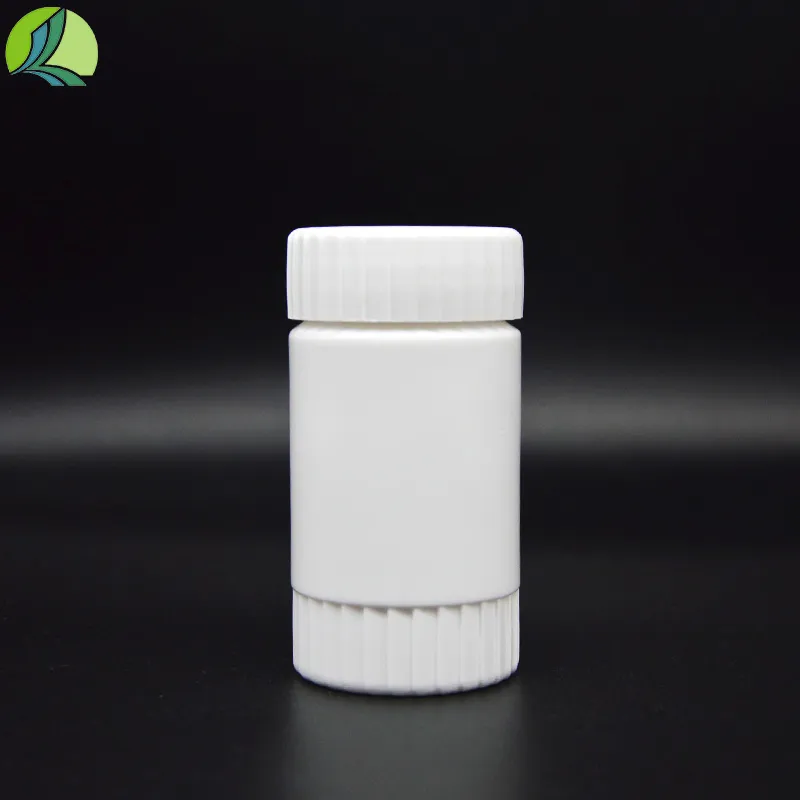
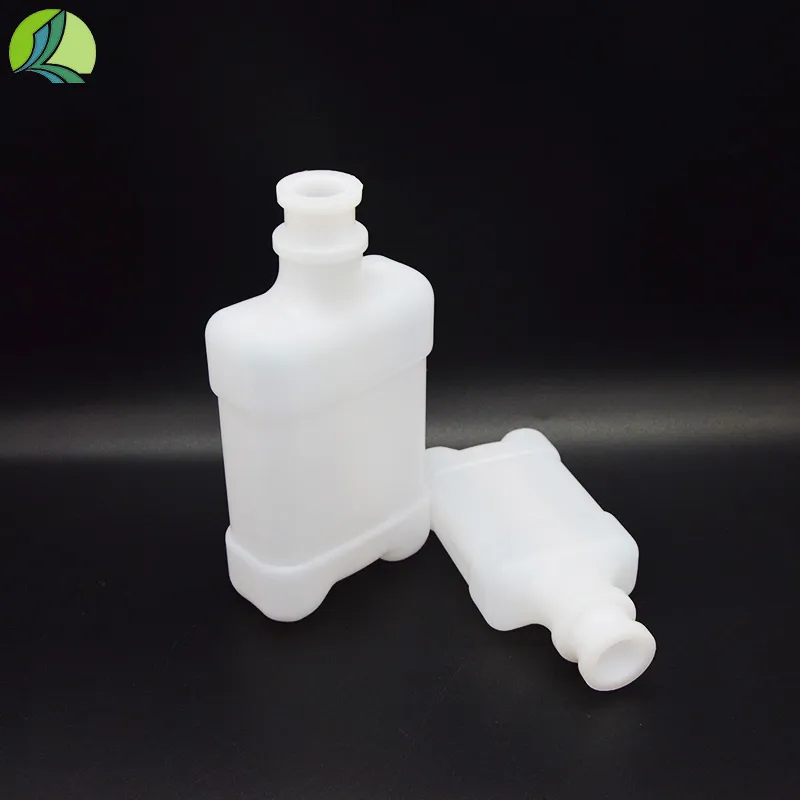
In the realm of scientific research and chemical analysis, the reagent bottle serves as an indispensable tool. Designed specifically for storing chemicals, solutions, and reagents, these bottles are a critical component in laboratories worldwide. Their unique construction ensures the safe containment of volatile and sensitive substances, making them fundamental to successful experiments and accurate results.
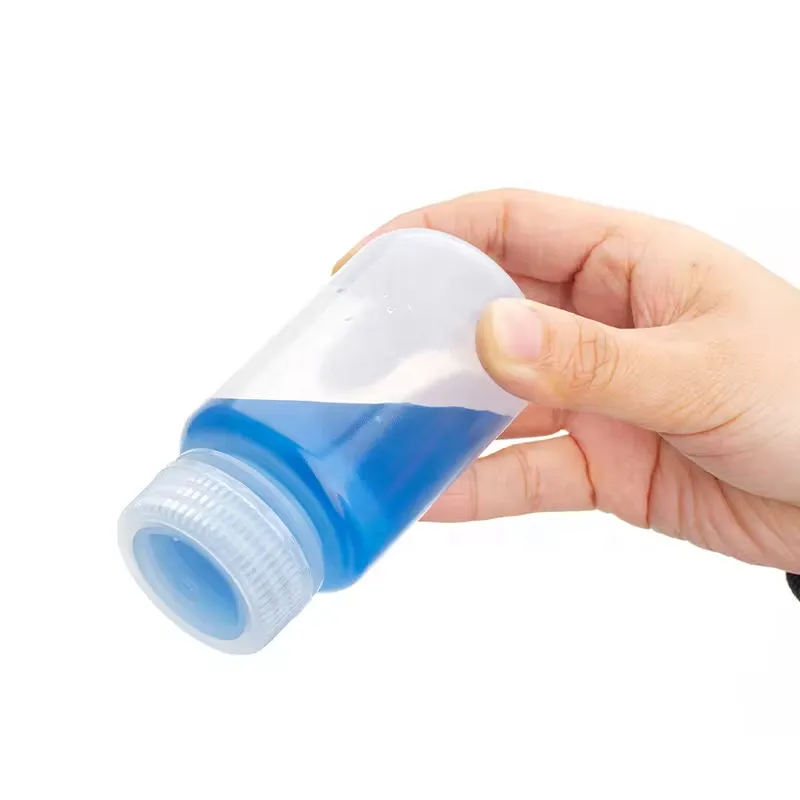
A high-quality reagent bottle in reagent bottle chemistry must meet stringent standards. The material—often borosilicate glass or chemically resistant plastic—needs to withstand corrosive reagents and extreme temperatures without degradation. This resilience ensures the integrity of chemicals over extended periods, avoiding contamination or reactions that could compromise experimental outcomes.
Moreover, the design incorporates features such as airtight seals, various neck sizes, and safety caps to prevent spillage and evaporation. In modern laboratories, the choice of the right reagent bottle affects everything from daily handling safety to long-term chemical stability, making it a cornerstone of laboratory equipment.
The Role and Function of Reagent Bottle in Laboratory Settings
Understanding the function of reagent bottle in laboratory operations helps highlight its value beyond mere storage. These bottles are tailored to maintain chemical purity, facilitate precise dispensing, and support routine workflow efficiency. By securely housing reagents, they prevent exposure to air, moisture, and light, factors that can degrade chemical compounds.
A key function of the reagent bottle is to provide a safe, controlled environment for chemicals used in titration, synthesis, and analytical procedures. The bottle’s airtight closure ensures that volatile solvents or hygroscopic reagents do not absorb moisture, which is crucial in maintaining concentration accuracy. Additionally, the standardized sizes and clear graduations on many bottles assist scientists in measuring and transferring liquids with precision.
From small-scale research labs to industrial chemical facilities, the function of reagent bottle in laboratory ensures compliance with safety protocols and laboratory standards. The proper storage of reagents in these bottles minimizes risks associated with spills, contamination, and exposure, thereby safeguarding personnel and preserving sample integrity.
Exploring Different Types and Uses of Reagent Bottle Chemistry
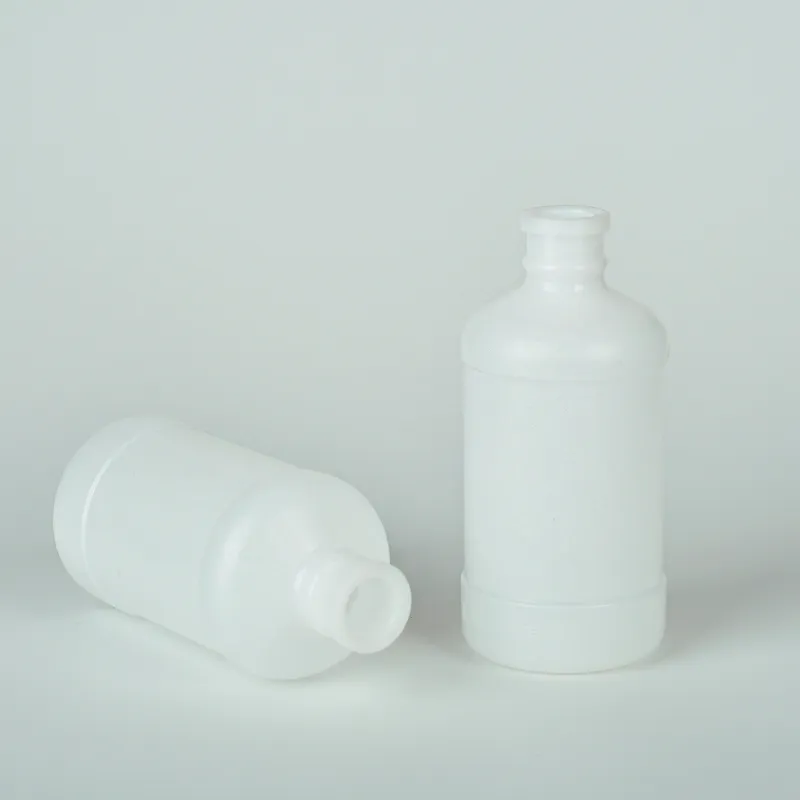
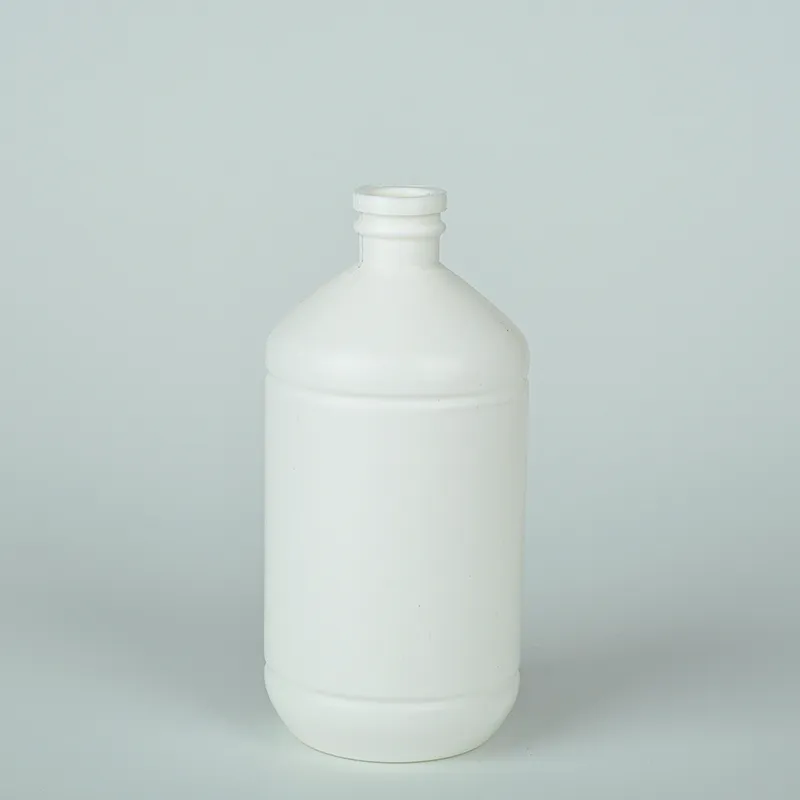
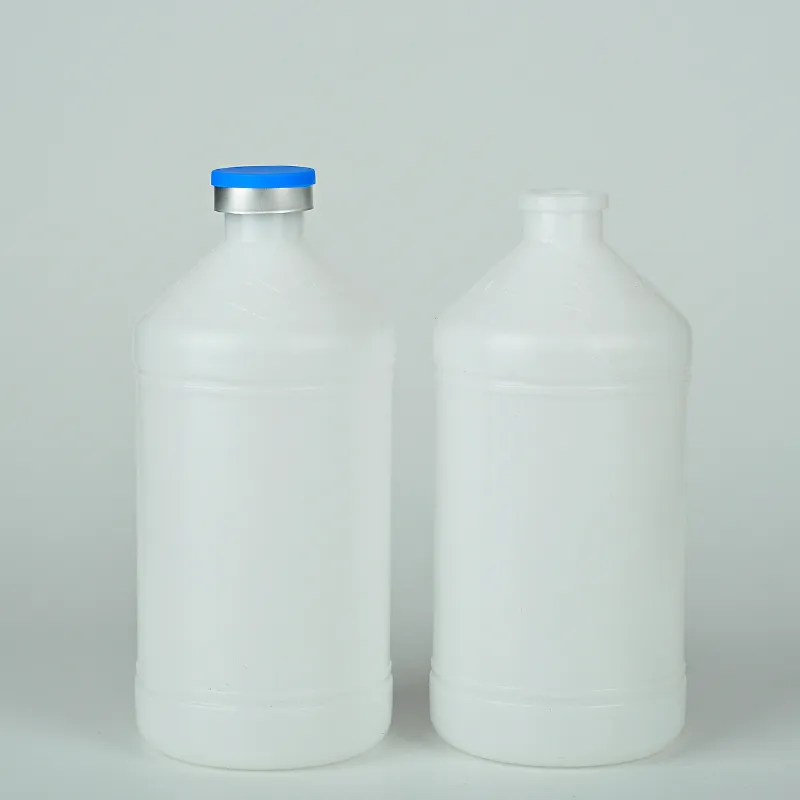
Reagent bottle chemistry encompasses a broad spectrum of bottle types, each designed for specific chemicals and laboratory requirements. Borosilicate glass bottles are favored for their exceptional thermal and chemical resistance, making them suitable for acids, bases, and organic solvents. Plastic reagent bottles, often made from HDPE or polypropylene, provide lightweight, shatter-resistant alternatives ideal for aqueous solutions and less aggressive chemicals.
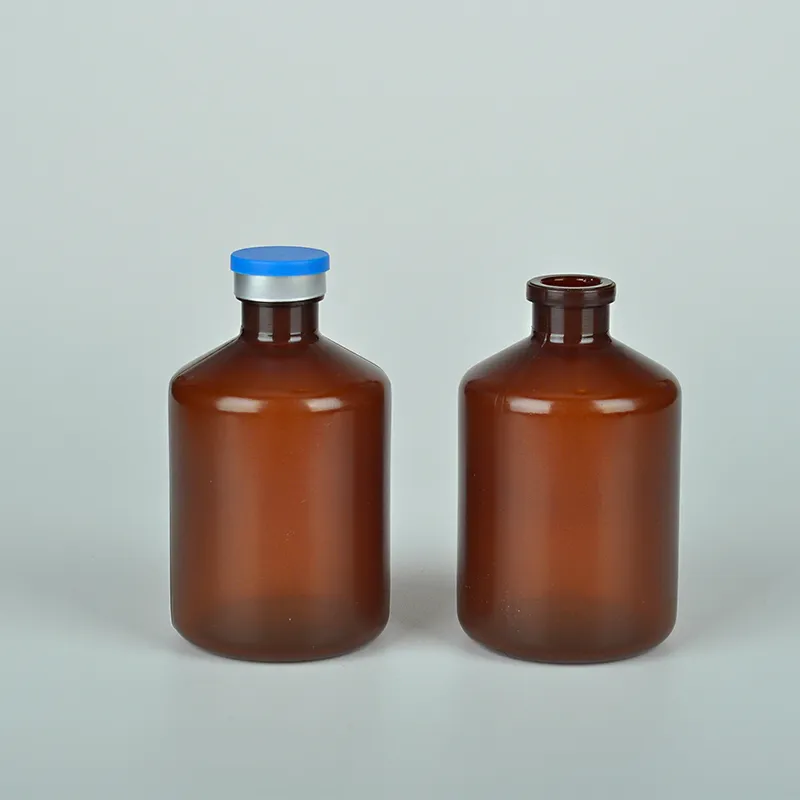
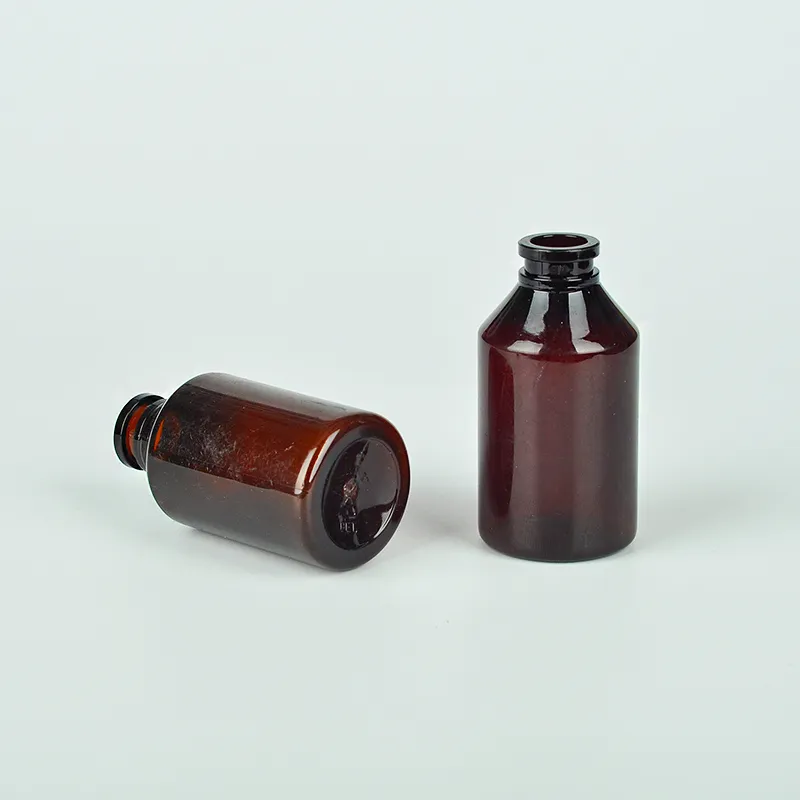
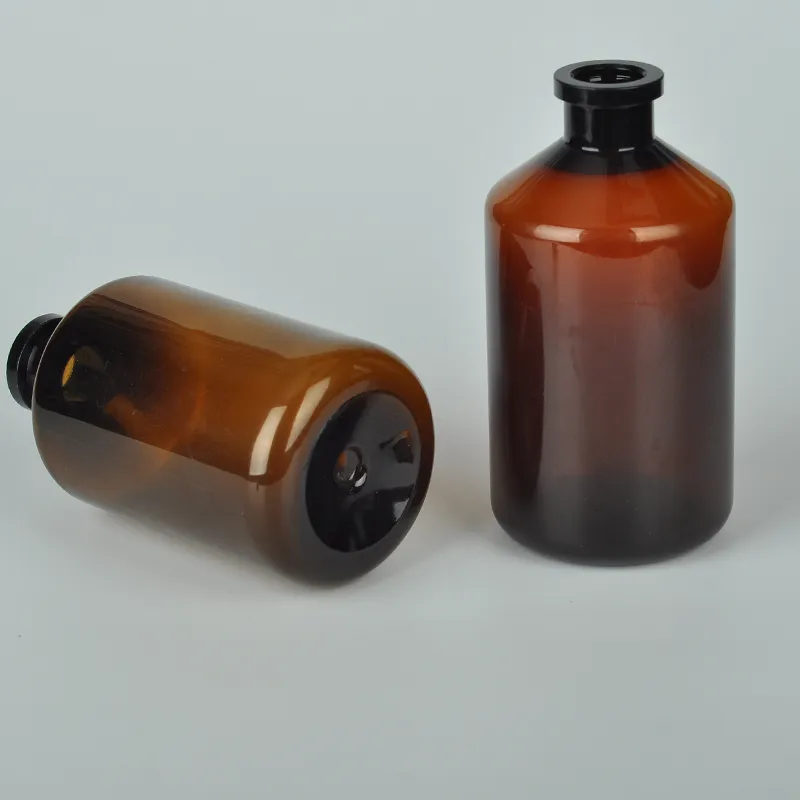
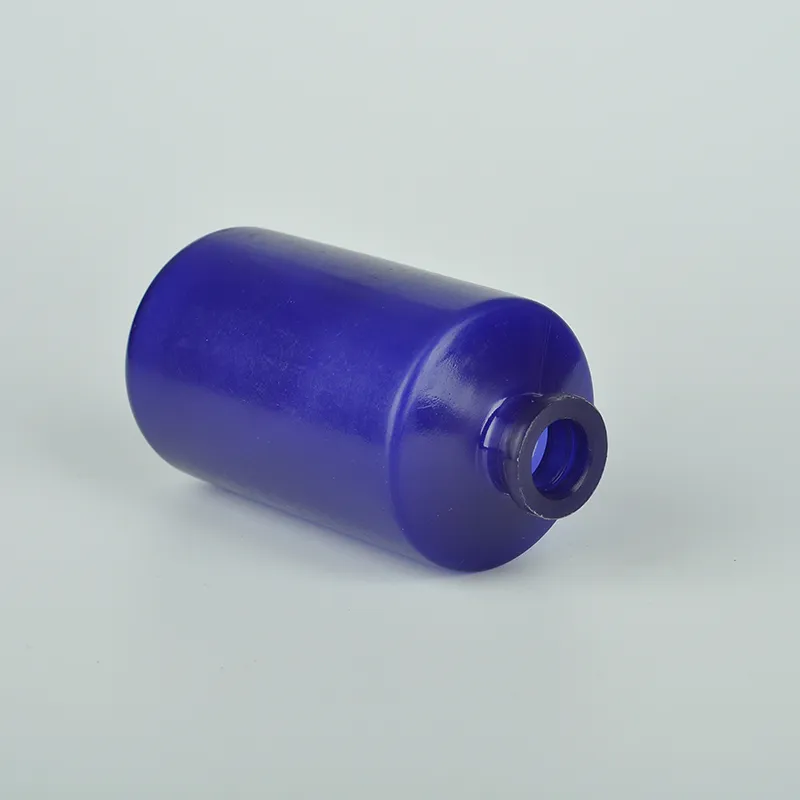
In specialized laboratory environments, amber or colored reagent bottles are used to shield light-sensitive reagents from UV degradation. Some reagent bottles also come with specialized closures, such as dropper caps or pipette fittings, tailored to facilitate precise reagent handling in titrations or chromatography.
Reagent bottle chemistry also involves compatibility considerations; selecting a bottle that does not react with stored chemicals prevents unwanted side reactions and contamination. This selection is critical in high-precision fields such as pharmaceuticals, environmental testing, and forensic analysis, where reagent purity directly impacts analytical accuracy.
Cost Factors and Understanding Reagent Bottle Price Trends
When procuring reagent bottles, price is a key consideration but should not be the sole factor. The reagent bottle price varies widely depending on material, size, manufacturer, and additional features like tamper-proof caps or specialized coatings. Borosilicate glass bottles typically cost more than plastic counterparts due to their superior durability and resistance properties.
Bulk purchasing often reduces the unit reagent bottle price, making it a practical option for laboratories requiring large quantities. However, quality must always be prioritized to avoid costly experimental errors or safety incidents. Some manufacturers offer customization, which can influence reagent bottle price, particularly if color coding, printed labels, or unique closures are needed.
Innovations in materials and manufacturing processes have also impacted reagent bottle price dynamics. Eco-friendly bottles made from recyclable or biodegradable plastics may have different cost structures compared to traditional materials but contribute to sustainable laboratory practices.
Choosing the Right Reagent Bottle Supplier for Your Laboratory Needs
Selecting a dependable supplier is crucial to ensure consistent quality and availability of reagent bottles. Trusted suppliers understand the nuances of reagent bottle chemistry and can offer expert guidance on selecting appropriate bottles for your specific laboratory applications. They provide comprehensive product catalogs with detailed specifications, certifications, and compliance information.
A reputable supplier will also offer value-added services such as custom printing, private labeling, and fast delivery options. Reliable sourcing guarantees that the reagent bottle price reflects the quality and reliability of the products, avoiding hidden costs from damage or unsuitability.
Partnering with a knowledgeable supplier helps laboratories maintain compliance with regulatory bodies such as OSHA, ISO, and FDA, especially when handling hazardous or sensitive reagents. Ultimately, a well-chosen supplier ensures that your laboratory is equipped with the best reagent bottle solutions for safety, efficiency, and scientific accuracy.
Reagent bottle FAQs
What materials are typically used to manufacture reagent bottles?
Most reagent bottles are made from borosilicate glass due to its exceptional chemical and thermal resistance, making it ideal for harsh chemicals and high-temperature environments. Plastic variants, commonly made from HDPE or polypropylene, offer lightweight, impact-resistant alternatives suitable for less aggressive substances. The choice depends on chemical compatibility, durability requirements, and budget.
How does the function of a reagent bottle differ from other laboratory bottles?
The primary function of reagent bottle in laboratory settings is to securely store and preserve the chemical integrity of reagents by preventing exposure to air, moisture, and light. Unlike general-purpose bottles, reagent bottles often have features like airtight seals, specific neck sizes for compatible stoppers, and materials selected to resist specific chemical interactions, ensuring safety and accuracy in experiments.
What factors influence reagent bottle price?
The reagent bottle price depends on factors such as the material (glass or plastic), size, design complexity, and additional features like tamper-evident caps or specialized coatings. Brand reputation, manufacturing process, and order volume also affect price. While cheaper bottles might seem attractive, investing in quality prevents contamination, leakage, and safety hazards that can lead to higher indirect costs.
Are there specific reagent bottles for light-sensitive chemicals?
Yes, in reagent bottle chemistry, amber or colored reagent bottles are commonly used to protect light-sensitive reagents from UV degradation. These bottles filter out harmful light wavelengths that can alter the chemical composition of certain substances, ensuring longer shelf life and maintained efficacy of reagents.
Can reagent bottles be reused or recycled?
Many glass reagent bottles can be sterilized and reused multiple times if handled properly, making them economical and environmentally friendly. Plastic reagent bottles’ recyclability depends on the type of polymer used; HDPE and polypropylene are generally recyclable, but recycling options vary by region. It’s essential to follow laboratory safety guidelines when reusing or recycling reagent bottles to avoid contamination.
-
Guide to Sourcing High Quality wholesale mister bottles for BusinessBalitaApr.16,2026
-
Top Quality Spray Bottle 100ml Suppliers for Your Business NeedsBalitaApr.09,2026
-
Comprehensive Guide to Pet Spray Bottle Manufacturers and Packaging SolutionsBalitaApr.07,2026
-
Comprehensive Guide to Finding Reliable Perfume Sprayers SuppliersBalitaApr.04,2026
-
Comprehensive Guide to Wholesale Mini Spray Bottles for Various ApplicationsBalitaMar.31,2026
-
Comprehensive Guide to Sourcing Mini Plastic Spray Bottles Bulk for Your BusinessBalitaMar.28,2026