-
 Afrikaans
 -
 Albanian
 -
 Amharic
 -
 Arabic
 -
 Armenian
 -
 Azerbaijani
 -
 Basque
 -
 Belarusian
 -
 Bengali
 -
 Bosnian
 -
 Bulgarian
 -
 Catalan
 -
 Cebuano
 -
 Corsican
 -
 Croatian
 -
 Czech
Czech -
 Danish
 -
 Dutch
Dutch -
 English
 -
 Esperanto
 -
 Estonian
 -
 Finnish
 -
 French
 -
 Frisian
 -
 Galician
 -
 Georgian
 -
 German
 -
 Greek
Greek -
 Gujarati
 -
 Haitian Creole
 -
 hausa
hausa -
 hawaiian
 -
 Hebrew
 -
 Hindi
Hindi -
 Miao
Miao -
 Hungarian
 -
 Icelandic
 -
 igbo
igbo -
 Indonesian
 -
 irish
irish -
 Italian
 -
 Japanese
 -
 Javanese
 -
 Kannada
 -
 kazakh
 -
 Khmer
Khmer -
 Rwandese
 -
 Korean
 -
 Kurdish
 -
 Kyrgyz
 -
 Lao
Lao -
 Latin
Latin -
 Latvian
 -
 Lithuanian
 -
 Luxembourgish
 -
 Macedonian
 -
 Malgashi
 -
 Malay
Malay -
 Malayalam
 -
 Maltese
 -
 Maori
Maori -
 Marathi
 -
 Mongolian
 -
 Myanmar
 -
 Nepali
 -
 Norwegian
 -
 Norwegian
 -
 Occitan
 -
 Pashto
 -
 Persian
 -
 Polish
 -
 Portuguese
 -
 Punjabi
 -
 Romanian
 -
 Russian
 -
 Samoan
 -
 Scottish Gaelic
 -
 Serbian
 -
 Sesotho
 -
 Shona
Shona -
 Sindhi
 -
 Sinhala
 -
 Slovak
 -
 Slovenian
 -
 Somali
 -
 Spanish
 -
 Sundanese
 -
 Swahili
 -
 Swedish
 -
 Tagalog
 -
 Tajik
Tajik -
 Tamil
Tamil -
 Tatar
Tatar -
 Telugu
 -
 Thai
Thai -
 Turkish
 -
 Turkmen
 -
 Ukrainian
 -
 Urdu
Urdu -
 Uighur
 -
 Uzbek
Uzbek -
 Vietnamese
 -
 Welsh
Welsh -
 Bantu
Bantu -
 Yiddish
 -
 Yoruba
 -
 Zulu
Zulu



Centrifuges for Blood Tubes: Essential Tools in Laboratory and Clinical Settings
In the field of medical diagnostics and research, centrifuges designed for blood tube processing are critical for separating blood components efficiently. These devices, including centrifuge for blood tubes, 250ml centrifuge, centrifuge blood tubes, small centrifuge tubes, and micro centrifuge price, serve as cornerstones in hematology, pathology, and biochemistry laboratories. Their ability to handle diverse sample volumes and ensure precise separation makes them indispensable for applications such as plasma extraction, cell pelleting, and diagnostic testing.
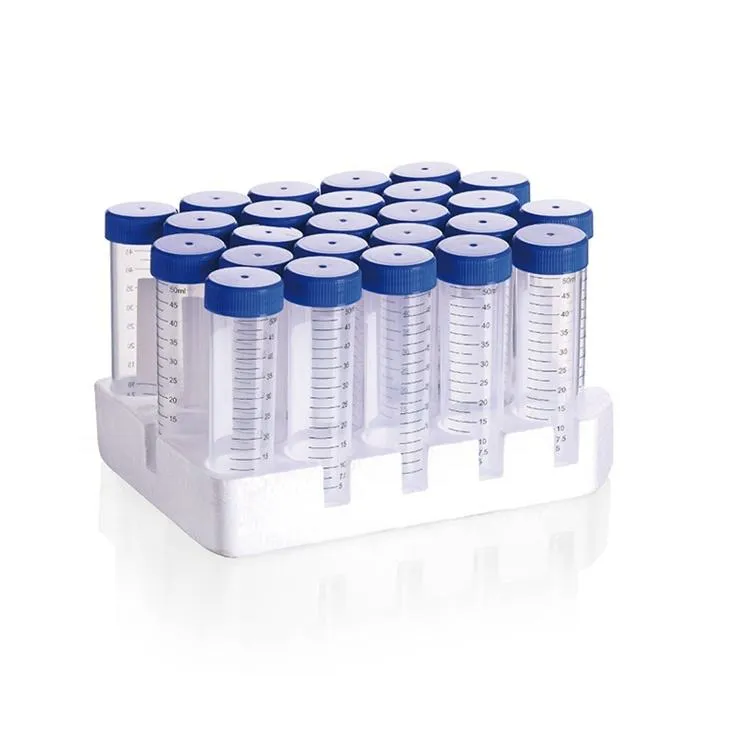
Blood Tube Centrifuges: Core Functionality and Design Features
Centrifuges optimized for blood tube processing are engineered to accommodate standard blood collection tubes, such as vacutainers and microtainers. These machines feature rotors with specific adapters to secure tubes during high-speed rotation, minimizing the risk of breakage or sample leakage. For instance, in clinical laboratories, centrifuge for blood tubes systems often include swing-bucket rotors that allow tubes to orient horizontally during centrifugation, promoting uniform separation of blood cells from plasma. This design ensures accurate hematocrit measurements and plasma protein analysis. Additionally, many models offer adjustable speed and temperature controls, enabling customization based on sample requirements.
Capacity Considerations: 250ml Centrifuges for High-Throughput Laboratories
High-throughput environments, such as blood banks and large-scale diagnostic facilities, rely on 250ml centrifuge systems to process bulk samples efficiently. These centrifuges can handle multiple tubes simultaneously, reducing operational downtime. For example, the Eppendorf 5804R, a popular 250ml centrifuge, supports up to four 250ml tubes per run, making it suitable for processing large blood volumes in transfusion medicine. Its robust motor and temperature control (-9°C to 40°C) ensure consistent results even in demanding settings. Laboratories prioritizing productivity often invest in such models to meet the needs of daily workflows, balancing capacity with energy efficiency.
Compatibility and Safety: Centrifuge Blood Tubes in Diverse Applications
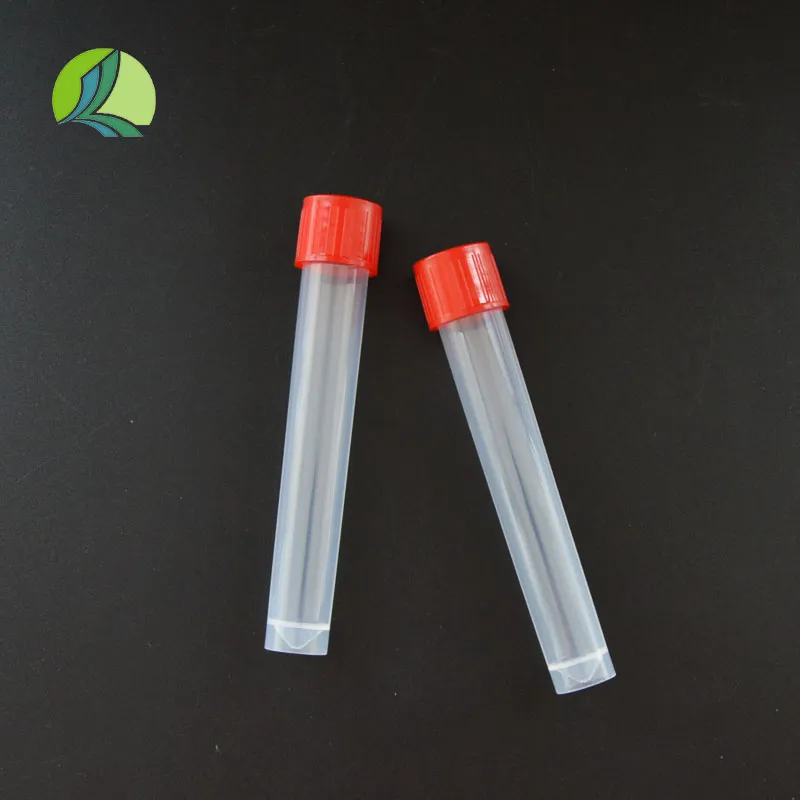
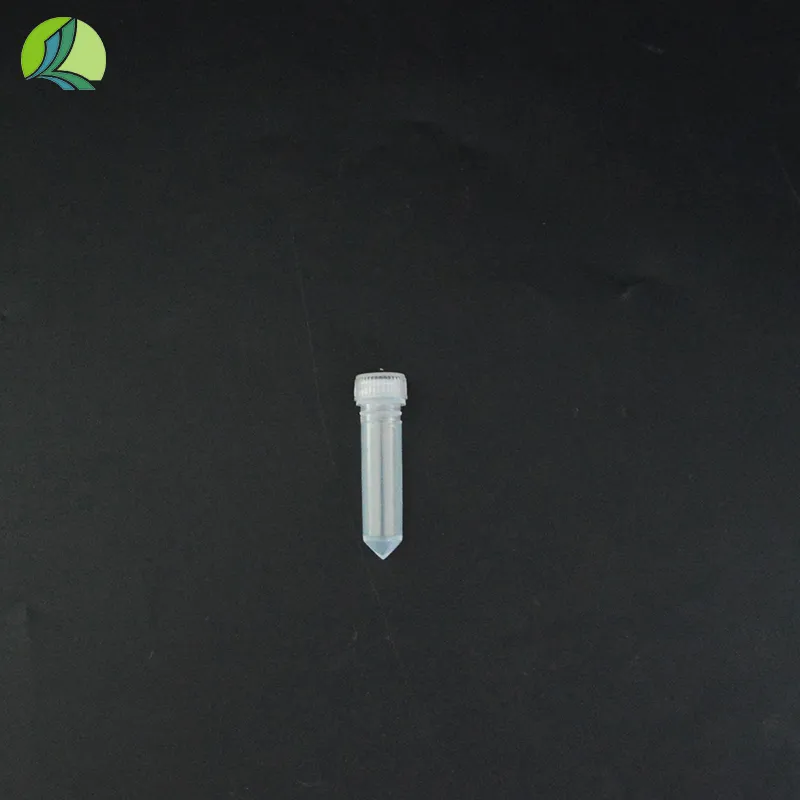
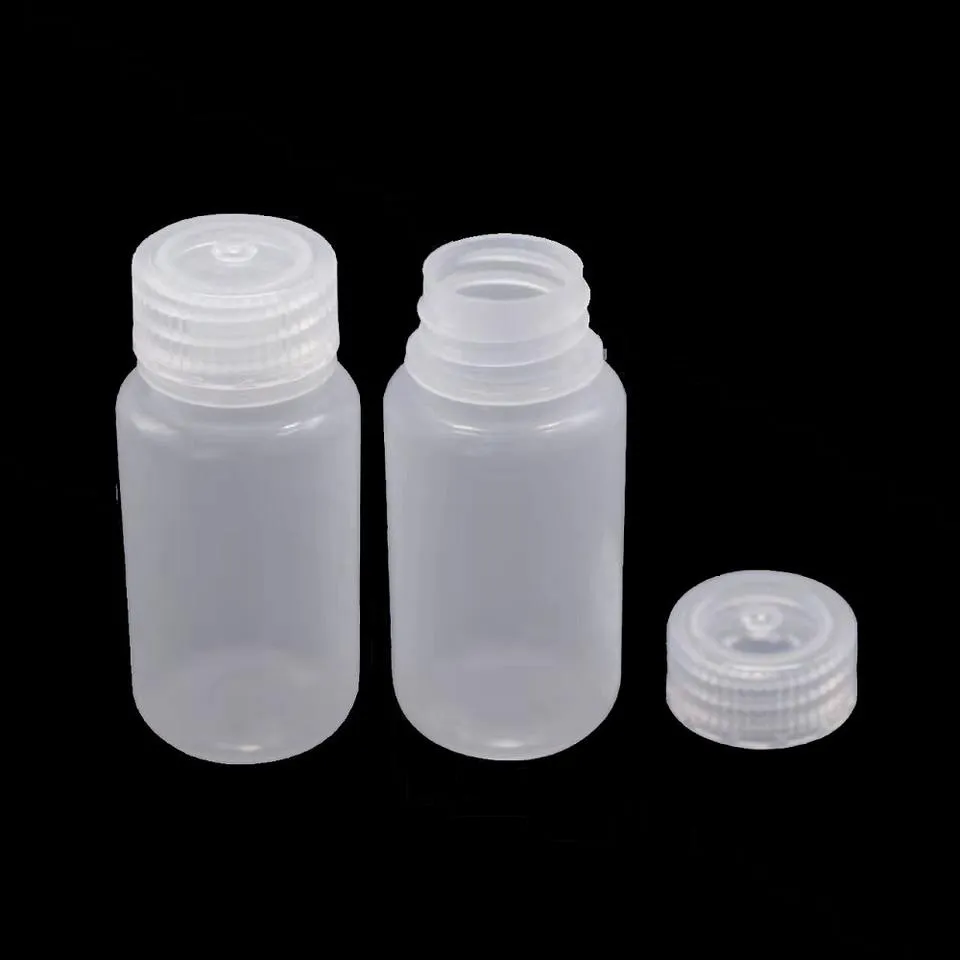
The selection of centrifuge blood tubes is critical to ensure compatibility with centrifugation protocols and safety standards. Medical-grade tubes are typically made from polypropylene or polyethylene, which resist chemical degradation and provide shatterproof durability. For instance, conical-bottom tubes are ideal for pelleting cells, while flat-bottom tubes facilitate supernatant removal. Laboratories must also adhere to labeling regulations, ensuring clear identification of samples to prevent mix-ups. Compliance with ISO and FDA guidelines is essential, particularly in settings where blood samples are used for diagnostic purposes.
Small Centrifuge Tubes: Miniaturization for Precision and Portability
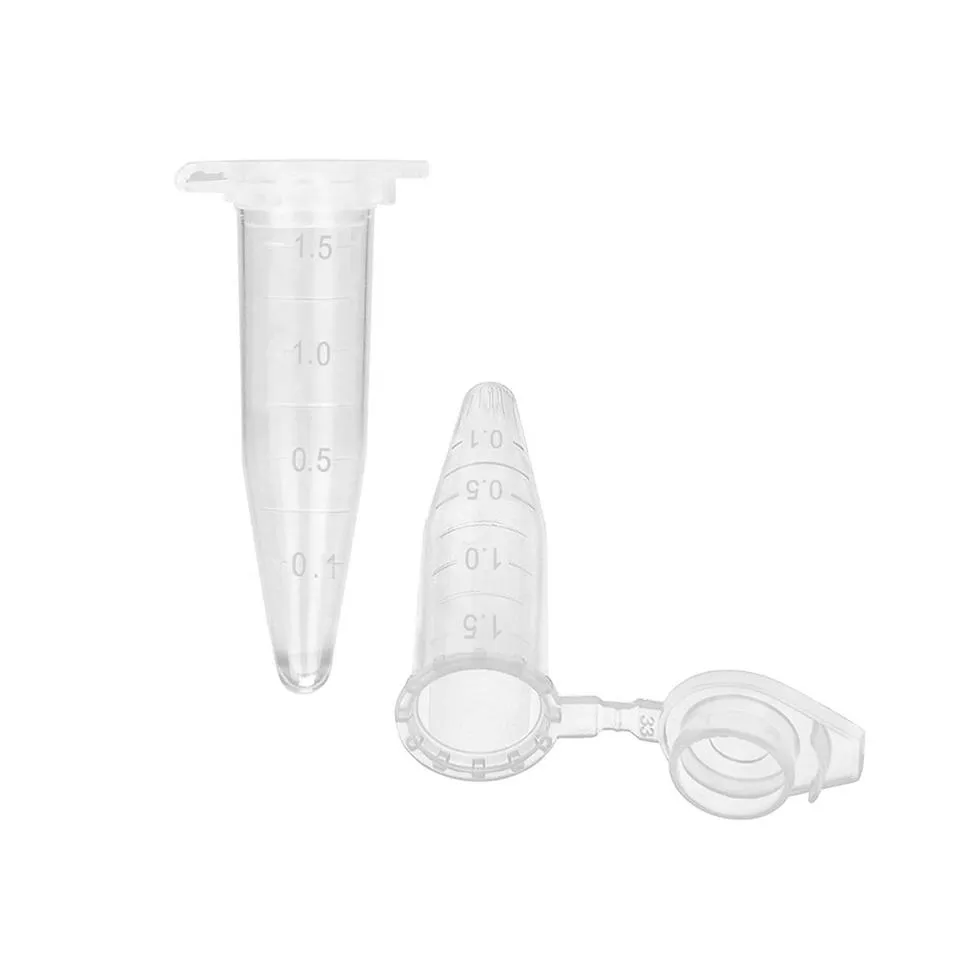
Small centrifuge tubes, ranging from 0.2ml to 2ml, are pivotal in molecular biology and microscale research. These tubes are commonly used for DNA/RNA extraction, PCR reactions, and enzyme assays. Their compact size allows for efficient handling in microcentrifuges, which are designed to spin at high speeds (up to 16,000 xg) to achieve rapid separation. For example, in a genomics laboratory, small tubes enable researchers to process multiple samples simultaneously, reducing reagent waste and optimizing workflow efficiency. The lightweight design of these tubes also enhances portability, making them suitable for fieldwork or point-of-care testing.
Cost-Efficiency and Performance: Micro Centrifuge Price vs. Features
The micro centrifuge price varies widely based on features such as speed, capacity, and additional functionalities. Basic benchtop models start at around $2,000, while advanced refrigerated units with touchscreen controls and programmable settings can exceed $8,000. Laboratories must balance budget constraints with performance requirements. For instance, a research facility conducting high-precision experiments may prioritize a refrigerated microcentrifuge to maintain sample integrity, whereas a clinic performing routine blood tests might opt for a cost-effective, non-refrigerated model. Long-term operational costs, including energy consumption and maintenance, should also be considered when evaluating price-to-performance ratios.
Key Considerations for Centrifuge Selection and Use
Material and Tube Compatibility
Choosing the right centrifuge tubes is essential for optimal performance. Polypropylene tubes are ideal for general use, while glass tubes may be preferred for chemical resistance in specialized applications. Laboratories must also ensure tubes are compatible with the centrifuge’s rotor size and adapter specifications to prevent damage during operation.
Safety and Maintenance Guidelines
Proper maintenance is critical to prolong centrifuge lifespan and ensure safe operation. Regular cleaning of rotors and chambers prevents corrosion and contamination. Users should also balance tubes evenly to avoid excessive vibration, which can damage internal components. Compliance with safety protocols, such as wearing protective gear during sample handling, minimizes risks associated with aerosolization or chemical exposure.
Cost-Benefit Analysis of Centrifuge Types
Investing in high-quality centrifuges, such as the Eppendorf 5804R, may incur higher upfront costs but offers long-term savings through energy efficiency and reduced maintenance. Conversely, budget-friendly models may require frequent repairs or lack advanced features, impacting productivity. Laboratories should assess their workflow demands and sample volumes to make informed decisions.
By integrating these considerations, laboratories can maximize the efficiency and reliability of centrifugation processes, ensuring accurate results and streamlined operations.
-
Guide to Sourcing High Quality wholesale mister bottles for BusinessZprávyApr.16,2026
-
Top Quality Spray Bottle 100ml Suppliers for Your Business NeedsZprávyApr.09,2026
-
Comprehensive Guide to Pet Spray Bottle Manufacturers and Packaging SolutionsZprávyApr.07,2026
-
Comprehensive Guide to Finding Reliable Perfume Sprayers SuppliersZprávyApr.04,2026
-
Comprehensive Guide to Wholesale Mini Spray Bottles for Various ApplicationsZprávyMar.31,2026
-
Comprehensive Guide to Sourcing Mini Plastic Spray Bottles Bulk for Your BusinessZprávyMar.28,2026