-
 Afrikaans
 -
 Albanian
 -
 Amharic
 -
 Arabic
 -
 Armenian
 -
 Azerbaijani
 -
 Basque
 -
 Belarusian
 -
 Bengali
 -
 Bosnian
 -
 Bulgarian
 -
 Catalan
 -
 Cebuano
 -
 Corsican
 -
 Croatian
 -
 Czech
Czech -
 Danish
 -
 Dutch
Dutch -
 English
 -
 Esperanto
 -
 Estonian
 -
 Finnish
 -
 French
 -
 Frisian
 -
 Galician
 -
 Georgian
 -
 German
 -
 Greek
Greek -
 Gujarati
 -
 Haitian Creole
 -
 hausa
hausa -
 hawaiian
 -
 Hebrew
 -
 Hindi
Hindi -
 Miao
Miao -
 Hungarian
 -
 Icelandic
 -
 igbo
igbo -
 Indonesian
 -
 irish
irish -
 Italian
 -
 Japanese
 -
 Javanese
 -
 Kannada
 -
 kazakh
 -
 Khmer
Khmer -
 Rwandese
 -
 Korean
 -
 Kurdish
 -
 Kyrgyz
 -
 Lao
Lao -
 Latin
Latin -
 Latvian
 -
 Lithuanian
 -
 Luxembourgish
 -
 Macedonian
 -
 Malgashi
 -
 Malay
Malay -
 Malayalam
 -
 Maltese
 -
 Maori
Maori -
 Marathi
 -
 Mongolian
 -
 Myanmar
 -
 Nepali
 -
 Norwegian
 -
 Norwegian
 -
 Occitan
 -
 Pashto
 -
 Persian
 -
 Polish
 -
 Portuguese
 -
 Punjabi
 -
 Romanian
 -
 Russian
 -
 Samoan
 -
 Scottish Gaelic
 -
 Serbian
 -
 Sesotho
 -
 Shona
Shona -
 Sindhi
 -
 Sinhala
 -
 Slovak
 -
 Slovenian
 -
 Somali
 -
 Spanish
 -
 Sundanese
 -
 Swahili
 -
 Swedish
 -
 Tagalog
 -
 Tajik
Tajik -
 Tamil
Tamil -
 Tatar
Tatar -
 Telugu
 -
 Thai
Thai -
 Turkish
 -
 Turkmen
 -
 Ukrainian
 -
 Urdu
Urdu -
 Uighur
 -
 Uzbek
Uzbek -
 Vietnamese
 -
 Welsh
Welsh -
 Bantu
Bantu -
 Yiddish
 -
 Yoruba
 -
 Zulu
Zulu
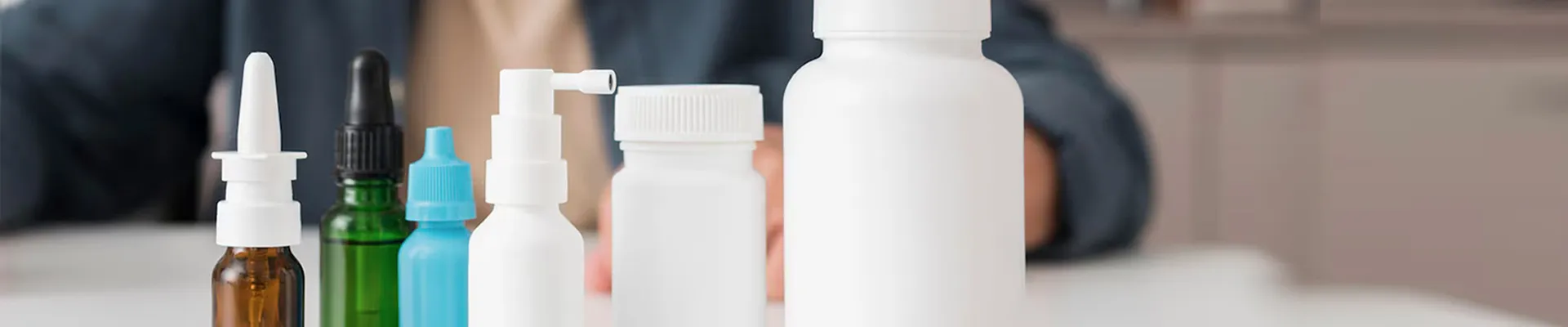


Plastic Vaccine Vials: A Future Path with Opportunities and Challenges Coexisting
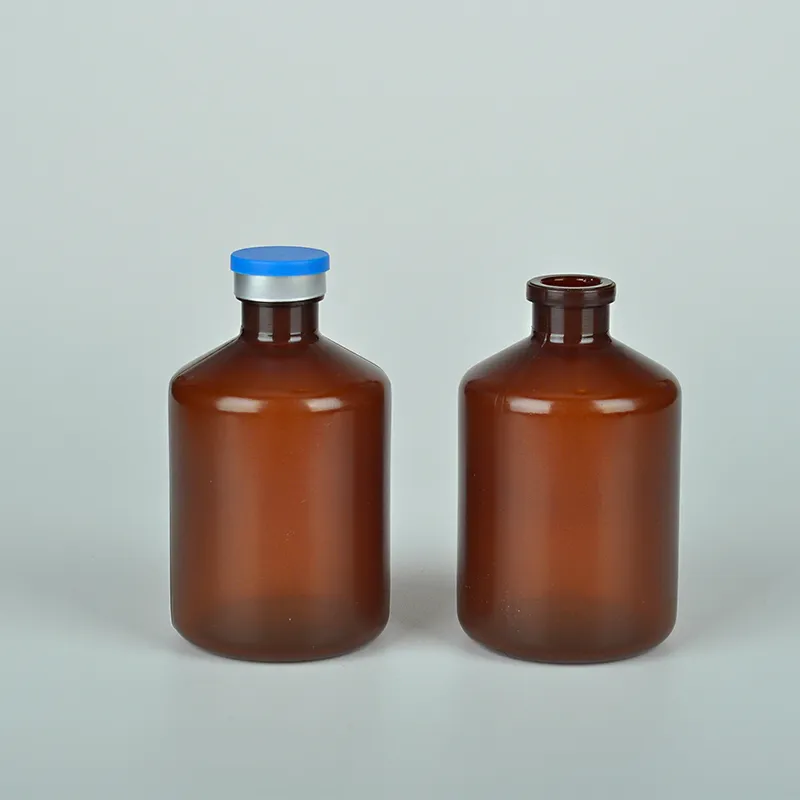
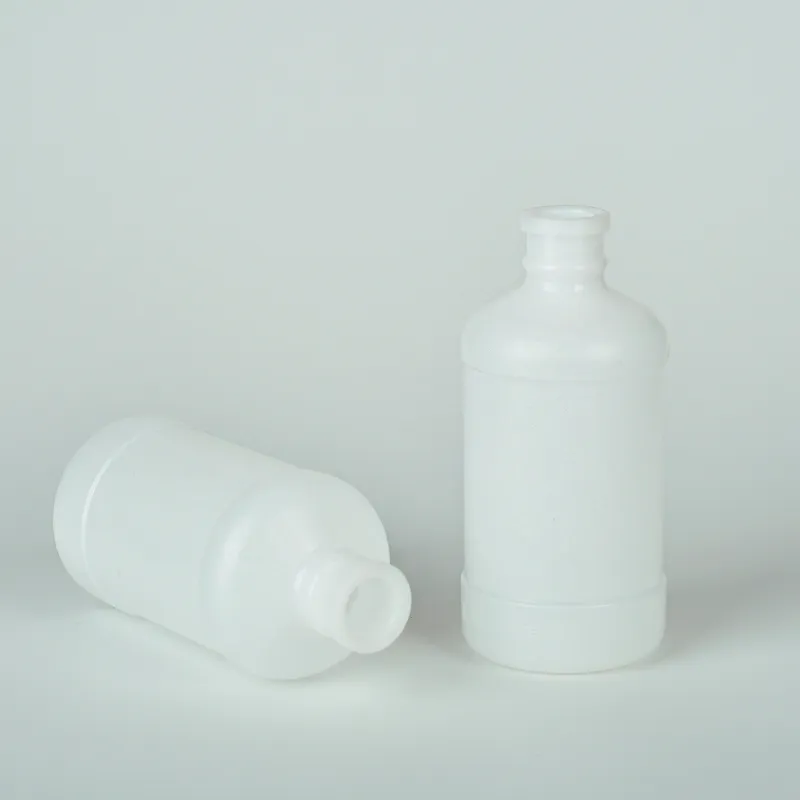
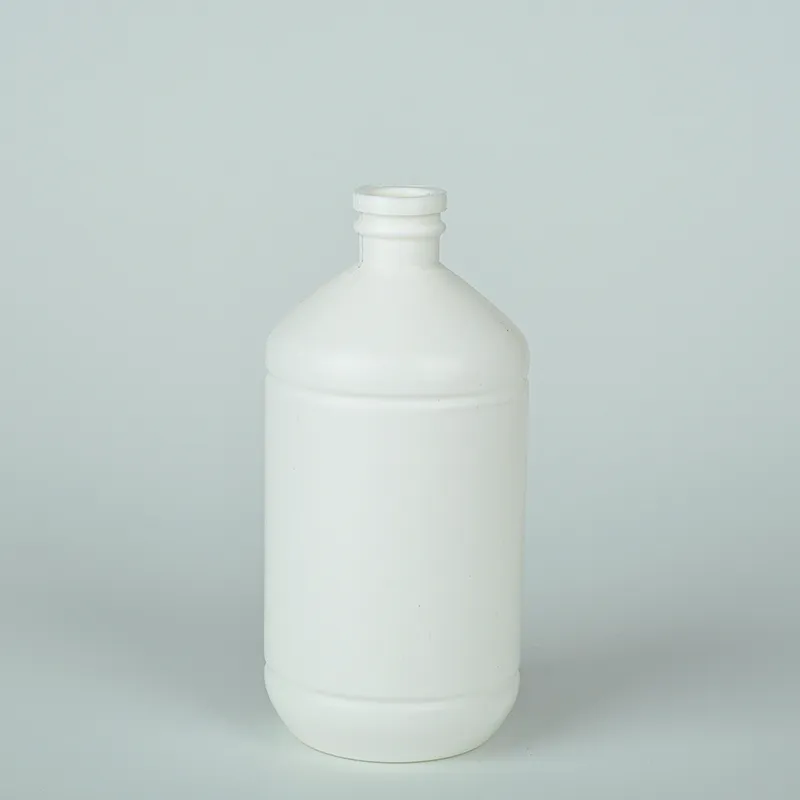
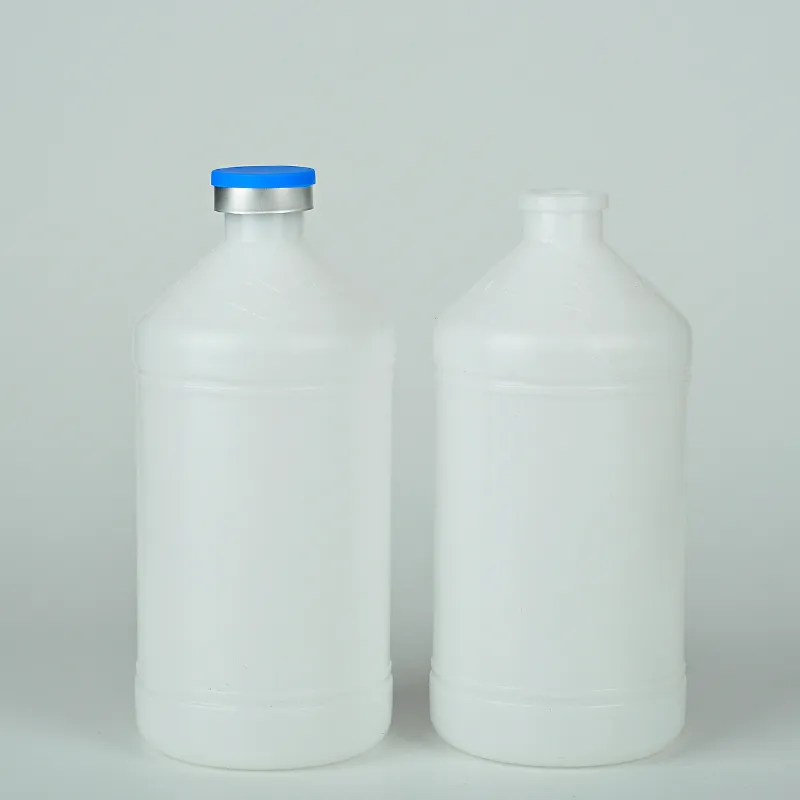
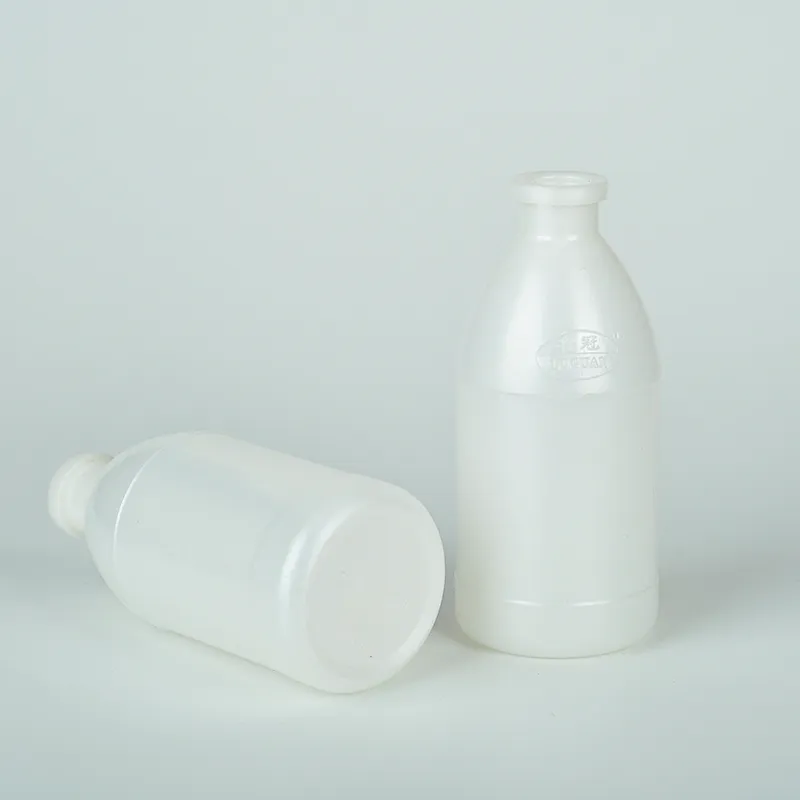
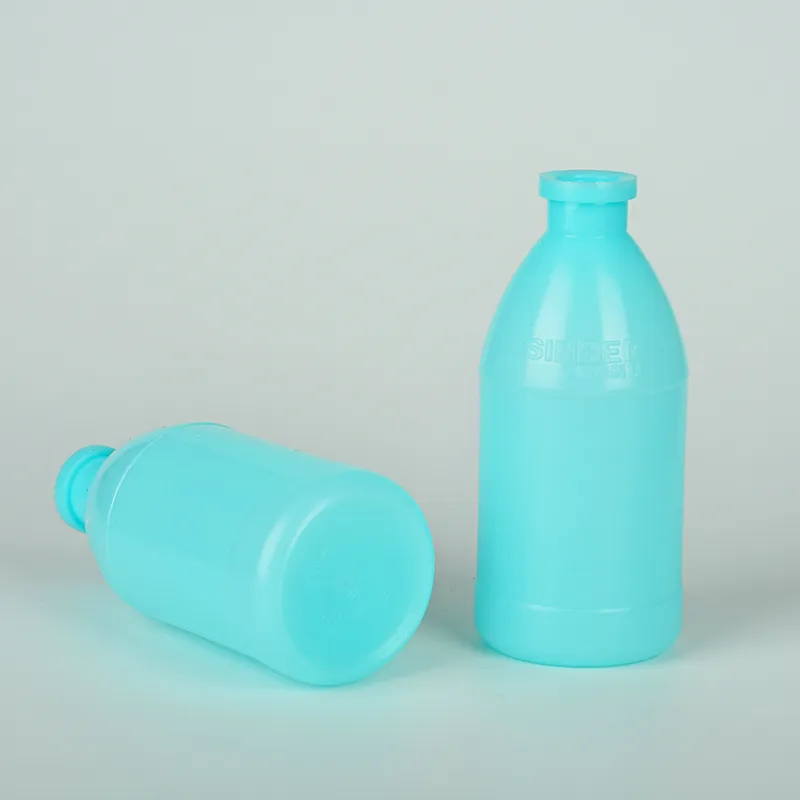
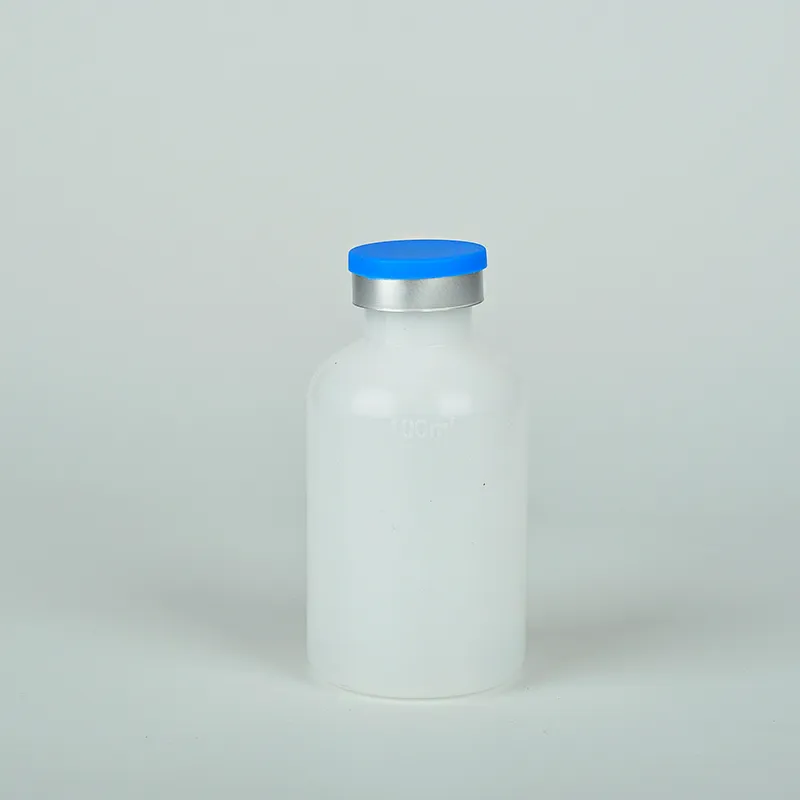
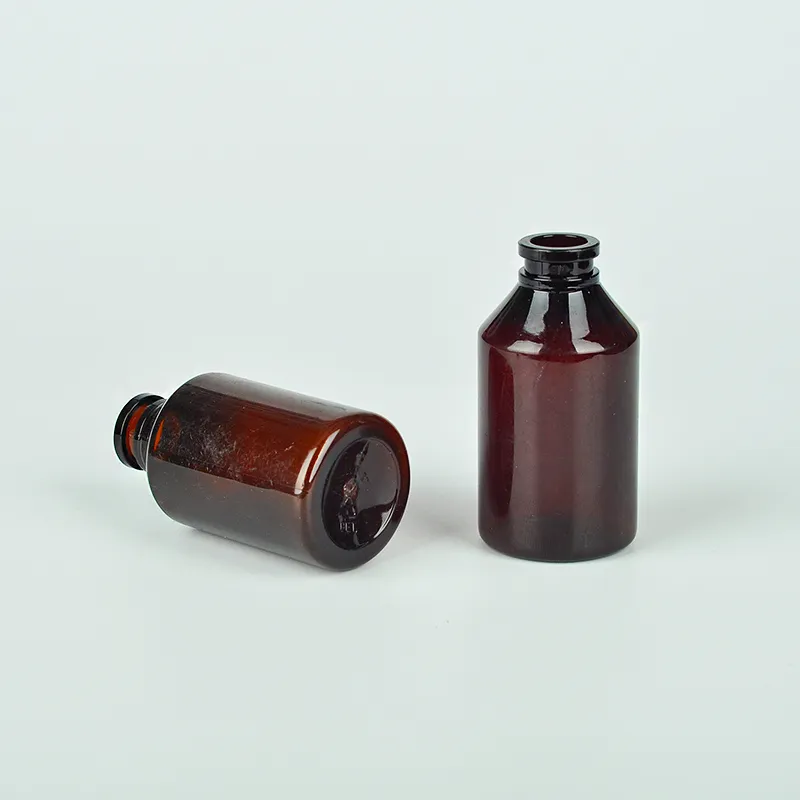
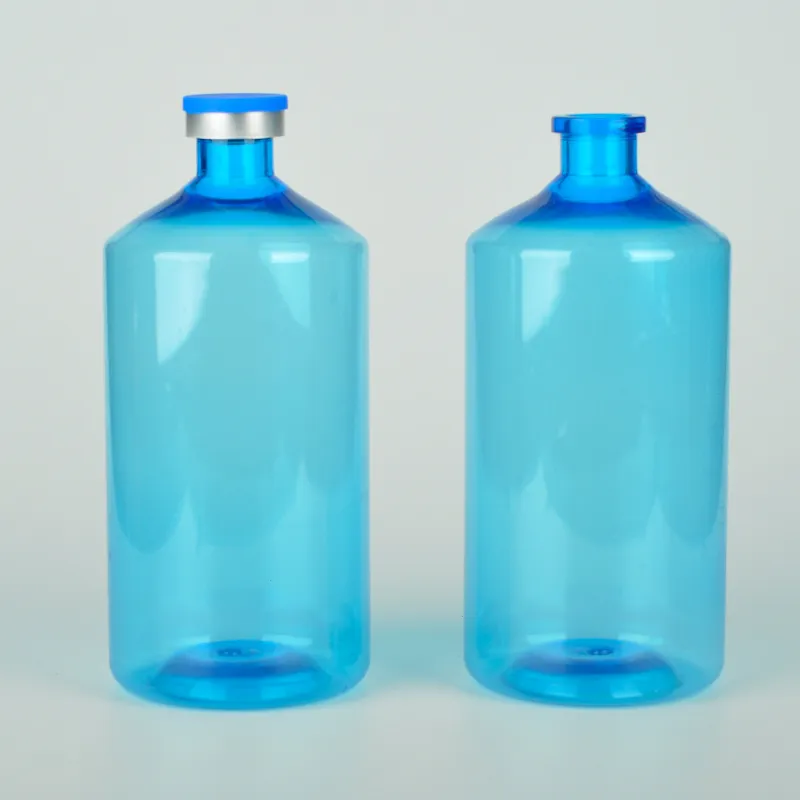
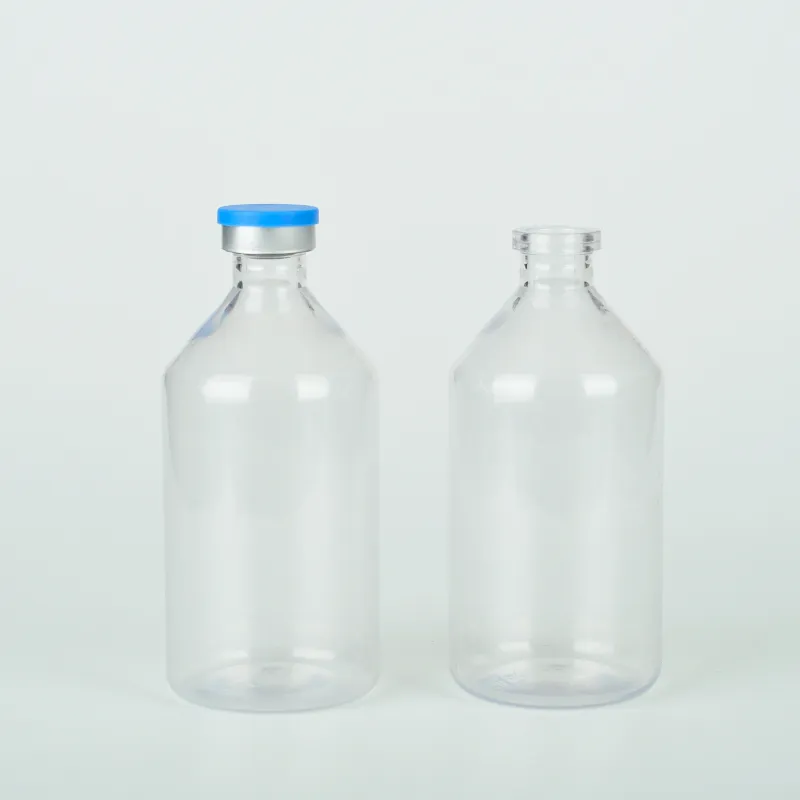
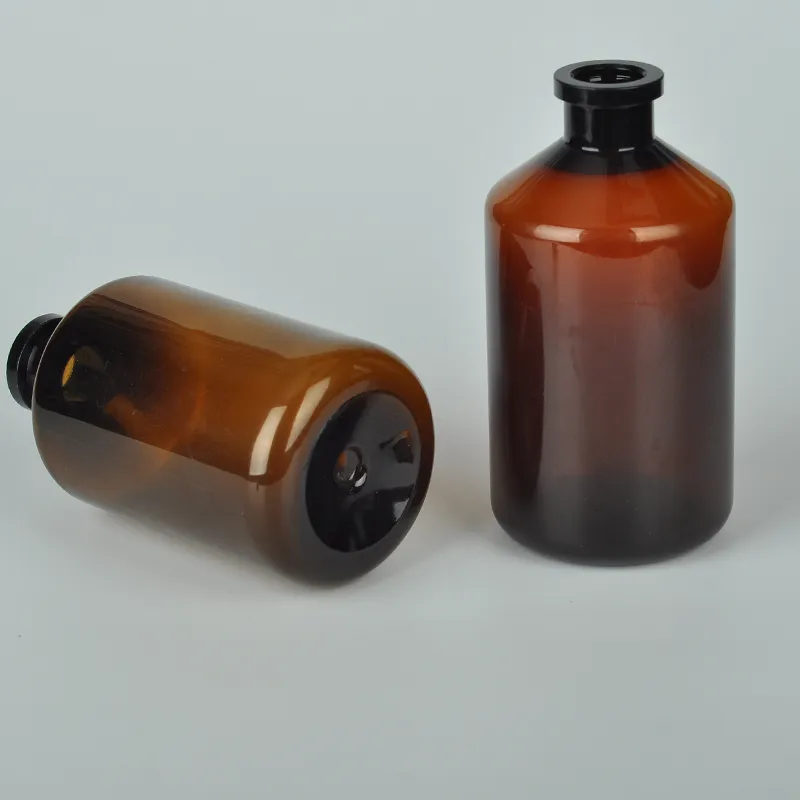
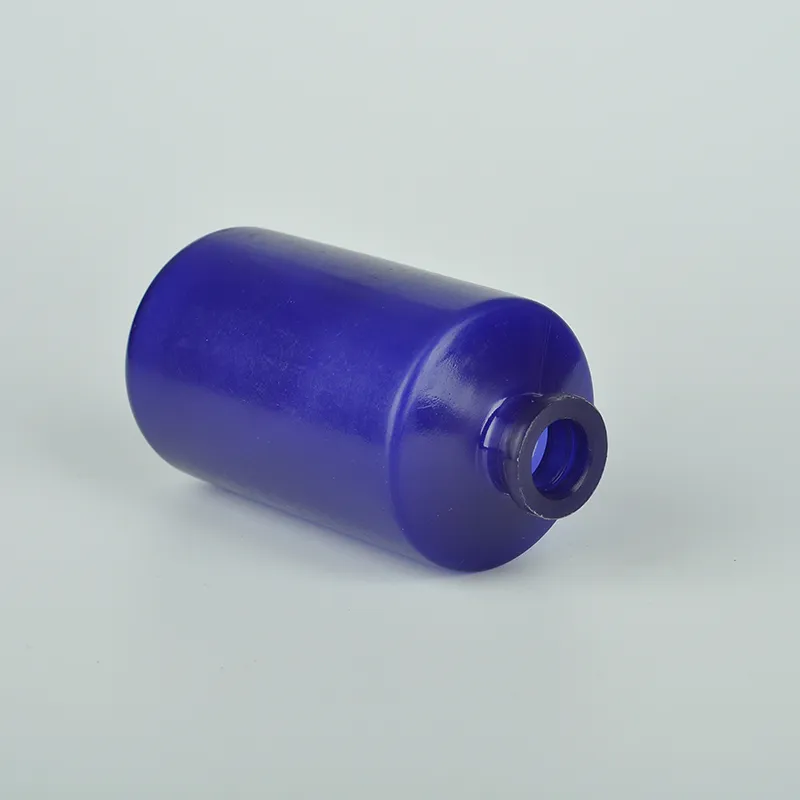
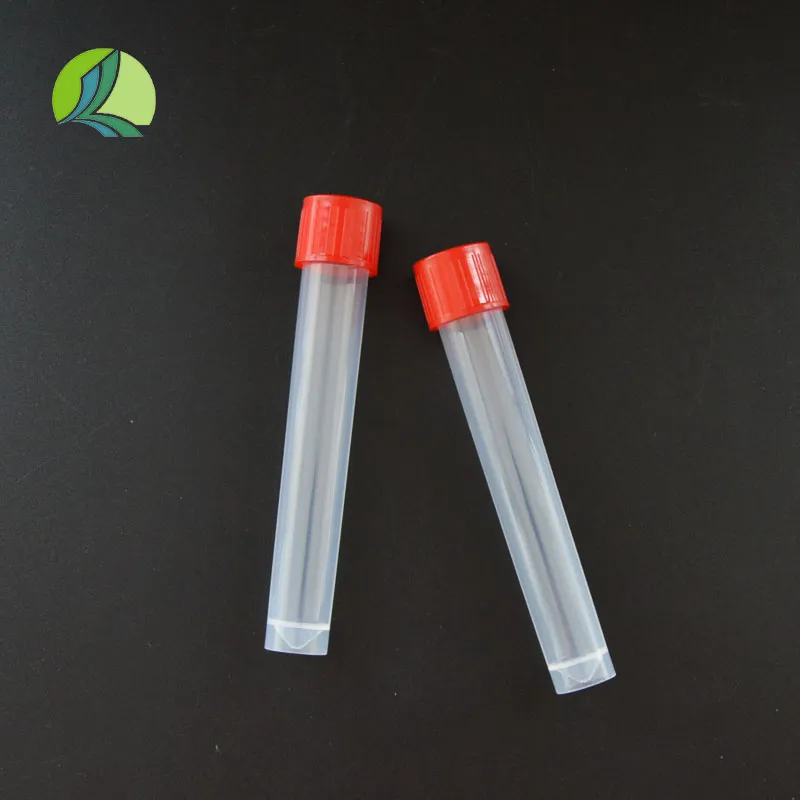
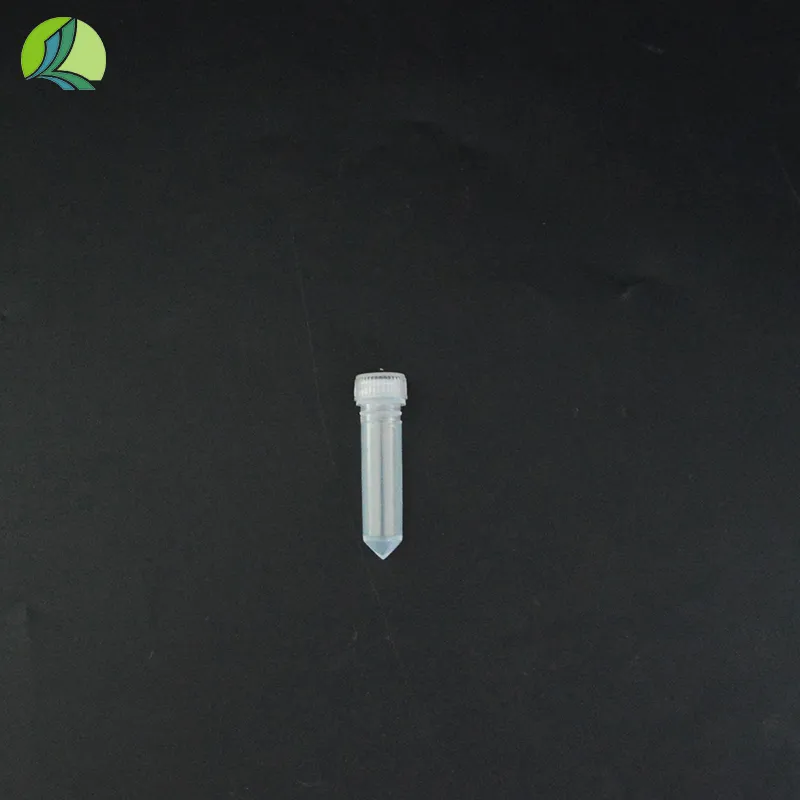
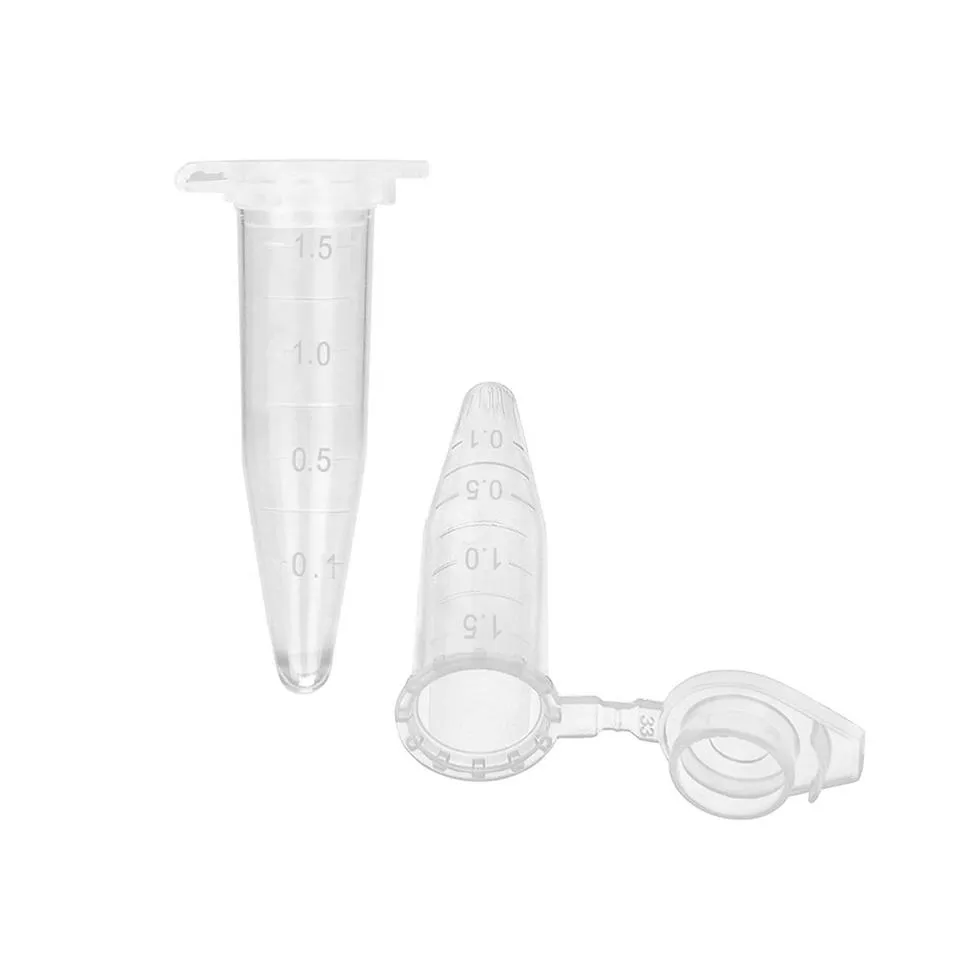
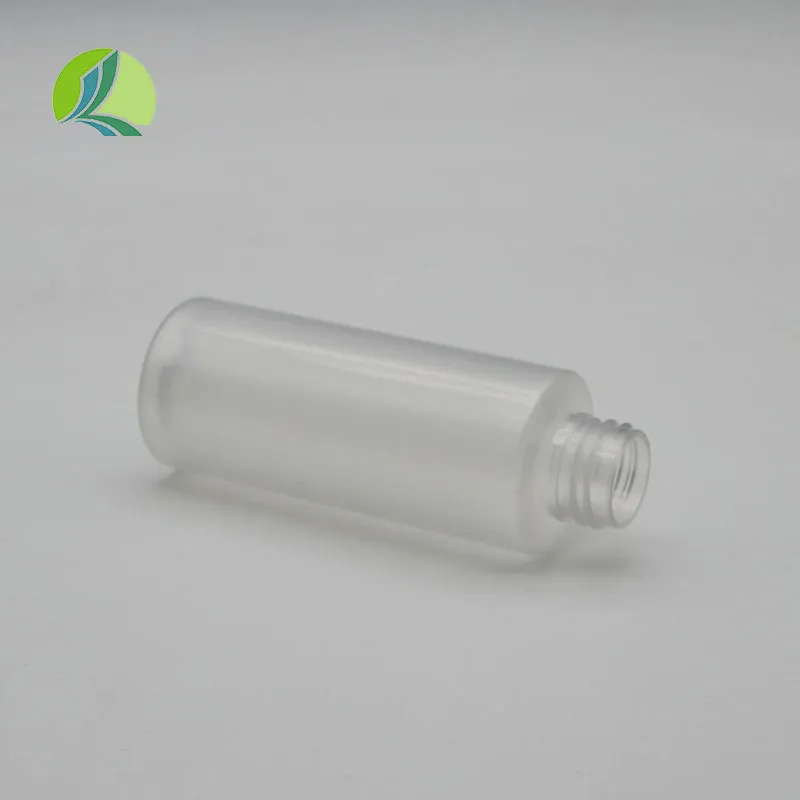
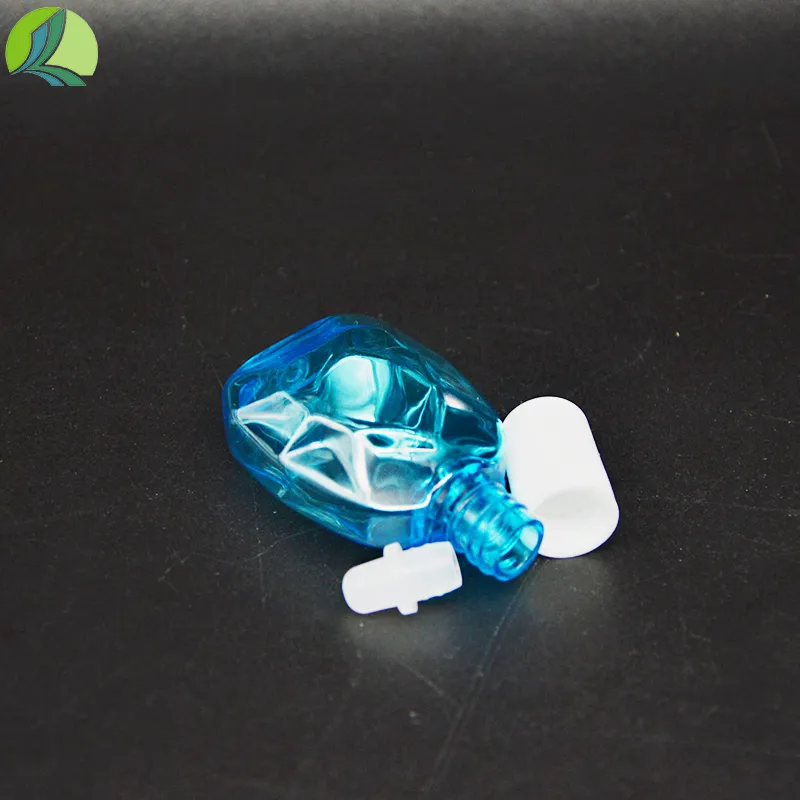
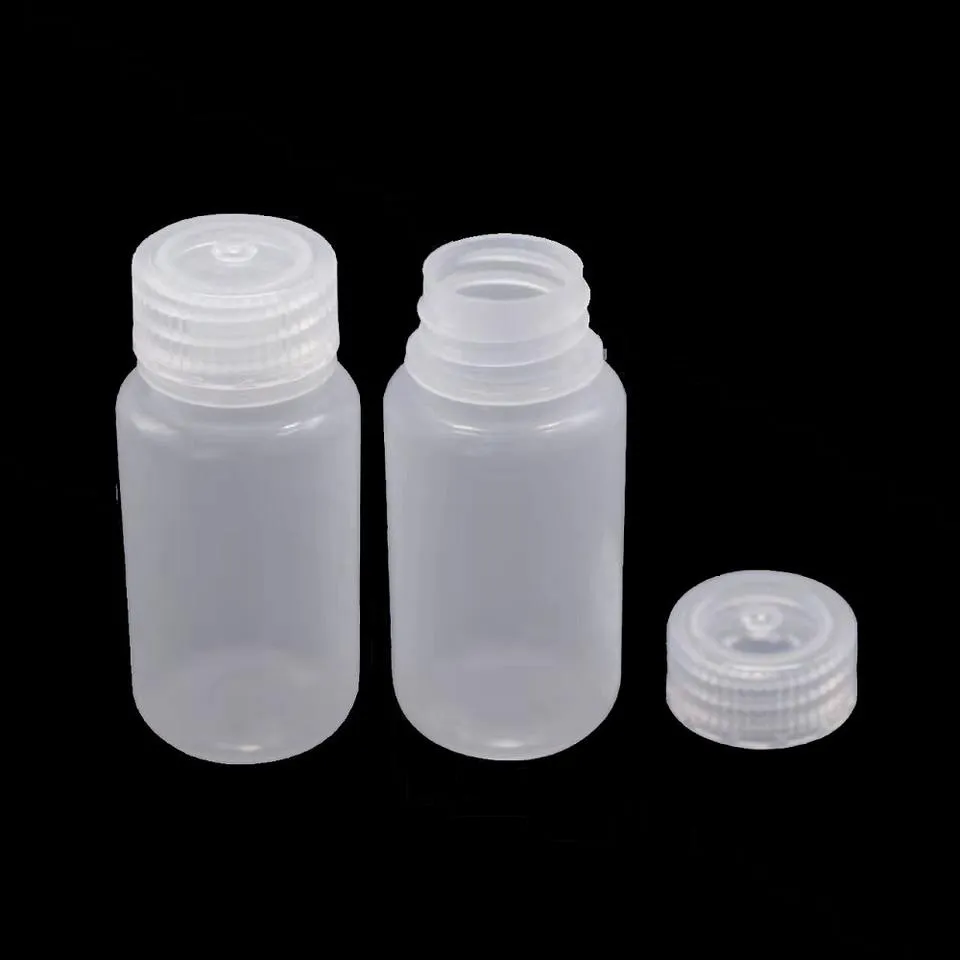
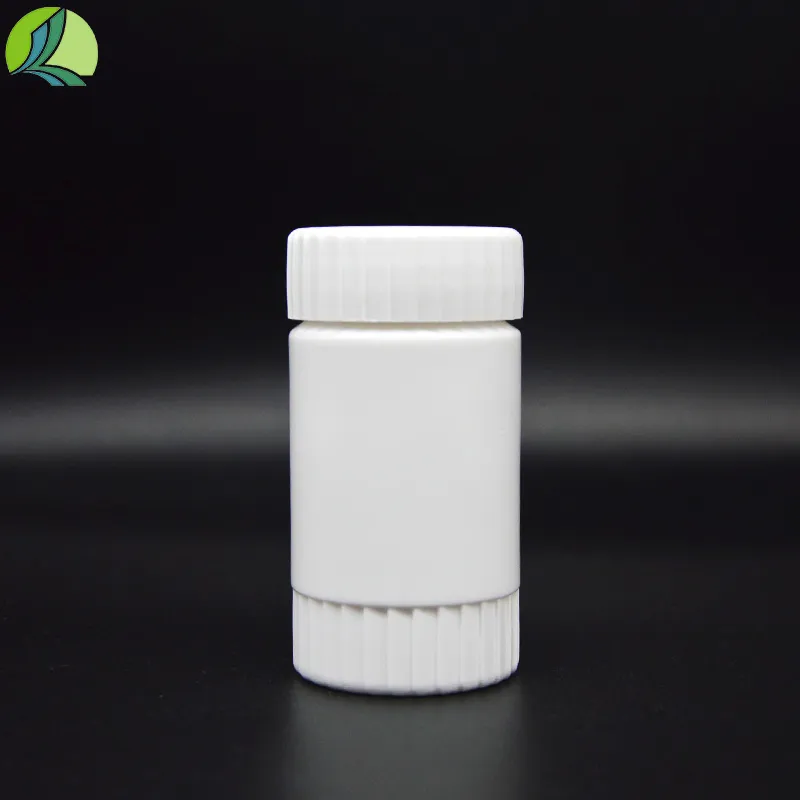
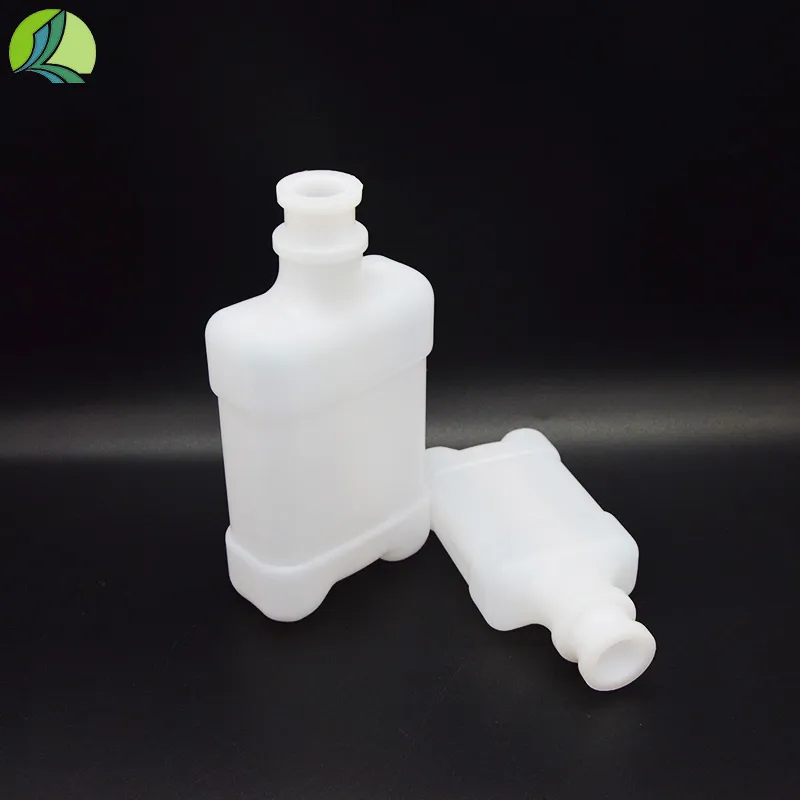
Plastic Vaccine Vials, As a key component of vaccine storage and transportation, it is gradually replacing traditional glass bottles and becoming an important part of the modern vaccination system. This transformation is not only a reflection of advances in materials science, but also a strategic consideration for the efficiency, safety, and cost-effectiveness of vaccine supply chains. However, the widespread application of Plastic Vaccine Vials is not without challenges, and we need to seek a balance between opportunities and challenges to ensure that it plays a maximum role in safeguarding public health.
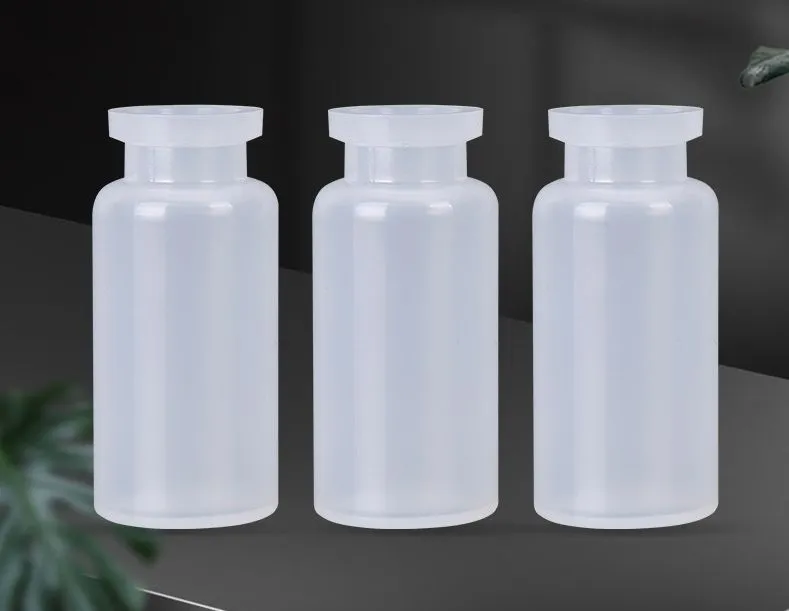
The biggest advantage of Plastic Vaccine Vials is their lightweight and non fragile properties
Compared to fragile glass bottles, plastic vaccine bottles significantly reduce losses during transportation, especially when vaccines need to travel long distances and cross complex terrain. This robustness is crucial for maintaining the cold chain integrity of vaccines, as vaccines are highly sensitive to temperature changes and breakage can lead to vaccine failure and even pose safety hazards. In addition, the lightweight nature of plastic bottles also reduces transportation costs, making it easier for vaccines to be delivered to remote areas, thereby improving vaccine coverage and accessibility.
Plastic Vaccine Vials also have greater flexibility in design and production
Plastic vaccine bottles can be shaped into various shapes and sizes to meet the packaging needs of different vaccines. At the same time, the production process of plastic bottles is relatively simple and can be mass-produced, reducing unit costs and making vaccines more price competitive, especially for developing countries and regions, which is of great significance.
The use of Plastic Vaccine Vials also faces some challenges
The first and foremost issue is the safety of materials. Not all plastics are suitable for direct contact with drugs, and medical grade plastics that meet strict standards must be selected to ensure that they do not react chemically with vaccines, do not release harmful substances, and thus ensure the purity and safety of vaccines. In addition, plastic has relatively high breathability, which may cause water evaporation or gas permeation in vaccines, affecting their effectiveness. Therefore, special coatings or composite materials are needed to improve the barrier performance of plastic bottles and prevent vaccines from being affected by external environments.
The environmental issues of Plastic Vaccine Vials are also an important consideration factor
Traditional Plastic Vaccine Vials are often discarded after use, causing environmental pollution. Therefore, developing recyclable or biodegradable Plastic Vaccine Vials, or establishing a comprehensive recycling system, has become an urgent problem to be solved. Some researchers are actively exploring the use of bio based plastics or biodegradable polymers to reduce the impact of plastics on the environment.
In summary, Plastic Vaccine Vials, as a new trend in vaccine packaging, have advantages such as lightweight, non fragile, flexible design, and high cost-effectiveness, which can help improve the accessibility and safety of vaccines. However, we must also be aware of its potential challenges, including material safety, barrier performance, and environmental issues. Only through technological innovation and management optimization, selecting medical grade plastics that meet standards, improving the barrier performance of plastic bottles, developing recyclable or biodegradable materials, and establishing a comprehensive recycling system, can the advantages of Plastic Vaccine Vials be fully utilized to play a greater role in protecting public health and achieve sustainable development. The future of Plastic Vaccine Vials presents both opportunities and challenges, requiring us to constantly explore and improve in order to truly benefit humanity.
Plastic Vaccine Vials FAQs
What is Plastic Vaccine Vials?
Plastic Vaccine Vials are containers used for storing and transporting vaccines, typically made of polymer materials such as cyclic olefin polymer COP or cyclic olefin copolymer COC. It has the characteristics of low temperature resistance, chemical corrosion resistance, high transparency, and low adsorption, making it suitable for storing temperature sensitive vaccines.
What are the advantages of Plastic Vaccine Vials compared to glass bottles?
Not easily broken: Plastic material has strong impact resistance, reducing the risk of damage during transportation.
Lightweight: reduces transportation costs.
Silicone free coating requirement: Glass bottles need to be siliconized to prevent adsorption, while plastic bottles do not require this step.
Rapid production: suitable for large-scale vaccine production needs.
How does Plastic Vaccine Vials ensure safety?
Through strict material screening (such as medical grade plastics), aseptic production processes, sealing testing, and certification in accordance with international standards (such as FDA, EP), the vaccine is ensured to be free of leaching and contamination, and can be stored stably for a long time.
What vaccines are Plastic Vaccine Vials suitable for?
It is widely used in mRNA vaccines (such as new coronal vaccines), inactivated vaccines, recombinant protein vaccines, etc., especially suitable for vaccines requiring ultralow temperature storage (such as 70 ℃), because plastics have more stable performance at extreme temperatures.
How environmentally friendly are Plastic Vaccine Vials?
Although plastic bottles are non biodegradable, they can be disposed of through medical waste recycling systems. Some manufacturers use recyclable materials or develop bio based plastics to reduce environmental impact, but need to balance sterilization requirements with environmental performance.
-
Guide to Sourcing High Quality wholesale mister bottles for BusinessZprávyApr.16,2026
-
Top Quality Spray Bottle 100ml Suppliers for Your Business NeedsZprávyApr.09,2026
-
Comprehensive Guide to Pet Spray Bottle Manufacturers and Packaging SolutionsZprávyApr.07,2026
-
Comprehensive Guide to Finding Reliable Perfume Sprayers SuppliersZprávyApr.04,2026
-
Comprehensive Guide to Wholesale Mini Spray Bottles for Various ApplicationsZprávyMar.31,2026
-
Comprehensive Guide to Sourcing Mini Plastic Spray Bottles Bulk for Your BusinessZprávyMar.28,2026