-
 Afrikaans
 -
 Albanian
 -
 Amharic
 -
 Arabic
 -
 Armenian
 -
 Azerbaijani
 -
 Basque
 -
 Belarusian
 -
 Bengali
 -
 Bosnian
 -
 Bulgarian
 -
 Catalan
 -
 Cebuano
 -
 Corsican
 -
 Croatian
 -
 Czech
Czech -
 Danish
 -
 Dutch
Dutch -
 English
 -
 Esperanto
 -
 Estonian
 -
 Finnish
 -
 French
 -
 Frisian
 -
 Galician
 -
 Georgian
 -
 German
 -
 Greek
Greek -
 Gujarati
 -
 Haitian Creole
 -
 hausa
hausa -
 hawaiian
 -
 Hebrew
 -
 Hindi
Hindi -
 Miao
Miao -
 Hungarian
 -
 Icelandic
 -
 igbo
igbo -
 Indonesian
 -
 irish
irish -
 Italian
 -
 Japanese
 -
 Javanese
 -
 Kannada
 -
 kazakh
 -
 Khmer
Khmer -
 Rwandese
 -
 Korean
 -
 Kurdish
 -
 Kyrgyz
 -
 Lao
Lao -
 Latin
Latin -
 Latvian
 -
 Lithuanian
 -
 Luxembourgish
 -
 Macedonian
 -
 Malgashi
 -
 Malay
Malay -
 Malayalam
 -
 Maltese
 -
 Maori
Maori -
 Marathi
 -
 Mongolian
 -
 Myanmar
 -
 Nepali
 -
 Norwegian
 -
 Norwegian
 -
 Occitan
 -
 Pashto
 -
 Persian
 -
 Polish
 -
 Portuguese
 -
 Punjabi
 -
 Romanian
 -
 Russian
 -
 Samoan
 -
 Scottish Gaelic
 -
 Serbian
 -
 Sesotho
 -
 Shona
Shona -
 Sindhi
 -
 Sinhala
 -
 Slovak
 -
 Slovenian
 -
 Somali
 -
 Spanish
 -
 Sundanese
 -
 Swahili
 -
 Swedish
 -
 Tagalog
 -
 Tajik
Tajik -
 Tamil
Tamil -
 Tatar
Tatar -
 Telugu
 -
 Thai
Thai -
 Turkish
 -
 Turkmen
 -
 Ukrainian
 -
 Urdu
Urdu -
 Uighur
 -
 Uzbek
Uzbek -
 Vietnamese
 -
 Welsh
Welsh -
 Bantu
Bantu -
 Yiddish
 -
 Yoruba
 -
 Zulu
Zulu
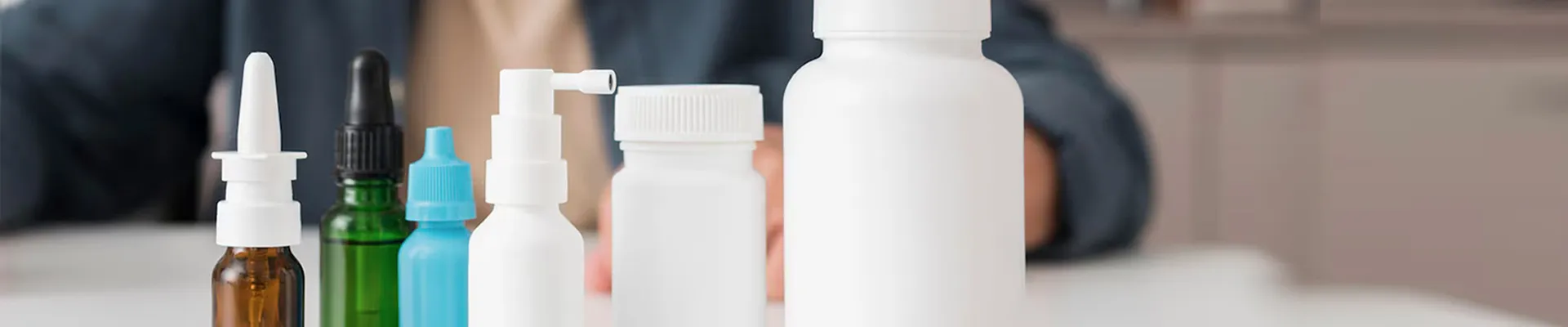


Reagent Bottle: the Container of Science and the Guarantee of Safety
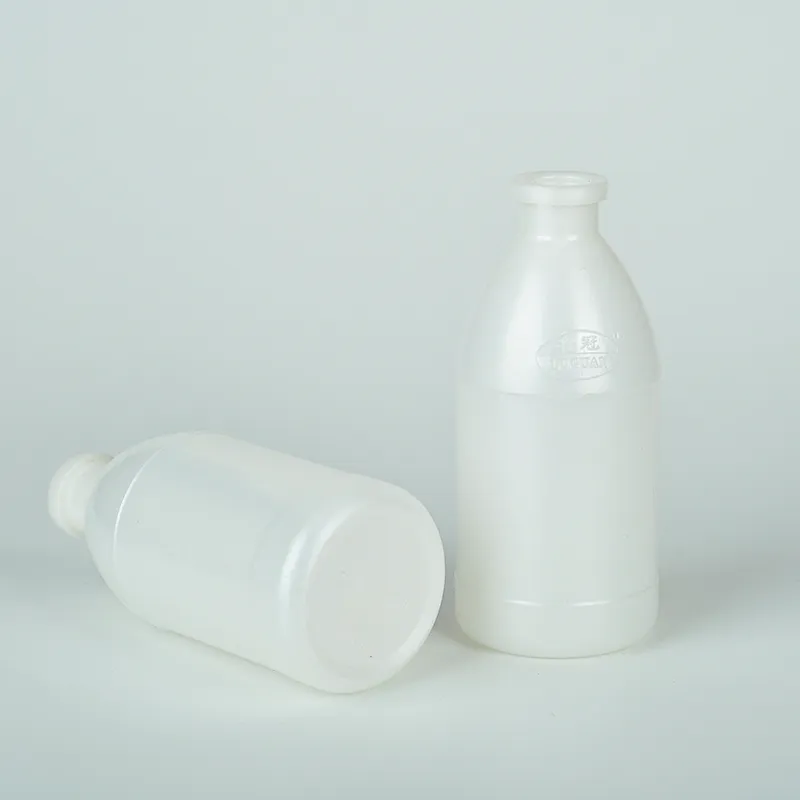
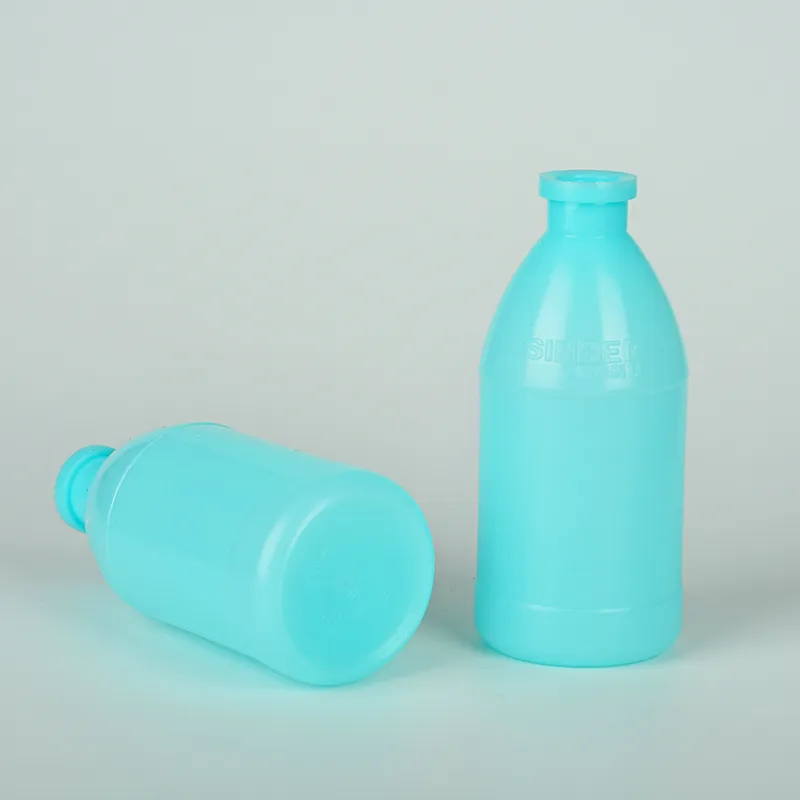
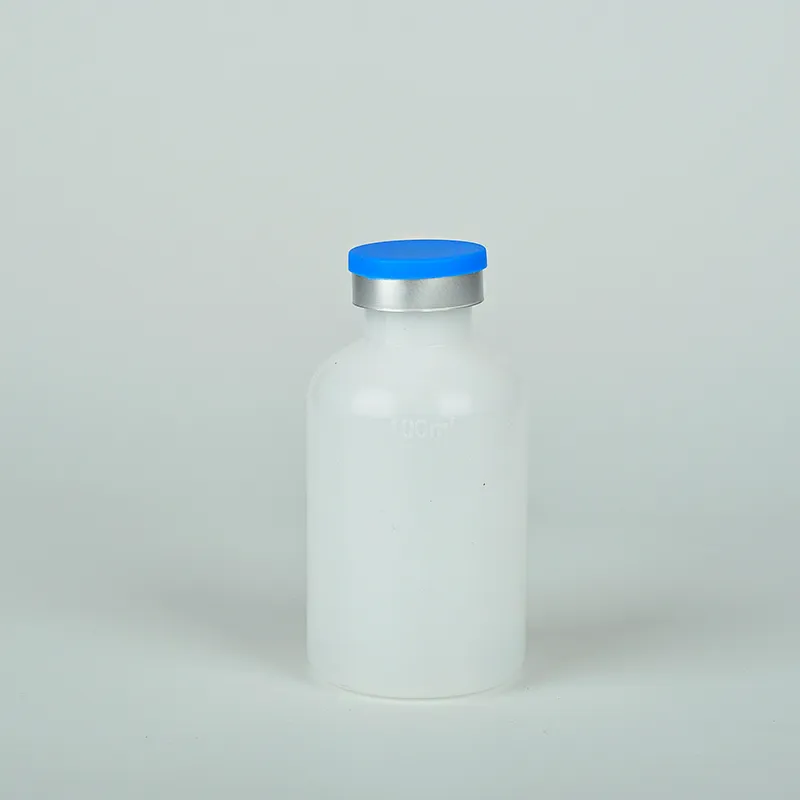
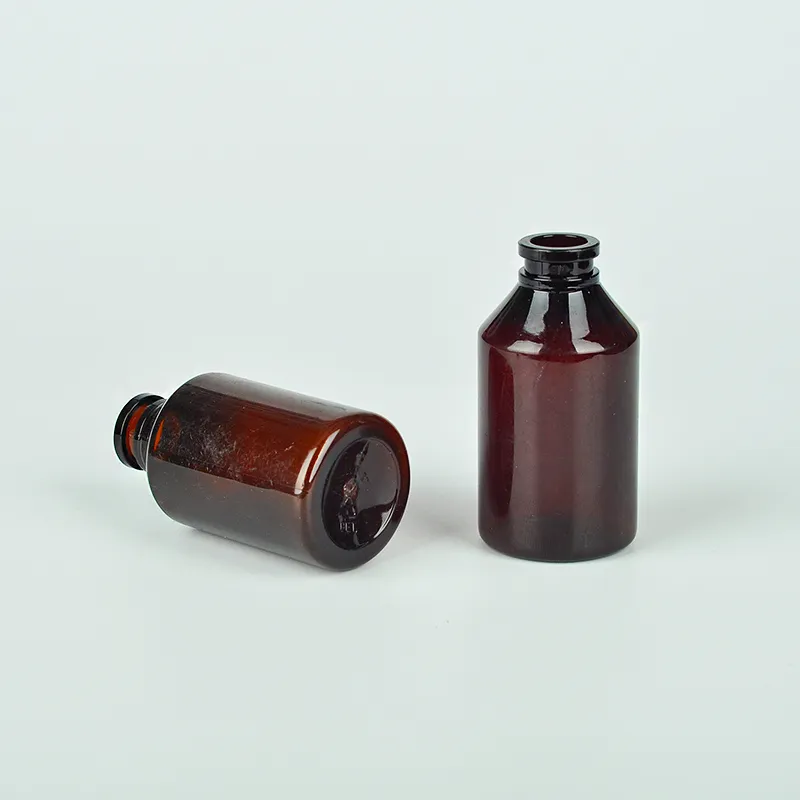
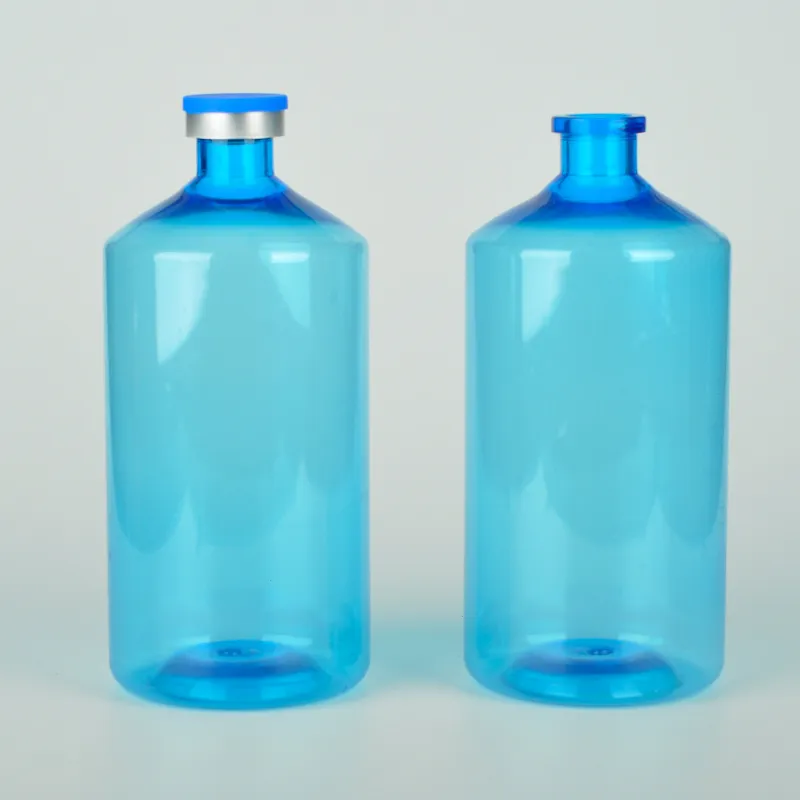
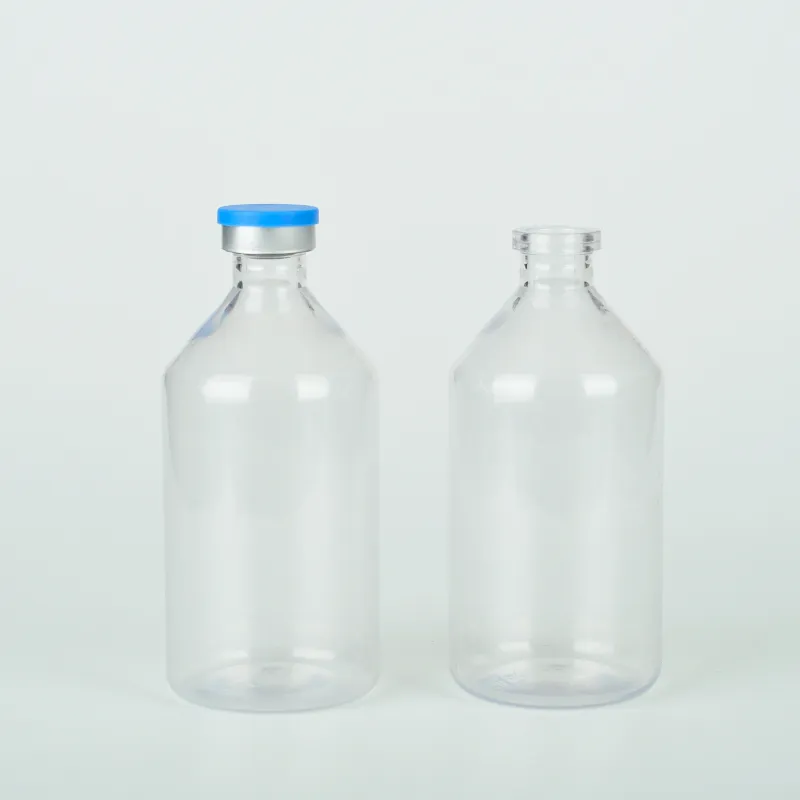
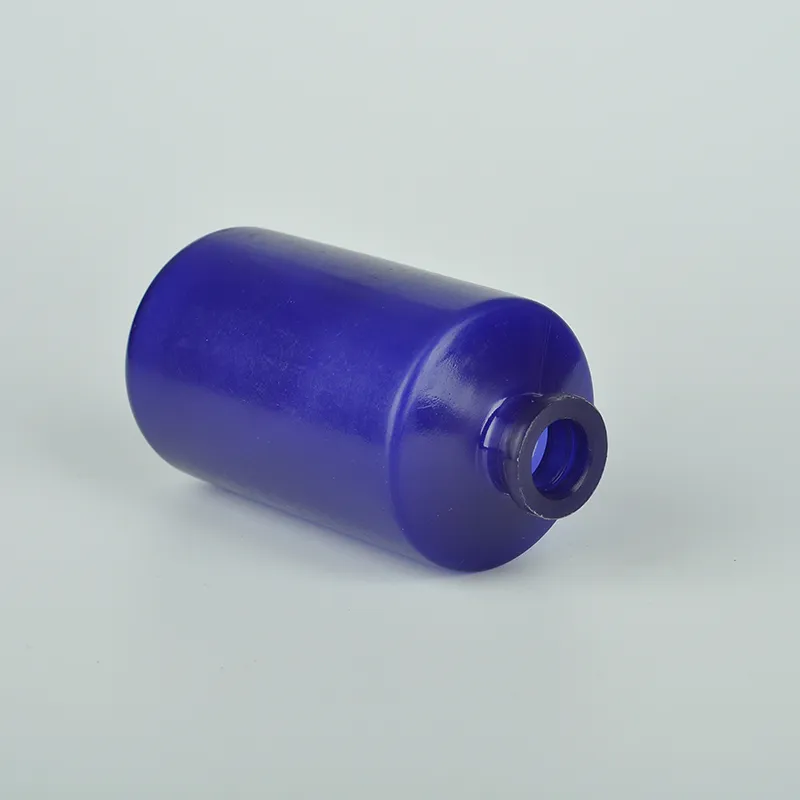
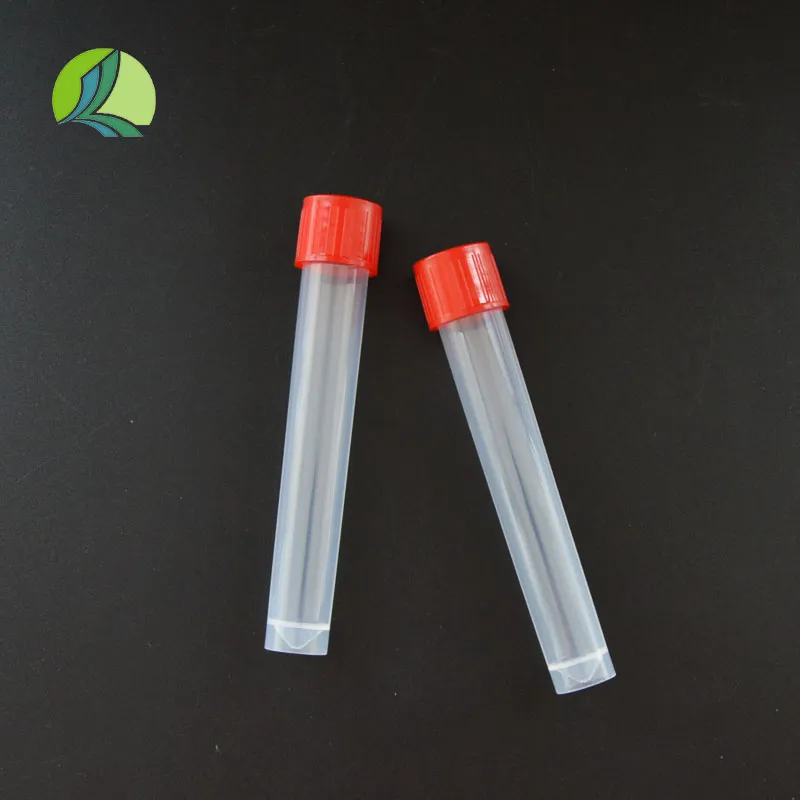
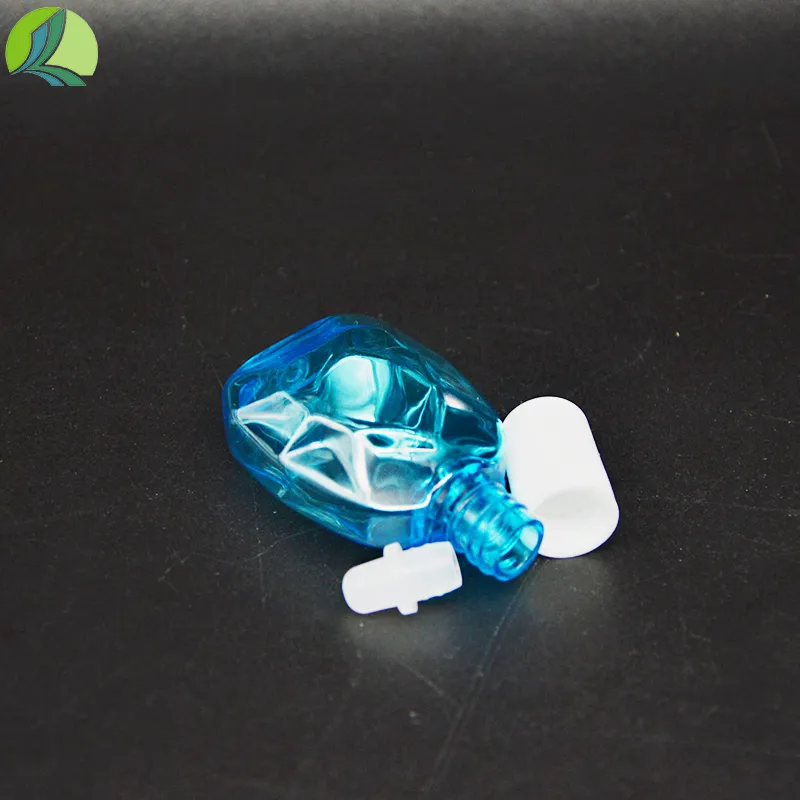
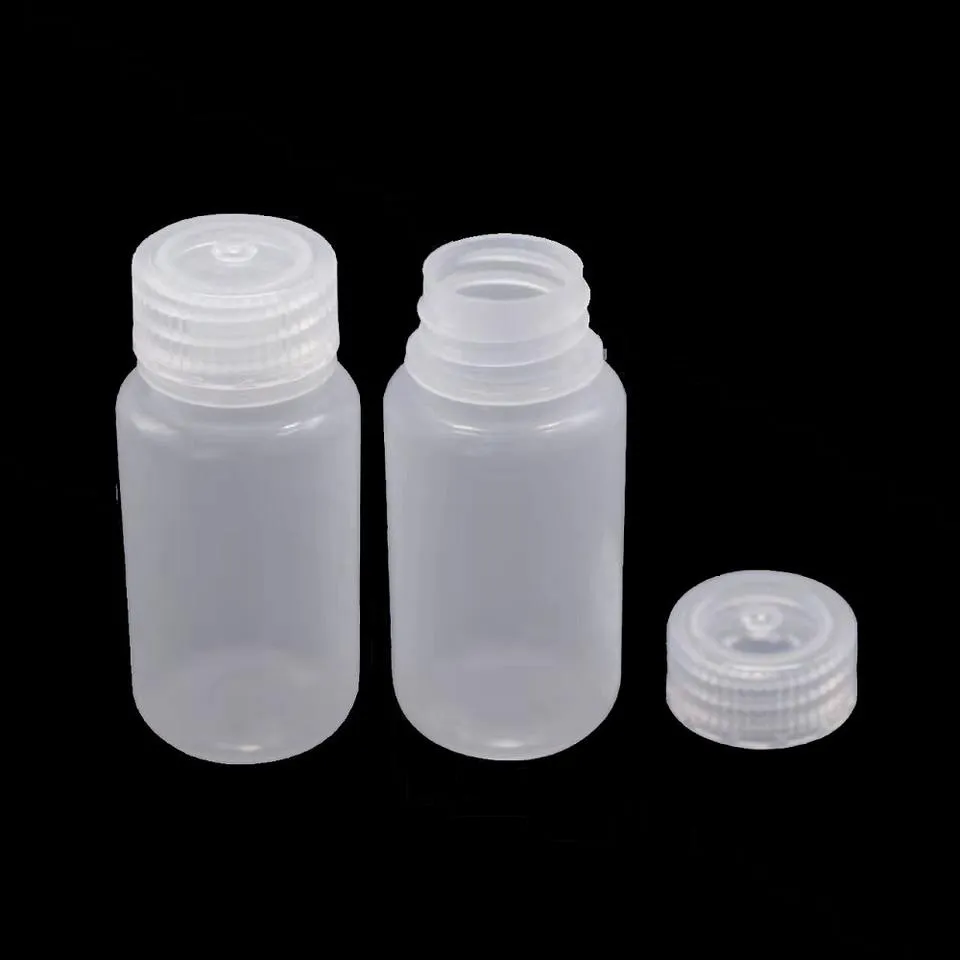
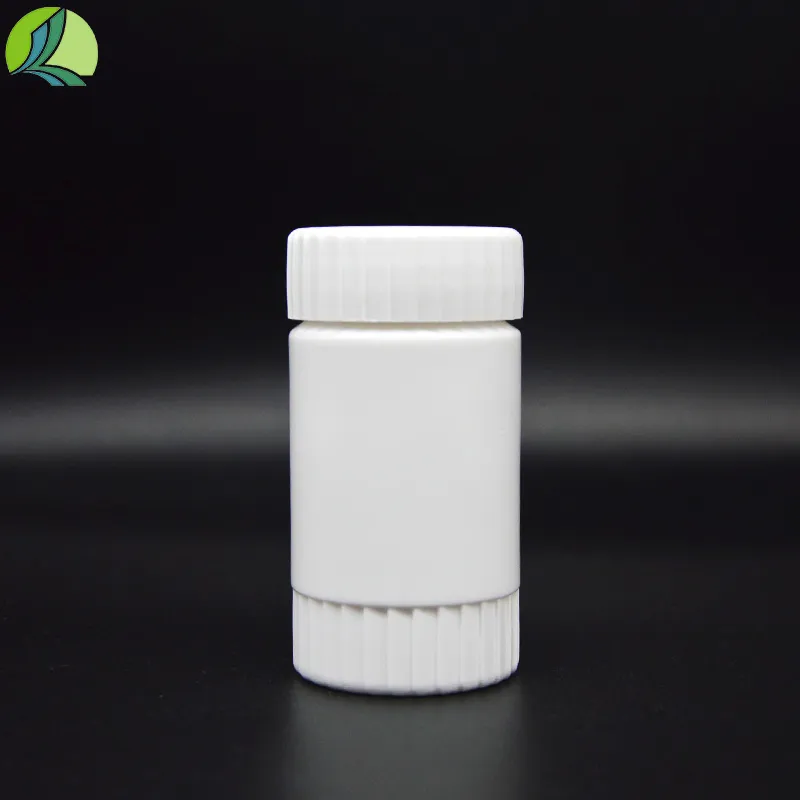
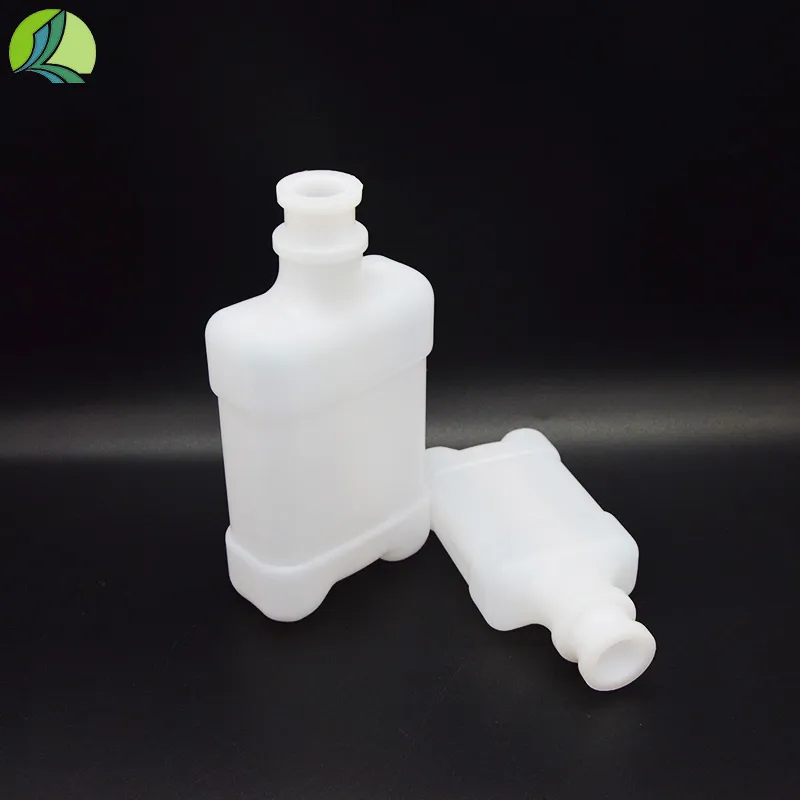
Reagent Bottle, As one of the most fundamental containers in chemical experiments and research, it carries the cornerstone of scientific progress. It may seem simple, but it plays a crucial role in ensuring experimental safety, maintaining reagent purity, and promoting effective scientific research. From the initial rough glass bottle to the diversified and functional modern reagent bottle today, its development process is also a microcosm of scientific and technological progress.
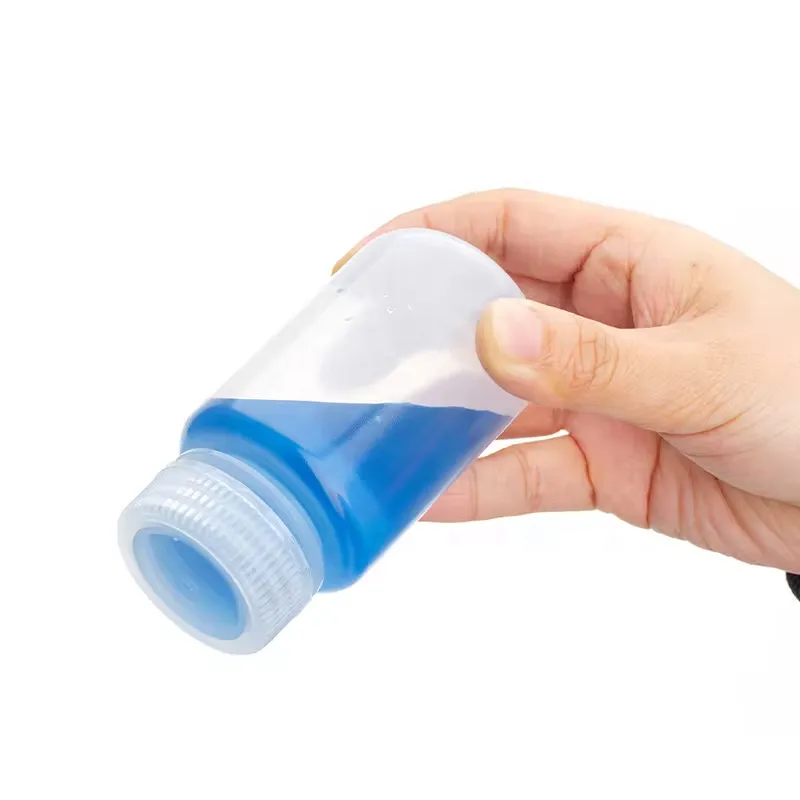
The core function of Reagent Bottle is to store reagents
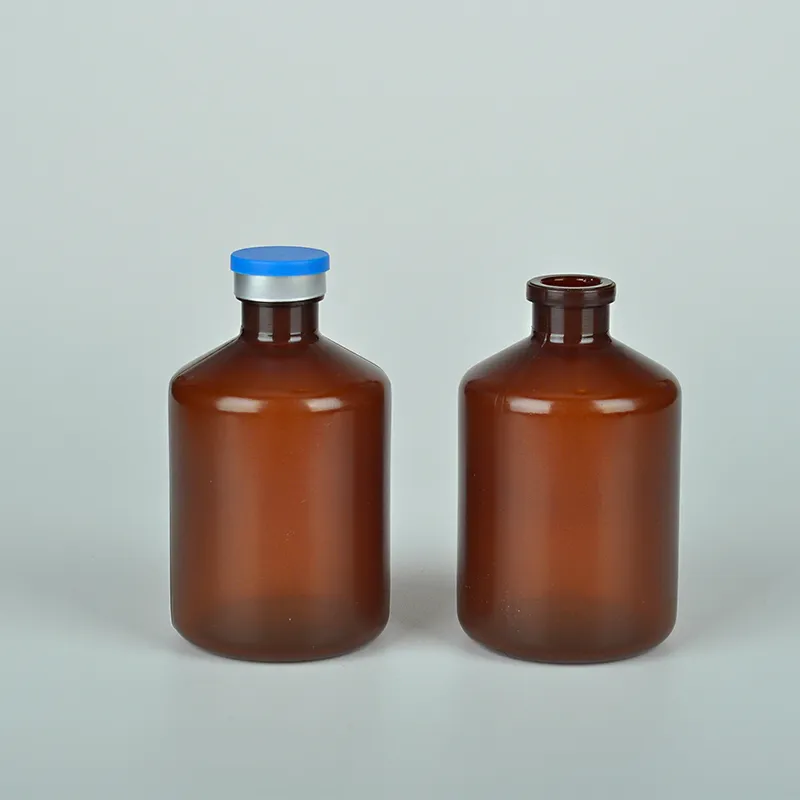
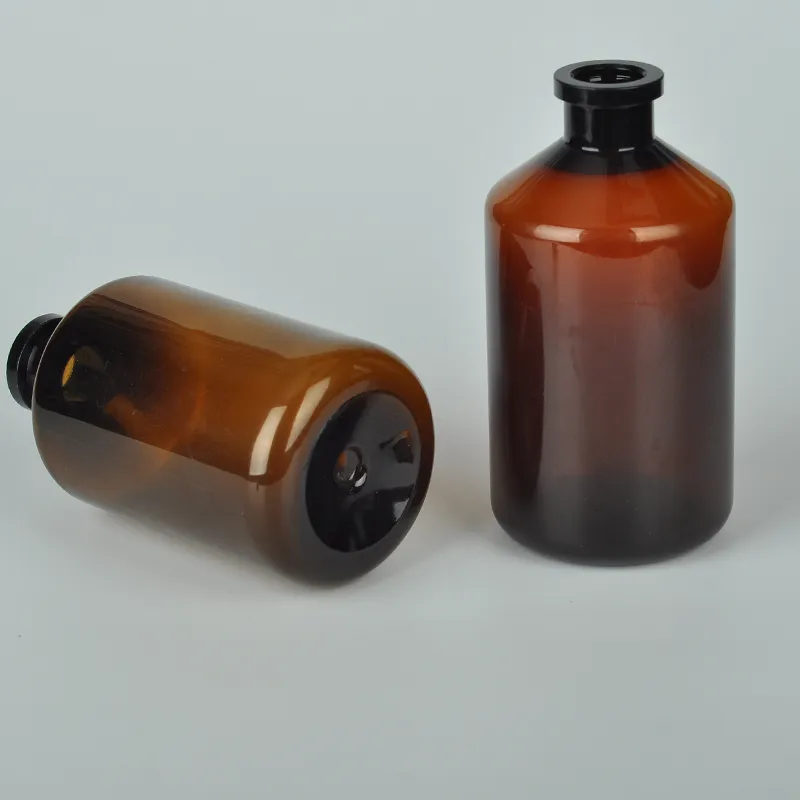
There are many types of reagents with different properties, so the material and design of reagent bottle chemistry must be compatible with the reagents it stores. For example, bottles used for storing highly corrosive reagents are usually made of corrosion-resistant plastic or glass materials and equipped with well sealed bottle caps to prevent reagent leakage or contamination. For light sensitive reagents, brown or opaque bottles are necessary choices to avoid light exposure causing reagent decomposition or deterioration. In addition, the capacity of the reagent bottle should also be selected according to experimental requirements to reduce the risk of reagent waste and contamination.
The security of the reagent bottle is a key guarantee for the success of the experiment
Unqualified reagent bottle laboratory apparatus may lead to reagent leakage, volatilization, and even cause safety accidents such as explosions. Therefore, high-quality reagent bottles must have good characteristics such as pressure resistance, heat resistance, and corrosion resistance. In the design of bottle caps, it is also necessary to consider anti slip, easy operation, and good sealing. In recent years, some reagent bottles have also been equipped with safety locks to prevent children from accidentally opening and misusing them. The continuous improvement of these safety measures effectively reduces potential safety risks during the experimental process and ensures the safety of experimental personnel.
The reagent bottle also plays an auxiliary role in scientific research
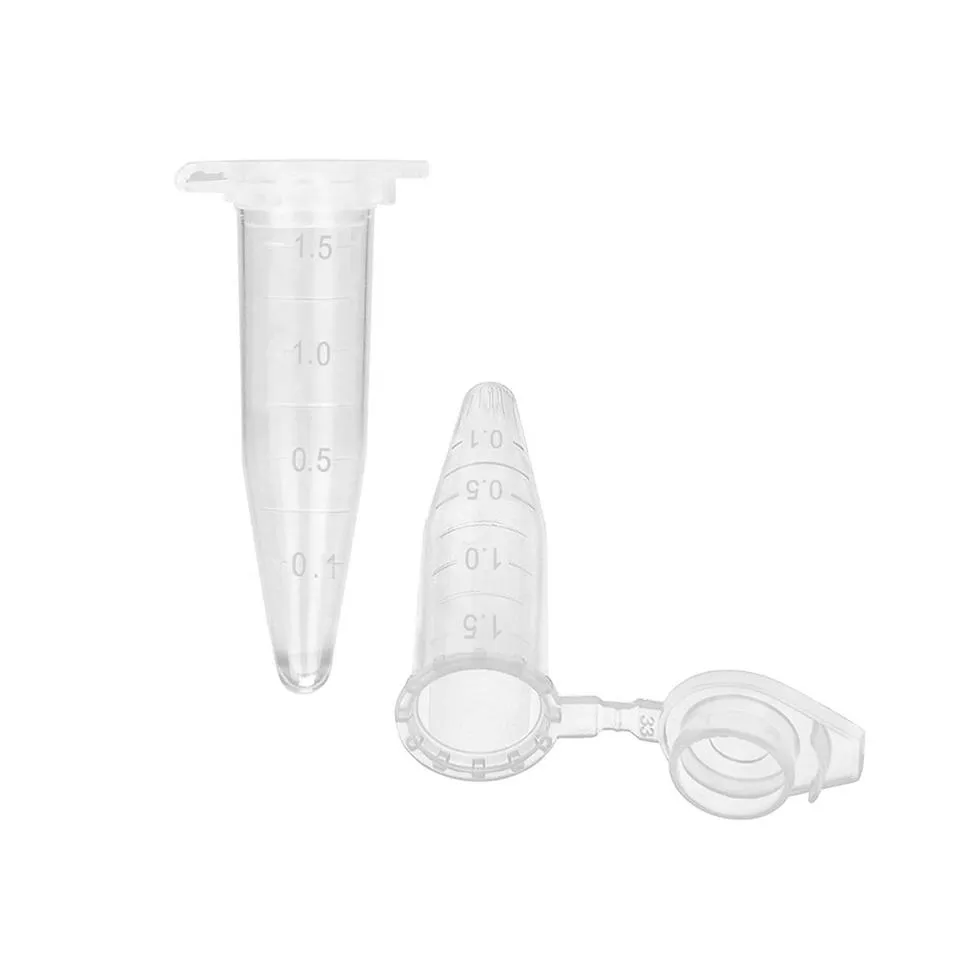
With the rapid development of analytical chemistry and biochemistry, the requirements for reagent purity are also increasing. Therefore, the cleanliness of the narrow mouth reagent bottle function is crucial. High quality reagent bottles should undergo strict cleaning and sterilization treatment to ensure that they do not contaminate the reagents, thereby affecting the accuracy of experimental results. In addition, some special reagent bottles, such as volumetric flasks with scales, can be used to accurately prepare solutions and provide necessary guarantees for quantitative experiments.
In short, a bottle reagent is not just a simple container, but an essential component in scientific experiments. It plays an important role in protecting reagents, ensuring safety, and assisting scientific research. With the continuous advancement of technology, we have reason to believe that the future reagent bottle will be more intelligent, safe, and environmentally friendly, providing more reliable support for the further development of scientific research.
Reagent Bottle FAQs
What is a reagent bottle?
A reagent bottle is a specialized container used in laboratories to store chemical reagents, solvents, or standard solutions. It is usually made of corrosion-resistant materials such as glass or specific plastics, and has the characteristics of good sealing, acid and alkali resistance, and volatilization prevention to ensure the purity and safety of reagents.
What are the common materials and types of reagent bottles?
Reagent Bottle (such as borosilicate glass): resistant to high temperatures, chemical corrosion, suitable for strong acids, strong bases, or organic solvents.
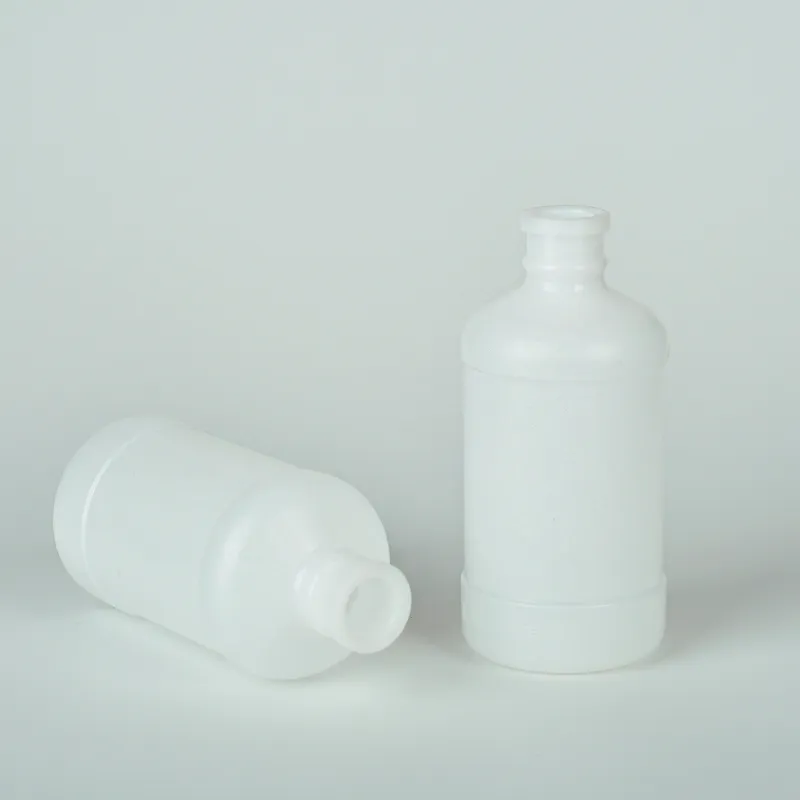
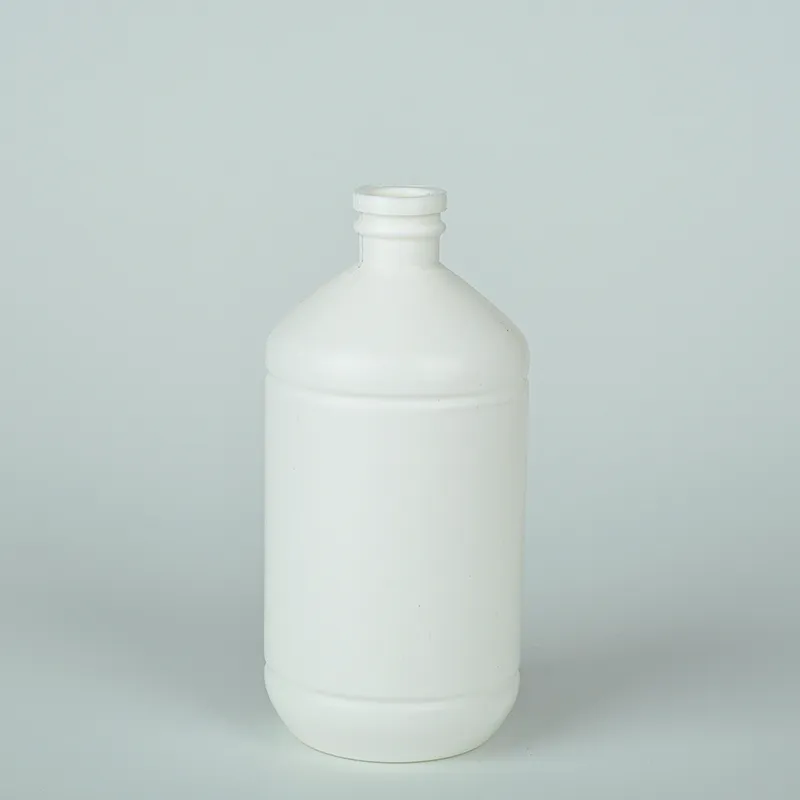
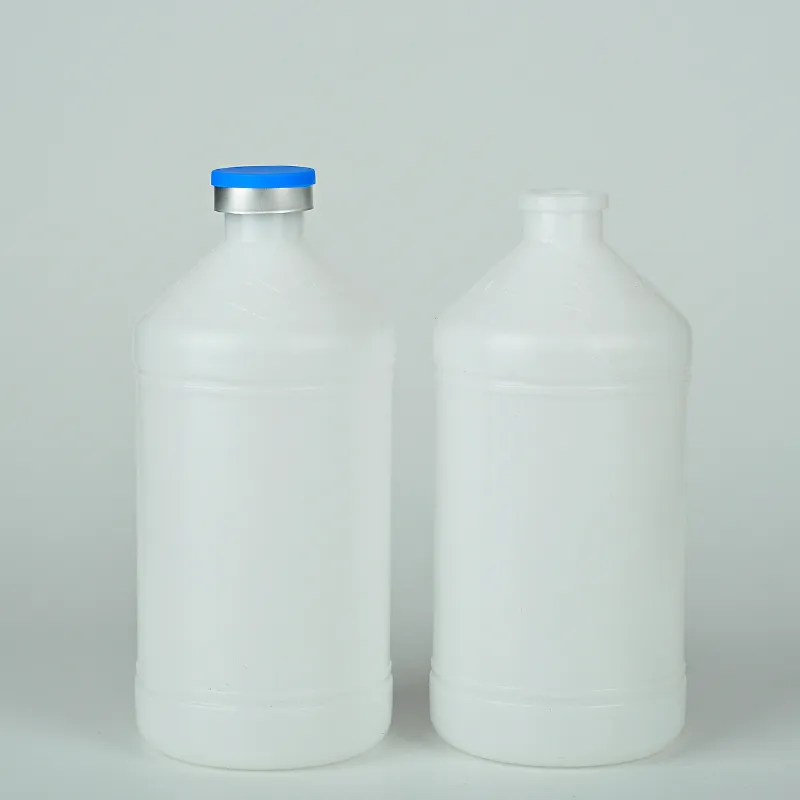
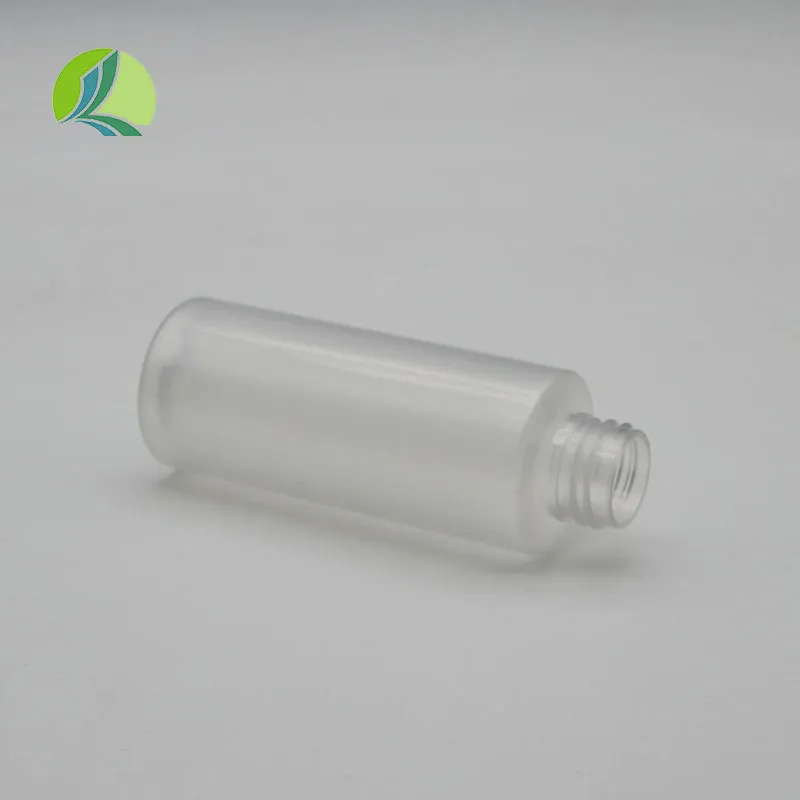
Plastic reagent bottles (such as HDPE, LDPE, PP): lightweight, drop resistant, suitable for storing non corrosive liquids (such as buffer solutions, distilled water).
Brown/dark bottle: used for photosensitive reagents (such as silver nitrate, iodine solution).
Wide mouthed bottles and narrow mouthed bottles: Wide mouthed bottles are convenient for accessing solid reagents, while narrow mouthed bottles are used for precise pouring of liquid reagents.
How to choose the reagent bottle correctly?
According to the nature of the reagent: glass bottles are used for highly corrosive reagents (such as concentrated sulfuric acid); Hydrofluoric acid needs to be stored in polyethylene bottles (due to corrosion of glass).
According to photosensitivity, brown bottles are selected for easily decomposable reagents (such as hydrogen peroxide).
According to sealing requirements: Volatile reagents (such as acetone) need to be covered with a grinding cap or threaded cap+inner liner.
What are the sealing methods for the reagent bottle?
Glass grinding plug: Good airtightness, suitable for volatile liquids (avoid adhesion, can be coated with Vaseline).
Spiral cap+inner pad: easy to open, commonly used plastic bottle (inner pad material needs to be solvent resistant, such as PTFE).
Droplet cap or pump head: used for liquids that require quantitative extraction (such as standard solutions).
How to safely handle the reagent bottle after use?
Cleaning: Residual reagents need to be treated as chemical waste (such as strong acids first neutralized with alkali).
Label removal: To avoid confusion, old labels should be completely torn off or covered.
Recycling or disposal: Glass bottles can be reused after high-temperature sterilization; Plastic bottles need to be sorted and recycled (with confirmation of no pollution).
Special Reagent Bottle: Bottles containing toxic/radioactive substances must be disposed of in accordance with hazardous waste regulations.
-
Guide to Sourcing High Quality wholesale mister bottles for BusinessNouvellesApr.16,2026
-
Top Quality Spray Bottle 100ml Suppliers for Your Business NeedsNouvellesApr.09,2026
-
Comprehensive Guide to Pet Spray Bottle Manufacturers and Packaging SolutionsNouvellesApr.07,2026
-
Comprehensive Guide to Finding Reliable Perfume Sprayers SuppliersNouvellesApr.04,2026
-
Comprehensive Guide to Wholesale Mini Spray Bottles for Various ApplicationsNouvellesMar.31,2026
-
Comprehensive Guide to Sourcing Mini Plastic Spray Bottles Bulk for Your BusinessNouvellesMar.28,2026