-
 Afrikaans
 -
 Albanian
 -
 Amharic
 -
 Arabic
 -
 Armenian
 -
 Azerbaijani
 -
 Basque
 -
 Belarusian
 -
 Bengali
 -
 Bosnian
 -
 Bulgarian
 -
 Catalan
 -
 Cebuano
 -
 Corsican
 -
 Croatian
 -
 Czech
Czech -
 Danish
 -
 Dutch
Dutch -
 English
 -
 Esperanto
 -
 Estonian
 -
 Finnish
 -
 French
 -
 Frisian
 -
 Galician
 -
 Georgian
 -
 German
 -
 Greek
Greek -
 Gujarati
 -
 Haitian Creole
 -
 hausa
hausa -
 hawaiian
 -
 Hebrew
 -
 Hindi
Hindi -
 Miao
Miao -
 Hungarian
 -
 Icelandic
 -
 igbo
igbo -
 Indonesian
 -
 irish
irish -
 Italian
 -
 Japanese
 -
 Javanese
 -
 Kannada
 -
 kazakh
 -
 Khmer
Khmer -
 Rwandese
 -
 Korean
 -
 Kurdish
 -
 Kyrgyz
 -
 Lao
Lao -
 Latin
Latin -
 Latvian
 -
 Lithuanian
 -
 Luxembourgish
 -
 Macedonian
 -
 Malgashi
 -
 Malay
Malay -
 Malayalam
 -
 Maltese
 -
 Maori
Maori -
 Marathi
 -
 Mongolian
 -
 Myanmar
 -
 Nepali
 -
 Norwegian
 -
 Norwegian
 -
 Occitan
 -
 Pashto
 -
 Persian
 -
 Polish
 -
 Portuguese
 -
 Punjabi
 -
 Romanian
 -
 Russian
 -
 Samoan
 -
 Scottish Gaelic
 -
 Serbian
 -
 Sesotho
 -
 Shona
Shona -
 Sindhi
 -
 Sinhala
 -
 Slovak
 -
 Slovenian
 -
 Somali
 -
 Spanish
 -
 Sundanese
 -
 Swahili
 -
 Swedish
 -
 Tagalog
 -
 Tajik
Tajik -
 Tamil
Tamil -
 Tatar
Tatar -
 Telugu
 -
 Thai
Thai -
 Turkish
 -
 Turkmen
 -
 Ukrainian
 -
 Urdu
Urdu -
 Uighur
 -
 Uzbek
Uzbek -
 Vietnamese
 -
 Welsh
Welsh -
 Bantu
Bantu -
 Yiddish
 -
 Yoruba
 -
 Zulu
Zulu
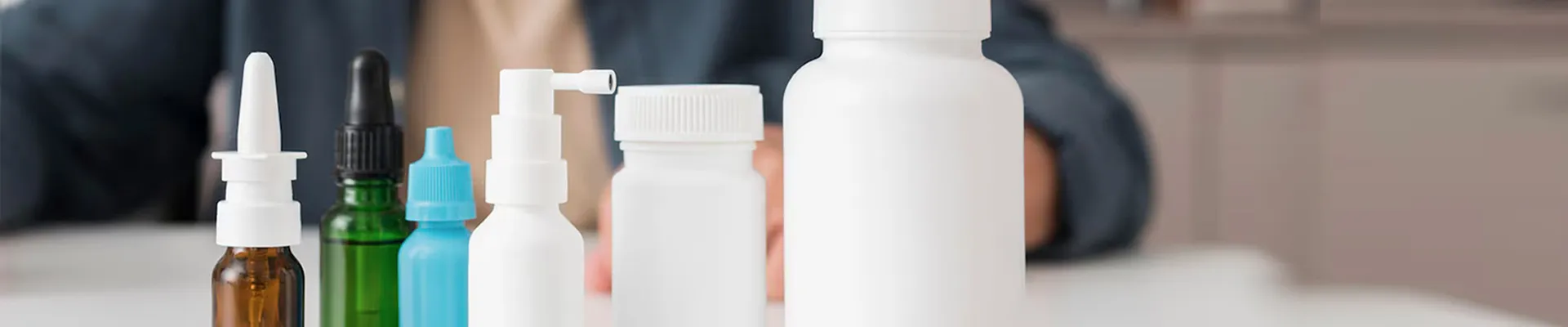


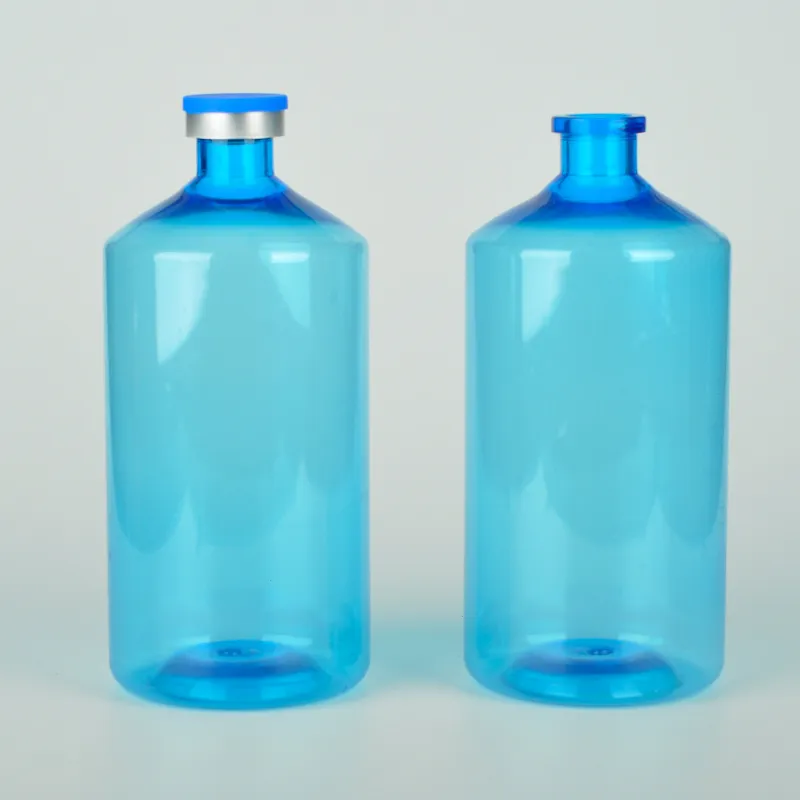
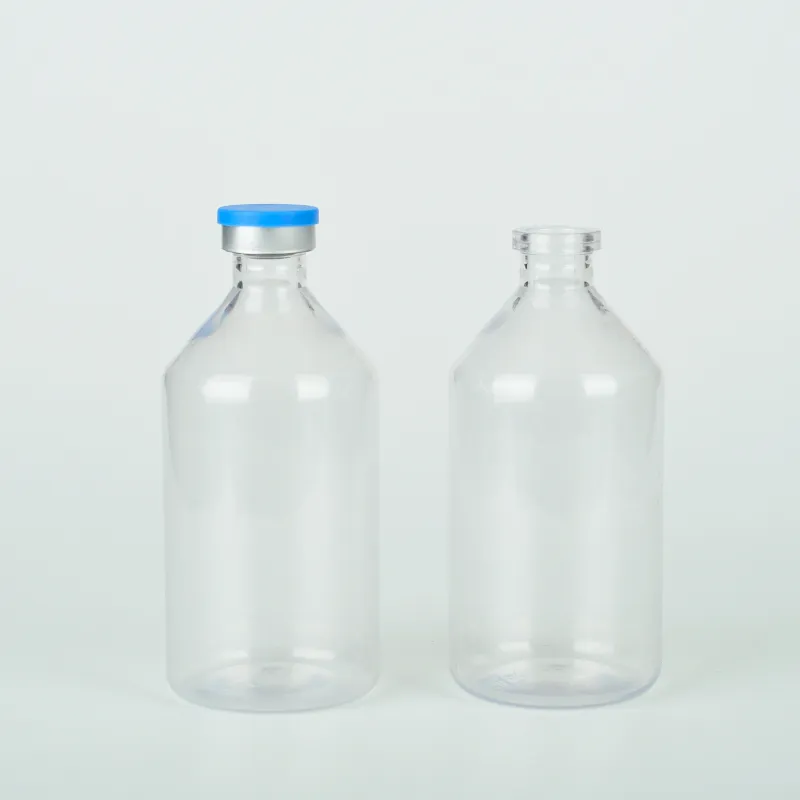
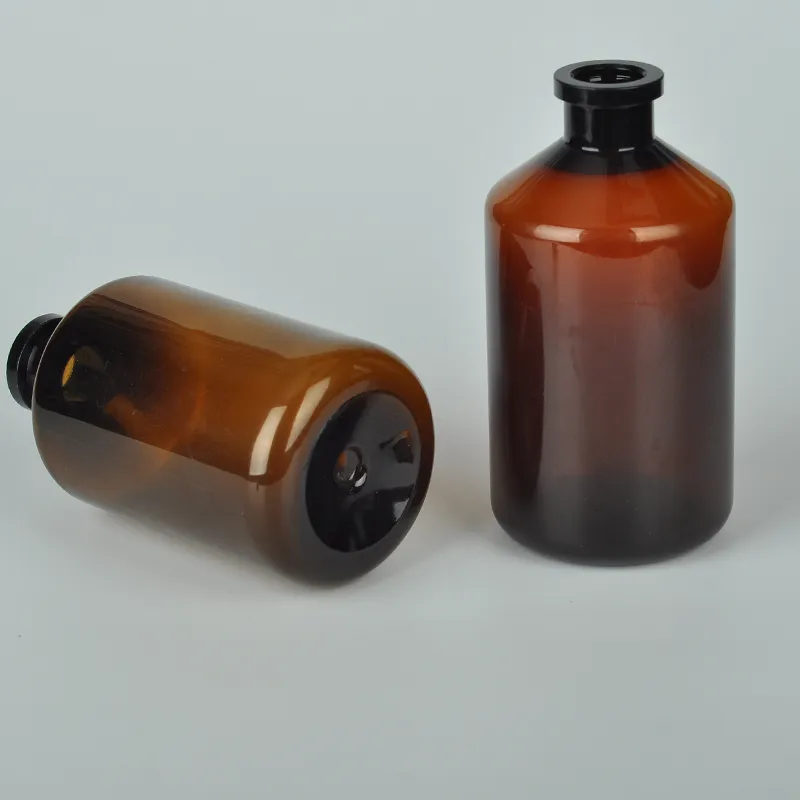
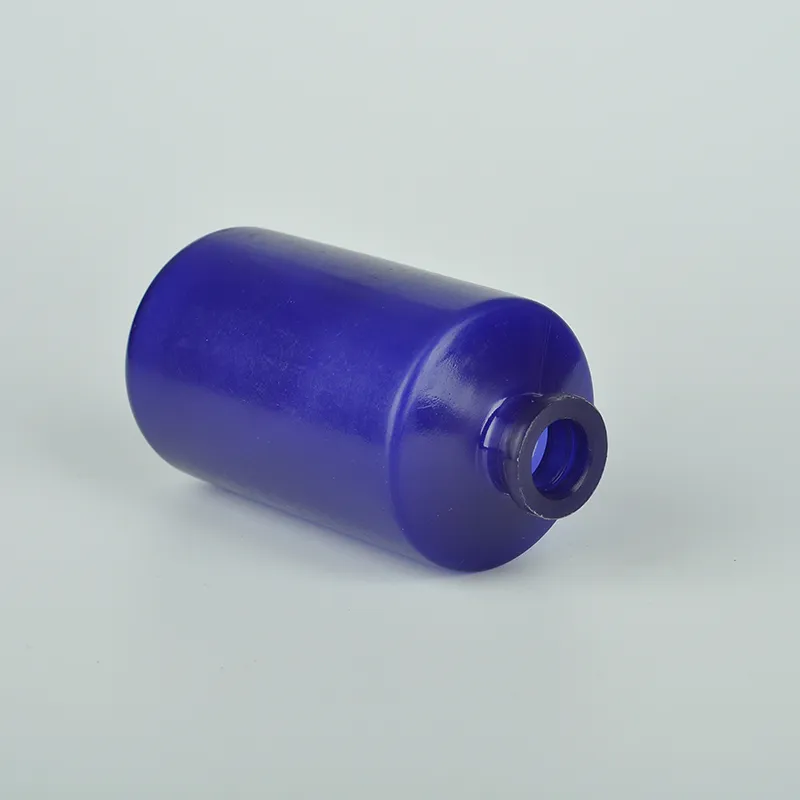
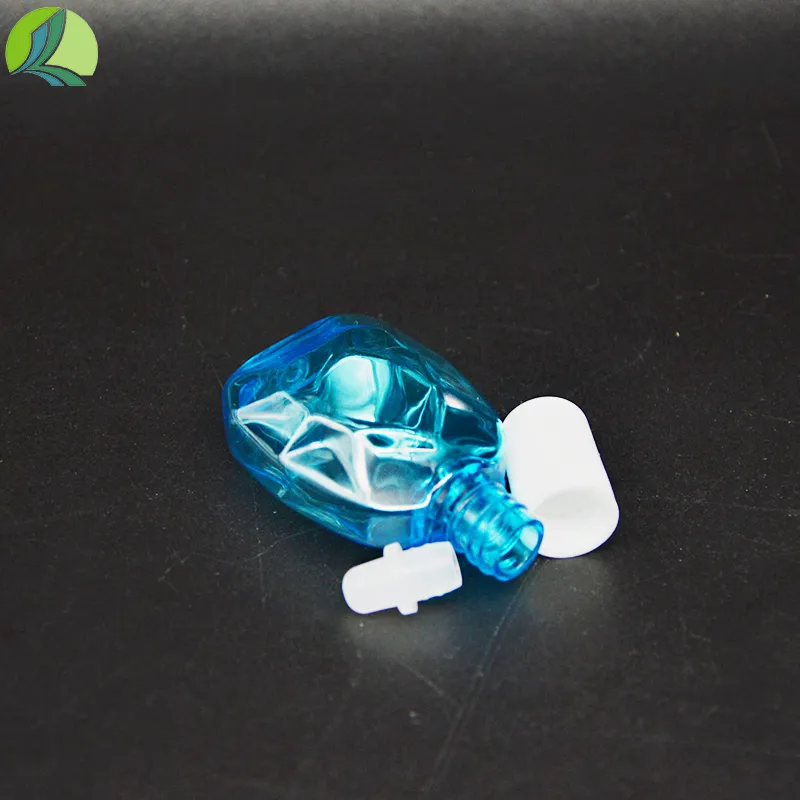
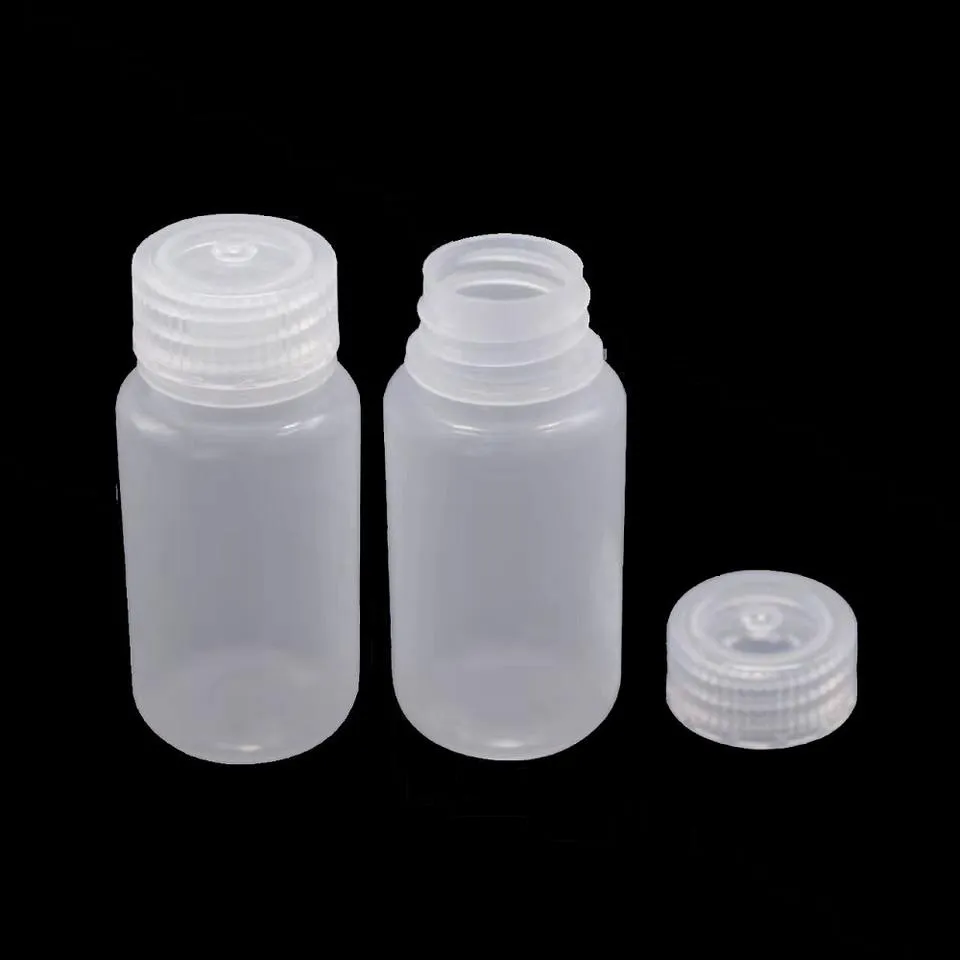
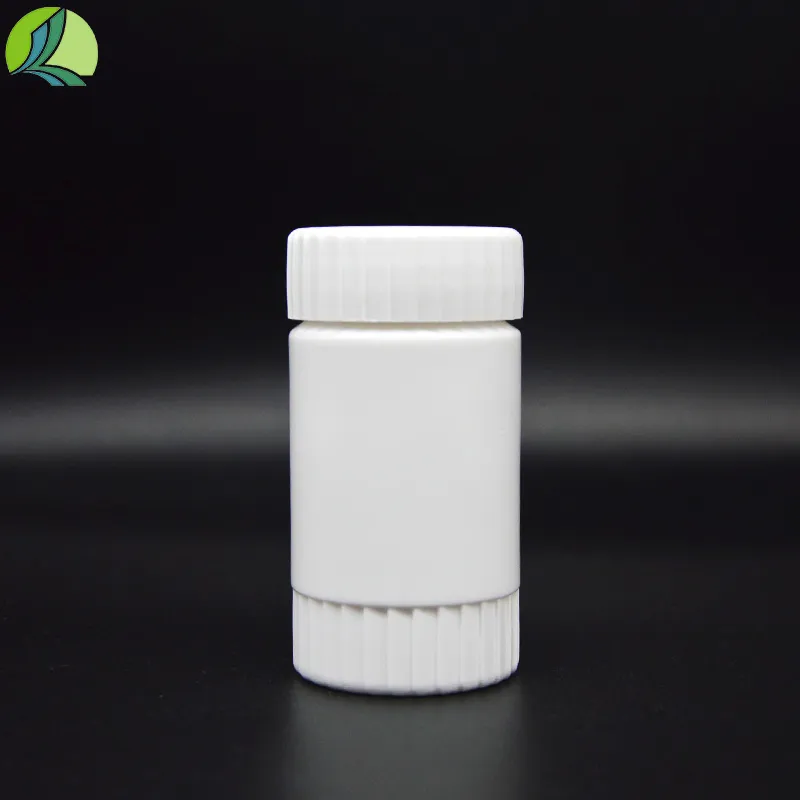
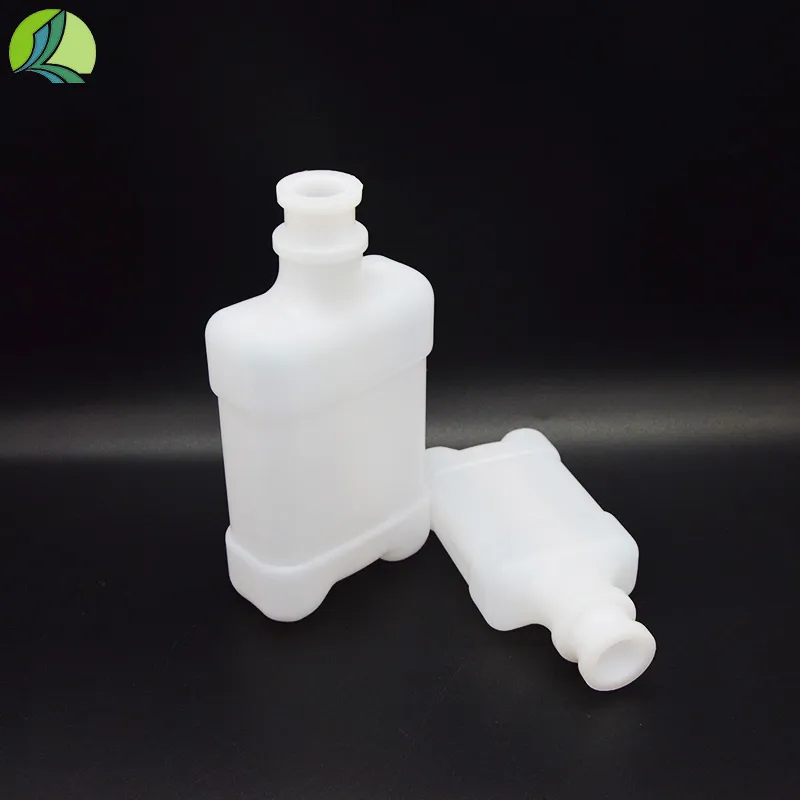
Lab Consumables: the Cornerstone of Scientific Research and Efficiency Guarantee
Lab Consumables, As the fundamental material on which scientific research activities rely for survival, its importance is self-evident. From micropipette tips to culture dishes, from reagents to filter membranes, a wide variety of consumables constitute the material support for laboratory work. They not only directly participate in the experimental process, affecting the accuracy and reliability of the experimental results, but also relate to scientific research efficiency and laboratory safety.
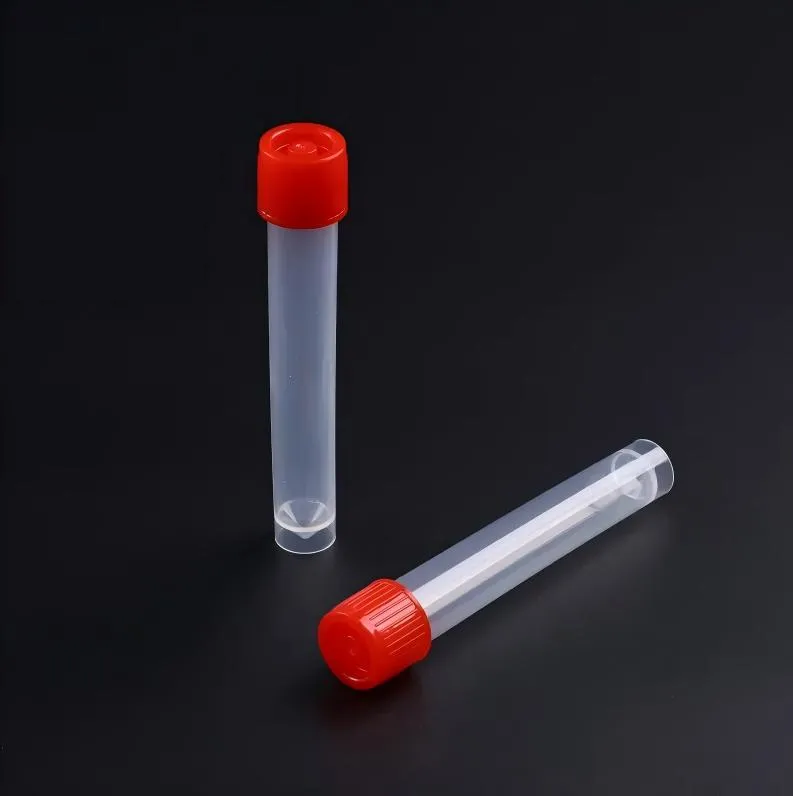
The quality of Lab Consumables is directly related to the scientific validity of experimental results
Taking biological research as an example, high-purity cell culture medium can provide an excellent environment for cell growth, avoid impurity interference, and ensure the authenticity and reliability of experimental data. On the contrary, inferior culture media may lead to abnormal cell states, thereby affecting the accuracy of experimental conclusions. Similarly, a precise pipette tip can ensure the accuracy of sampling and reduce errors, which is crucial for experiments that require precise control of variables. Therefore, choosing high-quality liquid handling consumables that have undergone strict quality testing is the primary prerequisite for ensuring the scientific validity of experimental results.
Reasonable selection and management of Lab Consumables can significantly improve research efficiency
Timely purchase commonly used consumables to avoid delays in the experimental process due to shortages of plastic lab tubes. Establish a comprehensive consumables inventory management system that can clearly understand the remaining quantity, expiration date, and supplier information of consumables, facilitating timely replenishment by researchers. At the same time, selecting appropriate consumables according to experimental needs, such as choosing filter membranes of different materials for different solvents, can shorten filtration time and improve work efficiency. In addition, unified procurement and bulk procurement can reduce consumable costs and save research funds.
Safe use and handling of Lab Consumables is an important aspect of ensuring laboratory safety
Dangerous chemicals and biological consumables often have certain toxicity and hazards, so they must be strictly used in accordance with operating procedures and equipped with corresponding protective measures, such as wearing gloves, masks, protective goggles, etc. For used consumables, they need to be classified and disinfected, sterilized or chemically treated according to relevant regulations to avoid polluting the environment and endangering human health.
In summary, science lab products play a crucial role in scientific research activities. Choosing high-quality consumables can ensure the scientific validity of experimental results, managing consumables reasonably can improve research efficiency, and safe use and handling of consumables can ensure laboratory safety. Therefore, research institutions and laboratory managers should attach great importance to the procurement, management, and use of laboratory cleaning products, providing solid material support for the smooth progress of scientific research work.
Lab Consumables FAQs
What is Lab Consumables?
Lab Consumables refer to consumables that are disposable or require regular replacement during the experimental process, including:
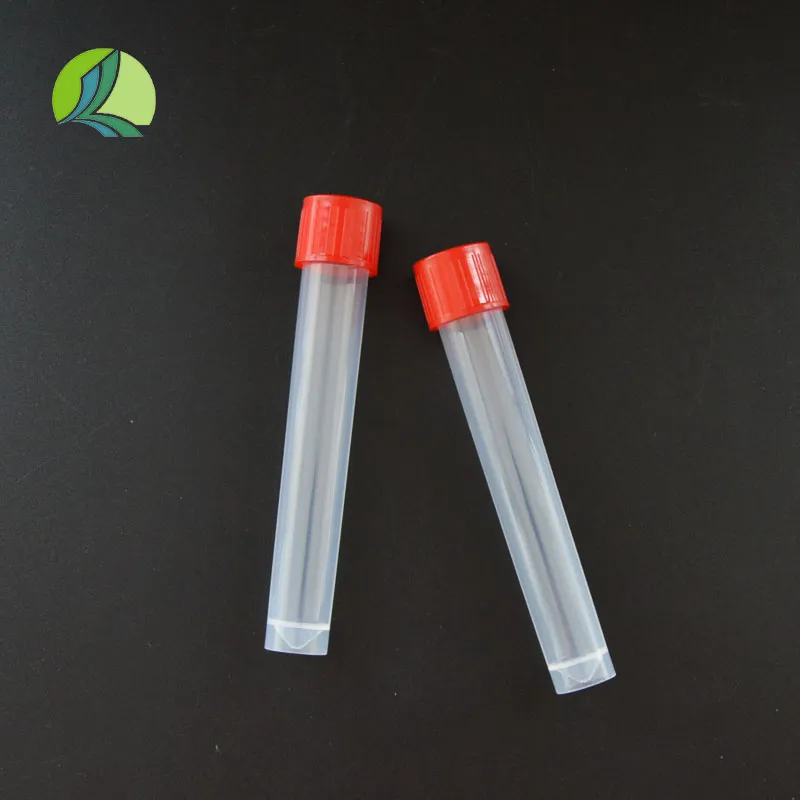
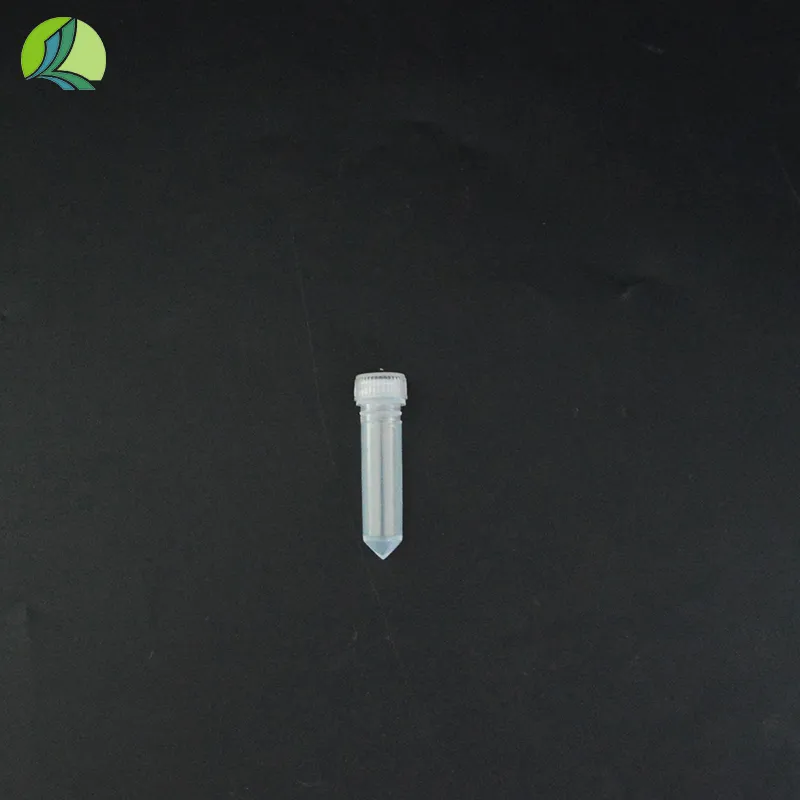
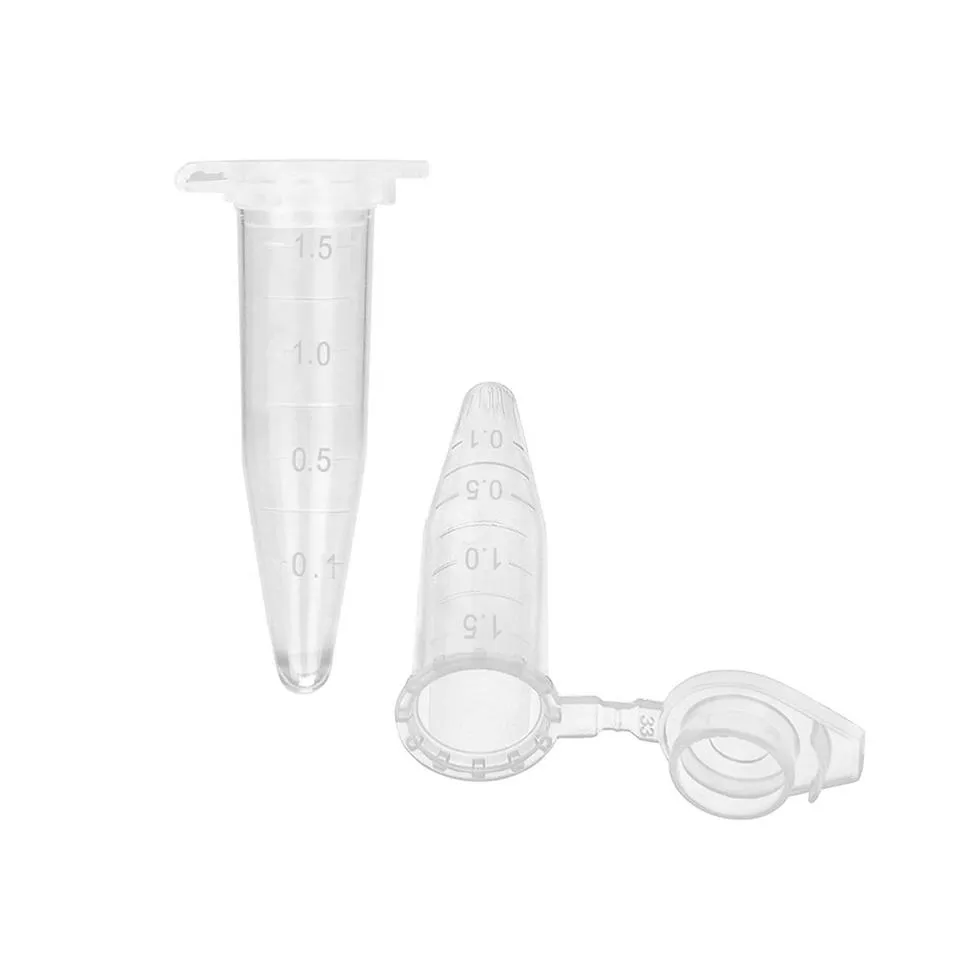
Sample processing: centrifuge tube, pipette tip, PCR tube, culture dish
Separation and analysis: filter membrane, chromatographic column, electrophoresis gel
Protection and cleaning: gloves, masks, alcohol swabs, wiping paper
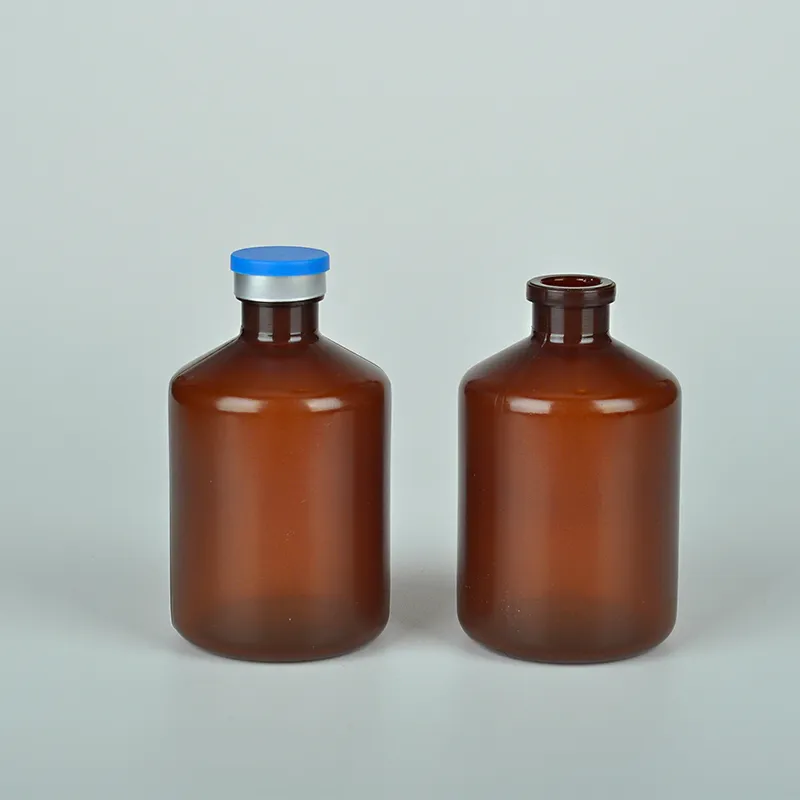
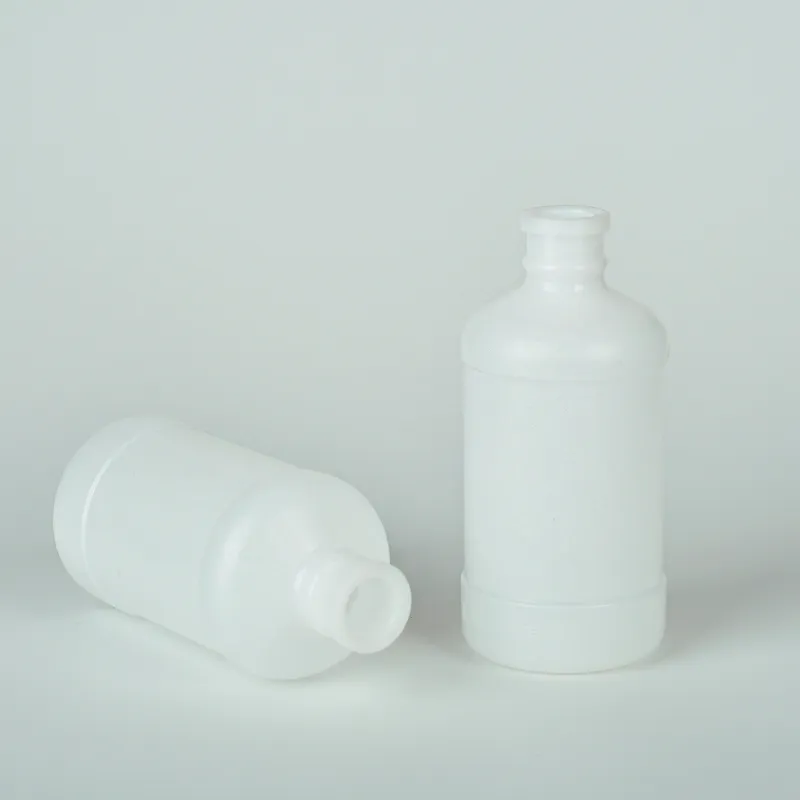
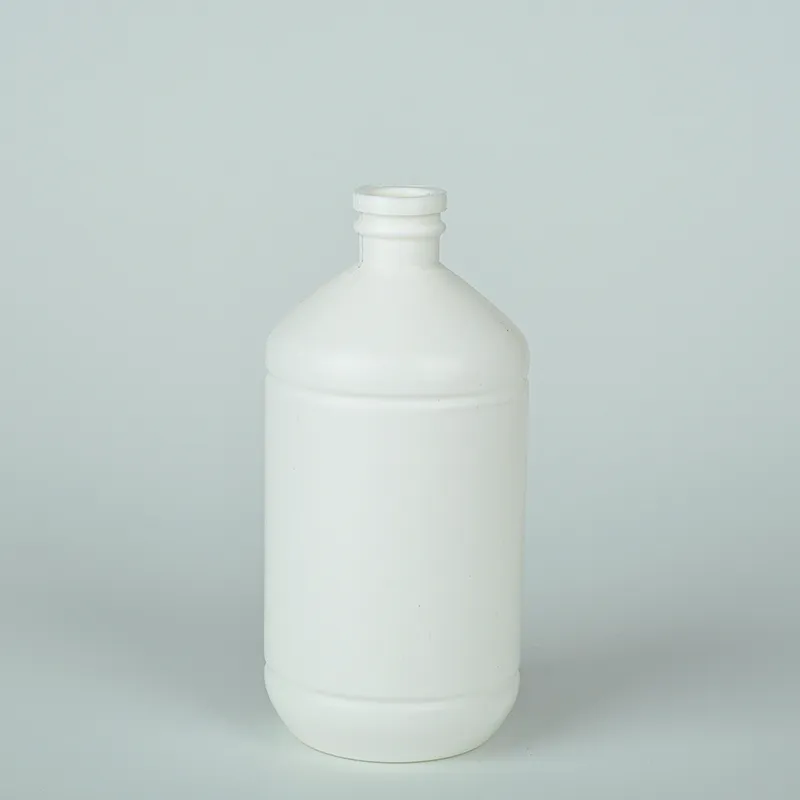
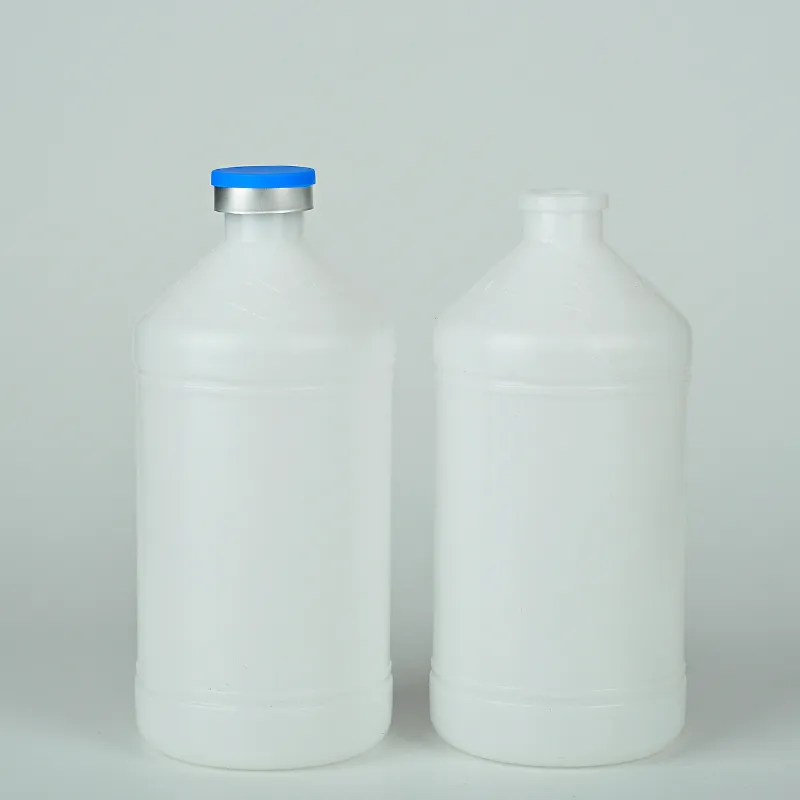
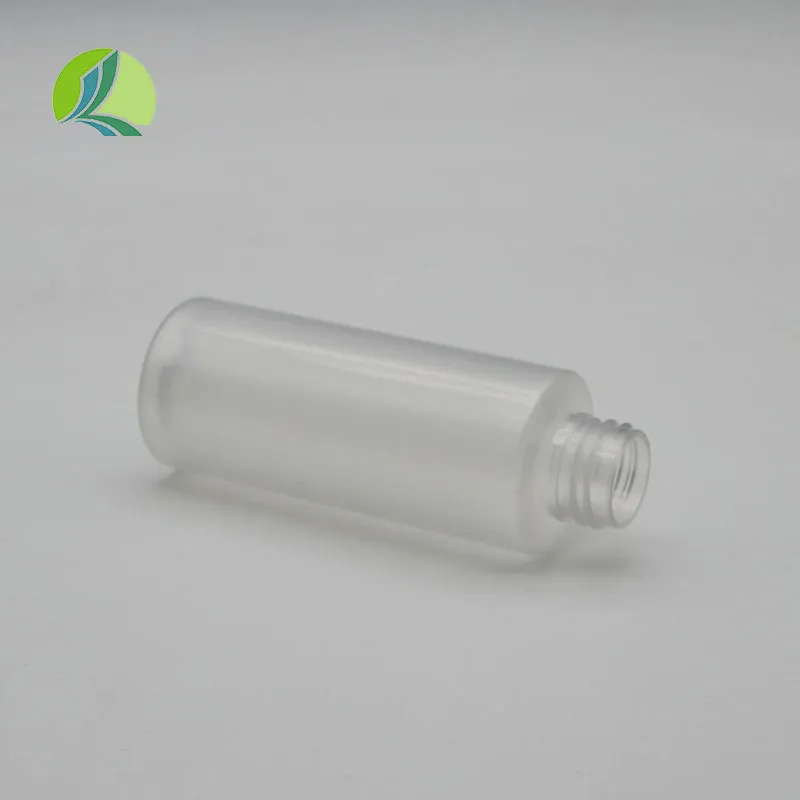
Storage categories: cryovials, reagent bottles, sample bags
How are Lab Consumables classified?
By purpose:
General consumables (such as gun heads, centrifuge tubes)
Specialized consumables (such as cell culture bottles, DNA extraction kits)
By material:
Plastic materials (PP, PET, etc.)
Glass type (such as glass pipette)
Metal materials (such as sterilization tweezers)
How to choose high-quality Lab Consumables?
Certification standards: Select products certified by ISO 13485, USP Class VI, or FDA.
Aseptic requirements: Cell experiments require pre sterilization (such as gamma ray sterilization) of consumables.
Low adsorption: PCR tubes and centrifuge tubes should be made of low adsorption materials to reduce sample loss.
Compatibility: Avoid reactions between solvents and plastic consumables (such as DMSO requiring specific PP tubing).
What are the common pollution risks of Lab Consumables?
DNA/RNA contamination: repeated use of consumables or cross operation leading to false positives.
Endotoxin contamination: Poor quality plastic consumables affect cell experiments.
Chemical residues: Release agents or additives during the production process interfere with experimental results.
Incomplete sterilization: Insufficient high-pressure sterilization leads to microbial contamination.
What are the environmental trends of Lab Consumables?
Degradable materials such as PLA (polylactic acid) replace traditional plastics.
Reuse: Glass pipettes and metal utensils are strictly cleaned and sterilized before reuse.
Recycling plan: Some manufacturers provide gun head boxes and centrifuge tube recycling services.
Reduce packaging: Use high-capacity packaging or refillable design to reduce waste.
-
Guide to Sourcing High Quality wholesale mister bottles for BusinessחֲדָשׁוֹתApr.16,2026
-
Top Quality Spray Bottle 100ml Suppliers for Your Business NeedsחֲדָשׁוֹתApr.09,2026
-
Comprehensive Guide to Pet Spray Bottle Manufacturers and Packaging SolutionsחֲדָשׁוֹתApr.07,2026
-
Comprehensive Guide to Finding Reliable Perfume Sprayers SuppliersחֲדָשׁוֹתApr.04,2026
-
Comprehensive Guide to Wholesale Mini Spray Bottles for Various ApplicationsחֲדָשׁוֹתMar.31,2026
-
Comprehensive Guide to Sourcing Mini Plastic Spray Bottles Bulk for Your BusinessחֲדָשׁוֹתMar.28,2026