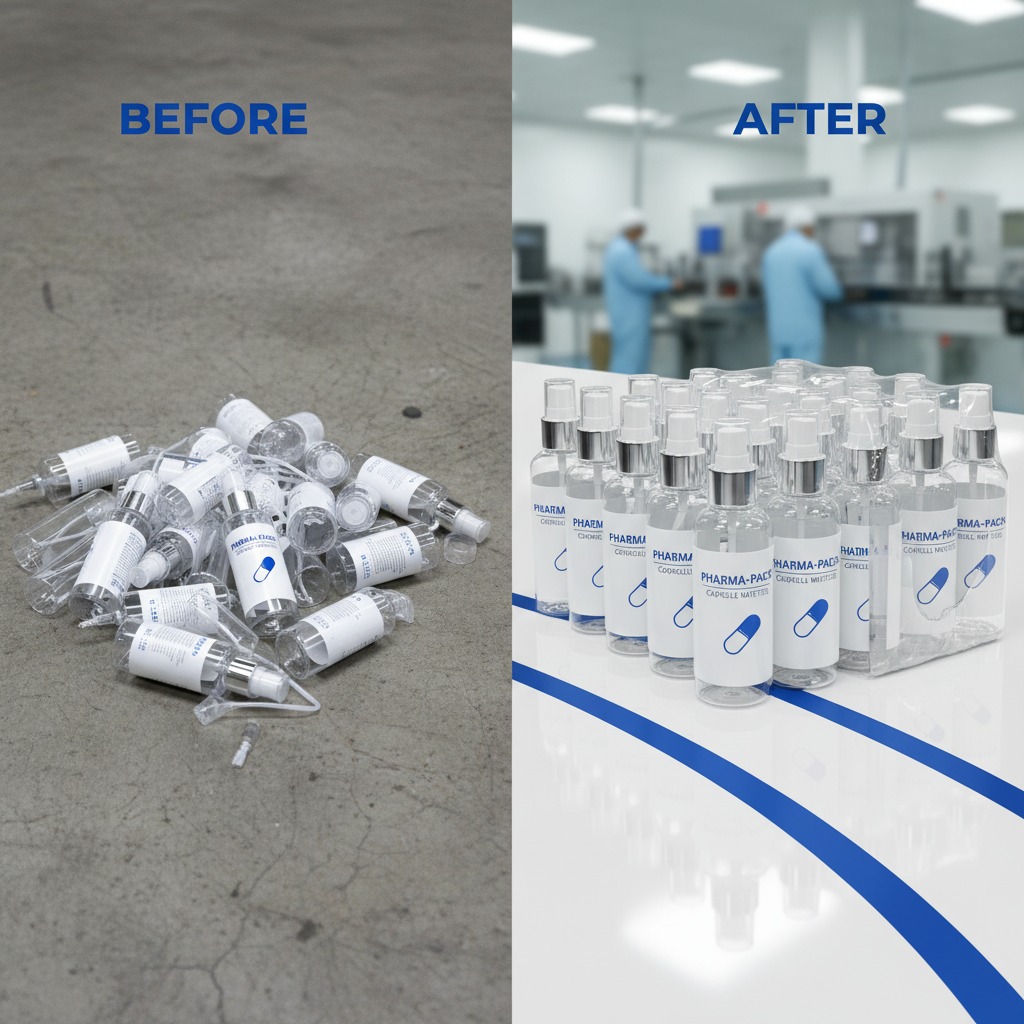





Plastic laboratory reagent bottles, vaccine bottles, sterile threaded caps, semi-permeable liquid bottles, complete specifications.
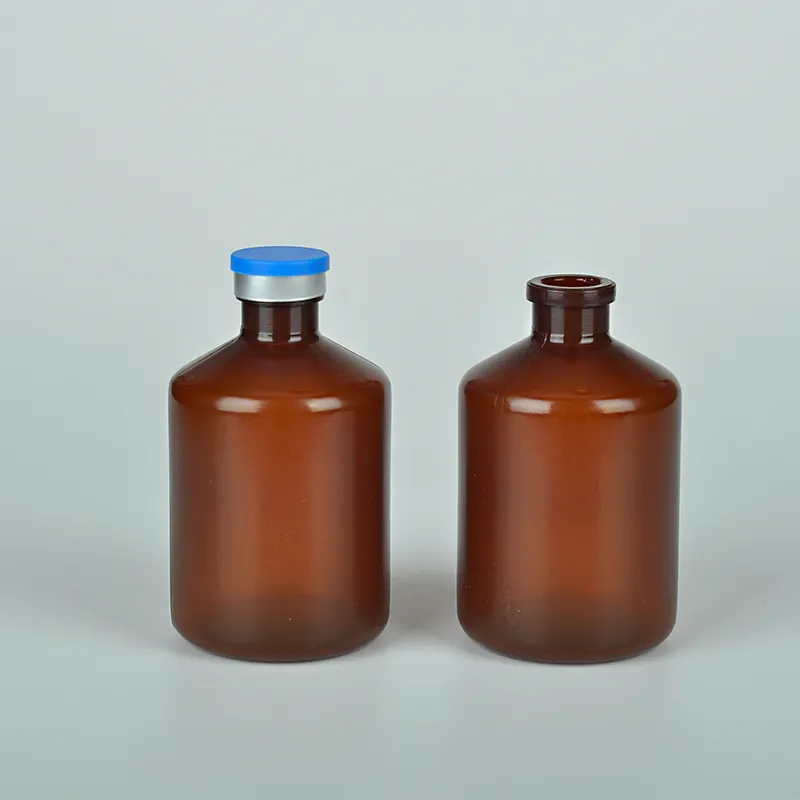
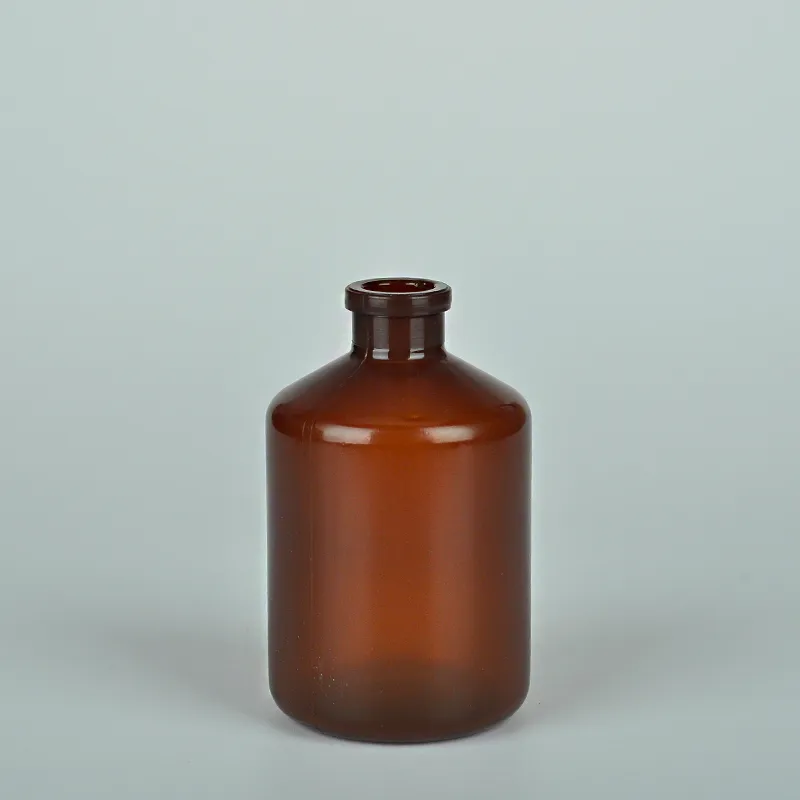
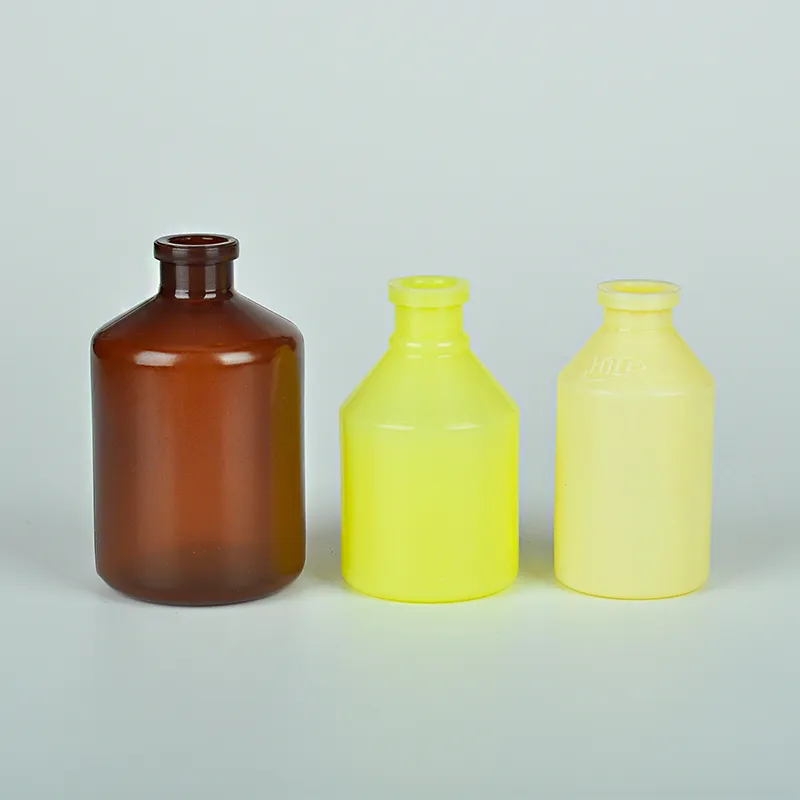
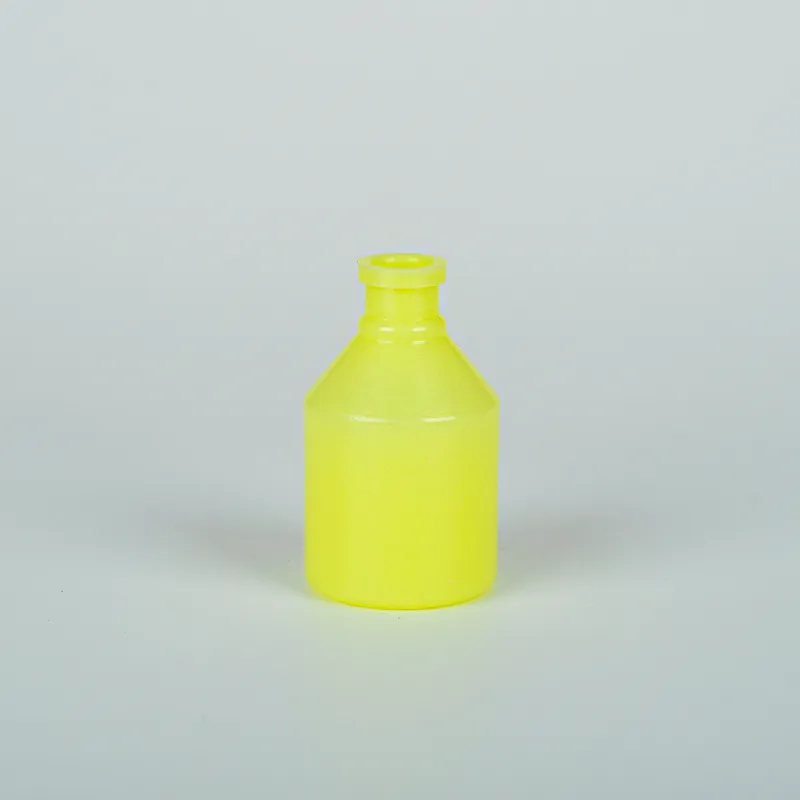
1.Kev siv cov txheej txheem kev txhaj tshuaj siab heev thiab tshuab tshuab, cov khoom molding, kev ua haujlwm siab, lub raj mis du, ruaj khov zoo.
2. Feem ntau siv polyethylene (PE) thiab polypropylene (PP) ua raw khoom, polypropylene (PP) ua raw khoom, tiv taus kub thiab siab. Cov khoom yas yog sib dua thiab yooj yim rau kev thauj mus los.
3. Lub qhov ncauj ntawm lub raj mis yas txhaj tshuaj feem ntau yog me me, thiab cov roj hmab plug aluminium cap yog siv los ua lub hau lub raj mis los tiv thaiv cov tshuaj tiv thaiv dhau, thiab kev sib khi ua haujlwm zoo heev.
4. Vim hais tias lub raj mis yas txhaj tshuaj yog tsuas yog sau nrog cov tshuaj tiv thaiv thiab kev tswj cov kab mob ntawm cov tsiaj, nws yuav tsum muaj cov kev cai ntawm kev huv thiab tsis muaj menyuam, thiab yuav tsum tau lees tias tsis muaj menyuam ua ntej siv; Yog li ntawd, cov tshuaj tiv thaiv yas vials yuav tsum tau ua kom tsis muaj menyuam kom ua tiav lub hom phiaj ntawm kev ua kom cov tshuaj tiv thaiv zoo.
Yas muaj qhov zoo ntawm lub teeb yuag thiab kev thauj mus los yooj yim, thiab yog lub thawv ntim tshuaj zoo heev, uas yog siv dav hauv kev ntim khoom lag luam tshuaj thiab cov khoom lag luam lom (xws li tshuaj tiv thaiv).
Vaccine Bottles With Sterile Threaded Caps: Ensuring Safety and Sterility in Laboratories
Vaccine bottles with sterile threaded caps are essential components in modern laboratories, particularly in the fields of pharmaceuticals, biotechnology, and veterinary medicine. These bottles are specifically designed to store and handle vaccines, serums, and other sensitive liquid reagents in a safe and sterile manner. Their combination of robust materials, precision-engineered caps, and compatibility with laboratory practices ensures that the contents remain uncontaminated, stable, and effective.
One of the primary advantages of these vaccine bottles is the sterile threaded cap design. The threaded cap provides a secure and airtight seal, preventing contamination from bacteria, dust, or other environmental particles. This is crucial for maintaining the sterility of vaccines, which can easily be compromised if exposed to air or microorganisms. Some caps also include tamper-evident or child-resistant features, providing an additional layer of safety and quality assurance. The threaded design ensures consistent sealing, which is particularly important during storage, transportation, or laboratory handling, reducing the risk of spills and leaks.
The bottles themselves are typically made from high-quality plastics, such as polypropylene (PP) or polyethylene (PE), or in some cases, glass for more sensitive chemicals. These materials are chemically inert and resistant to the active ingredients commonly found in vaccines and laboratory reagents. This ensures that the contents remain stable over time and are not altered by interaction with the container. The plastic bottles are lightweight and shatter-resistant, which enhances safety for laboratory staff and facilitates handling in busy or high-volume settings.
Sterility and safety are further supported by the design of the bottle. Many vaccine bottles are manufactured in sterile conditions and undergo additional sterilization before packaging. The combination of a sterile environment and a secure threaded cap ensures that the vaccines or reagents remain free from microbial contamination, which is vital for research accuracy, patient safety, and regulatory compliance.
The bottles are also designed for convenience and usability. Their ergonomic shapes make them easy to handle and store, and many are compatible with racks, refrigerators, or automated dispensing systems. Clear or semi-transparent materials allow for visual inspection of the liquid level, ensuring accurate dosing and reducing waste. Some bottles are also compatible with labeling, allowing researchers to document contents, batch numbers, and expiration dates clearly, which supports efficient laboratory management.
In conclusion, vaccine bottles with sterile threaded caps are indispensable tools in laboratory environments. By combining a secure sealing mechanism, chemically resistant materials, and ergonomic design, they ensure the sterility, safety, and stability of vaccines and liquid reagents. Their reliability and ease of use make them critical for maintaining quality and safety in modern scientific research and medical applications.
Why Plastic Laboratory Reagent Bottles and Sterile Vaccine Bottles Are Essential for Modern Labs
Plastic laboratory reagent bottles and sterile vaccine bottles play a critical role in modern scientific research, pharmaceutical production, and veterinary medicine. These bottles are specifically engineered to store, transport, and handle chemical reagents, vaccines, and other liquid medicines safely, reliably, and efficiently, making them indispensable in contemporary laboratory operations.
One of the primary reasons these bottles are essential is chemical stability and compatibility. Laboratory reagents often include acids, bases, solvents, or sensitive compounds that require non-reactive storage containers. High-quality plastics such as polypropylene (PP), polyethylene (PE), and polyethylene terephthalate (PET) are resistant to most chemical reactions, ensuring that the contents remain stable and uncontaminated over time. Similarly, sterile vaccine bottles protect sensitive biological liquids from degradation and contamination, maintaining efficacy and safety.
Safety and sterility are critical factors in laboratories. Sterile vaccine bottles with threaded caps prevent microbial contamination and accidental spillage, ensuring that vaccines and liquid reagents remain sterile during storage and handling. Plastic reagent bottles are shatter-resistant, reducing the risk of injury from broken glass. These features are particularly valuable in high-throughput laboratories, veterinary clinics, and pharmaceutical production environments where frequent handling and movement of liquids occur.
The versatility and convenience of plastic laboratory bottles make them highly valuable. They come in a variety of sizes, from small volumes for precise analytical work to large bottles for bulk storage. The bottles’ compatibility with labeling, refrigeration, and automated dispensing systems enhances workflow efficiency and organization. Laboratory technicians and veterinary staff can easily identify, store, and dispense reagents or vaccines without compromising safety or accuracy.
Plastic bottles also offer cost-effectiveness and sustainability. Compared to glass alternatives, plastic bottles are lighter, easier to transport, and less prone to breakage, reducing shipping and replacement costs. Many plastics are recyclable, which supports environmentally responsible laboratory practices.
Finally, these bottles contribute to accuracy and reliability in laboratory operations. Clear or semi-transparent designs allow visual inspection of liquid levels, ensuring precise dosing and reducing waste. The secure closures maintain sterility and prevent accidental contamination, which is critical for experiments, vaccine administration, and medical research outcomes.
In summary, plastic laboratory reagent bottles and sterile vaccine bottles are essential for modern laboratories because they combine chemical stability, safety, sterility, versatility, and cost-effectiveness. Their robust design, secure closures, and ease of use ensure that laboratories can operate efficiently while maintaining high standards of accuracy, safety, and reliability. These bottles are indispensable tools for researchers, veterinarians, and pharmaceutical professionals worldwide.