-
 Afrikaans
 -
 Albanian
 -
 Amharic
 -
 Arabic
 -
 Armenian
 -
 Azerbaijani
 -
 Basque
 -
 Belarusian
 -
 Bengali
 -
 Bosnian
 -
 Bulgarian
 -
 Catalan
 -
 Cebuano
 -
 Corsican
 -
 Croatian
 -
 Czech
Czech -
 Danish
 -
 Dutch
Dutch -
 English
 -
 Esperanto
 -
 Estonian
 -
 Finnish
 -
 French
 -
 Frisian
 -
 Galician
 -
 Georgian
 -
 German
 -
 Greek
Greek -
 Gujarati
 -
 Haitian Creole
 -
 hausa
hausa -
 hawaiian
 -
 Hebrew
 -
 Hindi
Hindi -
 Miao
Miao -
 Hungarian
 -
 Icelandic
 -
 igbo
igbo -
 Indonesian
 -
 irish
irish -
 Italian
 -
 Japanese
 -
 Javanese
 -
 Kannada
 -
 kazakh
 -
 Khmer
Khmer -
 Rwandese
 -
 Korean
 -
 Kurdish
 -
 Kyrgyz
 -
 Lao
Lao -
 Latin
Latin -
 Latvian
 -
 Lithuanian
 -
 Luxembourgish
 -
 Macedonian
 -
 Malgashi
 -
 Malay
Malay -
 Malayalam
 -
 Maltese
 -
 Maori
Maori -
 Marathi
 -
 Mongolian
 -
 Myanmar
 -
 Nepali
 -
 Norwegian
 -
 Norwegian
 -
 Occitan
 -
 Pashto
 -
 Persian
 -
 Polish
 -
 Portuguese
 -
 Punjabi
 -
 Romanian
 -
 Russian
 -
 Samoan
 -
 Scottish Gaelic
 -
 Serbian
 -
 Sesotho
 -
 Shona
Shona -
 Sindhi
 -
 Sinhala
 -
 Slovak
 -
 Slovenian
 -
 Somali
 -
 Spanish
 -
 Sundanese
 -
 Swahili
 -
 Swedish
 -
 Tagalog
 -
 Tajik
Tajik -
 Tamil
Tamil -
 Tatar
Tatar -
 Telugu
 -
 Thai
Thai -
 Turkish
 -
 Turkmen
 -
 Ukrainian
 -
 Urdu
Urdu -
 Uighur
 -
 Uzbek
Uzbek -
 Vietnamese
 -
 Welsh
Welsh -
 Bantu
Bantu -
 Yiddish
 -
 Yoruba
 -
 Zulu
Zulu



How Do Centrifuge Tubes Enhance Laboratory Processes?
In the dynamic world of laboratory research and analysis, specialized equipment plays a pivotal role in ensuring accurate and efficient results. Among these, tubes designed for centrifugation are indispensable tools. Terms such as tube for centrifuge, tubes used in centrifuge, sterile polypropylene tubes, falcon tube temperature range, and falcon tube sizes highlight the diverse types and considerations involved in selecting the right tubes for different centrifugation applications. These components are crucial for maintaining sample integrity, optimizing separation processes, and adhering to laboratory standards.
Exploring the Basics of Centrifuge Tubes
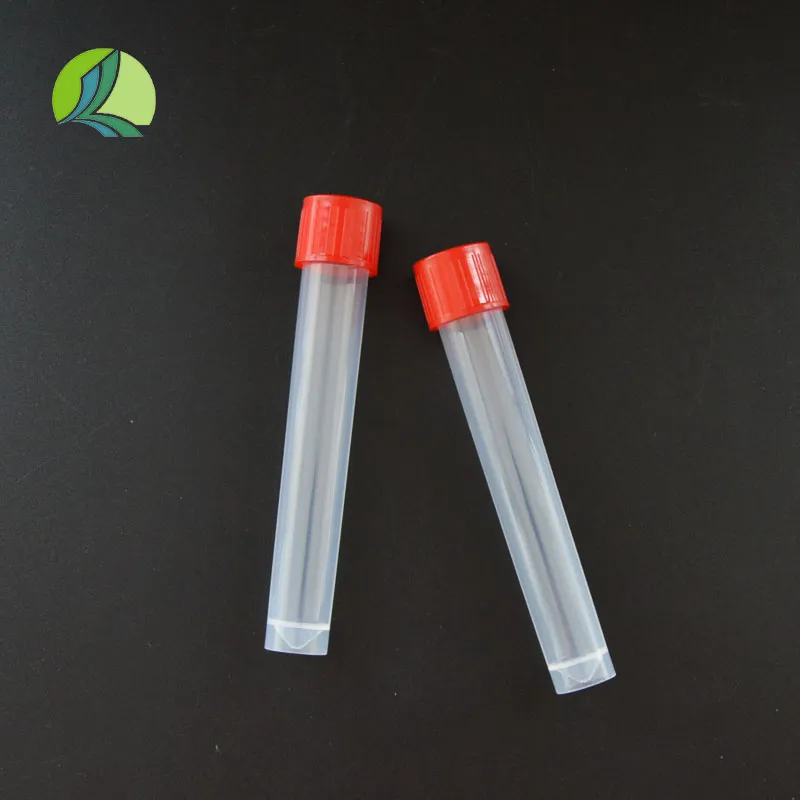
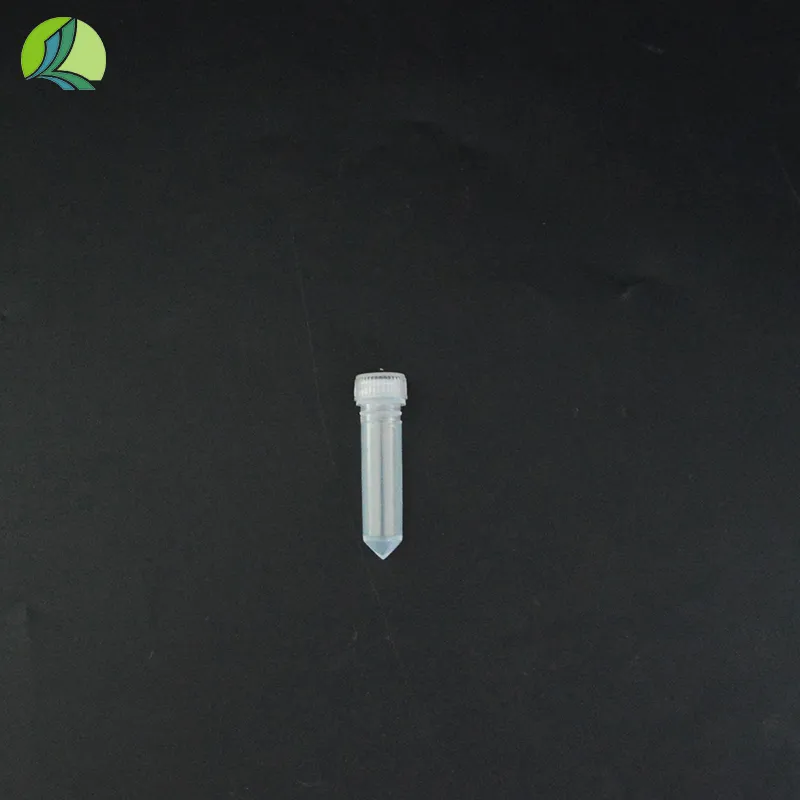
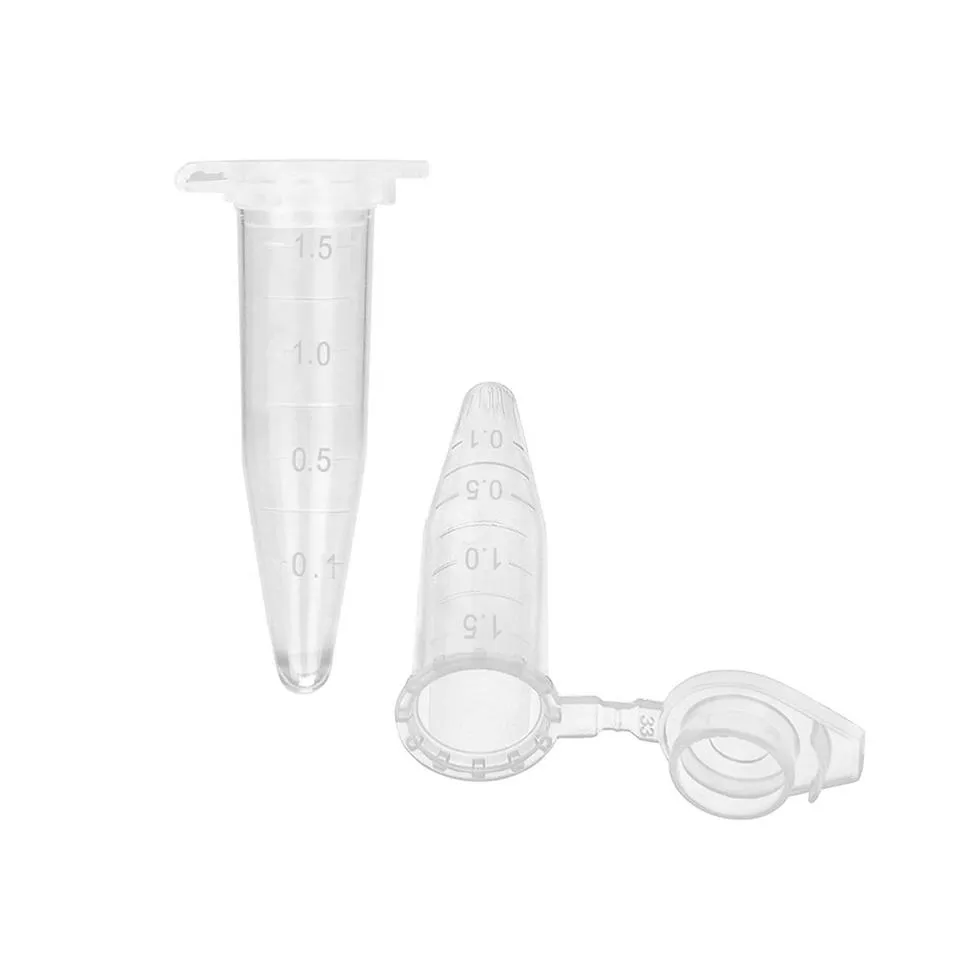
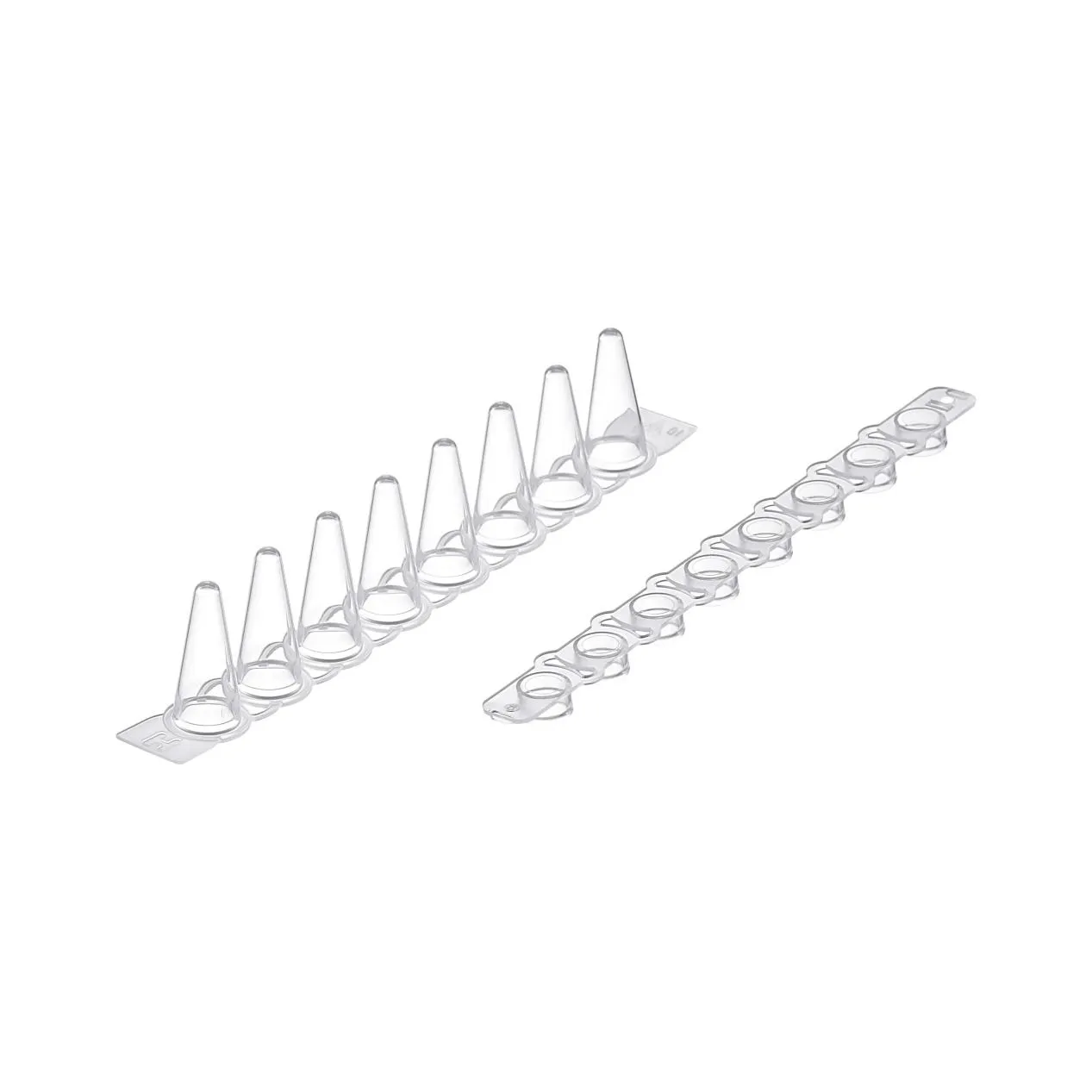
A tube for centrifuge is engineered to withstand the high - speed rotation and forces generated during centrifugation. These tubes are available in various materials, with polypropylene being a popular choice due to its chemical resistance and durability. In biological laboratories, tubes used in centrifuge are often employed to separate cells, proteins, or nucleic acids. For example, when processing blood samples, a tube for centrifuge with the appropriate capacity and material ensures that plasma can be efficiently separated from cellular components without compromising sample quality. The design of these tubes, including their shape and closure mechanisms, also plays a role in preventing leakage and ensuring safe handling during high - speed spins.
What Makes Sterile Polypropylene Tubes a Preferred Choice?
Sterile polypropylene tubes offer distinct advantages in environments where contamination must be strictly avoided, such as in cell culture or molecular biology experiments. The sterility of these tubes is crucial for maintaining the integrity of sensitive samples. Polypropylene, the material used, is not only resistant to a wide range of chemicals but also has a low protein binding capacity, making it ideal for storing and processing biological materials. In pharmaceutical research, sterile polypropylene tubes are often used to handle sterile reagents or samples, ensuring that no external contaminants interfere with the results. Their robust construction also allows them to withstand repeated use in centrifugation processes without cracking or deforming.
How Does the Temperature Range of Falcon Tubes Impact Their Use?
Understanding the falcon tube temperature range is essential for applications that involve temperature - sensitive samples or processes. Falcon tubes, a widely recognized brand of centrifuge tubes, are designed to perform well across a specific temperature spectrum. For instance, some models are rated for use in ultra - low temperatures, making them suitable for storing samples in liquid nitrogen or freezers. On the other hand, certain falcon tubes can withstand moderate heat, which is useful for processes that involve brief incubation or temperature cycling. By adhering to the specified falcon tube temperature range, researchers can prevent material degradation, such as melting or brittleness, and ensure that their samples remain viable throughout the centrifugation and storage processes.
Why Do Falcon Tube Sizes Matter in Laboratory Work?
Falcon tube sizes vary to accommodate different sample volumes and experimental requirements. From small - scale microcentrifuge tubes that hold just a few milliliters to larger capacity tubes used for bulk sample processing, the size chosen depends on the nature of the experiment. In genomics research, for example, small - sized falcon tubes may be used for storing DNA extracts, while larger tubes are necessary for centrifuging cell pellets or precipitated proteins. The availability of multiple falcon tube sizes also allows for flexibility in workflow, enabling researchers to scale their experiments up or down as needed. Additionally, compatibility with centrifuge rotors is often dependent on tube size, making it a critical factor in ensuring proper fit and safe operation during centrifugation.
Key Considerations for Selecting Centrifuge Tubes
How to Choose the Right Material for Centrifuge Tubes?
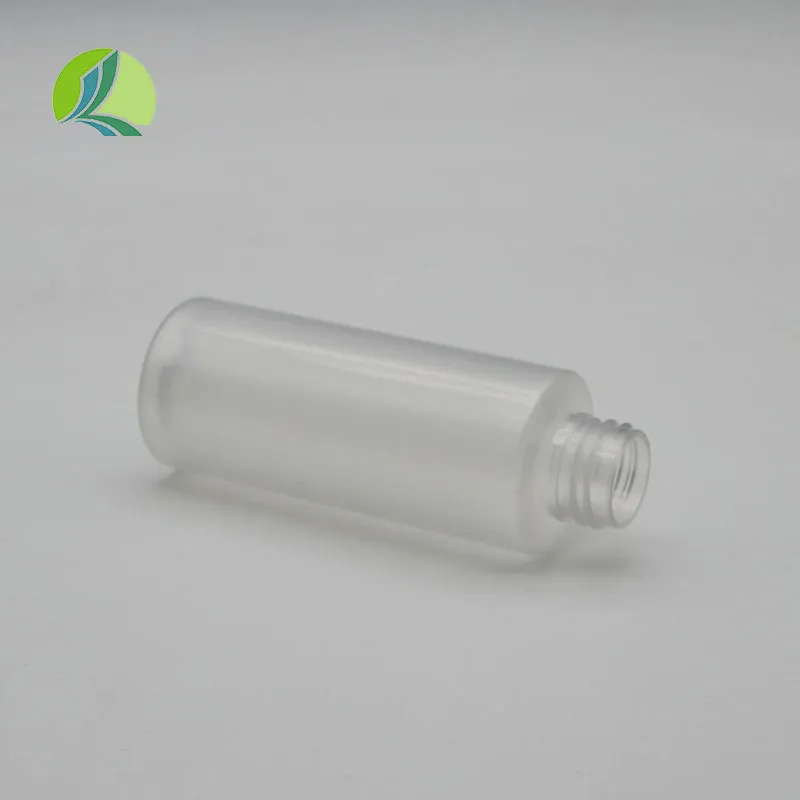
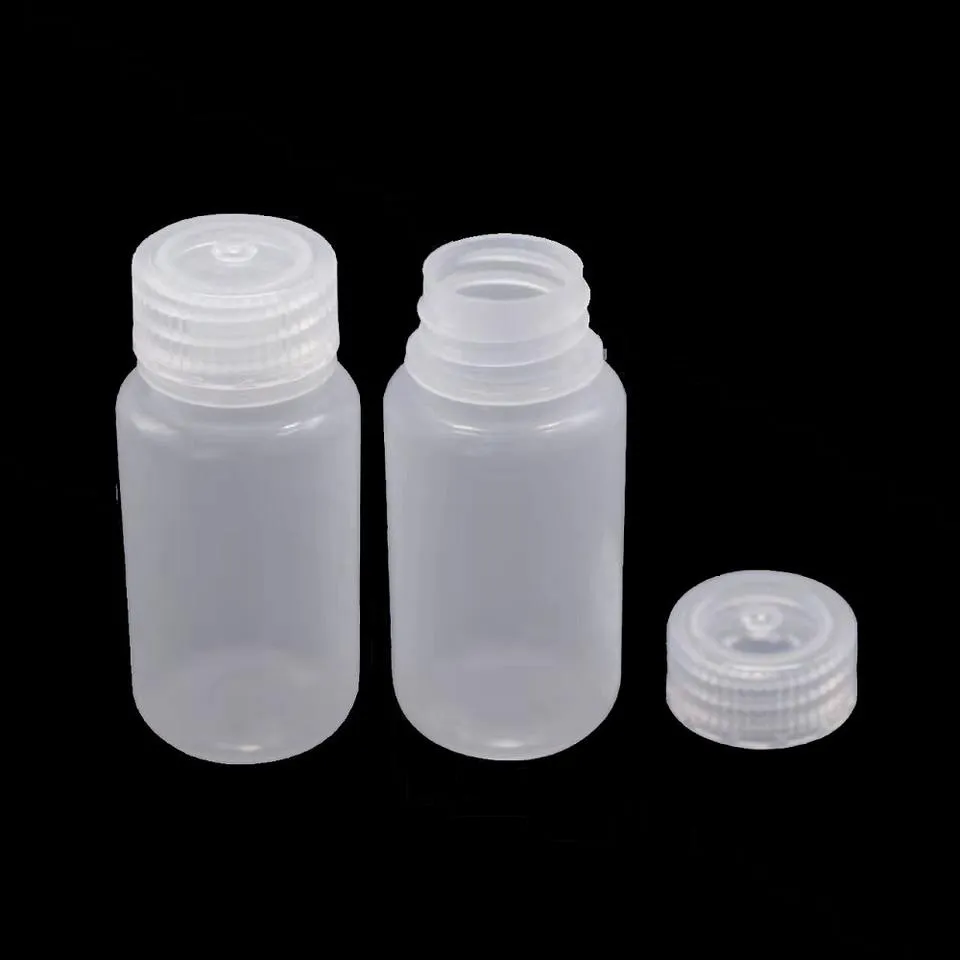
When selecting a tube for centrifuge or tubes used in centrifuge, material properties such as chemical resistance, temperature tolerance, and mechanical strength should be evaluated. Polypropylene is a common choice for general applications, but for highly corrosive environments, tubes made from materials like polystyrene or polyester may be more suitable. Sterile options like sterile polypropylene tubes are essential for contamination - sensitive work, while non - sterile tubes may suffice for routine sample processing.
What Factors Determine the Appropriate Falcon Tube Temperature Range?
The falcon tube temperature range required for a specific application depends on the sample’s thermal stability and the procedures involved. If samples need to be stored at subzero temperatures, choosing tubes rated for ultra - low temperatures is crucial. For processes that involve heating, such as in vitro reactions, ensuring the tubes can withstand the required heat without degrading is necessary. Always consult the manufacturer’s specifications for the exact falcon tube temperature range to avoid compromising sample integrity.
How to Select the Correct Falcon Tube Sizes for Experiments?
Choosing the right falcon tube sizes involves considering both the sample volume and the centrifuge’s specifications. Smaller tubes are ideal for (microliter - scale) samples, while larger tubes are necessary for processing milliliters or more. It is also important to check if the tube size is compatible with the centrifuge rotor, as some rotors are designed to hold specific tube dimensions to ensure balanced loading and safe operation during high - speed spins.
-
Guide to Sourcing High Quality wholesale mister bottles for BusinesshírekApr.16,2026
-
Top Quality Spray Bottle 100ml Suppliers for Your Business NeedshírekApr.09,2026
-
Comprehensive Guide to Pet Spray Bottle Manufacturers and Packaging SolutionshírekApr.07,2026
-
Comprehensive Guide to Finding Reliable Perfume Sprayers SuppliershírekApr.04,2026
-
Comprehensive Guide to Wholesale Mini Spray Bottles for Various ApplicationshírekMar.31,2026
-
Comprehensive Guide to Sourcing Mini Plastic Spray Bottles Bulk for Your BusinesshírekMar.28,2026