-
 Afrikaans
 -
 Albanian
 -
 Amharic
 -
 Arabic
 -
 Armenian
 -
 Azerbaijani
 -
 Basque
 -
 Belarusian
 -
 Bengali
 -
 Bosnian
 -
 Bulgarian
 -
 Catalan
 -
 Cebuano
 -
 Corsican
 -
 Croatian
 -
 Czech
Czech -
 Danish
 -
 Dutch
Dutch -
 English
 -
 Esperanto
 -
 Estonian
 -
 Finnish
 -
 French
 -
 Frisian
 -
 Galician
 -
 Georgian
 -
 German
 -
 Greek
Greek -
 Gujarati
 -
 Haitian Creole
 -
 hausa
hausa -
 hawaiian
 -
 Hebrew
 -
 Hindi
Hindi -
 Miao
Miao -
 Hungarian
 -
 Icelandic
 -
 igbo
igbo -
 Indonesian
 -
 irish
irish -
 Italian
 -
 Japanese
 -
 Javanese
 -
 Kannada
 -
 kazakh
 -
 Khmer
Khmer -
 Rwandese
 -
 Korean
 -
 Kurdish
 -
 Kyrgyz
 -
 Lao
Lao -
 Latin
Latin -
 Latvian
 -
 Lithuanian
 -
 Luxembourgish
 -
 Macedonian
 -
 Malgashi
 -
 Malay
Malay -
 Malayalam
 -
 Maltese
 -
 Maori
Maori -
 Marathi
 -
 Mongolian
 -
 Myanmar
 -
 Nepali
 -
 Norwegian
 -
 Norwegian
 -
 Occitan
 -
 Pashto
 -
 Persian
 -
 Polish
 -
 Portuguese
 -
 Punjabi
 -
 Romanian
 -
 Russian
 -
 Samoan
 -
 Scottish Gaelic
 -
 Serbian
 -
 Sesotho
 -
 Shona
Shona -
 Sindhi
 -
 Sinhala
 -
 Slovak
 -
 Slovenian
 -
 Somali
 -
 Spanish
 -
 Sundanese
 -
 Swahili
 -
 Swedish
 -
 Tagalog
 -
 Tajik
Tajik -
 Tamil
Tamil -
 Tatar
Tatar -
 Telugu
 -
 Thai
Thai -
 Turkish
 -
 Turkmen
 -
 Ukrainian
 -
 Urdu
Urdu -
 Uighur
 -
 Uzbek
Uzbek -
 Vietnamese
 -
 Welsh
Welsh -
 Bantu
Bantu -
 Yiddish
 -
 Yoruba
 -
 Zulu
Zulu
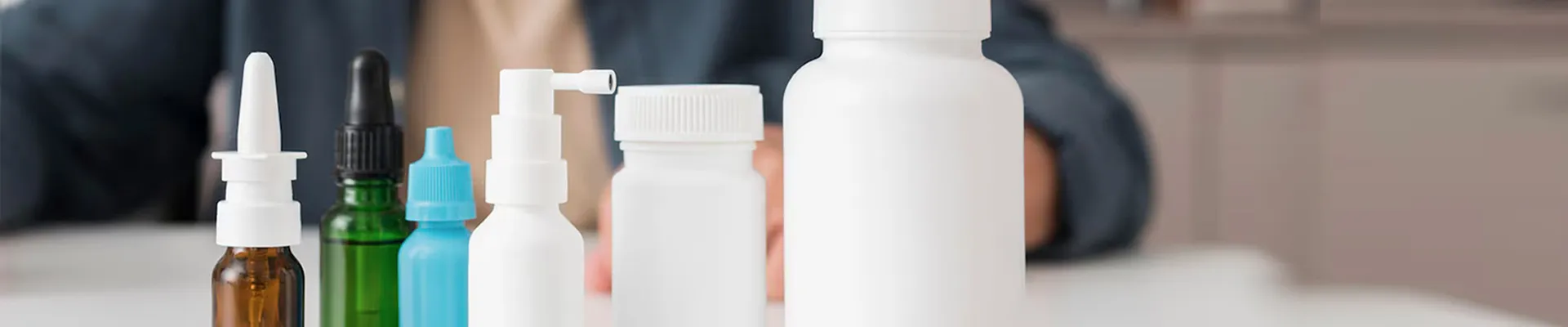


A Brief Analysis of the Social Function and Technological Evolution of Spray Bottle
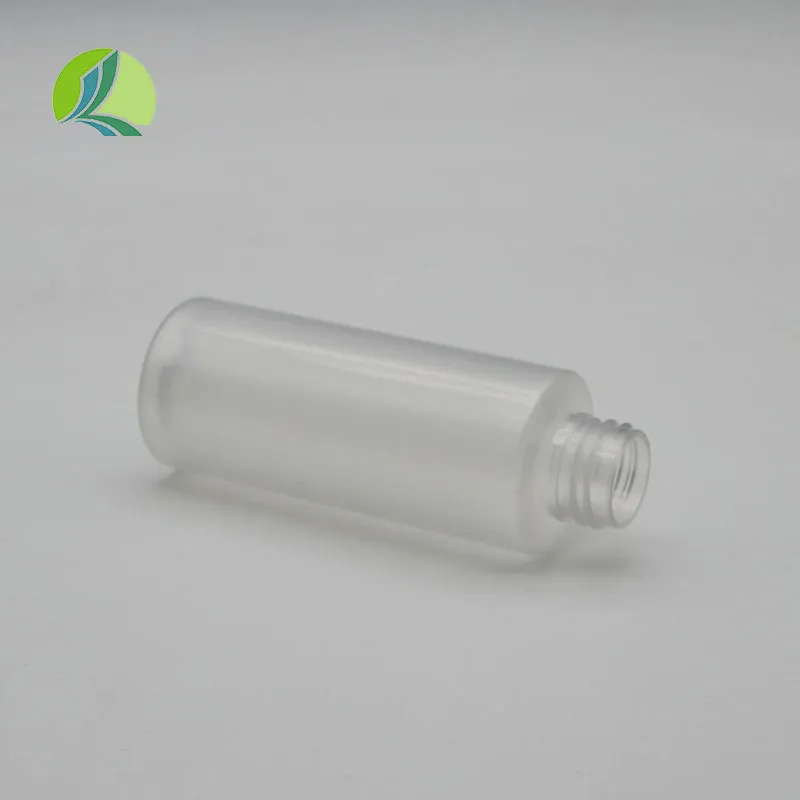
Spray Bottle, As a common liquid dispensing tool, it is widely used in various fields such as cleaning, beauty, medicine, agriculture, etc. It may seem simple, but it contains intricate design principles and continues to evolve with social demands and technological advancements. This article will analyze Spray Bottle from two aspects: social function and technological evolution.
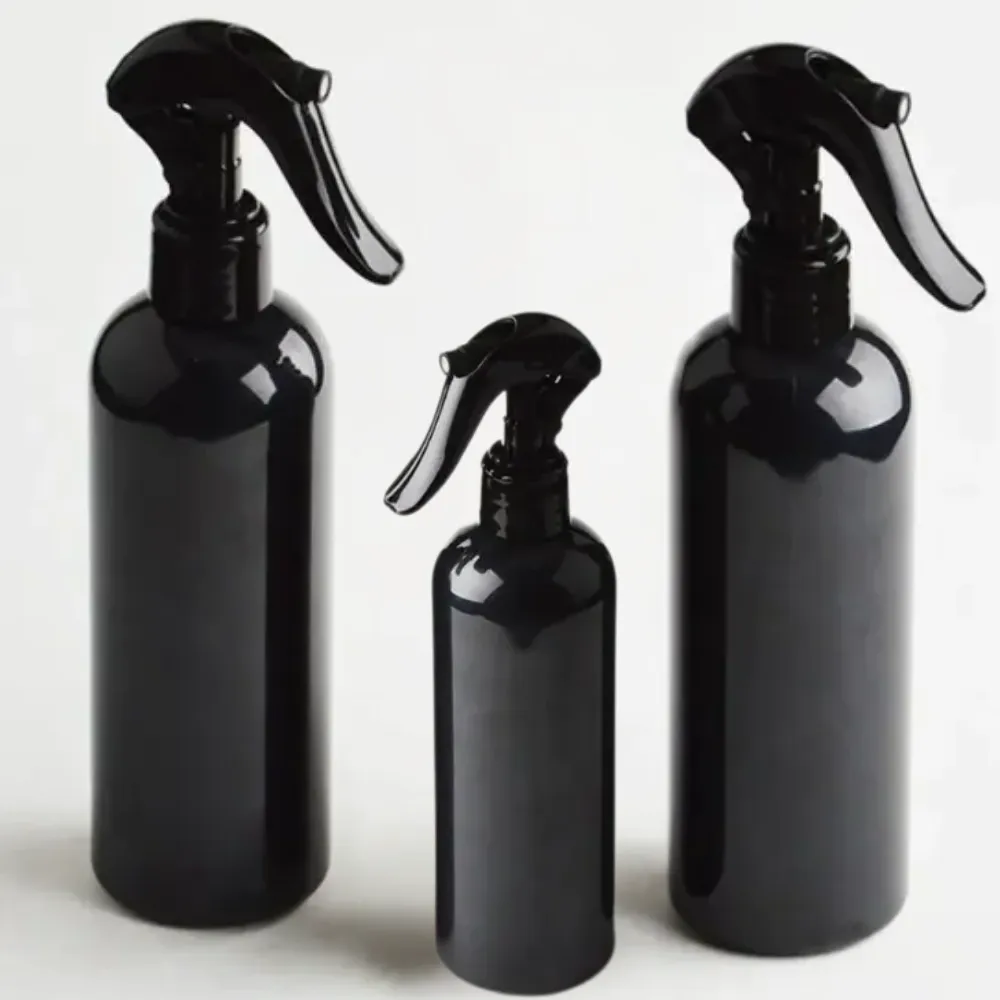
From a social function perspective, Spray Bottle greatly improves the efficiency and convenience of liquid distribution
Compared to traditional methods such as pouring or brushing, OEM spray bottle can evenly spray liquid onto the target surface in the form of fine particles, reducing liquid waste and improving coverage. In the field of cleaning, it can evenly spray cleaning agents to more effectively remove stains; In the field of beauty, it can finely spray toner or toner on the face to enhance absorption effect; In the medical field, it can facilitate local disinfection and drug spraying, reducing the risk of cross infection. Therefore, the popularity of Spray Bottles has significantly improved people's quality of life and work efficiency, providing convenience for many fields in modern society.
The technological evolution of Spray Bottle reflects humanity's pursuit of excellence
The initial OEM spray bottle may have relied solely on the simple principle of air pressure, generating airflow by squeezing the bottle body and ejecting the liquid. But over time, people continue to improve its design, making it more efficient and reliable. For example, the pressure pump type Spray Bottle uses the built-in piston and spring to generate pressure by manual pressing to suck up and spray the liquid, which has better spray effect and longer service life. The air pressure tank type Spray Bottle uses compressed gas as power to continuously and evenly spray, which is suitable for large-scale spraying. In addition, with the advancement of nanotechnology, Spray Bottles capable of spraying nanoscale liquids have emerged, bringing new possibilities to fields such as healthcare and scientific research.
Moreover, modern Spray Bottle designs are increasingly emphasizing environmental protection and sustainability
The use of recyclable materials, the design of replaceable nozzles, and the reusable bottle structure are all efforts to reduce the environmental impact of custom spray bottles. Some high-end Spray Bottles even use airless technology, reducing the use of plastic parts and being more in line with environmental protection concepts.
In summary, custom printed spray bottles are not just simple liquid dispensing tools, but also a social product that combines practicality, efficiency, and sustainability. From the initial rudimentary design to the diverse choices available today, the technological evolution of Spray Bottle reflects humanity's constant pursuit of quality of life. In the future, with the further development of technology, we have reason to believe that Spray Bottle will play its unique role in more fields and move towards a more intelligent and environmentally friendly direction.
Spray Bottle FAQs
What is Spray Bottle?
Spray Bottle is a container with a press nozzle, which sprays liquid in the form of mist, jet or foam through a manual or mechanical pump. Usually made of plastic (such as PET, HDPE, PP) or glass, it is widely used in cleaning agents, cosmetics, horticulture, medicine and other fields.
What are the common types of Spray Bottles?
Spray Bottle: spray dense water mist, suitable for perfume and moisturizing spray.
Spray Bottle: sprays a straight water column, used for cleaning agents and disinfectants.
Foam Spray Bottle: foam is produced by special pump head, such as hand sanitizer and shaving foam.
Continuous Spray Bottle: realize continuous spray through air pressure (such as aerosol cans), such as air freshener.
Adjustable Spray Bottle: The nozzle can adjust the degree of atomization, suitable for various purposes.
How to choose the appropriate Spray Bottle?
Select materials based on liquid properties:
Water based liquid (such as perfume and detergent): PET or PP bottle.
Oil based liquids (such as essential oils, rust inhibitors): HDPE or LDPE bottles (resistant to chemical corrosion).
Strong acid/strong alkali: requires special plastic (such as fluorine bottles) or glass bottles.
Select nozzle by purpose:
Fine spray: makeup water, perfume.
Strong spray: cleaning agent, gardening sprayer.
Foam sprayer: hand sanitizer, facial cleanser.
What should I do if the spray bottle nozzle is blocked?
Rinse with clean water: Remove the nozzle and rinse it with warm water.
Needle unclogging: Use a fine needle to gently clean the blocked spray hole.
White vinegar/alcohol soaking: suitable for scale or grease blockage (rinse after soaking for 30 minutes).
Replace the nozzle: If long-term use causes aging, directly replace the pump head with a new one.
Can Spray Bottles be reused or recycled?
Reuse:
It can be cleaned and then filled with the same type of liquid (such as old perfume bottled distilled water as moisturizing spray).
Avoid mixing liquids with different chemical properties (such as bottled food liquids for cleaning agents).
Recycling and disposal:
Plastic Spray Bottles need to be recycled according to material classification (such as PET, HDPE).
The nozzle (including metal spring) needs to be separated and discarded or recycled separately.
Pneumatic aerosol cans are classified as hazardous waste and require professional recycling.
-
Guide to Sourcing High Quality wholesale mister bottles for BusinessKabarApr.16,2026
-
Top Quality Spray Bottle 100ml Suppliers for Your Business NeedsKabarApr.09,2026
-
Comprehensive Guide to Pet Spray Bottle Manufacturers and Packaging SolutionsKabarApr.07,2026
-
Comprehensive Guide to Finding Reliable Perfume Sprayers SuppliersKabarApr.04,2026
-
Comprehensive Guide to Wholesale Mini Spray Bottles for Various ApplicationsKabarMar.31,2026
-
Comprehensive Guide to Sourcing Mini Plastic Spray Bottles Bulk for Your BusinessKabarMar.28,2026