-
 Afrikaans
 -
 Albanian
 -
 Amharic
 -
 Arabic
 -
 Armenian
 -
 Azerbaijani
 -
 Basque
 -
 Belarusian
 -
 Bengali
 -
 Bosnian
 -
 Bulgarian
 -
 Catalan
 -
 Cebuano
 -
 Corsican
 -
 Croatian
 -
 Czech
Czech -
 Danish
 -
 Dutch
Dutch -
 English
 -
 Esperanto
 -
 Estonian
 -
 Finnish
 -
 French
 -
 Frisian
 -
 Galician
 -
 Georgian
 -
 German
 -
 Greek
Greek -
 Gujarati
 -
 Haitian Creole
 -
 hausa
hausa -
 hawaiian
 -
 Hebrew
 -
 Hindi
Hindi -
 Miao
Miao -
 Hungarian
 -
 Icelandic
 -
 igbo
igbo -
 Indonesian
 -
 irish
irish -
 Italian
 -
 Japanese
 -
 Javanese
 -
 Kannada
 -
 kazakh
 -
 Khmer
Khmer -
 Rwandese
 -
 Korean
 -
 Kurdish
 -
 Kyrgyz
 -
 Lao
Lao -
 Latin
Latin -
 Latvian
 -
 Lithuanian
 -
 Luxembourgish
 -
 Macedonian
 -
 Malgashi
 -
 Malay
Malay -
 Malayalam
 -
 Maltese
 -
 Maori
Maori -
 Marathi
 -
 Mongolian
 -
 Myanmar
 -
 Nepali
 -
 Norwegian
 -
 Norwegian
 -
 Occitan
 -
 Pashto
 -
 Persian
 -
 Polish
 -
 Portuguese
 -
 Punjabi
 -
 Romanian
 -
 Russian
 -
 Samoan
 -
 Scottish Gaelic
 -
 Serbian
 -
 Sesotho
 -
 Shona
Shona -
 Sindhi
 -
 Sinhala
 -
 Slovak
 -
 Slovenian
 -
 Somali
 -
 Spanish
 -
 Sundanese
 -
 Swahili
 -
 Swedish
 -
 Tagalog
 -
 Tajik
Tajik -
 Tamil
Tamil -
 Tatar
Tatar -
 Telugu
 -
 Thai
Thai -
 Turkish
 -
 Turkmen
 -
 Ukrainian
 -
 Urdu
Urdu -
 Uighur
 -
 Uzbek
Uzbek -
 Vietnamese
 -
 Welsh
Welsh -
 Bantu
Bantu -
 Yiddish
 -
 Yoruba
 -
 Zulu
Zulu
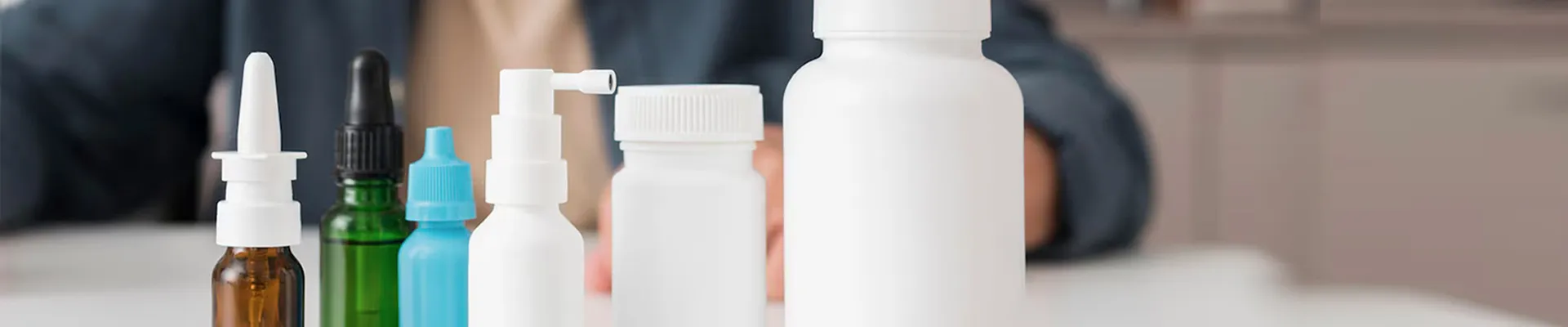


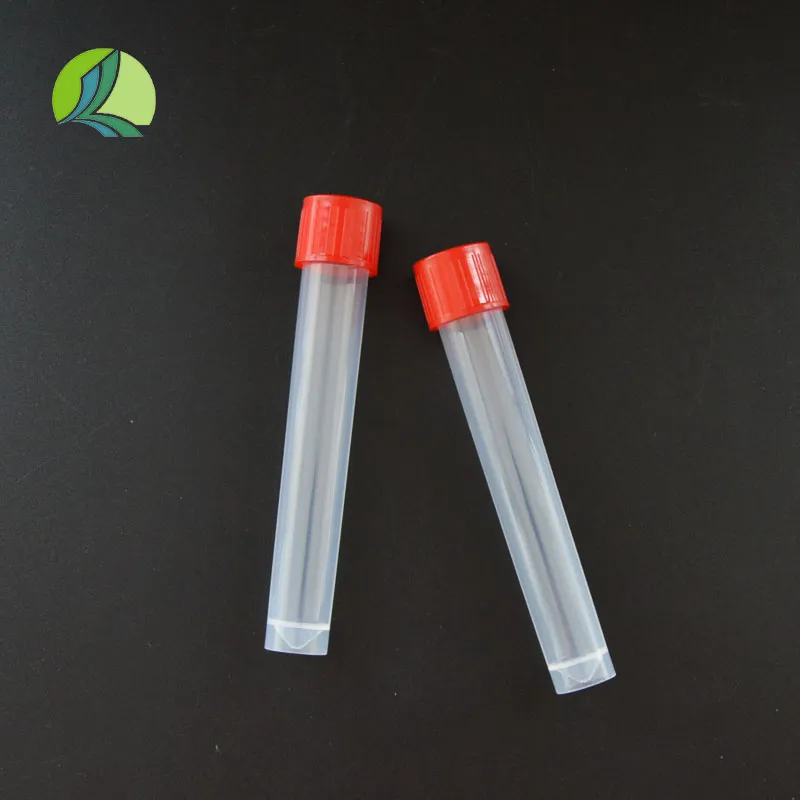
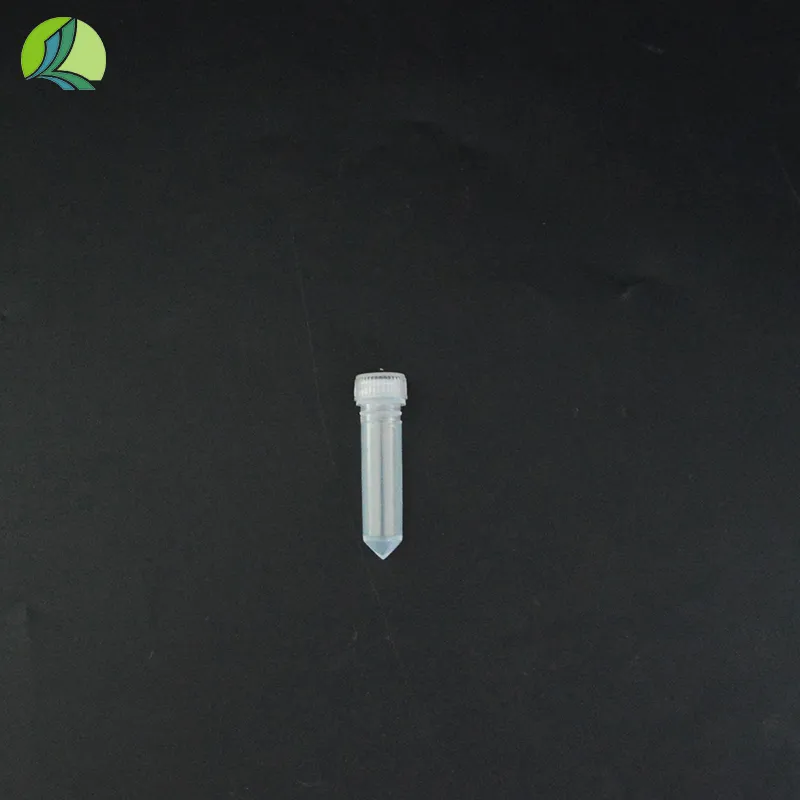
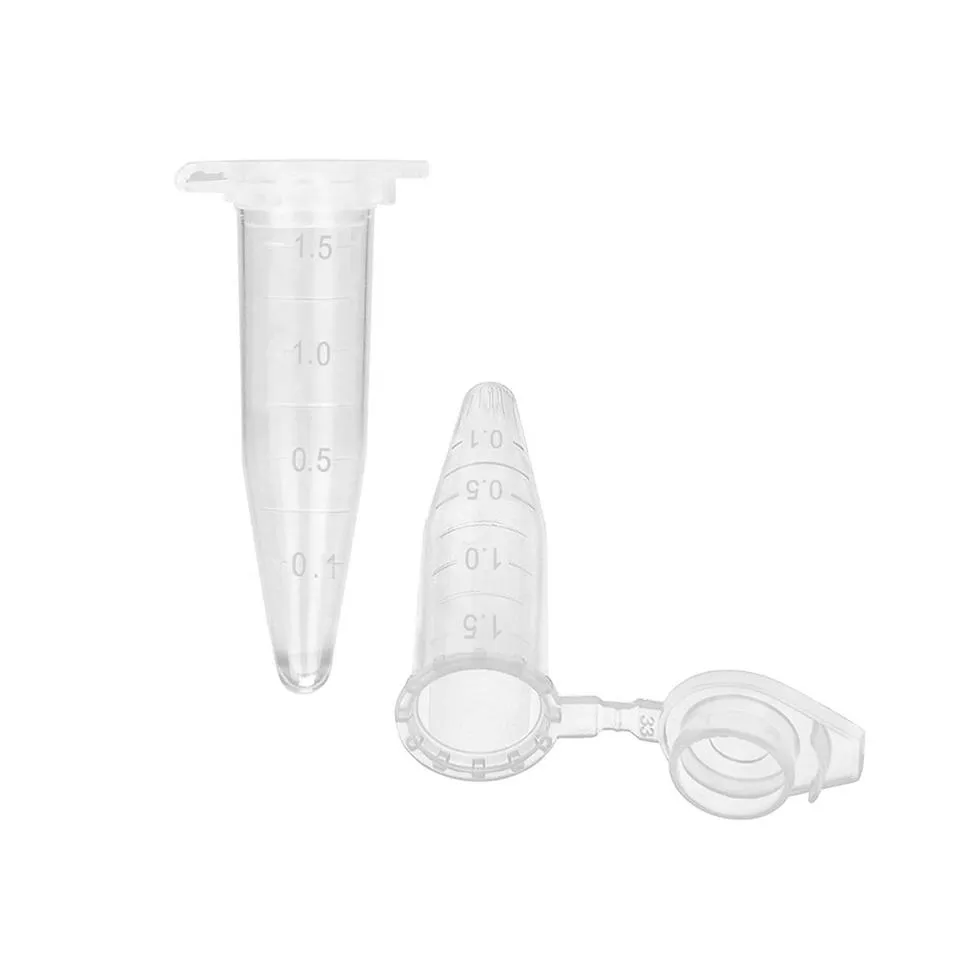
Different Sizes Of Polypropylene Centrifuge Tubes
Ranging from 10 mL to 250 mL—are suited for various types of experiments depending on the required volume of liquid, the nature of the experiment, and the need for centrifugation. Below is an overview of experiments suited for different tube sizes:
10 mL Polypropylene Tubes: Ideal for Small-Scale Reactions and Sample Storage
10 mL polypropylene tubes are ideal for:
- Small-scale reactions: These tubes are commonly used in reactions that require small amounts of reagents, such as test reactions in organic synthesis or biochemical assays.
- Sample storage: Ideal for storing small volumes of biological samples, solutions, or chemical reagents for future analysis or experimentation.
- Dilution experiments: The tubes are frequently used for serial dilutions in microbiology, biochemistry, or chemistry, especially when testing concentrations in small volumes.
- Phase separation: Used in liquid-liquid extractions in small quantities where the two phases (organic and aqueous) can be separated easily.
The small size makes them suitable for precision work and allows for easy handling of minimal volumes in experiments requiring controlled environments.
50 mL Polypropylene Tubes: Suitable for Medium-Scale Reactions and Centrifugation
50 mL polypropylene tubes are versatile and are most often used in:
- Medium-scale organic or chemical reactions: These tubes are useful for reactions involving moderate volumes of solvents or reagents, such as preparing stock solutions, buffers, or chemical mixtures.
- Centrifugation: Ideal for separating small to medium volumes of liquids through centrifugation, which is commonly done in biology and chemistry labs to isolate cells, proteins, or other components.
- Sample preparation: Widely used for preparing samples before analysis (e.g., in chromatography or spectroscopy), as well as for storing biological or chemical samples in larger quantities than 10 mL tubes.
- DNA/RNA extraction: Frequently employed in molecular biology for extractions, where larger volumes of buffers and reagents are needed during the protocol.
50 mL tubes strike a balance between volume and usability, making them essential for routine lab tasks.
100 mL Centrifuge Tubes: Best for Large-Scale Preparations and Separation
100 mL centrifuge tubes are used in experiments that involve larger volumes of liquid:
- Large-scale reactions: Ideal for conducting larger-scale chemical reactions, such as those used in pilot studies for synthesis or analytical preparations.
- Cell culture and harvesting: Common in cell biology labs for harvesting cells, as larger tubes allow for the culture of larger quantities of cells or other biological materials.
- Centrifugation of larger samples: Used for separating larger volumes of mixtures, such as when handling larger biological samples (e.g., blood, cell suspensions) or larger quantities of synthesized chemicals.
- Tissue homogenization: For experiments involving tissue samples, where larger amounts of solvent or buffer may be required for breaking down tissues or cells.
The 100 mL size allows for better handling of high-volume preparations and separations, which are crucial in scaling up experiments.
250 mL Centrifuge Tubes: Suitable for Bulk Preparations and Large-Volume Reactions
250 mL centrifuge tubes are reserved for high-volume applications:
- Bulk chemical reactions: These are particularly useful for reactions that require a large amount of reactants, such as industrial or preparative organic chemistry.
- Centrifugation of large samples: In experiments involving large sample sizes, such as sedimentation of particulates, cell culture harvesting, or large-scale liquid extractions.
- Large sample storage: These tubes are suitable for storing bulk samples of liquids or solid suspensions, ensuring that materials can be centrifuged without transferring between multiple smaller tubes.
- Batch purification: Used for batch purification procedures in biochemical and chemical labs, where large amounts of sample need to be centrifuged or processed at once.
These tubes are typically used when high-volume centrifugation or reaction scales are required in advanced lab processes.
The choice of polypropylene tubes, whether 10 mL, 50 mL, 100 mL, or 250 mL, depends on the scale of the experiment and the volume of liquid required. Smaller tubes like 10 mL are perfect for precision work and small-scale experiments, while 50 mL and 100 mL are ideal for medium-scale reactions and centrifugation. For large-scale experiments and bulk sample processing, 250 mL centrifuge tubes are best. Each size offers unique benefits for specific scientific and laboratory applications.
-
Guide to Sourcing High Quality wholesale mister bottles for BusinessსიახლეებიApr.16,2026
-
Top Quality Spray Bottle 100ml Suppliers for Your Business NeedsსიახლეებიApr.09,2026
-
Comprehensive Guide to Pet Spray Bottle Manufacturers and Packaging SolutionsსიახლეებიApr.07,2026
-
Comprehensive Guide to Finding Reliable Perfume Sprayers SuppliersსიახლეებიApr.04,2026
-
Comprehensive Guide to Wholesale Mini Spray Bottles for Various ApplicationsსიახლეებიMar.31,2026
-
Comprehensive Guide to Sourcing Mini Plastic Spray Bottles Bulk for Your BusinessსიახლეებიMar.28,2026