-
 Afrikaans
 -
 Albanian
 -
 Amharic
 -
 Arabic
 -
 Armenian
 -
 Azerbaijani
 -
 Basque
 -
 Belarusian
 -
 Bengali
 -
 Bosnian
 -
 Bulgarian
 -
 Catalan
 -
 Cebuano
 -
 Corsican
 -
 Croatian
 -
 Czech
Czech -
 Danish
 -
 Dutch
Dutch -
 English
 -
 Esperanto
 -
 Estonian
 -
 Finnish
 -
 French
 -
 Frisian
 -
 Galician
 -
 Georgian
 -
 German
 -
 Greek
Greek -
 Gujarati
 -
 Haitian Creole
 -
 hausa
hausa -
 hawaiian
 -
 Hebrew
 -
 Hindi
Hindi -
 Miao
Miao -
 Hungarian
 -
 Icelandic
 -
 igbo
igbo -
 Indonesian
 -
 irish
irish -
 Italian
 -
 Japanese
 -
 Javanese
 -
 Kannada
 -
 kazakh
 -
 Khmer
Khmer -
 Rwandese
 -
 Korean
 -
 Kurdish
 -
 Kyrgyz
 -
 Lao
Lao -
 Latin
Latin -
 Latvian
 -
 Lithuanian
 -
 Luxembourgish
 -
 Macedonian
 -
 Malgashi
 -
 Malay
Malay -
 Malayalam
 -
 Maltese
 -
 Maori
Maori -
 Marathi
 -
 Mongolian
 -
 Myanmar
 -
 Nepali
 -
 Norwegian
 -
 Norwegian
 -
 Occitan
 -
 Pashto
 -
 Persian
 -
 Polish
 -
 Portuguese
 -
 Punjabi
 -
 Romanian
 -
 Russian
 -
 Samoan
 -
 Scottish Gaelic
 -
 Serbian
 -
 Sesotho
 -
 Shona
Shona -
 Sindhi
 -
 Sinhala
 -
 Slovak
 -
 Slovenian
 -
 Somali
 -
 Spanish
 -
 Sundanese
 -
 Swahili
 -
 Swedish
 -
 Tagalog
 -
 Tajik
Tajik -
 Tamil
Tamil -
 Tatar
Tatar -
 Telugu
 -
 Thai
Thai -
 Turkish
 -
 Turkmen
 -
 Ukrainian
 -
 Urdu
Urdu -
 Uighur
 -
 Uzbek
Uzbek -
 Vietnamese
 -
 Welsh
Welsh -
 Bantu
Bantu -
 Yiddish
 -
 Yoruba
 -
 Zulu
Zulu
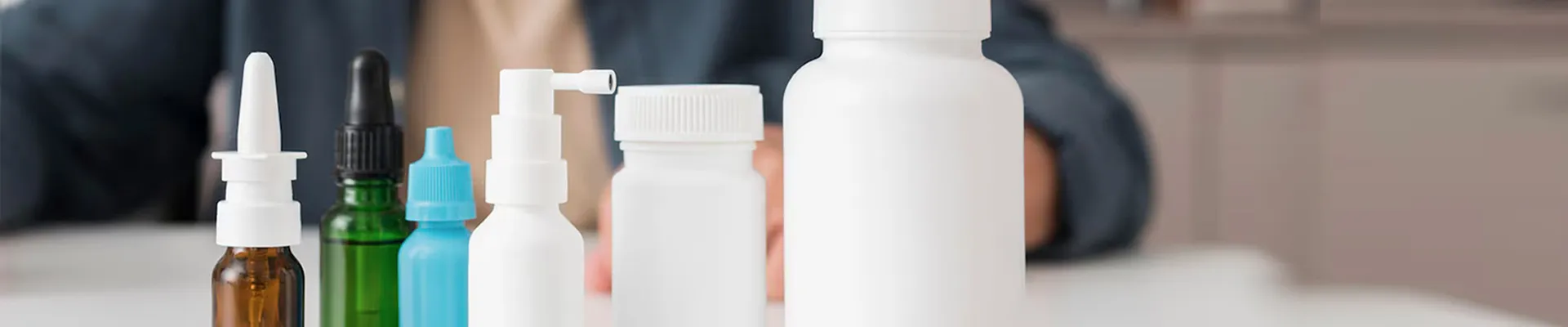


Regulations and Standards for Plastic Medicine Bottle Manufacturing: Ensuring Quality and Safety
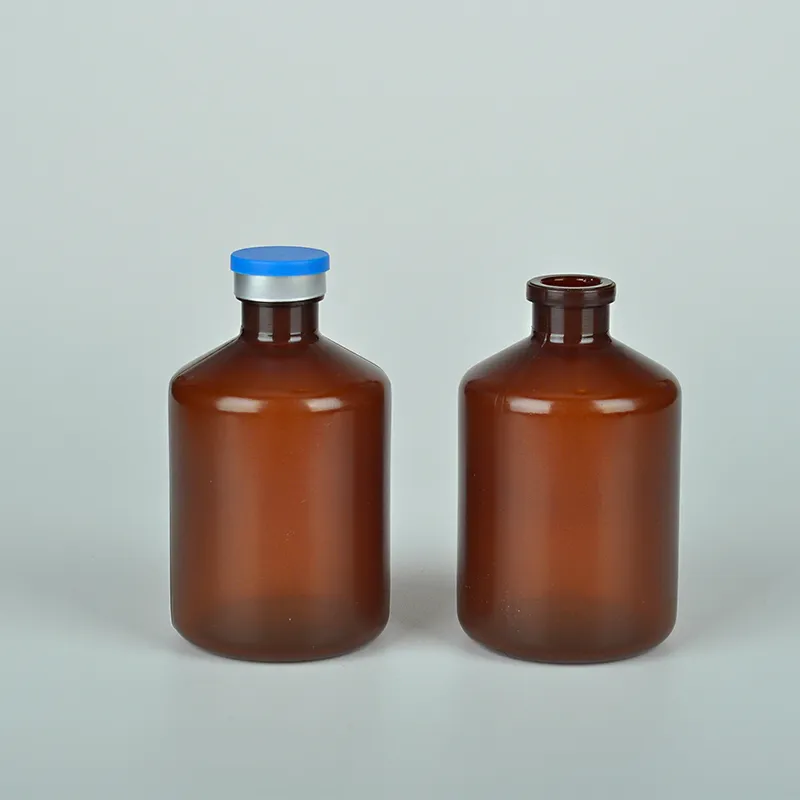
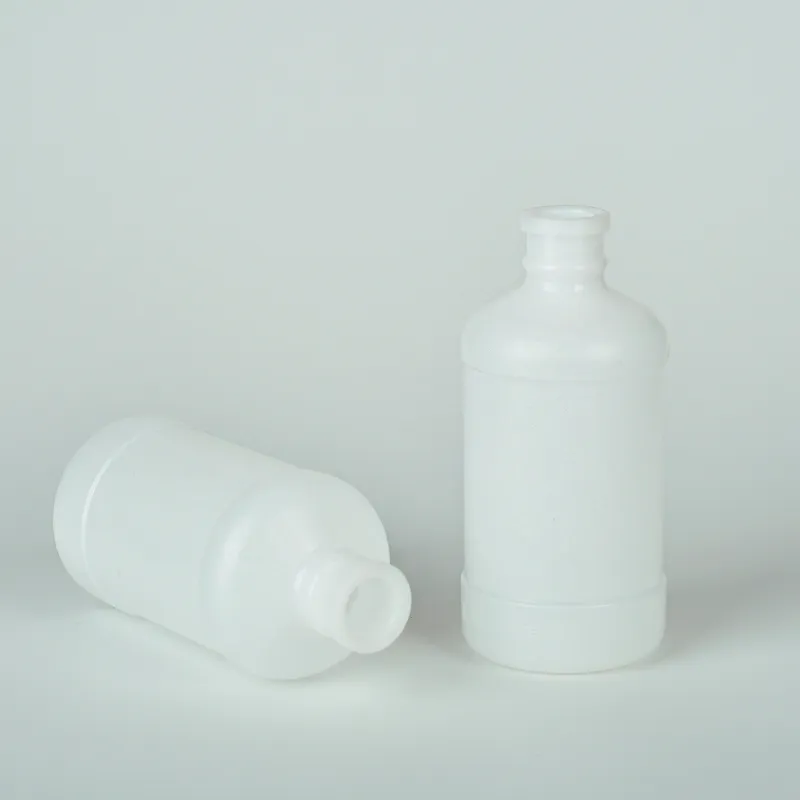
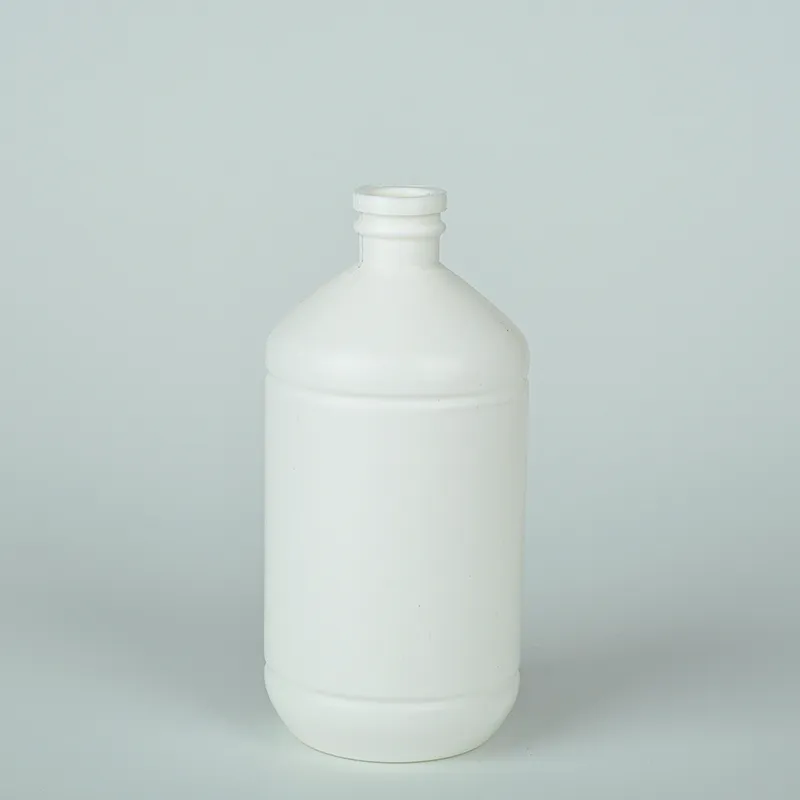
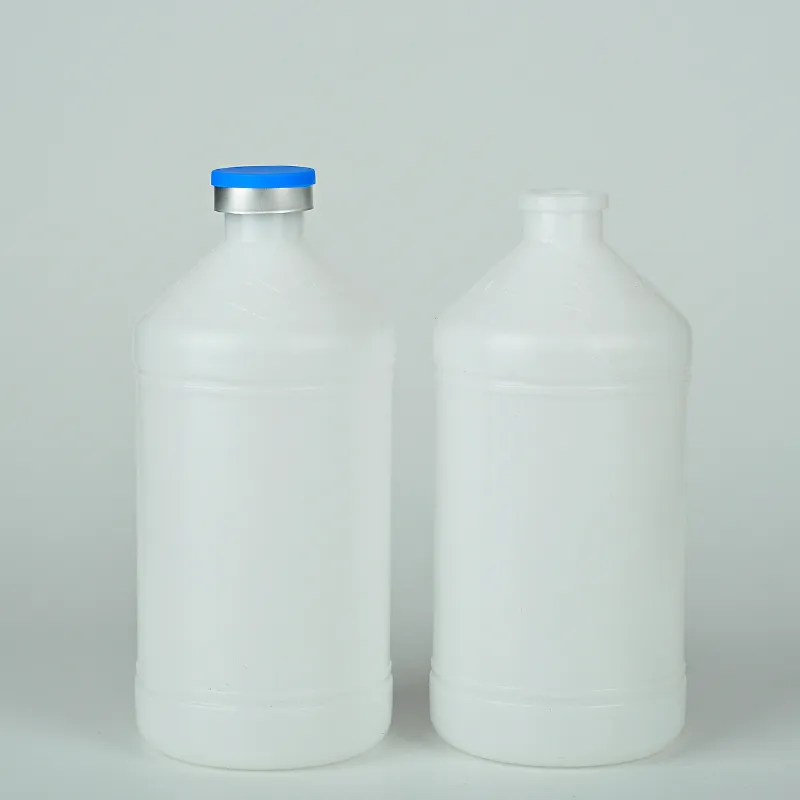
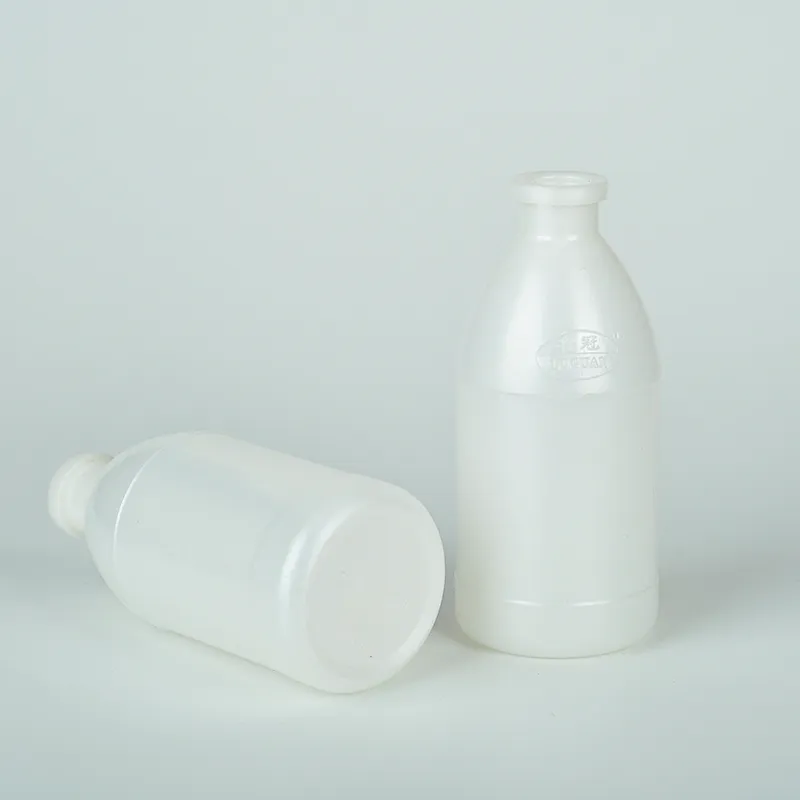
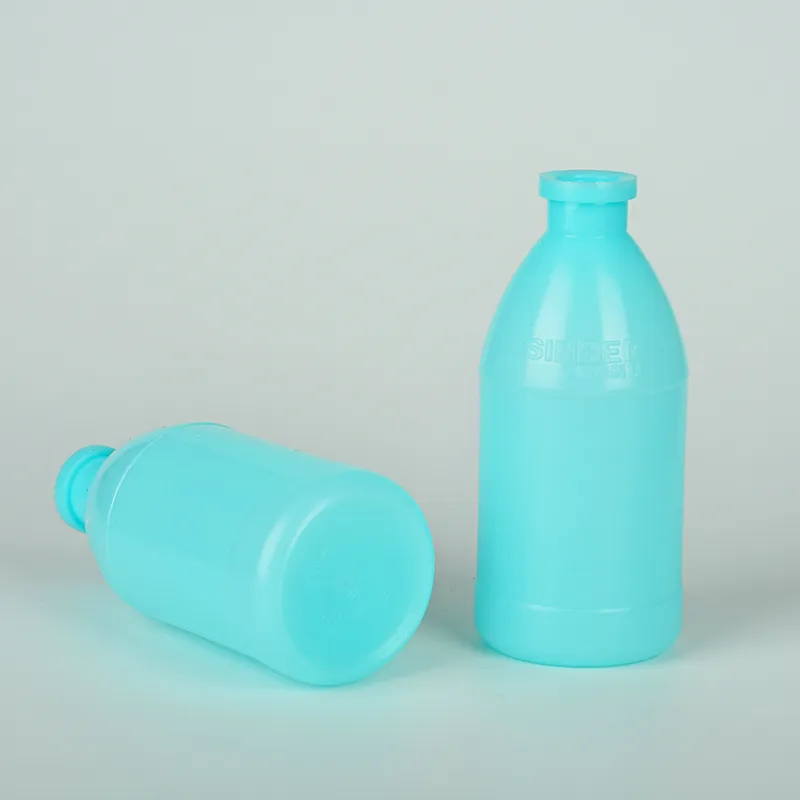
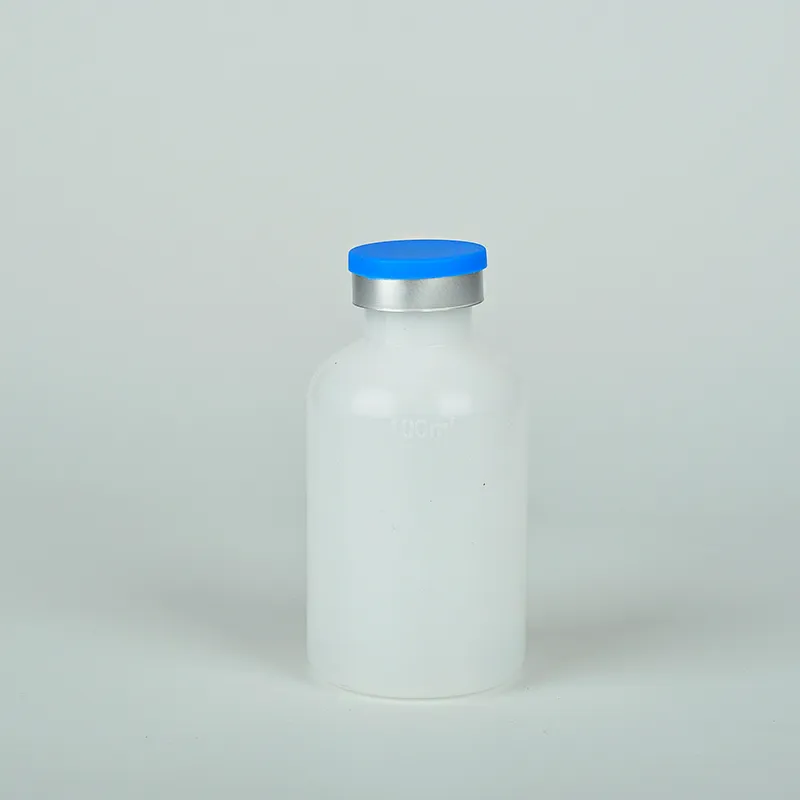
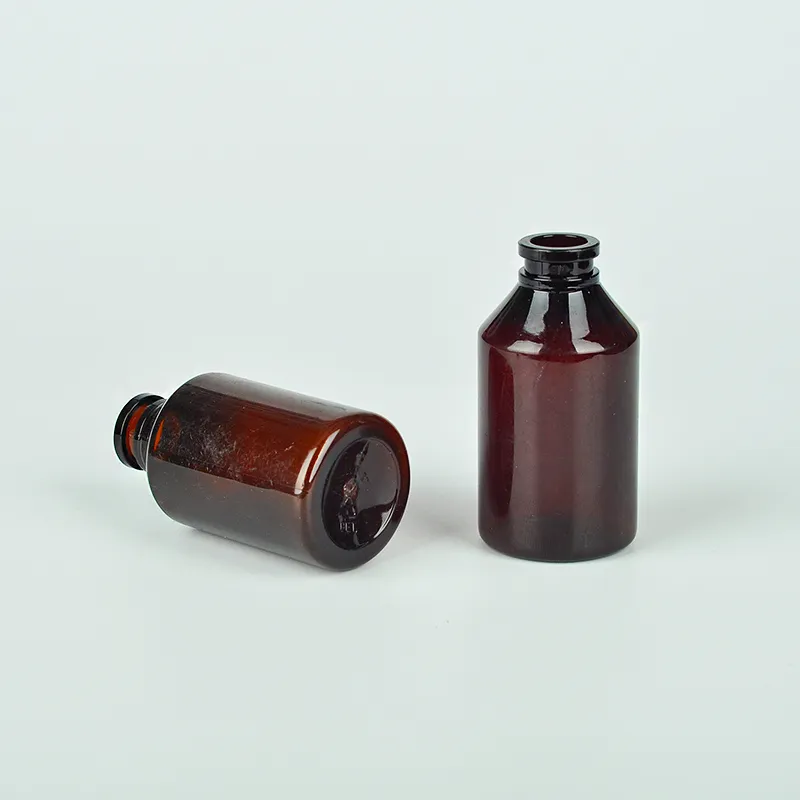
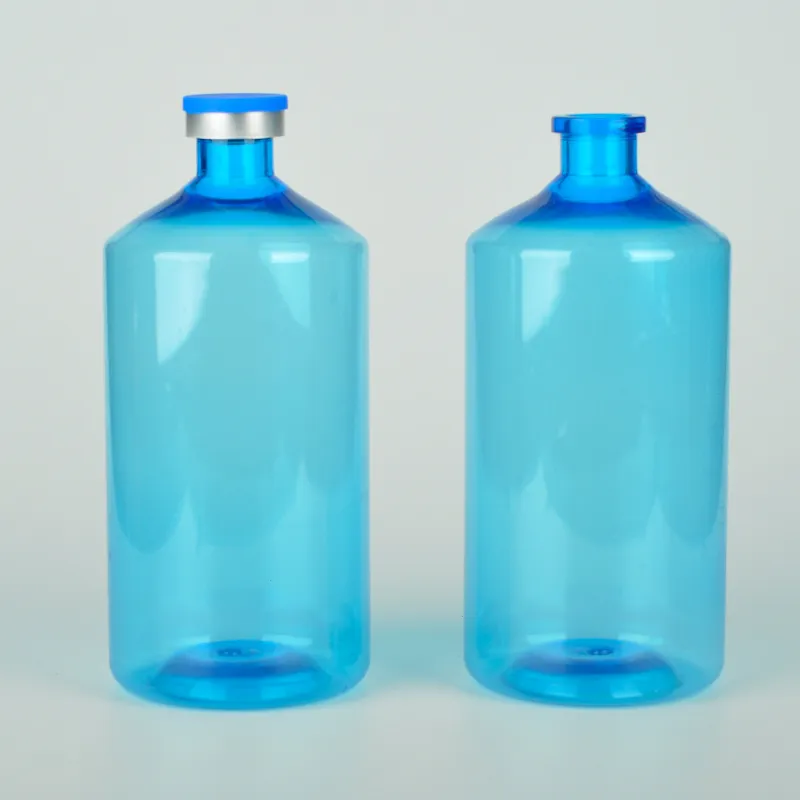
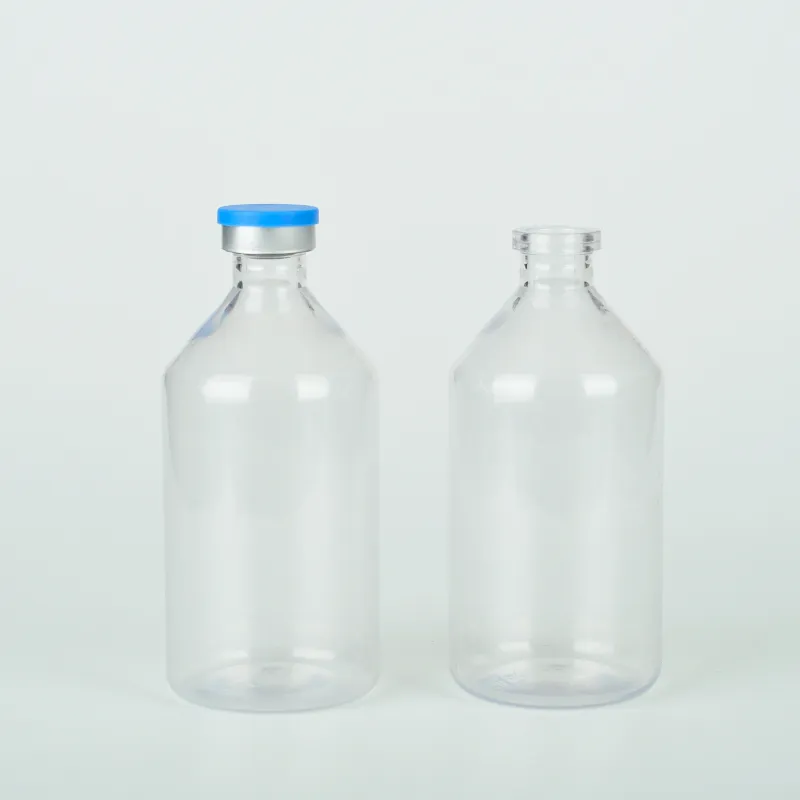
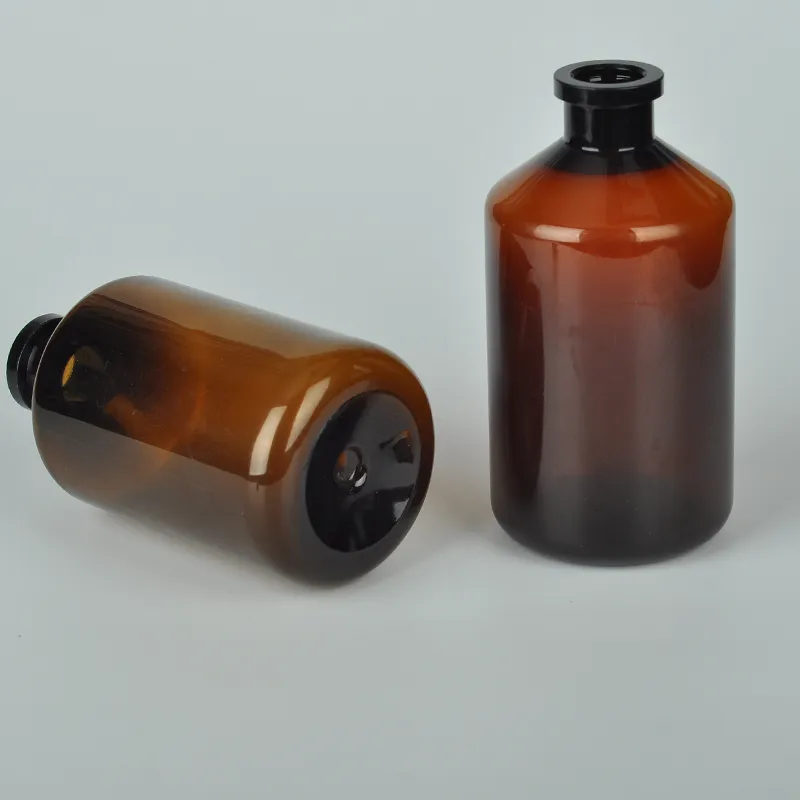
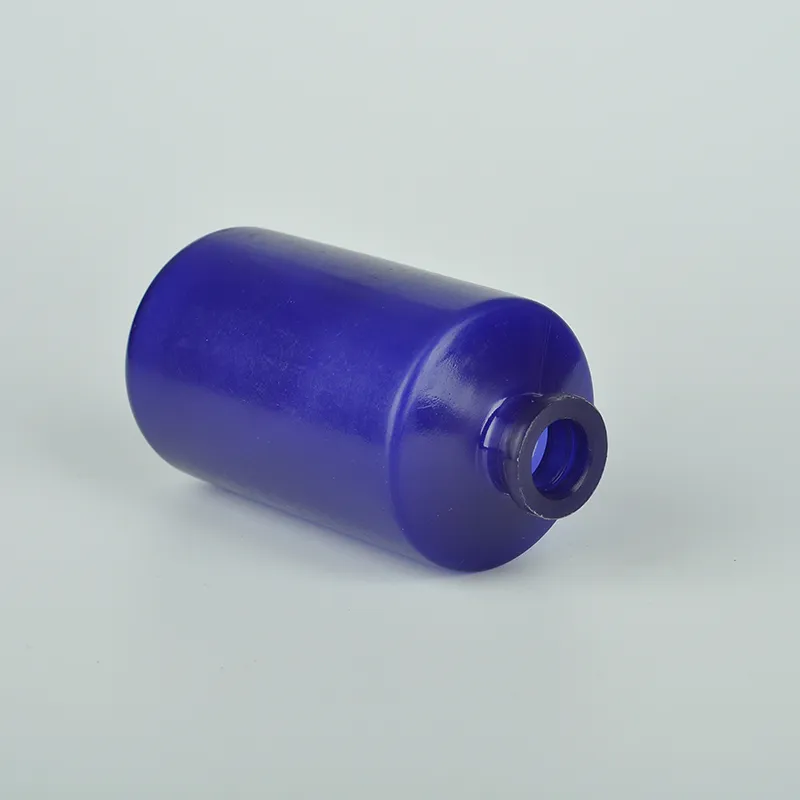
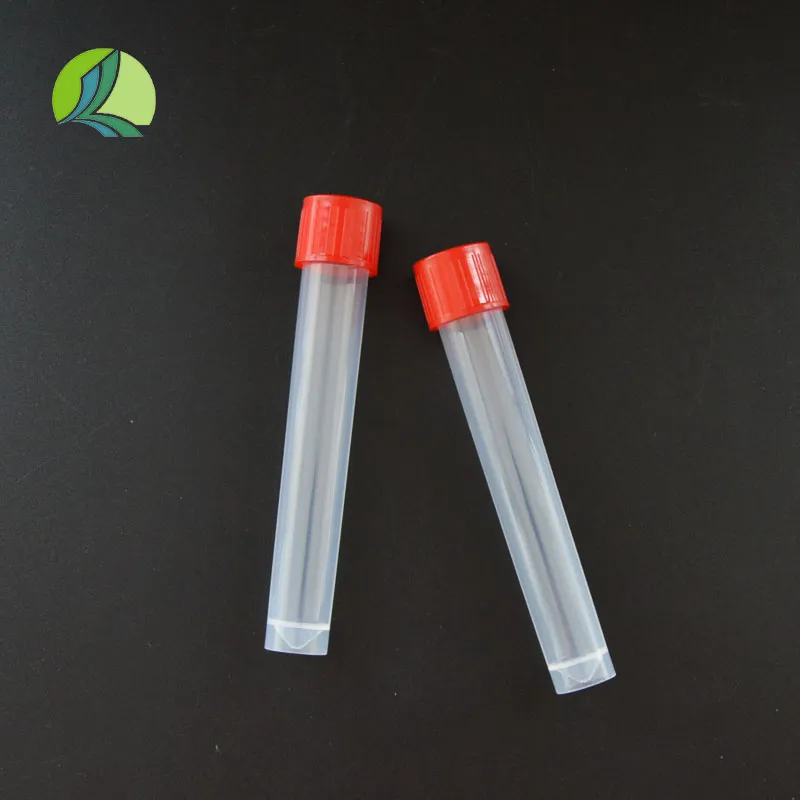
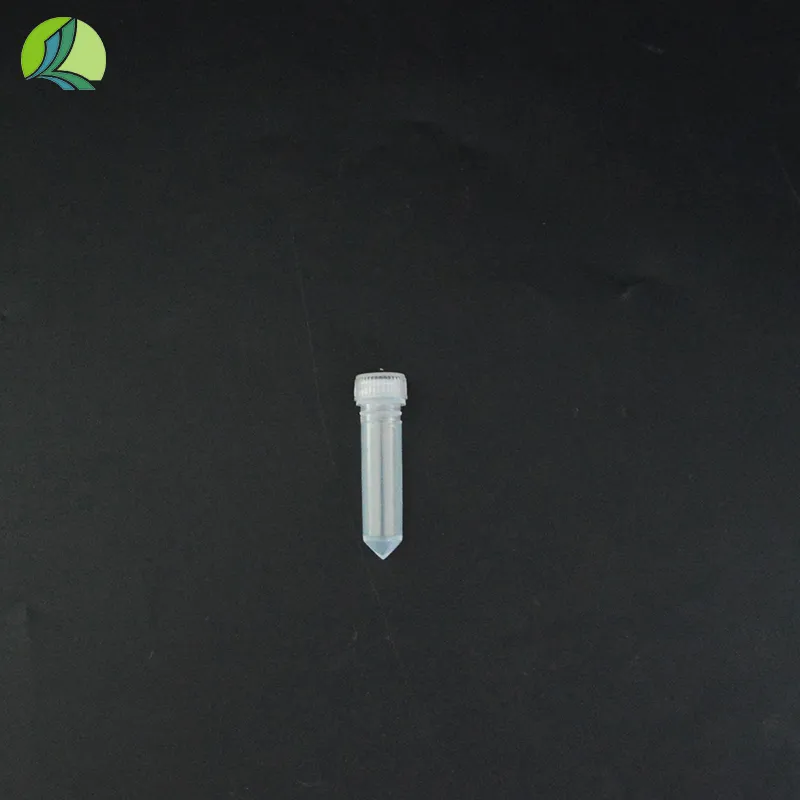
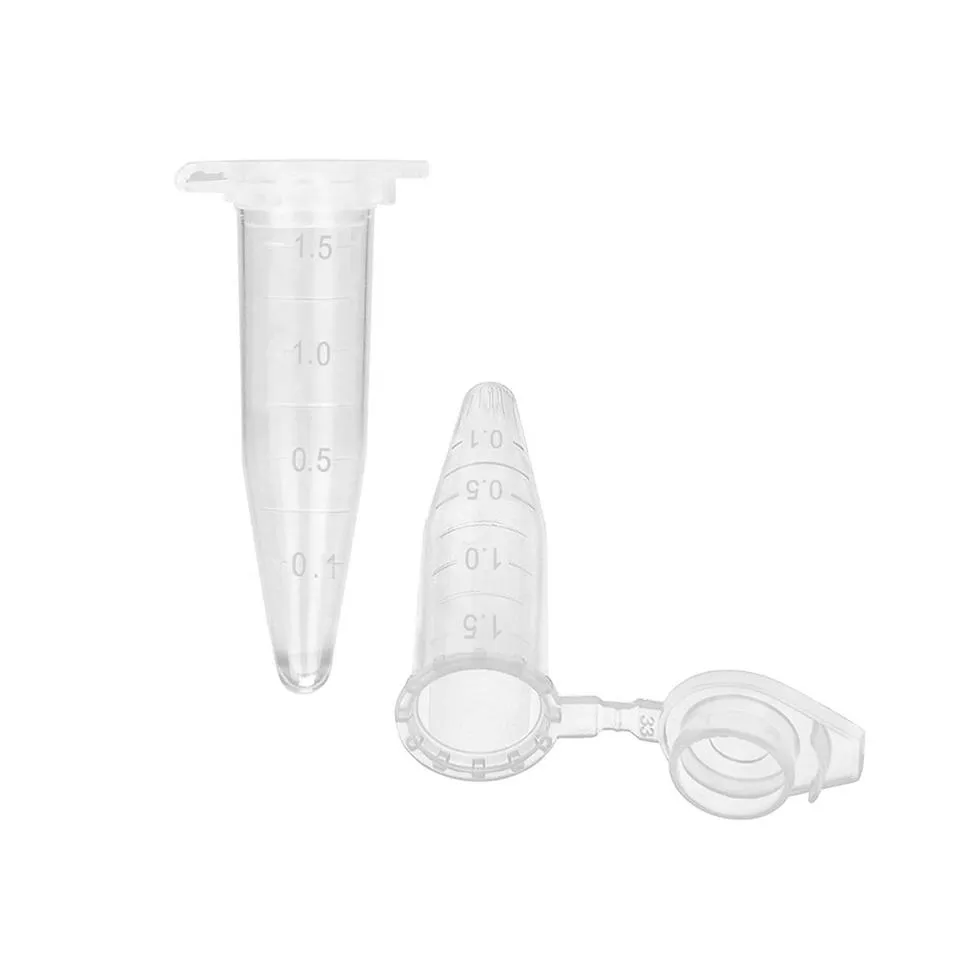
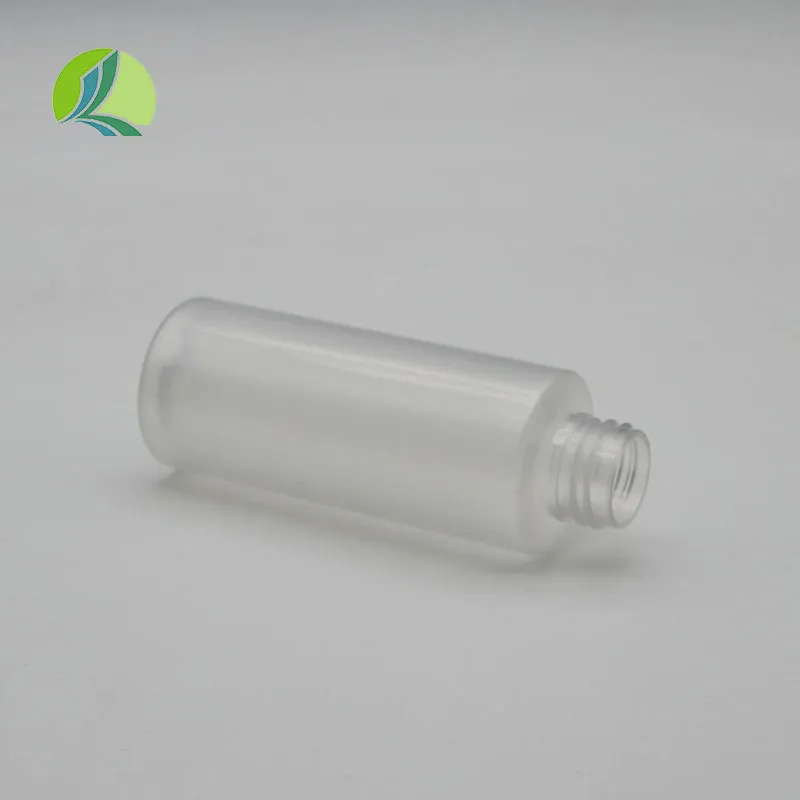
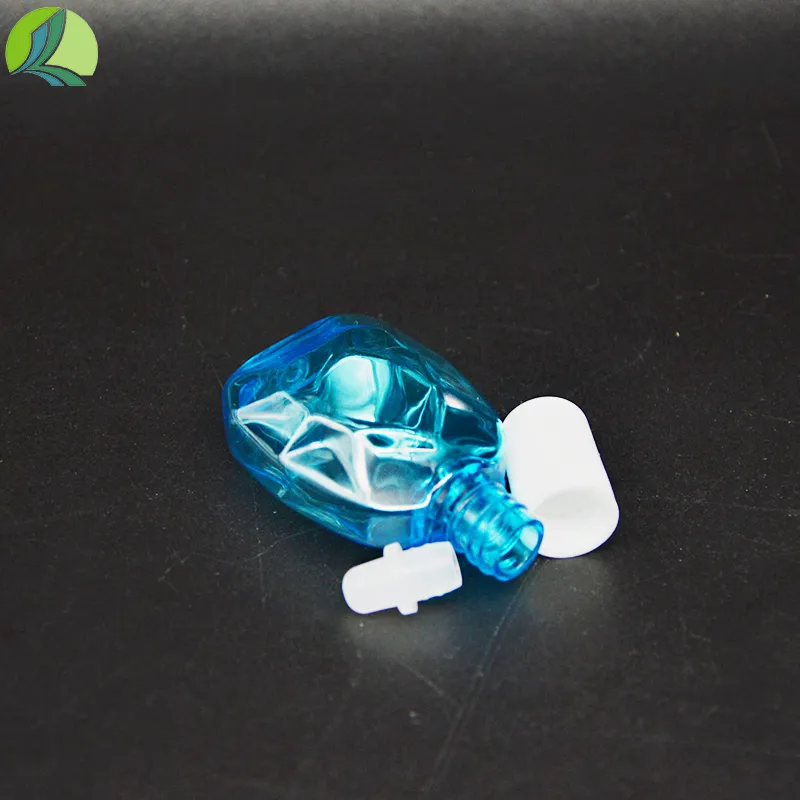
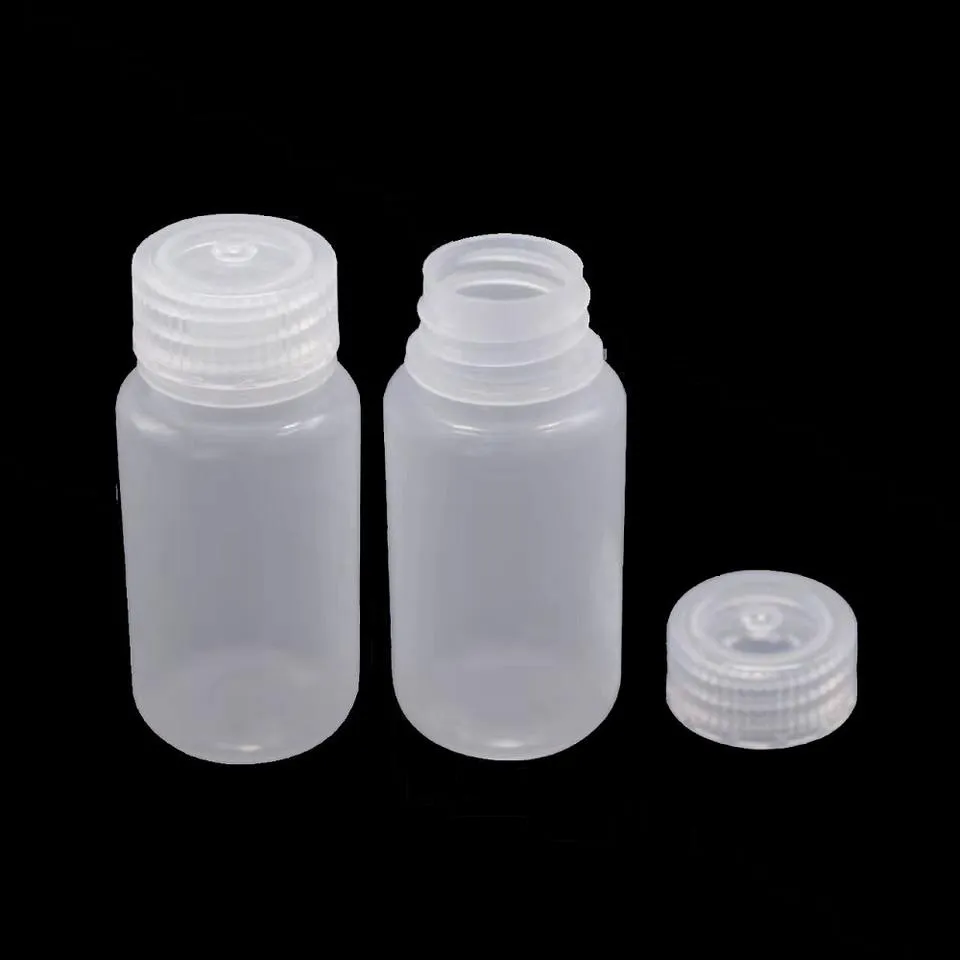
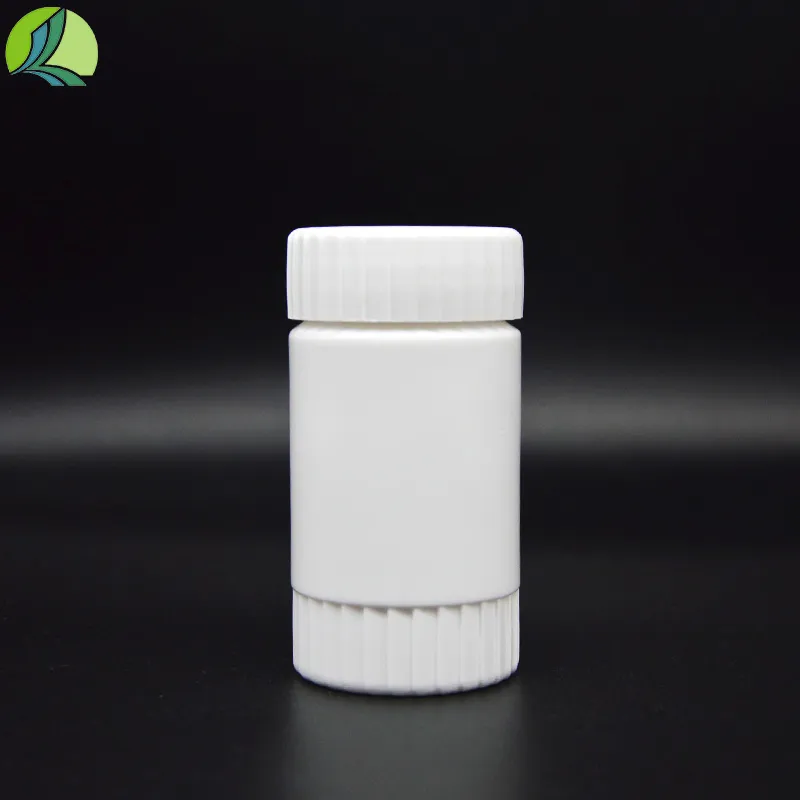
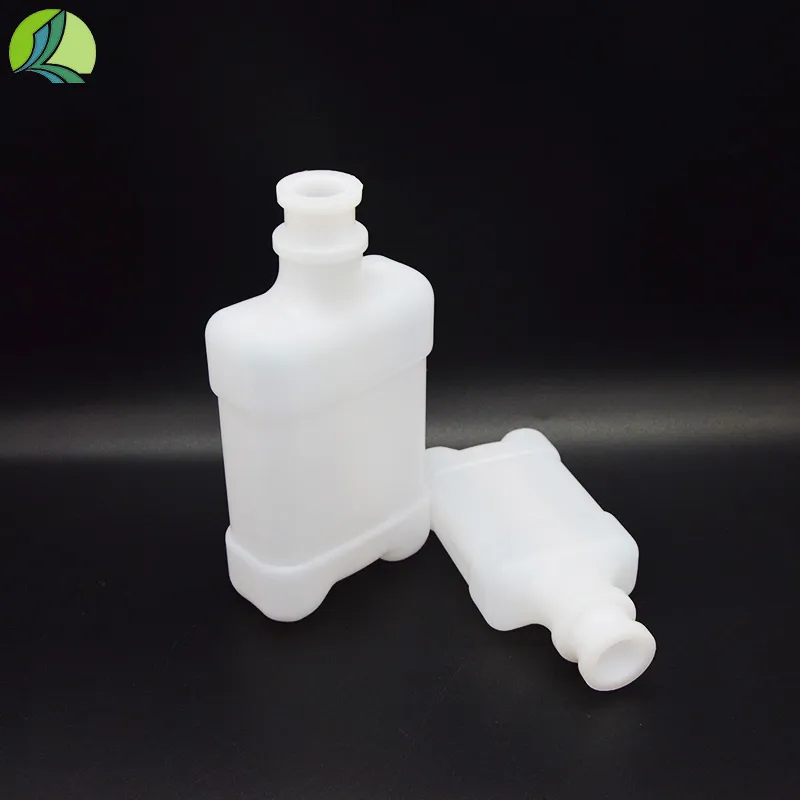
The pharmaceutical industry relies heavily on plastic medicine bottles to store and distribute medications safely. Ensuring that these bottles meet rigorous health and safety requirements is crucial to maintaining the quality and integrity of the medicines they contain.
Stringent Guidelines for Medicine Bottle Factories
Every medicine bottle factory is required to follow stringent guidelines set by health authorities such as the FDA (Food and Drug Administration) or the EMA (European Medicines Agency). These guidelines dictate the materials, processes, and sterilization techniques used in manufacturing plastic medicine bottles. Factories must maintain clean, sterile environments to prevent contamination during production, ensuring that each plastic medicine bottle that leaves the facility is safe for medical use.
To meet these high standards, pharma plastic bottle manufacturers often invest in advanced production technologies, including automated machinery that ensures consistent quality. Regular inspections and audits are conducted to confirm compliance with industry regulations. Any deviation from these guidelines can result in penalties or the revocation of production licenses.
The Role of Pharma Bottle Manufacturers in Ensuring Safety
Pharma bottle manufacturers play a pivotal role in ensuring that the packaging used for medicines meets the strictest health and safety standards. These manufacturers must use FDA-approved materials, such as high-density polyethylene (HDPE) or polypropylene (PP), which are known for their chemical resistance and durability. These materials ensure that the medicine remains unaffected by environmental factors such as heat, light, and moisture during its shelf life.
Beyond the choice of material, manufacturers are also responsible for testing the bottles' strength and integrity. This is particularly important for ensuring that the bottles can withstand external pressures during transport without breaking or leaking. Moreover, pharma plastic bottle manufacturers must guarantee that their bottles are tamper-evident and child-resistant to meet global safety regulations.
How Plastic Medicine Bottle Suppliers Comply with Standards
Plastic medicine bottle suppliers must ensure that the bottles they provide to pharmaceutical companies comply with both national and international standards. This includes following ISO (International Organization for Standardization) guidelines, which ensure the safety, quality, and compatibility of the bottles with various types of medications.
Suppliers must source their bottles from pharma plastic bottle manufacturers that adhere to these standards. They also need to maintain proper documentation for traceability and quality assurance purposes. Any plastic medicine bottle that fails to meet regulatory standards can lead to serious health risks for patients, making it essential for suppliers to remain vigilant in maintaining high standards.
Customization and Quality Control in Pharma Plastic Bottle Manufacturing
The manufacturing process of pharma plastic bottles involves more than just adhering to regulations; it also includes customization to meet the specific needs of pharmaceutical companies. Many plastic medicine bottle suppliers offer custom designs, allowing companies to specify bottle shapes, sizes, and labeling options that suit their branding and functional requirements.
Quality control is an integral part of this process. A trusted pharma bottle manufacturer will implement rigorous testing protocols at every stage of production, from material sourcing to final packaging. This includes testing for durability, chemical resistance, and leakage prevention. The aim is to produce empty pill bottles that are safe to fill and distribute, ensuring that they meet the strict standards required by the pharmaceutical industry.
Environmental Considerations in Empty Pill Bottle Production
In recent years, sustainability has become a growing concern in the manufacturing of empty pill bottles. Many pharma plastic bottle manufacturers are now seeking ways to reduce their environmental impact by using recyclable materials and minimizing waste during production. This aligns with global efforts to reduce plastic waste and promote more eco-friendly packaging solutions.
In addition to using recyclable plastics, some manufacturers have begun exploring the use of biodegradable materials for plastic medicine bottles. Although still in the early stages, these efforts demonstrate a commitment to environmental responsibility while maintaining the high safety standards required for pharmaceutical packaging.
The production of plastic medicine bottles is a highly regulated process that requires strict adherence to health and safety standards. By adhering to these standards, pharma bottle manufacturers play a crucial role in maintaining the integrity of medications and ensuring the well-being of patients around the world.
-
Guide to Sourcing High Quality wholesale mister bottles for BusinessსიახლეებიApr.16,2026
-
Top Quality Spray Bottle 100ml Suppliers for Your Business NeedsსიახლეებიApr.09,2026
-
Comprehensive Guide to Pet Spray Bottle Manufacturers and Packaging SolutionsსიახლეებიApr.07,2026
-
Comprehensive Guide to Finding Reliable Perfume Sprayers SuppliersსიახლეებიApr.04,2026
-
Comprehensive Guide to Wholesale Mini Spray Bottles for Various ApplicationsსიახლეებიMar.31,2026
-
Comprehensive Guide to Sourcing Mini Plastic Spray Bottles Bulk for Your BusinessსიახლეებიMar.28,2026