-
 Afrikaans
 -
 Albanian
 -
 Amharic
 -
 Arabic
 -
 Armenian
 -
 Azerbaijani
 -
 Basque
 -
 Belarusian
 -
 Bengali
 -
 Bosnian
 -
 Bulgarian
 -
 Catalan
 -
 Cebuano
 -
 Corsican
 -
 Croatian
 -
 Czech
Czech -
 Danish
 -
 Dutch
Dutch -
 English
 -
 Esperanto
 -
 Estonian
 -
 Finnish
 -
 French
 -
 Frisian
 -
 Galician
 -
 Georgian
 -
 German
 -
 Greek
Greek -
 Gujarati
 -
 Haitian Creole
 -
 hausa
hausa -
 hawaiian
 -
 Hebrew
 -
 Hindi
Hindi -
 Miao
Miao -
 Hungarian
 -
 Icelandic
 -
 igbo
igbo -
 Indonesian
 -
 irish
irish -
 Italian
 -
 Japanese
 -
 Javanese
 -
 Kannada
 -
 kazakh
 -
 Khmer
Khmer -
 Rwandese
 -
 Korean
 -
 Kurdish
 -
 Kyrgyz
 -
 Lao
Lao -
 Latin
Latin -
 Latvian
 -
 Lithuanian
 -
 Luxembourgish
 -
 Macedonian
 -
 Malgashi
 -
 Malay
Malay -
 Malayalam
 -
 Maltese
 -
 Maori
Maori -
 Marathi
 -
 Mongolian
 -
 Myanmar
 -
 Nepali
 -
 Norwegian
 -
 Norwegian
 -
 Occitan
 -
 Pashto
 -
 Persian
 -
 Polish
 -
 Portuguese
 -
 Punjabi
 -
 Romanian
 -
 Russian
 -
 Samoan
 -
 Scottish Gaelic
 -
 Serbian
 -
 Sesotho
 -
 Shona
Shona -
 Sindhi
 -
 Sinhala
 -
 Slovak
 -
 Slovenian
 -
 Somali
 -
 Spanish
 -
 Sundanese
 -
 Swahili
 -
 Swedish
 -
 Tagalog
 -
 Tajik
Tajik -
 Tamil
Tamil -
 Tatar
Tatar -
 Telugu
 -
 Thai
Thai -
 Turkish
 -
 Turkmen
 -
 Ukrainian
 -
 Urdu
Urdu -
 Uighur
 -
 Uzbek
Uzbek -
 Vietnamese
 -
 Welsh
Welsh -
 Bantu
Bantu -
 Yiddish
 -
 Yoruba
 -
 Zulu
Zulu
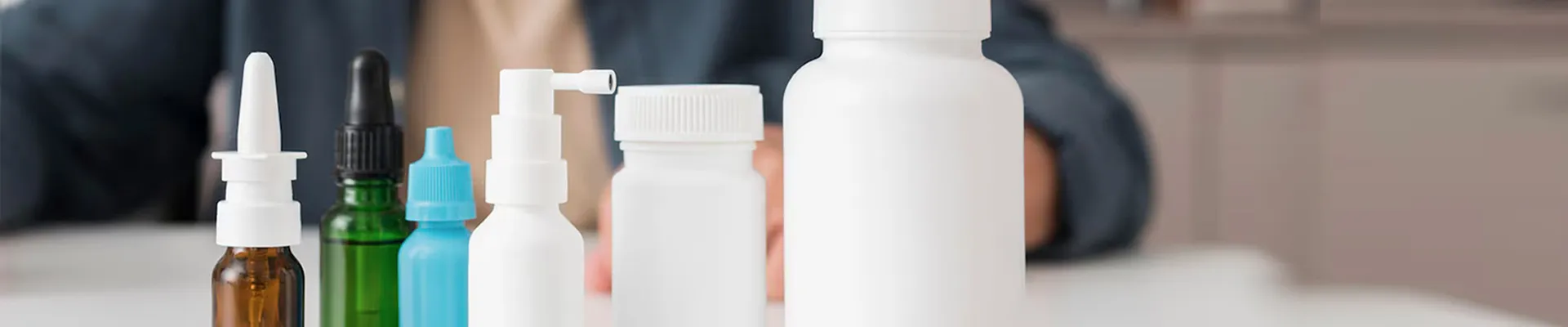


The Versatility and Innovation Behind Modern Spray Bottles
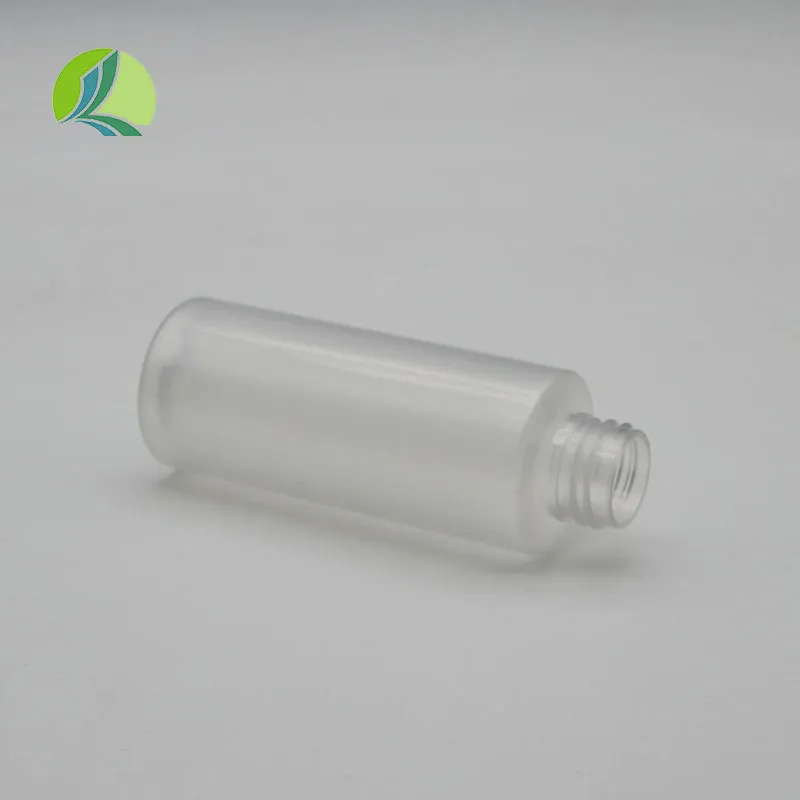
In the pharmaceutical and laboratory packaging industry, spray bottles play an indispensable role. Whether used for disinfectants, topical solutions, or general cleaning agents, these bottles combine convenience with precision. The spray bottle function extends beyond mere dispensing—it ensures an even, fine mist application that is both efficient and economical, minimizing waste and maximizing coverage. Their intuitive design makes them essential in healthcare settings, labs, and even daily home routines.
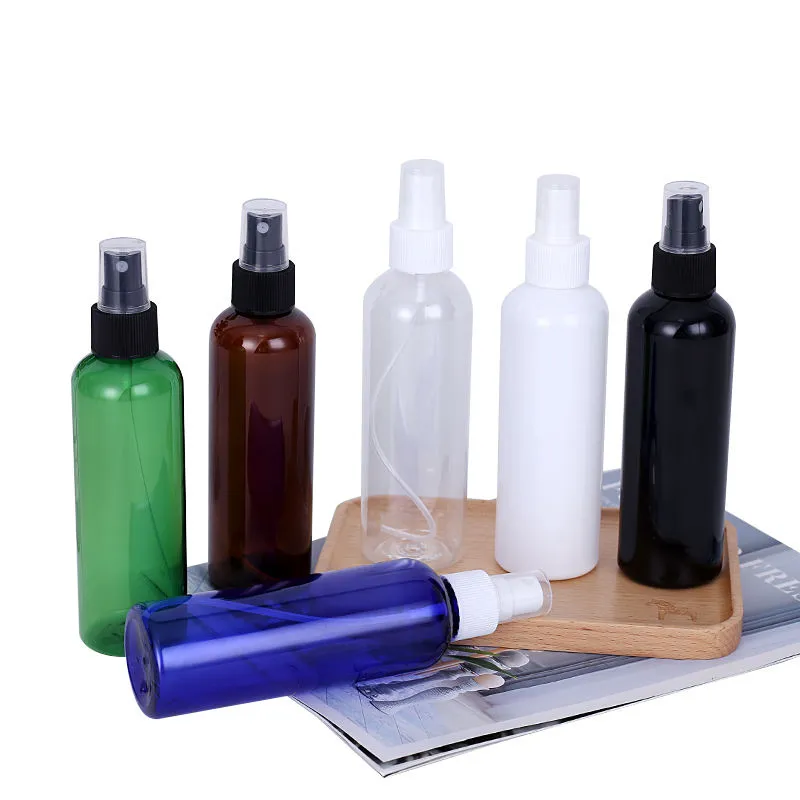
Understanding the Different Types of Spray Bottle
Spray bottles are not all created equal. There are several types of spray bottle that cater to specific needs—from fine mist sprayers used in cosmetics and pharmaceuticals to trigger sprayers employed in industrial or cleaning applications. Each type is engineered to suit the viscosity and purpose of the liquid it holds. The material composition, whether HDPE, PET, or PP, determines its resistance to chemicals and temperature, making the selection process critical for businesses seeking durability and compliance.
Custom Solutions with Personalised Spray Bottle Options
As demand for brand recognition and user-specific functionality grows, so does the appeal of the personalised spray bottle. These tailored containers can include features like embossed logos, printed instructions, custom nozzles, or ergonomic grips, enhancing both user experience and brand visibility. Companies in the healthcare or cosmetics sectors particularly benefit from these customizable solutions, which allow for precision while upholding professional presentation.
Spray Bottle Applications in the Pharmaceutical Industry
In pharmaceutical packaging, spray bottles are frequently used for nasal sprays, antiseptics, wound cleansers, and oral treatments. Their controlled dispersion ensures accuracy in dosage, which is vital for maintaining patient safety and treatment efficacy. Moreover, tamper-evident seals and child-resistant caps further bolster product integrity, making these bottles a trusted choice for regulated environments.
Sustainable and Functional Packaging with Spray Bottles
Environmental concerns have pushed manufacturers to innovate sustainable designs in spray bottle production. From recyclable plastics to refillable designs, these advancements contribute to waste reduction without compromising quality. Many brands now seek packaging that aligns with eco-friendly values while still maintaining the spray bottle function critical to their products’ success.
Spray bottles FAQs
What are the main types of spray bottle available for pharmaceutical use?
There are several types of spray bottle, including fine mist sprayers, pump sprayers, and trigger sprayers, each designed for different applications such as nasal, topical, or surface use.
How does the spray bottle function enhance product application?
The spray bottle function allows for controlled, even distribution of liquid, ensuring efficient use of product while preventing overuse or spillage.
Can I order a personalised spray bottle for my brand?
Yes, many manufacturers offer personalised spray bottle options with customizable nozzles, labels, and colors tailored to your branding needs.
What materials are commonly used for spray bottle manufacturing?
Most spray bottles are made from plastic materials like PET, HDPE, or PP, chosen for their durability, chemical resistance, and safety standards.
Are spray bottles recyclable or eco-friendly?
Modern spray bottles are increasingly made with recyclable materials and sustainable features to support environmental goals while maintaining product performance.
-
Guide to Sourcing High Quality wholesale mister bottles for BusinessსიახლეებიApr.16,2026
-
Top Quality Spray Bottle 100ml Suppliers for Your Business NeedsსიახლეებიApr.09,2026
-
Comprehensive Guide to Pet Spray Bottle Manufacturers and Packaging SolutionsსიახლეებიApr.07,2026
-
Comprehensive Guide to Finding Reliable Perfume Sprayers SuppliersსიახლეებიApr.04,2026
-
Comprehensive Guide to Wholesale Mini Spray Bottles for Various ApplicationsსიახლეებიMar.31,2026
-
Comprehensive Guide to Sourcing Mini Plastic Spray Bottles Bulk for Your BusinessსიახლეებიMar.28,2026