-
 Afrikaans
 -
 Albanian
 -
 Amharic
 -
 Arabic
 -
 Armenian
 -
 Azerbaijani
 -
 Basque
 -
 Belarusian
 -
 Bengali
 -
 Bosnian
 -
 Bulgarian
 -
 Catalan
 -
 Cebuano
 -
 Corsican
 -
 Croatian
 -
 Czech
Czech -
 Danish
 -
 Dutch
Dutch -
 English
 -
 Esperanto
 -
 Estonian
 -
 Finnish
 -
 French
 -
 Frisian
 -
 Galician
 -
 Georgian
 -
 German
 -
 Greek
Greek -
 Gujarati
 -
 Haitian Creole
 -
 hausa
hausa -
 hawaiian
 -
 Hebrew
 -
 Hindi
Hindi -
 Miao
Miao -
 Hungarian
 -
 Icelandic
 -
 igbo
igbo -
 Indonesian
 -
 irish
irish -
 Italian
 -
 Japanese
 -
 Javanese
 -
 Kannada
 -
 kazakh
 -
 Khmer
Khmer -
 Rwandese
 -
 Korean
 -
 Kurdish
 -
 Kyrgyz
 -
 Lao
Lao -
 Latin
Latin -
 Latvian
 -
 Lithuanian
 -
 Luxembourgish
 -
 Macedonian
 -
 Malgashi
 -
 Malay
Malay -
 Malayalam
 -
 Maltese
 -
 Maori
Maori -
 Marathi
 -
 Mongolian
 -
 Myanmar
 -
 Nepali
 -
 Norwegian
 -
 Norwegian
 -
 Occitan
 -
 Pashto
 -
 Persian
 -
 Polish
 -
 Portuguese
 -
 Punjabi
 -
 Romanian
 -
 Russian
 -
 Samoan
 -
 Scottish Gaelic
 -
 Serbian
 -
 Sesotho
 -
 Shona
Shona -
 Sindhi
 -
 Sinhala
 -
 Slovak
 -
 Slovenian
 -
 Somali
 -
 Spanish
 -
 Sundanese
 -
 Swahili
 -
 Swedish
 -
 Tagalog
 -
 Tajik
Tajik -
 Tamil
Tamil -
 Tatar
Tatar -
 Telugu
 -
 Thai
Thai -
 Turkish
 -
 Turkmen
 -
 Ukrainian
 -
 Urdu
Urdu -
 Uighur
 -
 Uzbek
Uzbek -
 Vietnamese
 -
 Welsh
Welsh -
 Bantu
Bantu -
 Yiddish
 -
 Yoruba
 -
 Zulu
Zulu


Understanding Reagent Bottles
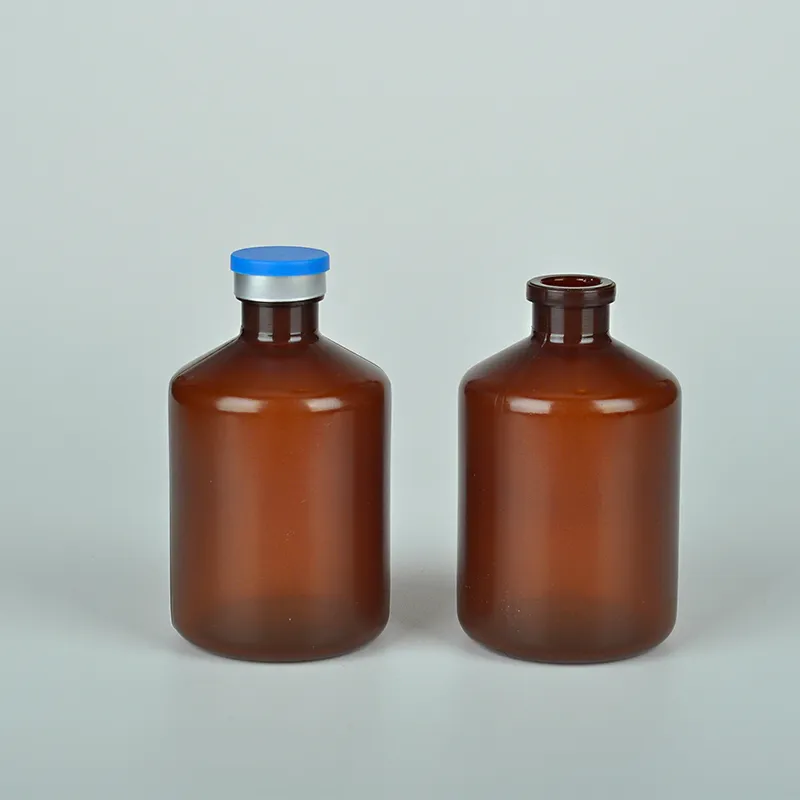
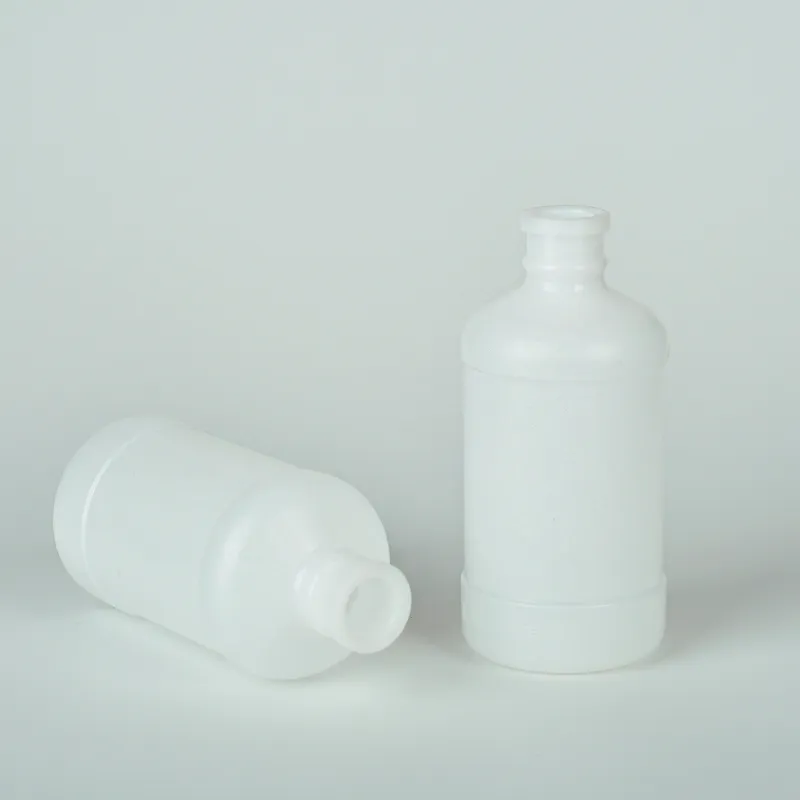
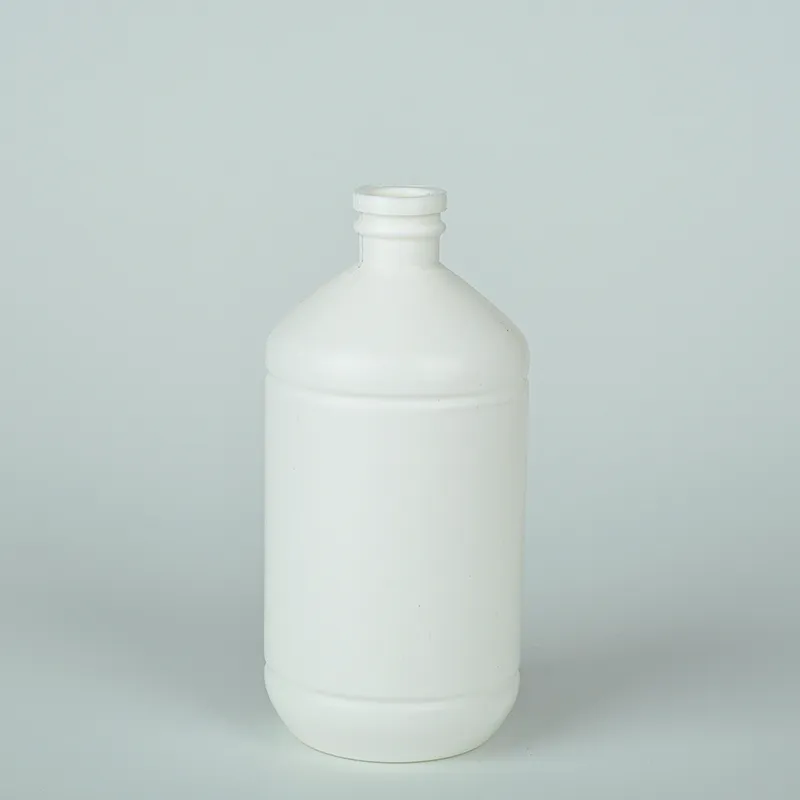
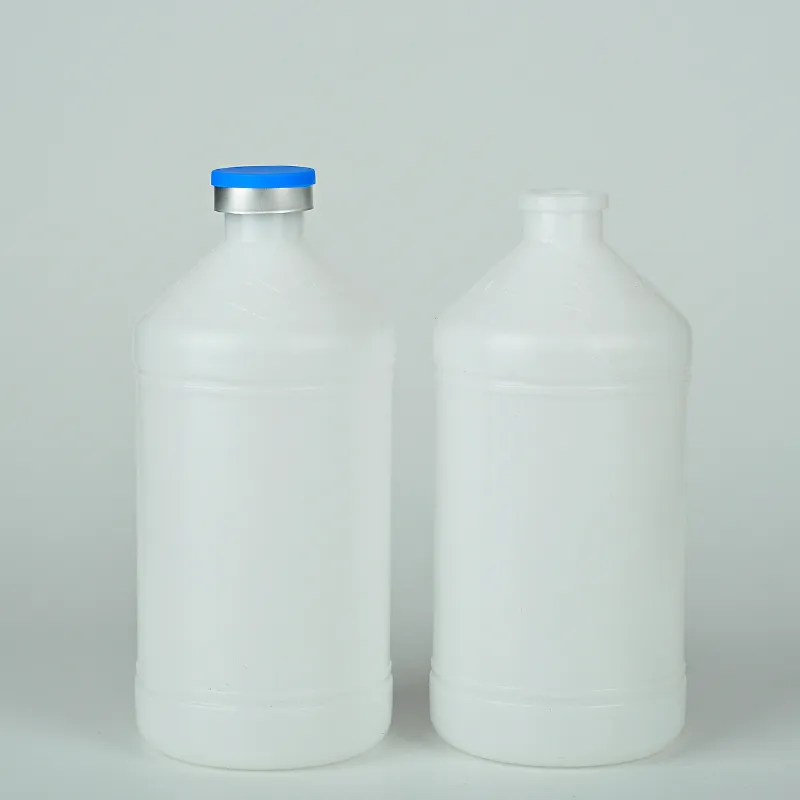
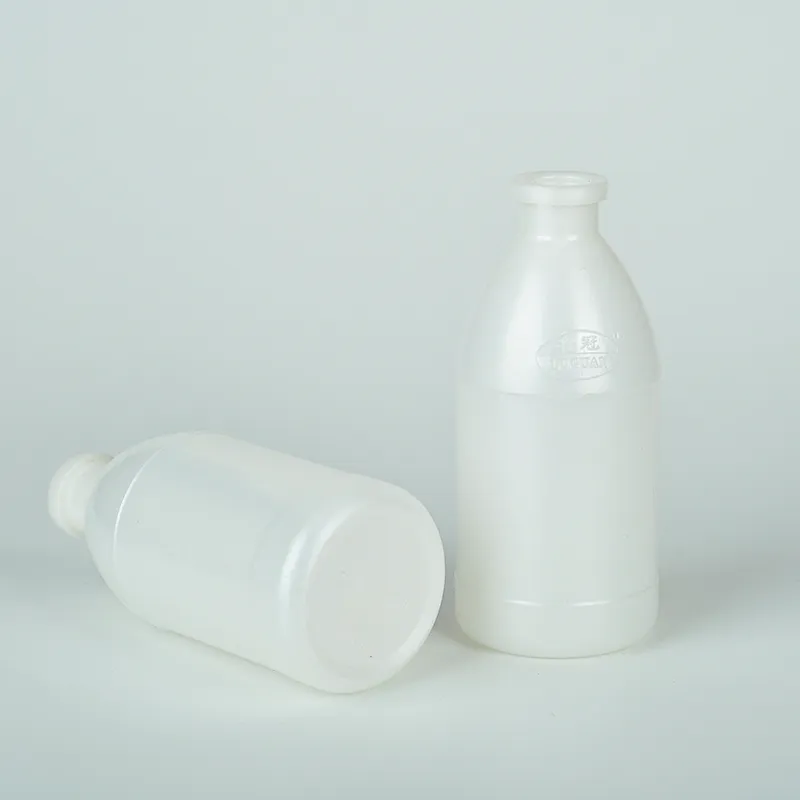
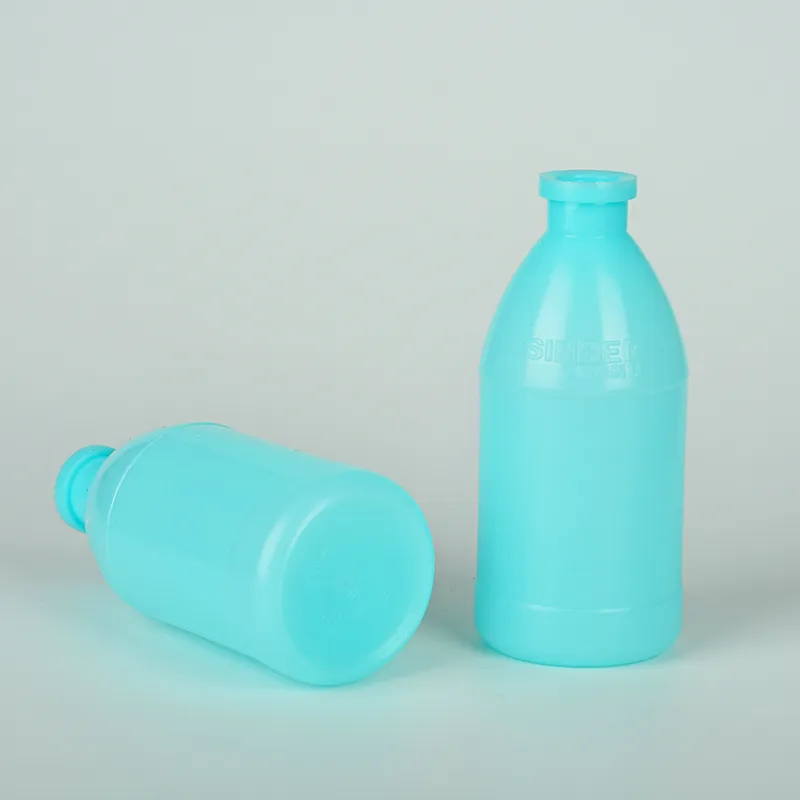
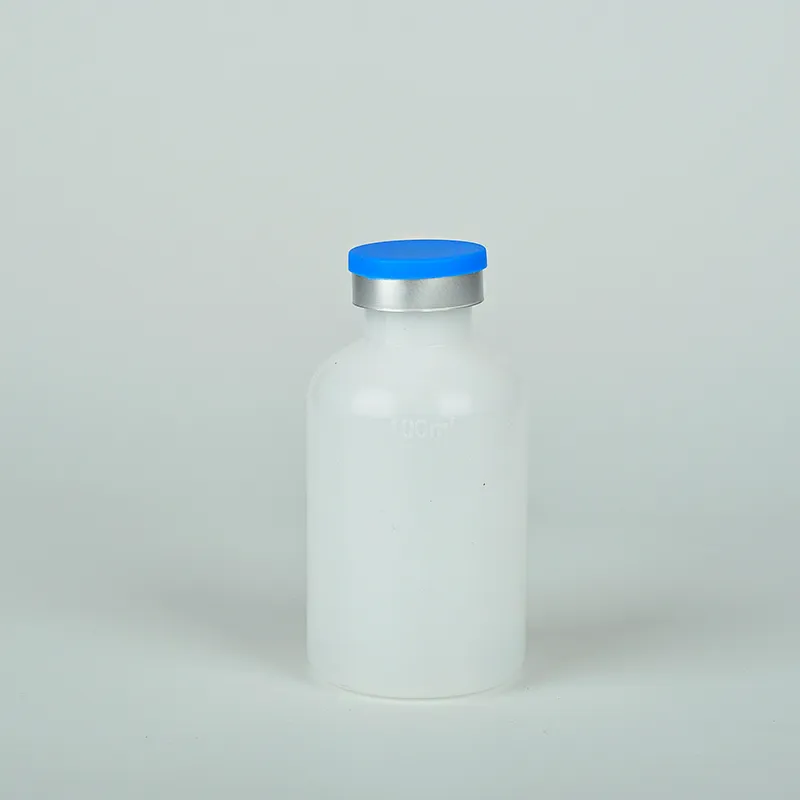
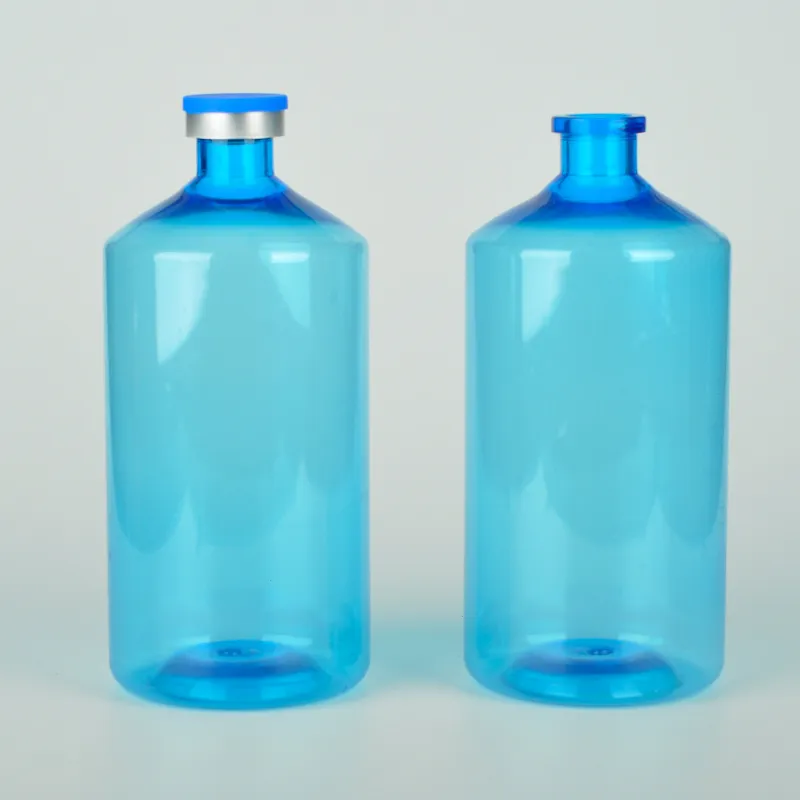
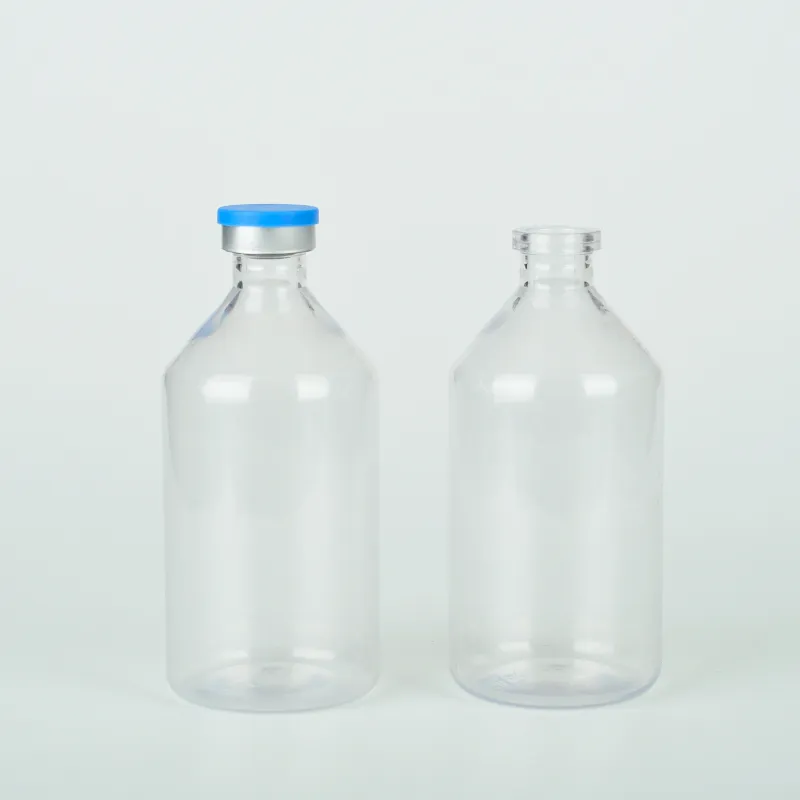
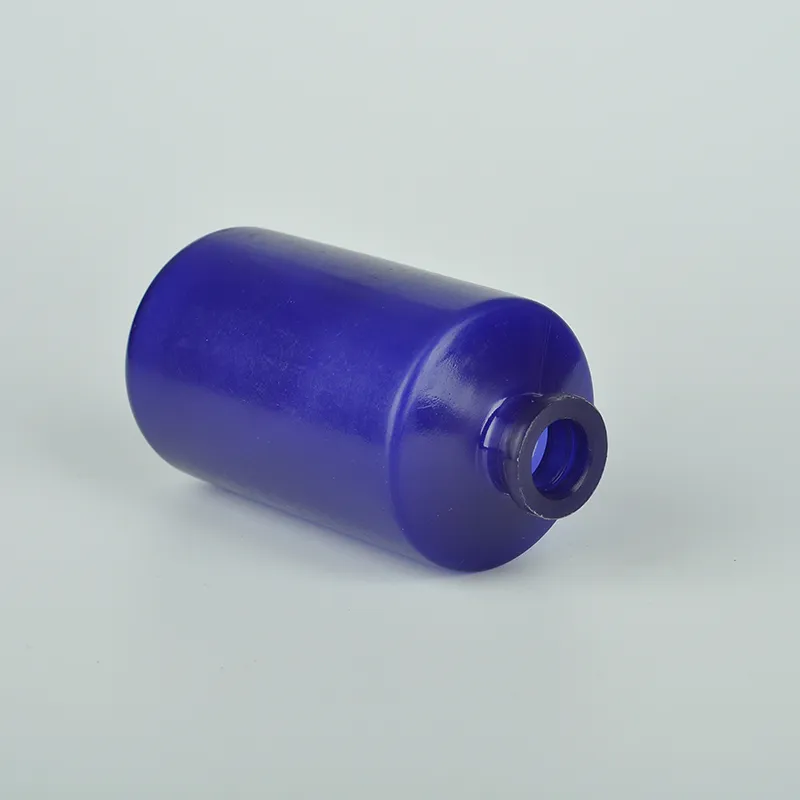
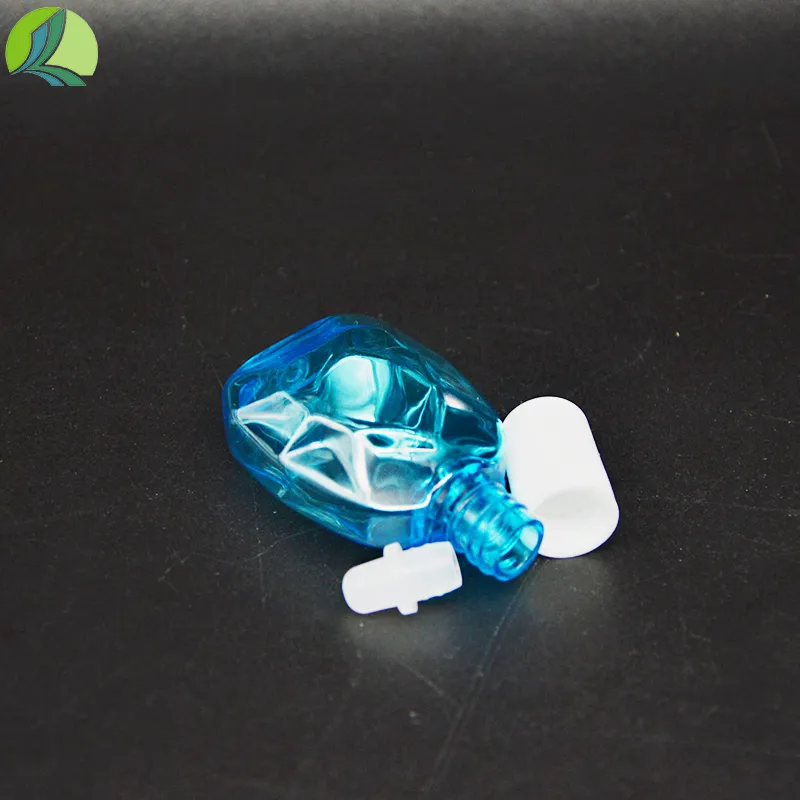
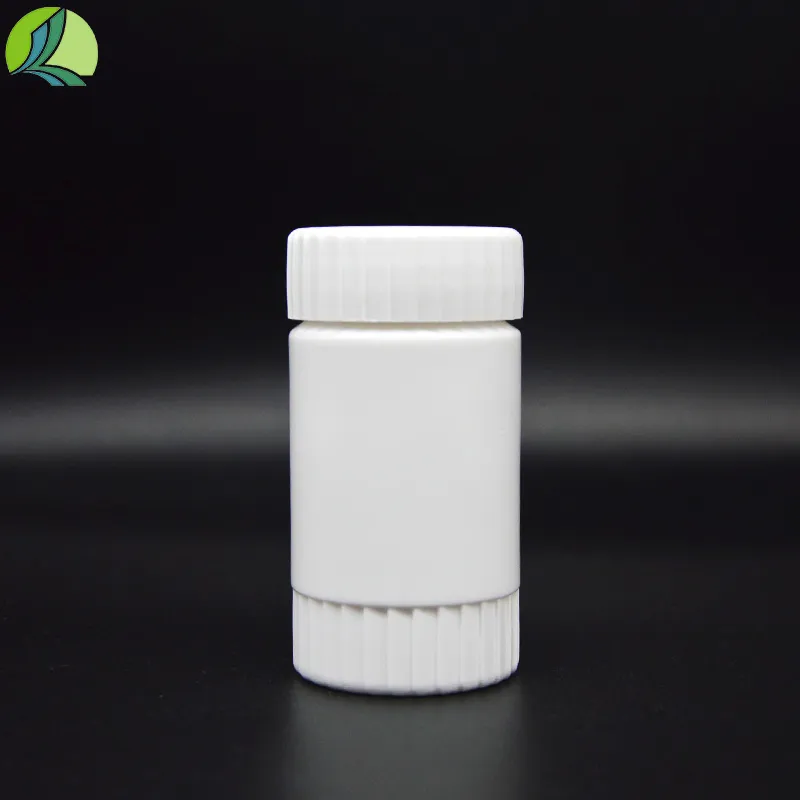
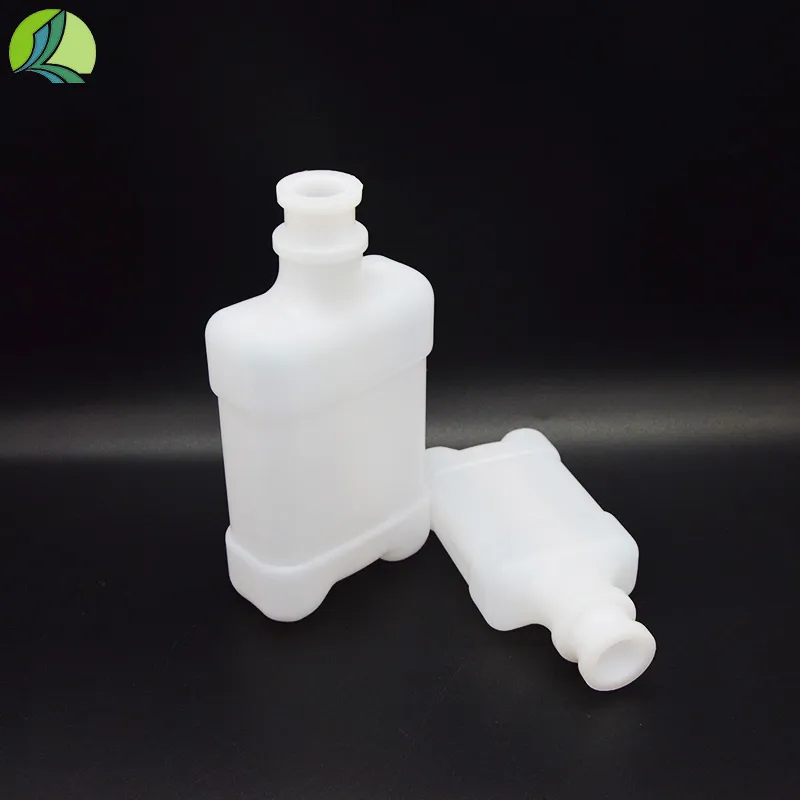
In every laboratory, reagent bottles serve as essential tools for storing and handling chemicals and reagents. Whether you’re a researcher, chemist, or laboratory technician, understanding the amber colour reagent bottle, reagent bottle diagram and uses, and the various uses of a reagent bottle is vital to your daily operations. This article delves into the different types of reagent bottles, their purposes, and how to choose the right one for your laboratory needs.
Amber Colour Reagent Bottle
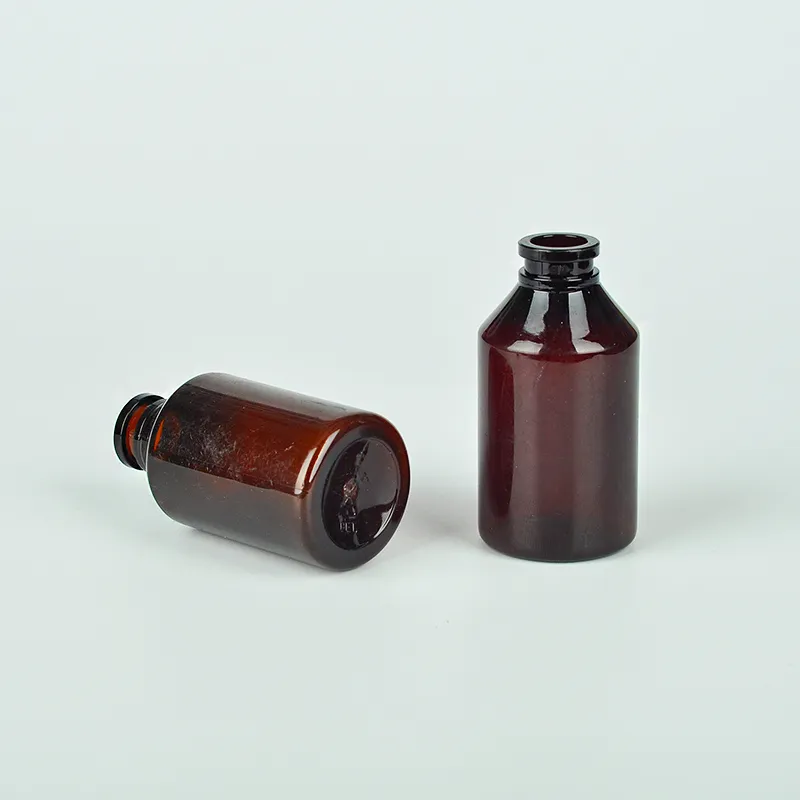
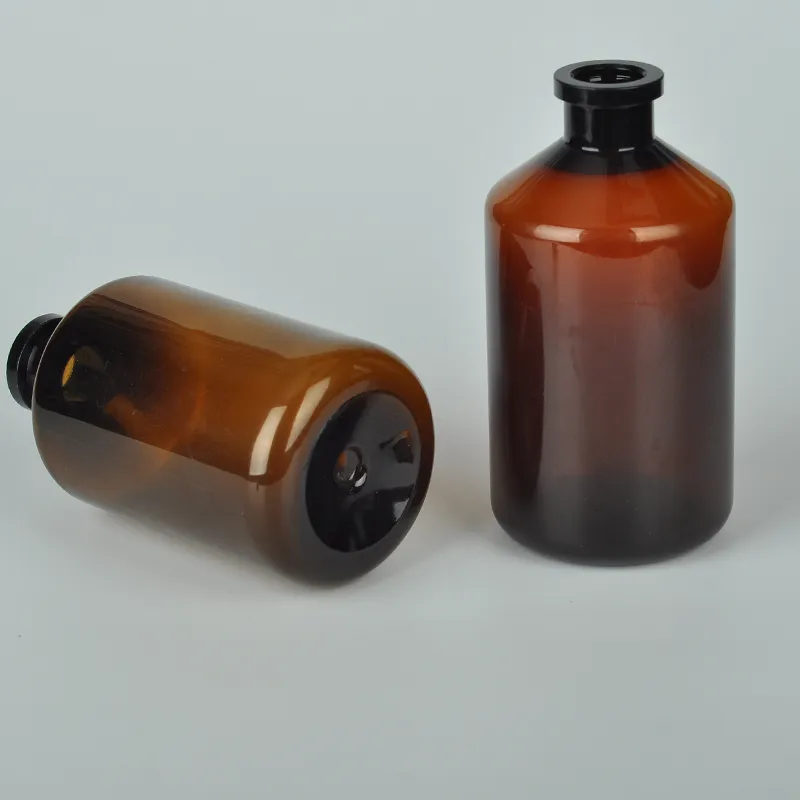
The amber colour reagent bottle is one of the most trusted types of bottles used in laboratories today. This particular bottle is essential for storing light-sensitive chemicals and reagents. Many chemicals, including certain pharmaceuticals, vitamins, and solutions, degrade when exposed to ultraviolet (UV) light. The amber colour reagent bottle protects these chemicals from light-induced degradation, ensuring that they maintain their potency and stability.
Beyond its protective qualities, the amber colour reagent bottle also provides durability and security. The amber-colored glass or plastic is both sturdy and resistant to breakage, making it suitable for long-term storage and transportation of chemicals. Additionally, the amber color makes it easy for laboratory personnel to distinguish these bottles from others, providing an extra layer of safety in busy lab environments. If you work with chemicals that require protection from light, the amber colour reagent bottle is an indispensable tool in your lab.
Reagent Bottle Diagram and Uses
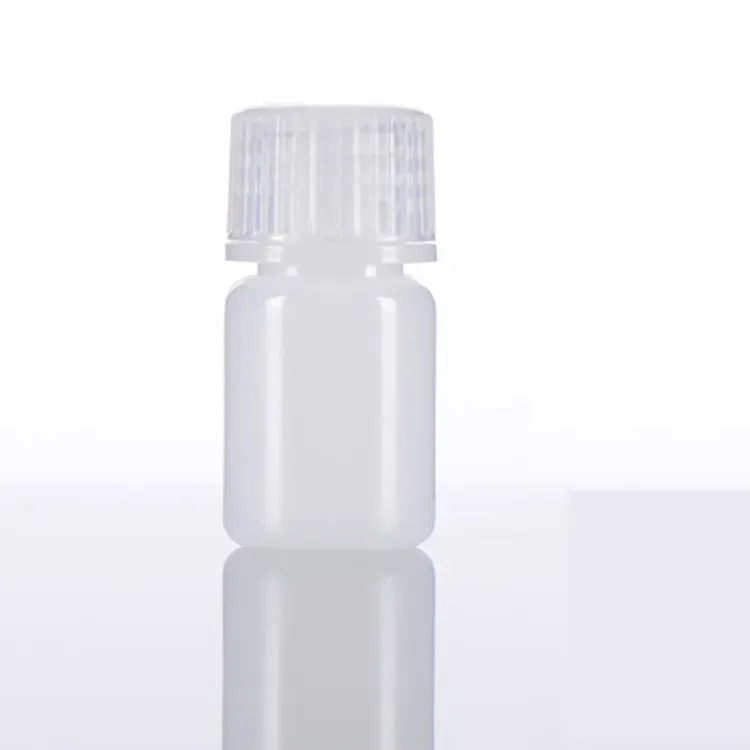
A thorough understanding of the reagent bottle diagram and uses is crucial when selecting the right bottle for your laboratory. A typical reagent bottle features a wide base for stability, a narrow neck for easy pouring, and a secure closure such as a screw cap or stopper. The reagent bottle diagram and uses highlight these features, showing how the bottle’s design helps to store and dispense various liquids safely.
These bottles come in multiple sizes, ranging from small 10 ml containers to larger 1-liter bottles, making them versatile for different applications. The reagent bottle diagram and uses also demonstrate that the design is optimized for both the storage and mixing of chemicals. The wide neck allows easy access for pouring and cleaning, while the narrow neck reduces spillage and evaporation. Whether you’re storing acids, solvents, or buffers, the reagent bottle diagram and uses ensure you select the right type of bottle to meet your needs.
Uses of a Reagent Bottle
The uses of a reagent bottle are vast and integral to the success of various laboratory processes. One of the primary uses of a reagent bottle is for storing reagents, chemicals, and solvents that are essential for scientific experiments. These bottles help maintain the purity and integrity of the substances inside by minimizing exposure to air and contaminants. With the right closures, reagent bottles also help prevent the evaporation or spillage of volatile liquids.
In addition to storage, reagent bottles are often used to mix chemicals or solutions. Their wide, stable base ensures that the bottle remains upright during use, reducing the risk of spills. The narrow neck allows for controlled pouring, ensuring accuracy when transferring liquids into other containers or during experiments. Whether you're preparing solutions for titrations, diluting reagents, or simply holding chemicals for later use, the uses of a reagent bottle are essential for everyday laboratory operations.
Uses of Reagent Bottle in the Laboratory
The uses of reagent bottle in the laboratory are diverse, spanning across a range of scientific disciplines. Whether in chemistry, biology, or medicine, reagent bottles play an essential role in the laboratory environment. Reagent bottles are commonly used to store a variety of liquids, from acids and bases to delicate solutions. Their design ensures that chemical integrity is maintained and that reagents are kept safe from external factors such as contamination, moisture, or light exposure.
In addition to storage, reagent bottles in the laboratory are used to mix solutions or to handle chemicals in experiments. The secure closure provided by the screw cap reagent bottle ensures that the chemicals remain sealed, minimizing the risk of accidents or leaks. For labs working with hazardous substances, these bottles can serve as a critical component for safely managing and transporting reagents.
Screw Cap Reagent Bottle
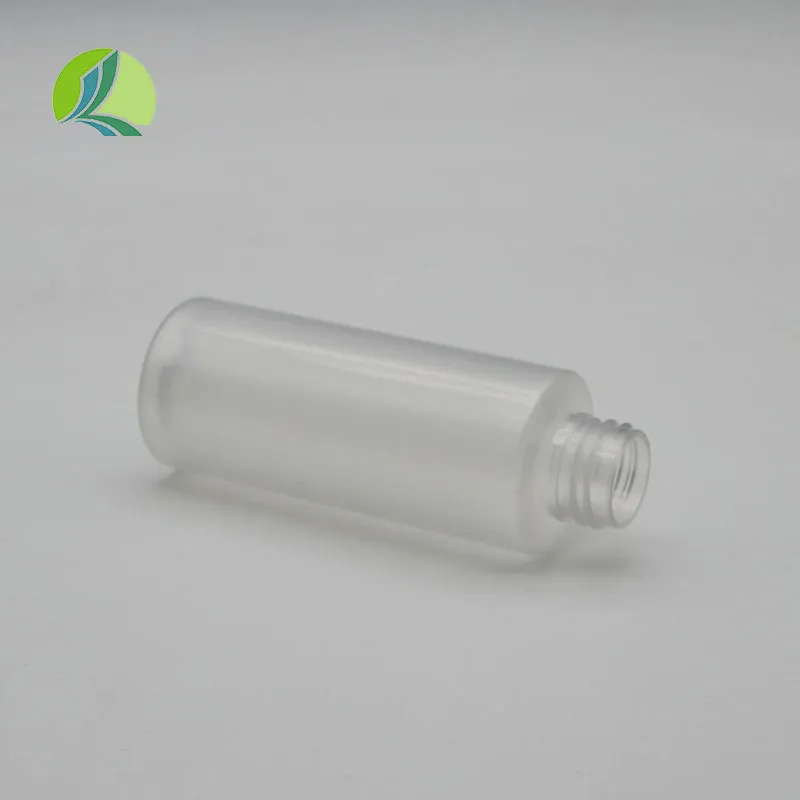
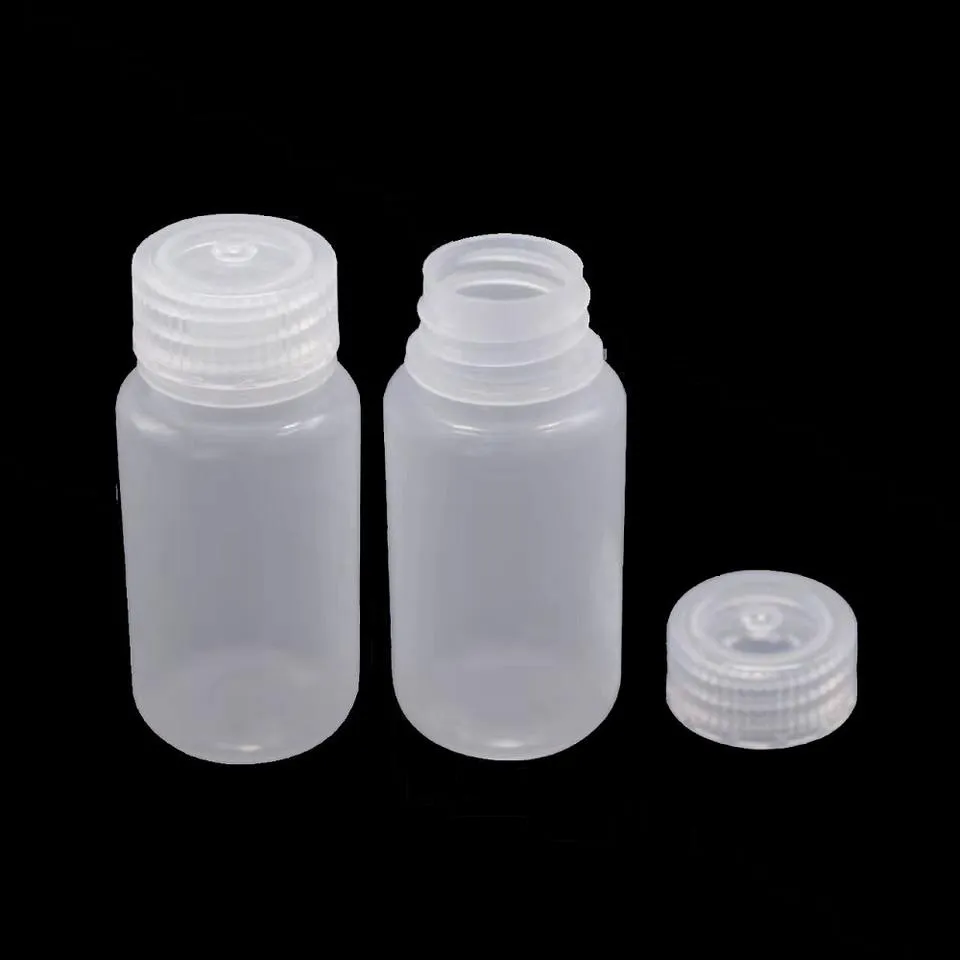
One of the most popular designs for reagent bottles is the screw cap reagent bottle. The screw cap reagent bottle offers a tight seal that helps prevent the contents from spilling or evaporating. This is especially important when working with volatile or sensitive chemicals that need to be securely contained. The screw cap reagent bottle is widely used in laboratories for its convenience and safety.
The screw cap reagent bottle comes in various sizes and materials, from glass to plastic, allowing for flexibility based on the chemicals being stored. The secure screw-on cap is easy to use and ensures that reagents remain sealed, even during transportation. For labs that require frequent access to chemicals, the screw cap design provides an easy-to-open and close solution, allowing for quick refills or transfers without compromising safety.
Reagent bottles are an essential part of laboratory work, and understanding the different types—such as the amber colour reagent bottle, screw cap reagent bottle, and their various uses—ensures that chemicals are stored and handled properly. Whether you're dealing with light-sensitive chemicals or need reliable containers for mixing and storage, selecting the right reagent bottle can make a significant difference in the efficiency and safety of laboratory operations.
-
Guide to Sourcing High Quality wholesale mister bottles for BusinessსიახლეებიApr.16,2026
-
Top Quality Spray Bottle 100ml Suppliers for Your Business NeedsსიახლეებიApr.09,2026
-
Comprehensive Guide to Pet Spray Bottle Manufacturers and Packaging SolutionsსიახლეებიApr.07,2026
-
Comprehensive Guide to Finding Reliable Perfume Sprayers SuppliersსიახლეებიApr.04,2026
-
Comprehensive Guide to Wholesale Mini Spray Bottles for Various ApplicationsსიახლეებიMar.31,2026
-
Comprehensive Guide to Sourcing Mini Plastic Spray Bottles Bulk for Your BusinessსიახლეებიMar.28,2026