




Tuba cemidî ya plastîk Ji bo lûleya cemidandinê ya laboratîfê xweş û bikêrhatî

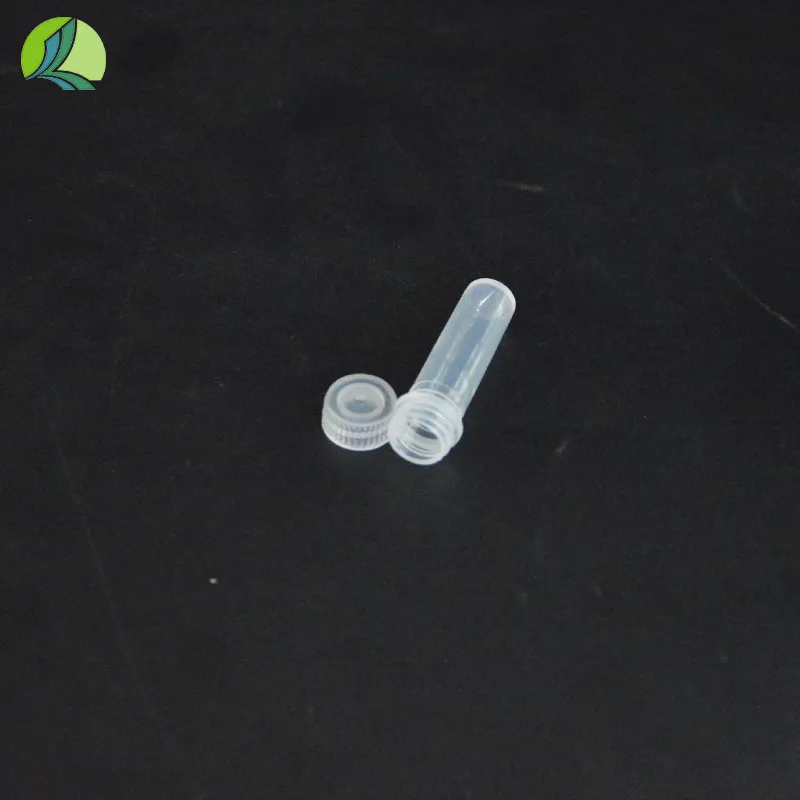

Boriya sarkirinê ya plastîk plastîkek endezyariya termoplastîk e ku bi performansa hêja, berxwedana bandorê ya berbiçav, berxwedana gemarê û aramiya pîvanê, berxwedana germê, kêmbûna avê, ne-jehrîn, taybetmendiyên dielektrîkî yên hêja ye, di nav pênc plastîkên endezyariyê de yekane hilberek bi zelaliyek baş e. û di van salên dawî de plastîkên endezyariya giştî ya herî zû mezin dibe jî ye.
Serîlêdanên birrîna robotîkî yên maqûl ên sê-alî yên bilind-end, ji bo bidestxistina fonksiyona birrîna bevel, boriyek û meşale bi karanîna fonksiyona pozîsyona servo.
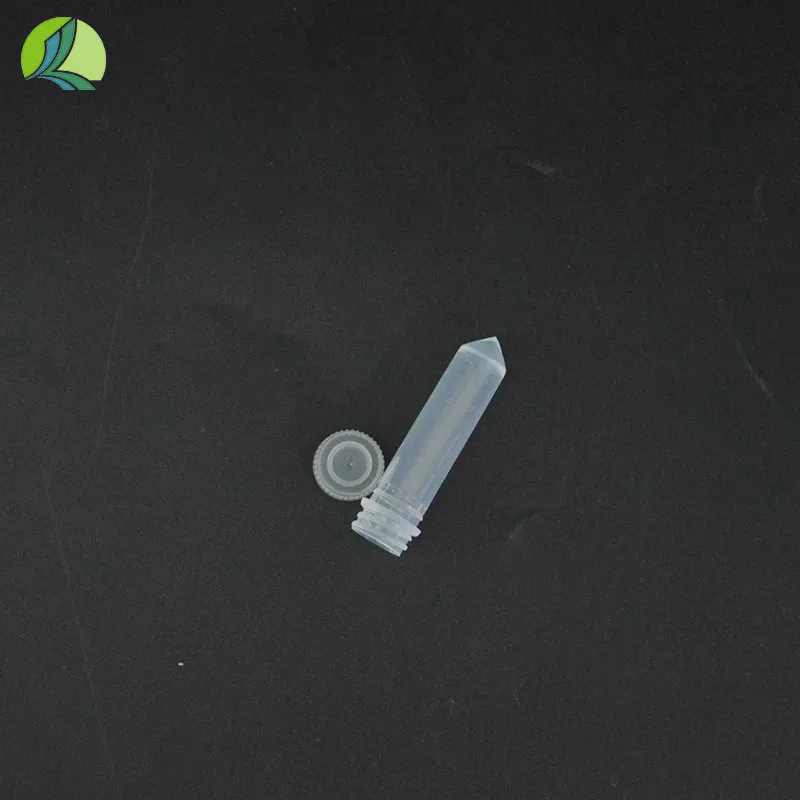
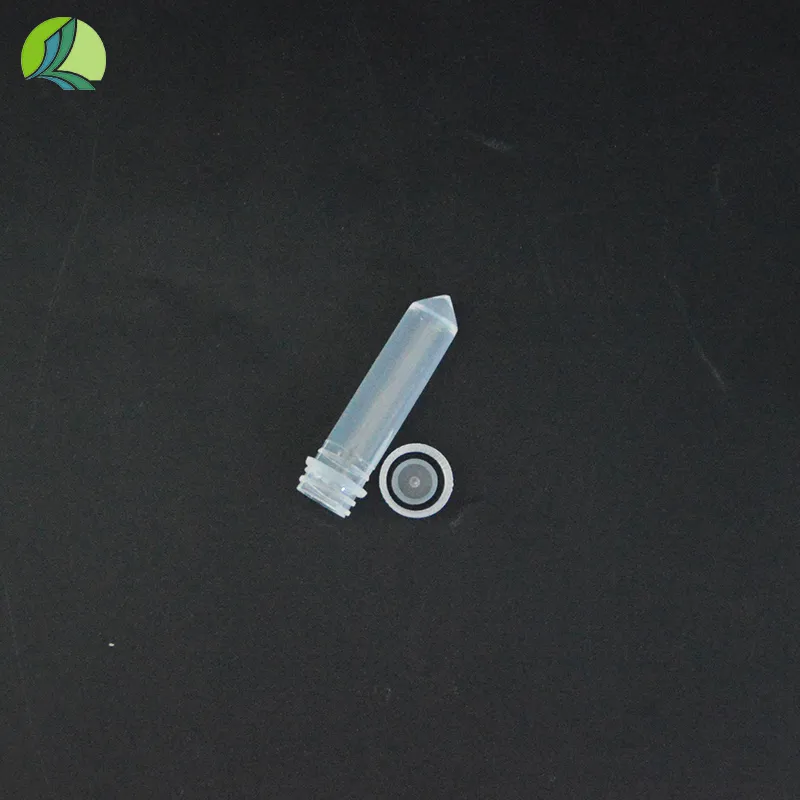
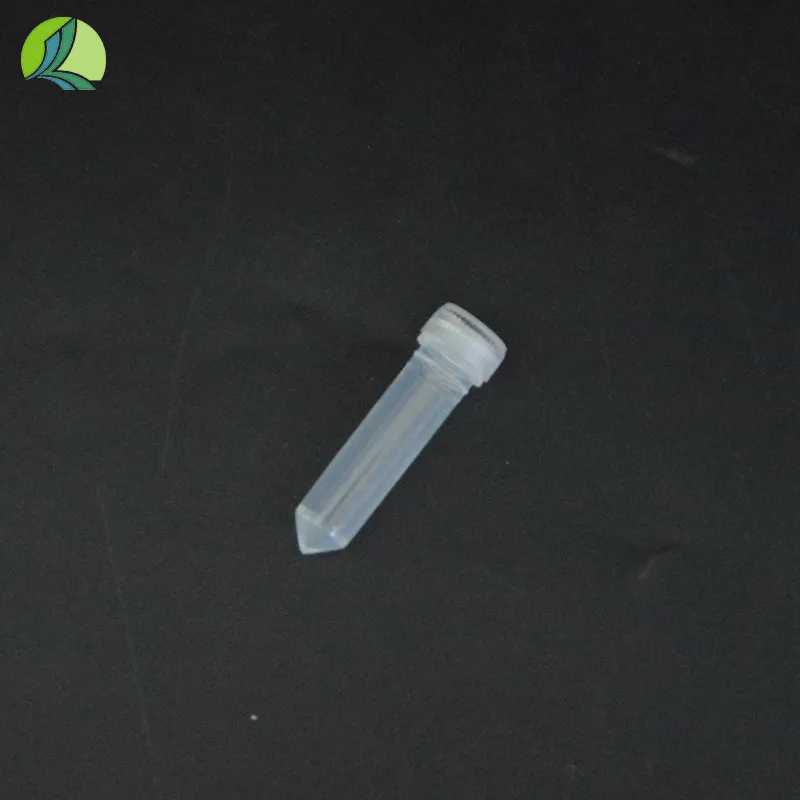
Boriya sarbûna plastîk, ku wekî boriyek sarbûna plastîk a birêkûpêk jî tê zanîn, boriyek sarbûna plastîk a gerdûnî, lûleya sarbûna plastîk a endezyarî pergalek rêberî ya berfireh a navgîniya şil û gazê ye, zext dikare bigihîje 4pa, ew ji plastîkên endezyariyê yên qalîteya bilind, cûrbecûrên wê têne çêkirin. beş ji pêvajoya şilkirina derzîlêdanê ya rast têne çêkirin. Rûyên pêwendiya her girêk bi teknolojiyên pêlava derzîlêdanê ya bilind têne hesibandin û çêkirin.
Boriya sarbûna plastîk a birêkûpêk ne hewce ye ku ti rêgezê lê zêde bike, û tenê ji hêla rûbera pêwendiya laşê spî ve xwedan performansa vegirtina hêja ye. Nêzîkbûna rûbera têkiliyê bes e ku pê ewle bibe ku lûleya ava sarbûnê her gav di bin bandora ava tansiyona bilind de pozîsyona xweya destpêkê diparêze.
Boriya sarbûnê ya plastîk a verastkirî di wateya rastîn de avahiyek modular e, ku ne tenê dikare li gorî hewcedariyên bi kêfî hejmara beşan zêde bike an kêm bike, lê di heman demê de dikare di navbera beşan de li gorî hewcedariyên guheztinê jî were saz kirin, û hene. girêdan û avê cuda. Û di nav du deryan de sê rêyek heye, lûleya sarbûnê ya plastîk a endezyariyê ji naylon 66 hatî çêkirin, noza derûnê devê dor e, devê rûvî û devê giroverek mezin e, pêlava zivirî û pêça hundur û pêça derve heye. , ku li gorî hewcedariyên xerîdar e.
How Plastic Freezer Tubes Improve Safety and Organization in Laboratory Freezers
Plastic freezer tubes play an important role in maintaining safety and organization in laboratory environments. Laboratories that handle biological samples, chemical reagents, or research materials require reliable storage systems to preserve sample integrity and prevent contamination. Plastic freezer tubes are specifically designed to withstand extremely low temperatures and provide secure storage for a wide variety of samples. Their durable construction, leak-proof design, and customizable labeling features make them essential tools for laboratory freezer management.
Reliable Protection for Laboratory Samples
One of the most important advantages of plastic freezer tubes is their ability to protect samples during long-term storage. Laboratories often store biological materials such as DNA, RNA, blood samples, cell cultures, and enzymes in ultra-low temperature freezers that can reach temperatures as low as -80°C. Plastic freezer tubes are manufactured from high-quality materials such as medical-grade polypropylene, which remains stable and resistant to cracking even at very low temperatures.
The secure sealing system of freezer tubes also plays a critical role in laboratory safety. Many tubes are equipped with screw caps or snap caps that create a tight seal to prevent leakage and evaporation. This helps protect sensitive samples from contamination and prevents hazardous substances from spilling inside the freezer. Leak-proof sealing is especially important when storing infectious samples, chemicals, or reagents that could pose safety risks if exposed.
In addition, plastic freezer tubes are designed to withstand repeated freezing and thawing cycles without losing structural integrity. This durability ensures that samples remain safely contained during routine laboratory procedures, reducing the risk of sample loss and maintaining experimental accuracy.
Improved Organization and Sample Management
Another major benefit of plastic freezer tubes is their ability to improve organization within laboratory freezers. Research laboratories often store hundreds or even thousands of samples at the same time. Without an organized storage system, it can be difficult to locate specific samples quickly, which may lead to wasted time or accidental sample loss.
Plastic freezer tubes usually feature clear labeling areas or frosted writing surfaces where researchers can record sample information such as identification numbers, dates, and experiment details. This makes it easier to track and manage samples over long periods of time. Some freezer tubes are also available with color-coded caps, which allow laboratories to categorize samples by project, experiment type, or research group.
The uniform size and shape of freezer tubes allow them to fit neatly into freezer racks and storage boxes. This standardized design helps maximize freezer space while maintaining an orderly storage layout. When samples are arranged systematically in racks, laboratory staff can easily retrieve or replace tubes without disturbing other stored materials.
Customizable freezer tubes also provide additional flexibility for laboratories with specific organizational needs. Manufacturers can offer custom colors, printed labels, barcodes, or logos, which help laboratories build more efficient sample management systems. These features are particularly useful in large research facilities, biobanks, and medical laboratories where accurate sample tracking is essential.
Plastic freezer tubes significantly improve both safety and organization in laboratory freezers. Their strong, temperature-resistant materials protect valuable samples from damage, contamination, and leakage during long-term storage. At the same time, their labeling options, color-coding systems, and standardized designs help laboratories maintain an efficient and well-organized storage environment. By supporting reliable sample preservation and streamlined management, plastic freezer tubes have become an indispensable component of modern laboratory operations.
Applications of Plastic Freezer Tubes in Scientific Research and Biobanking
Plastic freezer tubes are widely used in scientific research and biobanking for the safe storage and preservation of valuable biological samples. These tubes are specially designed to withstand extremely low temperatures, making them suitable for storing sensitive materials in laboratory freezers and ultra-low temperature storage systems. Made from high-quality materials such as polypropylene, plastic freezer tubes offer durability, chemical resistance, and leak-proof sealing. Because of these characteristics, they play an important role in many areas of scientific study, including molecular biology, medical research, pharmaceutical development, and long-term biobanking.
Sample Preservation in Scientific Research
In scientific research laboratories, plastic freezer tubes are commonly used to store biological samples that require stable low-temperature conditions. Researchers frequently work with materials such as DNA, RNA, proteins, enzymes, blood samples, and cultured cells. These materials can degrade quickly if they are not stored properly. Plastic freezer tubes help protect these samples by providing a secure container that can tolerate freezing temperatures as low as −80°C or even lower in specialized storage systems.
For example, molecular biology laboratories often store extracted DNA and RNA in freezer tubes for future experiments. These samples may be used in genetic analysis, sequencing, or polymerase chain reaction (PCR) testing. Because freezer tubes provide airtight sealing and chemical resistance, they help prevent contamination and maintain the purity of the stored materials.
Plastic freezer tubes are also widely used in microbiology research. Scientists studying bacteria, fungi, or viruses often preserve microbial cultures in freezer tubes so they can maintain stable reference samples for future experiments. The tubes allow researchers to freeze and thaw samples multiple times without compromising the integrity of the stored organisms.
In pharmaceutical and biotechnology research, freezer tubes are essential for storing experimental reagents, vaccine samples, and biological compounds. These materials often require precise storage conditions to maintain their activity and effectiveness. The reliability of plastic freezer tubes helps ensure that these valuable research materials remain stable and usable over time.
Long-Term Storage in Biobanking
Biobanking is another major application for plastic freezer tubes. A biobank is a specialized facility that collects, stores, and manages biological samples for medical research and clinical studies. These samples may include blood, tissue, saliva, plasma, or DNA collected from patients and research participants. Biobanks play a critical role in disease research, personalized medicine, and large-scale health studies.
Plastic freezer tubes are commonly used in biobanks because they are suitable for long-term cryogenic storage. Their strong construction prevents cracking or leakage during extended storage in ultra-low temperature freezers or liquid nitrogen environments. Secure screw caps and sealing systems help ensure that each sample remains protected from contamination or evaporation.
Another important feature for biobanking is sample identification and traceability. Plastic freezer tubes often include labeling areas, barcode compatibility, or color-coded caps that help researchers organize thousands of stored samples efficiently. Accurate labeling allows scientists to quickly locate specific samples while maintaining detailed records for research studies.
The standardized design of freezer tubes also allows them to fit easily into storage racks and automated sample management systems. This improves storage efficiency and ensures that large collections of biological samples can be managed systematically.
Plastic freezer tubes are essential tools in both scientific research and biobanking. Their ability to safely store sensitive biological materials at extremely low temperatures makes them indispensable in modern laboratories. From preserving DNA and microbial cultures in research laboratories to maintaining large collections of human samples in biobanks, these tubes support critical scientific work around the world. By ensuring reliable sample protection, organization, and long-term stability, plastic freezer tubes play a vital role in advancing medical research and scientific discovery.
freezer tube
freezer tubes
freezing tube
freezing tubes
tube freezer