-
 Afrikaans
 -
 Albanian
 -
 Amharic
 -
 Arabic
 -
 Armenian
 -
 Azerbaijani
 -
 Basque
 -
 Belarusian
 -
 Bengali
 -
 Bosnian
 -
 Bulgarian
 -
 Catalan
 -
 Cebuano
 -
 Corsican
 -
 Croatian
 -
 Czech
Czech -
 Danish
 -
 Dutch
Dutch -
 English
 -
 Esperanto
 -
 Estonian
 -
 Finnish
 -
 French
 -
 Frisian
 -
 Galician
 -
 Georgian
 -
 German
 -
 Greek
Greek -
 Gujarati
 -
 Haitian Creole
 -
 hausa
hausa -
 hawaiian
 -
 Hebrew
 -
 Hindi
Hindi -
 Miao
Miao -
 Hungarian
 -
 Icelandic
 -
 igbo
igbo -
 Indonesian
 -
 irish
irish -
 Italian
 -
 Japanese
 -
 Javanese
 -
 Kannada
 -
 kazakh
 -
 Khmer
Khmer -
 Rwandese
 -
 Korean
 -
 Kurdish
 -
 Kyrgyz
 -
 Lao
Lao -
 Latin
Latin -
 Latvian
 -
 Lithuanian
 -
 Luxembourgish
 -
 Macedonian
 -
 Malgashi
 -
 Malay
Malay -
 Malayalam
 -
 Maltese
 -
 Maori
Maori -
 Marathi
 -
 Mongolian
 -
 Myanmar
 -
 Nepali
 -
 Norwegian
 -
 Norwegian
 -
 Occitan
 -
 Pashto
 -
 Persian
 -
 Polish
 -
 Portuguese
 -
 Punjabi
 -
 Romanian
 -
 Russian
 -
 Samoan
 -
 Scottish Gaelic
 -
 Serbian
 -
 Sesotho
 -
 Shona
Shona -
 Sindhi
 -
 Sinhala
 -
 Slovak
 -
 Slovenian
 -
 Somali
 -
 Spanish
 -
 Sundanese
 -
 Swahili
 -
 Swedish
 -
 Tagalog
 -
 Tajik
Tajik -
 Tamil
Tamil -
 Tatar
Tatar -
 Telugu
 -
 Thai
Thai -
 Turkish
 -
 Turkmen
 -
 Ukrainian
 -
 Urdu
Urdu -
 Uighur
 -
 Uzbek
Uzbek -
 Vietnamese
 -
 Welsh
Welsh -
 Bantu
Bantu -
 Yiddish
 -
 Yoruba
 -
 Zulu
Zulu
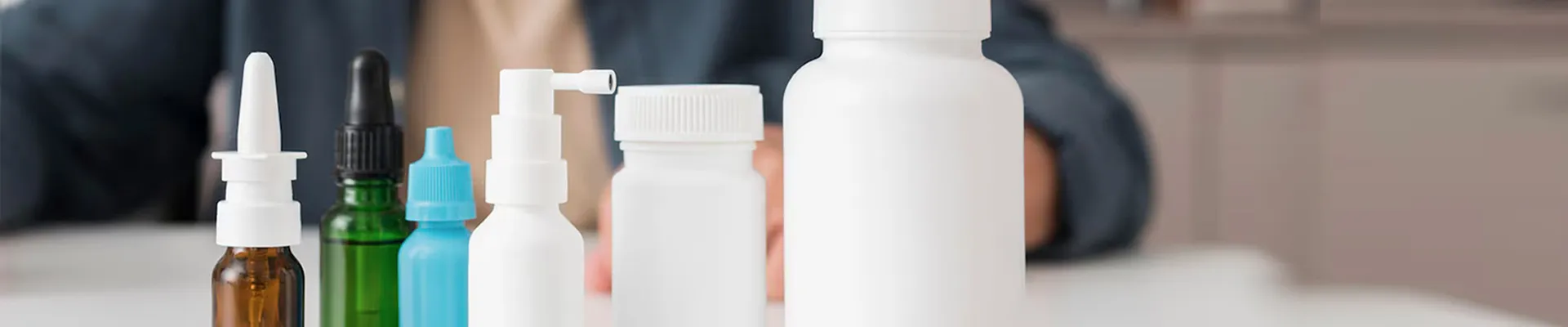


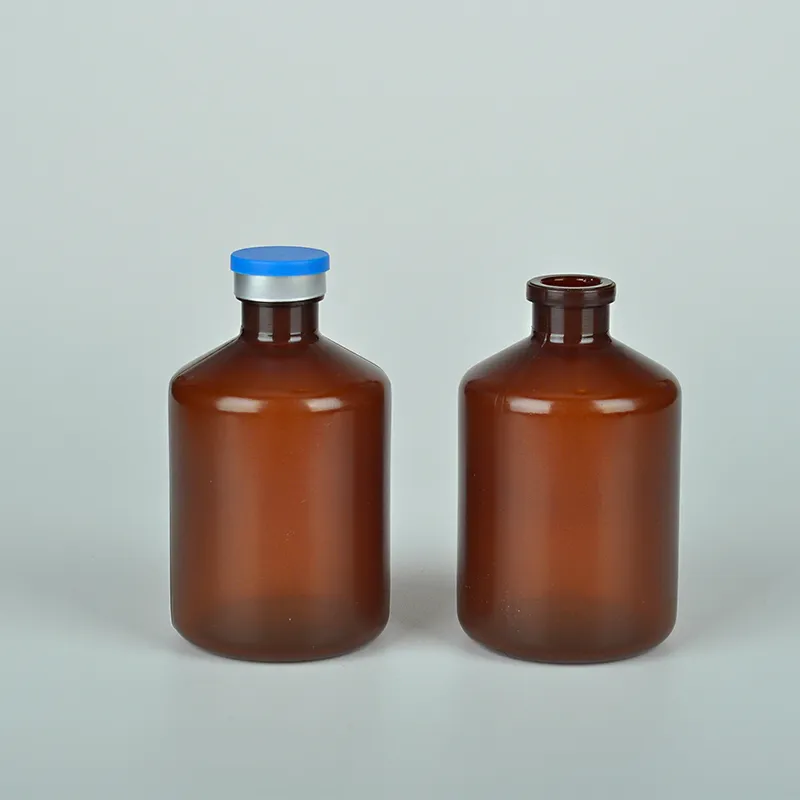
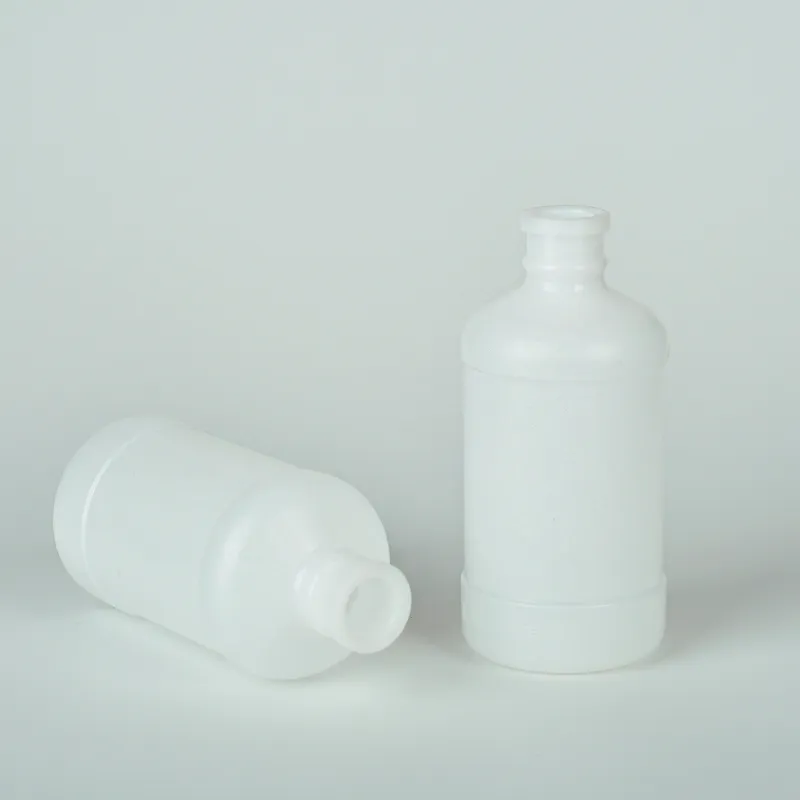
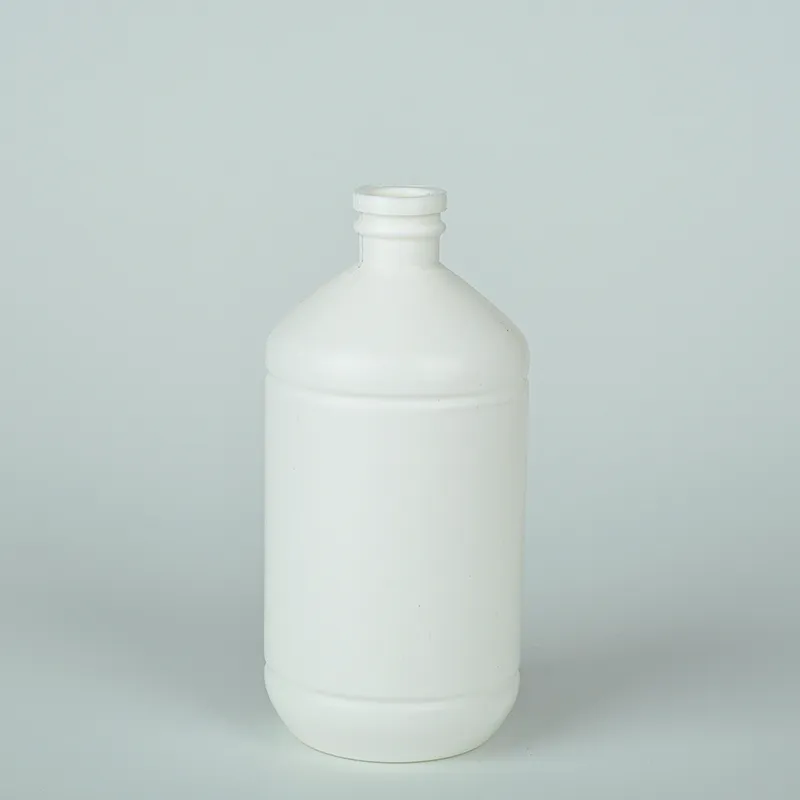
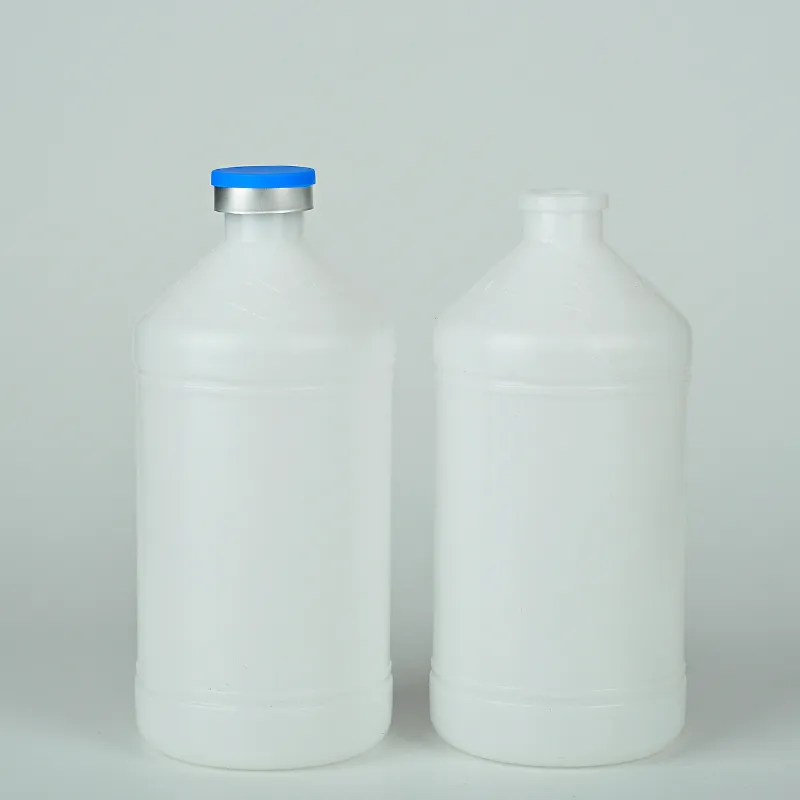
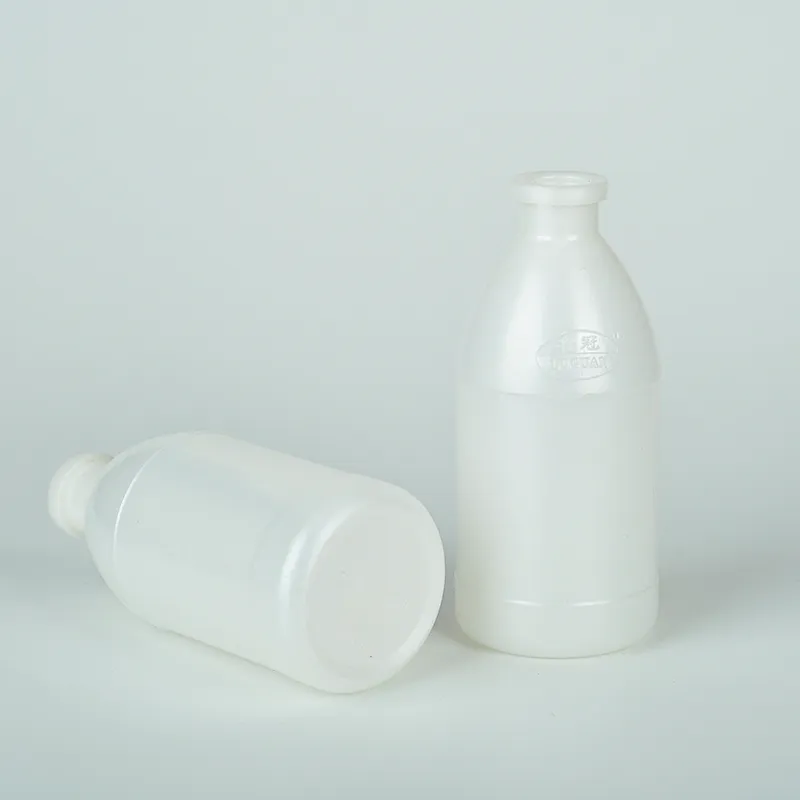
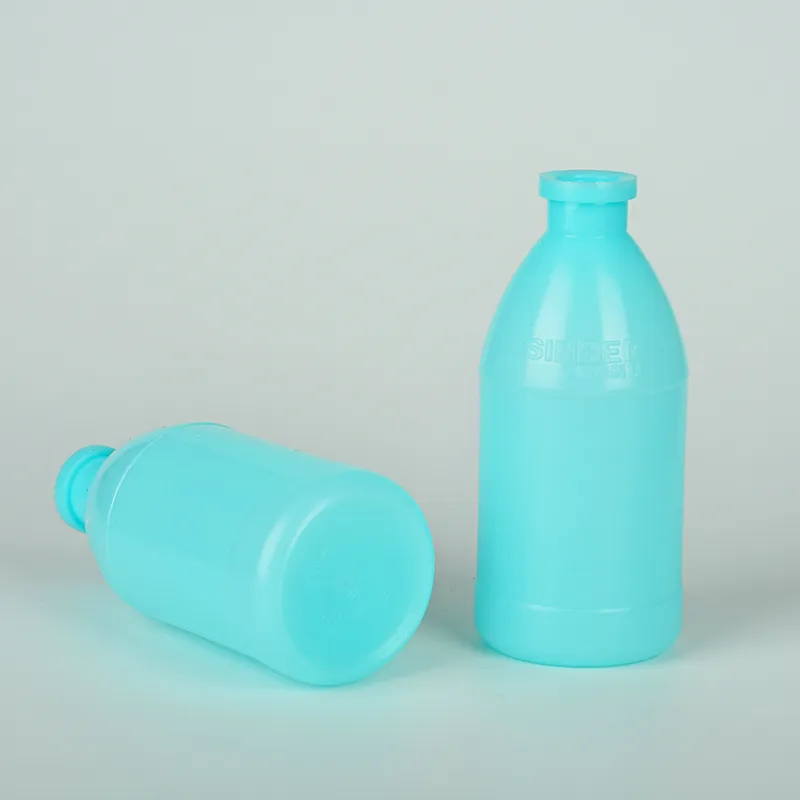
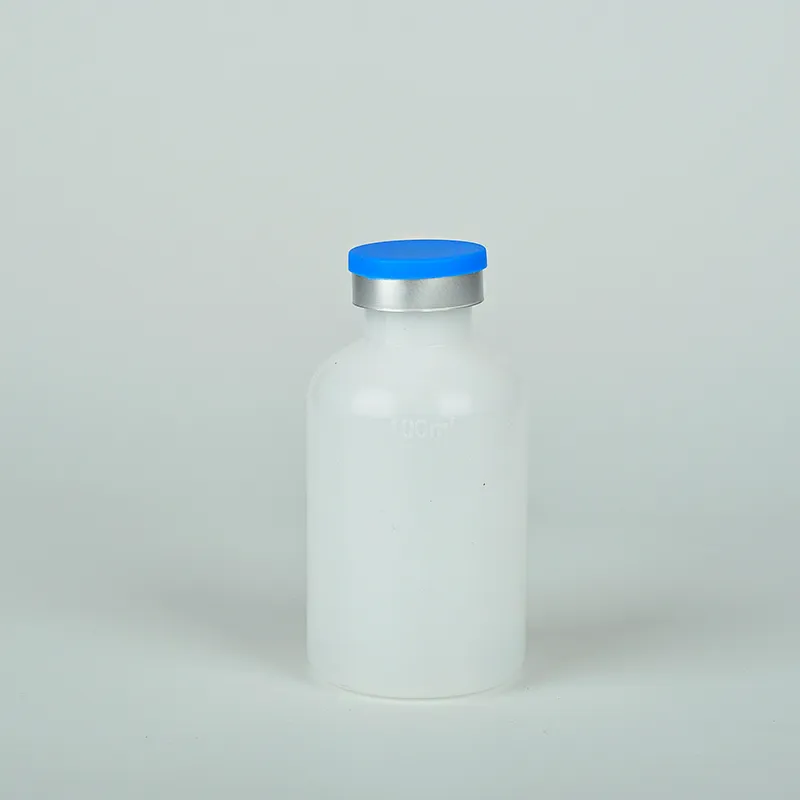
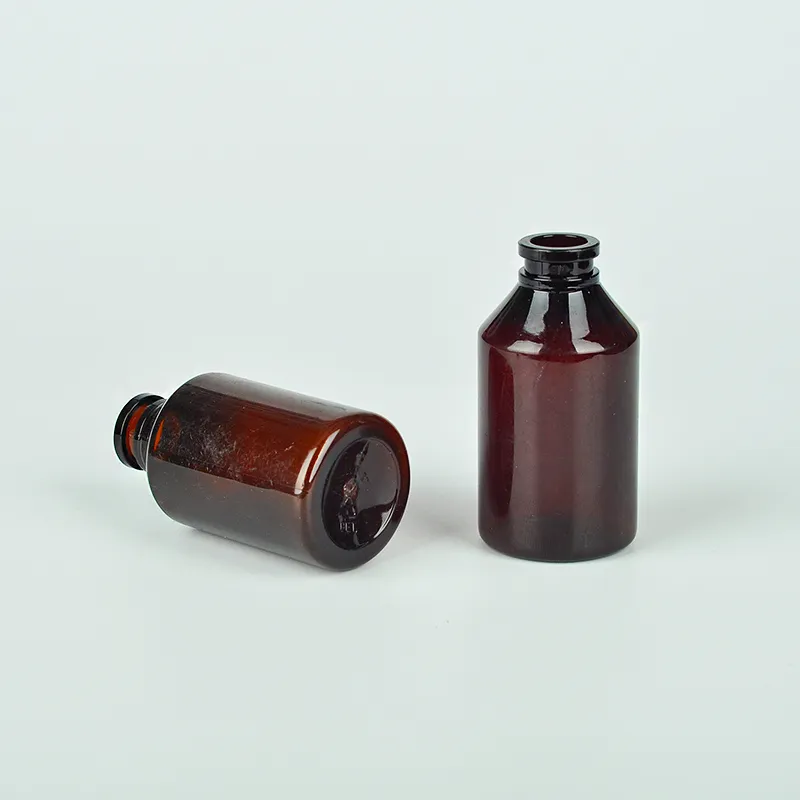
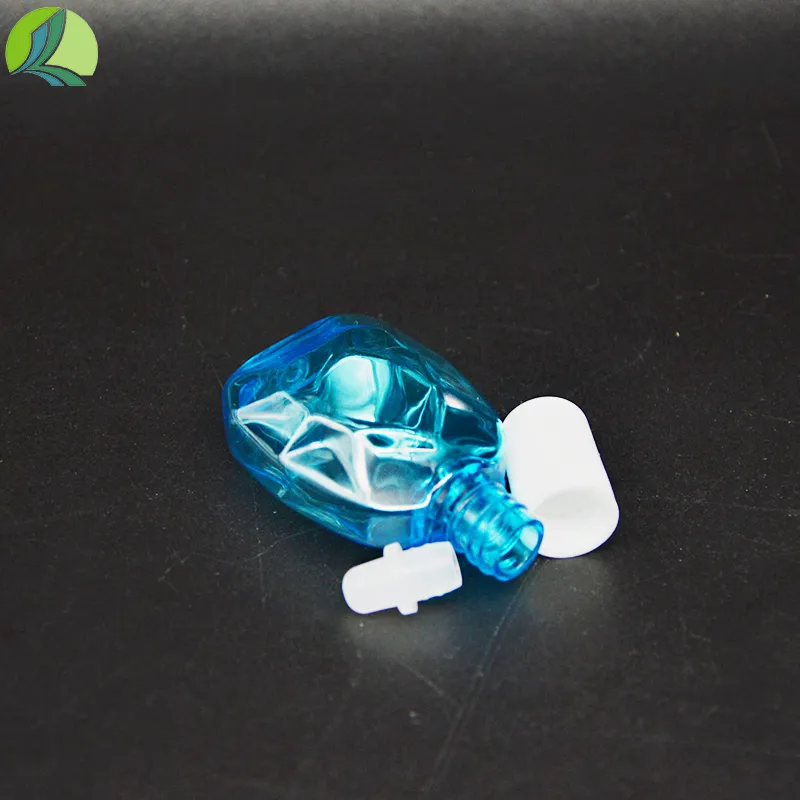
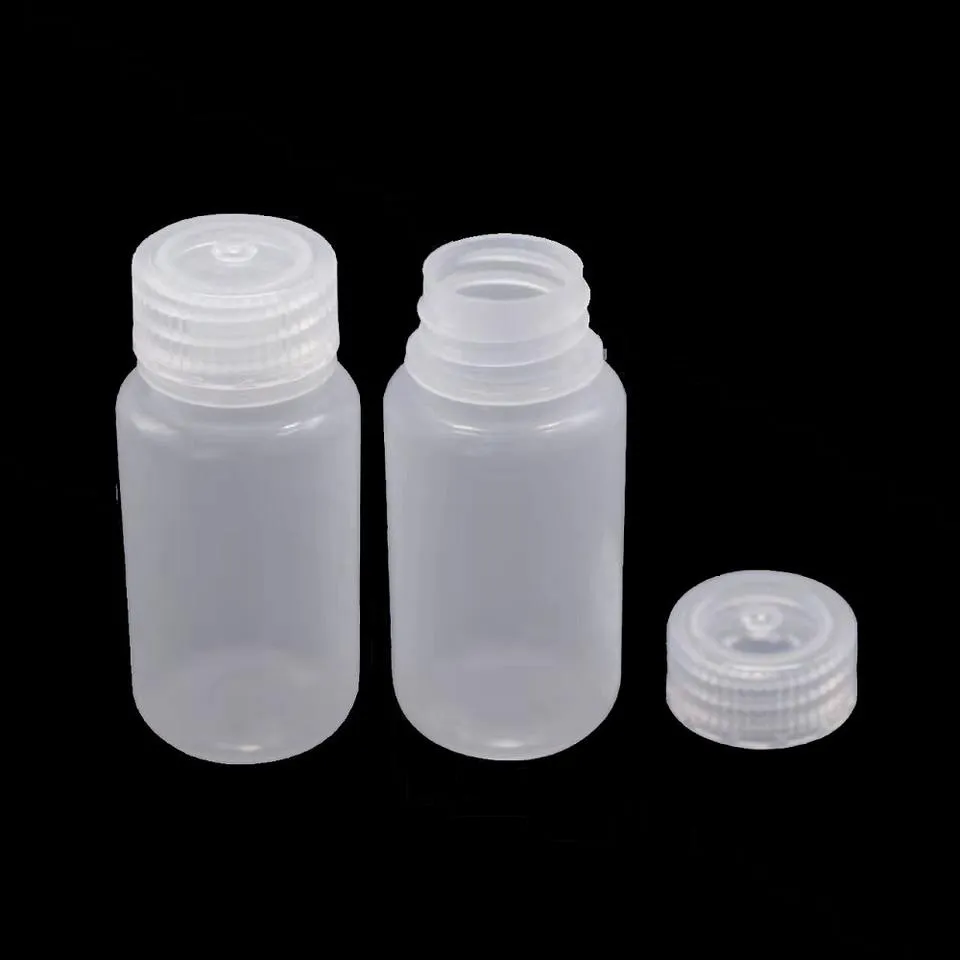
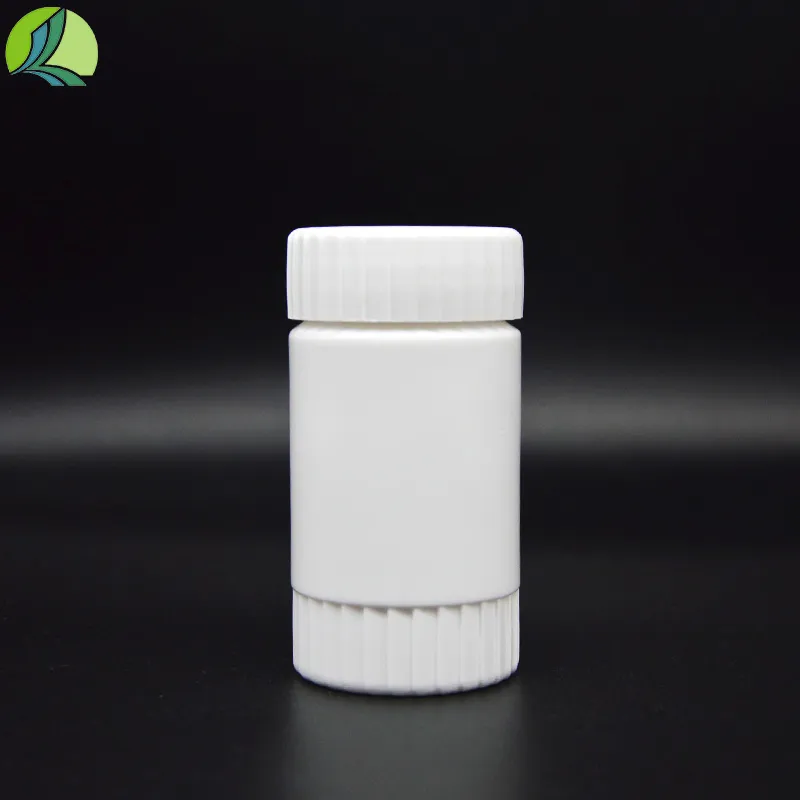
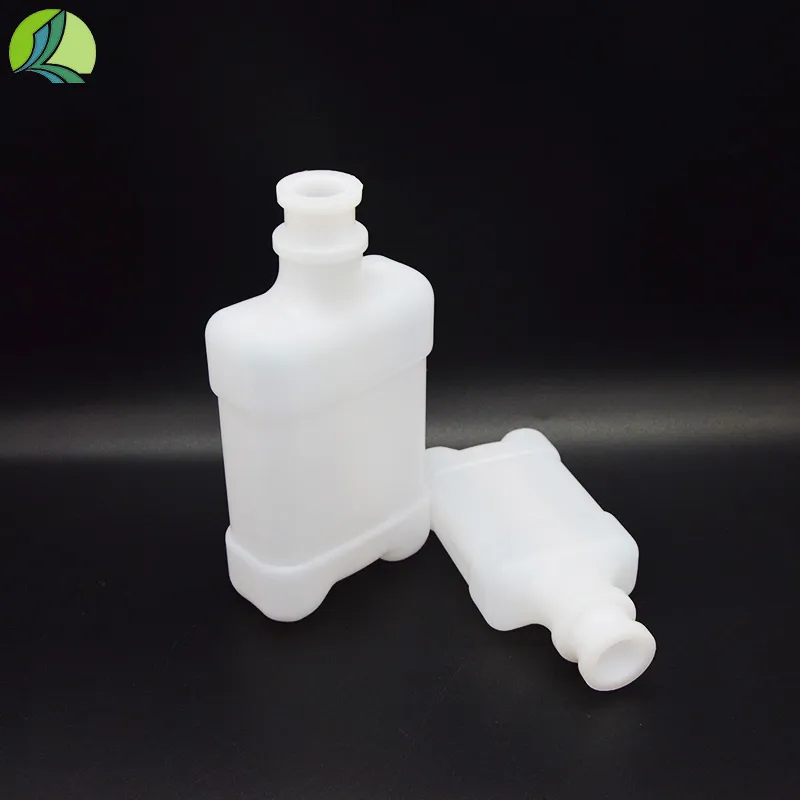
Plastic Dropper Bottle: Precision Control and Wide Application
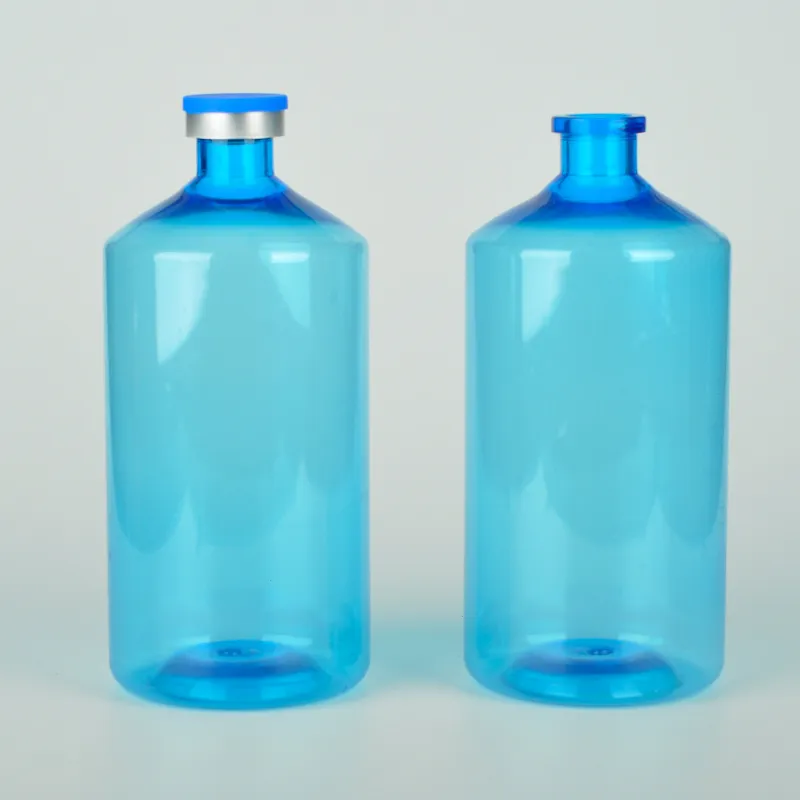
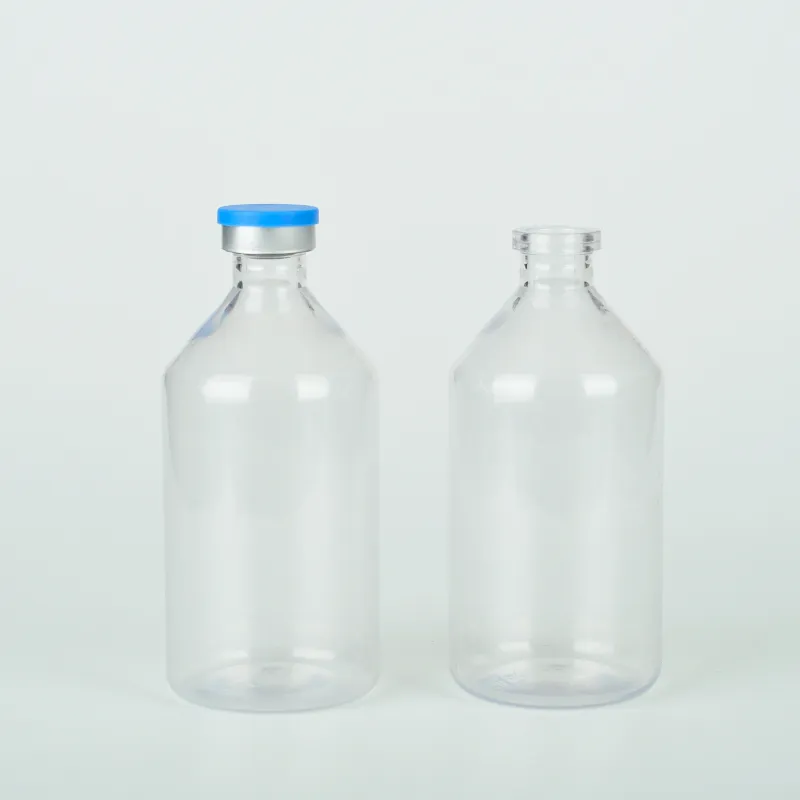
Plastic Dropper Bottle, A simple yet powerful container plays an indispensable role in modern society. It plays an important role in many fields such as medicine, chemical industry, cosmetics, etc. due to its precise liquid control ability, lightweight and durable materials, and wide applicability. Having a deep understanding of it helps us better recognize its value and propel it to the next level of development in the future.
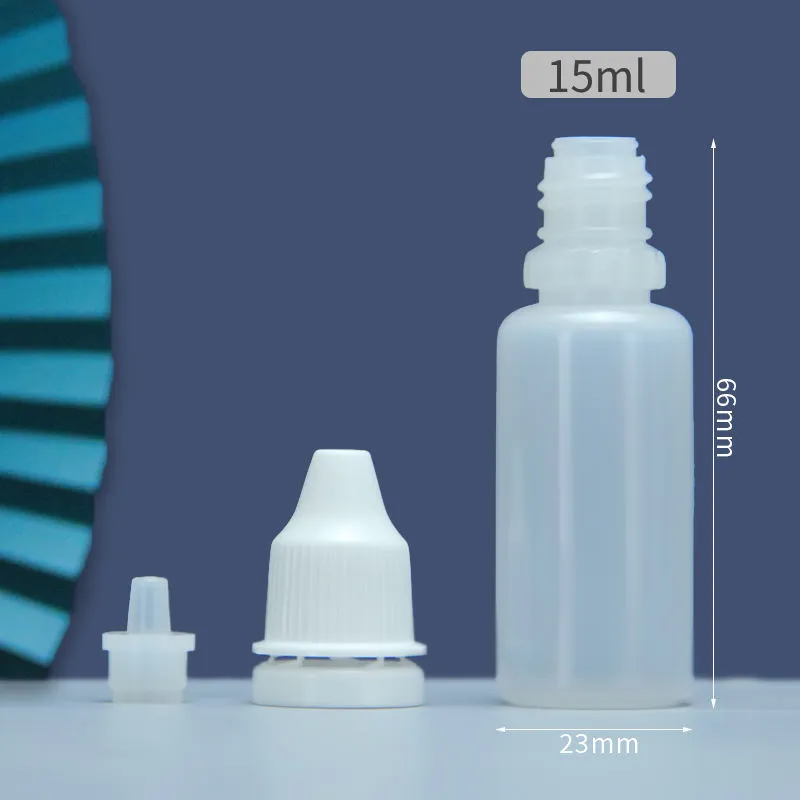
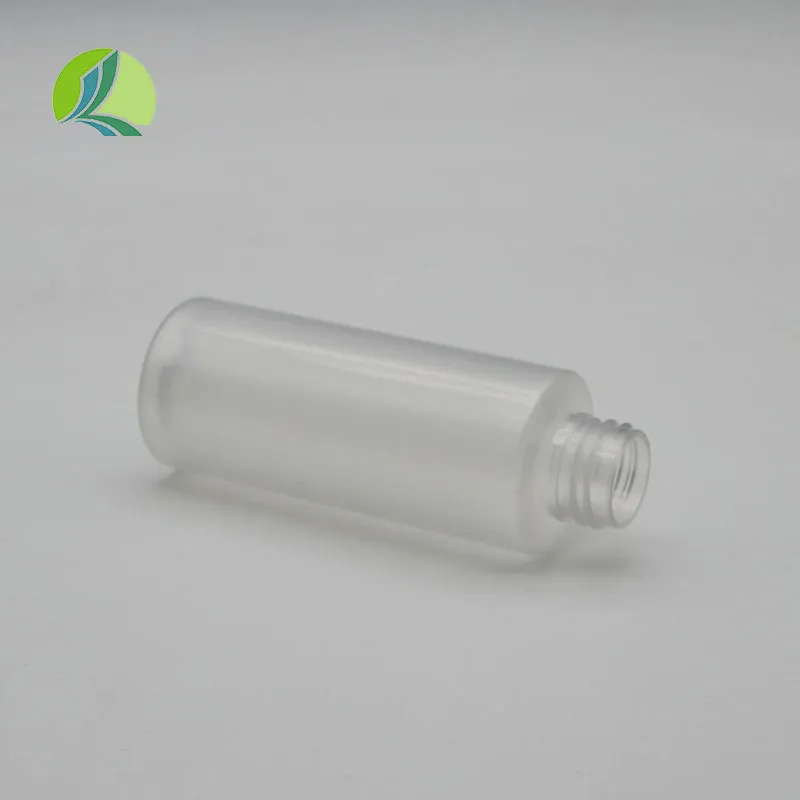
The basic structure of a Plastic Dropper Bottle typically consists of a bottle body, dropper, and cap
The bottle body is responsible for storing liquids and is often made of plastic materials such as polyethylene (PE), polypropylene (PP), etc. These materials have good chemical stability and physical strength, which can effectively prevent the leakage or deterioration of the contents. The dropper is the core component of the plastic eye dropper bottle, which precisely exports the liquid inside the bottle in the form of small droplets through the principle of siphoning or squeezing. The bottle cap is responsible for sealing the bottle mouth, preventing liquid evaporation or contamination, and also playing a role in theft prevention.
The reason why Plastic Dropper Bottle can be widely used in many fields lies in its precise liquid control ability
In the field of medicine, many drugs, especially eye drops, rhinitis drugs, etc., require precise dosage control to ensure efficacy and safety. Plastic bottle with dropper cap can accurately control the number of droplets of liquid, avoiding adverse reactions caused by dosage errors. In the field of chemical engineering, laboratory reagents and certain additives in industrial production often require precise measurement to ensure the accuracy of experimental results and the stability of the production process. The precise control capability of Plastic Dropper Bottle is particularly important in these fields.
Plastic Dropper Bottle also features lightweight and durable characteristics
Compared to glass dropper bottles, Plastic Dropper Bottles are lighter, less prone to breakage, and convenient to carry and transport. Its corrosion resistance is also superior to many metal materials, and it can adapt to the storage and use of various liquids. In addition, the relatively low cost of plastic materials makes the production cost of Plastic Dropper Bottles lower, which is conducive to large-scale production and application.
Plastic Dropper Bottle also faces some challenges
The recycling of plastic materials is increasingly being emphasized, and if not handled properly, discarded small dropper bottles plastic can cause environmental pollution. Therefore, developing recyclable and biodegradable plastic materials, as well as establishing a comprehensive recycling system, are important directions for the future development of Plastic Dropper Bottles. In addition, how to improve the sealing performance of Plastic Dropper Bottle and prevent liquid evaporation or oxidation is also a topic that needs further research.
In summary, LDPE dropper bottles, as a precise and practical container, play an important role in modern society due to their precise liquid control capabilities, lightweight and durable characteristics, and wide applicability. In the future, with the advancement of technology and the improvement of environmental awareness, Plastic Dropper Bottle will continue to innovate in materials, design, and recycling, in order to better serve human production and life.
Plastic Dropper Bottle
What is Plastic Dropper Bottle?
Plastic Dropper Bottle is a small container with a dropper or nozzle, typically made of plastic such as LDPE (low-density polyethylene), HDPE (high-density polyethylene), or PET, used for precise dispensing of liquids. Commonly used in packaging for pharmaceuticals, essential oils, reagents, cosmetics, and other fields.
What are the advantages of Plastic Dropper Bottle compared to Glass Dropper Bottle?
Durable and resistant to impact: not easily broken, suitable for transportation and daily use.
Lightweight: reduces packaging and transportation costs.
Good flexibility: LDPE material can be extruded, making it easy to control the drop volume.
Low cost: suitable for large-scale production, cost-effective.
What liquids is the Plastic Dropper Bottle suitable for?
Medications: Eye drops, oral liquids, essential oil supplements.
Cosmetics: essence, perfume, nail polish.
Laboratory: buffer solution, standard solution (ensuring compatibility of plastic materials).
Food: seasoning oil, edible essence (in line with FDA food grade standards).
How to choose a suitable Plastic Dropper Bottle?
According to liquid properties:
LDPE (semi transparent, soft) is suitable for essential oils and cosmetics.
HDPE (harder, chemically resistant) is suitable for some reagents.
PET (transparent, high pressure resistant) is suitable for beverage refilling.
According to dropper design:
Ordinary dropper: suitable for general liquids.
Long tube dropper: convenient for deep suction of liquid at the bottom of the bottle.
Leak proof design: travel or side placement to prevent leakage.
How to clean and reuse Plastic Dropper Bottle?
Cleaning method: Rinse with warm water and neutral detergent to avoid organic solvents (which may corrode plastics).
Disinfection: Soak in 75% alcohol or disinfect with ultraviolet light (avoid high temperature cooking to prevent deformation).
Reuse restrictions:
It is not recommended to reuse medication bottles to avoid cross contamination.
Cosmetics bottles can be cleaned and filled with similar products.
Laboratory bottles must be ensured to be free of residue to avoid affecting experimental results.
-
Guide to Sourcing High Quality wholesale mister bottles for Businessသတင်းApr.16,2026
-
Top Quality Spray Bottle 100ml Suppliers for Your Business Needsသတင်းApr.09,2026
-
Comprehensive Guide to Pet Spray Bottle Manufacturers and Packaging Solutionsသတင်းApr.07,2026
-
Comprehensive Guide to Finding Reliable Perfume Sprayers Suppliersသတင်းApr.04,2026
-
Comprehensive Guide to Wholesale Mini Spray Bottles for Various Applicationsသတင်းMar.31,2026
-
Comprehensive Guide to Sourcing Mini Plastic Spray Bottles Bulk for Your Businessသတင်းMar.28,2026