




وائرس نموني ٽيوب


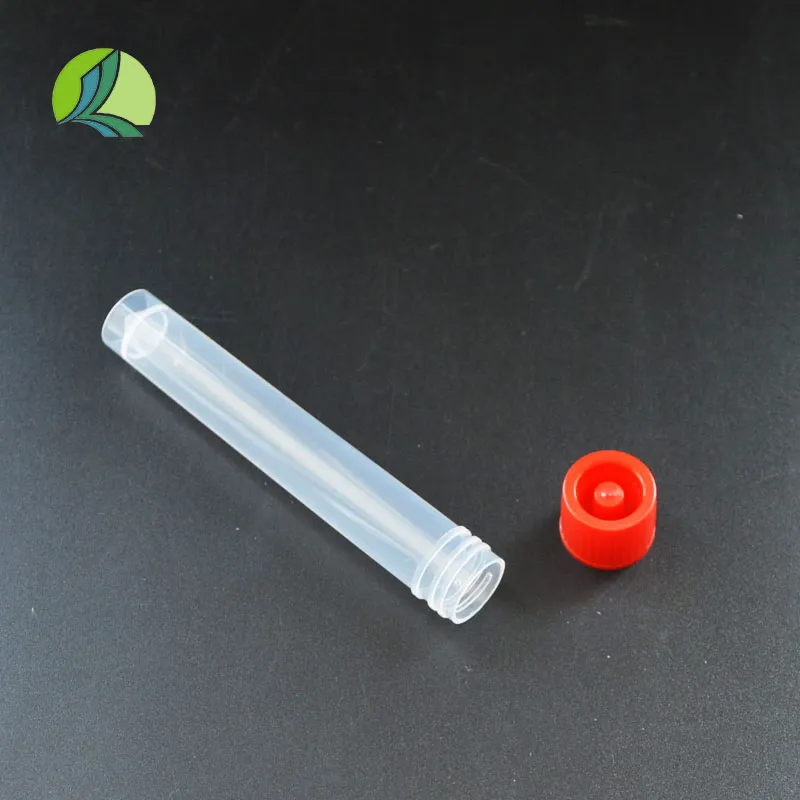
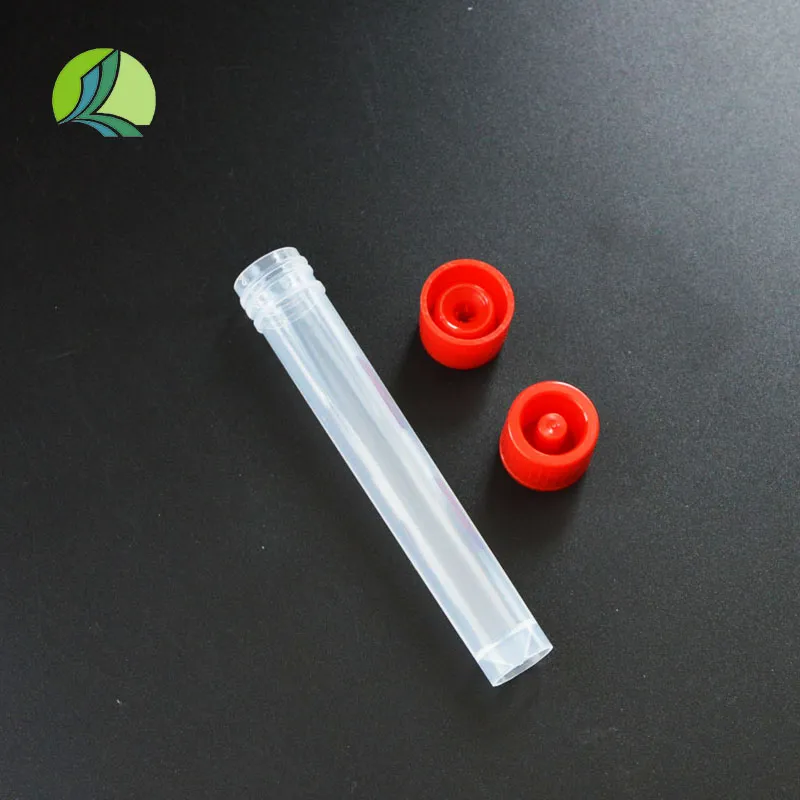
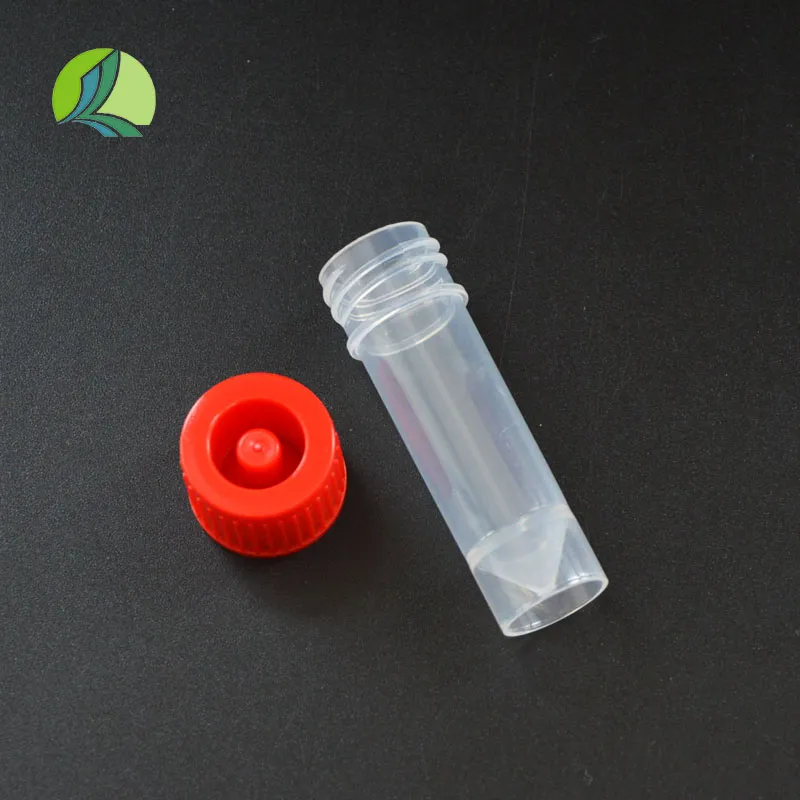
Sampling tube wall and tube cover thickening design, resistant to static extrusion and dynamic impact. Bottom cone design, resistance to centrifugation and shock. Bottle cap inner leakproof ring and bottle cap bottom leakproof design, double insurance, prevent leakage. Ensure that samples do not leak during transportation. In accordance with United Nations UN2814SHENGWU safety regulations.
The tube body and tube cover are polypropylene material, high temperature and high pressure (121℃, 15min) without deformation and low temperature (-80℃) unchanged brittleness. There is no leakage during storage to ensure that the sample does not leak during storage. In line with UN biosafety regulations.
- No pyrogen, no DNA, no RNA enzyme in the tube body and cap. The toxicity residue test meets the standard and is not toxic to the sample. Ensure that the sample tube itself is not toxic to the sample.
Fully compatible or semi-automatic microbial detection workstation, the product can stand (the bottom conical leak-proof design, with skirt can stand,) suitable specifications, easy to use and save.
The unique horn design, so that the sampling tube can be automatically inserted into the cover with the tube cover rotation.
1.Virus detection cassette were divided into single strip, two strips, three strips and so on. It is widely used in rapid detection of HIV, HCG, coronavirus, rabies virus, etc.
- 2.No pyrogen, no DNA, no RNA enzyme. The assembly bending deformation is less than 0.3mm.
3.Label customization. An independent and non-repetitive QR code on each cassette.

What Is a Virus Sample Tube and How Is It Used in Medical Testing
A virus sample tube is a specialized container designed for collecting, preserving, and transporting biological samples that may contain viruses. These tubes are commonly used in medical testing, diagnostic laboratories, and public health investigations. They play a crucial role in ensuring that viral specimens remain stable and uncontaminated from the moment of collection until laboratory analysis. Virus sample tubes are typically made of medical-grade plastic and are designed to be sterile, leak-proof, and easy to handle during sample collection and transportation.
A standard virus sample tube usually contains a transport medium that helps preserve viral particles and maintain their stability during storage and transportation. This medium often includes balanced salts, proteins, and antimicrobial agents that prevent bacterial or fungal contamination. By maintaining the integrity of the sample, the transport medium allows laboratory technicians to accurately detect and analyze viruses through various diagnostic methods.
In medical testing, virus sample tubes are commonly used for collecting respiratory samples, throat swabs, nasal swabs, and other biological specimens. Healthcare professionals collect the sample using a sterile swab and then place the swab into the virus sample tube containing the preservation solution. After sealing the tube securely, the sample can be transported to a laboratory for further testing.
Once the sample reaches the laboratory, scientists can perform different types of diagnostic tests to identify the presence of viral pathogens. Techniques such as polymerase chain reaction (PCR), antigen testing, and viral culture are often used to detect viruses and determine their characteristics. The virus sample tube ensures that the collected specimen remains stable throughout the process, which is essential for obtaining reliable diagnostic results.
Virus sample tubes are widely used in hospitals, clinics, public health laboratories, and testing centers. During disease outbreaks or pandemics, these tubes become particularly important because they allow medical professionals to collect large numbers of samples efficiently and safely. Accurate testing helps healthcare systems identify infected individuals, track the spread of viruses, and implement appropriate treatment or containment measures.
In addition to their use in disease diagnosis, virus sample tubes also help protect healthcare workers and laboratory personnel. Their sealed and leak-resistant design reduces the risk of accidental exposure to infectious materials. Many tubes are also designed to comply with international standards for the safe transportation of biological samples.
Overall, virus sample tubes are essential tools in modern medical testing. By providing a reliable method for collecting and preserving viral specimens, they help ensure accurate laboratory analysis and support effective disease detection and control.
Applications of Virus Sample Tubes in Clinical and Research Laboratories
Virus sample tubes are widely used in both clinical and research laboratories for the collection, preservation, and analysis of viral specimens. These tubes are designed to maintain the stability of virus-containing samples during storage and transportation, making them essential tools for medical diagnostics, scientific research, and public health monitoring.
In clinical laboratories, virus sample tubes are primarily used for diagnostic testing. Healthcare providers collect patient samples, such as nasal swabs, throat swabs, or saliva samples, and place them into virus sample tubes containing a special transport medium. This medium protects the virus particles and prevents contamination by bacteria or other microorganisms. Once the sample reaches the laboratory, technicians can perform various tests to determine whether a virus is present.
One of the most common laboratory methods used with virus samples is molecular testing. Techniques such as polymerase chain reaction (PCR) allow scientists to detect viral genetic material with high sensitivity and accuracy. Virus sample tubes help preserve the integrity of the viral RNA or DNA, ensuring that the laboratory results are reliable. These tests are widely used for diagnosing respiratory infections and other viral diseases.
Virus sample tubes also play an important role in epidemiological surveillance. Public health laboratories use them to collect samples during disease outbreaks in order to monitor the spread of infections. By analyzing samples from different regions or populations, researchers can identify patterns of transmission and detect emerging viral strains. This information is essential for developing effective prevention strategies and guiding public health responses.
In research laboratories, virus sample tubes support a wide range of scientific studies. Researchers studying virology often collect viral samples from patients, animals, or environmental sources. These samples may be used to analyze viral structure, genetic mutations, and replication mechanisms. Proper sample preservation is essential for maintaining the accuracy of these studies, and virus sample tubes provide a reliable storage solution.
Pharmaceutical and biotechnology laboratories also use virus sample tubes when developing antiviral drugs and vaccines. Scientists may store virus samples for experiments that evaluate how different treatments interact with viral particles. The secure design of these tubes ensures that samples remain uncontaminated and stable during laboratory handling.
Another important application is long-term storage of viral samples for reference purposes. Some laboratories maintain collections of virus samples that can be used for future research or comparative analysis. Virus sample tubes, especially when stored at low temperatures, help preserve these samples for extended periods.
In summary, virus sample tubes are indispensable in both clinical diagnostics and scientific research. They ensure safe and stable sample collection, support accurate laboratory testing, and facilitate important research on viral diseases. Their role in preserving sample quality makes them a fundamental component of modern laboratory practices.
sample tube
tubes for sample collection
types of sample collection tubes
virus sample tube
what is a test tube used for