-
 Afrikaans
 -
 Albanian
 -
 Amharic
 -
 Arabic
 -
 Armenian
 -
 Azerbaijani
 -
 Basque
 -
 Belarusian
 -
 Bengali
 -
 Bosnian
 -
 Bulgarian
 -
 Catalan
 -
 Cebuano
 -
 Corsican
 -
 Croatian
 -
 Czech
Czech -
 Danish
 -
 Dutch
Dutch -
 English
 -
 Esperanto
 -
 Estonian
 -
 Finnish
 -
 French
 -
 Frisian
 -
 Galician
 -
 Georgian
 -
 German
 -
 Greek
Greek -
 Gujarati
 -
 Haitian Creole
 -
 hausa
hausa -
 hawaiian
 -
 Hebrew
 -
 Hindi
Hindi -
 Miao
Miao -
 Hungarian
 -
 Icelandic
 -
 igbo
igbo -
 Indonesian
 -
 irish
irish -
 Italian
 -
 Japanese
 -
 Javanese
 -
 Kannada
 -
 kazakh
 -
 Khmer
Khmer -
 Rwandese
 -
 Korean
 -
 Kurdish
 -
 Kyrgyz
 -
 Lao
Lao -
 Latin
Latin -
 Latvian
 -
 Lithuanian
 -
 Luxembourgish
 -
 Macedonian
 -
 Malgashi
 -
 Malay
Malay -
 Malayalam
 -
 Maltese
 -
 Maori
Maori -
 Marathi
 -
 Mongolian
 -
 Myanmar
 -
 Nepali
 -
 Norwegian
 -
 Norwegian
 -
 Occitan
 -
 Pashto
 -
 Persian
 -
 Polish
 -
 Portuguese
 -
 Punjabi
 -
 Romanian
 -
 Russian
 -
 Samoan
 -
 Scottish Gaelic
 -
 Serbian
 -
 Sesotho
 -
 Shona
Shona -
 Sindhi
 -
 Sinhala
 -
 Slovak
 -
 Slovenian
 -
 Somali
 -
 Spanish
 -
 Sundanese
 -
 Swahili
 -
 Swedish
 -
 Tagalog
 -
 Tajik
Tajik -
 Tamil
Tamil -
 Tatar
Tatar -
 Telugu
 -
 Thai
Thai -
 Turkish
 -
 Turkmen
 -
 Ukrainian
 -
 Urdu
Urdu -
 Uighur
 -
 Uzbek
Uzbek -
 Vietnamese
 -
 Welsh
Welsh -
 Bantu
Bantu -
 Yiddish
 -
 Yoruba
 -
 Zulu
Zulu
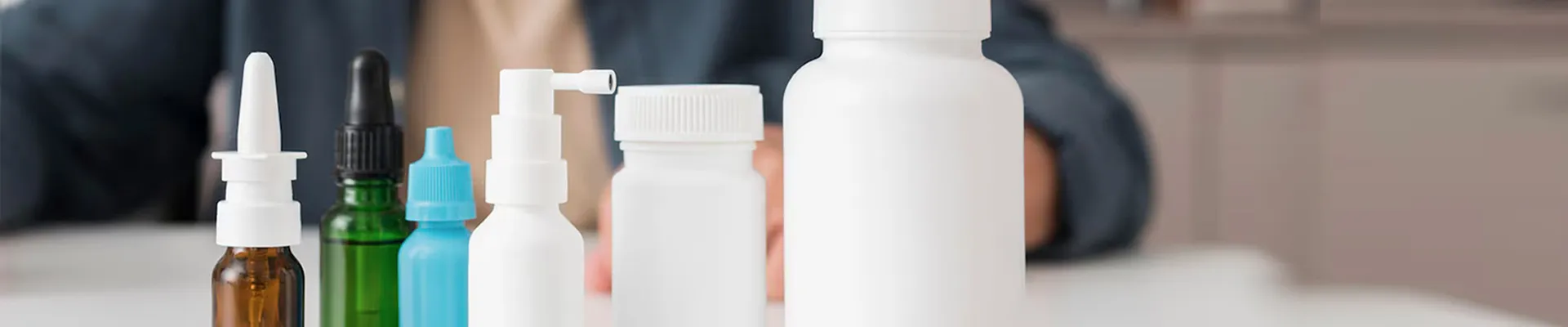


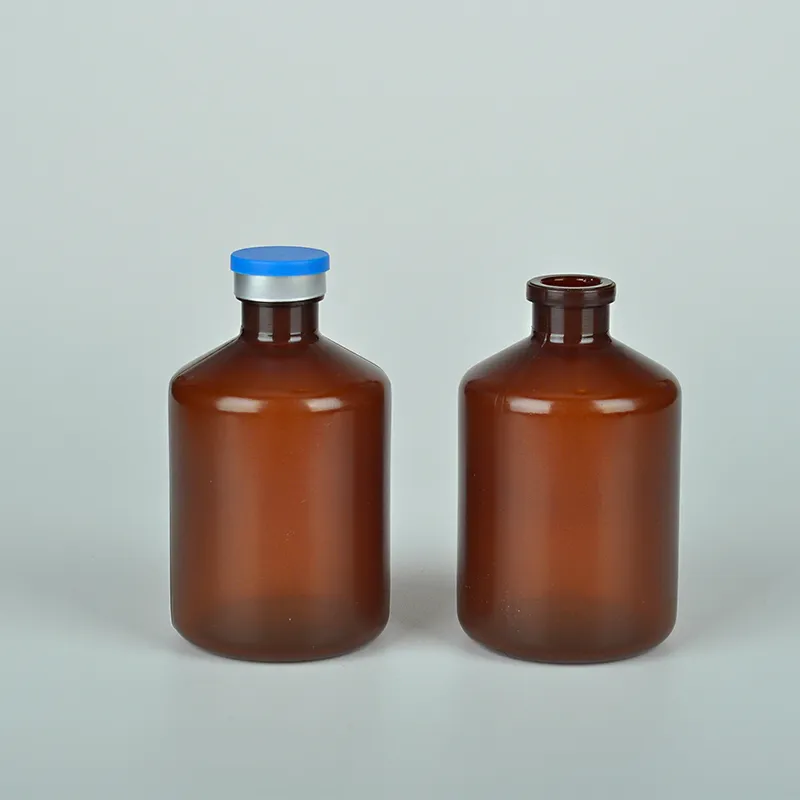
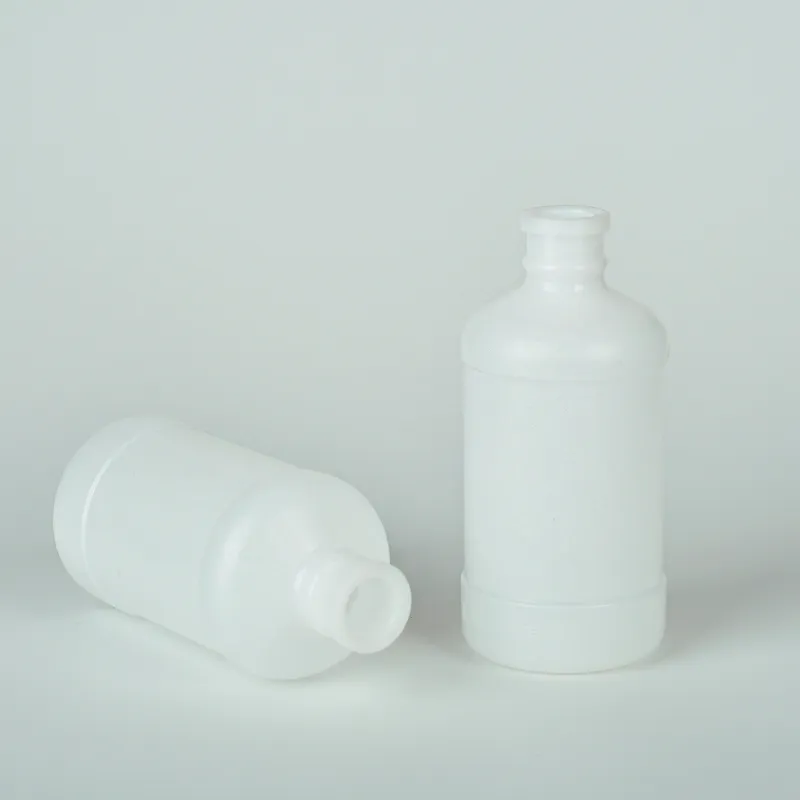
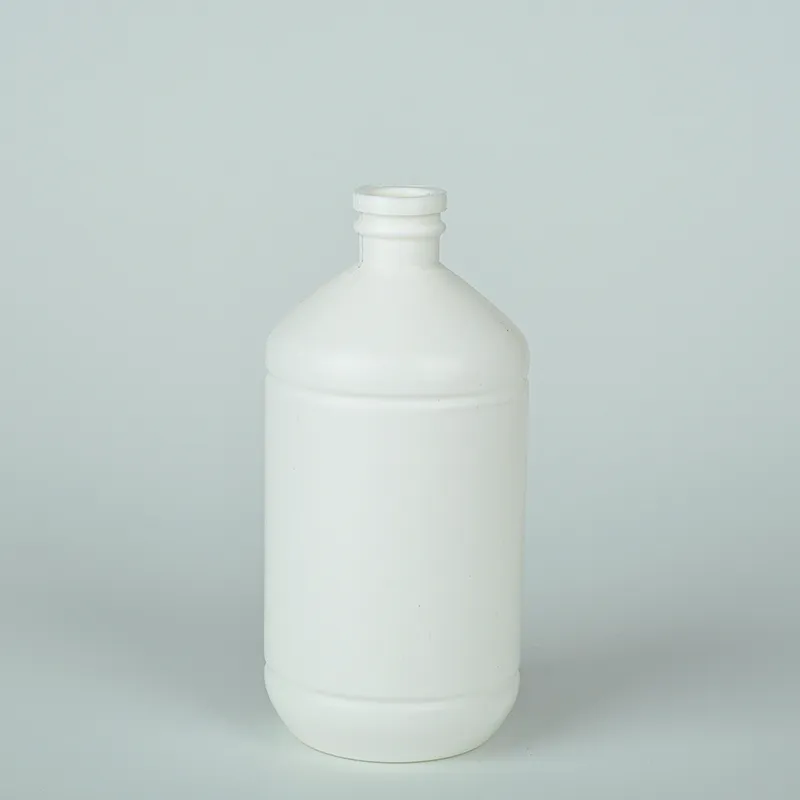
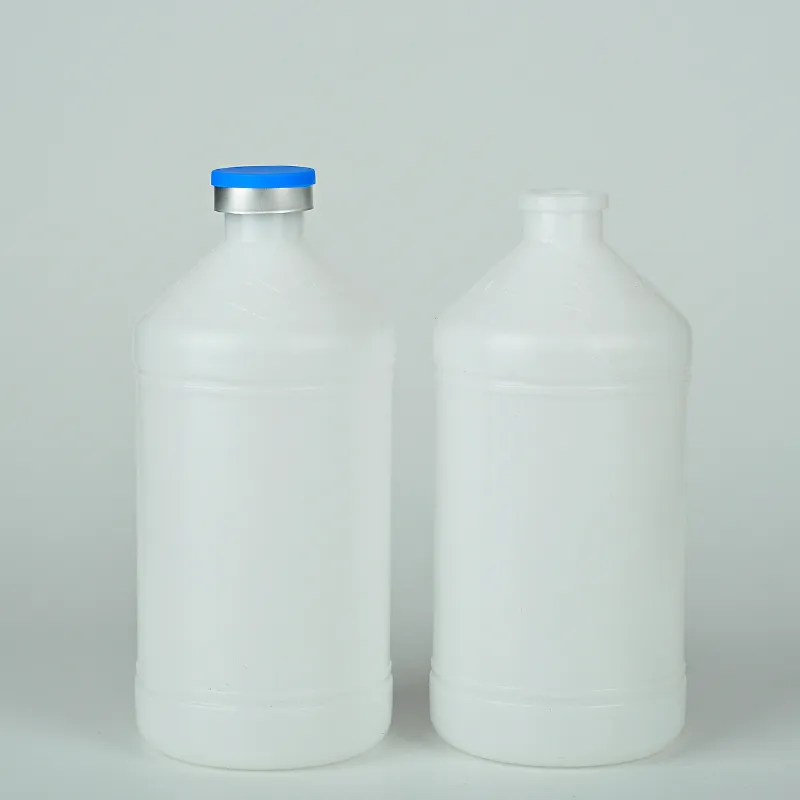
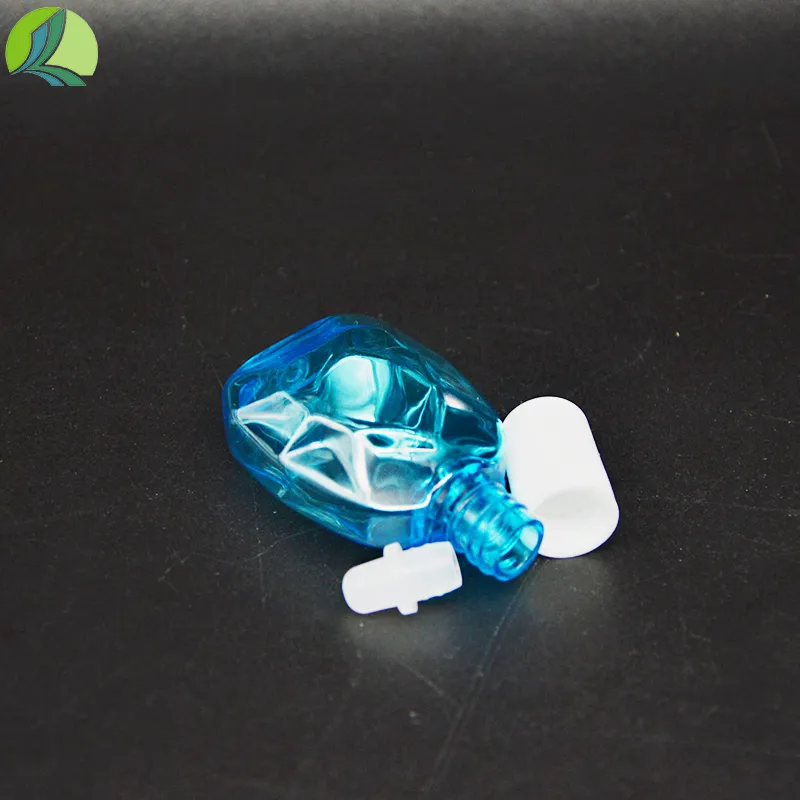
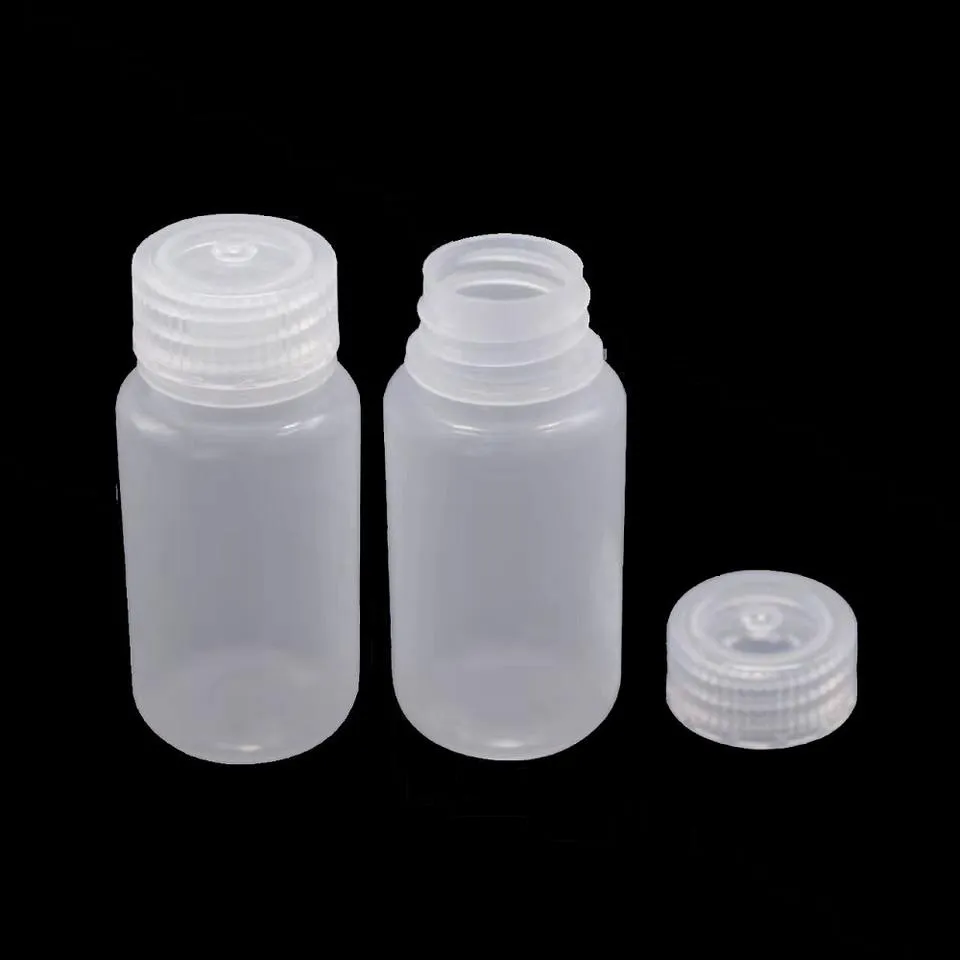
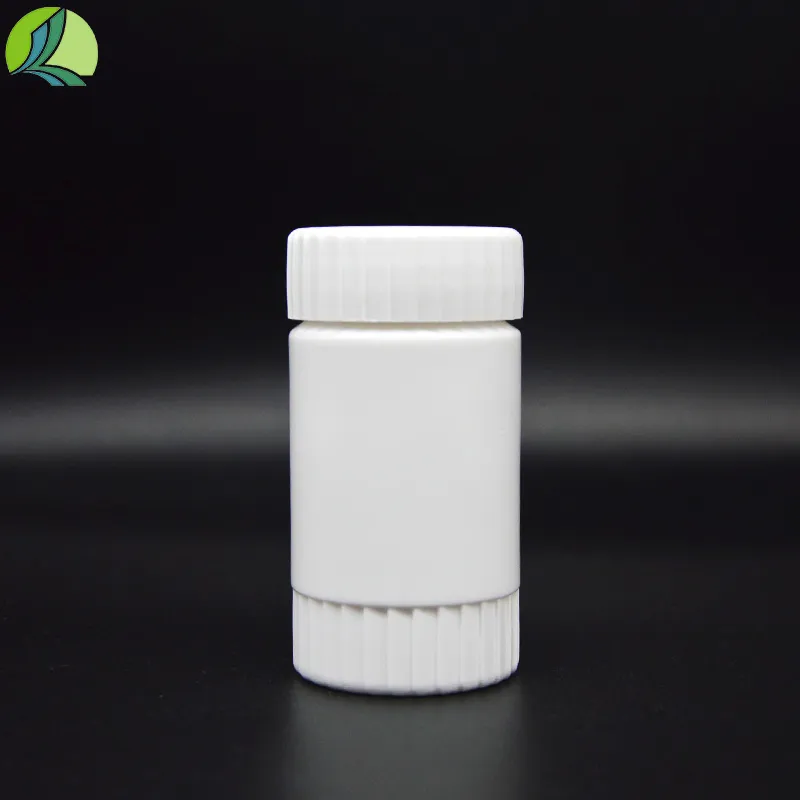
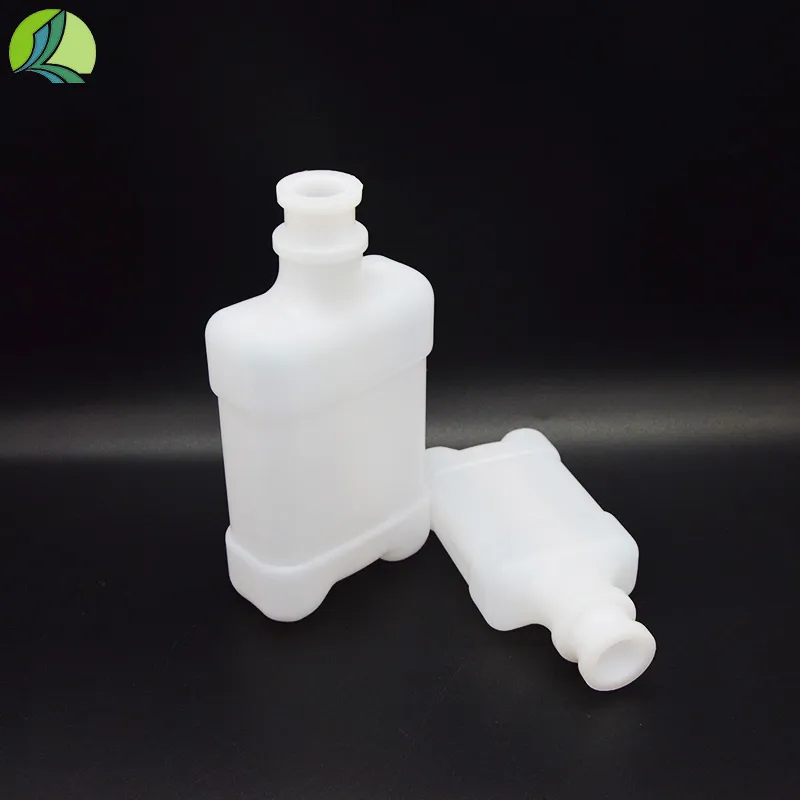
Innovative Plastic Vaccine Vials
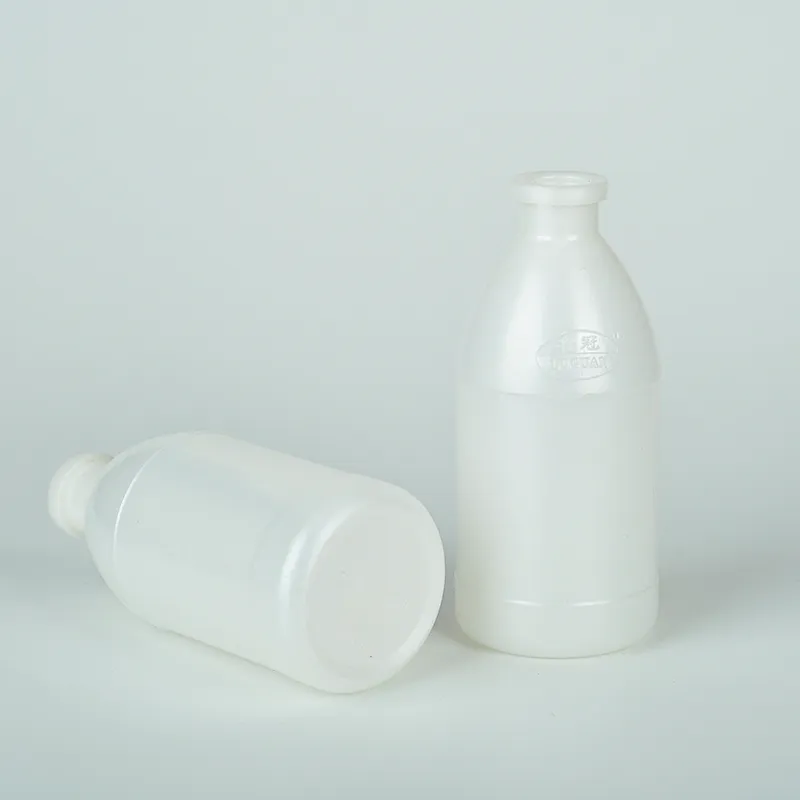
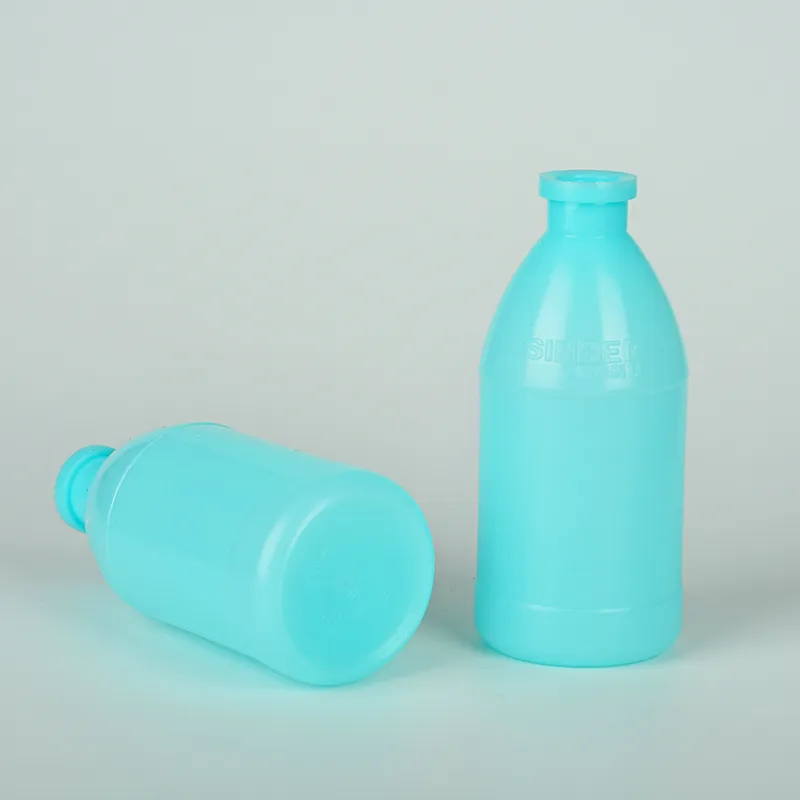
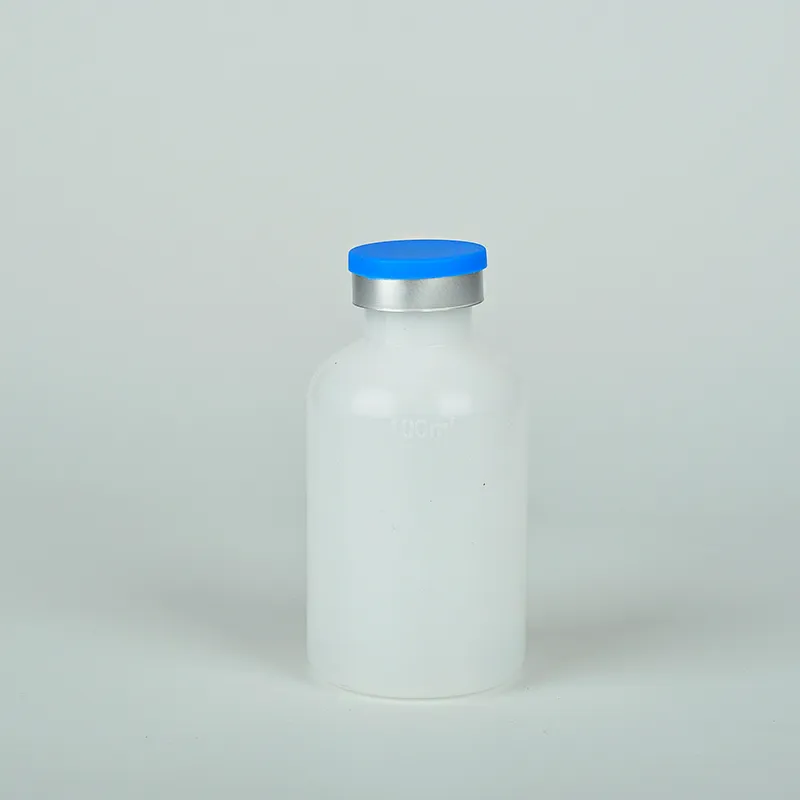
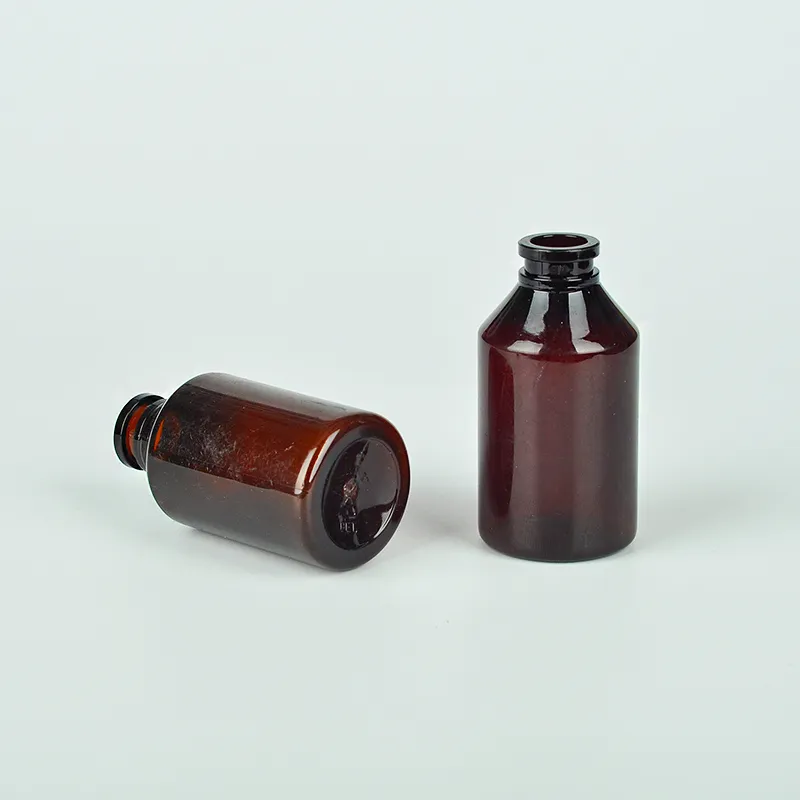
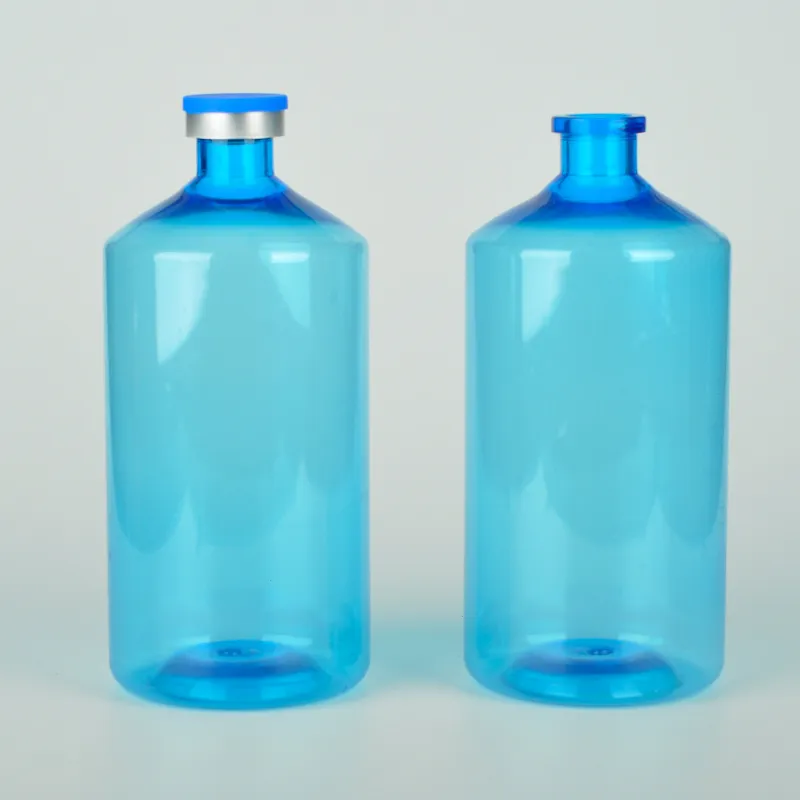
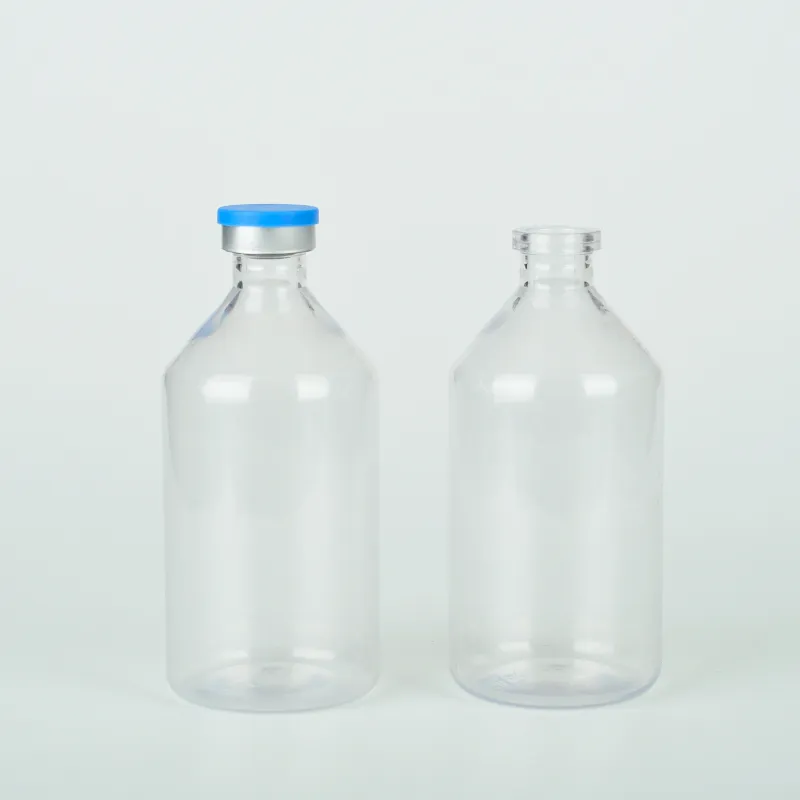
The global healthcare industry is undergoing a significant transformation, driven by a demand for safer, more efficient, and cost-effective solutions. At the heart of this evolution is a crucial component: the plastic vaccine vials that store, protect, and preserve life-saving vaccines. These small but critical containers are no longer just passive packaging—they are active contributors to global health infrastructure.
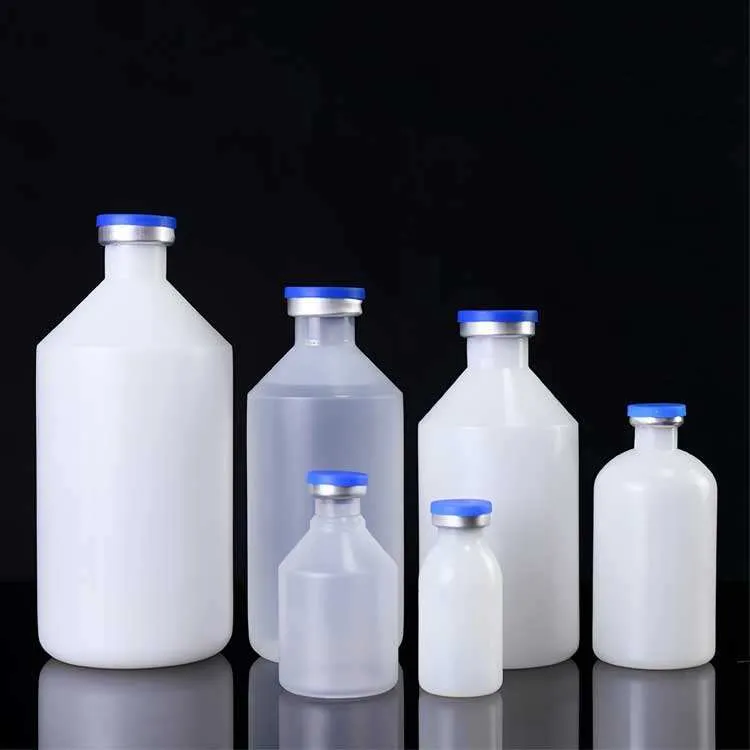
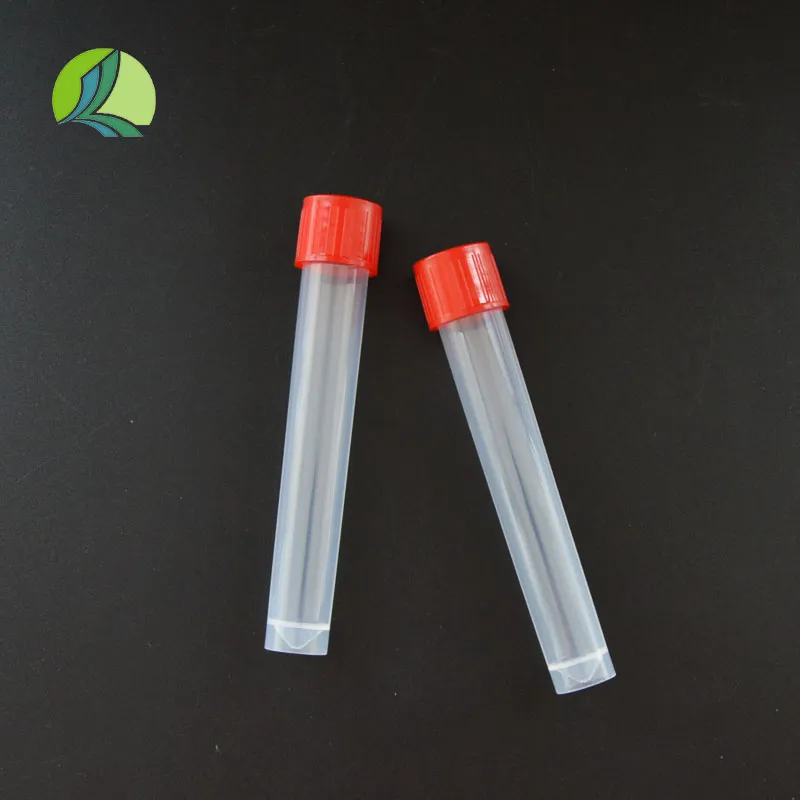
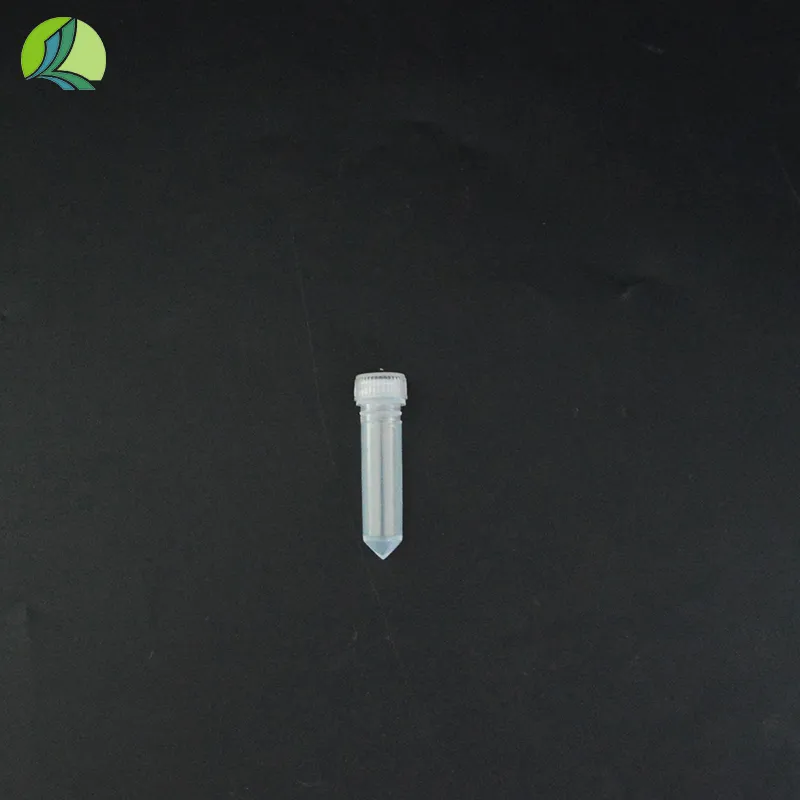
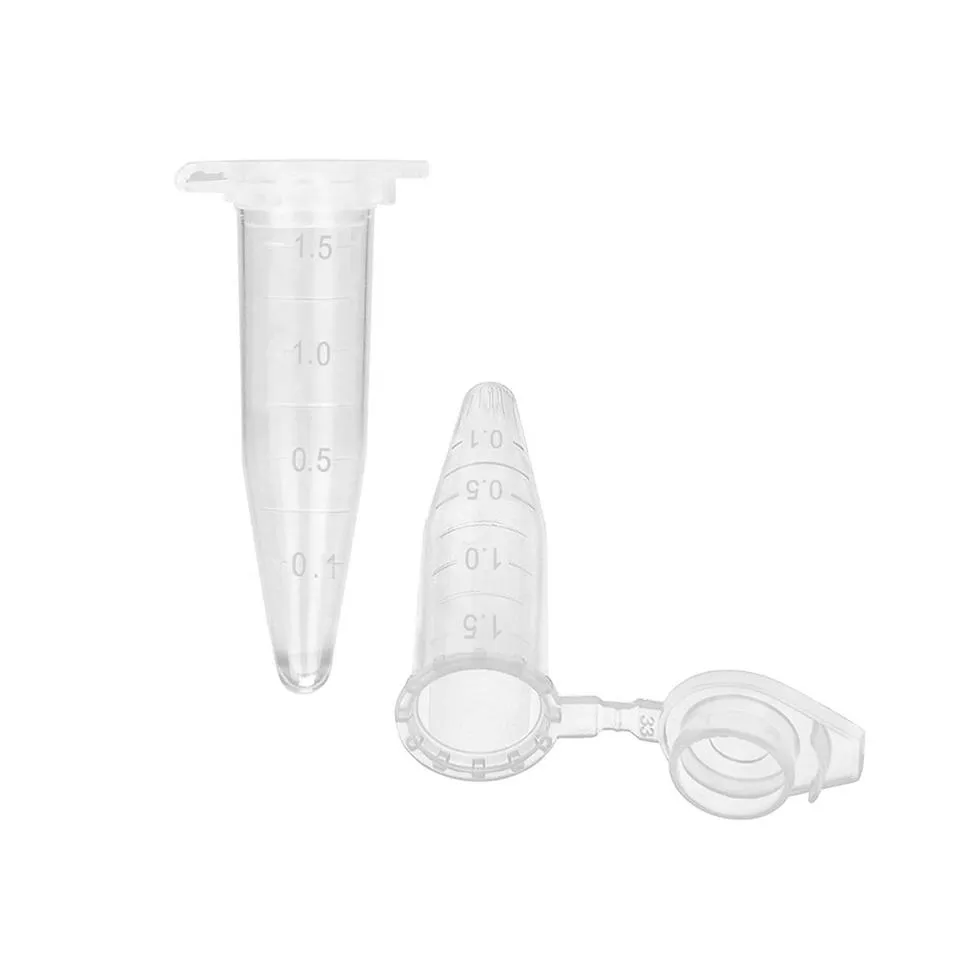
Traditional glass vials have long been used for vaccine storage, but challenges such as breakage, higher production costs, and fragile transportation logistics have prompted a shift toward modern materials. Enter the plastic vaccine vials, which offer durability, lightweight characteristics, and improved thermal resistance. These vials are engineered using advanced polymers that meet rigorous medical-grade standards, making them suitable for everything from mRNA COVID-19 vaccines to routine immunization programs.
Plastic vaccine vials minimize contamination risks, enable smoother filling processes, and are designed to be compatible with existing pharmaceutical equipment. Their versatility and customizability make them ideal for small-dose, single-use packaging as well as multi-dose requirements. Furthermore, with global vaccination initiatives expanding across continents, plastic vials offer a logistics-friendly solution that supports rapid, large-scale distribution.
Benefits of Plastic Vaccine Bottle Solutions in Global Healthcare
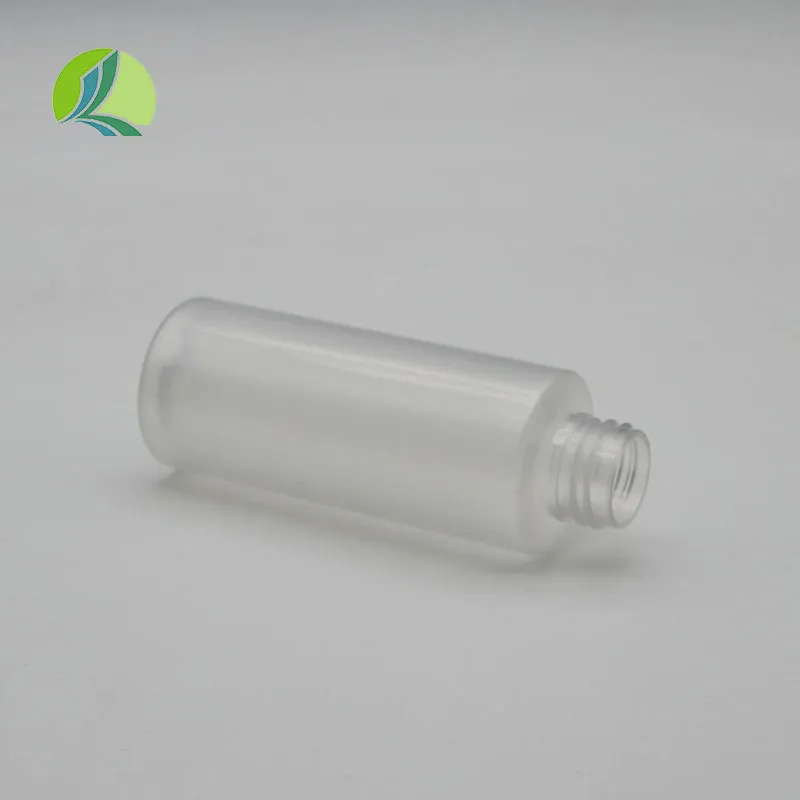
As healthcare providers and pharmaceutical companies prioritize safety, efficiency, and sustainability, the plastic vaccine bottle has emerged as a game-changing packaging solution. Designed for long-term vaccine stability, resistance to extreme temperatures, and tamper-evident sealing, these bottles are a superior alternative to traditional packaging formats. Whether used in field operations, hospitals, or clinics, their resilience ensures that the integrity of vaccines remains intact from factory to patient.
One of the greatest advantages of the plastic vaccine bottle is its break-resistant construction. Unlike glass bottles that are prone to shattering under pressure or during transport, plastic bottles provide unmatched safety in even the most demanding environments. They also weigh significantly less, allowing for reduced transportation costs and easier handling during immunization drives.
Furthermore, the plastic vaccine bottle supports automation in the filling and packaging process. Designed for compatibility with high-speed filling lines and automatic capping systems, they enhance operational efficiency. Many bottles come with pre-formed necks and calibrated dimensions to ensure seamless integration into existing pharmaceutical infrastructure.
Environmental concerns are also being addressed through the use of recyclable and biodegradable plastics in some bottle designs. This aligns with the healthcare sector’s increasing commitment to reducing its carbon footprint while maintaining uncompromised patient safety. The adoption of plastic vaccine bottle technologies is not just a packaging upgrade—it's a step toward more accessible, equitable healthcare worldwide.
How Plastic Vaccine Vials Are Shaping the Future of Immunization Programs
Mass immunization efforts depend on efficiency, cost-effectiveness, and scalability. In this regard, plastic vaccine vials are revolutionizing how public health agencies and pharmaceutical manufacturers approach vaccine delivery. Especially in developing countries, where storage, transport, and infrastructure challenges are pronounced, these vials offer a practical and durable solution to vaccine distribution.
The durability of plastic vaccine vials ensures minimal breakage in harsh conditions. Their lightweight design facilitates bulk transport without significant freight costs. When compared to glass vials, plastic alternatives can reduce shipping weight by up to 50%, leading to enormous logistical and economic benefits—particularly during emergency vaccine rollouts.
Moreover, plastic materials used in vaccine vials are carefully selected to ensure that they are non-reactive with various vaccine types. Whether for protein-based, viral vector, or mRNA vaccines, plastic vaccine vials are engineered with high barrier properties to protect against light, moisture, and oxygen intrusion, which can degrade vaccine efficacy.
These vials are also often used in conjunction with smart labeling and serialization technologies, supporting track-and-trace systems vital for managing global vaccine inventories. As more vaccines enter the pipeline, the versatility of plastic vaccine vials will be essential in handling complex distribution needs across diverse geographic regions and climates.
Sustainability and Sterility: Advantages of Plastic Vaccine Bottle Technology
Sustainability has become a central theme in modern pharmaceutical manufacturing. The plastic vaccine bottle offers several green advantages without compromising sterility or quality. While plastic may traditionally be associated with environmental concerns, recent innovations in medical-grade polymers and recycling technologies have significantly changed the narrative.
The newest generation of plastic vaccine bottle solutions incorporates materials that are fully recyclable or made from post-consumer resins. Some manufacturers are even experimenting with bioplastics derived from renewable sources like corn starch or sugarcane. These innovations reduce dependency on petroleum-based plastics and help decrease the carbon footprint of vaccine production and distribution.
Sterility is a critical component of any vaccine packaging system. The plastic vaccine bottle can be sterilized using various methods, including gamma irradiation, ethylene oxide, and autoclaving. The ability of plastic to withstand these processes without losing structural integrity makes it a superior choice in medical packaging. Moreover, tamper-evident caps, security seals, and pre-sterilized options ensure that vaccines remain protected throughout their shelf life.
The scalability of plastic production also plays into sustainability. Compared to glass, plastic bottles require less energy to manufacture and are more adaptable to rapid production scale-ups. This has proven invaluable during global health emergencies, when billions of doses must be delivered quickly and safely.
Why Pharmaceutical Companies Are Switching to Plastic Vaccine Vials and Bottles
As the pharmaceutical industry continues to innovate, the demand for packaging solutions that align with efficiency, safety, and compliance grows stronger. More pharmaceutical companies are turning to plastic vaccine vials and plastic vaccine bottles because of their ability to support flexible production workflows, lower overhead costs, and streamline the supply chain.
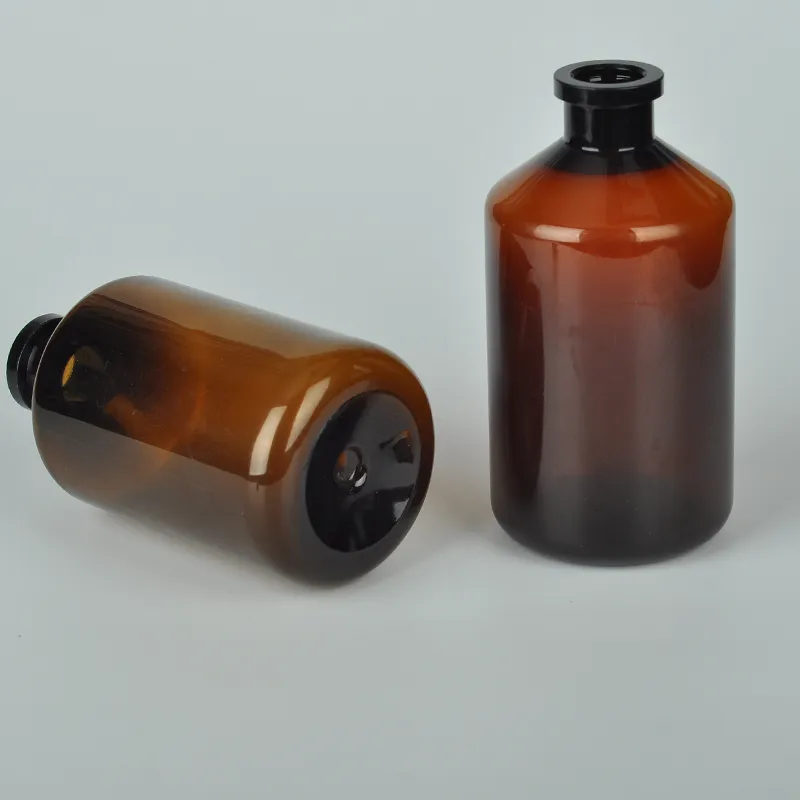
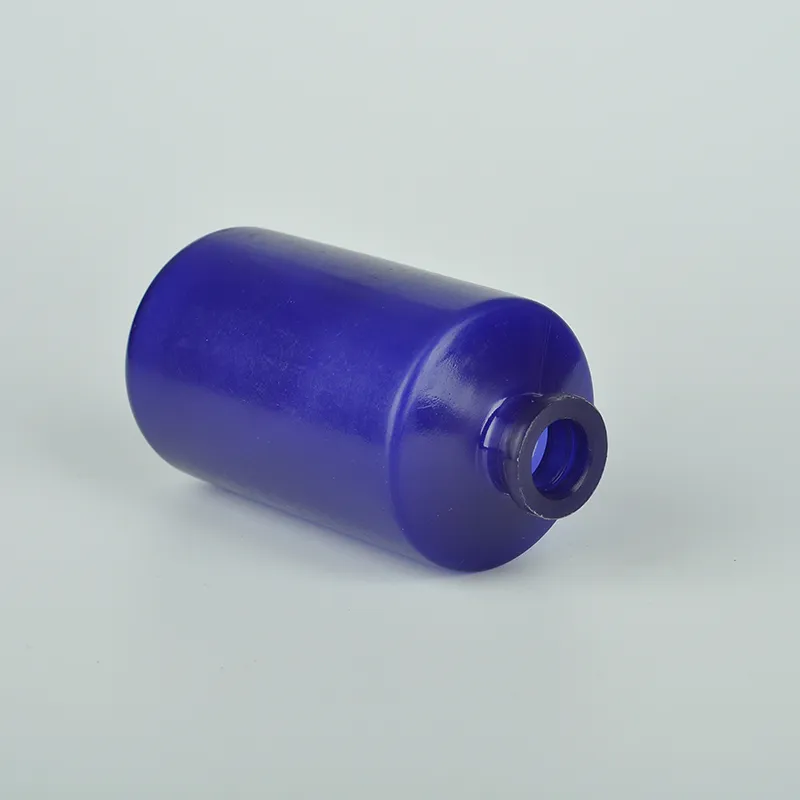
Pharmaceutical companies benefit from plastic’s customizable nature. Plastic vaccine vials can be manufactured in a variety of sizes, colors, and configurations, catering to specific storage requirements and brand preferences. Whether it's a single-dose vial with a sealed cap or a multi-dose bottle with a resealable stopper, plastic allows for tailored solutions that glass simply cannot offer.
In addition, the risk of particulate contamination from glass delamination—a concern particularly with acidic or buffered vaccines—is eliminated with plastic. Plastic vaccine bottles offer inert surfaces that do not interact with their contents, maintaining vaccine purity and efficacy throughout their lifecycle.
Furthermore, companies are leveraging the compatibility of plastic packaging with digital health tools. RFID chips, QR codes, and NFC tags can be easily integrated into plastic vials and bottles to provide real-time inventory management, anti-counterfeiting protection, and patient tracking capabilities.
As regulatory agencies worldwide continue to approve plastic-based vaccine containers, and as clinical trials support their safety and effectiveness, plastic vaccine vials and plastic vaccine bottles are becoming the gold standard in pharmaceutical packaging.
Plastic vaccine vials FAQs
Are plastic vaccine vials as safe as glass ones?
Yes, plastic vaccine vials made from medical-grade polymers are just as safe, if not safer, than glass vials. They undergo strict regulatory compliance tests for sterility, chemical resistance, and structural integrity. Unlike glass, plastic does not shatter, reducing contamination risks during transport or handling. In addition, plastic vials can be sterilized and sealed effectively to maintain vaccine potency.
Do plastic vaccine bottles react with vaccine ingredients?
No, high-quality plastic vaccine bottles are manufactured using inert, non-reactive materials such as cyclic olefin copolymers (COC) or polypropylene (PP). These materials are selected specifically for their compatibility with sensitive biological formulations. Manufacturers conduct compatibility testing to ensure the materials do not leach or compromise the stability of the vaccine.
Are plastic vaccine vials approved by health authorities?
Yes, several plastic vaccine vials have been approved by regulatory bodies including the U.S. FDA, EMA, and WHO. As long as the vial design meets the necessary specifications for sterility, dosage accuracy, and chemical compatibility, it can be approved for medical use. Many vaccine manufacturers now offer both glass and plastic options, depending on their global distribution strategies.
How do plastic vaccine bottles contribute to sustainability?
Plastic vaccine bottles contribute to sustainability by using less energy during manufacturing, offering recyclable or biodegradable options, and reducing the weight of shipments, which cuts down on fuel consumption. Some are even made from post-consumer recycled content or bioplastics, making them part of a circular economy in healthcare packaging.
Can plastic vaccine vials be used for cold chain storage?
Absolutely. Plastic vaccine vials are engineered to withstand extreme temperatures, including the ultra-cold environments required for certain vaccines like mRNA-based formulations. Advanced polymers ensure that the structure and sealing mechanisms of the vials remain intact, even when stored at -70°C or lower.
-
Guide to Sourcing High Quality wholesale mister bottles for BusinessHabarlarApr.16,2026
-
Top Quality Spray Bottle 100ml Suppliers for Your Business NeedsHabarlarApr.09,2026
-
Comprehensive Guide to Pet Spray Bottle Manufacturers and Packaging SolutionsHabarlarApr.07,2026
-
Comprehensive Guide to Finding Reliable Perfume Sprayers SuppliersHabarlarApr.04,2026
-
Comprehensive Guide to Wholesale Mini Spray Bottles for Various ApplicationsHabarlarMar.31,2026
-
Comprehensive Guide to Sourcing Mini Plastic Spray Bottles Bulk for Your BusinessHabarlarMar.28,2026