




Beyaz Plastik Veteriner İlaç Aşı Flakonu Hayvan Laboratuvarı Sıvı Asılı Şişe
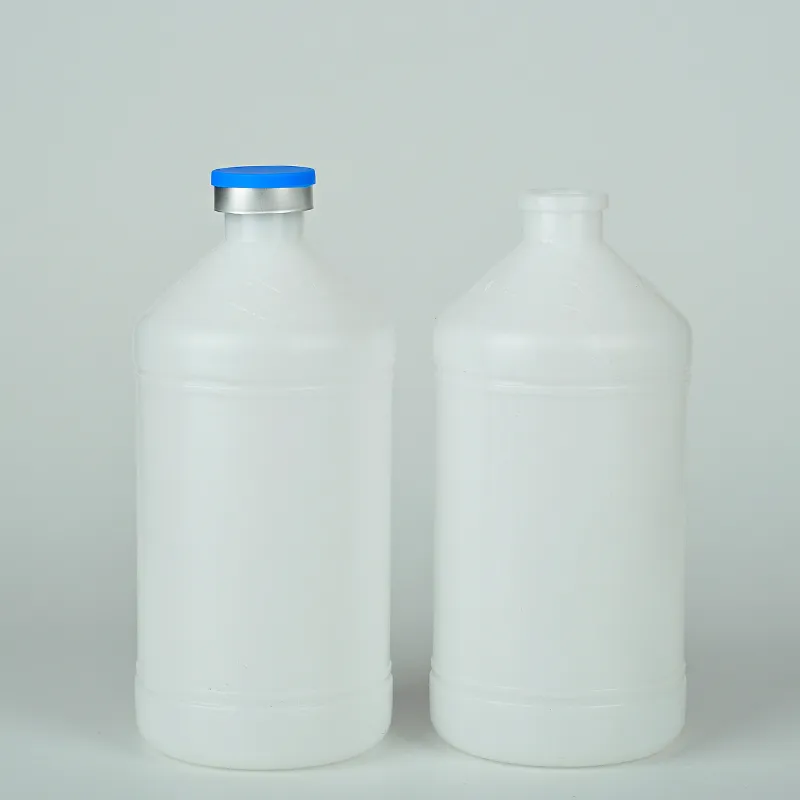
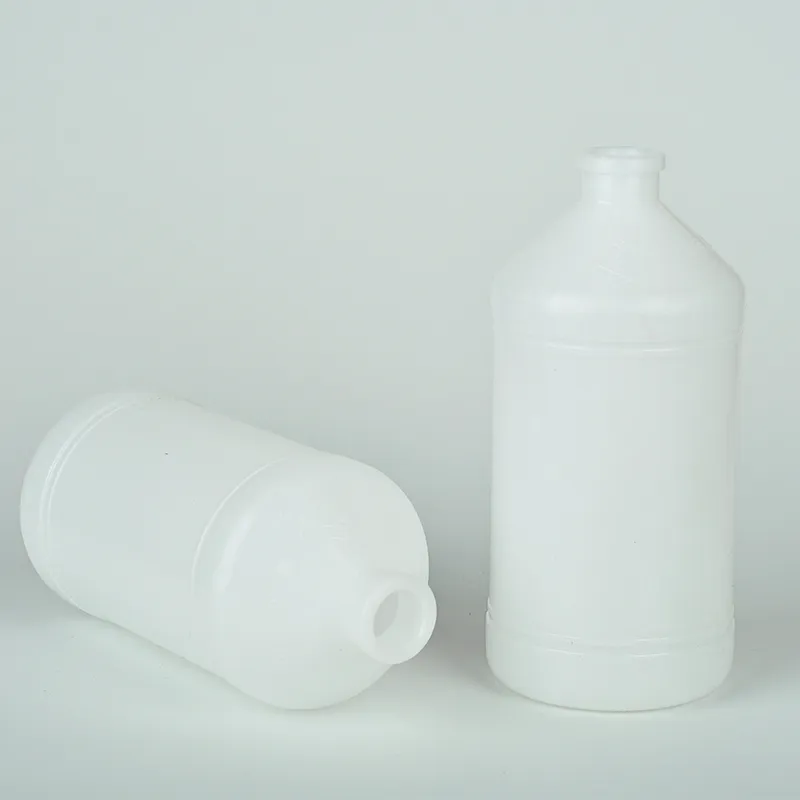
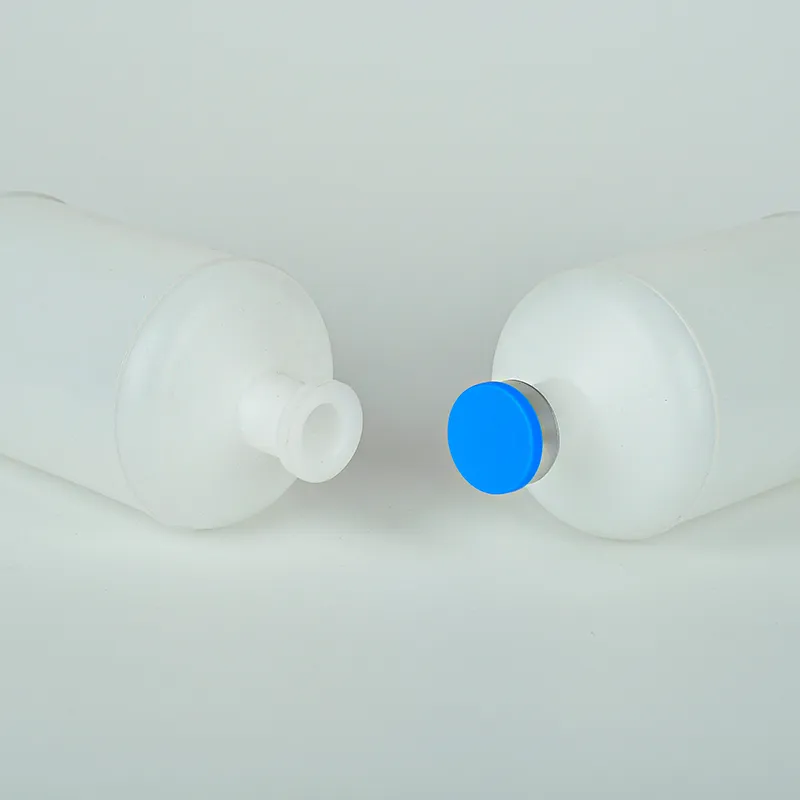
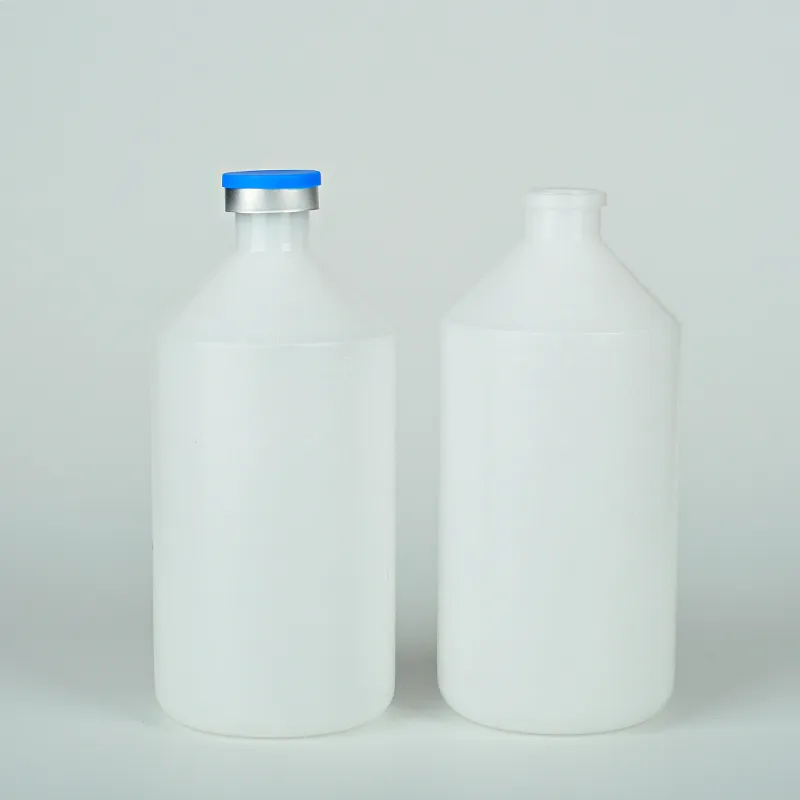
Aşı plastik şişesi üreticileri, plastik aşı şişeleri üretmek için enjeksiyonlu üfleme işlemini kullanır, şişe görünümü güzel ve cömerttir, şişe gövdesi düzgün ve tekdüzedir, bu nedenle aşı şişeleri üretmek için enjeksiyonlu üfleme becerilerinin kullanımına öncelik verilmelidir.
Aşı şişesinin rengi renksiz ve şeffaf, kahverengi ve şeffaftır, genleşme katsayısı düşüktür, sıvı ilaçla iyi uyum sağlar, asit, alkali ve ısı direnci iyidir.
Aşı ilacı plastik şişesi Weikang ilaç ambalajının ana ürünlerinden biridir, firmamız tarafından üretilen aşı şişesi tekdüze renkte, pürüzsüz yüzeye sahiptir, temizlemeden, kurutmadan doğrudan aşı ilacı ambalajı için kullanılabilir, mükemmel bir farmasötik ambalaj kabıdır. Aşı tıbbi plastik şişelerin üretiminden bu yana çok fazla müşteri desteği ve güveni olmuş, üreticilerimiz de müşterilerin güvenini sonuna kadar yaşatmakta, üretim sürecinde her detay için çalışmalarını güçlendirmektedir.
White Plastic Veterinary Medicine Vaccine Vial: Ideal Solution for Animal Liquid Medicine
White plastic veterinary medicine vaccine vials are essential tools for the safe storage, handling, and administration of liquid vaccines in both laboratory and animal healthcare settings. These vials are specifically designed to meet the demands of veterinary medicine, providing a combination of durability, chemical compatibility, and user-friendly features. Whether used in research laboratories, veterinary clinics, or livestock facilities, white plastic vaccine vials ensure that vaccines and other liquid medicines are stored safely and administered accurately.
One of the key features of these vials is the high-quality plastic material. Typically made from polyethylene (PE), polypropylene (PP), or other medical-grade plastics, these vials are chemically resistant, lightweight, and shatter-proof. Unlike glass, which can break easily and pose safety risks, plastic vials offer durability during transport and routine handling. The material also ensures that the vaccine or liquid medicine remains uncontaminated and stable, maintaining its effectiveness throughout its shelf life.
The white coloration of the vial offers multiple benefits. It provides an opaque surface that protects light-sensitive vaccines or reagents from degradation caused by UV exposure. Light-sensitive compounds in veterinary vaccines can lose potency if exposed to sunlight or strong artificial light, and white plastic vials help preserve the integrity of these formulations. In addition, the white surface provides a clean, professional appearance and allows easy labeling for identification, dosage instructions, and other critical information.
Another advantage is the versatile design of these vials. Many are equipped with screw caps or secure closures that prevent leakage, maintain sterility, and minimize the risk of accidental spills. Some designs include hanging hooks or specialized racks for storage, allowing vials to be easily organized in laboratories or veterinary facilities. This feature is particularly useful in large-scale animal husbandry operations where efficient storage and quick access to vaccines are necessary.
The size and capacity of these vials, often ranging from small volumes for individual animal doses to larger volumes for multiple administrations, make them flexible for different veterinary applications. They are suitable for livestock, pets, or laboratory animals, providing consistent dosing and accurate administration of vaccines or liquid medicines.
Ease of use is another critical factor. Lightweight plastic construction, secure closures, and ergonomic shapes make these vials easy to handle, even in high-volume settings. Veterinary staff and researchers can dispense vaccines accurately and efficiently, reducing waste and improving the overall workflow.
In summary, white plastic veterinary medicine vaccine vials offer a reliable and practical solution for storing and administering liquid medicines in both laboratory and animal care environments. Their durable material, light-protective white surface, secure closures, and versatile design make them an ideal choice for modern veterinary medicine, supporting safe, effective, and efficient animal healthcare.
Advantages of White Plastic Veterinary Medicine Vaccine Vials in Laboratory and Veterinary Applications
White plastic veterinary medicine vaccine vials provide numerous advantages that make them indispensable in laboratory and veterinary applications. From safe storage to efficient administration, these vials are designed to meet the unique demands of animal healthcare and research, combining practicality, safety, and convenience.
A major advantage is durability and safety. Made from high-quality plastics such as polyethylene or polypropylene, these vials are lightweight yet resistant to impact and breakage. This is particularly important in veterinary clinics or livestock facilities, where vials may be handled frequently or transported over long distances. Unlike glass vials, plastic reduces the risk of injury and accidental contamination, making them safer for both staff and animals.
Chemical and temperature resistance is another key benefit. Many vaccines and liquid medicines require storage under controlled conditions, and plastic vials provide stability against chemical reactions and temperature fluctuations. The material ensures that the contents remain effective, even when exposed to routine handling, refrigeration, or temporary temperature changes in the field. This is crucial for maintaining the efficacy of vaccines administered to livestock, pets, or laboratory animals.
The white opaque design of these vials protects light-sensitive substances from UV degradation, which is a common issue with many veterinary vaccines. The white surface not only safeguards the contents but also allows clear labeling and identification. Laboratory and veterinary personnel can quickly differentiate vaccines, check expiration dates, and verify dosage instructions, enhancing operational efficiency and reducing the risk of errors.
Plastic vaccine vials also offer versatile storage and dispensing options. Many are designed for hanging racks or shelving systems, allowing easy organization in laboratories or veterinary storage areas. Screw caps or tamper-evident closures prevent leakage and contamination, while ergonomic designs ensure accurate and controlled dispensing of liquid vaccines. These features improve workflow efficiency, particularly in high-volume veterinary operations or research facilities.
Portability and ease of use are additional advantages. Lightweight plastic construction makes these vials easy to carry in fieldwork situations, such as livestock vaccination programs or mobile veterinary clinics. They are easy to handle, fill, and administer, providing convenience for veterinary staff and minimizing wastage of expensive vaccines.
Finally, cost-effectiveness and sustainability make white plastic veterinary vials an attractive choice for large-scale operations. Plastic is generally less expensive than glass, reducing packaging and transportation costs, while recyclable materials support environmentally responsible practices.
In conclusion, white plastic veterinary medicine vaccine vials offer significant advantages in laboratory and veterinary applications. Their durability, chemical and light protection, secure closures, ergonomic design, and cost-effectiveness make them a practical, safe, and efficient solution for storing and administering liquid vaccines and medicines. These vials are essential tools that support animal health, laboratory research, and modern veterinary practices.