-
 Afrikaans
 -
 Albanian
 -
 Amharic
 -
 Arabic
 -
 Armenian
 -
 Azerbaijani
 -
 Basque
 -
 Belarusian
 -
 Bengali
 -
 Bosnian
 -
 Bulgarian
 -
 Catalan
 -
 Cebuano
 -
 Corsican
 -
 Croatian
 -
 Czech
Czech -
 Danish
 -
 Dutch
Dutch -
 English
 -
 Esperanto
 -
 Estonian
 -
 Finnish
 -
 French
 -
 Frisian
 -
 Galician
 -
 Georgian
 -
 German
 -
 Greek
Greek -
 Gujarati
 -
 Haitian Creole
 -
 hausa
hausa -
 hawaiian
 -
 Hebrew
 -
 Hindi
Hindi -
 Miao
Miao -
 Hungarian
 -
 Icelandic
 -
 igbo
igbo -
 Indonesian
 -
 irish
irish -
 Italian
 -
 Japanese
 -
 Javanese
 -
 Kannada
 -
 kazakh
 -
 Khmer
Khmer -
 Rwandese
 -
 Korean
 -
 Kurdish
 -
 Kyrgyz
 -
 Lao
Lao -
 Latin
Latin -
 Latvian
 -
 Lithuanian
 -
 Luxembourgish
 -
 Macedonian
 -
 Malgashi
 -
 Malay
Malay -
 Malayalam
 -
 Maltese
 -
 Maori
Maori -
 Marathi
 -
 Mongolian
 -
 Myanmar
 -
 Nepali
 -
 Norwegian
 -
 Norwegian
 -
 Occitan
 -
 Pashto
 -
 Persian
 -
 Polish
 -
 Portuguese
 -
 Punjabi
 -
 Romanian
 -
 Russian
 -
 Samoan
 -
 Scottish Gaelic
 -
 Serbian
 -
 Sesotho
 -
 Shona
Shona -
 Sindhi
 -
 Sinhala
 -
 Slovak
 -
 Slovenian
 -
 Somali
 -
 Spanish
 -
 Sundanese
 -
 Swahili
 -
 Swedish
 -
 Tagalog
 -
 Tajik
Tajik -
 Tamil
Tamil -
 Tatar
Tatar -
 Telugu
 -
 Thai
Thai -
 Turkish
 -
 Turkmen
 -
 Ukrainian
 -
 Urdu
Urdu -
 Uighur
 -
 Uzbek
Uzbek -
 Vietnamese
 -
 Welsh
Welsh -
 Bantu
Bantu -
 Yiddish
 -
 Yoruba
 -
 Zulu
Zulu
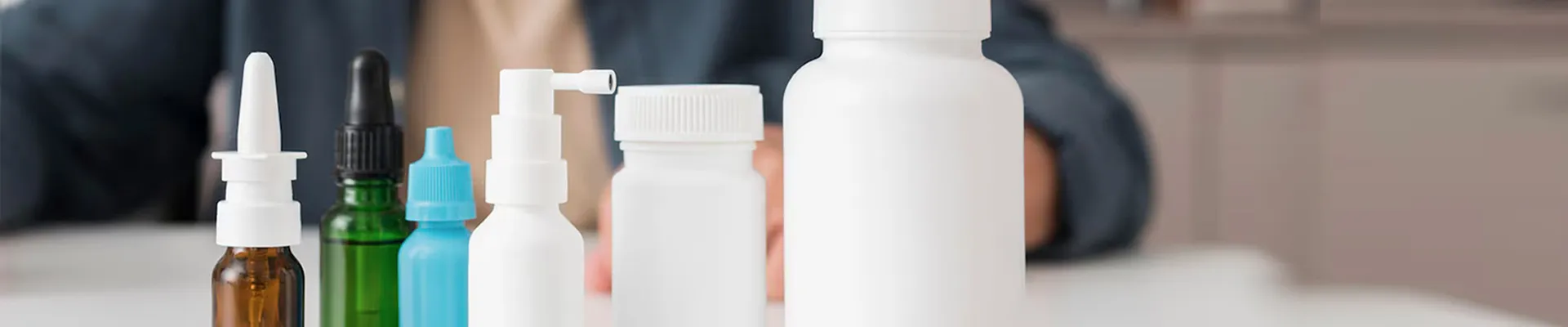


Medicine Bottle: A Small Container for Guarding Health
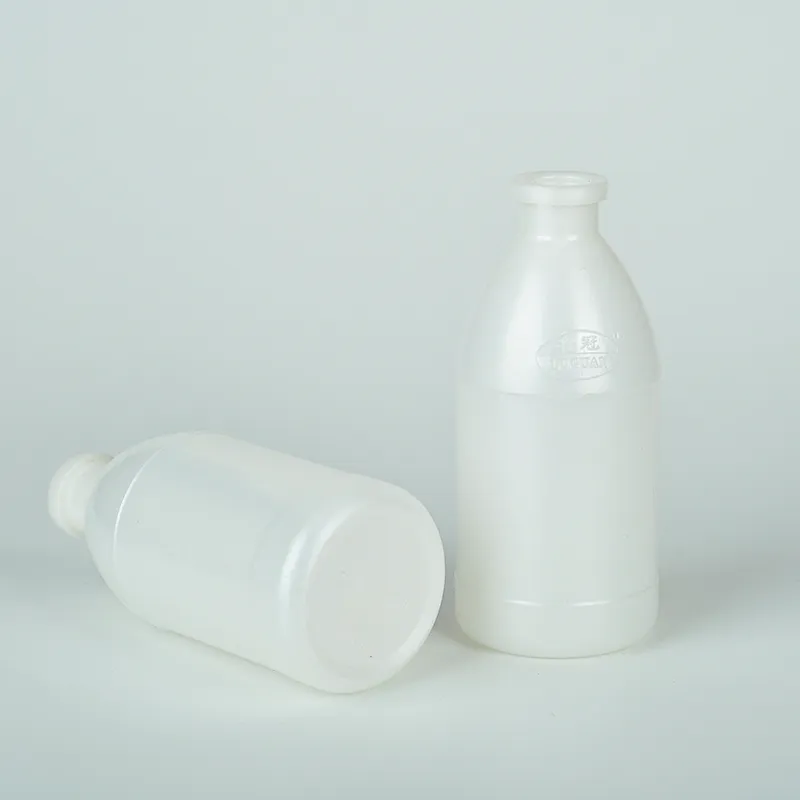
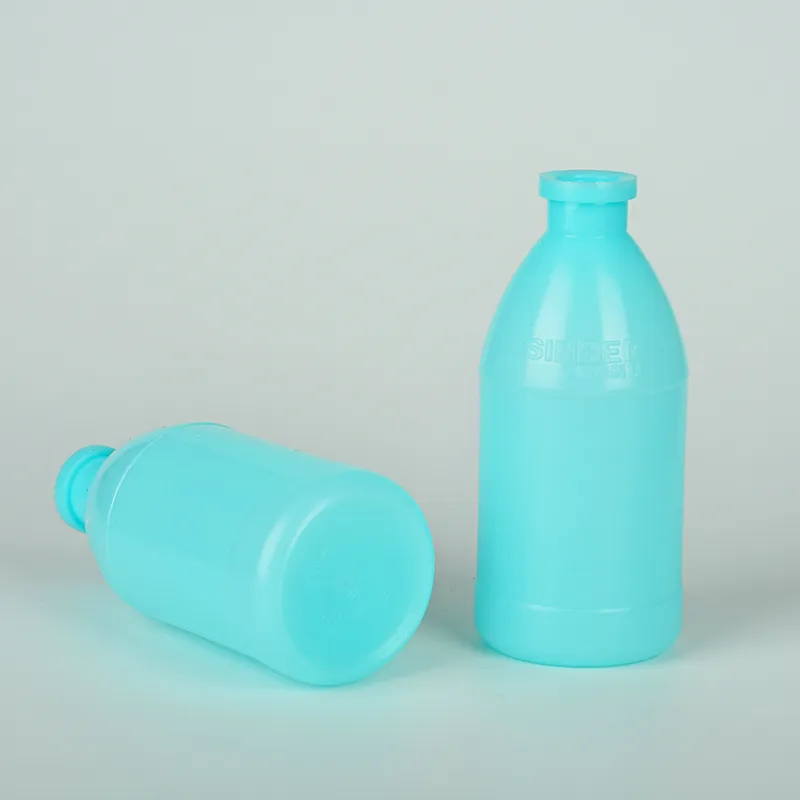
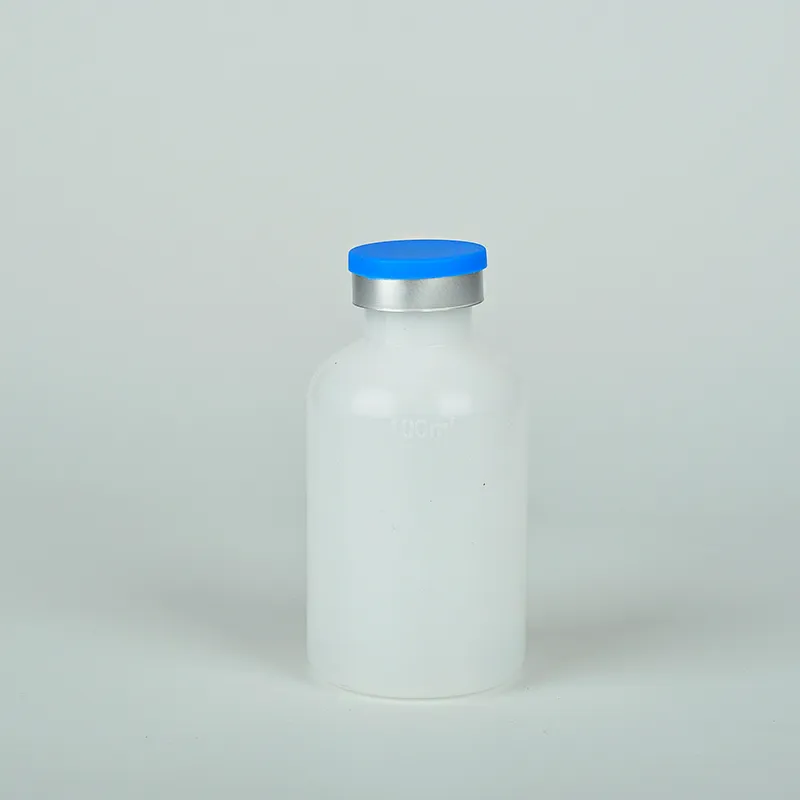
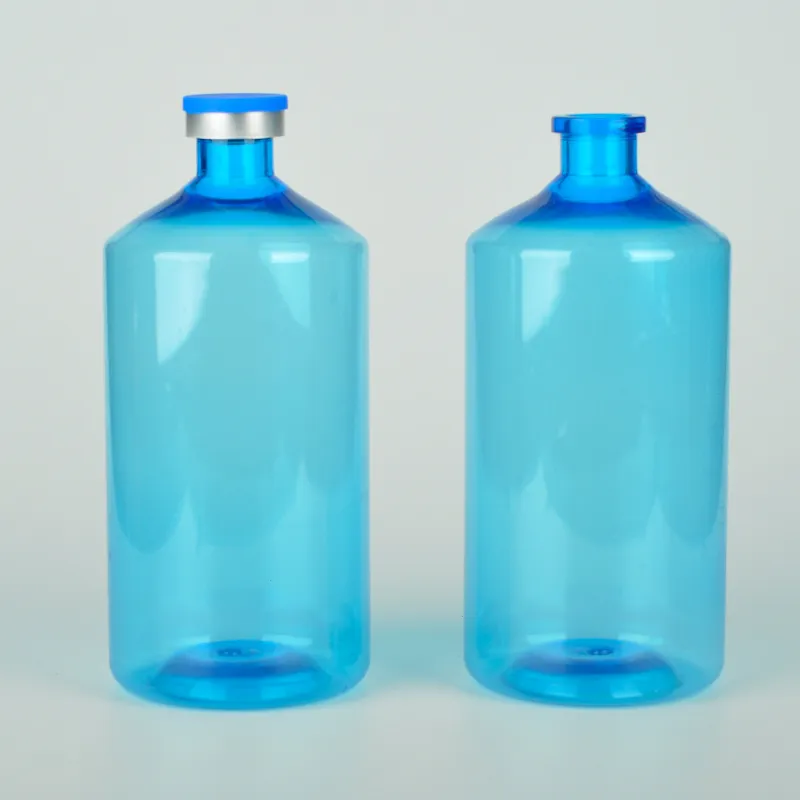
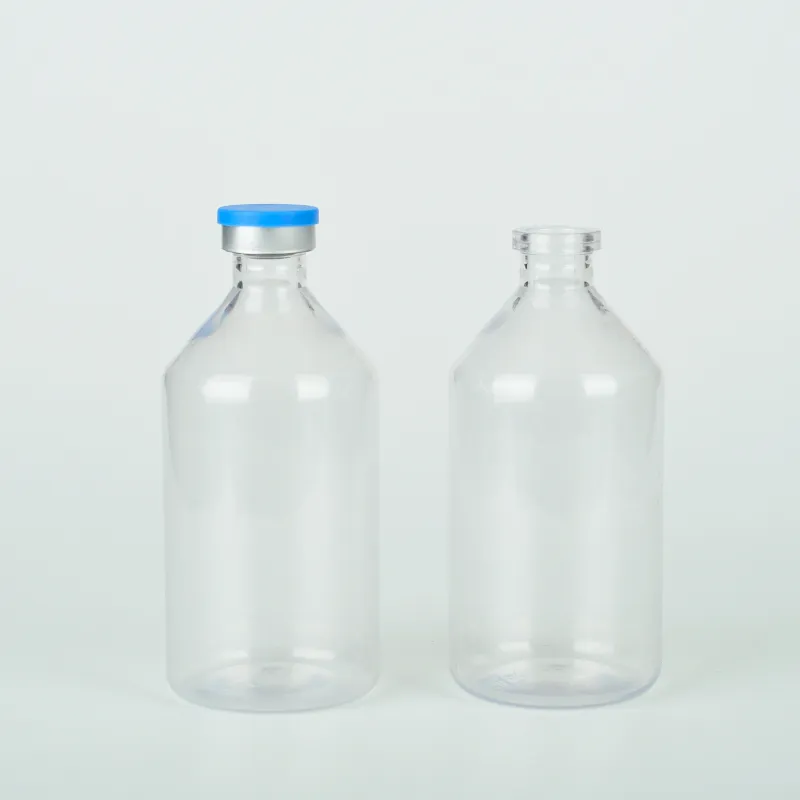
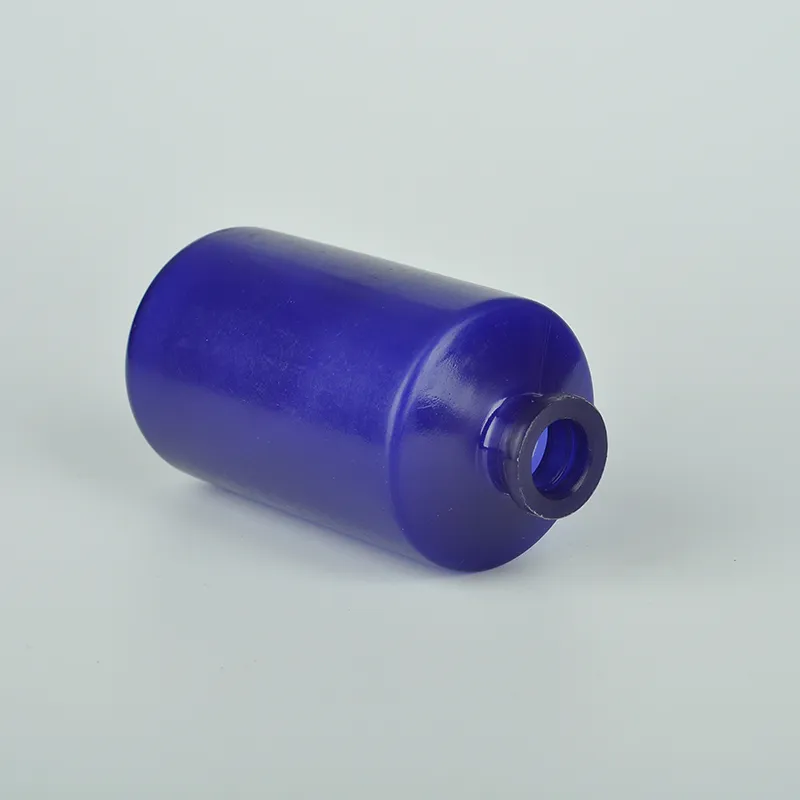
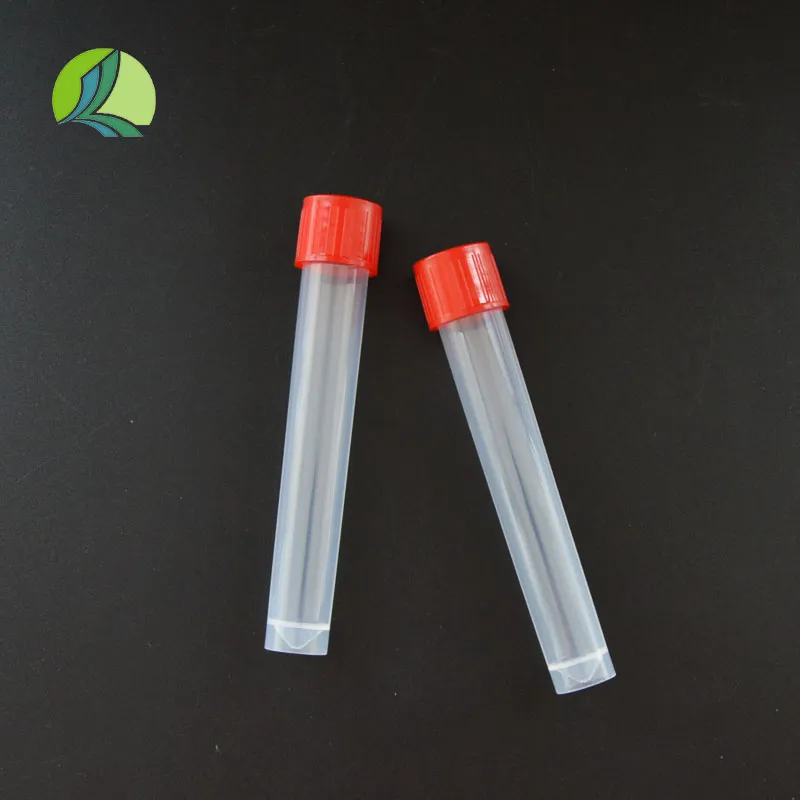
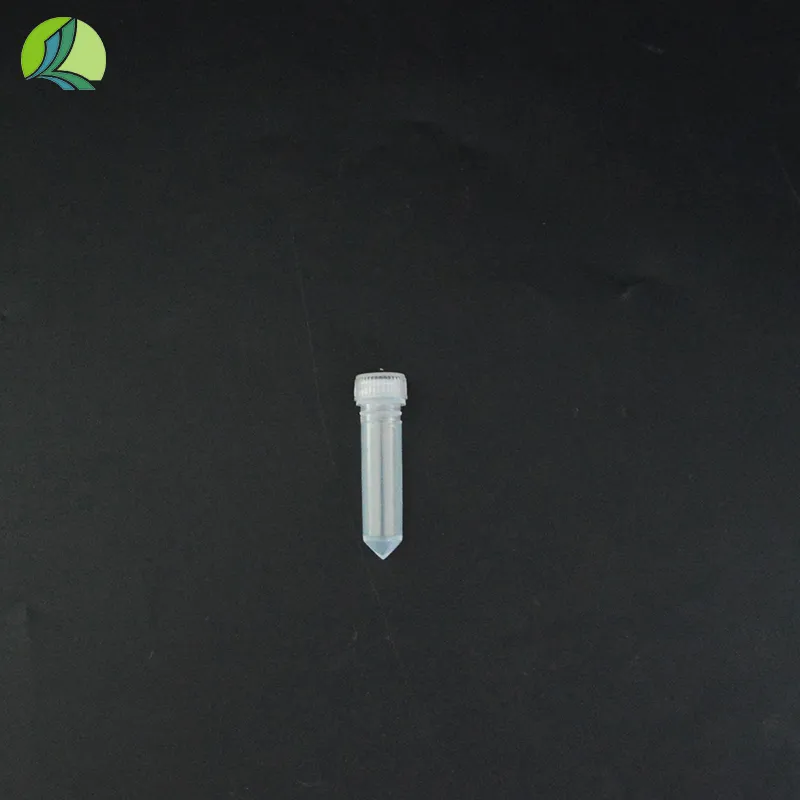
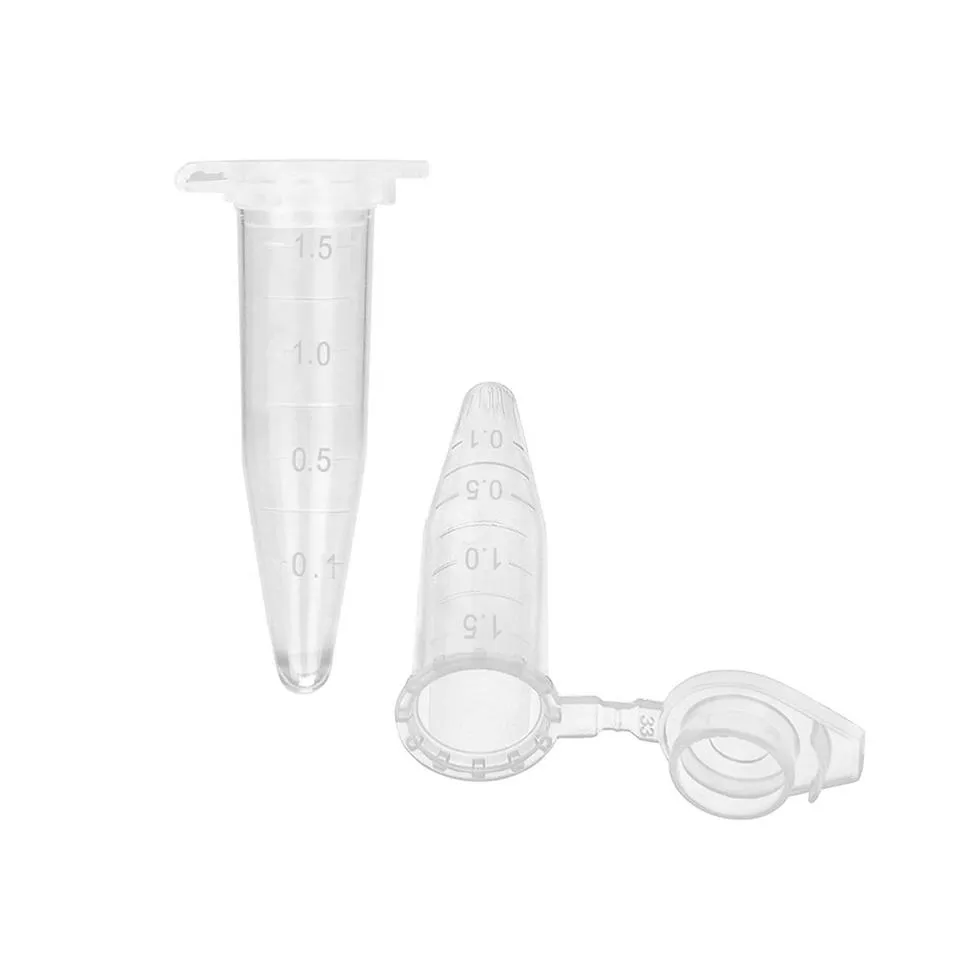
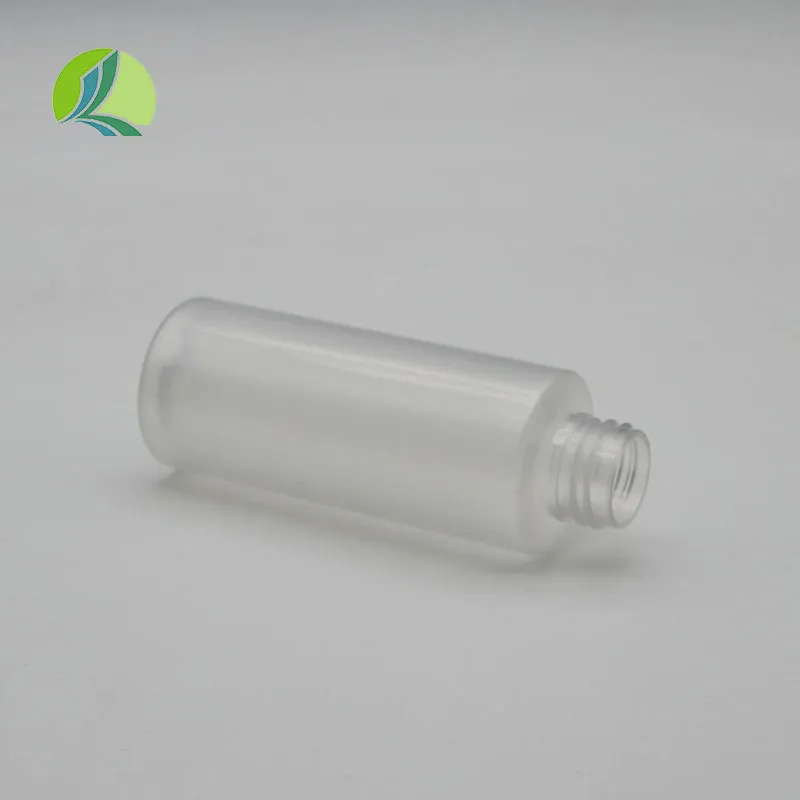
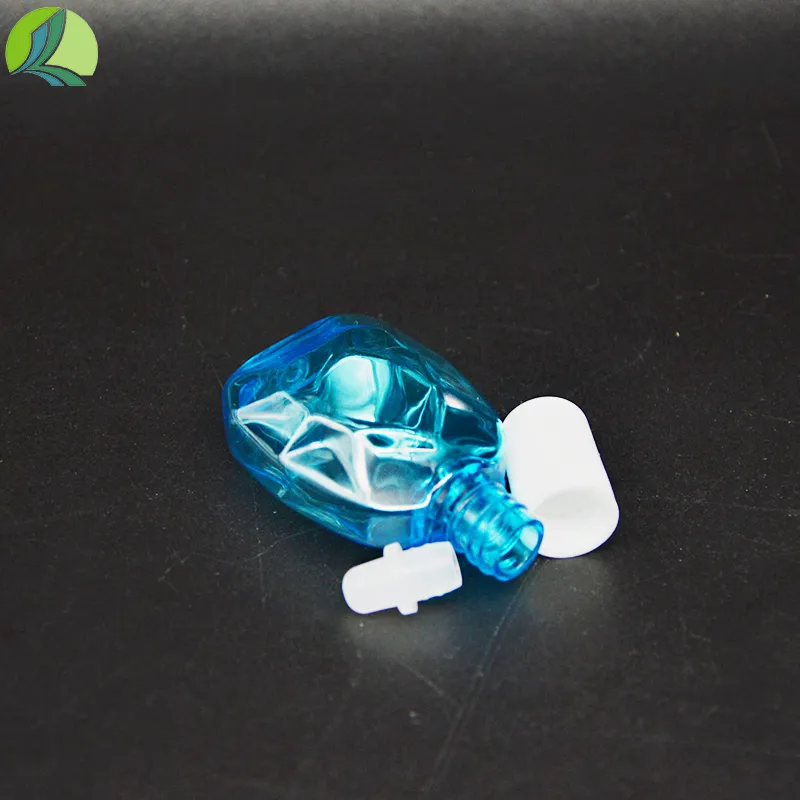
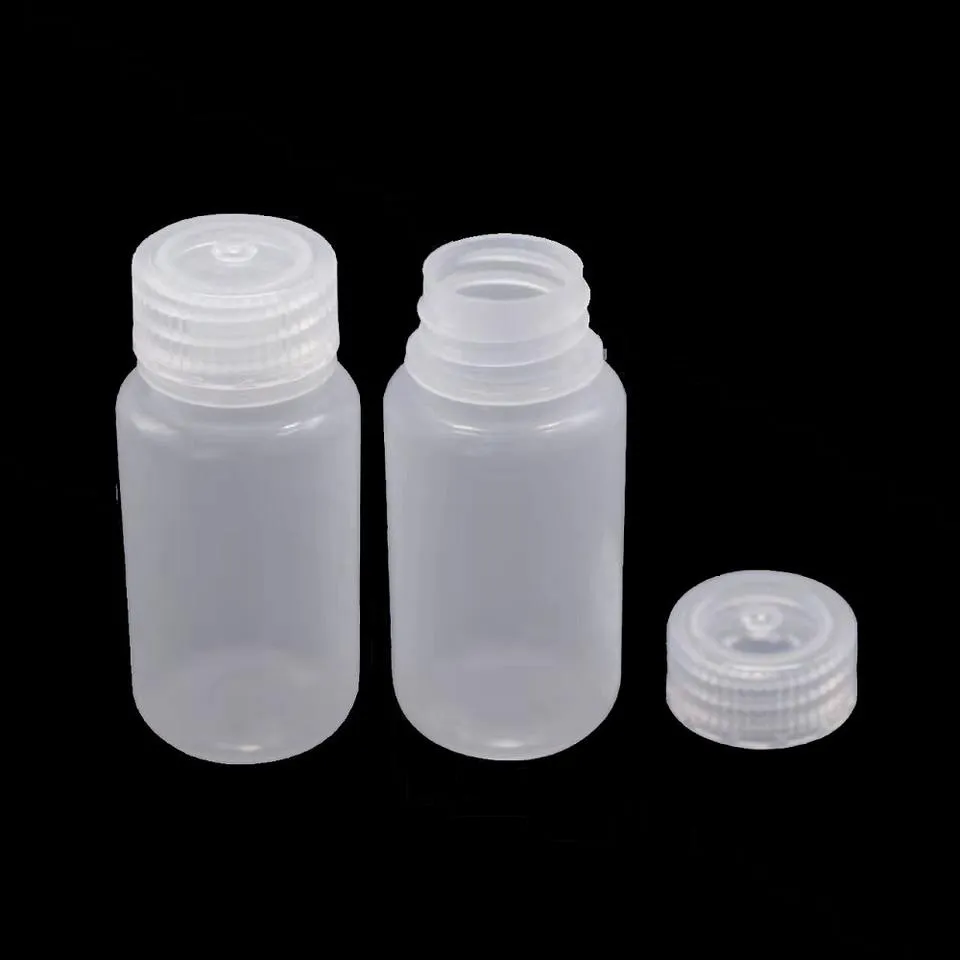
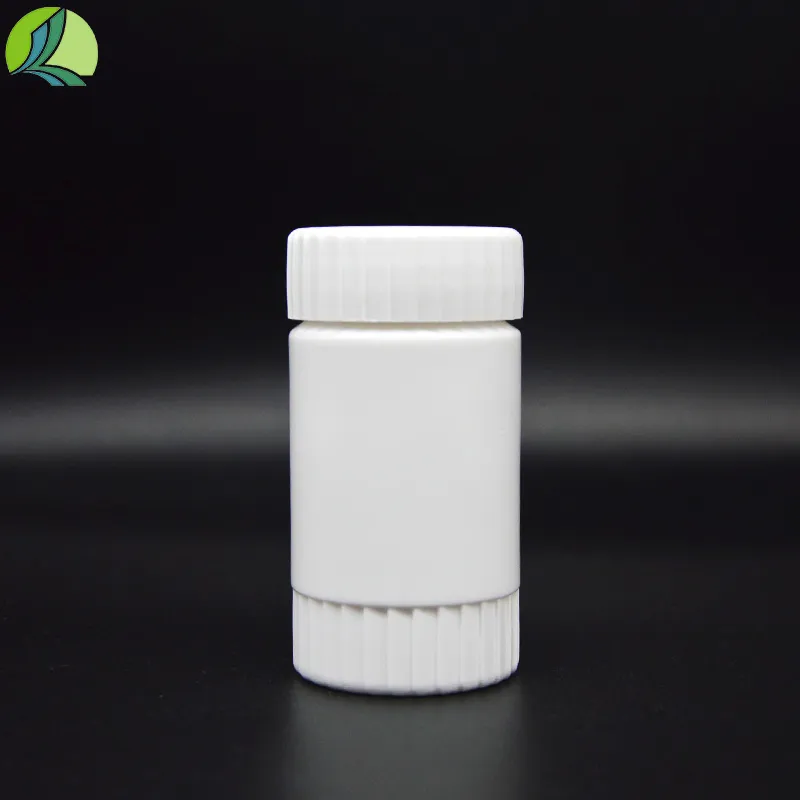
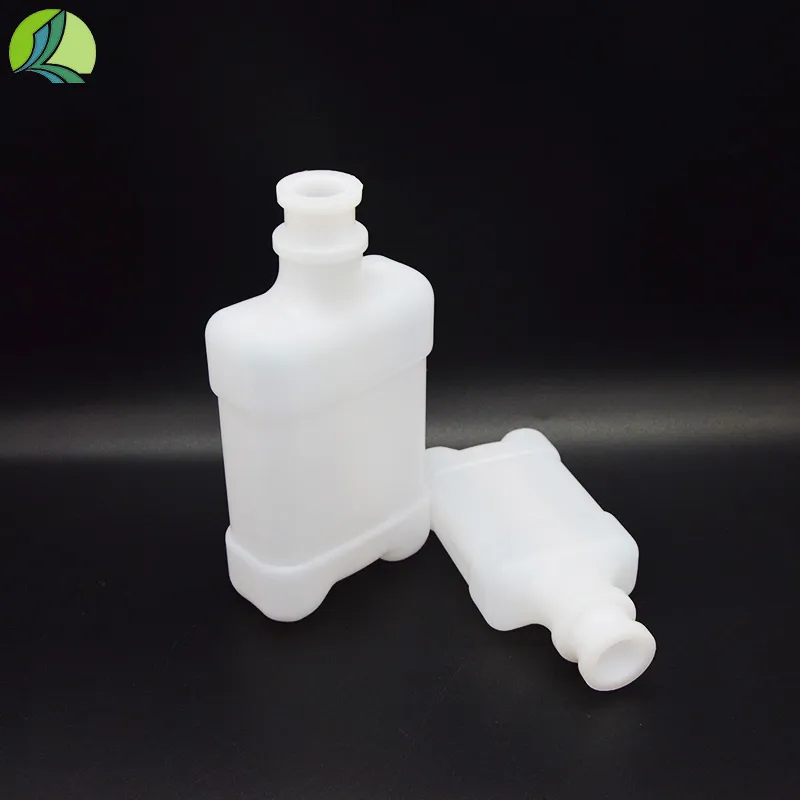
Medicine Bottle, As a common medical product, it carries drugs and maintains health, playing a crucial role in modern society. It is not only a carrier of drugs, but also an important tool for ensuring drug safety, conveying information, and assisting in treatment. From rough pottery jars to intricately designed plastic or glass bottles today, Medicine Bottle has gone through a long development process, reflecting advances in medicine and technology, while also containing rich cultural and social significance.
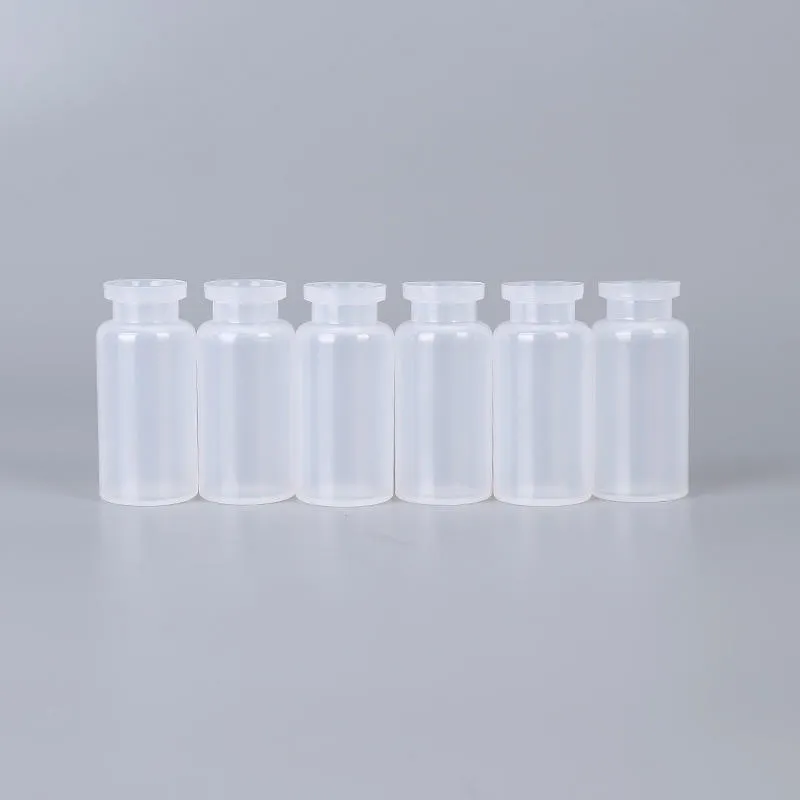
The original Medicine Bottles were often made of simple materials, mostly clay or glass, and their function was limited to storage
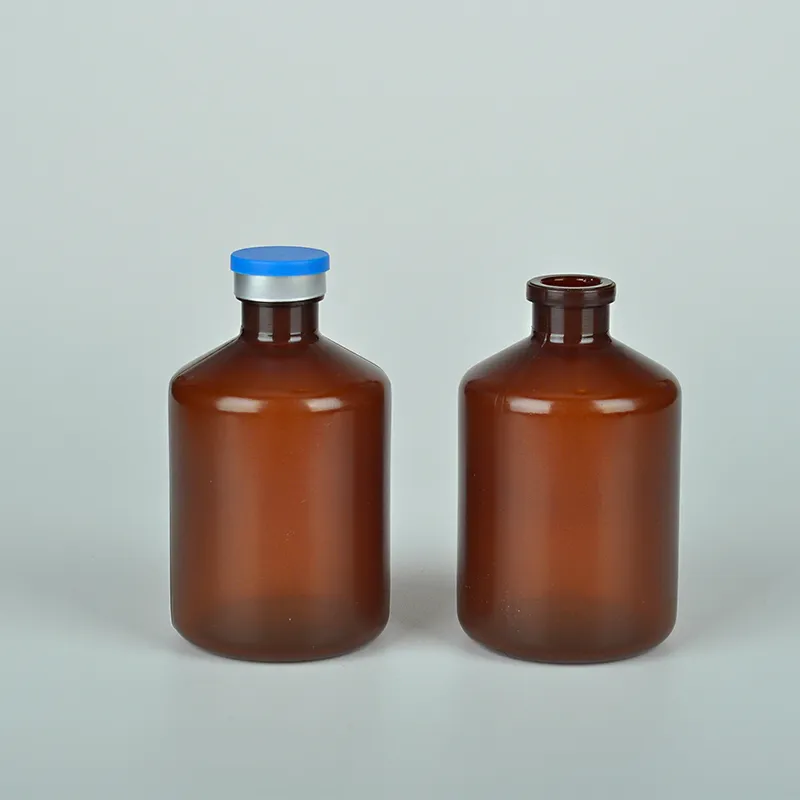
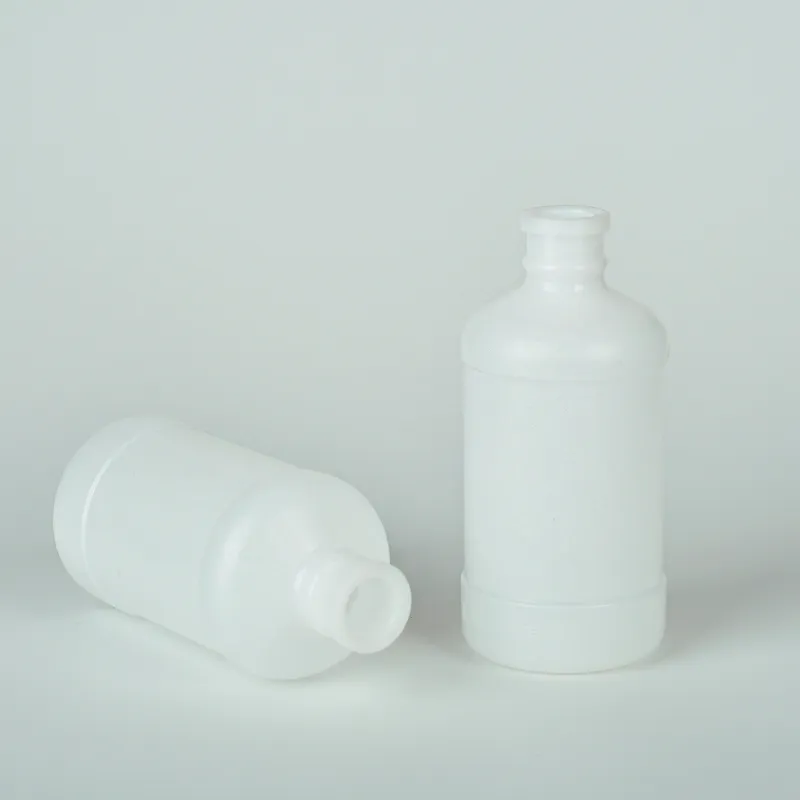
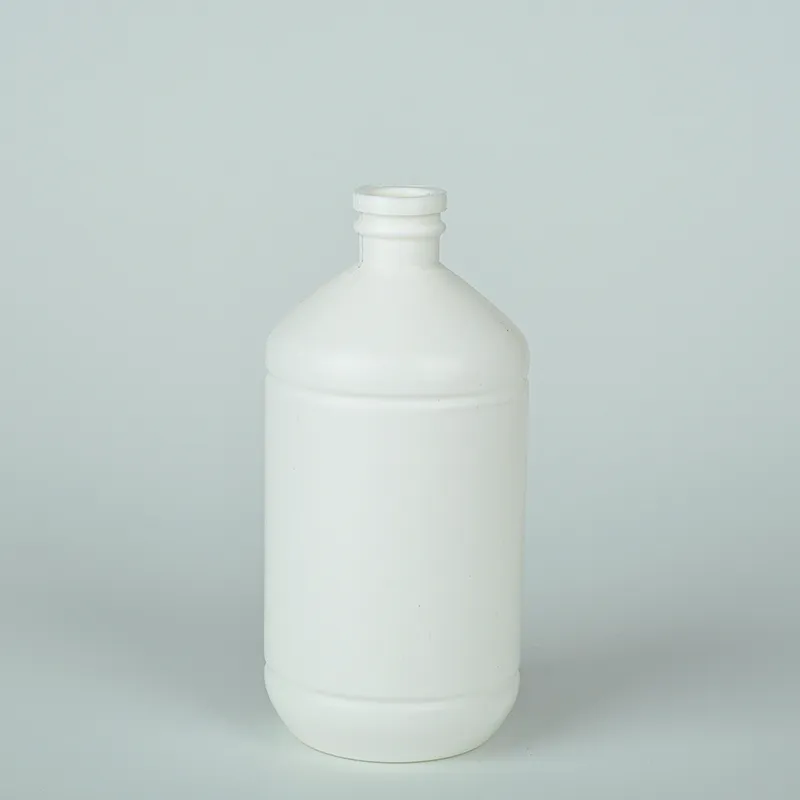
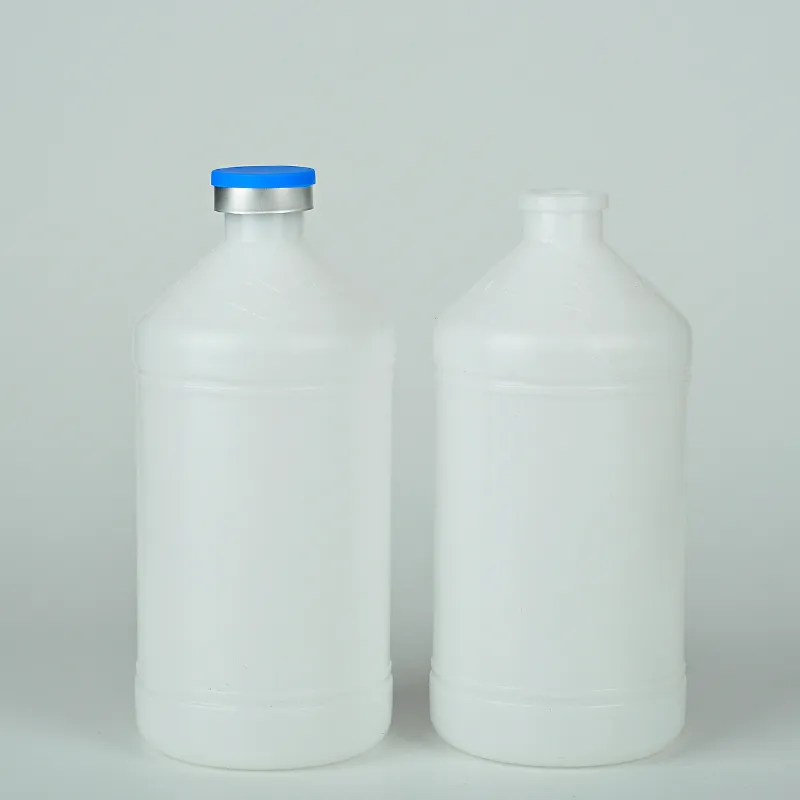
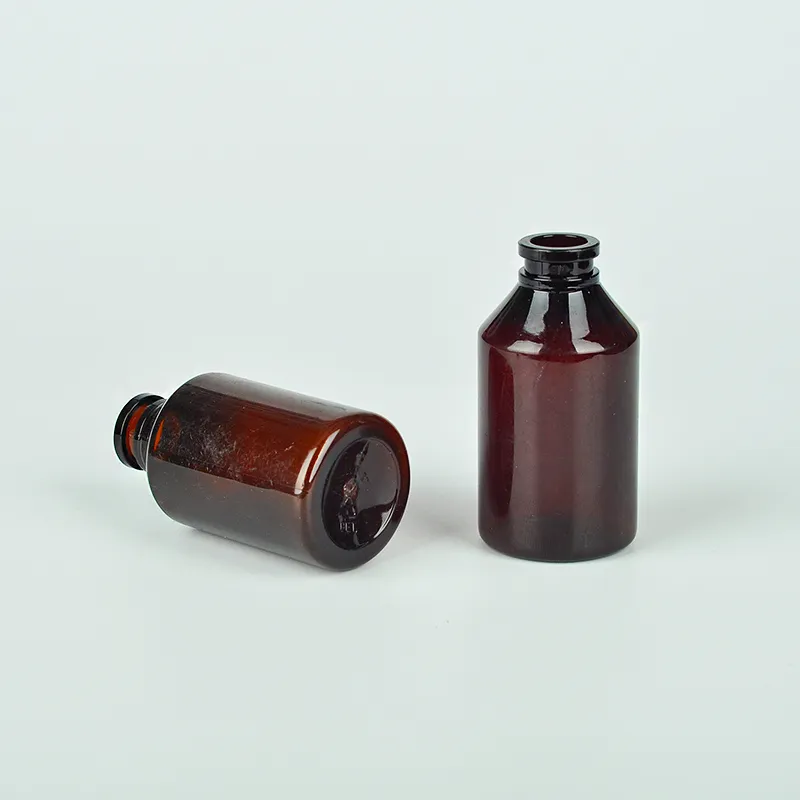
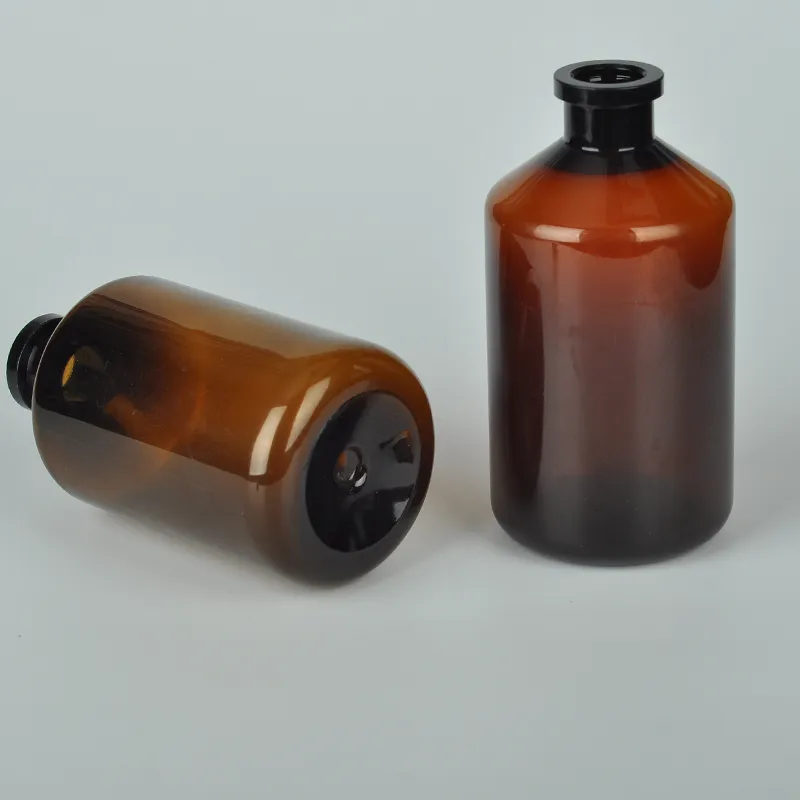
With the development of medicine and the advancement of pharmaceutical technology, the design of pill bottles is becoming increasingly refined. Modern Medicine Bottles place greater emphasis on stability, corrosion resistance, and safety in material selection. For example, brown glass bottles can effectively block ultraviolet radiation and protect drugs that are sensitive to light; High density polyethylene (HDPE) plastic bottles have good chemical stability and moisture resistance, and are suitable for storing various pills or capsules.
In addition to the material, the design of Medicine Bottle also fully considers the convenience and safety of use
Preventing children from opening bottle caps can effectively prevent children from accidentally taking medication and ensure their safety. Clear dosage markings make it easier for patients to take medication accurately and improve treatment effectiveness. In addition, the labels on the travel pill container contain important information such as the name, ingredients, dosage, production date, shelf life, etc. of the medication, providing necessary information references for doctors and patients to avoid misuse and abuse.
The design of Medicine Bottle is gradually moving towards personalization and humanization
The appearance, color, and material of pill bottles bulk vary according to the needs of different groups of people. For example, for the elderly or visually impaired, the font on the Medicine Bottle will be enlarged and bolded, and the bottle cap design will be easier to open; For children, the appearance of Medicine Bottle may be designed as a cartoon image to reduce their aversion to medication.
The widespread use of Medicine Bottle has also brought some problems
The generation of a large number of discarded plastic medicine bottles has put pressure on the environment. Although many countries and regions have started implementing Medicine Bottle recycling programs, the recycling rate still needs to be improved. In addition, some illegal merchants use recycled Medicine Bottles to fill counterfeit drugs, posing a health hazard to consumers. Therefore, strengthening the supervision of Medicine Bottle, improving the recycling mechanism, and raising public awareness of environmental protection are the key to solving these problems.
In summary, the Medicine Bottle is not just a simple container, it carries the safety of drugs, conveys information about drugs, and maintains the health of patients. With the advancement of technology and people's increasing awareness of health, the design and functionality of Medicine Bottle will become more perfect, safeguarding human health and becoming an important small container for protecting health.
Medicine Bottle FAQs
What is a Medicine Bottle?
A medicine bottle is a container used for storing solid or liquid drugs, typically made of plastic or glass. It has characteristics such as moisture resistance, light avoidance, and sealing to ensure the stability and shelf life of the drug.
What are the common types of Medicine Bottles?
By material: plastic bottle (lightweight, drop resistant), glass bottle (chemically inert, high transparency).
According to usage: tablet bottle, liquid medicine bottle, child safety bottle (anti opening design), dark bottle (brown or amber).
According to the sealing method: screw cap, press in cap, dropper bottle, etc.
How does Medicine Bottle ensure drug safety?
Sealing: prevents air and moisture from entering and causing the drug to deteriorate.
Light avoidance design: Dark colored bottles reduce the impact of ultraviolet radiation on drugs.
Anti counterfeiting and tamper proof: such as aluminum foil sealing, anti tamper rings, etc.
Complies with pharmacopoeia standards, such as USP and EP requirements for dissolution and stability.
Why do some Medicine Bottles use brown glass or plastic?
Brown or amber materials can effectively block ultraviolet radiation and prevent photosensitive drugs (such as nitroglycerin and certain antibiotics) from becoming ineffective due to light decomposition.
What is the environmental trend of Medicine Bottle?
Recyclable materials: such as using rPET (recycled plastic) or biodegradable plastic.
Reduction design: Reduce the thickness of the bottle to decrease the amount of plastic used.
Reusable system: Some pharmacies provide Medicine Bottle recycling or refilling services (requiring strict cleaning and sterilization).
-
Guide to Sourcing High Quality wholesale mister bottles for BusinessIindabaApr.16,2026
-
Top Quality Spray Bottle 100ml Suppliers for Your Business NeedsIindabaApr.09,2026
-
Comprehensive Guide to Pet Spray Bottle Manufacturers and Packaging SolutionsIindabaApr.07,2026
-
Comprehensive Guide to Finding Reliable Perfume Sprayers SuppliersIindabaApr.04,2026
-
Comprehensive Guide to Wholesale Mini Spray Bottles for Various ApplicationsIindabaMar.31,2026
-
Comprehensive Guide to Sourcing Mini Plastic Spray Bottles Bulk for Your BusinessIindabaMar.28,2026