-
 Afrikaans
 -
 Albanian
 -
 Amharic
 -
 Arabic
 -
 Armenian
 -
 Azerbaijani
 -
 Basque
 -
 Belarusian
 -
 Bengali
 -
 Bosnian
 -
 Bulgarian
 -
 Catalan
 -
 Cebuano
 -
 Corsican
 -
 Croatian
 -
 Czech
Czech -
 Danish
 -
 Dutch
Dutch -
 English
 -
 Esperanto
 -
 Estonian
 -
 Finnish
 -
 French
 -
 Frisian
 -
 Galician
 -
 Georgian
 -
 German
 -
 Greek
Greek -
 Gujarati
 -
 Haitian Creole
 -
 hausa
hausa -
 hawaiian
 -
 Hebrew
 -
 Hindi
Hindi -
 Miao
Miao -
 Hungarian
 -
 Icelandic
 -
 igbo
igbo -
 Indonesian
 -
 irish
irish -
 Italian
 -
 Japanese
 -
 Javanese
 -
 Kannada
 -
 kazakh
 -
 Khmer
Khmer -
 Rwandese
 -
 Korean
 -
 Kurdish
 -
 Kyrgyz
 -
 Lao
Lao -
 Latin
Latin -
 Latvian
 -
 Lithuanian
 -
 Luxembourgish
 -
 Macedonian
 -
 Malgashi
 -
 Malay
Malay -
 Malayalam
 -
 Maltese
 -
 Maori
Maori -
 Marathi
 -
 Mongolian
 -
 Myanmar
 -
 Nepali
 -
 Norwegian
 -
 Norwegian
 -
 Occitan
 -
 Pashto
 -
 Persian
 -
 Polish
 -
 Portuguese
 -
 Punjabi
 -
 Romanian
 -
 Russian
 -
 Samoan
 -
 Scottish Gaelic
 -
 Serbian
 -
 Sesotho
 -
 Shona
Shona -
 Sindhi
 -
 Sinhala
 -
 Slovak
 -
 Slovenian
 -
 Somali
 -
 Spanish
 -
 Sundanese
 -
 Swahili
 -
 Swedish
 -
 Tagalog
 -
 Tajik
Tajik -
 Tamil
Tamil -
 Tatar
Tatar -
 Telugu
 -
 Thai
Thai -
 Turkish
 -
 Turkmen
 -
 Ukrainian
 -
 Urdu
Urdu -
 Uighur
 -
 Uzbek
Uzbek -
 Vietnamese
 -
 Welsh
Welsh -
 Bantu
Bantu -
 Yiddish
 -
 Yoruba
 -
 Zulu
Zulu



Exploring Key Details About Falcon Tubes and Conical Centrifuge Tubes
Exploring the Dimensions: What Is the 50mL Falcon Tube Diameter?
In laboratory settings, precise measurements are critical for ensuring compatibility with equipment and protocols. The 50mL Falcon tube diameter is a frequently referenced specification, as it impacts how these tubes fit into centrifuges, racks, and other storage solutions. Typically, a standard 50mL Falcon tube features a diameter of approximately 32mm at the base, tapering slightly toward the lid to facilitate stacking and secure closure. This dimension is designed to balance capacity with practical handling, allowing researchers to safely centrifuge samples at high speeds without compromising stability. When selecting tubes for the lab, understanding the 50mL Falcon tube diameter ensures seamless integration with existing equipment, such as centrifuge rotors designed to accommodate this specific size.
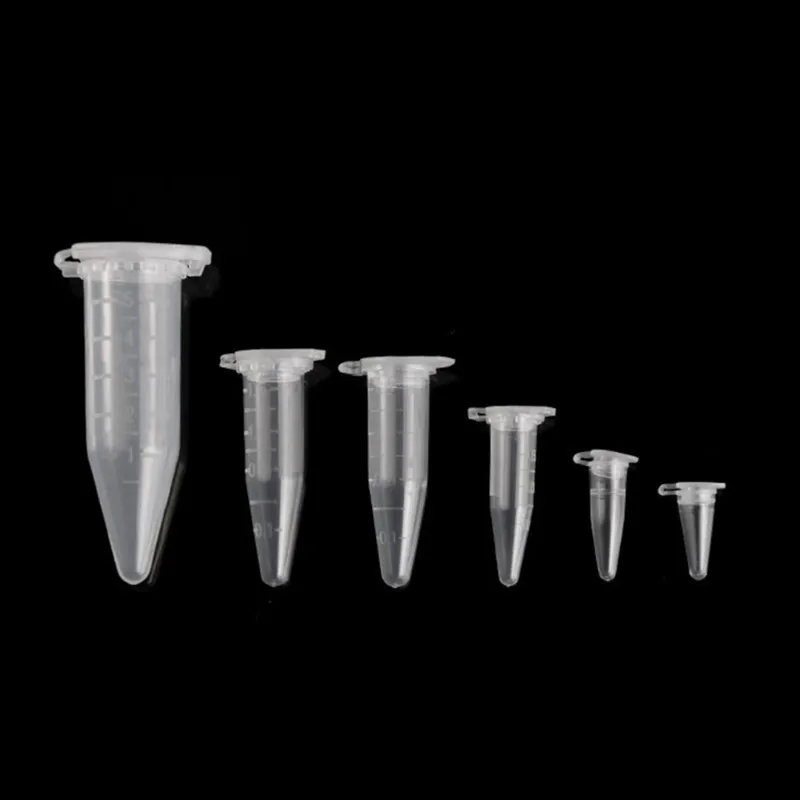
Unveiling the Differences: How Do Conical Tubes Compare to Falcon Tubes?
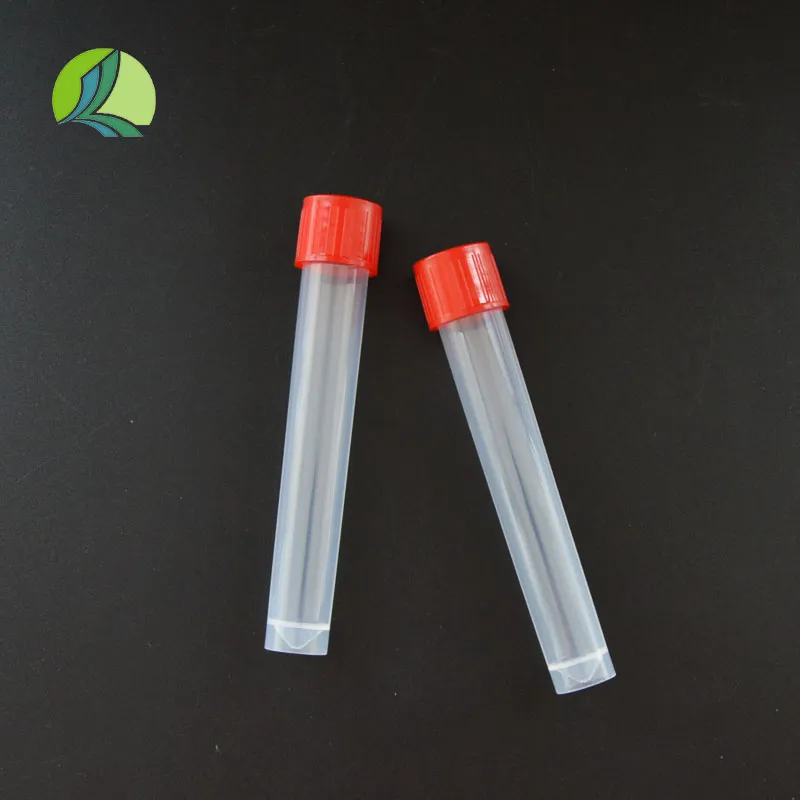
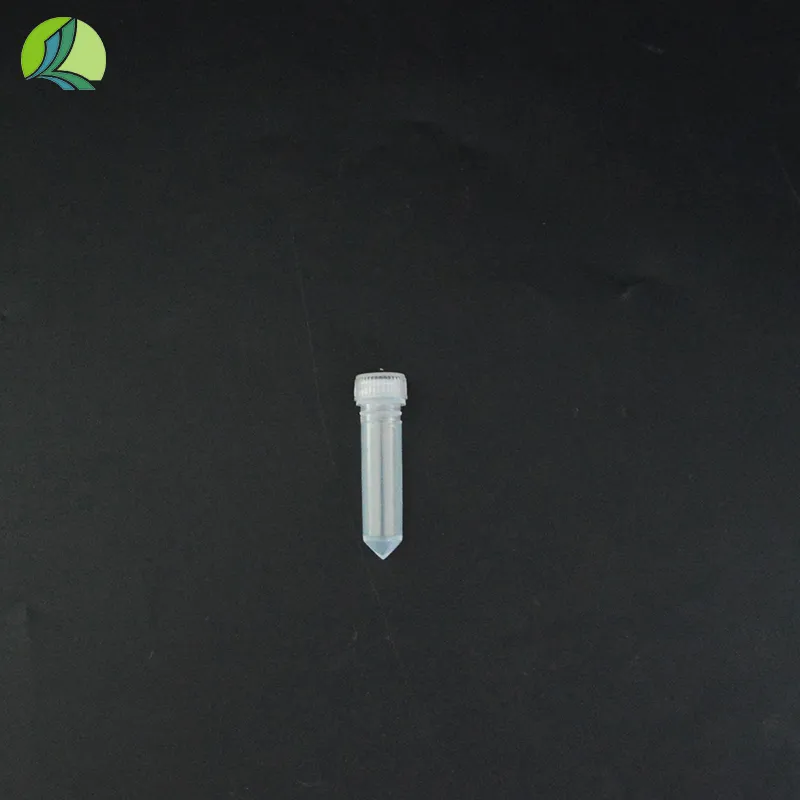
The terms "conical tube" and "Falcon tube" are often used interchangeably, but subtle distinctions exist in their design and branding. A conical tube vs falcon tube comparison reveals that "Falcon tube" is a trademarked term by Corning, referring to their specific line of conical centrifuge tubes, while "conical tube" is a general term for any tube with a tapered, conical shape. Falcon tubes, such as the Falcon ™ 15 mL conical centrifuge tubes, are known for their consistent quality, with features like graduated markings, secure lids, and material durability optimized for centrifugation and sample storage. In contrast, generic conical tubes may vary in thickness, lid design, or dimensional accuracy. Researchers often prefer Falcon tubes for critical applications due to their standardized specifications, including precise diameters and reliable performance under high - speed centrifugation.
Discovering Specifics: What Defines Falcon 15mL Conical Centrifuge Tubes?
Falcon 15mL conical centrifuge tubes are a staple in molecular biology and biochemistry labs, valued for their versatility and robust design. The Falcon 15mL conical centrifuge tubes are engineered with a conical bottom to facilitate efficient pellet collection after centrifugation, a key feature for processes like DNA extraction or cell separation. These tubes typically have a diameter of around 17mm at the base, paired with a length that allows them to fit into most benchtop centrifuges and microcentrifuge adapters. The Falcon ™ 15 mL conical centrifuge tubes also often include features such as a ribbed lid for easy opening, even when wearing gloves, and UV - resistant materials to protect samples from light degradation. Their standardized dimensions and trusted brand quality make them a go - to choice for researchers requiring reliability in sample handling.
Addressing Common Inquiries About Falcon Tube Specifications
How Does Falcon Tube Diameter Impact Centrifuge Compatibility?
The diameter of a Falcon tube, such as the 15mL or 50mL variant, is a primary factor in whether it can be safely used in a centrifuge. Centrifuge rotors are designed to hold tubes of specific diameters to ensure balanced loading and prevent tube deformation during high - speed spinning. For example, a Falcon 15mL conical centrifuge tube with a 17mm diameter fits into most microcentrifuge adapters, while the 32mm diameter of a 50mL Falcon tube is compatible with larger centrifuge buckets. Using a tube with an incorrect diameter can lead to imbalanced loads, equipment damage, or sample loss, highlighting the importance of referencing the falcon tube diameter when selecting centrifugation equipment.
Are There Variations in Design Among Different Falcon Conical Tube Models?
Yes, Falcon offers various models of conical centrifuge tubes, each tailored to specific applications. The Falcon ™ 15 mL conical centrifuge tubes may come in sterile or non - sterile versions, with or without internal ribs for better grip, or with different lid types (screw - top vs. snap - top). Some models are optimized for high - temperature applications, featuring materials that withstand autoclaving, while others prioritize clarity for easy sample visualization. These design variations allow researchers to choose the most suitable Falcon tube for their needs, whether it’s routine sample storage, high - speed centrifugation, or sensitive molecular biology procedures.
Can Generic Conical Tubes Match the Performance of Falcon Tubes?
While generic conical tubes may serve basic needs, they often lack the standardized quality and design precision of Falcon tubes. Falcon tubes undergo rigorous testing to ensure consistent falcon tube diameter, lid security, and material integrity under stress, which is crucial for applications like ultracentrifugation or storing volatile samples. Generic alternatives might have slight dimensional variations that affect centrifuge fit or lids that leak under pressure, posing risks to both samples and lab safety. For critical experiments where reliability is non - negotiable, investing in trademarked Falcon tubes, such as the Falcon 15mL conical centrifuge tubes, is often recommended to maintain protocol integrity and results accuracy.
-
Guide to Sourcing High Quality wholesale mister bottles for BusinessXov xwmApr.16,2026
-
Top Quality Spray Bottle 100ml Suppliers for Your Business NeedsXov xwmApr.09,2026
-
Comprehensive Guide to Pet Spray Bottle Manufacturers and Packaging SolutionsXov xwmApr.07,2026
-
Comprehensive Guide to Finding Reliable Perfume Sprayers SuppliersXov xwmApr.04,2026
-
Comprehensive Guide to Wholesale Mini Spray Bottles for Various ApplicationsXov xwmMar.31,2026
-
Comprehensive Guide to Sourcing Mini Plastic Spray Bottles Bulk for Your BusinessXov xwmMar.28,2026