

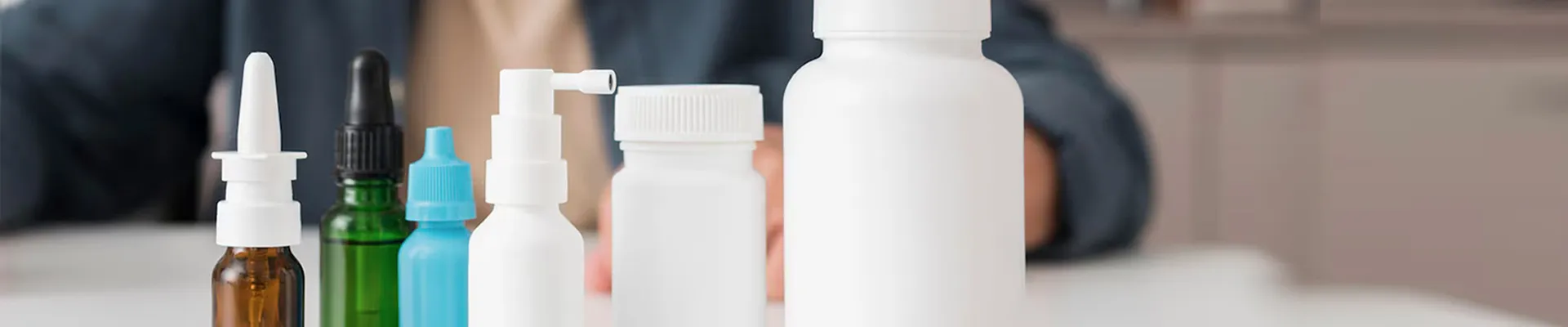


갈색 플라스틱 백신 약병 실험실 수의학 액체 약병
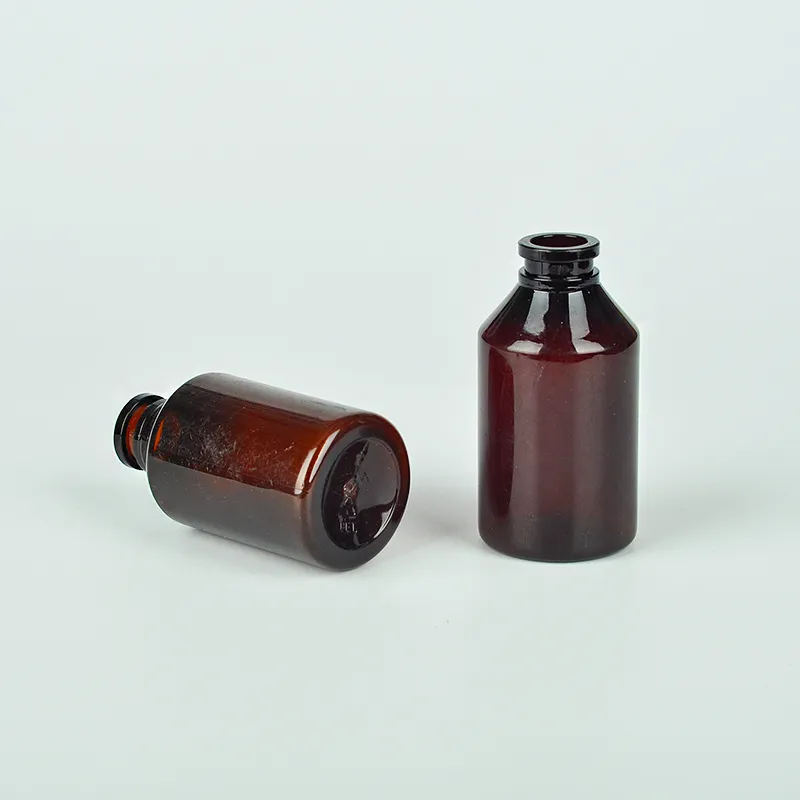
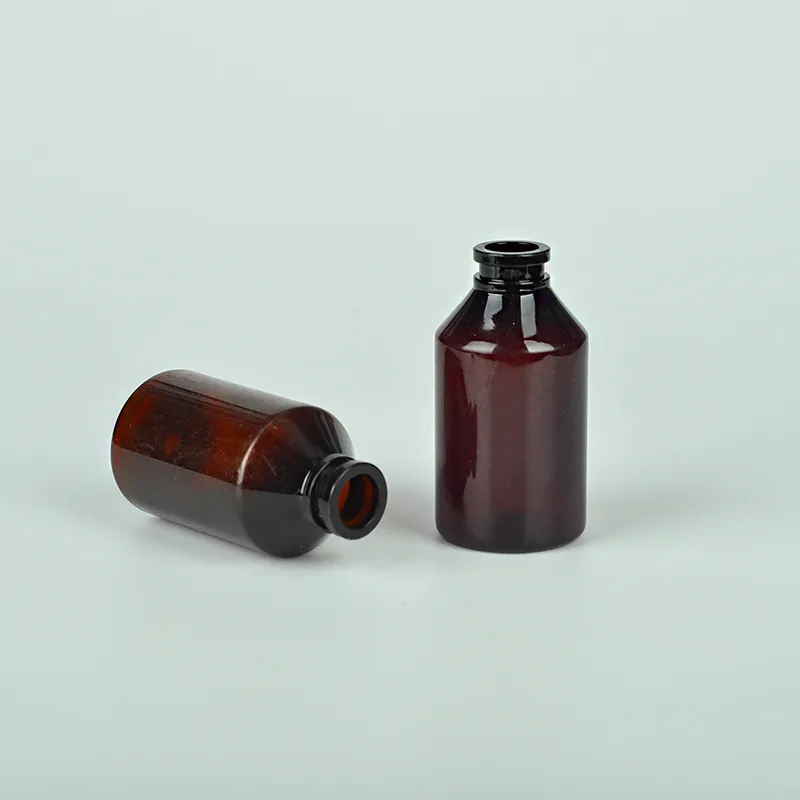
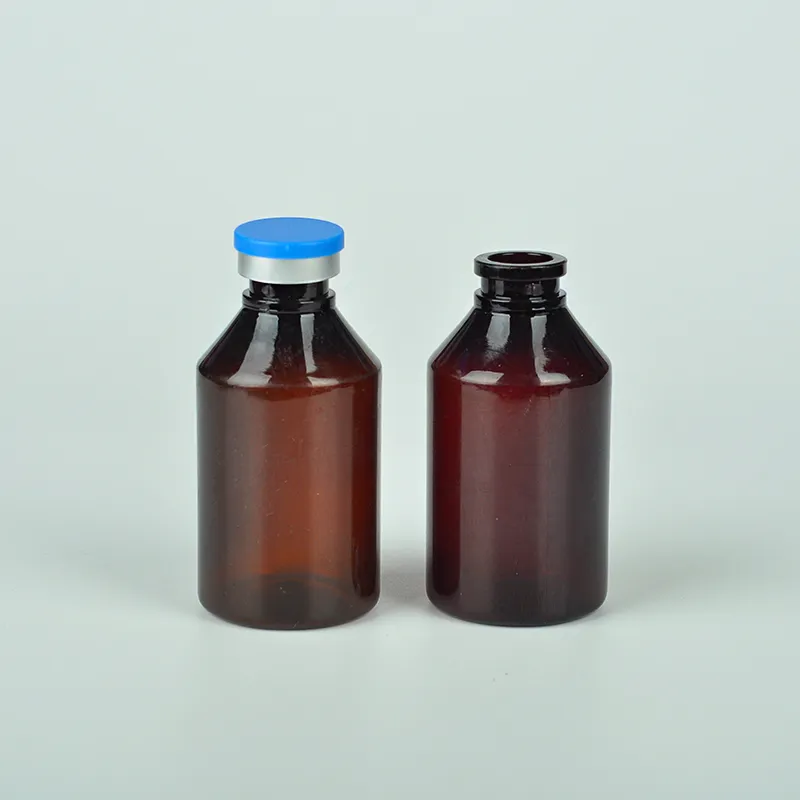
1.Weikang Pharmaceutical Packaging Company는 생산 자격, 정화 작업장 생산을 가지고 있습니다. 멸균, 에틸렌옥사이드 가스 멸균 사용, 멸균 멸균 청소.
2. 고무 플러그 알루미늄 캡을 사용하여 밀봉하고 밀봉이 양호하여 운송 중 백신 누출을 효과적으로 방지할 수 있습니다.
3. 주입 및 부는 공정 생산, 부드러운 병 본체, 균일한 병 벽, 안정적인 제품 품질.
10-500ml, 더 많은 사양.
약용 플라스틱병의 주요 원료는 폴리에틸렌(PE) 소재와 폴리프로필렌(PP) 소재이다. 주요 생산 공정은 사출 및 취입 공정입니다. 이 공정으로 생산된 병은 한번에 성형되며 병의 품질이 균일하고 외관이 아름답고 관대합니다.
일반적으로 폴리에틸렌(PE)과 폴리프로필렌(PP)이 생산 원료로 사용되며, 폴리프로필렌(PP)은 원료로 사용되며 고온, 고압에 견딜 수 있다. 플라스틱 제품은 더 가볍고 운반이 더 쉽습니다.
Brown Plastic Vaccine Vials Laboratory Veterinary Medicine Liquid Vials: Key Features and Benefits
The 갈색 플라스틱 백신 약병 실험실 수의학 액체 약병 are essential containers designed for the safe storage, handling, and administration of vaccines and other liquid medicines in veterinary and laboratory settings. These vials provide a combination of durability, chemical resistance, and protection against environmental factors, making them indispensable in modern animal healthcare and research operations.
One of the primary features of these vials is their brown plastic construction. The brown tint serves as a protective barrier against harmful UV light, which can degrade light-sensitive vaccines and medicinal liquids. This protection ensures that the contents remain potent and effective over time, even during extended storage periods. At the same time, the material used, typically medical-grade polypropylene (PP) or polyethylene (PE), is chemically inert and resistant to corrosion. This prevents any interaction between the stored liquid and the container, maintaining the integrity and stability of vaccines and other veterinary medicines.
Another significant feature is sterility and secure sealing. These vials typically come with screw caps or tamper-evident lids that provide an airtight seal, preventing leaks, spills, and contamination. Some models also feature child-resistant or tamper-evident closures, which are particularly valuable in clinics or laboratories where multiple staff members handle the vials. Sterile closures protect the medicine from microbial contamination, ensuring safe and effective administration to animals.
The capacity and ergonomic design of these vials also enhance their usability. Available in various volumes, the vials are suitable for multiple doses, whether for individual animal treatments or large-scale livestock vaccination programs. The compact, easy-to-handle shape makes it convenient for storage in refrigeration units, laboratory racks, or mobile veterinary setups. The smooth exterior also supports clear labeling, allowing for batch numbers, expiration dates, and dosage information to be easily displayed, improving traceability and reducing the risk of errors.
Durability and transport safety are further advantages of brown plastic vials. Unlike glass alternatives, these plastic vials are shatter-resistant, reducing the risk of spills, injuries, or product loss during transport. This is particularly important for mobile veterinary units or field operations, where robustness and reliability are critical.
In summary, Brown Plastic Vaccine Vials Laboratory Veterinary Medicine Liquid Vials offer essential features such as UV protection, chemical stability, sterility, secure closures, ergonomic design, and durability. These benefits ensure safe, reliable, and effective storage and administration of veterinary medicines, making them indispensable in modern laboratory and veterinary practices.
Design and Safety Advantages of Brown Plastic Vaccine Vials Laboratory Veterinary Medicine Liquid Vials
The 갈색 플라스틱 백신 약병 실험실 수의학 액체 약병 are designed to maximize both safety and operational efficiency in veterinary clinics, laboratories, and animal healthcare facilities. Their construction and functional features provide robust protection for vaccines and other liquid medicines while ensuring ease of handling and administration.
A key design advantage is the use of high-quality, medical-grade plastic. Polypropylene (PP) or polyethylene (PE) provides excellent chemical resistance and durability, preventing interaction with the stored liquids. Unlike glass, plastic is lightweight and shatter-resistant, reducing the risk of accidents, spills, and injuries during daily handling or transportation. This makes it particularly suitable for high-volume operations in clinics, farms, or laboratory settings.
The brown translucent design offers important safety benefits. By shielding vaccines and medicinal liquids from UV light, the vials protect the chemical stability and potency of sensitive solutions. This feature ensures that the vaccines remain effective over time, even if stored for extended periods or exposed to light during transportation. The translucent nature also allows for quick visual inspection of the liquid level, supporting accurate dosing and reducing the risk of wastage.
Secure closures further enhance safety. Screw caps, tamper-evident lids, and sometimes child-resistant mechanisms prevent leaks, contamination, or unauthorized access. These closures maintain sterility and integrity, which is essential for both laboratory experiments and veterinary applications. The airtight seal ensures that the contents remain uncontaminated, minimizing the risk of compromised medicine and ensuring effective treatments for animals.
The ergonomic and practical design supports operational efficiency. The vials are easy to grip and handle, even when filled to capacity. Their size and shape allow for organized storage in refrigerators, racks, or mobile units, ensuring accessibility and streamlined workflow. Additionally, labeling options on the smooth surface allow for clear identification of contents, batch numbers, and expiration dates, enhancing traceability and reducing errors.
In conclusion, Brown Plastic Vaccine Vials Laboratory Veterinary Medicine Liquid Vials combine durable materials, UV protection, secure closures, and ergonomic design to provide superior safety and reliability. These vials ensure that vaccines and liquid medicines remain stable, sterile, and easy to handle, making them essential tools for veterinary and laboratory professionals who prioritize safe and effective animal healthcare practices.