-
 Afrikaans
 -
 Albanian
 -
 Amharic
 -
 Arabic
 -
 Armenian
 -
 Azerbaijani
 -
 Basque
 -
 Belarusian
 -
 Bengali
 -
 Bosnian
 -
 Bulgarian
 -
 Catalan
 -
 Cebuano
 -
 Corsican
 -
 Croatian
 -
 Czech
Czech -
 Danish
 -
 Dutch
Dutch -
 English
 -
 Esperanto
 -
 Estonian
 -
 Finnish
 -
 French
 -
 Frisian
 -
 Galician
 -
 Georgian
 -
 German
 -
 Greek
Greek -
 Gujarati
 -
 Haitian Creole
 -
 hausa
hausa -
 hawaiian
 -
 Hebrew
 -
 Hindi
Hindi -
 Miao
Miao -
 Hungarian
 -
 Icelandic
 -
 igbo
igbo -
 Indonesian
 -
 irish
irish -
 Italian
 -
 Japanese
 -
 Javanese
 -
 Kannada
 -
 kazakh
 -
 Khmer
Khmer -
 Rwandese
 -
 Korean
 -
 Kurdish
 -
 Kyrgyz
 -
 Lao
Lao -
 Latin
Latin -
 Latvian
 -
 Lithuanian
 -
 Luxembourgish
 -
 Macedonian
 -
 Malgashi
 -
 Malay
Malay -
 Malayalam
 -
 Maltese
 -
 Maori
Maori -
 Marathi
 -
 Mongolian
 -
 Myanmar
 -
 Nepali
 -
 Norwegian
 -
 Norwegian
 -
 Occitan
 -
 Pashto
 -
 Persian
 -
 Polish
 -
 Portuguese
 -
 Punjabi
 -
 Romanian
 -
 Russian
 -
 Samoan
 -
 Scottish Gaelic
 -
 Serbian
 -
 Sesotho
 -
 Shona
Shona -
 Sindhi
 -
 Sinhala
 -
 Slovak
 -
 Slovenian
 -
 Somali
 -
 Spanish
 -
 Sundanese
 -
 Swahili
 -
 Swedish
 -
 Tagalog
 -
 Tajik
Tajik -
 Tamil
Tamil -
 Tatar
Tatar -
 Telugu
 -
 Thai
Thai -
 Turkish
 -
 Turkmen
 -
 Ukrainian
 -
 Urdu
Urdu -
 Uighur
 -
 Uzbek
Uzbek -
 Vietnamese
 -
 Welsh
Welsh -
 Bantu
Bantu -
 Yiddish
 -
 Yoruba
 -
 Zulu
Zulu
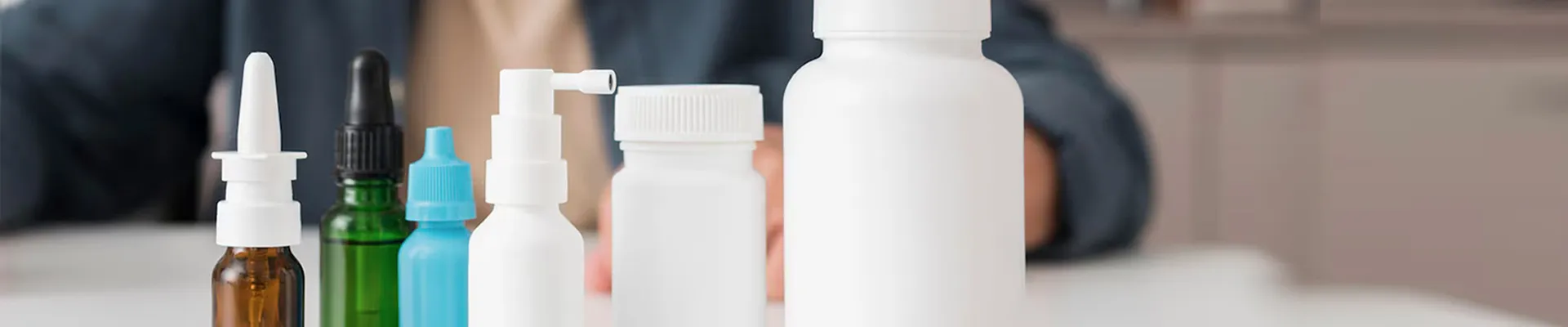


Plastic Dropper Bottles in Modern Packaging
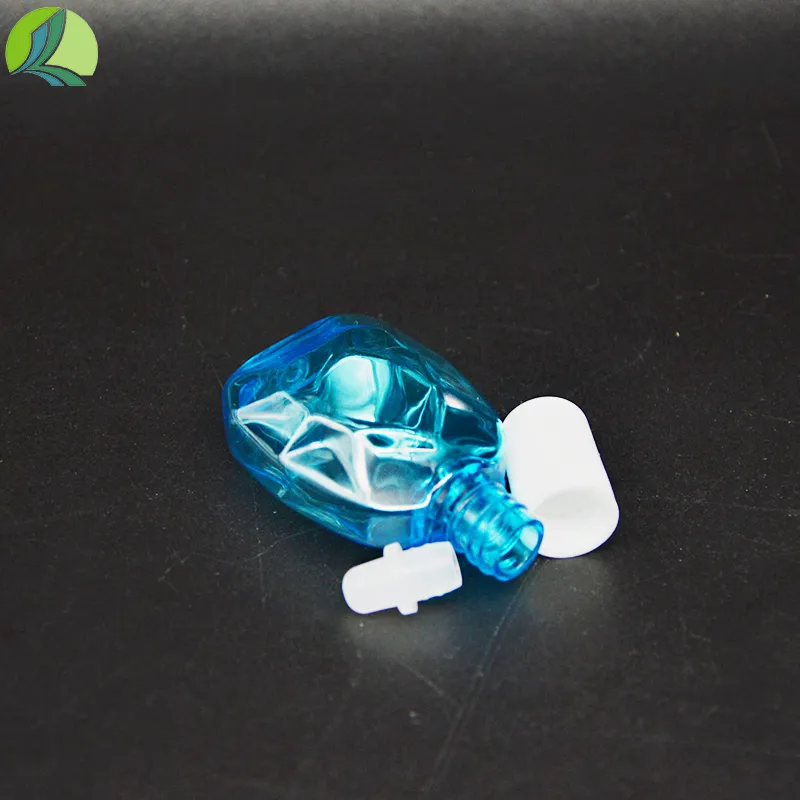
The plastic dropper bottle has become an essential packaging solution across many industries, including pharmaceuticals, cosmetics, and essential oils. Designed for precise dispensing, these bottles offer unparalleled convenience and reliability. Their lightweight, durable construction makes them especially popular for products requiring careful measurement of liquids, such as tinctures, serums, and liquid medications.
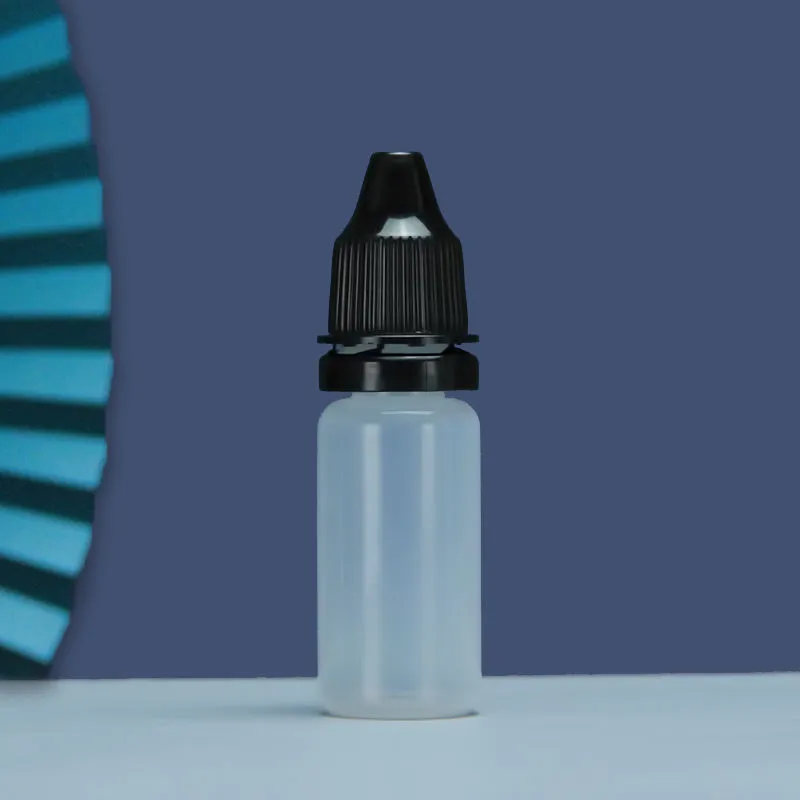
Manufactured primarily from high-quality plastics such as HDPE and LDPE, the plastic dropper bottle combines chemical resistance with flexibility. This ensures the bottle can safely contain a wide variety of liquids without leaking, cracking, or degrading. The dropper’s design also allows for accurate dosing, which is critical for products like essential oils or eye drops, where a single drop can make a significant difference in effectiveness or comfort.
The convenience of plastic dropper bottle packaging lies in its ease of use and portability. Consumers appreciate that these bottles provide mess-free application, whether in medical treatments, cosmetic routines, or DIY solutions. The availability of different sizes and dropper types also makes it simple to tailor bottles to specific product needs and market segments.
Why Plastic Eye Dropper Bottles Are Ideal for Sensitive Applications
The plastic eye dropper bottle is engineered to meet the rigorous demands of ophthalmic solutions. Safety, sterility, and precision dosing are paramount when dispensing eye drops, making these bottles specially designed to fulfill such requirements. Using plastic materials that are non-reactive and sterilizable, these bottles ensure that sensitive formulations remain uncontaminated and effective over their lifespan.
The ergonomic design of the plastic eye dropper bottle often includes a soft, squeezable body that allows users to control drop size carefully. This feature is particularly beneficial for patients who require exact dosages for eye conditions such as dryness, allergies, or infections. Additionally, child-resistant caps and tamper-evident seals are common to protect vulnerable users and maintain product integrity.
Transparency and clarity are also important in the design of plastic eye dropper bottle packaging. Clear plastics allow users to monitor the remaining volume, promoting timely refills and proper storage. The lightweight nature of plastic enhances portability, allowing patients to carry their medications easily, whether for travel or everyday use.
Small Dropper Bottles Plastic: Perfect for Samples and Travel
When it comes to convenience and portability, small dropper bottles plastic offer unmatched advantages. These compact bottles are increasingly popular in industries like cosmetics, aromatherapy, and pharmaceuticals where sample sizes or travel-friendly packaging are essential. Their small size allows consumers to try products without committing to full-sized bottles, encouraging brand trials and repeat purchases.
The small dropper bottles plastic typically range from 5ml to 30ml, making them ideal for carrying serums, essential oils, tinctures, or liquid supplements. Their secure droppers ensure that even small volumes can be dispensed accurately and hygienically. Manufacturers often customize these bottles with color tints, different cap styles, and labeling options to enhance brand identity and shelf appeal.
Furthermore, small dropper bottles plastic provide an economical solution for companies looking to enter new markets or offer promotional samples. The ease of refilling these bottles also appeals to environmentally conscious consumers seeking to reduce waste. Their durable plastic construction prevents breakage during transit, ensuring product integrity from factory to consumer.
Empty Bottle with Dropper: A Flexible Packaging Choice for Custom Formulations
For businesses and consumers alike, an empty bottle with dropper offers flexibility and convenience. These versatile containers are essential for DIY formulations, custom blends, and small-batch productions across various sectors. Whether you are developing skincare products, herbal extracts, or pharmaceutical solutions, having the right empty bottle with dropper is critical to packaging success.
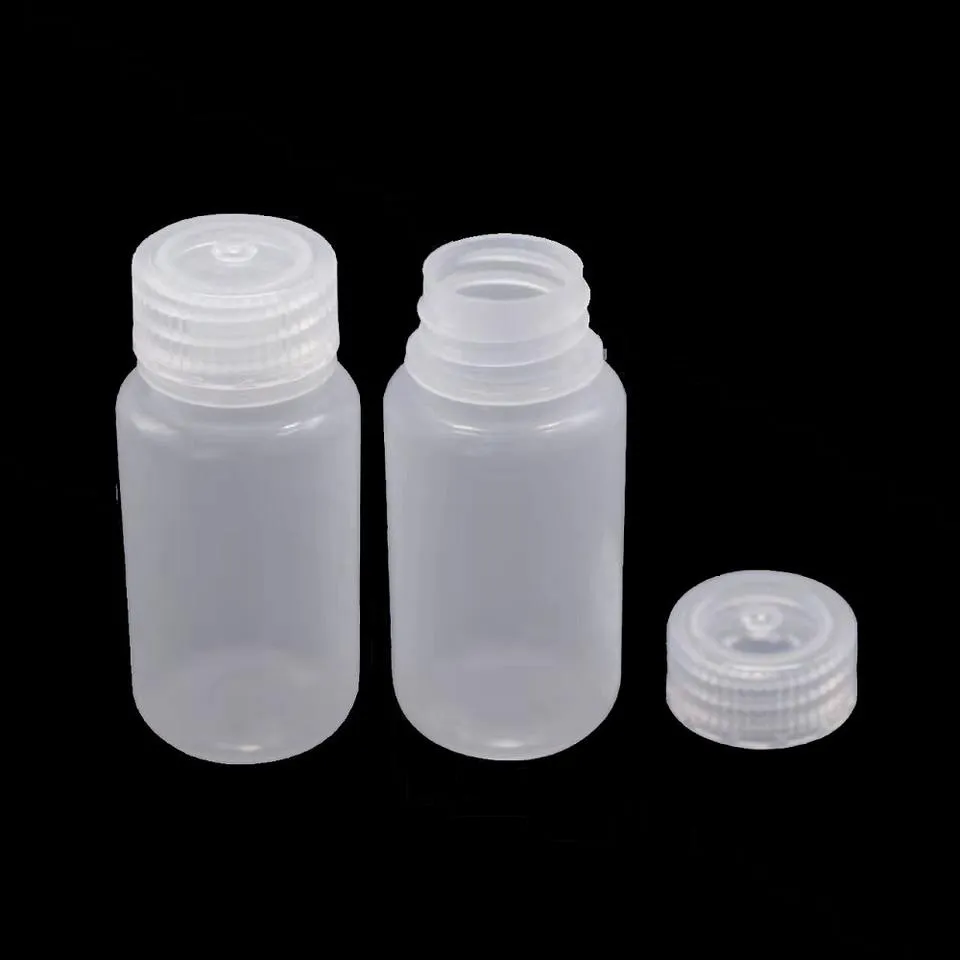
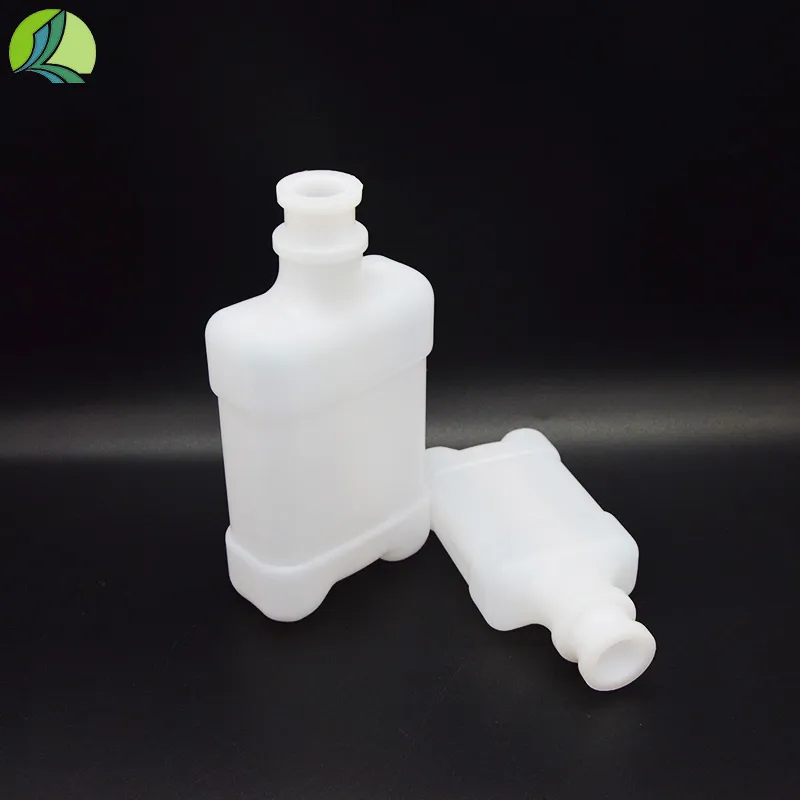
The market offers a broad range of empty bottle with dropper options, varying in size, shape, and material. High-quality plastics such as polyethylene and polypropylene dominate due to their chemical resistance and durability. Many come with droppers designed for precision application, ensuring minimal waste and maximum control over dosage.
Choosing an empty bottle with dropper also supports sustainability efforts, as many models are designed for reuse or easy recycling. Their affordability and versatility make them an attractive choice for small businesses and startups, providing professional-looking packaging without the need for large minimum orders or complex customization.
How to Choose the Best Plastic Dropper Bottle for Your Product Needs
Selecting the right plastic dropper bottle depends on multiple factors including the type of liquid, usage requirements, and target market preferences. Understanding these aspects ensures that your packaging supports both product efficacy and user satisfaction.
Material compatibility is crucial; for example, acidic or oily formulations may require specific plastic types like HDPE or LDPE to prevent degradation. The dropper mechanism should provide consistent and controlled dispensing, especially for medical or cosmetic products where dosage accuracy matters.
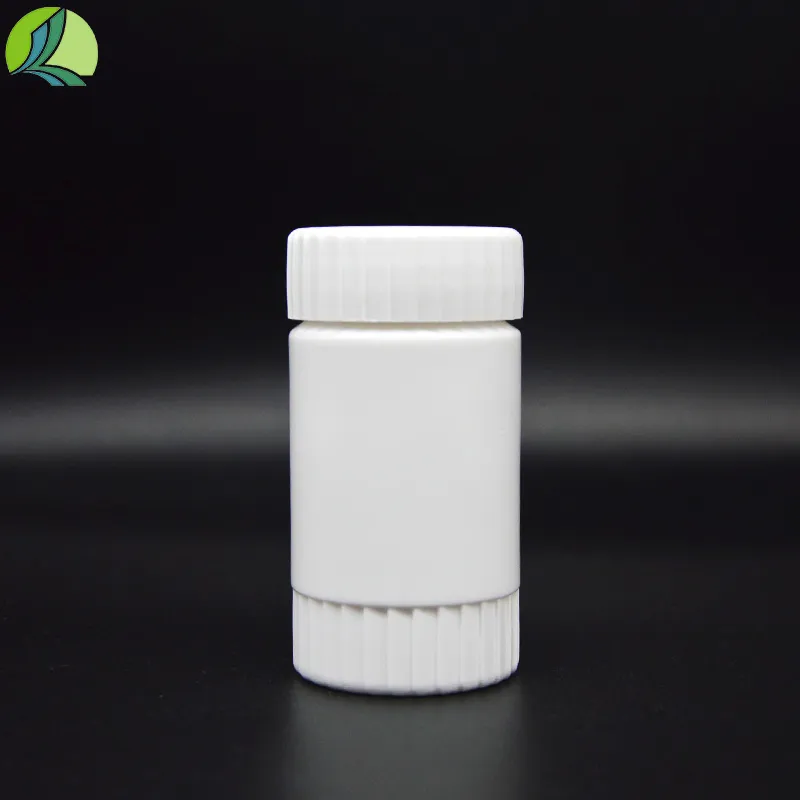
Size and capacity influence consumer convenience and branding opportunities. Smaller bottles are ideal for samples and travel, while larger ones serve daily-use products. Cap styles such as child-resistant or tamper-evident seals add layers of safety and compliance, particularly for pharmaceutical applications.
Appearance and branding also play a role. Clear plastic showcases product color and clarity, while colored or frosted bottles can protect light-sensitive ingredients. Custom printing or labeling options allow brands to communicate their story effectively.
Plastic dropper bottle FAQs
What materials are commonly used for plastic dropper bottles?
The most common plastics used include high-density polyethylene (HDPE), low-density polyethylene (LDPE), and polypropylene (PP). These materials are chosen for their chemical resistance, flexibility, and safety. HDPE is known for rigidity and strength, LDPE for its squeezability, and PP for its heat resistance and durability.
Are plastic eye dropper bottles safe for all ophthalmic solutions?
Yes, when made from appropriate medical-grade plastics and manufactured under sterile conditions, plastic eye dropper bottles are safe for a wide range of ophthalmic solutions. They prevent contamination and allow precise dosing, making them ideal for sensitive eye treatments.
Can small dropper bottles plastic be reused?
Small plastic dropper bottles can be reused if cleaned and sterilized properly, but it depends on the product they previously contained. For medical or cosmetic uses, reusing bottles without proper sterilization is not recommended due to contamination risks.
What advantages does an empty bottle with dropper offer?
An empty bottle with dropper offers flexibility for custom formulations, small-batch production, and DIY projects. It allows businesses and consumers to package liquids in a controlled manner, ensuring precise dispensing and reducing waste.
How do I choose the right dropper bottle size?
Consider the product type and usage frequency. For sample or travel sizes, bottles between 5ml and 30ml are common. Daily-use products may require larger capacities. Also, think about how much liquid users need per dose to ensure the dropper facilitates proper application.
-
Guide to Sourcing High Quality wholesale mister bottles for BusinessNûçeApr.16,2026
-
Top Quality Spray Bottle 100ml Suppliers for Your Business NeedsNûçeApr.09,2026
-
Comprehensive Guide to Pet Spray Bottle Manufacturers and Packaging SolutionsNûçeApr.07,2026
-
Comprehensive Guide to Finding Reliable Perfume Sprayers SuppliersNûçeApr.04,2026
-
Comprehensive Guide to Wholesale Mini Spray Bottles for Various ApplicationsNûçeMar.31,2026
-
Comprehensive Guide to Sourcing Mini Plastic Spray Bottles Bulk for Your BusinessNûçeMar.28,2026