

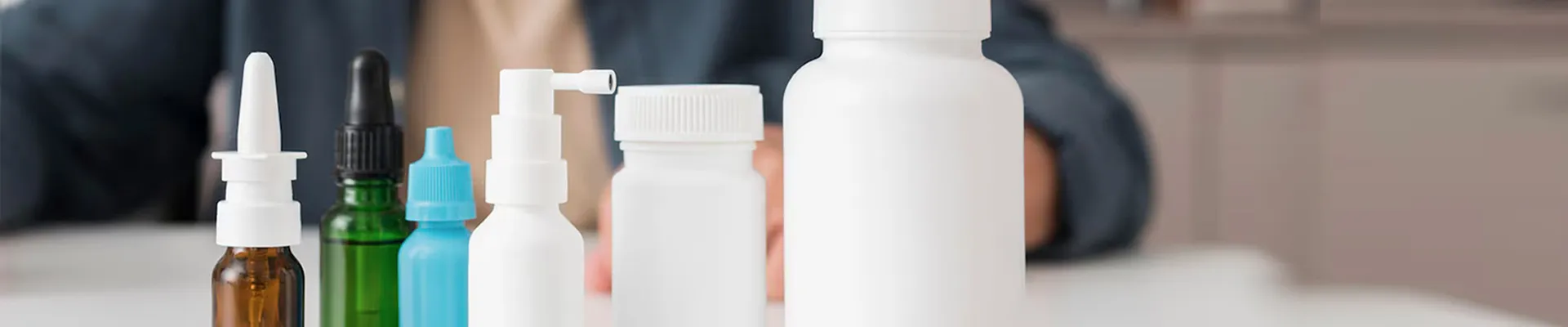


Pharmaceutical 10ml 20ml Brown Pet Plastic Liquid Syrup Bottle With Screw Cap Screen Printing Para sa Medicine Packaging
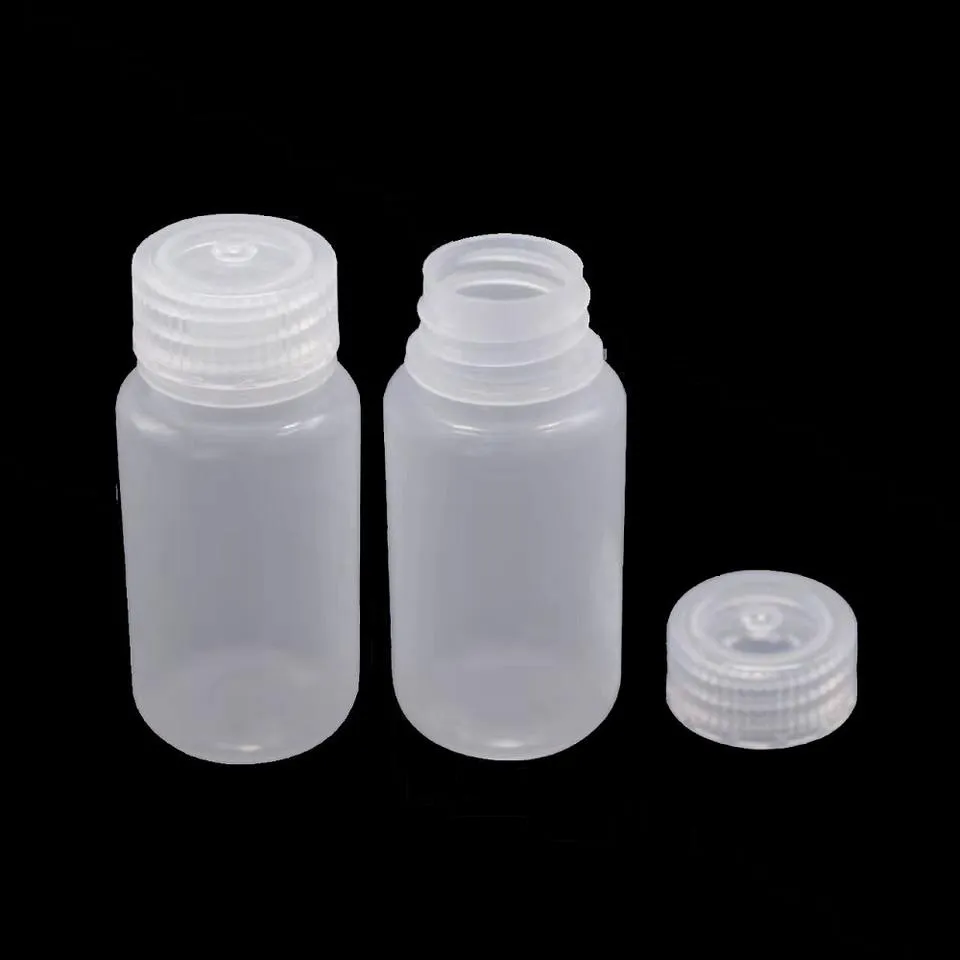
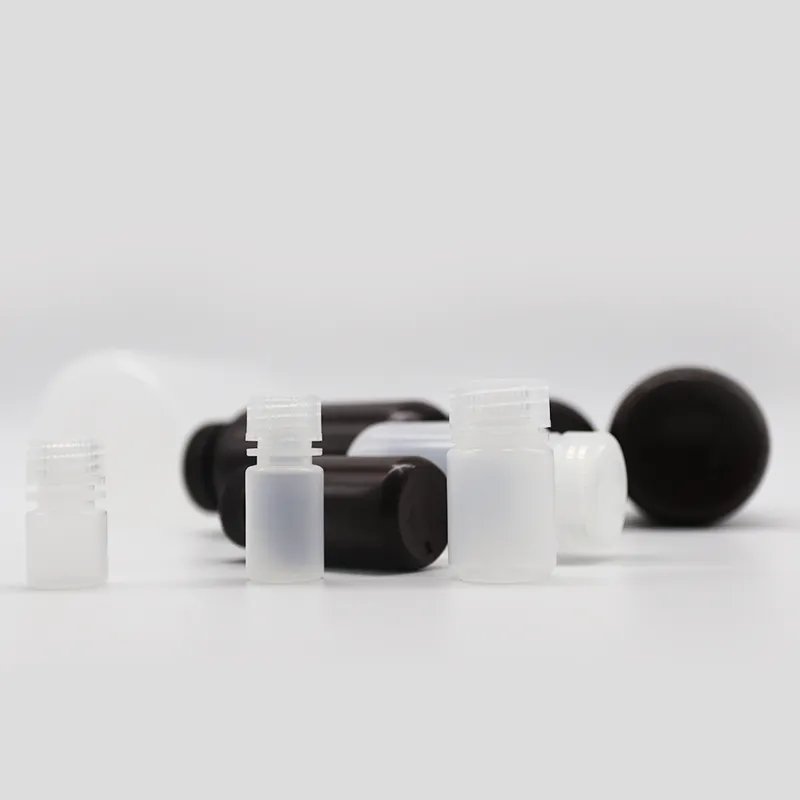
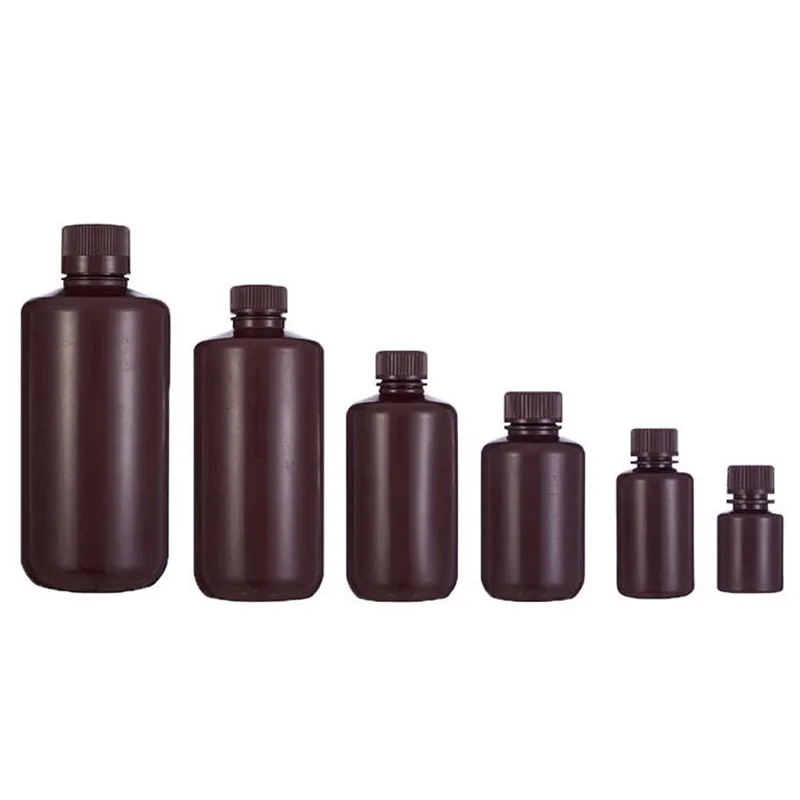
1, espesyal na disenyo ng bibig ng bote, industriya ng pag-ikot ng takip, walang panloob na pad, upang maiwasan ang pagtagas ng likido;
2, sterile, reagents at solusyon ay maaaring naka-imbak para sa isang mahabang panahon pagkatapos ng bottling;
3, maaaring pang-matagalang mababang temperatura, frozen na imbakan, bote ay hindi pumutok.
4, para sa mga customer na may mga espesyal na pangangailangan, maaari rin kaming magdisenyo at bumuo ng mga bagong hugis ng bote para sa mga customer nang hiwalay, bumuo ng mga bagong hulma, at mag-iwan ng mga hindi nakikitang logo ng mga customer sa mga produkto.
5, ang katawan ng bote ay gawa sa high-density polyethylene na materyal, at ang takip ng bote ay gawa sa high-permeability polypropylene na materyal, na may mahusay na paglaban sa kemikal at maaaring isterilisado ng radiation.
4, para sa mga customer na may mga espesyal na pangangailangan, maaari rin kaming magdisenyo at bumuo ng mga bagong hugis ng bote para sa mga customer nang hiwalay, bumuo ng mga bagong hulma, at mag-iwan ng mga hindi nakikitang logo ng mga customer sa mga produkto.
5, ang katawan ng bote ay gawa sa high-density polyethylene na materyal, at ang takip ng bote ay gawa sa high-permeability polypropylene na materyal, na may mahusay na paglaban sa kemikal at maaaring isterilisado ng radiation.
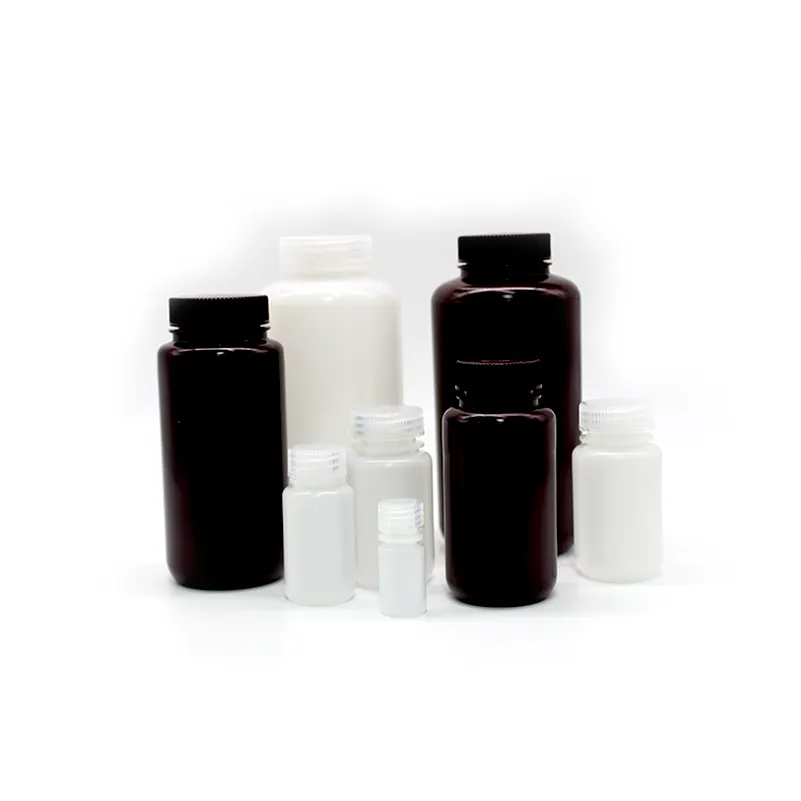
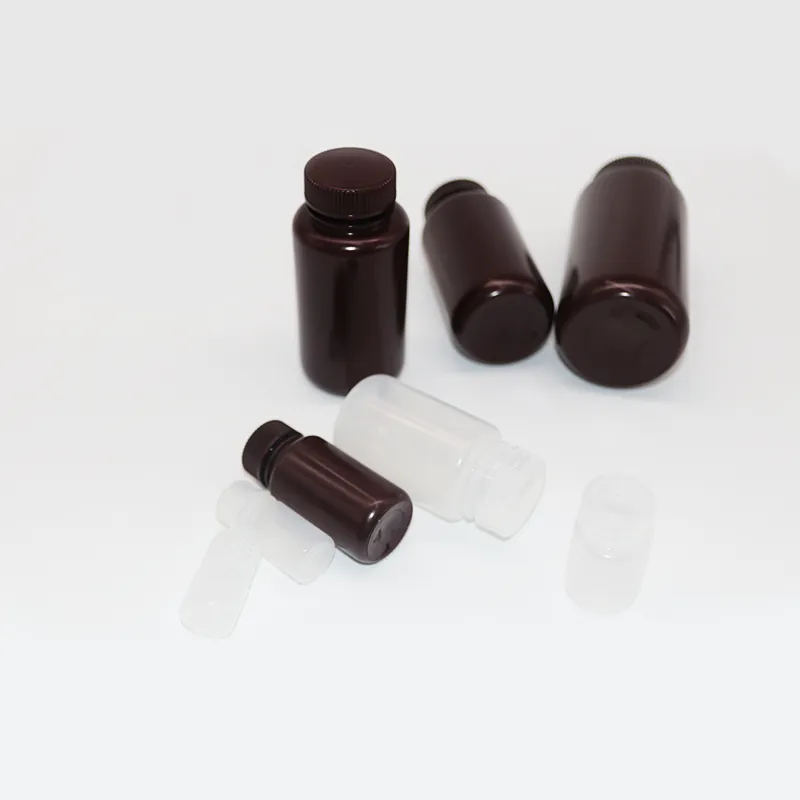
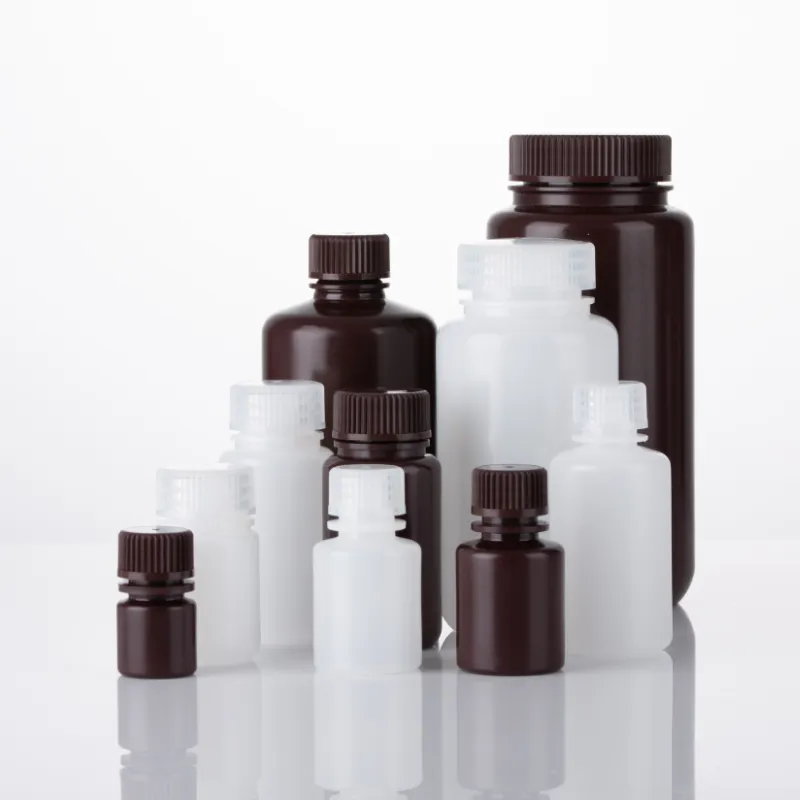
diagnostic reagent bottle ay maaaring gamitin para sa ordinaryong water machine solution packaging, na angkop para sa PH value na 5.5-9.0 na hanay ng packaging, hindi angkop para sa malakas na pagbabawas ng likidong packaging.
Use of reagent bottle in chemistry lab
Reagent bottles are essential containers in chemistry laboratories, designed to store, preserve, and safely handle chemical reagents, solutions, and solvents. They play a crucial role in ensuring the accuracy of experiments, maintaining chemical stability, and protecting laboratory personnel from potential hazards. Available in various materials, sizes, and designs, reagent bottles are widely used in educational, industrial, pharmaceutical, and research laboratories.
Storage of Chemicals
The primary use of reagent bottles is to store chemical substances safely. In a chemistry lab, researchers often work with a wide variety of reagents, ranging from acids, bases, and solvents to sensitive organic and inorganic compounds. Reagent bottles are manufactured from materials compatible with these chemicals, such as glass, borosilicate glass, or chemical-resistant plastics like high-density polyethylene (HDPE) and polypropylene (PP). Glass bottles are particularly suitable for volatile or light-sensitive chemicals because they prevent reactions with the container material and provide excellent chemical resistance. Plastic bottles, on the other hand, are lightweight and resistant to breakage, making them ideal for less reactive substances.
Reagent bottles come in various sizes, from small 50 mL bottles for precise laboratory experiments to large 2 L or more bottles for bulk storage. The bottles often feature airtight screw caps, stoppers, or specialized closures that prevent leakage and contamination. For hazardous chemicals, reagent bottles may include additional safety features, such as tamper-proof caps, chemical-resistant seals, or labeling for hazard identification. Proper storage in reagent bottles helps maintain the chemical’s purity and ensures that experiments yield reliable results.
Safe Handling and Dispensing
Another important use of reagent bottles is for the controlled handling and dispensing of chemicals. Laboratory experiments often require accurate measurement of reagents to ensure proper reactions. Many reagent bottles are equipped with narrow necks, graduated markings, or dropper stoppers that allow for precise dispensing. This helps prevent spills, reduces waste, and minimizes exposure to hazardous substances. For volatile or corrosive chemicals, reagent bottles protect the user from direct contact with harmful fumes or splashes.
Support for Experimental Procedures
Reagent bottles are also integral to various experimental procedures in chemistry laboratories. They are used for preparing stock solutions, diluting concentrated chemicals, and storing intermediate reaction mixtures. For light-sensitive chemicals, amber or colored reagent bottles are employed to prevent photodegradation, preserving the chemical’s stability and effectiveness. Some reagent bottles are designed to withstand high or low temperatures, enabling their use in heating, cooling, or refrigeration processes.
In addition, reagent bottles often feature clear labeling areas to record the chemical name, concentration, date of preparation, and hazard symbols. Accurate labeling is critical in laboratory safety and ensures that all personnel can quickly identify the contents of each bottle, reducing the risk of accidental misuse or mixing of incompatible chemicals.
Reagent bottles are indispensable in chemistry laboratories for storing, handling, and dispensing chemicals safely and effectively. Their durable construction, chemical resistance, airtight seals, and labeling features help maintain reagent stability, protect laboratory personnel, and support accurate experimental work. From simple educational labs to advanced research facilities, reagent bottles provide a reliable and practical solution for chemical storage and laboratory safety.
plastic reagent bottle factory
plastic reagent bottle for sale
plastic reagent bottle manufacturers
plastic reagent bottle suppliers