

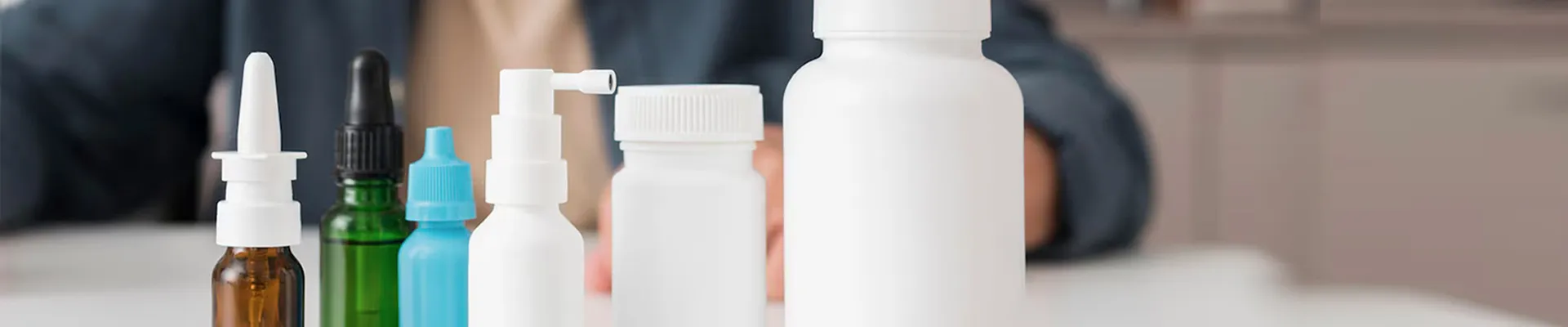


Botella líquida plástica del jarabe del animal doméstico farmacéutico de 10ml 20ml Brown con la impresión de pantalla del tapón de tuerca para el empaquetado de la medicina
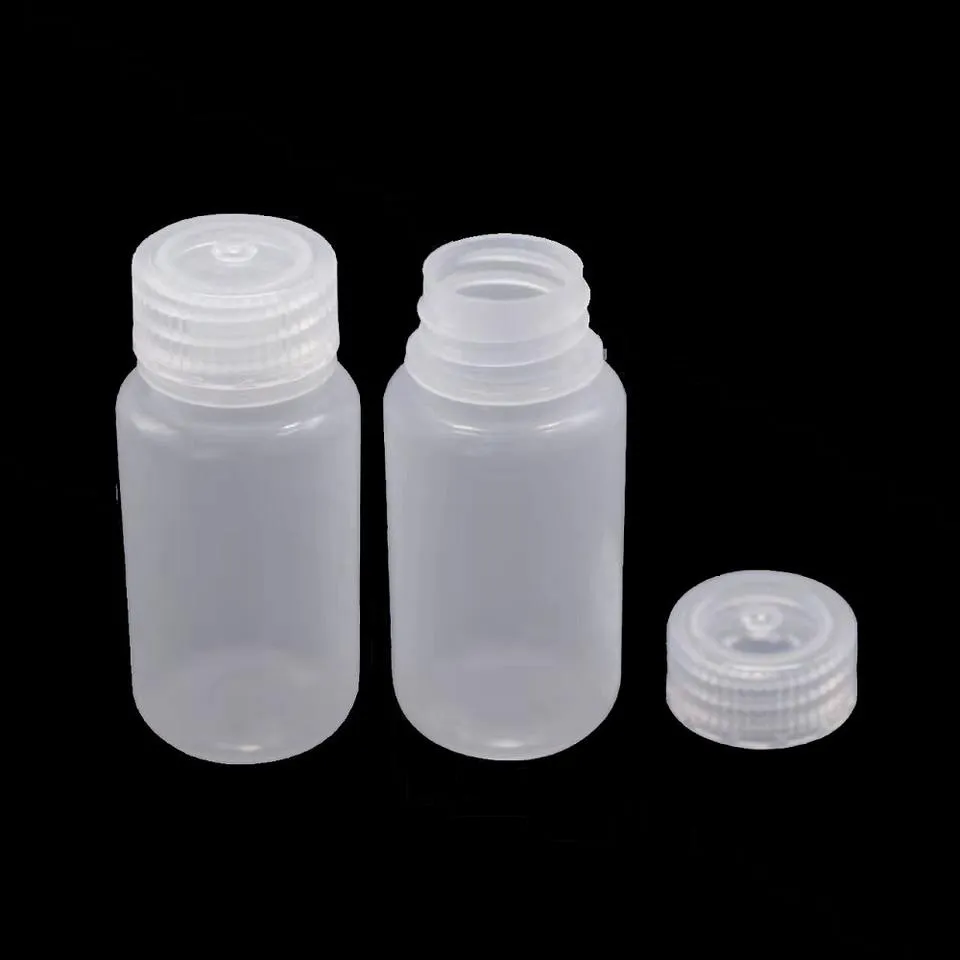
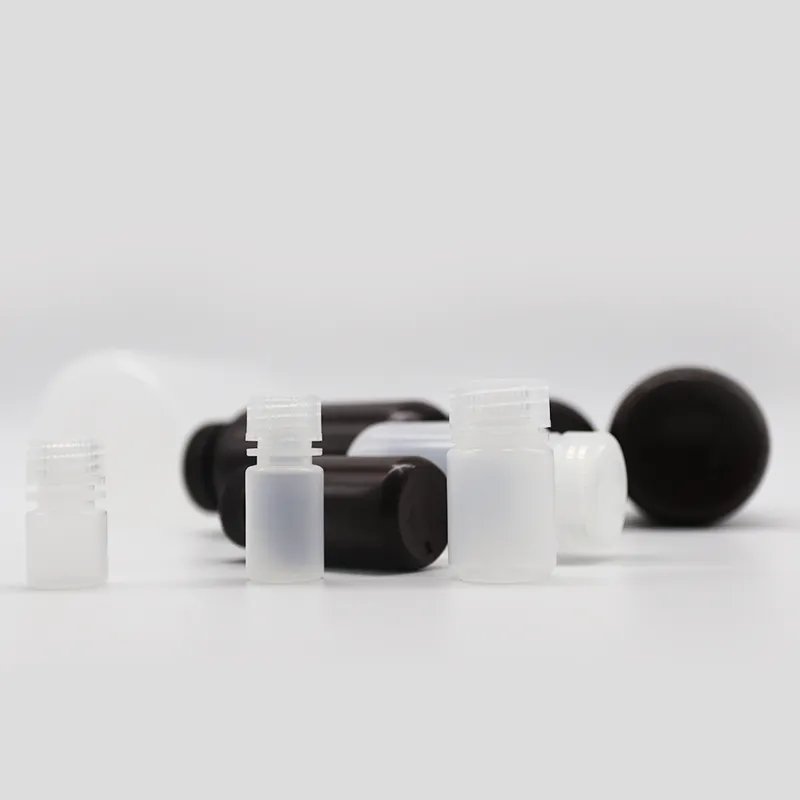
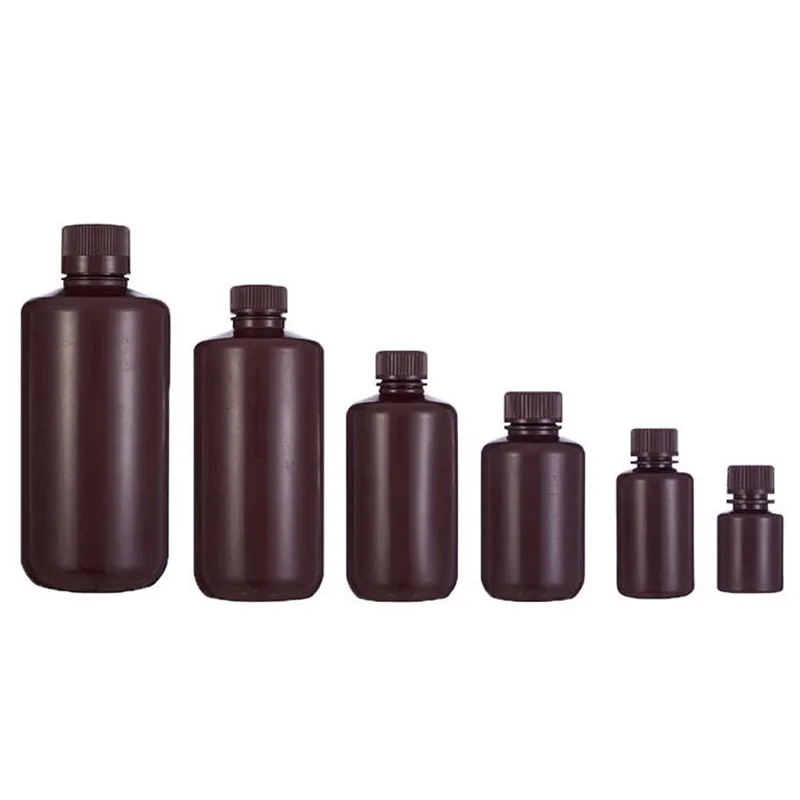
1, diseño especial de boca de botella, industria de hilado de tapas, sin almohadilla interior, para evitar fugas de líquido;
2, los reactivos y las soluciones estériles se pueden almacenar durante mucho tiempo después del embotellado;
3, puede ser a baja temperatura a largo plazo, almacenamiento congelado, la botella no se agrieta.
4, para clientes con necesidades especiales, también podemos diseñar y desarrollar nuevas formas de botellas para los clientes por separado, desarrollar nuevos moldes y dejar los logotipos invisibles de los clientes en los productos.
5, el cuerpo de la botella está hecho de material de polietileno de alta densidad y la tapa de la botella está hecha de material de polipropileno de alta permeabilidad, que tiene buena resistencia química y puede esterilizarse mediante radiación.
4, para clientes con necesidades especiales, también podemos diseñar y desarrollar nuevas formas de botellas para los clientes por separado, desarrollar nuevos moldes y dejar los logotipos invisibles de los clientes en los productos.
5, el cuerpo de la botella está hecho de material de polietileno de alta densidad y la tapa de la botella está hecha de material de polipropileno de alta permeabilidad, que tiene buena resistencia química y puede esterilizarse mediante radiación.
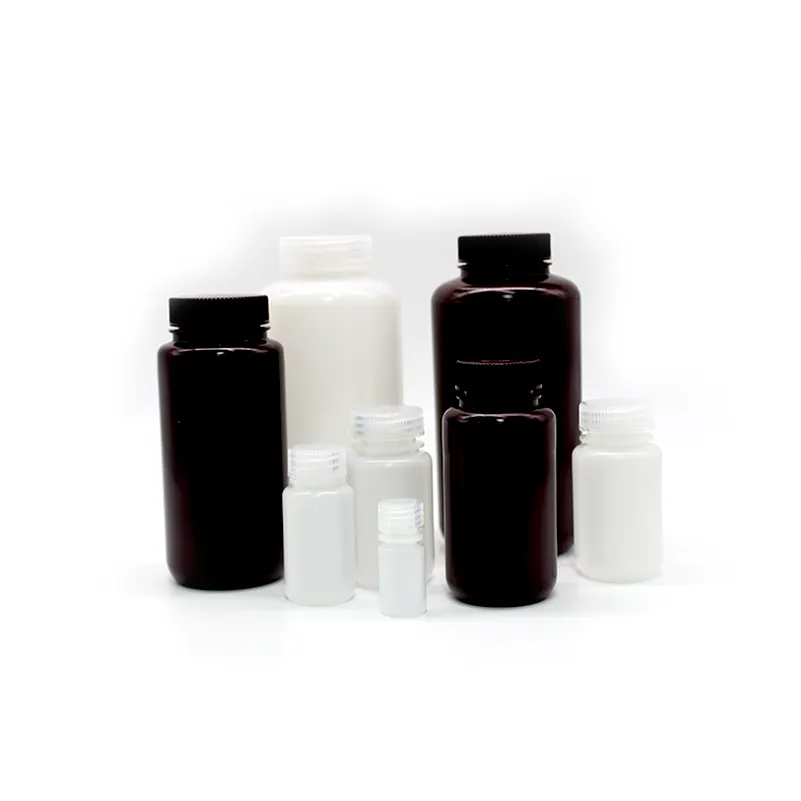
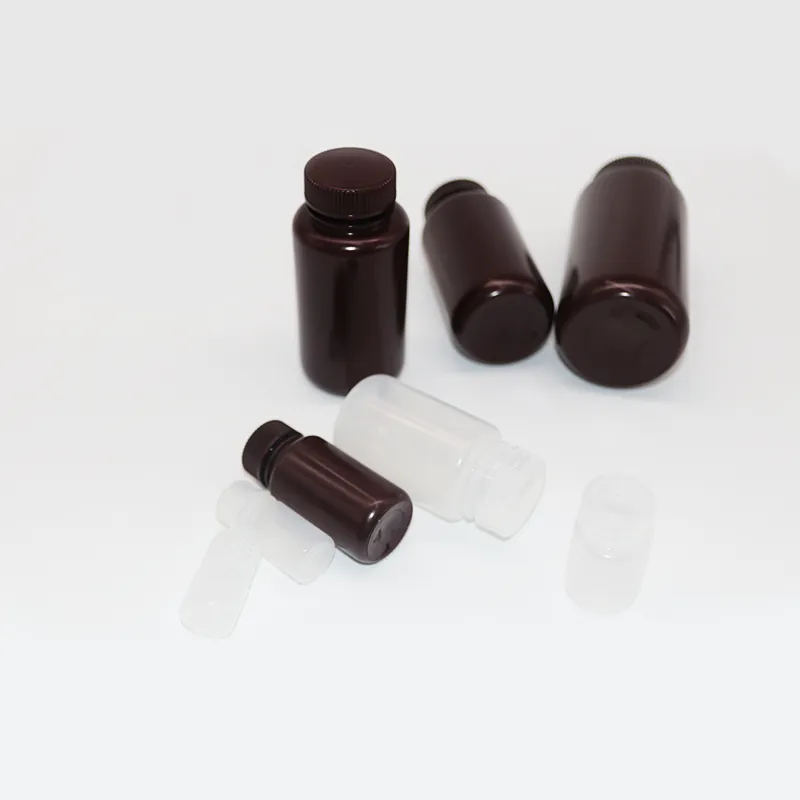
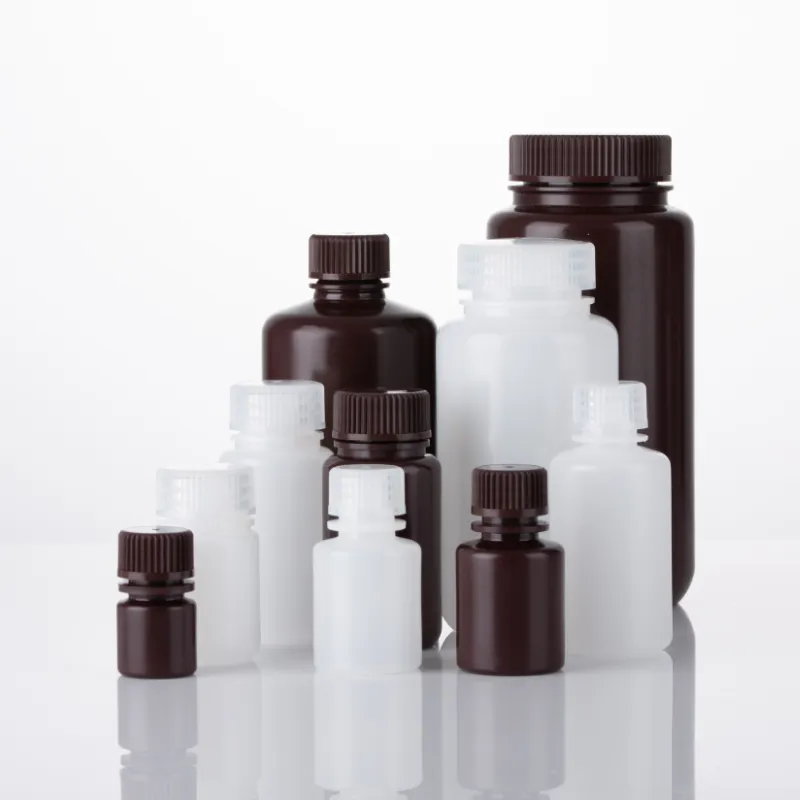
La botella de reactivo de diagnóstico se puede utilizar para el envasado de soluciones de máquinas de agua ordinarias, adecuada para envases con un rango de valores de PH de 5,5 a 9,0, no adecuada para envases de líquidos reductores fuertes.
Use of reagent bottle in chemistry lab
Reagent bottles are essential containers in chemistry laboratories, designed to store, preserve, and safely handle chemical reagents, solutions, and solvents. They play a crucial role in ensuring the accuracy of experiments, maintaining chemical stability, and protecting laboratory personnel from potential hazards. Available in various materials, sizes, and designs, reagent bottles are widely used in educational, industrial, pharmaceutical, and research laboratories.
Storage of Chemicals
The primary use of reagent bottles is to store chemical substances safely. In a chemistry lab, researchers often work with a wide variety of reagents, ranging from acids, bases, and solvents to sensitive organic and inorganic compounds. Reagent bottles are manufactured from materials compatible with these chemicals, such as glass, borosilicate glass, or chemical-resistant plastics like high-density polyethylene (HDPE) and polypropylene (PP). Glass bottles are particularly suitable for volatile or light-sensitive chemicals because they prevent reactions with the container material and provide excellent chemical resistance. Plastic bottles, on the other hand, are lightweight and resistant to breakage, making them ideal for less reactive substances.
Reagent bottles come in various sizes, from small 50 mL bottles for precise laboratory experiments to large 2 L or more bottles for bulk storage. The bottles often feature airtight screw caps, stoppers, or specialized closures that prevent leakage and contamination. For hazardous chemicals, reagent bottles may include additional safety features, such as tamper-proof caps, chemical-resistant seals, or labeling for hazard identification. Proper storage in reagent bottles helps maintain the chemical’s purity and ensures that experiments yield reliable results.
Safe Handling and Dispensing
Another important use of reagent bottles is for the controlled handling and dispensing of chemicals. Laboratory experiments often require accurate measurement of reagents to ensure proper reactions. Many reagent bottles are equipped with narrow necks, graduated markings, or dropper stoppers that allow for precise dispensing. This helps prevent spills, reduces waste, and minimizes exposure to hazardous substances. For volatile or corrosive chemicals, reagent bottles protect the user from direct contact with harmful fumes or splashes.
Support for Experimental Procedures
Reagent bottles are also integral to various experimental procedures in chemistry laboratories. They are used for preparing stock solutions, diluting concentrated chemicals, and storing intermediate reaction mixtures. For light-sensitive chemicals, amber or colored reagent bottles are employed to prevent photodegradation, preserving the chemical’s stability and effectiveness. Some reagent bottles are designed to withstand high or low temperatures, enabling their use in heating, cooling, or refrigeration processes.
In addition, reagent bottles often feature clear labeling areas to record the chemical name, concentration, date of preparation, and hazard symbols. Accurate labeling is critical in laboratory safety and ensures that all personnel can quickly identify the contents of each bottle, reducing the risk of accidental misuse or mixing of incompatible chemicals.
Reagent bottles are indispensable in chemistry laboratories for storing, handling, and dispensing chemicals safely and effectively. Their durable construction, chemical resistance, airtight seals, and labeling features help maintain reagent stability, protect laboratory personnel, and support accurate experimental work. From simple educational labs to advanced research facilities, reagent bottles provide a reliable and practical solution for chemical storage and laboratory safety.
plastic reagent bottle factory
plastic reagent bottle for sale
plastic reagent bottle manufacturers
plastic reagent bottle suppliers