-
 Afrikaans
 -
 Albanian
 -
 Amharic
 -
 Arabic
 -
 Armenian
 -
 Azerbaijani
 -
 Basque
 -
 Belarusian
 -
 Bengali
 -
 Bosnian
 -
 Bulgarian
 -
 Catalan
 -
 Cebuano
 -
 Corsican
 -
 Croatian
 -
 Czech
Czech -
 Danish
 -
 Dutch
Dutch -
 English
 -
 Esperanto
 -
 Estonian
 -
 Finnish
 -
 French
 -
 Frisian
 -
 Galician
 -
 Georgian
 -
 German
 -
 Greek
Greek -
 Gujarati
 -
 Haitian Creole
 -
 hausa
hausa -
 hawaiian
 -
 Hebrew
 -
 Hindi
Hindi -
 Miao
Miao -
 Hungarian
 -
 Icelandic
 -
 igbo
igbo -
 Indonesian
 -
 irish
irish -
 Italian
 -
 Japanese
 -
 Javanese
 -
 Kannada
 -
 kazakh
 -
 Khmer
Khmer -
 Rwandese
 -
 Korean
 -
 Kurdish
 -
 Kyrgyz
 -
 Lao
Lao -
 Latin
Latin -
 Latvian
 -
 Lithuanian
 -
 Luxembourgish
 -
 Macedonian
 -
 Malgashi
 -
 Malay
Malay -
 Malayalam
 -
 Maltese
 -
 Maori
Maori -
 Marathi
 -
 Mongolian
 -
 Myanmar
 -
 Nepali
 -
 Norwegian
 -
 Norwegian
 -
 Occitan
 -
 Pashto
 -
 Persian
 -
 Polish
 -
 Portuguese
 -
 Punjabi
 -
 Romanian
 -
 Russian
 -
 Samoan
 -
 Scottish Gaelic
 -
 Serbian
 -
 Sesotho
 -
 Shona
Shona -
 Sindhi
 -
 Sinhala
 -
 Slovak
 -
 Slovenian
 -
 Somali
 -
 Spanish
 -
 Sundanese
 -
 Swahili
 -
 Swedish
 -
 Tagalog
 -
 Tajik
Tajik -
 Tamil
Tamil -
 Tatar
Tatar -
 Telugu
 -
 Thai
Thai -
 Turkish
 -
 Turkmen
 -
 Ukrainian
 -
 Urdu
Urdu -
 Uighur
 -
 Uzbek
Uzbek -
 Vietnamese
 -
 Welsh
Welsh -
 Bantu
Bantu -
 Yiddish
 -
 Yoruba
 -
 Zulu
Zulu



Why Are 50 mL Polypropylene Conical Tubes a Staple in Laboratories?
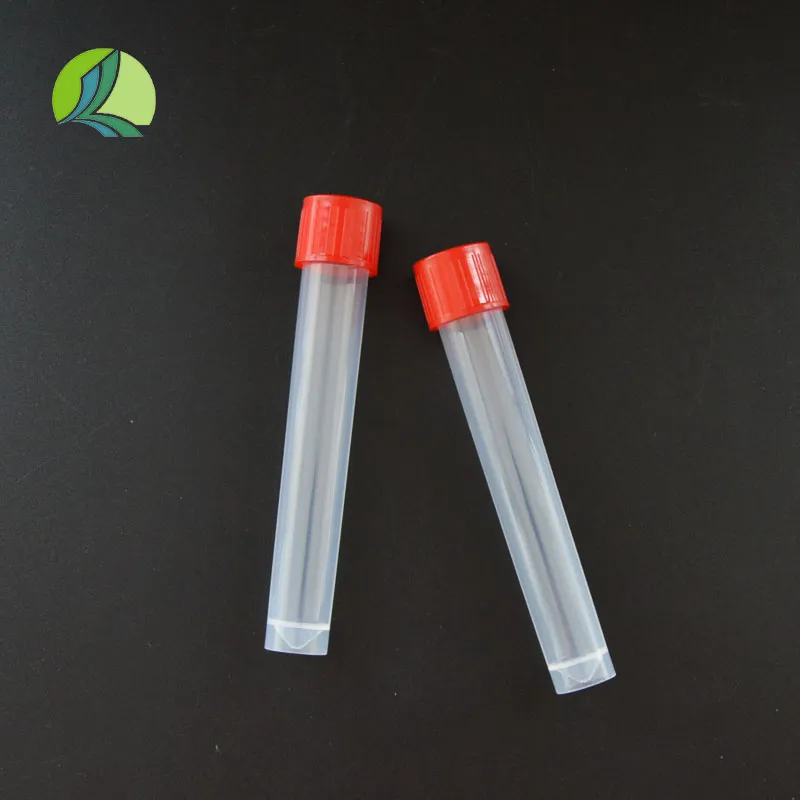
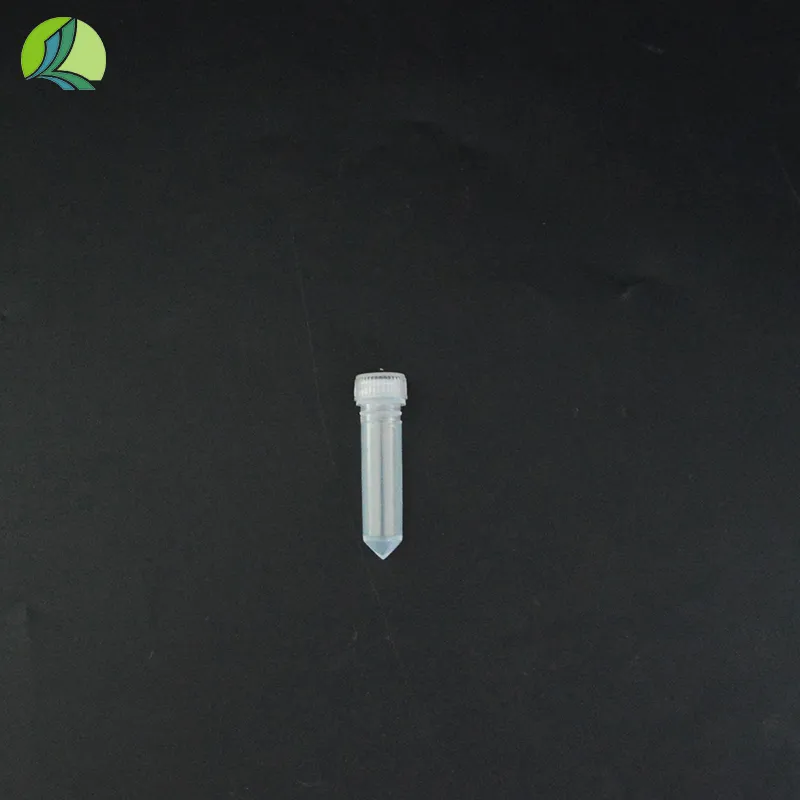
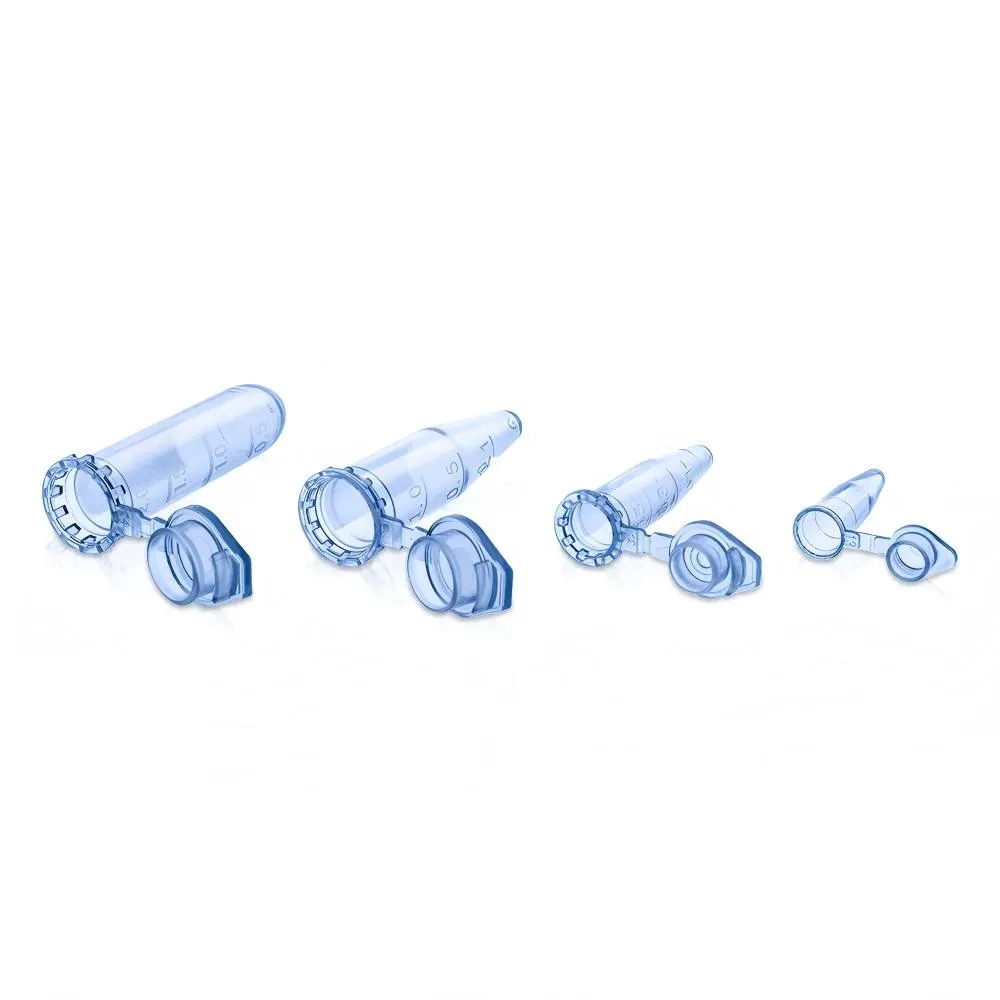
In the world of scientific research and laboratory work, specific tools and containers play a pivotal role in ensuring accuracy and efficiency. Among these, 50 mL polypropylene conical tubes and their variants have become indispensable. Terms like conical plastic tube, falcon tube plastic type, plastic conical tube, and plastic conical tubes refer to versatile containers designed to handle various samples, from biological specimens to chemical solutions. Their design and material properties make them suitable for a wide range of applications, emphasizing their importance in modern laboratory settings.
How Do 50 mL Polypropylene Conical Tubes Enhance Sample Handling?
50 mL polypropylene conical tubes are prized for their robust construction and functional design. The conical shape allows for efficient centrifugation, as sediments or precipitates collect at the pointed bottom, making them easy to isolate or resuspend. In molecular biology experiments, these tubes are often used for storing DNA or RNA samples, as polypropylene is resistant to degradation from common laboratory reagents like alcohols and buffers. Additionally, the 50 mL capacity strikes a balance between handling large volumes and fitting into standard lab equipment, such as centrifuge rotors and rack systems. For researchers working with cell cultures, 50 mL polypropylene conical tubes provide a reliable space for cell counting, washing, and storage, ensuring minimal sample loss and maximum safety.
What Makes Conical Plastic Tubes Ideal for Diverse Applications?
Conical plastic tubes, regardless of specific volume or brand, offer flexibility that caters to different laboratory needs. Their lightweight nature compared to glass alternatives reduces the risk of breakage, making them suitable for fieldwork or transport. In clinical settings, these tubes are used for collecting and processing blood samples, urine specimens, and other biological materials. The plastic material is also amenable to labeling, with smooth surfaces that accept permanent markers or adhesive labels, crucial for maintaining sample traceability. Furthermore, many conical plastic tubes come with features like snap - fit lids or screw caps, ensuring airtight seals to prevent leakage during storage or transportation, the safety of both the sample and the handler.
When Should You Choose a Falcon Tube Plastic Type Over Other Variants?
The falcon tube plastic type, a popular brand of conical tubes, is often favored for its consistent quality and standardized dimensions. Originally developed for cell culture applications, Falcon tubes are known for their clarity, which allows for easy visual inspection of samples without opening the tube. The plastic used in Falcon tubes is rigorously tested for contaminants, making them suitable for sensitive applications like stem cell research or reagent preparation. In academic and industrial labs where precision and reliability are non - negotiable, the falcon tube plastic type ensures that experiments can be replicated with confidence. Their compatibility with automated liquid handling systems also boosts efficiency in high - throughput screening or diagnostic testing environments.
Which Features Define a High - Quality Plastic Conical Tube?
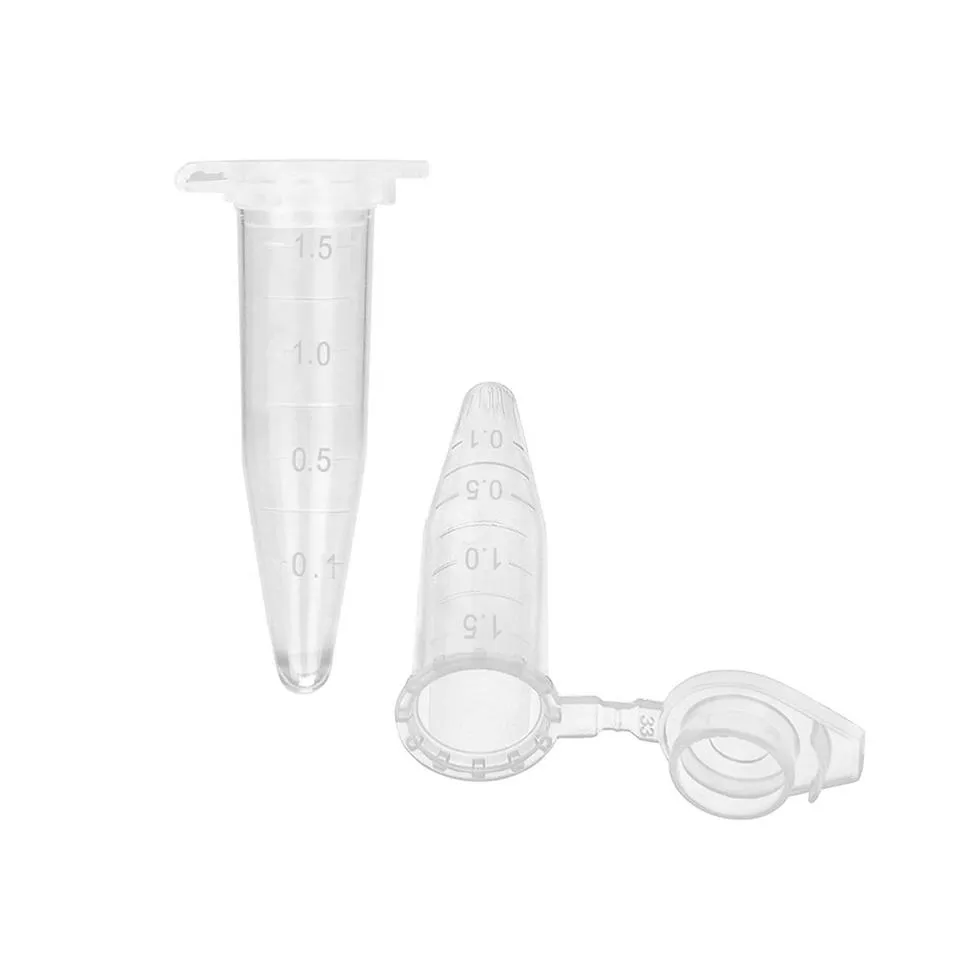
A reliable plastic conical tube should exhibit several key characteristics. First, chemical resistance is paramount, as it must withstand exposure to acids, bases, and organic solvents commonly used in labs. Polypropylene, a preferred material for many plastic conical tubes, offers excellent resistance to a wide range of chemicals while maintaining flexibility at low temperatures. Second, mechanical strength is essential to endure the forces generated during centrifugation, with some tubes rated for high - speed centrifugation up to 15,000 x g. Third, ease of use features such as graduated markings for volume measurement, ergonomic grips for handling, and sterile packaging options for cell culture applications contribute to a tube’s utility. Laboratories often prioritize plastic conical tubes that meet these criteria to ensure both sample integrity and operational efficiency.
How to Properly Maintain and Use Plastic Conical Tubes?
Storage and Handling Best Practices
To prolong the lifespan of plastic conical tubes and preserve sample quality, store them in a clean, dry environment away from direct sunlight and extreme temperatures. When handling, ensure that hands are clean and dry to avoid contaminating the tube’s interior or exterior. For sensitive samples, use sterile tubes and avoid touching the inside of the lid or tube cavity. After use, dispose of contaminated tubes in appropriate biohazard or chemical waste containers to comply with safety regulations.
Centrifugation and Volume Considerations
Before centrifuging 50 mL polypropylene conical tubes or any plastic conical tube, balance the load in the centrifuge rotor to prevent damage to the equipment or sample spillage. Never overfill the tube, as this can lead to leakage during centrifugation. Most tubes have a maximum fill line that should not be exceeded. For low - volume samples, use the conical shape to concentrate them at the bottom for easy recovery.
Compatibility with Lab Accessories
Ensure that plastic conical tubes are compatible with the lab’s existing accessories, such as tube racks, pipette tips, and centrifuge adapters. Some tubes come with specific designs, like external threads for screw caps or internal ridges for secure lid placement, which may require compatible accessories. Checking manufacturer specifications for compatibility can save time and prevent operational issues in the lab.
-
Guide to Sourcing High Quality wholesale mister bottles for BusinessTin tứcApr.16,2026
-
Top Quality Spray Bottle 100ml Suppliers for Your Business NeedsTin tứcApr.09,2026
-
Comprehensive Guide to Pet Spray Bottle Manufacturers and Packaging SolutionsTin tứcApr.07,2026
-
Comprehensive Guide to Finding Reliable Perfume Sprayers SuppliersTin tứcApr.04,2026
-
Comprehensive Guide to Wholesale Mini Spray Bottles for Various ApplicationsTin tứcMar.31,2026
-
Comprehensive Guide to Sourcing Mini Plastic Spray Bottles Bulk for Your BusinessTin tứcMar.28,2026