



Ống ly tâm bằng nhựa Chai ly tâm đơn giản và đẹp dùng trong phòng thí nghiệm
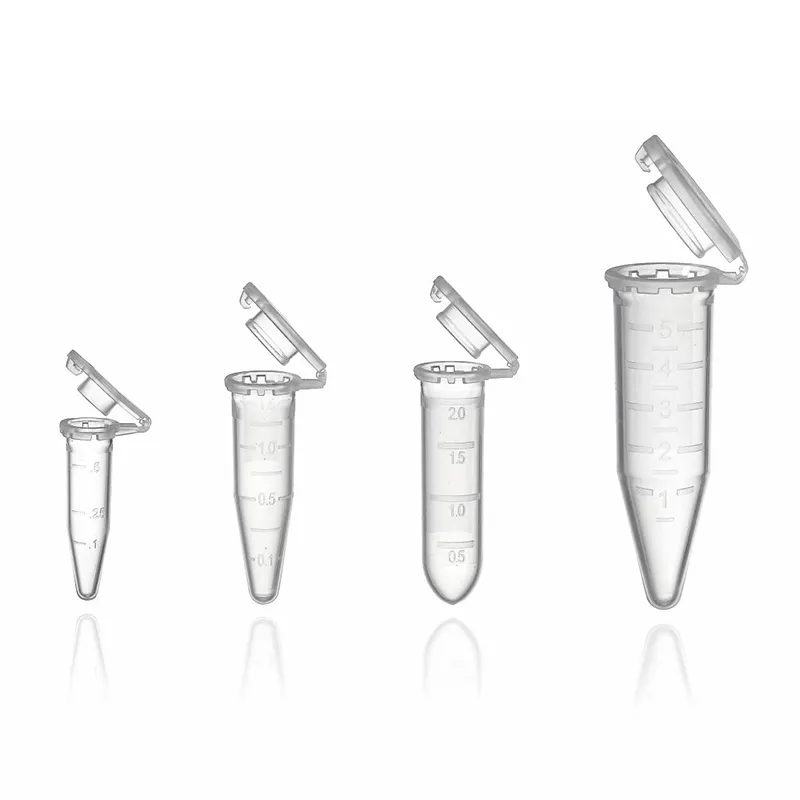
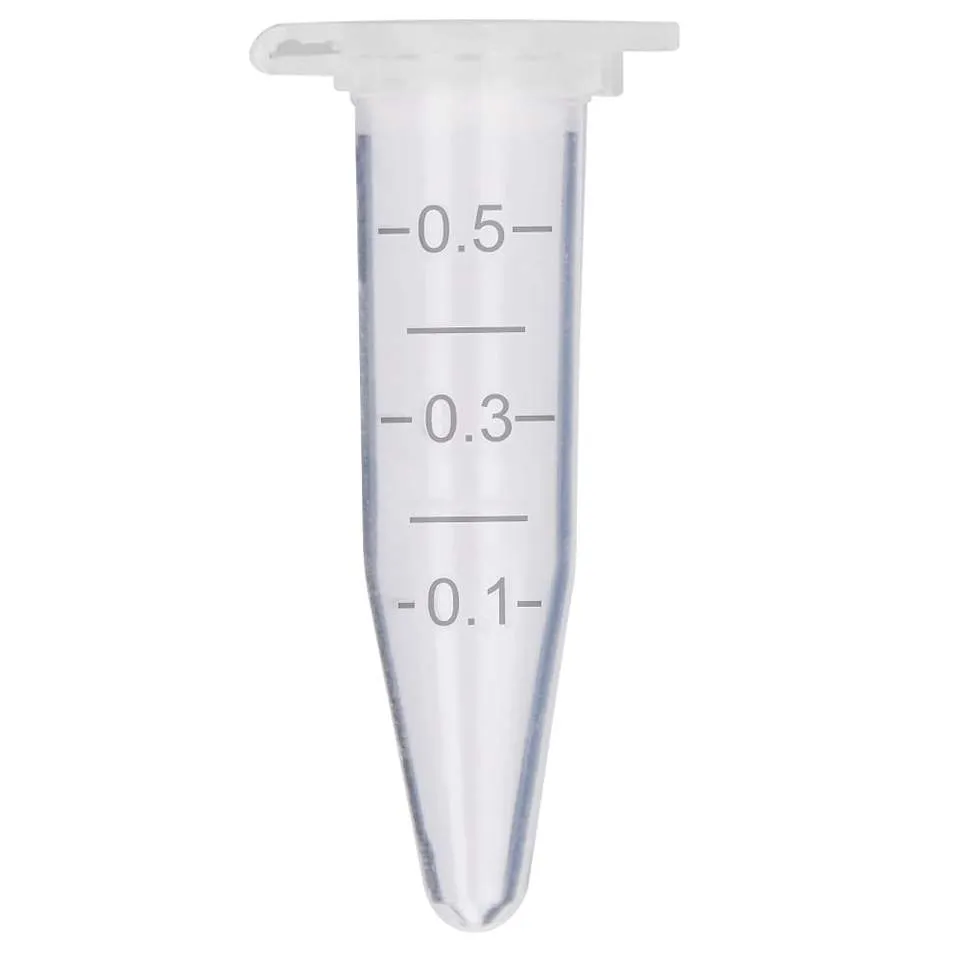
Khi chọn điểm này, chúng ta cũng nên chú ý kiểm tra xem nắp ống có kín không và liệu nó có thể được đậy kín trong quá trình thử nghiệm để đảo ngược mà không bị rò rỉ hay không; Chúng ta đều biết rằng trong ống ly tâm bằng nhựa, các vật liệu thường được sử dụng là polyetylen, polycarbonate, polypropylen, v.v., trong đó ống PP polypropylen sẽ có hiệu suất tương đối tốt, vì vậy chúng tôi xem xét ống ly tâm nhựa polypropylen nhiều nhất có thể khi lựa chọn ống ly tâm nhựa.
MỘT, PA: polyme đẳng tinh thể; PC polycarbonate; PP: Làm sạch polypropylen
B, Ống và cốc ly tâm PC: Vật liệu PC có độ ổn định hóa học thấp đối với dung môi kiềm và nên tránh các chất tẩy rửa có giá trị PH lớn hơn 9. Hấp khử trùng
C, PA, PC and PP centrifuge tubes and cups: PA begins to soften at 120°C, while PC and PP are at 130°C. Typically, PA can be sterilized at 115°C (0.7kg/cm²) for 30 minutes, while PC and PP can be sterilized at 121°C (1.0kg/cm²) for 20 minutes. If the temperature is too high, the centrifugal tube or cup will be deformed. When using sterilized utensils, follow the following operations:
(1) Đặt miệng ống hướng lên trên và thẳng đứng; Nếu ống bị nghiêng hoặc đặt sang một bên, nó sẽ bị biến dạng do trọng lực;
(2) Tháo nắp ren và nắp bên trong để tránh ống bị biến dạng hoặc nứt;
(3) Ống chỉ có thể được lấy ra khi máy tiệt trùng được hạ xuống nhiệt độ phòng;
D, tuổi thọ của ống ly tâm và cốc ly tâm Tuổi thọ của cốc ống ly tâm bằng nhựa phụ thuộc vào đặc tính của mẫu, tốc độ rôto, nhiệt độ ly tâm, v.v. Khi sử dụng ống và cốc ly tâm bằng nhựa để ly tâm các mẫu trung tính thông thường (PH5 ~ PH9), ước tính tuổi thọ của chúng như sau: sử dụng ở tốc độ cao nhất: khoảng 10 lần (sử dụng tốc độ thấp có thể tăng số lần sử dụng). Tuổi thọ của ống và cốc ly tâm cũng liên quan đến điều kiện làm sạch và khử trùng.
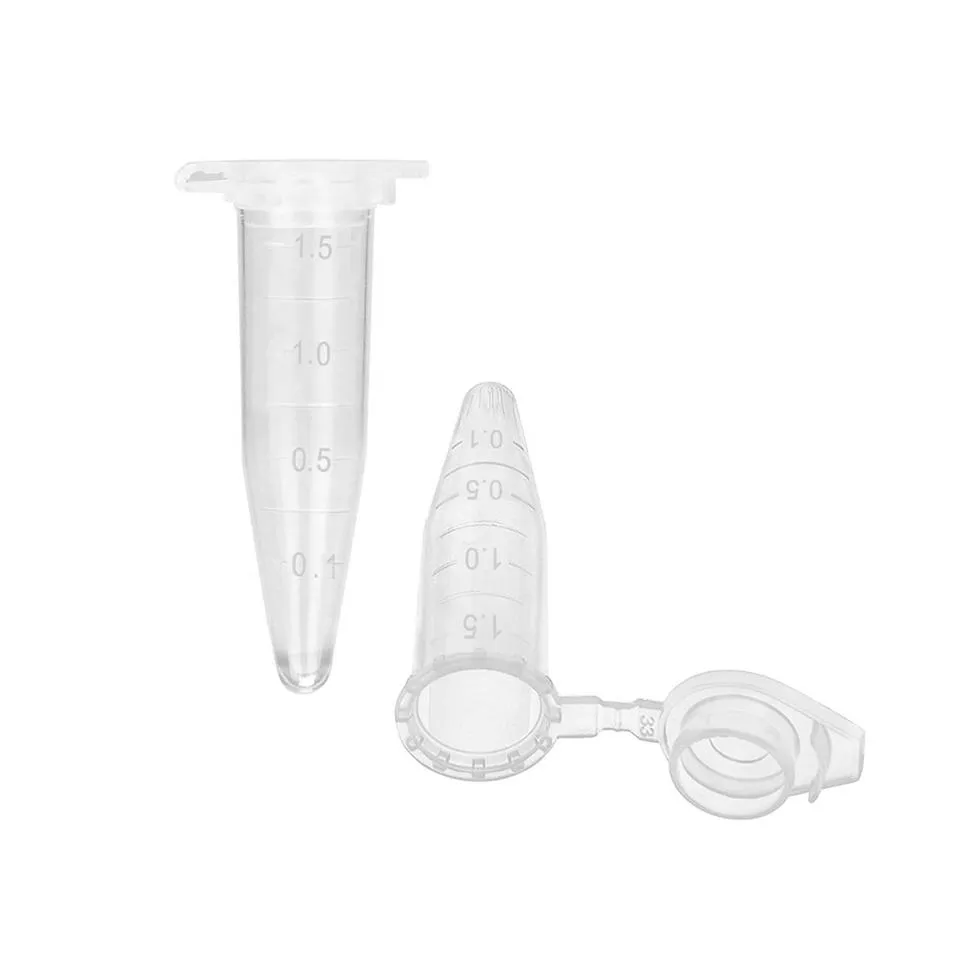
Ống ly tâm là một thùng chứa dùng để chứa các mẫu riêng biệt khi máy ly tâm xử lý mẫu và thông số kỹ thuật của nó chủ yếu là 0,2ml, 0,5ml, 1,5ml, 2ml, 5ml, 7ml, 10ml, 15ml, 20ml, 50ml, 80ml, 100ml, 120ml.
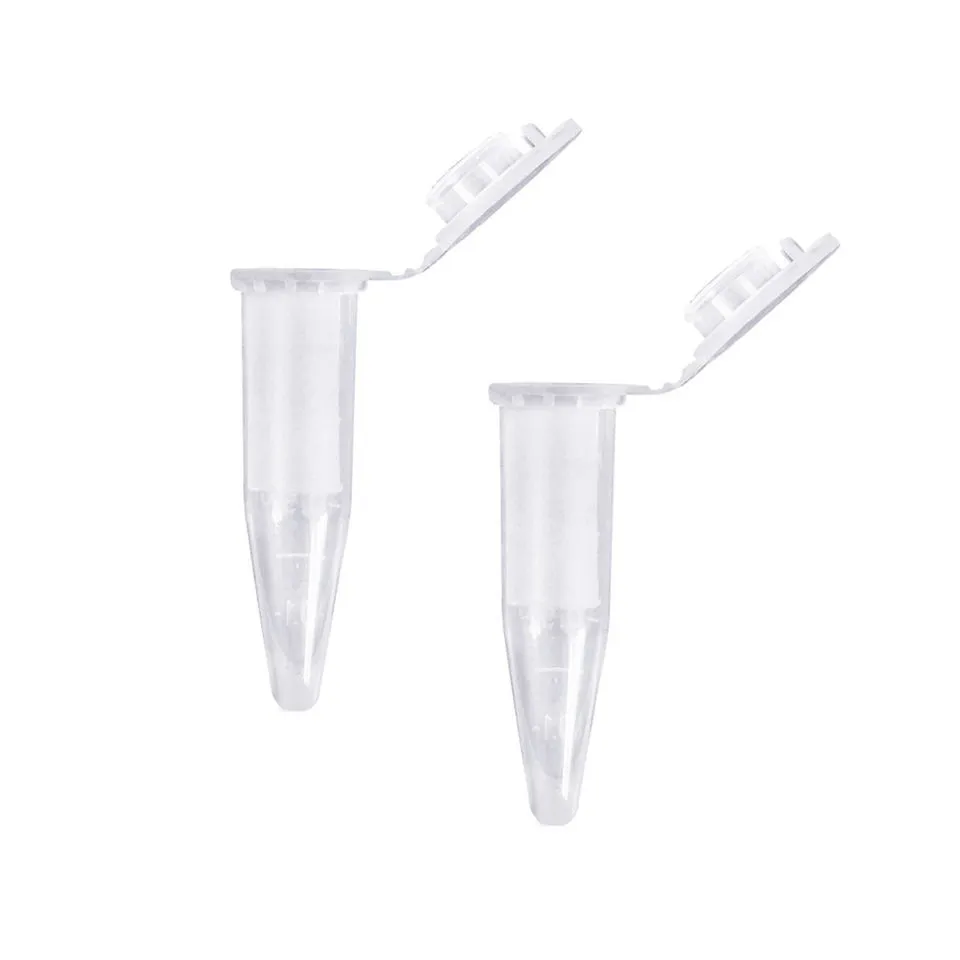
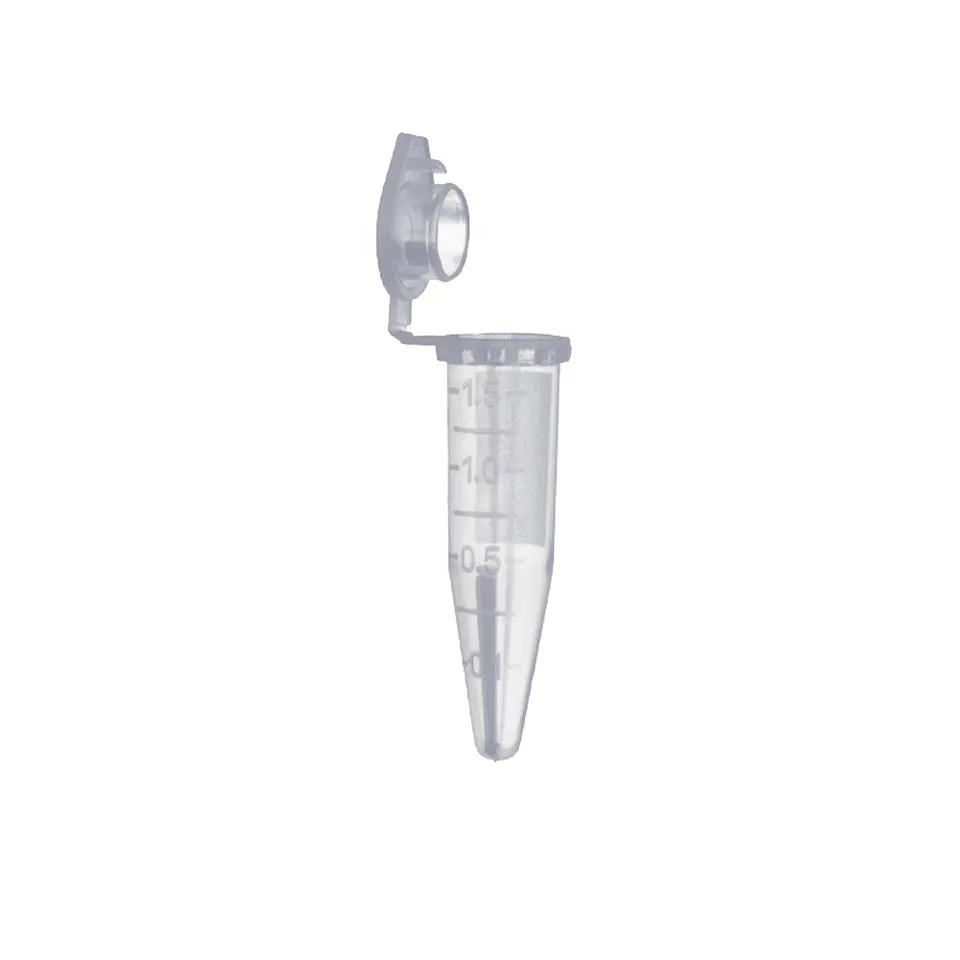
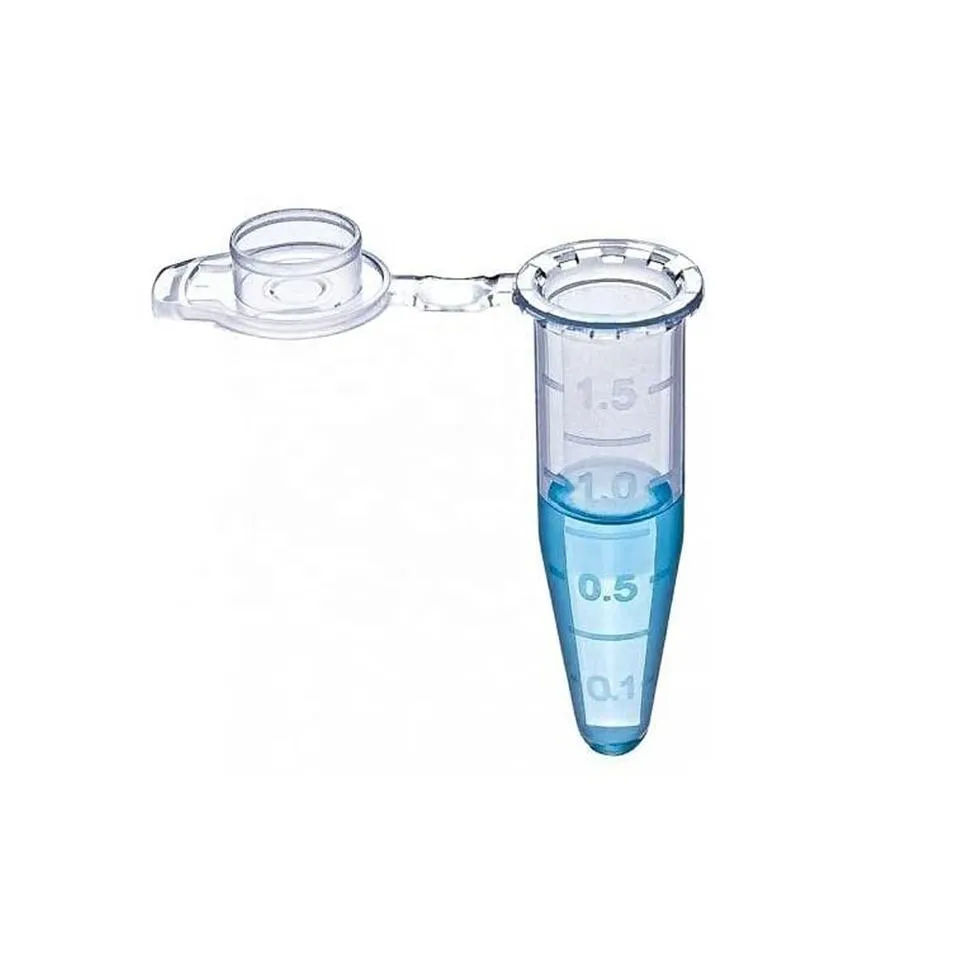
Ưu điểm của ống ly tâm bằng nhựa là trong suốt hoặc mờ, độ cứng nhỏ và mẫu có thể được lấy ra bằng cách đâm thủng. Nhược điểm là dễ biến dạng, khả năng chống ăn mòn kém đối với dung môi hữu cơ và tuổi thọ ngắn. Ống ly tâm bằng nhựa có nắp ống, dùng để ngăn chặn rò rỉ mẫu, đặc biệt đối với các mẫu có tính phóng xạ hoặc có tính ăn mòn cao, việc ngăn chặn rò rỉ mẫu là một điểm rất quan trọng; Một chức năng khác của nắp ống là ngăn chặn sự bay hơi của mẫu và hỗ trợ ống ly tâm để ngăn ngừa biến dạng của ống ly tâm.
Khi chọn điểm này, chúng ta cũng nên chú ý kiểm tra xem nắp ống có kín không và liệu nó có thể được đậy kín trong quá trình thử nghiệm để đảo ngược mà không bị rò rỉ hay không; Chúng ta đều biết rằng trong ống ly tâm nhựa, các vật liệu thường được sử dụng là polyetylen xi(PE), polycarbonate (PC), polypropylen (PP), v.v., trong đó ống nhựa PP sẽ có hiệu suất tương đối tốt, vì vậy chúng ta nên xem xét ống ly tâm nhựa polypropylen. ống càng nhiều càng tốt khi lựa chọn ống ly tâm nhựa.
Centrifuge Tubes Uses in Laboratory
Centrifuge tubes are essential pieces of equipment used in laboratories for separating, storing, and handling liquid samples during scientific experiments. These tubes are specifically designed to withstand the high rotational speeds and centrifugal forces generated by a centrifuge machine. Made from durable materials such as polypropylene, polycarbonate, or glass, centrifuge tubes are widely used in biological, chemical, medical, and environmental laboratories. Their versatility and reliability make them indispensable tools in many types of laboratory workflows.
Sample Separation and Centrifugation
One of the primary uses of centrifuge tubes in the laboratory is sample separation. When a sample containing mixed components is placed in a centrifuge tube and spun at high speed in a centrifuge, the centrifugal force causes particles of different densities to separate. Heavier particles move to the bottom of the tube, forming a pellet, while lighter substances remain suspended in the liquid above, called the supernatant.
This process is widely used in molecular biology and biochemistry laboratories. For example, centrifuge tubes are commonly used to separate blood components such as plasma, serum, and red blood cells. Researchers also use them to isolate DNA, RNA, proteins, and cellular organelles from biological samples. In microbiology, centrifuge tubes help collect bacterial cells from culture media after centrifugation. The clear design of most tubes allows scientists to easily observe the layers formed after separation.
Centrifuge tubes come in different sizes to accommodate various sample volumes. Common sizes include 1.5 mL microcentrifuge tubes, 15 mL conical tubes, and 50 mL conical tubes. The conical shape at the bottom of many tubes helps concentrate the pellet, making it easier to remove the supernatant without disturbing the separated material.
Sample Storage, Mixing, and Transport
In addition to separation, centrifuge tubes are frequently used for sample storage and preparation. Laboratories often store biological samples, chemical solutions, and reagents in these tubes because they are durable and resistant to temperature changes. Many centrifuge tubes can withstand freezing temperatures for long-term storage, making them suitable for storing DNA, enzymes, or other sensitive materials.
Centrifuge tubes are also useful for mixing reagents and preparing solutions. Scientists can add multiple liquids or powdered chemicals into a tube and mix them by vortexing or gentle shaking. The secure screw caps or snap caps on centrifuge tubes prevent leakage and contamination during mixing. This makes them ideal for preparing reaction mixtures, diluting samples, or performing small-scale experiments.
Another important use of centrifuge tubes is the safe transport of samples within or between laboratories. Their leak-proof design helps protect samples from contamination while preventing spills that could damage equipment or compromise experimental results. Many tubes are designed with labeling areas where researchers can write sample names, dates, or identification numbers, ensuring proper sample tracking.
Centrifuge tubes are also widely used in clinical laboratories for diagnostic testing. Medical technicians often use them to process urine, blood, or other body fluids before analysis. Environmental scientists may use centrifuge tubes to separate sediments from water samples or to concentrate microorganisms for further study.
Centrifuge tubes play a vital role in modern laboratory work by enabling efficient sample separation, storage, mixing, and transport. Their ability to withstand high centrifugal forces and maintain sample integrity makes them essential tools in scientific research and diagnostic testing. With various sizes, materials, and designs available, centrifuge tubes provide flexibility for a wide range of laboratory applications. As laboratory techniques continue to evolve, centrifuge tubes will remain a fundamental component of experimental procedures and scientific discovery.
Centrifuge Bottle Uses in Laboratory
Centrifuge bottles are specialized laboratory containers designed for use in high-speed and large-capacity centrifugation processes. Compared with standard centrifuge tubes, centrifuge bottles typically have larger volumes, thicker walls, and stronger structural designs to withstand greater centrifugal forces. They are commonly made from materials such as polypropylene, polycarbonate, or high-strength plastic that offer excellent chemical resistance and durability. Because of their larger capacity and robust construction, centrifuge bottles are widely used in research laboratories, industrial laboratories, pharmaceutical facilities, and environmental testing centers.
Large-Volume Sample Separation
One of the most important applications of centrifuge bottles in laboratories is the separation of large-volume liquid samples. In many experiments, researchers need to process hundreds of milliliters or even liters of liquid. Standard centrifuge tubes are often too small for these tasks, while centrifuge bottles provide a practical solution due to their higher capacity, commonly ranging from 250 mL to 1000 mL or more.
During centrifugation, the centrifugal force causes particles with higher density to move toward the bottom of the bottle while lighter substances remain in the upper liquid layer. This process is widely used in biological and biochemical research. For example, centrifuge bottles are frequently used to harvest large quantities of microbial cells from fermentation broth. After centrifugation, the cells form a compact pellet at the bottom, while the culture medium remains as the supernatant. Researchers can then easily remove the liquid and collect the cells for further analysis.
In molecular biology laboratories, centrifuge bottles are also used to concentrate proteins, enzymes, or cellular components from large sample volumes. Their wide mouth design makes it easier to transfer samples and recover pellets after centrifugation.
Sample Preparation and Industrial Laboratory Applications
Centrifuge bottles are also widely used in sample preparation before further experimental analysis. In environmental laboratories, scientists often use centrifuge bottles to separate sediments, suspended solids, or microorganisms from water samples. This helps researchers analyze pollutants, organic matter, or microbial populations more accurately.
In pharmaceutical and biotechnology laboratories, centrifuge bottles are commonly used in upstream and downstream processing. For example, during vaccine production or protein purification, large batches of cell cultures need to be centrifuged to separate cells, debris, or precipitated proteins. Centrifuge bottles allow technicians to handle these larger volumes efficiently while maintaining sample integrity.
Chemical laboratories also rely on centrifuge bottles for separating solid particles from chemical suspensions. Because the materials used in these bottles are resistant to many chemicals, they can safely hold a wide range of solvents and solutions without degradation or contamination.
Additionally, centrifuge bottles are useful for temporary storage and transport of laboratory samples. Many bottles are equipped with secure screw caps that prevent leakage during centrifugation or movement. Some designs include sealing rings to ensure airtight and leak-proof performance, which is especially important when handling biological samples or hazardous chemicals.
Centrifuge bottles are essential laboratory tools designed for handling large-volume centrifugation tasks. Their strong construction, chemical resistance, and high capacity make them ideal for separating biological samples, preparing environmental samples, and processing industrial laboratory materials. By enabling efficient and reliable separation of substances in large quantities, centrifuge bottles help improve laboratory productivity and accuracy. As scientific research and industrial processes continue to expand, centrifuge bottles remain a critical component in many laboratory operations.
15 ml polypropylene conical tube
50 ml polypropylene tubes
polypropylene conical tube
polypropylene falcon tubes