



The Function of Spray Bottles in Industrial Applications | WK Packing
The Function of a spray bottle in Industrial Use
Having spent more than a decade in the industrial equipment sector, I’ve learned one thing for sure: sometimes the simplest tools deliver the most essential functions. The humble spray bottle is a perfect example. Oddly enough, it feels like we often overlook its complex role beyond just “spraying liquid.”
At first glance, a spray bottle seems straightforward — a container + a pump mechanism that atomizes liquid into fine droplets. But in real terms, its design is a small feat of engineering that touches everything from ergonomics to fluid dynamics. And frankly, in industries ranging from cosmetics to cleaning, agriculture to automotive, the function of a spray bottle adapts to meet very specific needs.
Let’s break it down. The primary function of a spray bottle is to convert liquid into a mist or stream with controlled volume and direction. This isn’t just about making it easier to spread the liquid; it’s about efficiency, safety, and precision during application. Sometimes you want a broad mist for coverage, other times a targeted jet for stubborn spots. That’s why spray bottles come with adjustable nozzles — a small twist can change everything.
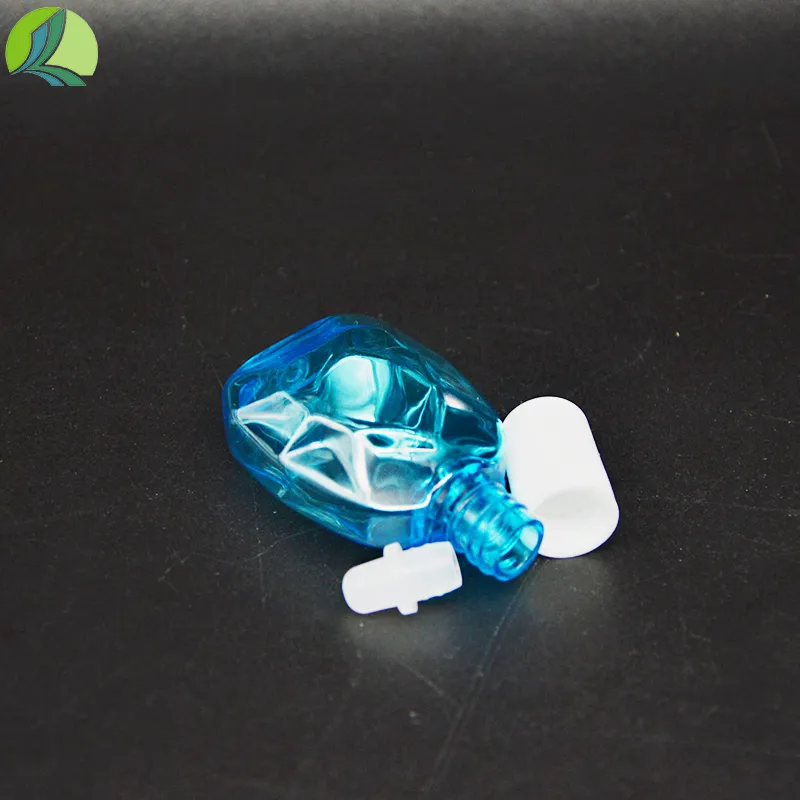
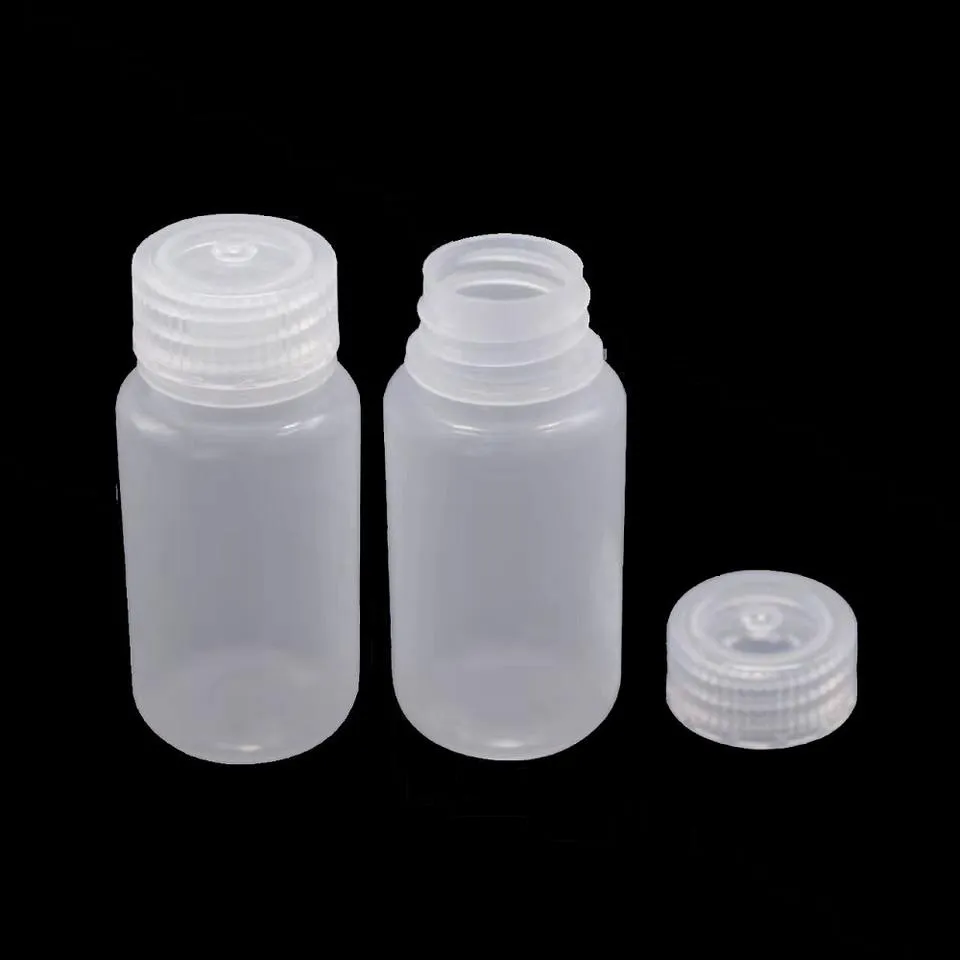
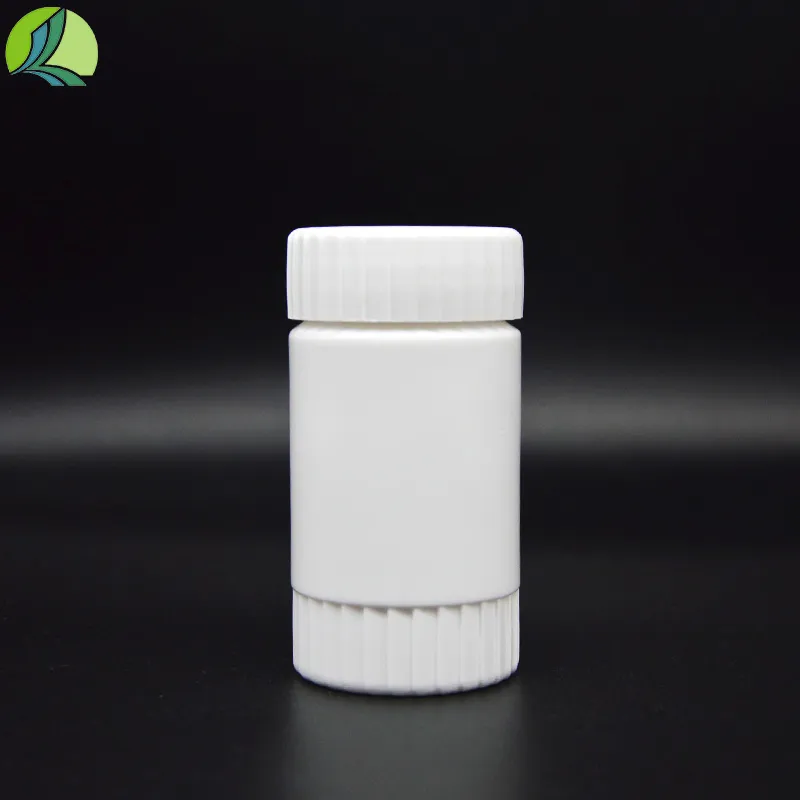
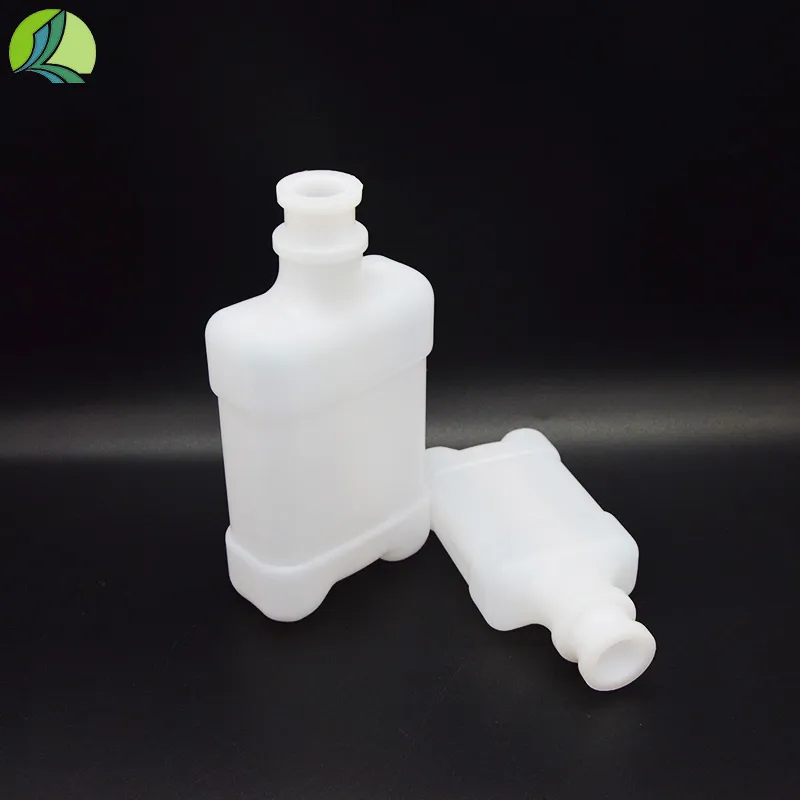
Material choice is also critical. Most industrial spray bottles you’ll encounter are made of high-density polyethylene (HDPE) or polyethylene terephthalate (PET). Both resist chemicals and impacts well but feel different in hand. I remember a customer once joked that the bottle “should feel sturdy but not like you’re holding a brick.” It’s a fine balance manufacturers try to maintain.
| Spray Bottle Product Spec | Details |
|---|---|
| Material | HDPE (High-Density Polyethylene) |
| Volume Capacity | 250ml, 500ml, 1000ml |
| Nozzle Types | Mist, Stream, Adjustable |
| Pump Type | Continuous & Intermittent Spray Pumps |
| Chemical Resistance | Acids, Alcohols, Oils (varies by product) |
| Customization Options | Labeling, Color, Size, Nozzle Type |
One particular detail that often surprises newcomers is the importance of the suction tube inside the bottle. It needs to reach almost to the bottom so users can spray every last drop. I’ve seen some designs where the tube shape is curved or flexible; this small tweak really improves usability on inclined surfaces or irregular containers.
Testing these bottles is another part of the process that doesn’t always get the spotlight. We had to simulate countless sprays on various chemicals to ensure no leakage, corrosion, or breakage over time. A quality spray bottle means it must perform consistently, especially for applications where health and safety are critical — like chemical disinfectants or agricultural pesticides.
Now, if you’re shopping around for industrial or commercial use, knowing the vendor differences can save you headaches. Below is a quick comparison of some typical spray bottle suppliers I’ve worked with, showing how they stack up for features like material options, customizability, and price. These are not exhaustive but give a fair snapshot.
| Vendor | Material Variety | Customization | Unit Price (USD) | Delivery Time |
|---|---|---|---|---|
| WK Packing | HDPE, PET, PP | Full label printing, custom colors | $0.30 - $0.50 | 7-14 days |
| ClearSpray Inc. | HDPE only | Limited to size & nozzle type | $0.25 - $0.45 | 10-20 days |
| ProSpray Solutions | PET, PP | Custom printing & mixing colors | $0.40 - $0.65 | 5-12 days |
You know, the real-world feedback I often get from operators is that a good spray bottle isn’t just about function but feel. They want something that fits comfortably, sprays reliably, and can handle the rigors of repeated daily use. One example: a local cleaning contractor told me how switching to a bottle with an adjustable continuous spray pump cut down their refill time by about 25%. Little changes like that add up.
So, in conclusion, the function of a spray bottle extends beyond just ‘holding liquid’ — it’s about delivering that liquid effectively, safely, and efficiently, tailored to the user’s needs. When you’re in the field, those details matter; they impact productivity and sometimes even worker health.
Hope this gives you a clearer sense of why what seems simple is often, well, a lot more complex — and why investing thought into the right spray bottle really pays off.
References:
1. Industry standards for HDPE and PET plastic use
2. User feedback from cleaning and agricultural sectors
3. WK Packing product & customization details
-
Guide to Sourcing High Quality wholesale mister bottles for BusinessNewsApr.16,2026
-
Top Quality Spray Bottle 100ml Suppliers for Your Business NeedsNewsApr.09,2026
-
Comprehensive Guide to Pet Spray Bottle Manufacturers and Packaging SolutionsNewsApr.07,2026
-
Comprehensive Guide to Finding Reliable Perfume Sprayers SuppliersNewsApr.04,2026
-
Comprehensive Guide to Wholesale Mini Spray Bottles for Various ApplicationsNewsMar.31,2026
-
Comprehensive Guide to Sourcing Mini Plastic Spray Bottles Bulk for Your BusinessNewsMar.28,2026