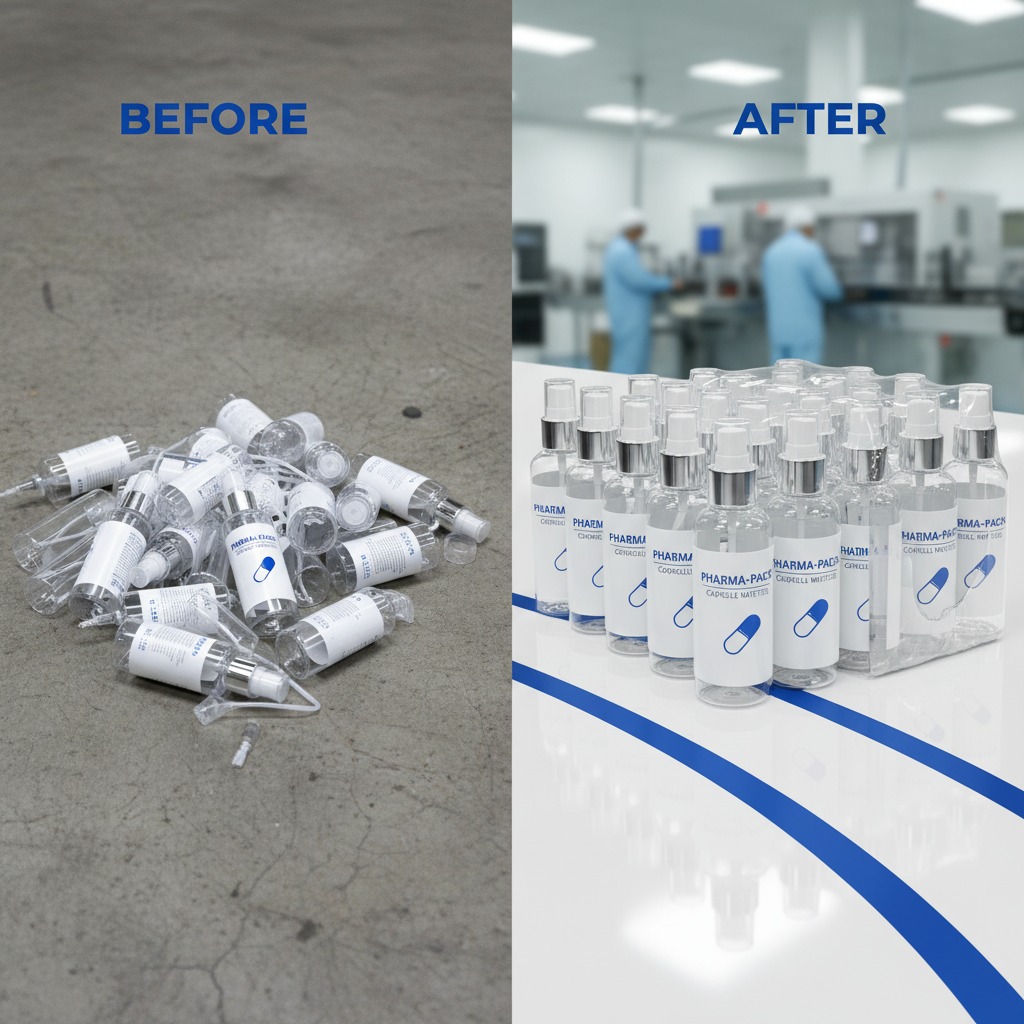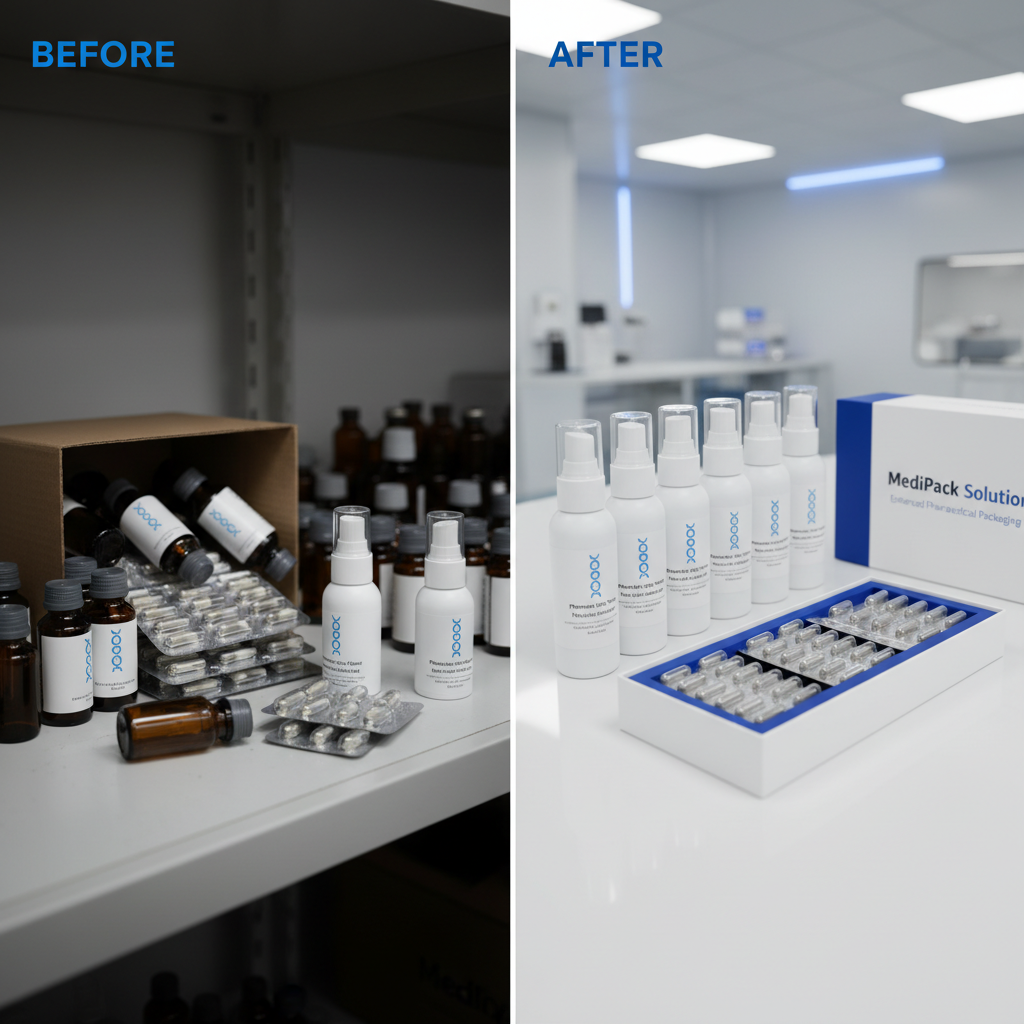


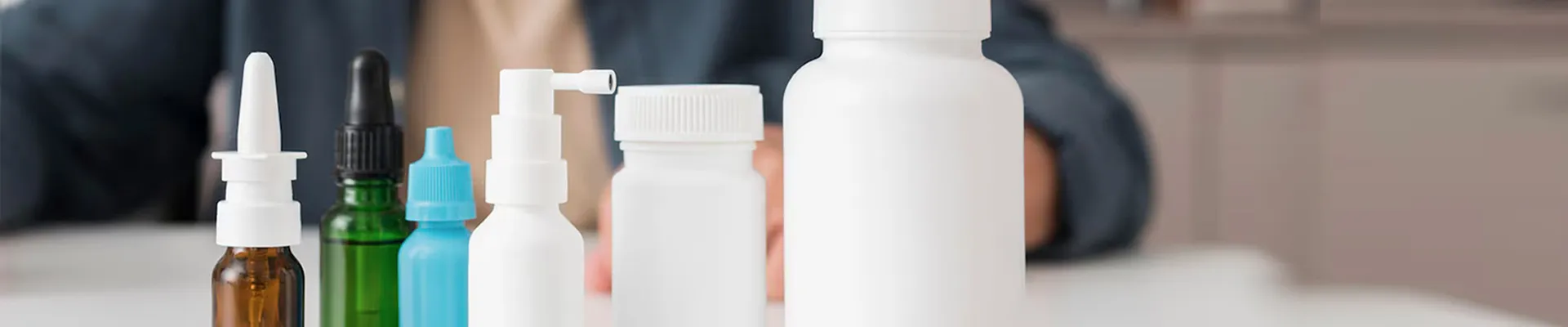


Plastic Medicine Bottle Material Beautiful Empty Medicinal Plastic Bottle
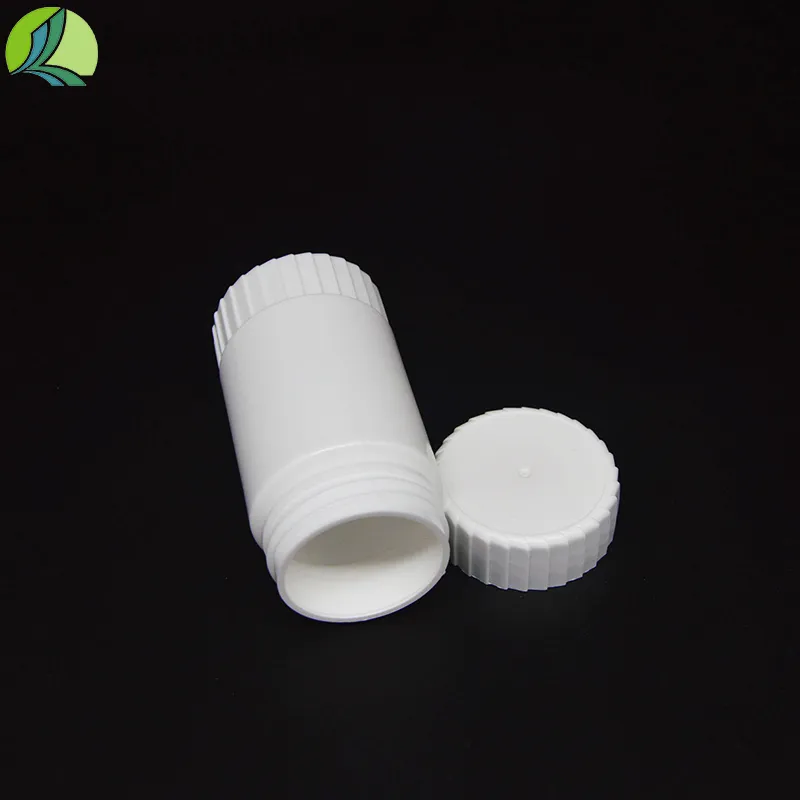
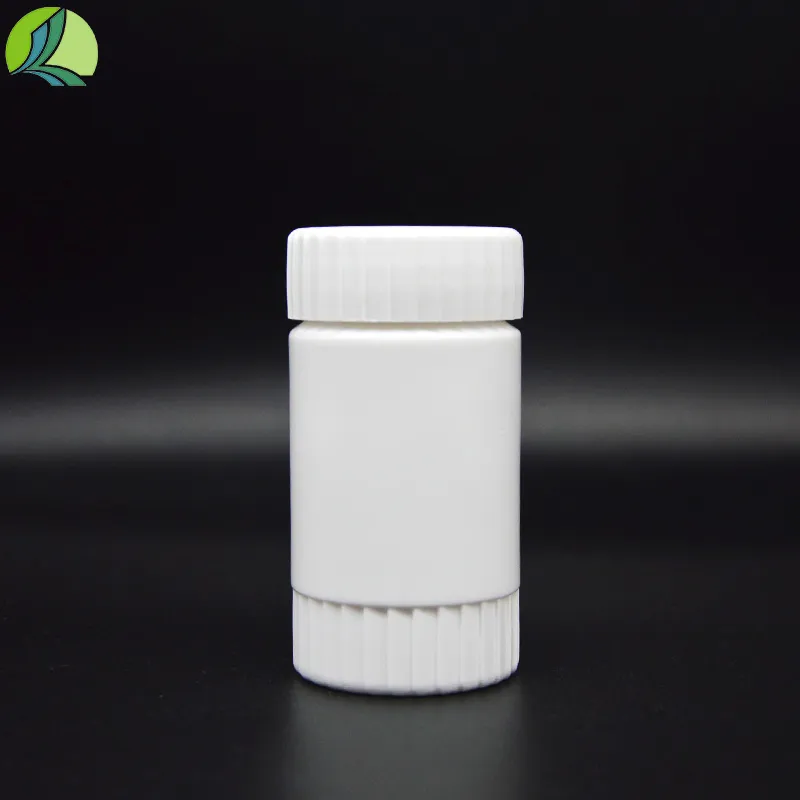
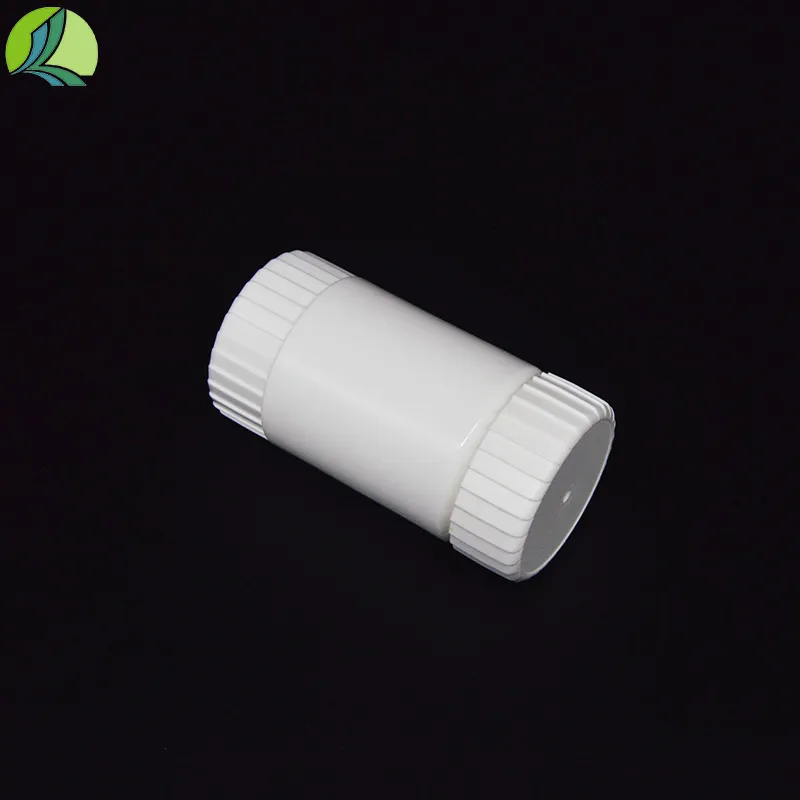
- In order to ensure that the drug is not damp and does not change during the effective period, the medicinal plastic bottle has good sealing and permeability, which can avoid the influence of light, heat, water steam, oxygen and so on.
- The inner wall of the bottle is in direct contact with the drug, and the bottle making information must meet the requirements of the drug packaging to ensure the safety of the drug.
- The shape, size and structure of medicinal plastic bottles should be the requirements of various filling machines of Xiqi pharmaceutical enterprises and the requirements of high-speed automatic filling machines. Medicinal plastic bottles have the advantages of light weight, high strength, not easy to break, easy to transport, good sealing performance, moisture-proof, health, and meet the special requirements of pharmaceutical packaging, etc., can be directly used for pharmaceutical packaging without cleaning and drying, and is a medicinal packaging container.
-
-
Process
Easy to transport: the processing raw materials of tablet medicine bottles are mainly polyethylene (PE), polypropylene (PP), polyester (PET) and other polymer materials, the quality of these materials is very light, and the bottles made into are not easy to break, which is more convenient for long-distance transportation and reduces the economic losses caused by broken packaging during the transportation process.
-
Variety of colors: the color of this kind of packaging has white, brown, transparent, etc., which is mainly based on the different characteristics of the tablet. Tablets without special requirements are generally used in white bottles, nitroglycerin tablets, diepine antihypertensive drugs that are easy to decompose are used in brown bottles, and calcium tablets, candy tablets and other drugs of various colors are used in transparent bottles for the consideration of overall aesthetics.
-
Space saving: Compared with the blister packaging, the tablet bottle has a relatively large capacity and can accommodate a larger number of drugs, which can reduce the packaging cost on the one hand, and on the other hand, it is also conducive to saving a certain warehouse space for pharmaceutical companies and reducing drug storage costs.
Product AdvantagesWith the continuous improvement of processing technology such as injection molding, injection blowing, extrusion blowing, injection and drawing blowing, the shape and function of tablet medicine bottles are also more diversified, and they have become the mainstream packaging form of solid drugs such as capsules, pills, and tablets.
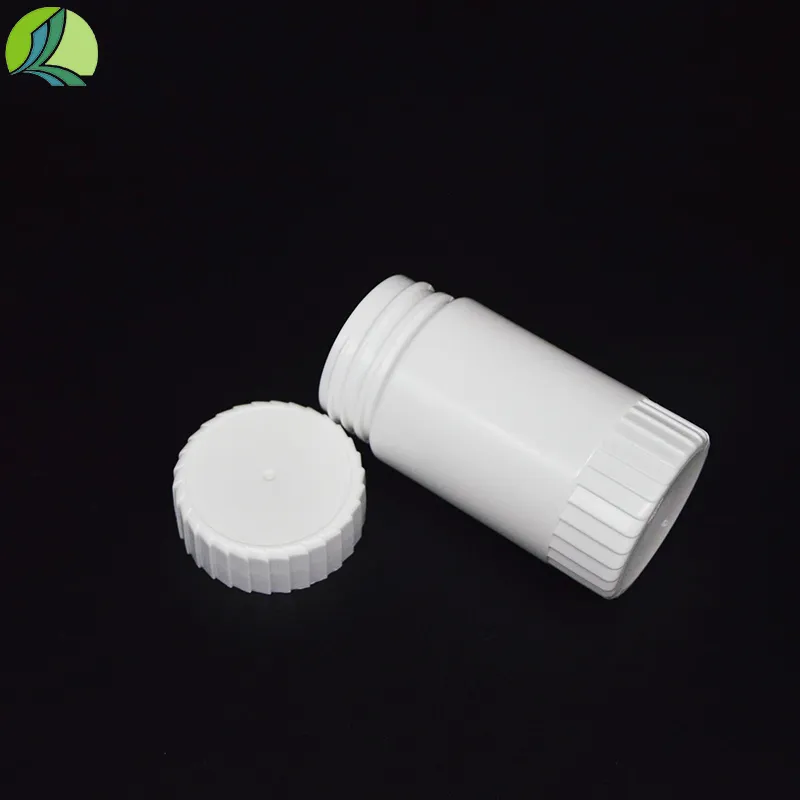
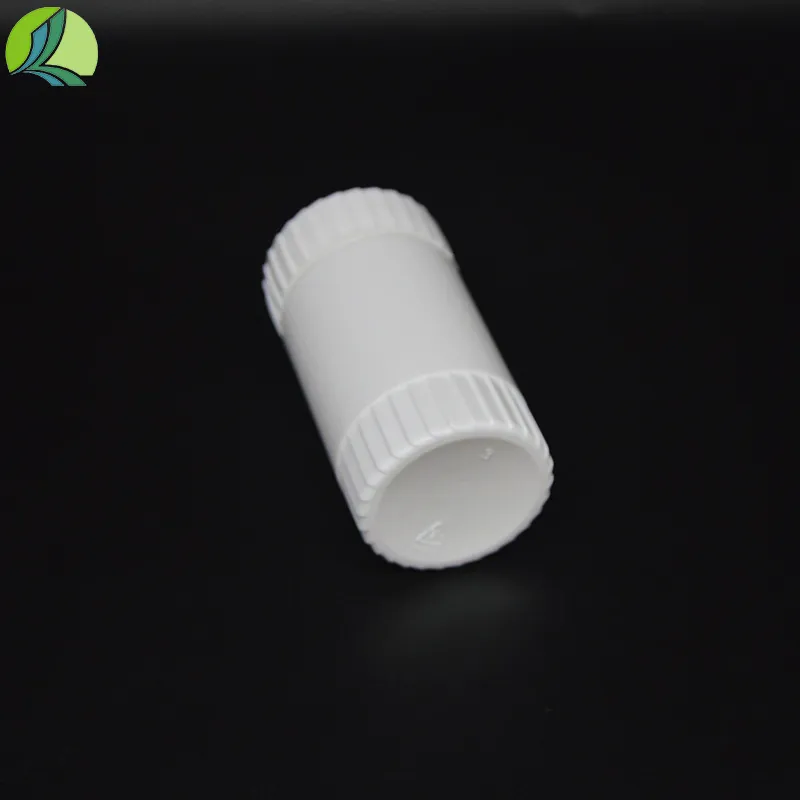
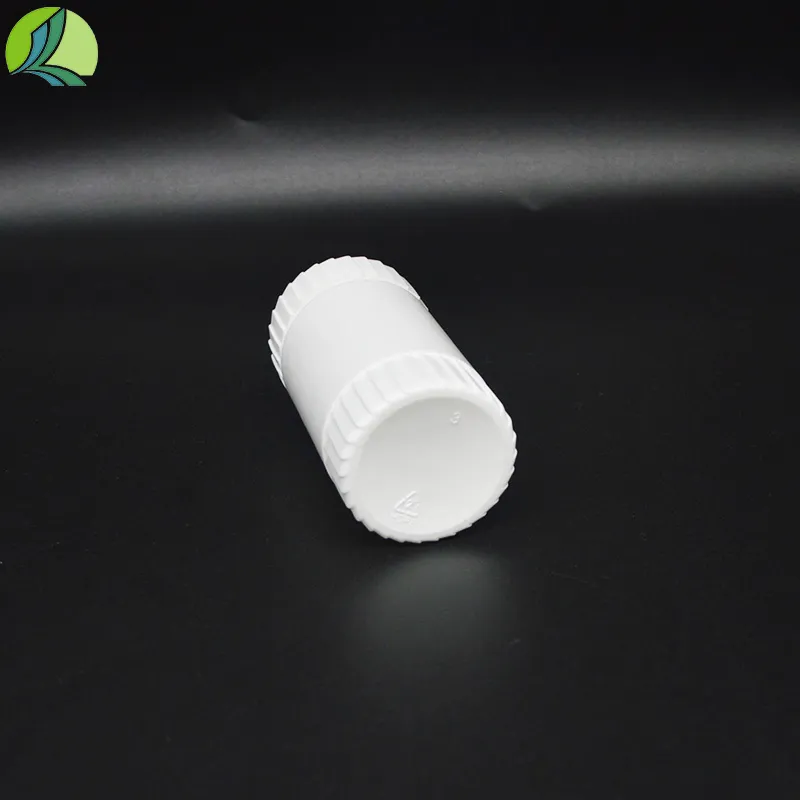
Plastic Medicine Bottle Material: Key Features and Benefits for Safe Storage
Plastic medicine bottles are a fundamental component in the pharmaceutical and healthcare industries, designed to safely store liquid, powder, or tablet formulations. The choice of material for these bottles plays a critical role in protecting the integrity of medicines, ensuring patient safety, and maintaining regulatory compliance. Modern plastic medicine bottles are typically manufactured from high-quality plastics such as polyethylene (PE), polypropylene (PP), or polyethylene terephthalate (PET). Each material offers unique advantages in terms of chemical resistance, durability, and compatibility with a wide range of medicinal products.
One of the key features of plastic medicine bottle materials is chemical stability. Medications often contain active ingredients that can react with certain types of containers. High-quality plastics like PET and PP are chemically inert, meaning they do not react with stored medicines. This ensures that the efficacy and potency of the medication are preserved throughout the shelf life. For example, PET is commonly used for liquid medicines because it resists acidic solutions, while PP is ideal for solid forms like tablets or capsules due to its durability and high-temperature resistance.
Durability and impact resistance are also significant benefits. Unlike glass, which can easily break and pose safety hazards, plastic medicine bottles are lightweight and shatter-resistant. This feature makes them ideal for transport, storage, and handling in hospitals, pharmacies, and homes. Patients, especially the elderly or children, can safely handle these bottles without the risk of injury from broken glass.
Another important feature is moisture and light protection. Many plastic medicine bottles are manufactured with opaque or amber-colored plastics to block harmful UV light, which can degrade sensitive ingredients such as vitamins, antibiotics, and certain liquid formulations. Some plastics are also engineered to provide low permeability to water vapor, preventing moisture-sensitive medications from degrading.
Plastic medicine bottles are often designed for user convenience. They can be fitted with child-resistant caps, dropper tops, or screw closures to control dosage and prevent accidental ingestion. The lightweight nature of plastic bottles also improves portability, making them suitable for daily use and travel. Additionally, plastic is highly versatile for labeling, printing, or embossing, allowing manufacturers to include crucial information such as dosage instructions, expiration dates, and safety warnings.
Cost efficiency is another notable benefit of plastic materials. Compared with glass, plastic bottles are less expensive to produce and transport, allowing pharmaceutical companies to maintain high-quality packaging while controlling production costs. Many plastics are also recyclable, offering an environmentally responsible option for sustainable packaging.
In conclusion, the material of plastic medicine bottles is essential for ensuring the safe storage, transportation, and usability of medicinal products. Chemical stability, durability, moisture and light protection, user-friendly design, and cost efficiency make high-quality plastics the preferred choice for modern pharmaceutical packaging. By selecting the right plastic material, manufacturers can ensure that their products remain safe, effective, and accessible to patients worldwide.
Beautiful Empty Medicinal Plastic Bottle: Ideal Packaging for Pharmaceuticals
Beautiful empty medicinal plastic bottles are increasingly valued in the pharmaceutical and healthcare industries not only for their functionality but also for their aesthetic appeal. These bottles are designed to combine practical benefits with attractive designs, helping brands enhance their product image while ensuring safe storage and delivery of medicines. Empty medicinal plastic bottles are typically made from high-quality plastics such as PET, PP, or HDPE, which offer durability, chemical resistance, and versatility for both solid and liquid medications.
One of the key advantages of beautiful empty medicinal plastic bottles is their visual appeal. A well-designed bottle can improve consumer trust and satisfaction. Transparent or semi-transparent bottles allow patients to see the contents, ensuring proper dosage and monitoring product usage. Colored or frosted finishes can add a premium feel and also provide functional benefits, such as protecting light-sensitive formulations from UV damage. Sleek designs with ergonomic shapes make bottles easier to hold and dispense, improving overall usability.
These bottles are highly versatile and customizable. Manufacturers can choose from various sizes ranging from 10 mL for liquid drops to 500 mL for syrups or solutions. They can also customize bottle shapes, caps, closures, and labeling areas to align with brand identity and regulatory requirements. Options such as child-resistant caps, dropper tops, and screw closures enhance safety, especially for products intended for children or elderly patients. The ability to incorporate logos, embossing, or printed labels allows pharmaceutical brands to maintain a professional appearance while conveying important product information clearly.
Durability and safety are essential features of medicinal plastic bottles. Unlike glass, plastic bottles are lightweight, shatter-resistant, and easier to transport. This reduces the risk of breakage during shipping, handling, and daily use, making them ideal for hospitals, pharmacies, and home use. The chemical resistance of the plastics ensures that the medicine remains stable and uncontaminated, preserving its effectiveness over the shelf life. Some bottles are also designed with UV protection and low permeability to air or moisture, which is especially important for sensitive liquid formulations.
Beautiful empty medicinal plastic bottles are also cost-effective. High-quality plastics allow manufacturers to produce safe and functional bottles at a lower cost than glass alternatives. Their lightweight nature reduces shipping costs and storage requirements, making them an economical choice for large-scale pharmaceutical production. Additionally, many plastics are recyclable, offering an environmentally conscious option for sustainable packaging.
In summary, beautiful empty medicinal plastic bottles are an ideal packaging solution for pharmaceuticals. They combine safety, durability, functionality, and aesthetic appeal, making them suitable for a wide range of medicinal products. Customizable design options, user-friendly features, and cost efficiency further enhance their value, helping pharmaceutical brands deliver effective, safe, and attractive packaging for their customers.
clear pill bottles
plastic medicine bottle
plastic medicine bottle manufacturers
plastic pill bottles
what is a medicine bottle called