



Durable Large Eye Dropper Bottles for Industrial Use | WK Packing
Large Eye Dropper Bottles: A Veteran's Perspective on Their Industrial Edge
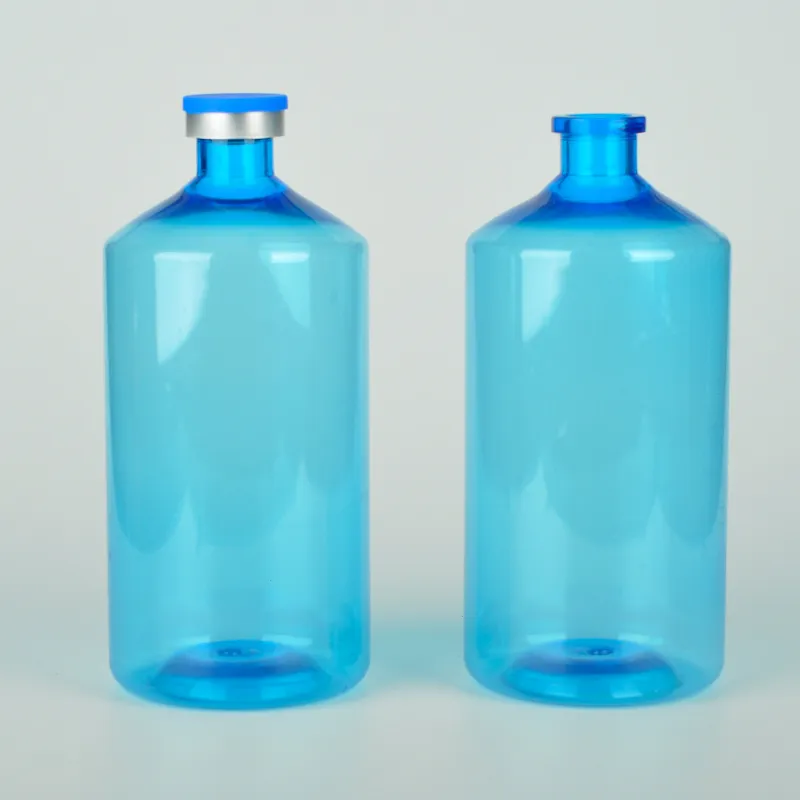
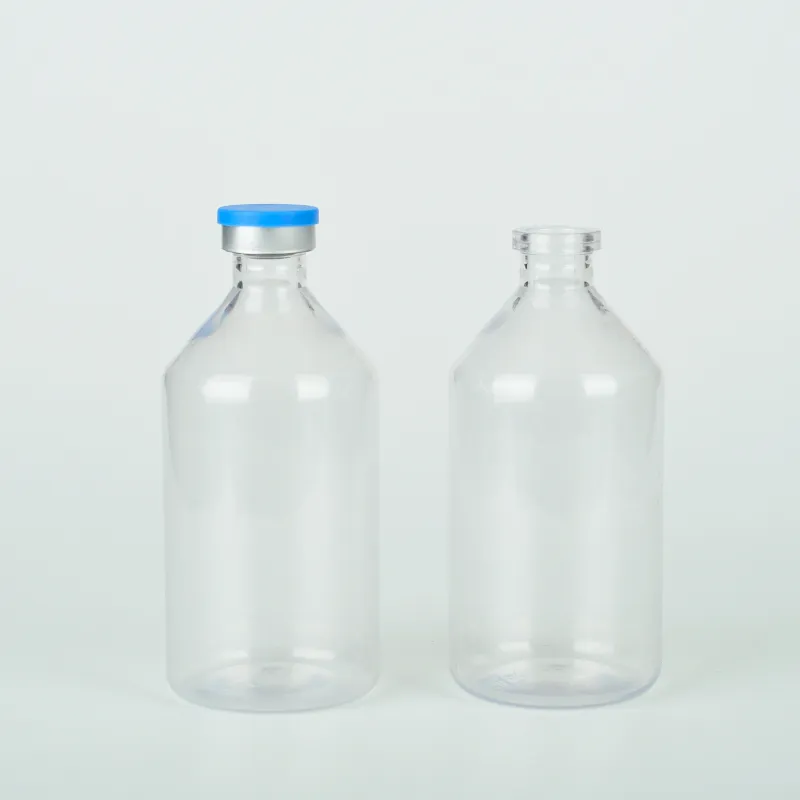
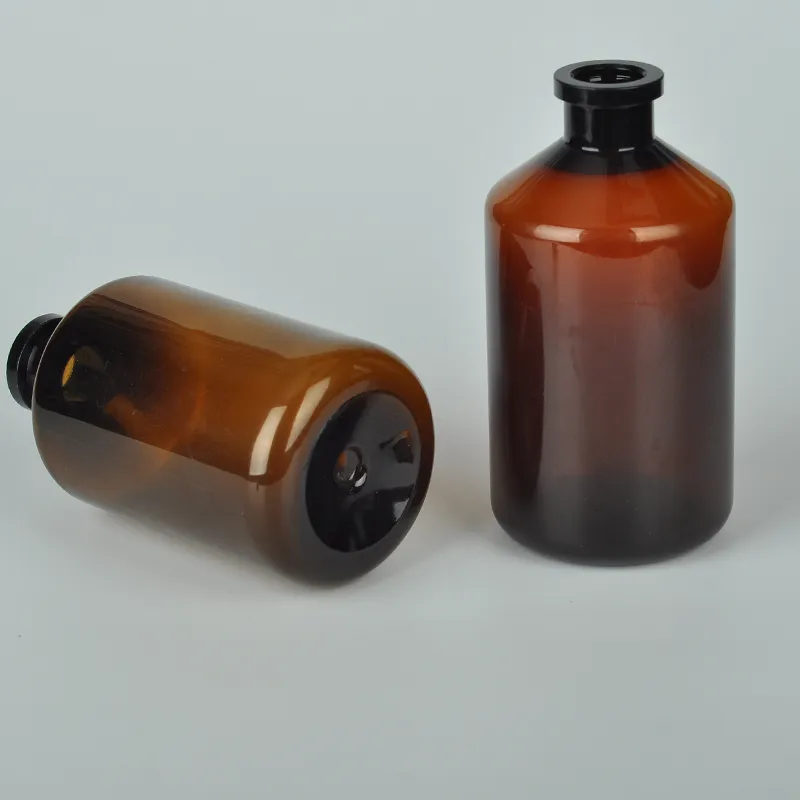
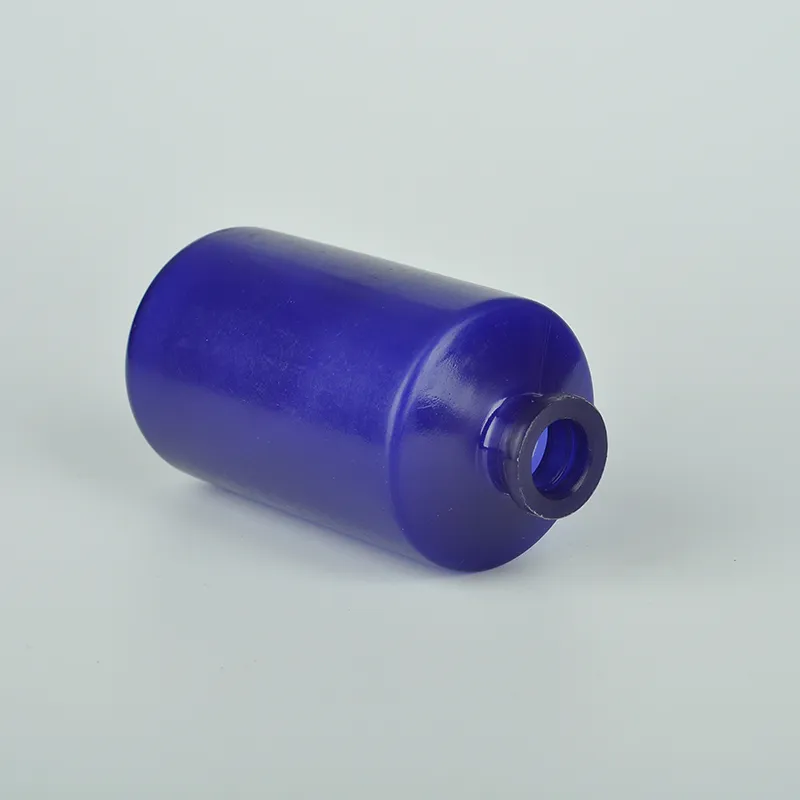
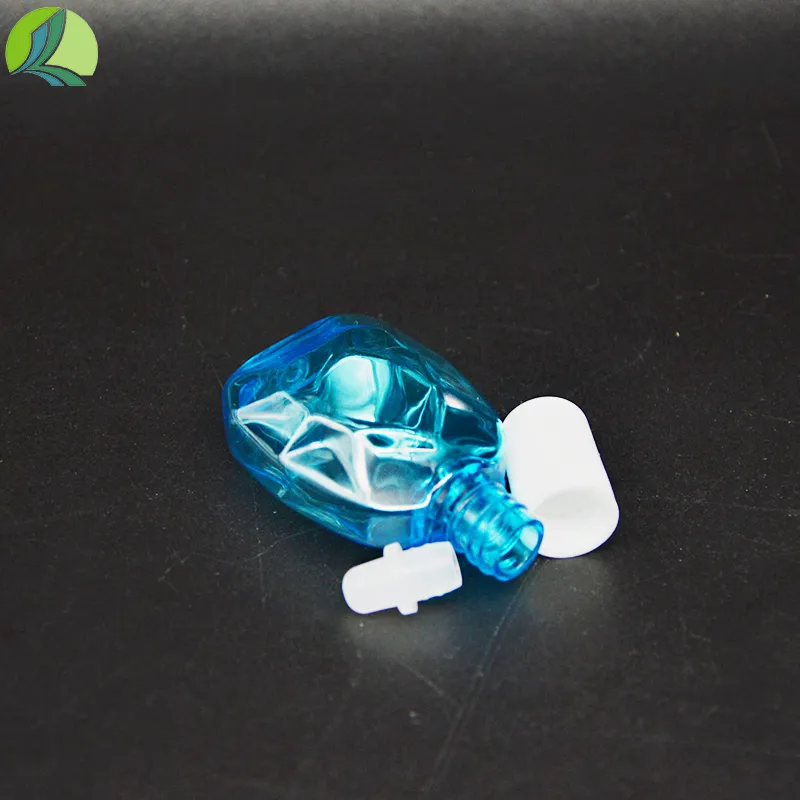
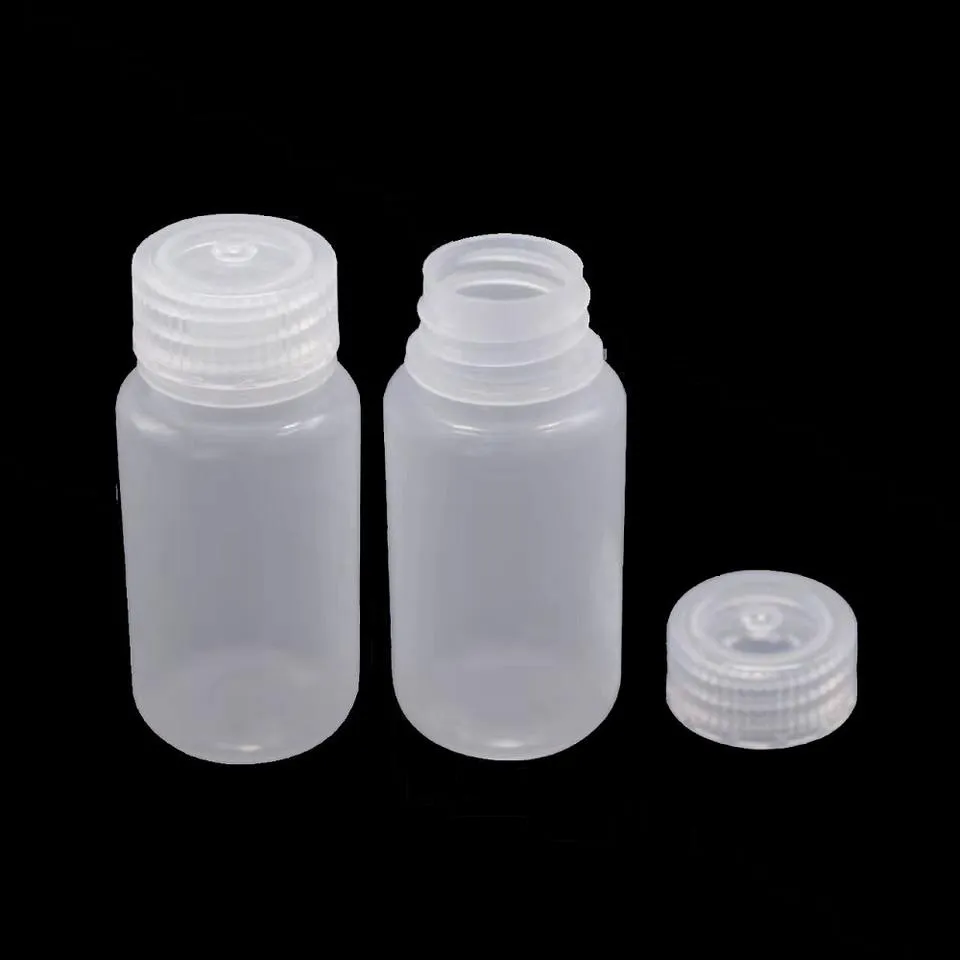
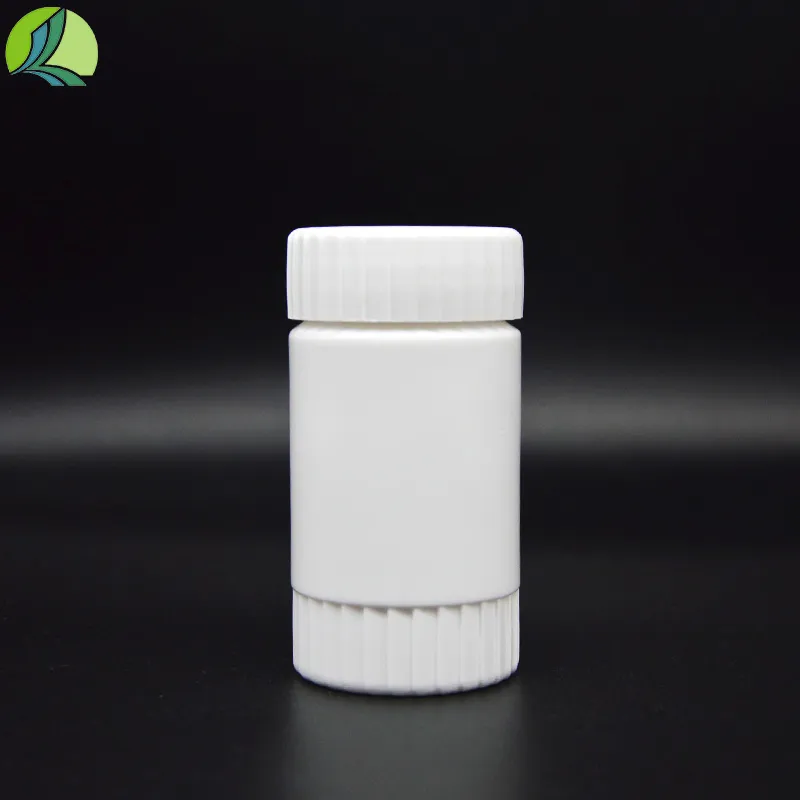
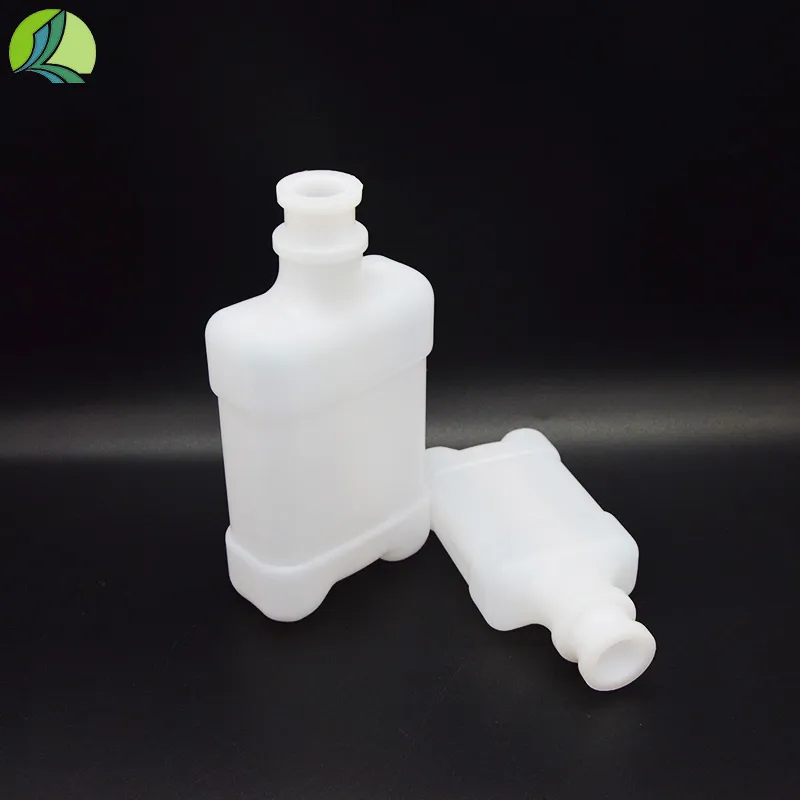
Working in the industrial equipment sector for well over a decade, I've seen plenty of tools and consumables come and go. But large eye dropper bottles always strike me as a surprisingly critical item that often flies under the radar. If you’re dealing with liquids that need precise doses but also require larger containers to cut down on frequent refills, these bottles become quite the unsung heroes.
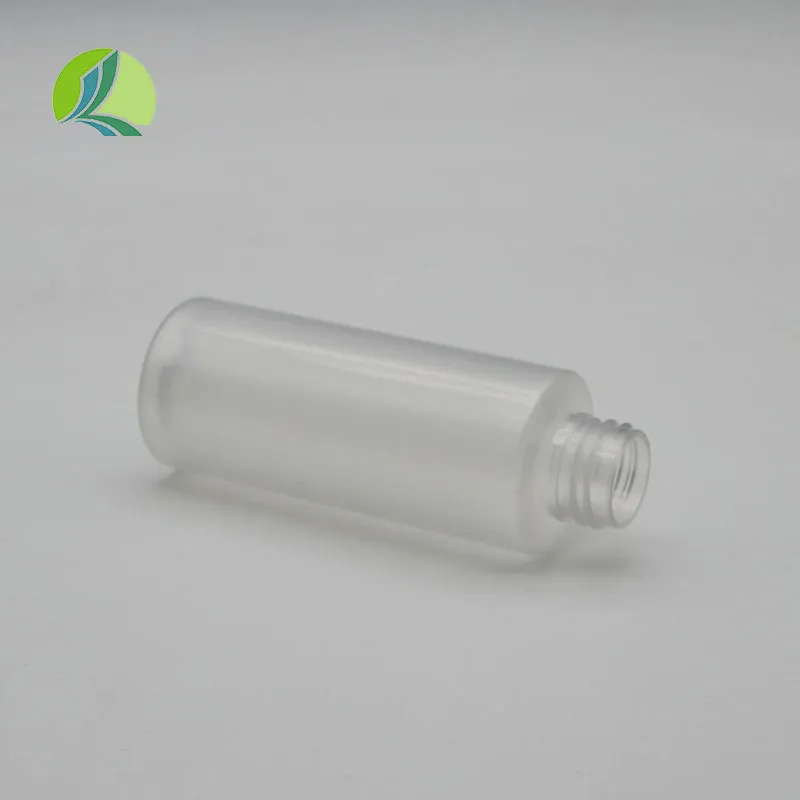
What’s fascinating—at least from my experience—is the balance manufacturers have to strike between volume and accuracy. You want big enough bottles to last through a serious day’s work, yet the droppers themselves have to deliver consistency drop after drop. Oddly enough, it feels like the design and material selection matter just as much as the bottle size.
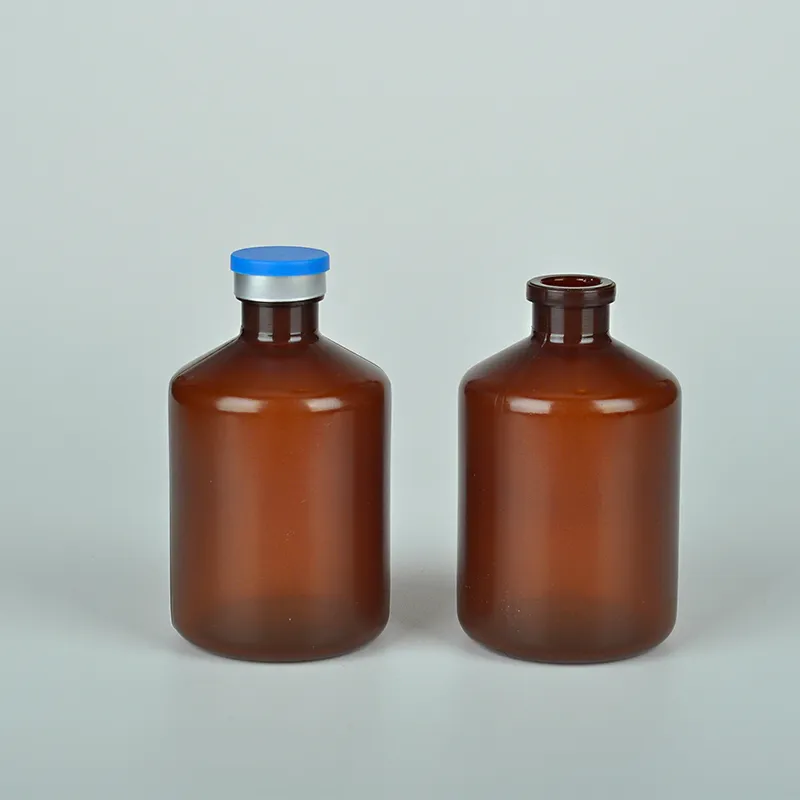
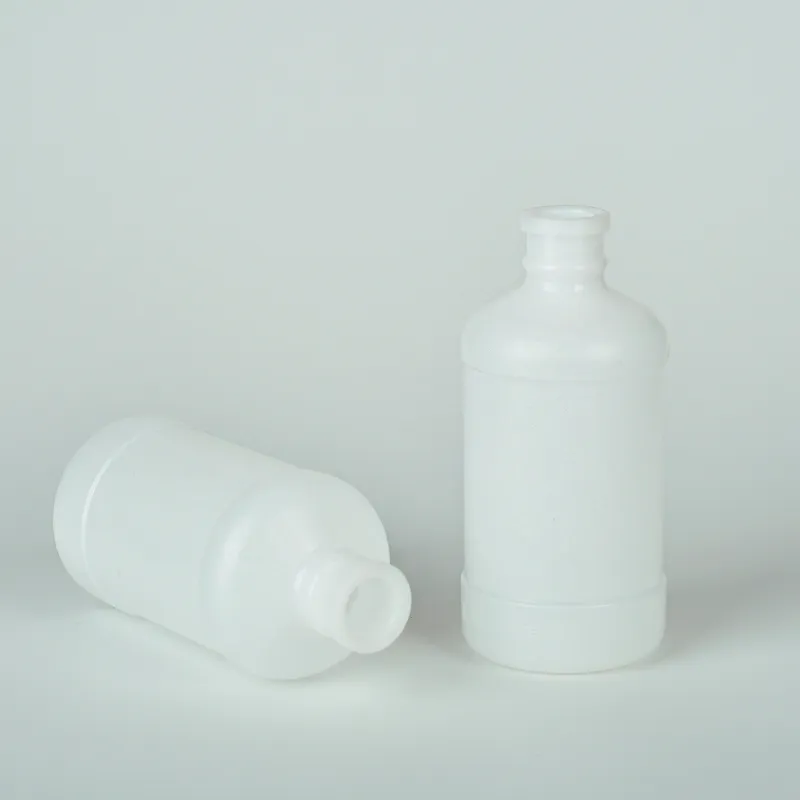
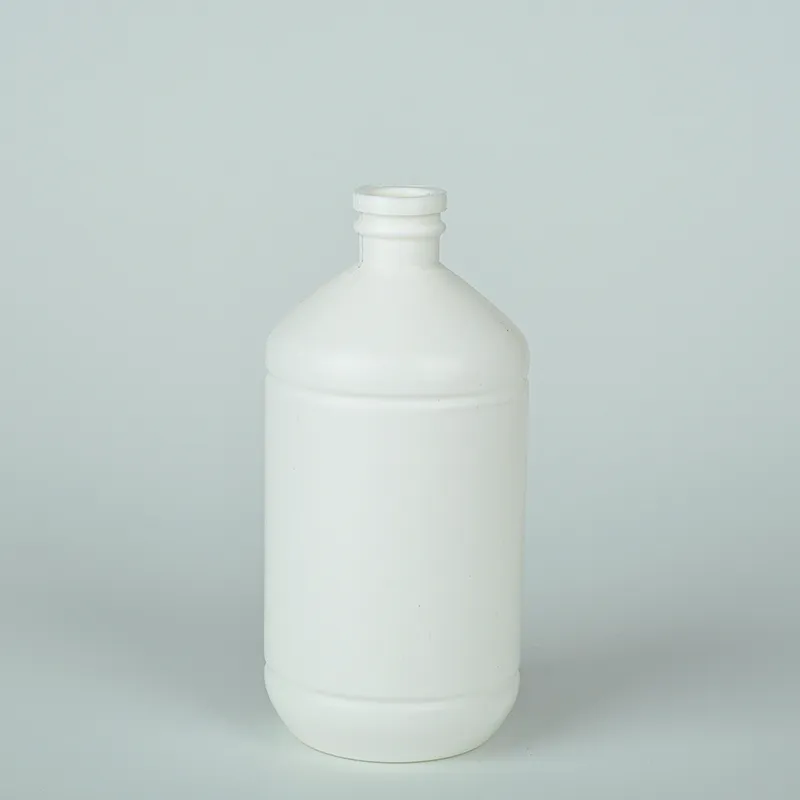
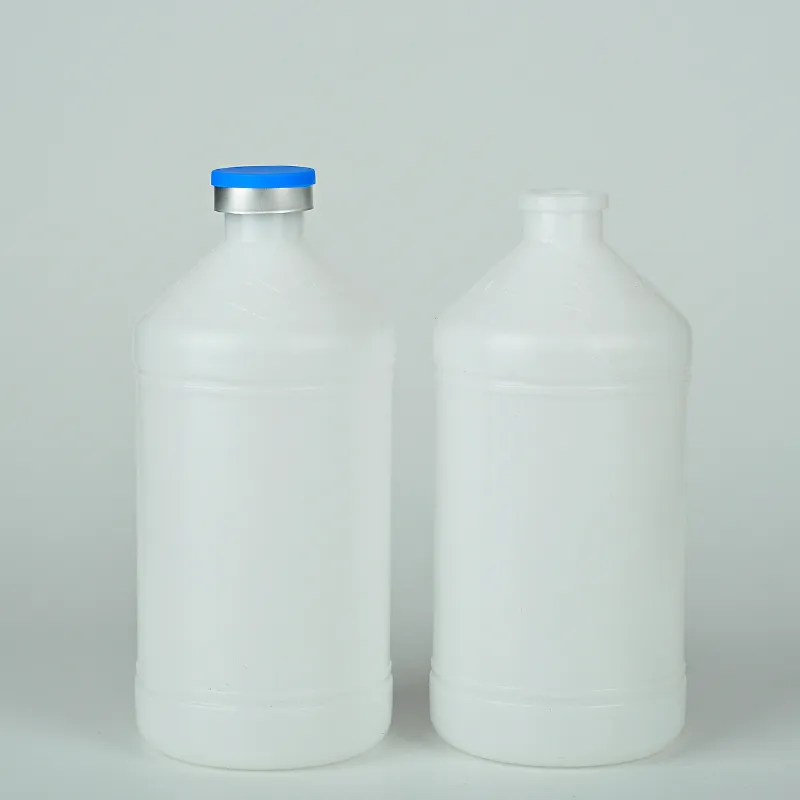
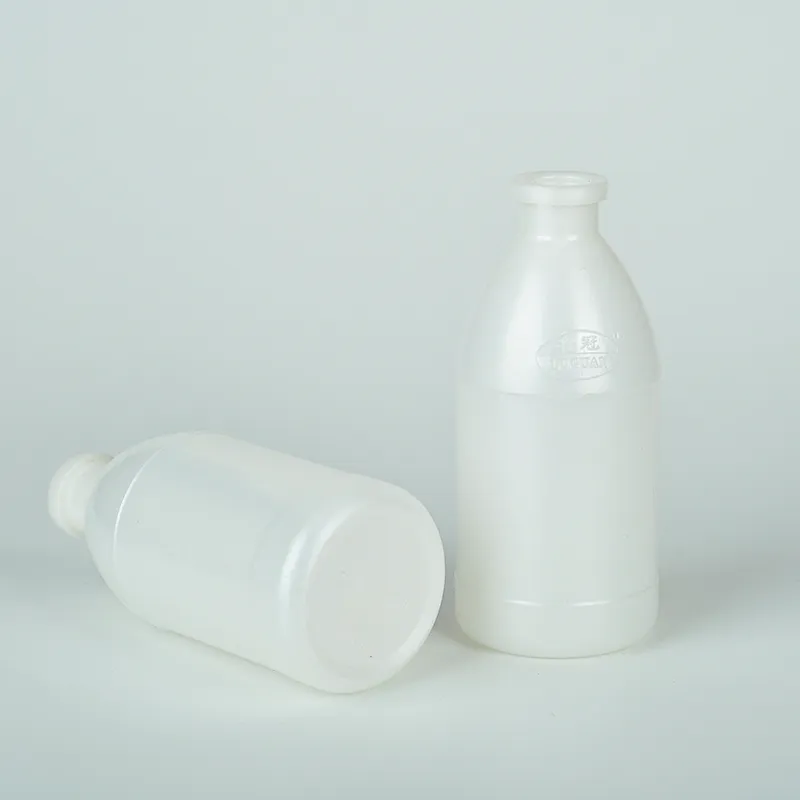
Take polyethylene (PE), for example. Many of the large bottles I’ve worked with use high-density PE, which is not only chemical resistant but also lightweight and somewhat flexible. This flexibility is essential—it lets the user gently squeeze the bottle to push out the liquid without risking a sudden spill or splash. That said, there are trade-offs. For vessels flying off the shelves, sturdier, less flexible plastics sometimes provide better long-term durability, especially when the handling environment is rougher, like in factories or outdoor labs.
Speaking of durability, I’ve always appreciated the subtle differences in cap and tip design. Some droppers come with precision tips that regulate flow better than others. Many engineers I've chatted with swear by certain vendors just because their droppers don’t clog up or drip uncontrollably after a few uses.
| Specification | Details |
|---|---|
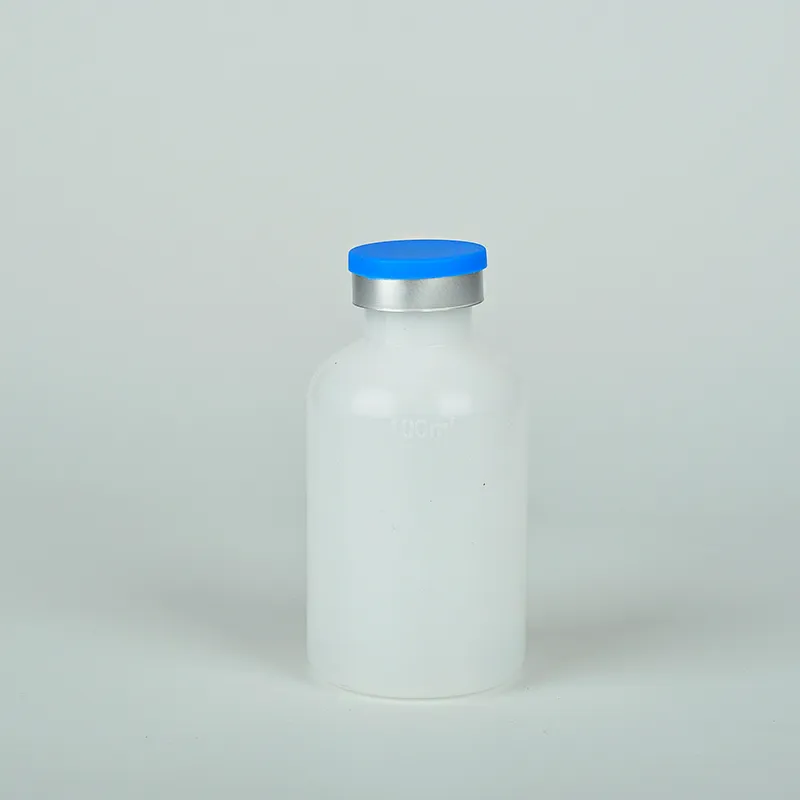
| Material | High-Density Polyethylene (HDPE) |
| Capacity | 50 ml, 100 ml, 250 ml |
| Tip Type | Narrow precision dropper |
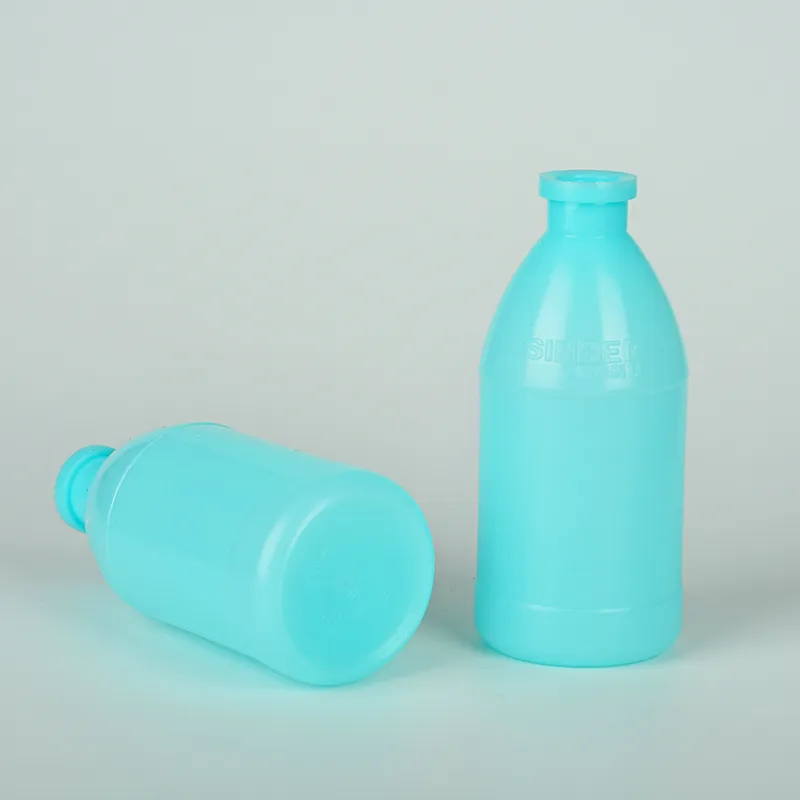
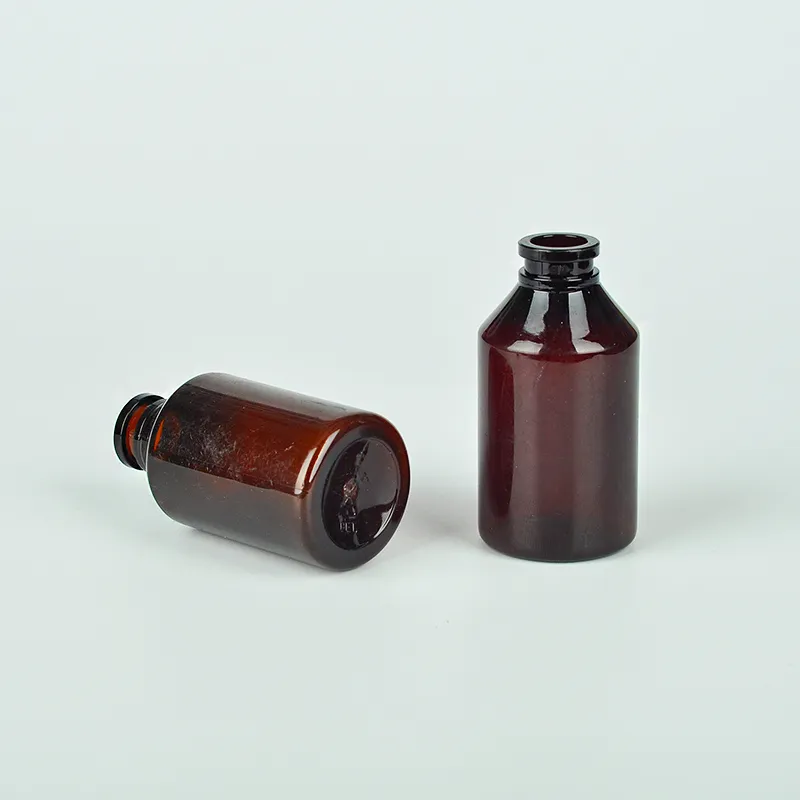
| Color | Transparent / Semi-transparent |
| Certification | FDA food grade (varies by vendor) |
Over the years, customization has also become quite the norm. Certain clients I've worked with insisted on specific cap sizes, or bottles tailored for different viscosity liquids. This level of adaptability is vital for industrial users who often juggle with chemicals that vary widely in thickness or reactivity.
It's funny—I remember a client in the electronics manufacturing sector who had to move from small bottles that ran out frequently to these larger eye dropper bottles. They told me it saved a lot of time (and headaches) on the assembly line because the operators no longer had to stop every few minutes to refill. It sounds simple, but in real terms, it can have a big impact on workflow efficiency.
| Vendor | Material Quality | Dropper Precision | Price Range | Customization Options |
|---|---|---|---|---|
| WK Packing | High-grade HDPE, FDA approved | Very precise, anti-drip tips | $$$ | Full color & size customizations |
| Generic Supplier A | Standard HDPE | Basic dropper, prone to clogging | $ | Limited |
| Supplier B | Medium-grade plastics | Moderate precision | $$ | Moderate customization |
In practice, these seemingly simple bottles require a fair bit of R&D to perfect. I suppose it's a bit like how you don’t appreciate well-made tools until you’ve handled shoddy ones. Good large eye dropper bottles feel reliable, consistent, and designed to think of the end user’s hands and workflow.
So, if your operation demands precise liquid dispensing without the interruption of constant refills—and you want a product that’s tested and trusted over years—going with established suppliers like WK Packing makes good sense. The investment pays off, frankly, by saving time and stress on the line.
And in a world where every drop counts, it’s worth that little bit extra attention.
Reflection: It’s interesting how such a modest item can have ripple effects in production efficiency. Sometimes, the smallest details are the biggest game changers.
- Industry specification data from WK Packing product briefs.
- Interviews with manufacturing engineers, 2022-2023.
- Material safety datasheets for HDPE plastics.
-
Guide to Sourcing High Quality wholesale mister bottles for BusinessNewsApr.16,2026
-
Top Quality Spray Bottle 100ml Suppliers for Your Business NeedsNewsApr.09,2026
-
Comprehensive Guide to Pet Spray Bottle Manufacturers and Packaging SolutionsNewsApr.07,2026
-
Comprehensive Guide to Finding Reliable Perfume Sprayers SuppliersNewsApr.04,2026
-
Comprehensive Guide to Wholesale Mini Spray Bottles for Various ApplicationsNewsMar.31,2026
-
Comprehensive Guide to Sourcing Mini Plastic Spray Bottles Bulk for Your BusinessNewsMar.28,2026