



Ophthalmic Dropper Bottles: Essential Insights & Vendor Guide
Ophthalmic Dropper Bottles: Practical Insights from the Industrial Equipment Lane
Having spent a good chunk of my life working in the industrial equipment sector, I’ve come across more containers and packaging designs than I can count. But if you ask me about ophthalmic dropper bottles—well, that's a niche where precision truly meets material science, and oddly enough, it’s quite fascinating.
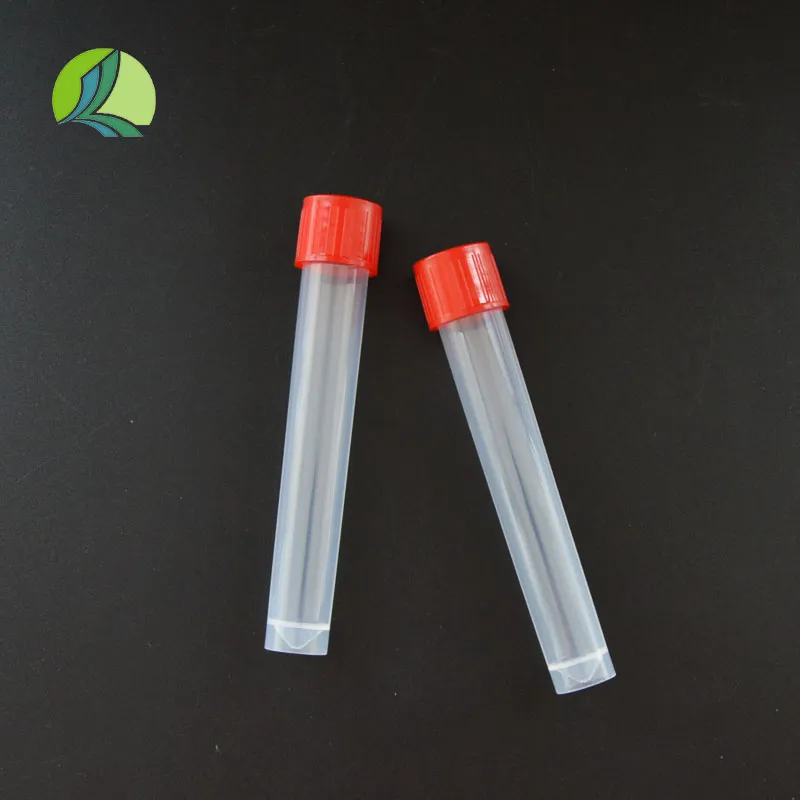
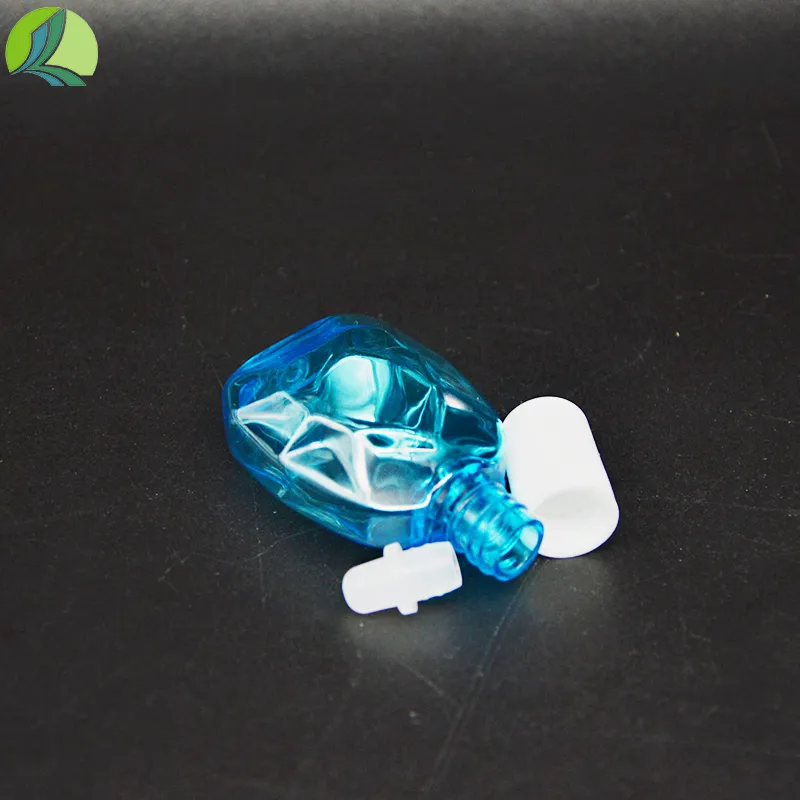
These tiny bottles, often overlooked, carry so much responsibility: delivering delicate medications drop by drop, often directly into our eyes. I once worked with a quality control team who jokingly called them “tiny miracles” because of the exacting tolerances needed to avoid contamination or leaks. And trust me, the devil is in those details.
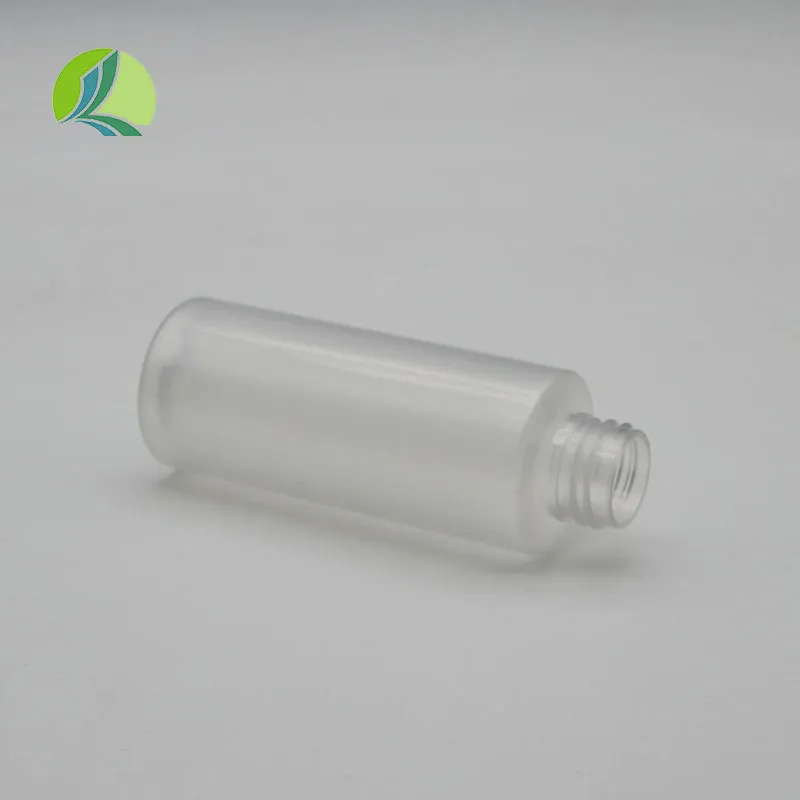
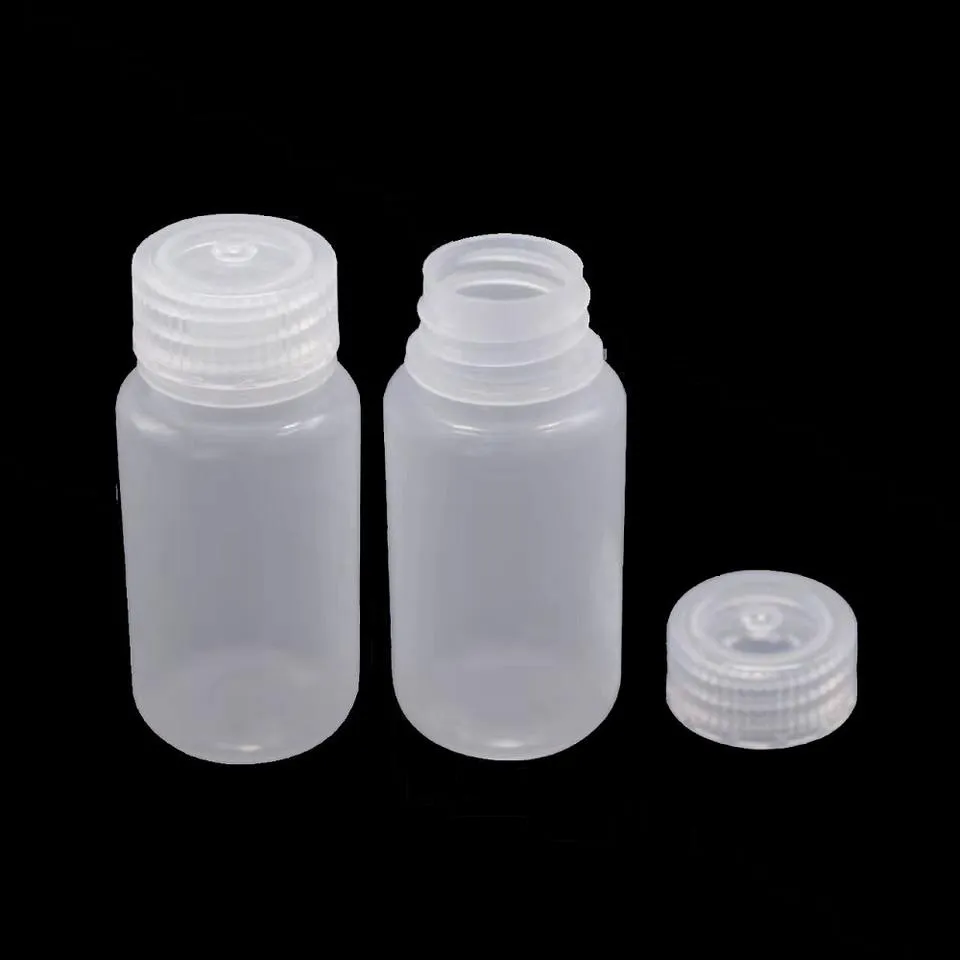
At their core, ophthalmic droppers are designed to ensure sterility, precise dosing, and ease of use. The materials used—usually medical-grade LDPE (low-density polyethylene) or PP (polypropylene)—play a huge role. They need to be chemically compatible with a wide range of ophthalmic solutions while maintaining flexibility. If the material is too stiff, a patient might struggle with the drop control; too soft, and accidental leaks could happen.
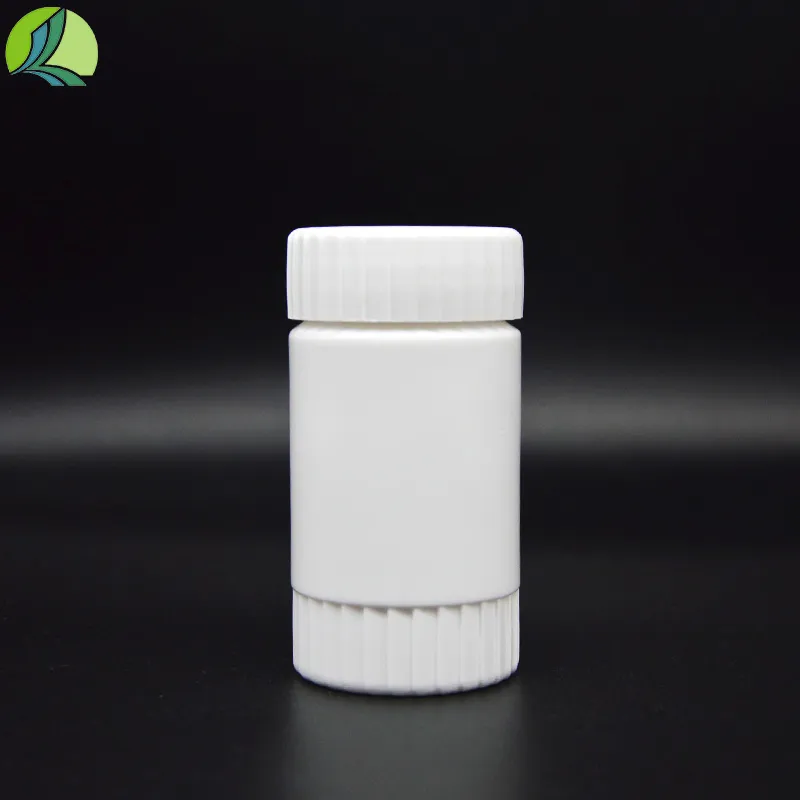
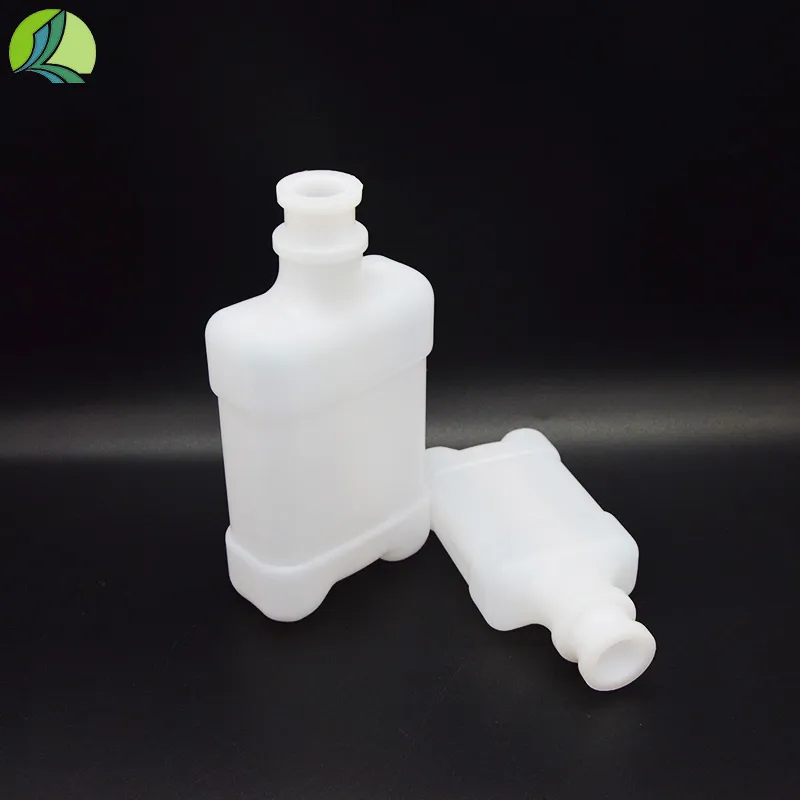
I suppose one of the most interesting developments lately is how customization options have widened. From colors to caps, even nozzle sizes can be tailored to specific pharma requirements. Some clients ask for tamper-evident caps or child-resistant features—small details that make a world of difference in accessibility and safety.
Here’s a quick spec overview of a typical ophthalmic dropper bottle you might find in the market, just to set the stage:
| Feature | Specification |
|---|---|
| Material | Medical-grade LDPE or PP |
| Capacity | 5 ml - 30 ml |
| Drop Size | Approximately 20–30 µL per drop |
| Closure Type | Child-resistant/tamper-evident caps available |
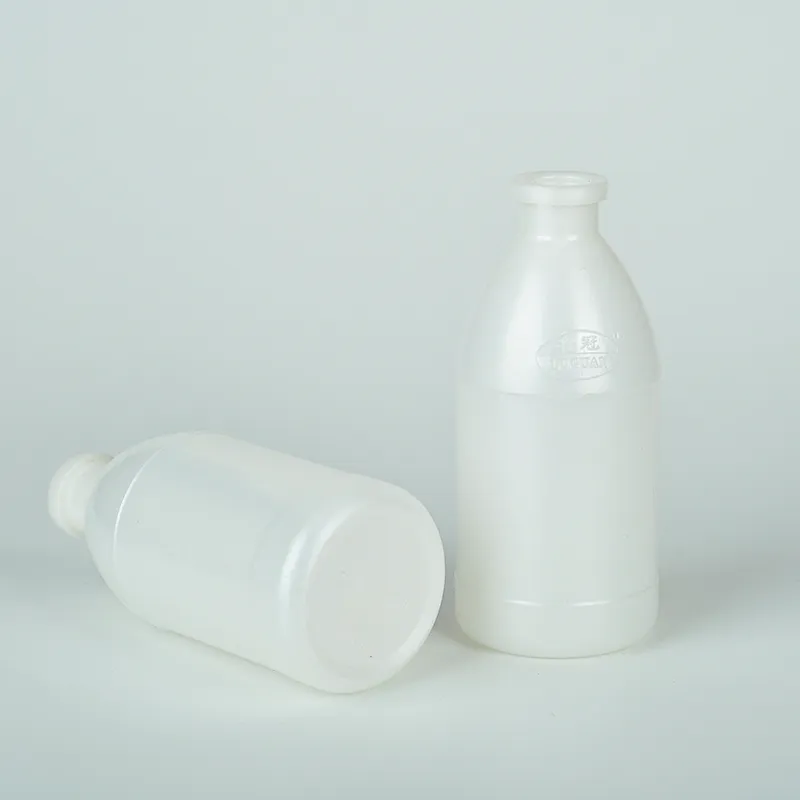
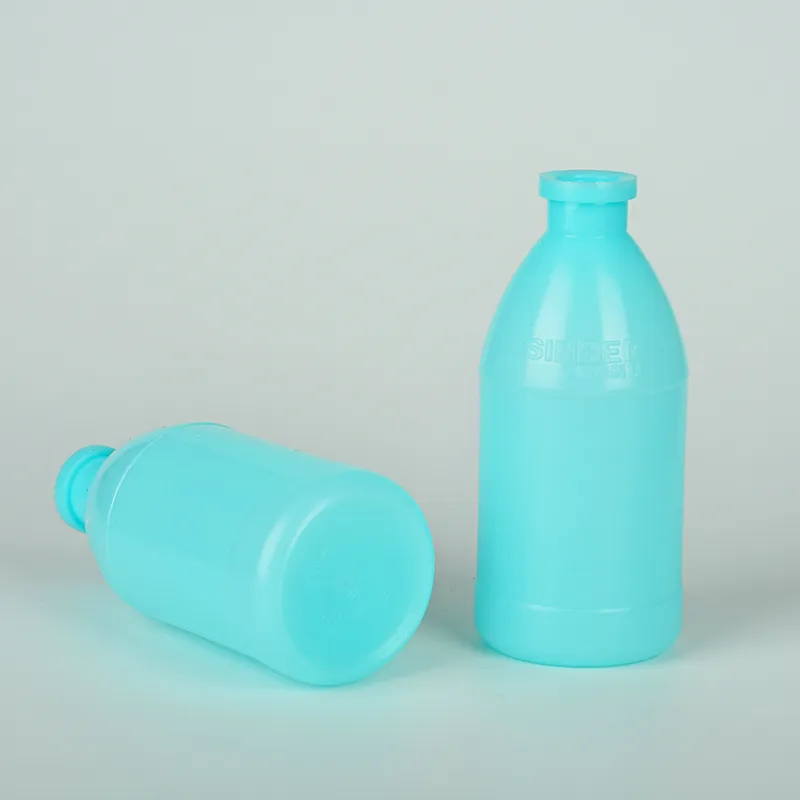
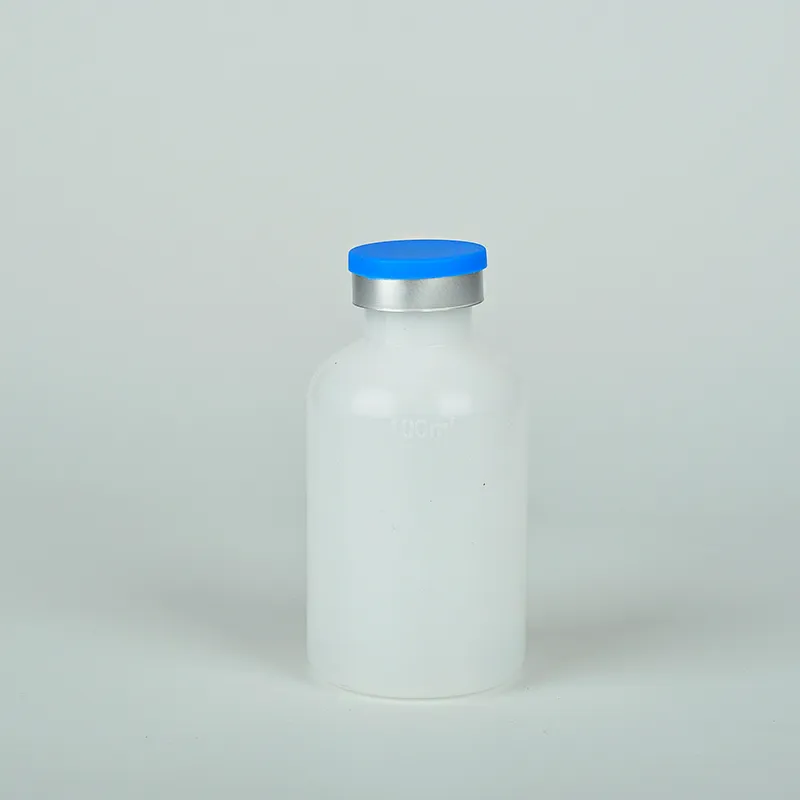
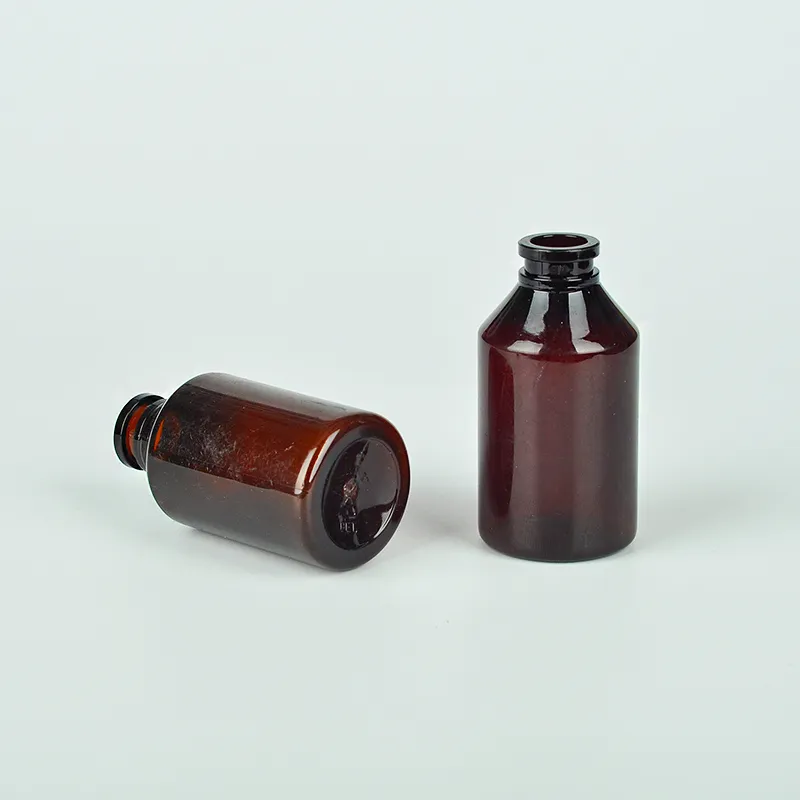
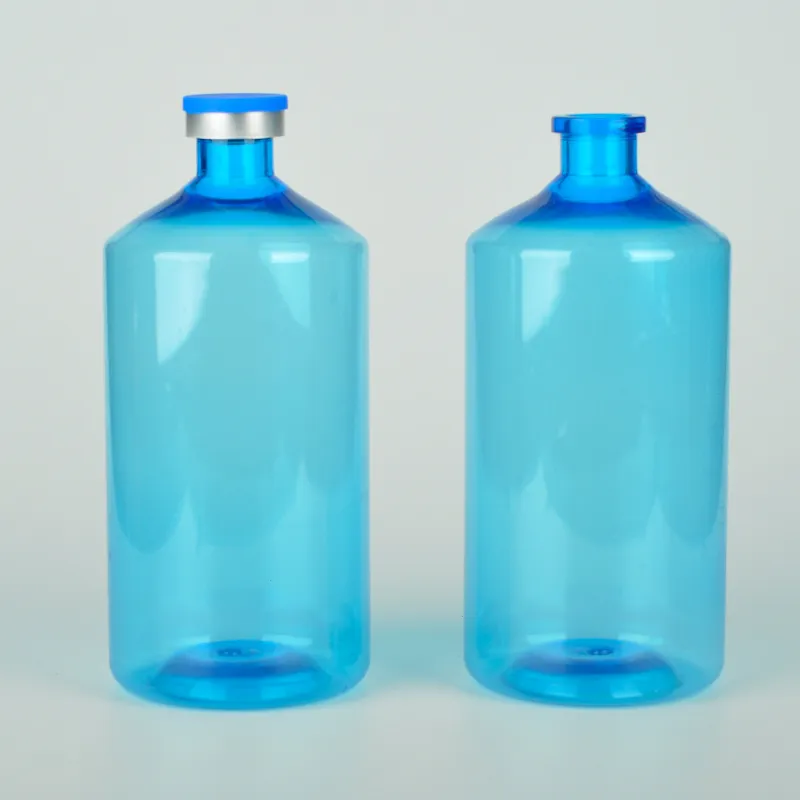
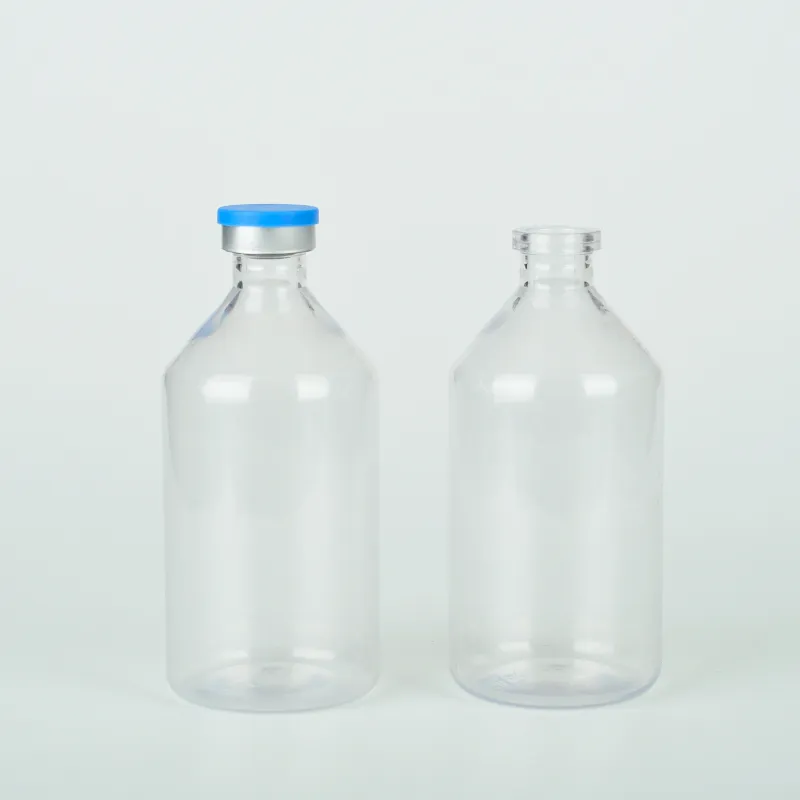
| Color Options | Clear, amber, and custom colors |
You know, when you’re on the floor—or even handling rejects during QC—it’s often the tactile feel that tells the story. Does the bottle squeeze with the right resistance? Are the drops uniform or oddly shaped? These observations might sound trivial, but in ophthalmic applications, inconsistency can cause dosage errors that no one wants.
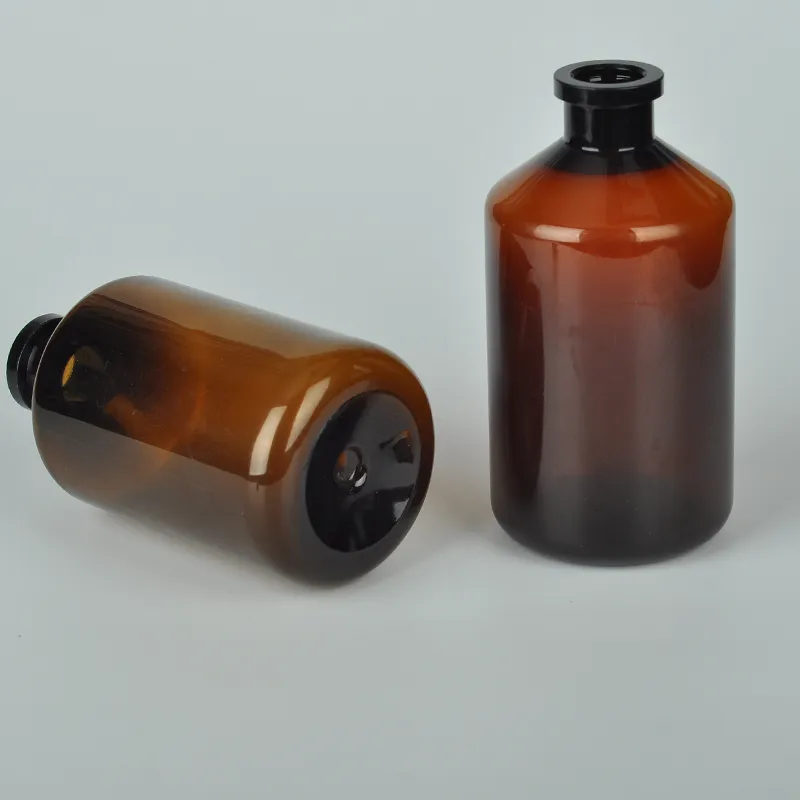
I remember one client who needed a custom amber-colored dropper to preserve light-sensitive medication. It was a bit of a challenge initially because the pigmentation affected the bottle’s flexibility, but with iterative testing, the supplier nailed the balance. That kind of collaboration between pharma customers and container vendors is precisely what keeps this field evolving.
Speaking of suppliers, here’s a little cheat-sheet comparing some top vendors you might encounter if you're sourcing ophthalmic dropper bottles. I’ve included key factors like material options, customization, and typical MOQ (minimum order quantity):
| Vendor | Material Range | Customization | MOQ | Typical Lead Time |
|---|---|---|---|---|
| WK Packaging | LDPE, PP | Colors, caps, nozzle size, custom logos | 10,000 pcs | 4–6 weeks |
| Alpha Pharma Containers | LDPE only | Basic color options | 5,000 pcs | 3–5 weeks |
| GlobalMed Supplies | LDPE, PP, HDPE | Full customization & private labeling | 20,000 pcs | 6–8 weeks |
Frankly, picking a vendor should be about more than price—think about quality certifications, how they handle regulatory compliance, and their ability to adapt. I’ve seen too many cases where a cheaper supplier caused delays or recalls. You don’t want that headache, especially in healthcare.
In real terms, ophthalmic dropper bottles are a reminder that sometimes the smallest components carry the biggest responsibilities. If you’re involved in pharma packaging, or just curious, I recommend digging into the specs and talking directly to suppliers. You’ll be surprised how much they know and want to share.
So next time you hold one of those little dropper bottles, remember: that’s a design marvel in miniature—balancing safety, precision, and convenience. It's kind of satisfying, isn’t it?
- An old hand in industrial equipment, sharing a small but important part of the packaging world.
References:
- FDA Guidance on Ophthalmic Packaging Materials.
- Material Safety Data Sheets for Medical LDPE and PP.
- Industry insights from pharma packaging forums and conferences.
-
Guide to Sourcing High Quality wholesale mister bottles for BusinessNewsApr.16,2026
-
Top Quality Spray Bottle 100ml Suppliers for Your Business NeedsNewsApr.09,2026
-
Comprehensive Guide to Pet Spray Bottle Manufacturers and Packaging SolutionsNewsApr.07,2026
-
Comprehensive Guide to Finding Reliable Perfume Sprayers SuppliersNewsApr.04,2026
-
Comprehensive Guide to Wholesale Mini Spray Bottles for Various ApplicationsNewsMar.31,2026
-
Comprehensive Guide to Sourcing Mini Plastic Spray Bottles Bulk for Your BusinessNewsMar.28,2026