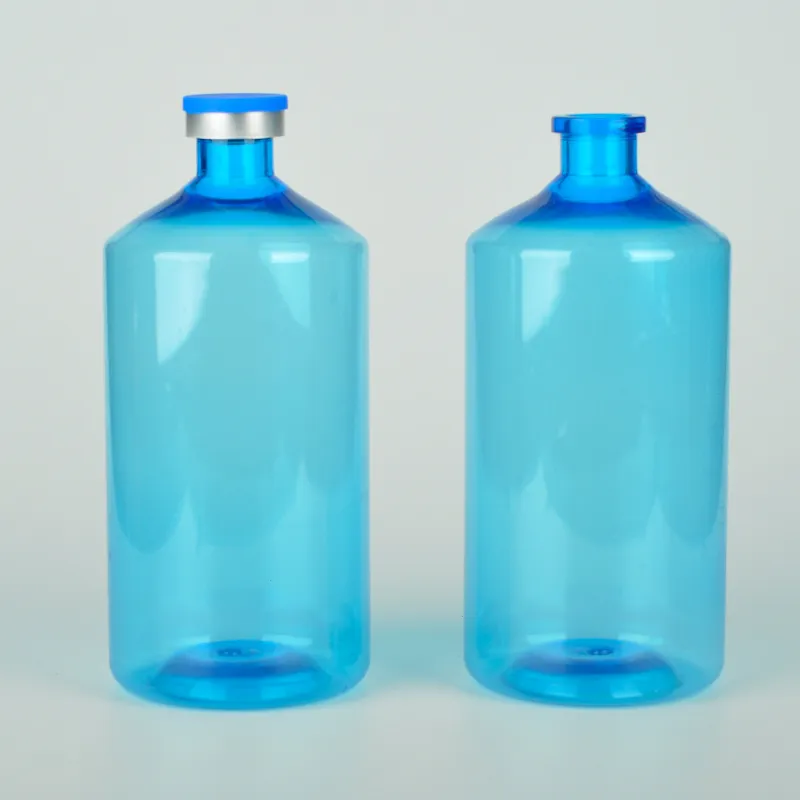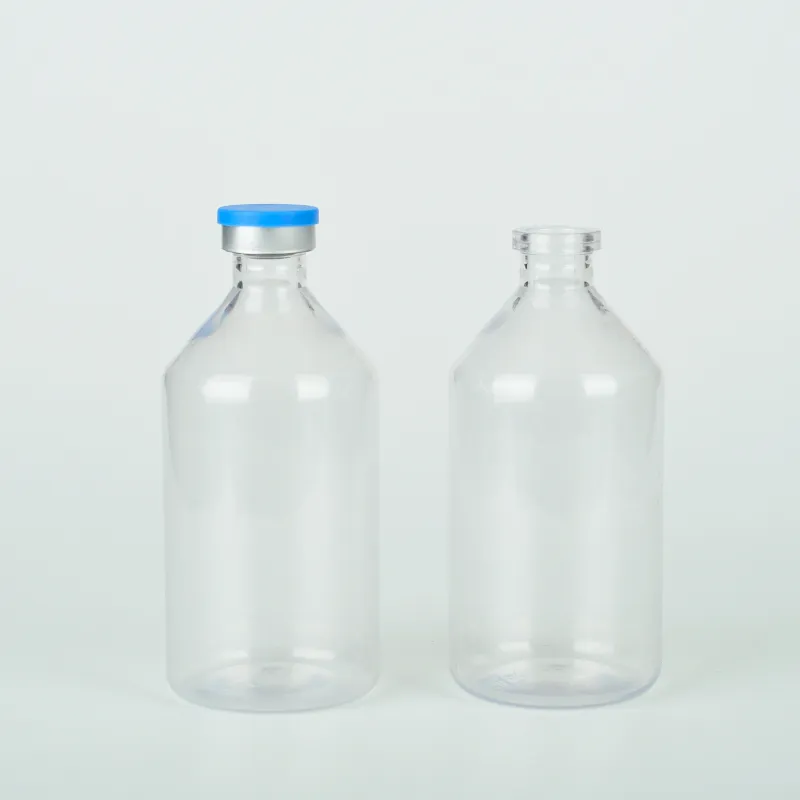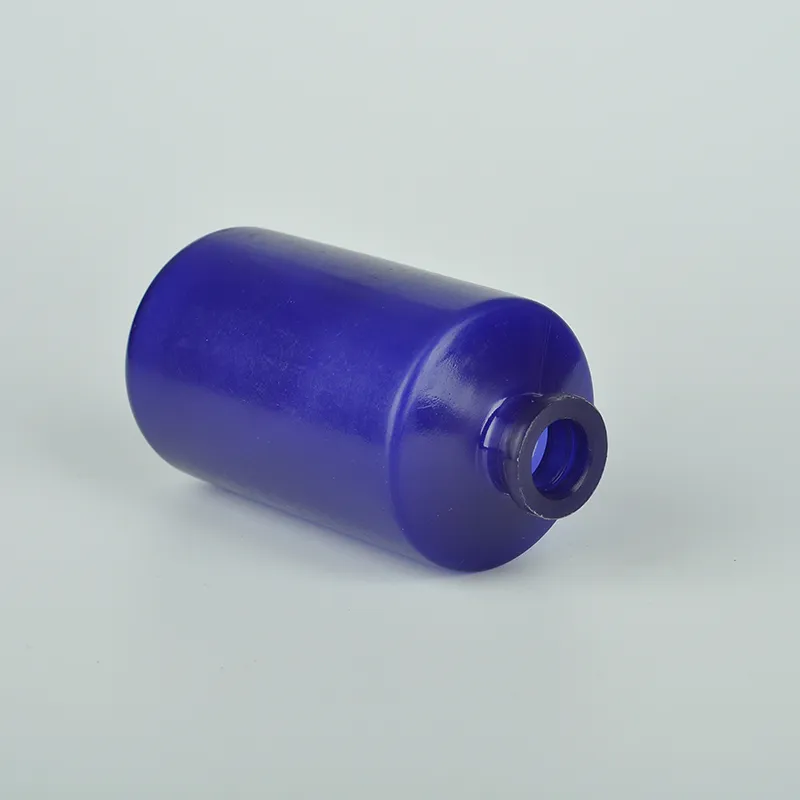

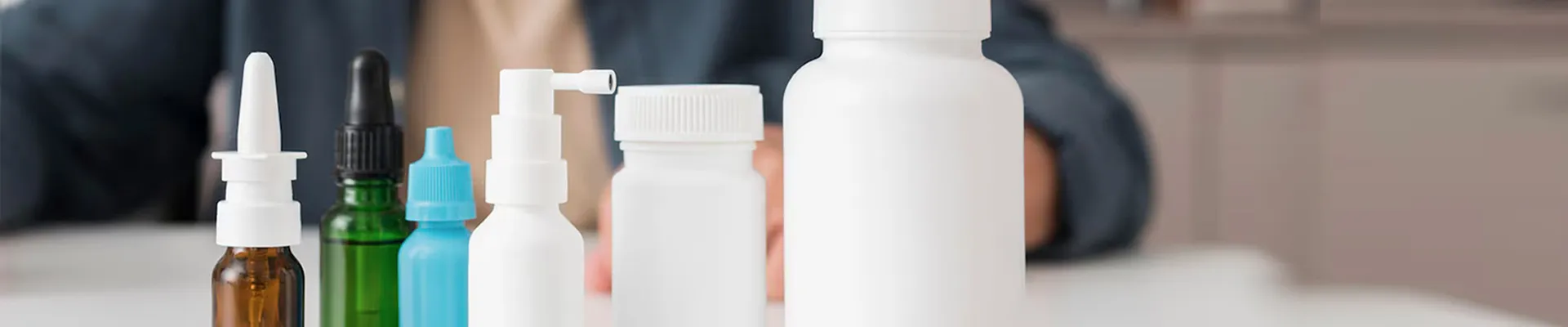


Plastic Reagent Bottle Manufacturers: ISO, Leakproof, OEM?
Inside the world of plastic reagent bottle manufacturers
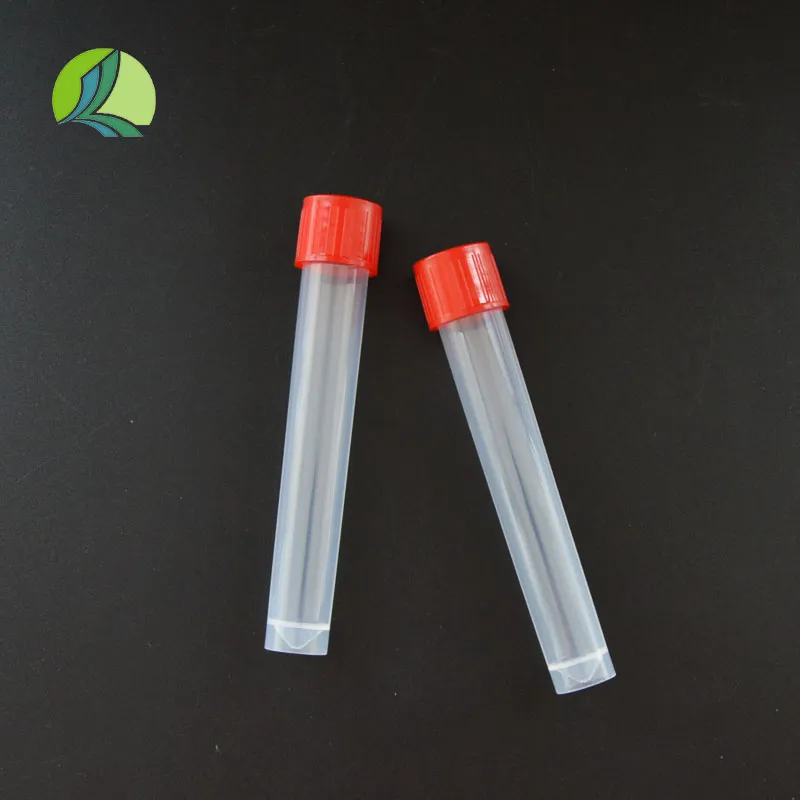
I’ve toured more bottle plants than I can count, and, to be honest, the quiet hum of an injection stretch blow molding line never gets old. The market is shifting fast: sustainability pressures, tighter IVD accuracy, and regulators asking for real data—not just pretty datasheets. Actually, customers tell me the small things matter most: cap torque that doesn’t fatigue, consistent color shading, labels that don’t peel in 2–8°C storage.
Materials, trends, and what’s changing
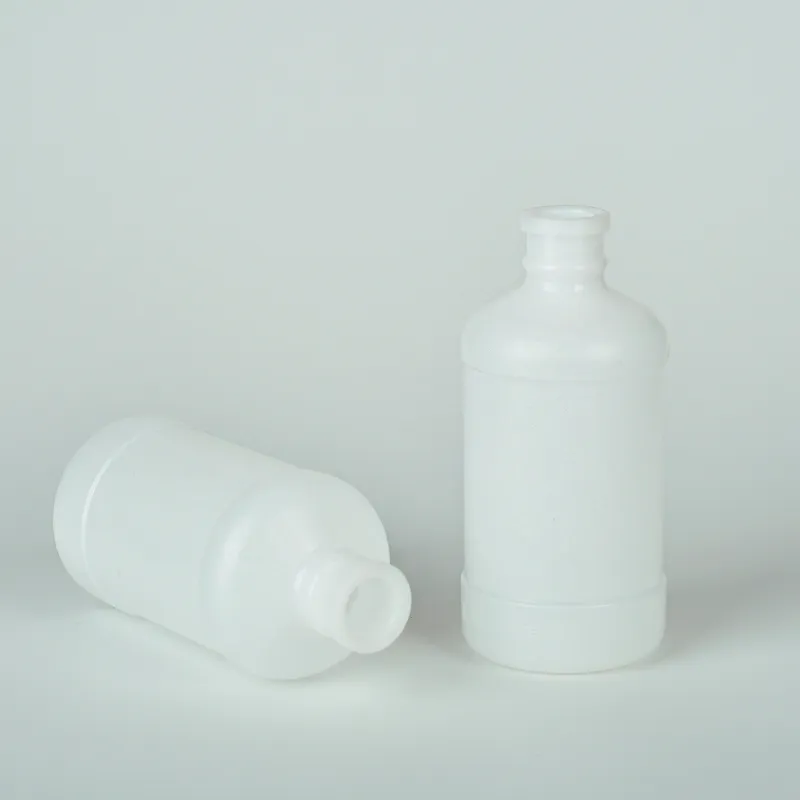
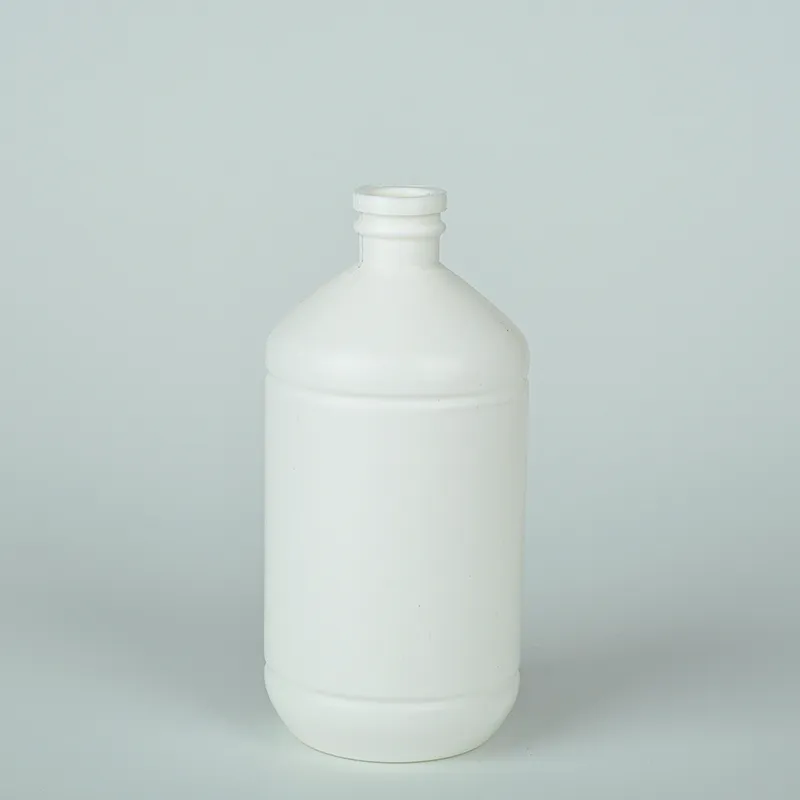
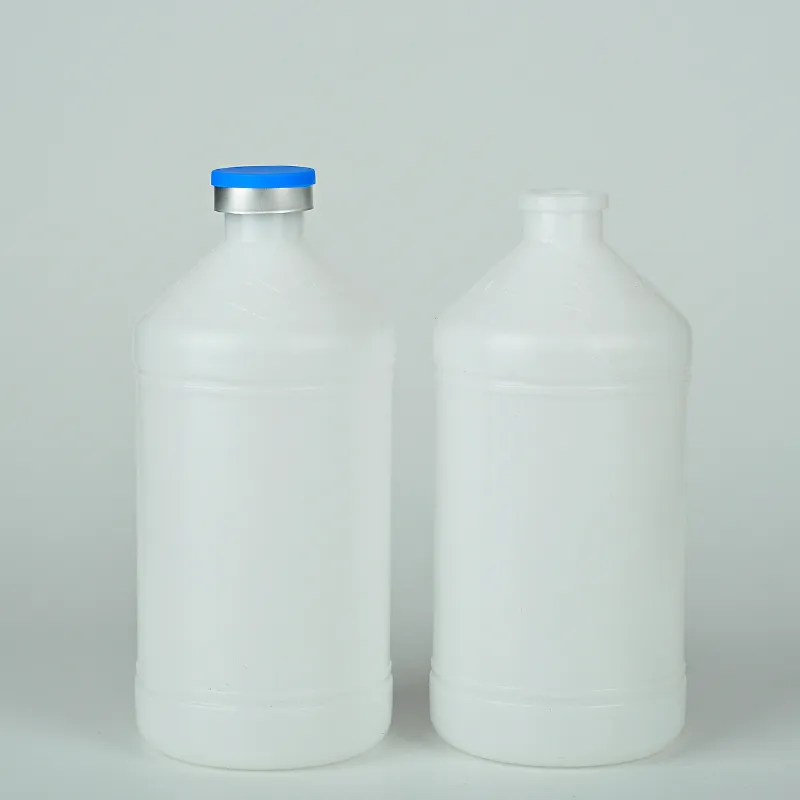
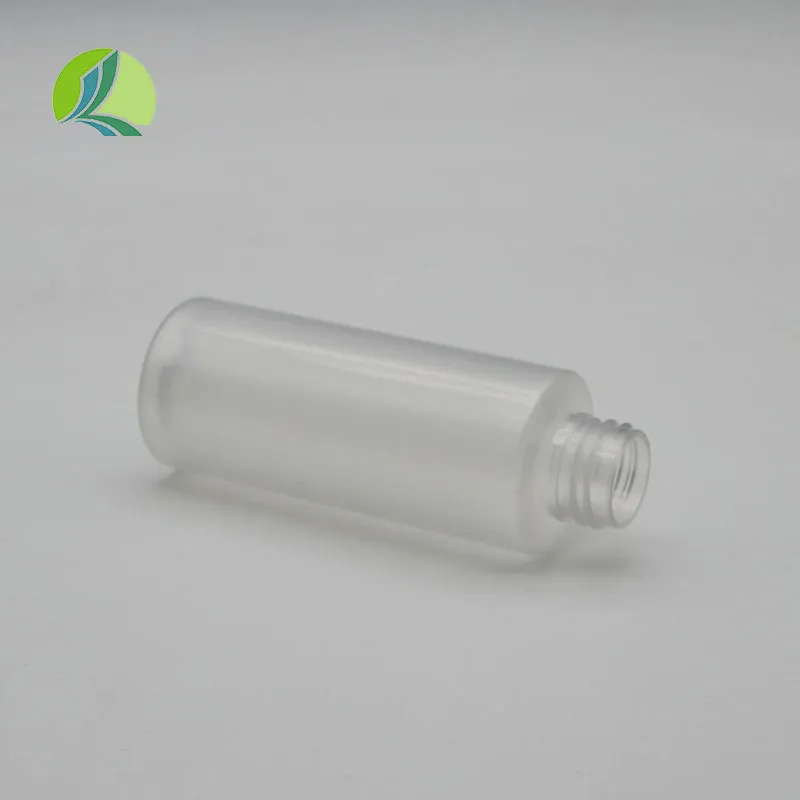
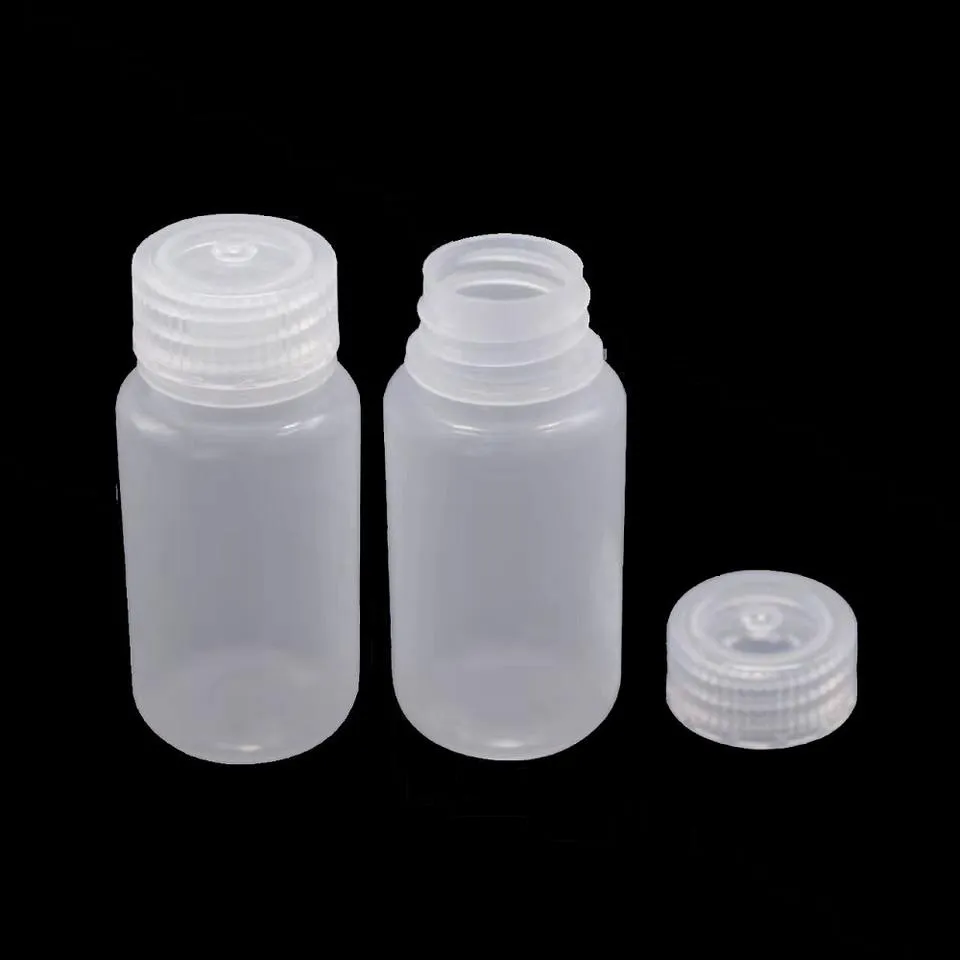
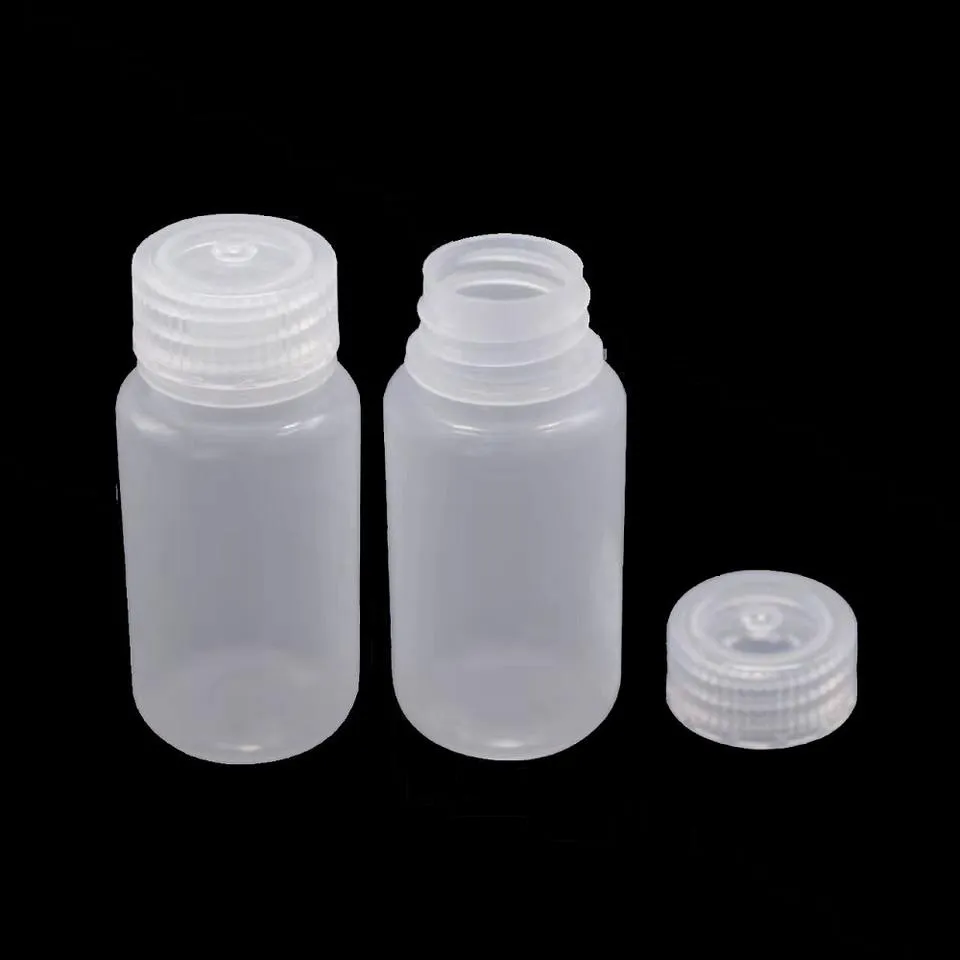
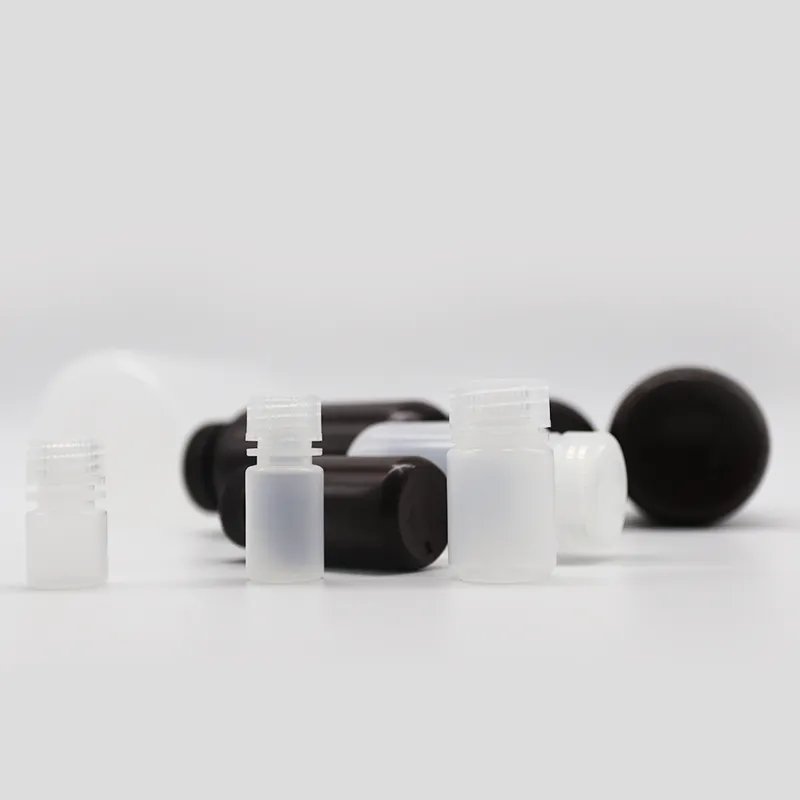
Most mainstream reagent bottles are still polypropylene (PP) because of chemical resistance and autoclavability. Yet PET—especially amber/brown PET—has crept into pharma and diagnostics thanks to better clarity, strong oxygen barrier, and nice print surfaces. Color masterbatch is now routine; you can dial in shading for UV protection without killing line-of-sight. Many producers use an interference-fit cap design to deliver leak resistance even without a gasket. It seems simple; it’s not.
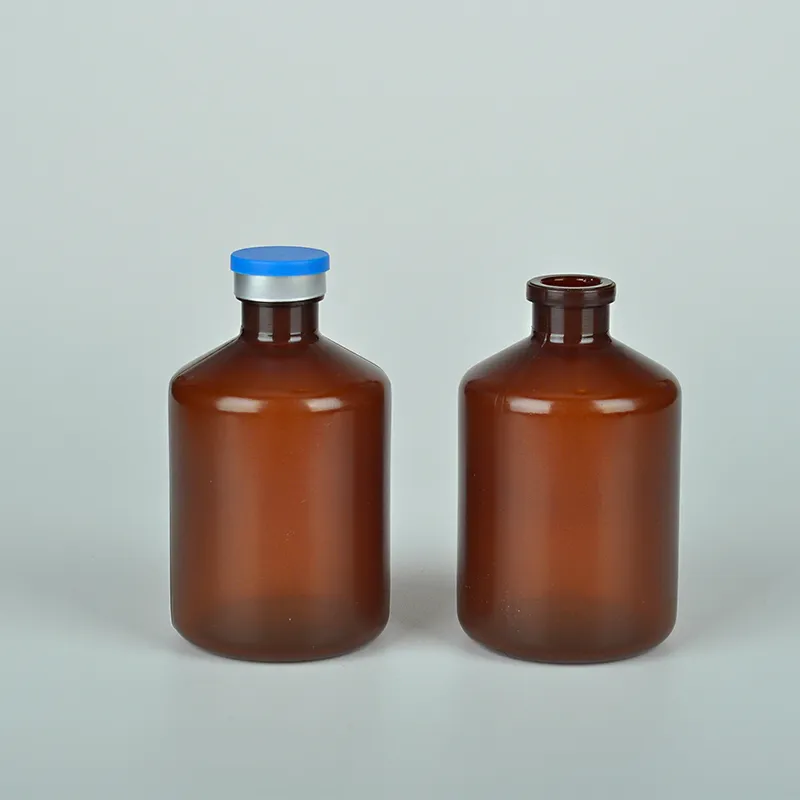
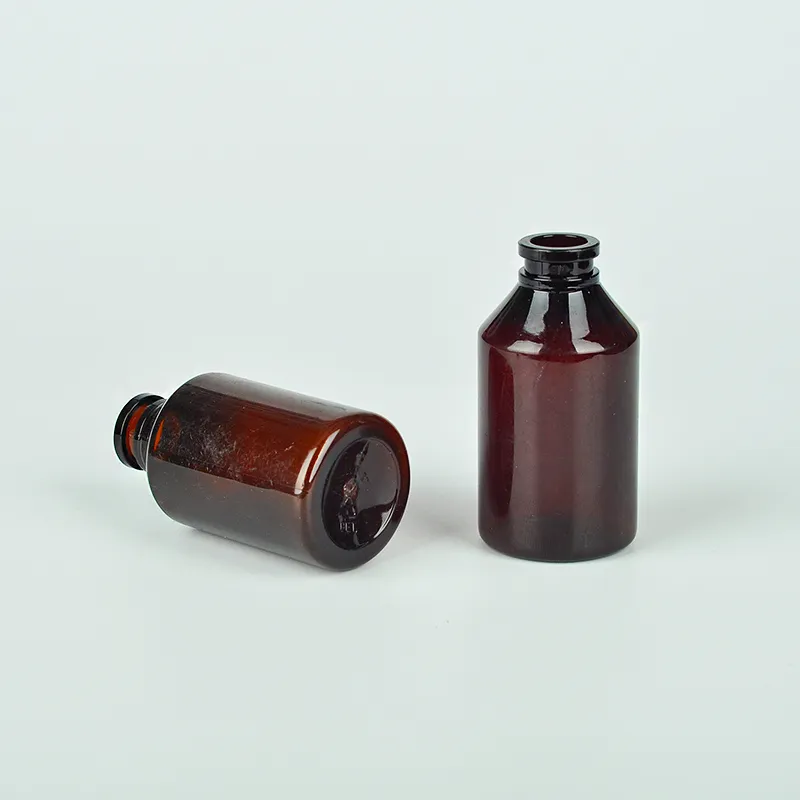
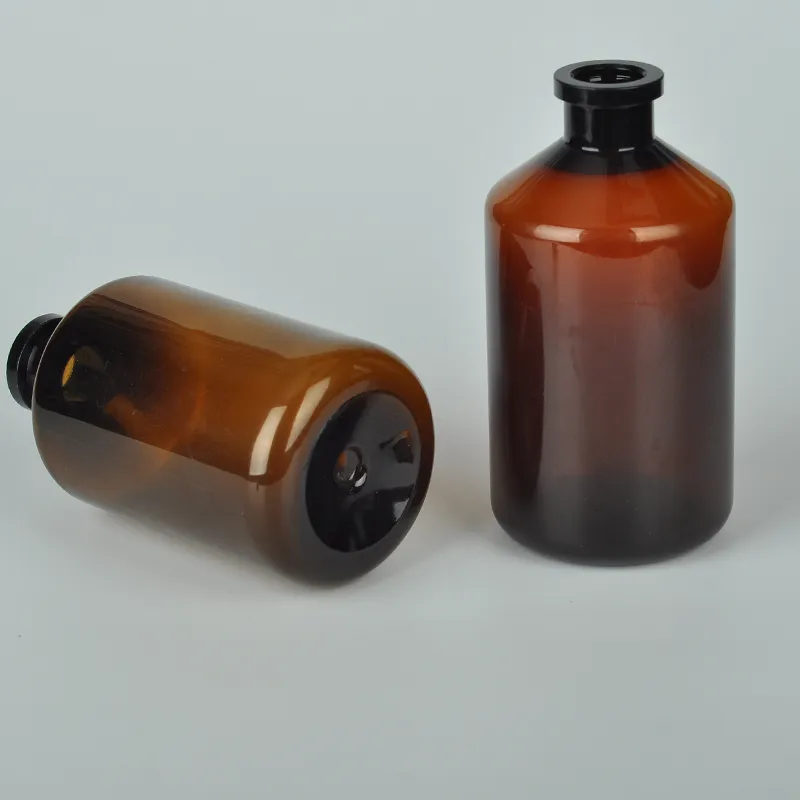
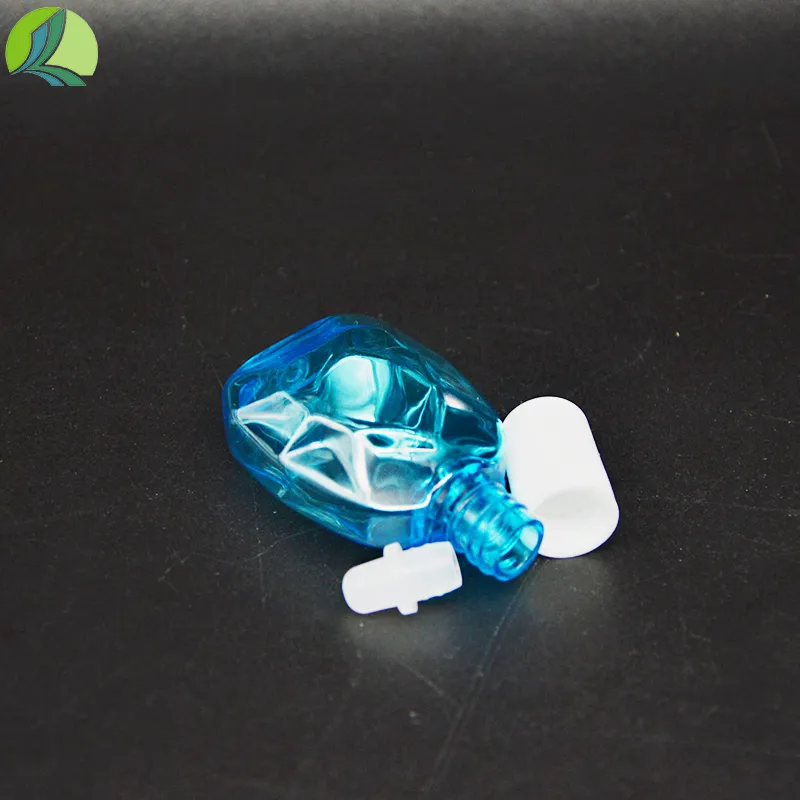
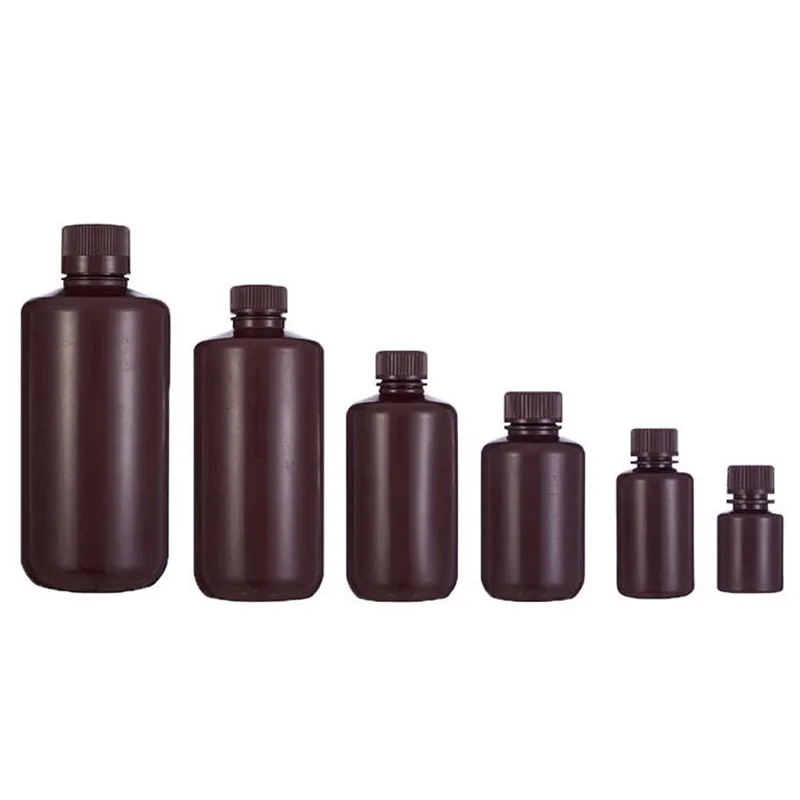
Featured product: amber PET syrup/reagent bottle
Origin: LITUN, Dusheng Town, Cangxian County, Cangzhou City, Hebei Province, China. Screen printing is available right on the line—handy for medicine and IVD packaging where smudge-free, alcohol-resistant inks are a must.
| Product specifications (≈ real-world values may vary) | |
| Name | Pharmaceutical 10ml/20ml Brown PET Plastic Liquid Syrup Bottle with Screw Cap, Screen Printing |
| Material | PET bottle; PP or HDPE cap (interference fit, optional linerless) |
| Capacity | 10 ml, 20 ml (tolerance ≈ ±0.3 ml) |
| Color/UV | Brown/amber; UV blocking ≈ 95% @ 400 nm (sample-based) |
| Sealing | Interference-fit screw cap; leak test per ASTM D3078 passed at 20–25 kPa |
| Labeling | Screen printing (ethanol wipe resistant), wrap label optional |
| Temp range | -20°C to 60°C (PET); sterilization: EtO or gamma compatible; steam not advised |
| Compliance | USP <661.1> screening, ISO 13485 QMS (factory-level), RoHS |
Process flow and testing (how the sausage is made)
- Resin selection: PET (IV tailored for ISBM), cap-grade PP/HDPE; masterbatch for amber shading.
- Molding: preform injection → reheating → stretch blow molding → inline vision check.
- Decoration: screen printing with pharma-grade inks; cure and adhesion check.
- QC and tests: torque (ISO 13378 method, in-house), leak/bubble (ASTM D3078/F2096), dimensional (ISO 19072), OTR (ASTM D3985), WVTR (ASTM F1249).
- Service life: ≈ 3–5 years sealed, ambient, away from heat/UV; check batch CoA.
- Industries: in vitro diagnostics, pharma syrup/drops, veterinary, sample logistics, nutraceuticals.
Who’s good right now? A quick vendor comparison
| Vendor | Material range | Certs | MOQ | Customization | Transparency |
|---|---|---|---|---|---|
| WK Packing (Cangzhou, Hebei) | PET, PP, HDPE; amber/clear | ISO 13485/9001 (site-level), RoHS | ≈ 5,000–10,000 | Color, cap, print in ≈ 2–4 wks | Shares test reports and CoA |
| Alpha Plastics (generic) | PP, HDPE | ISO 9001 | ≈ 20,000 | Limited colors | Basic datasheet only |
| MedPack Europe (generic) | PETG, COC, PP | ISO 15378, 13485 | ≈ 3,000 | Broad, higher tooling fees | Full validation packs |
Use cases and quick case studies
plastic reagent bottle manufacturers are seeing more IVD kits shipping worldwide under cold chain. One lab in Southeast Asia switched to amber PET 20 ml vials for enzyme buffers and reported 0 leaks in 50,000 units (ASTM D3078, 25 kPa, n=315 per batch). Another biotech, mildly skeptical at first, adopted interference-fit caps (no liners) and cut capping time by ~18% while maintaining torque stability over 6 months at 40°C/75% RH.
Customization and buyer tips
- Cap choice: linerless for speed; liners (PE foam, TPE) if volatile solvents are involved.
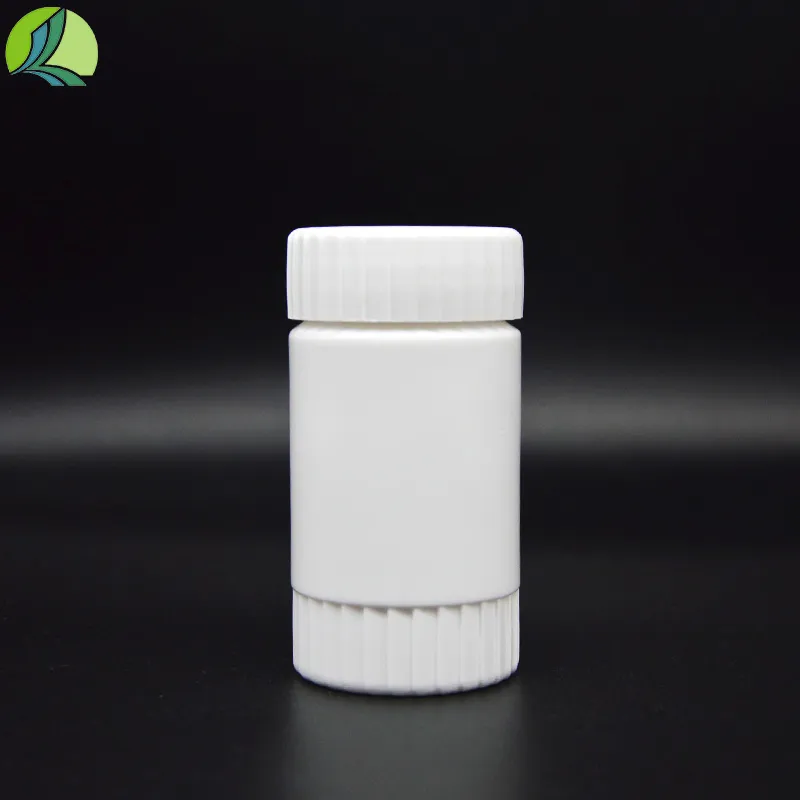
- Mouth style: wide mouth for tablets/capsules; narrow for liquids, droppers, reducers.
- Printing: screen print or UV inkjet; ask for ethanol and abrasion tests.
- Ask for data: OTR/WVTR, torque decay, drop tests, and USP <661.1> results per lot.
If you’re shortlisting suppliers, pick those who volunteer validation protocols. Surprisingly, that weeds out half the field. And yes, plastic reagent bottle manufacturers that publish CoAs and retain samples make audits a breeze.
Authoritative references
- USP <661.1> Plastic Packaging Systems and Their Materials of Construction.
- ISO 13485: Medical devices—Quality management systems—Requirements for regulatory purposes.
- ASTM D3985: Oxygen Gas Transmission Rate Through Plastic Film and Sheeting.
- ASTM F1249: Water Vapor Transmission Rate Through Plastic Film and Sheeting.
- ASTM D3078 / F2096: Package leak testing standards (bubble emission).
-
Guide to Sourcing High Quality wholesale mister bottles for BusinessNewsApr.16,2026
-
Top Quality Spray Bottle 100ml Suppliers for Your Business NeedsNewsApr.09,2026
-
Comprehensive Guide to Pet Spray Bottle Manufacturers and Packaging SolutionsNewsApr.07,2026
-
Comprehensive Guide to Finding Reliable Perfume Sprayers SuppliersNewsApr.04,2026
-
Comprehensive Guide to Wholesale Mini Spray Bottles for Various ApplicationsNewsMar.31,2026
-
Comprehensive Guide to Sourcing Mini Plastic Spray Bottles Bulk for Your BusinessNewsMar.28,2026