



Quality Plastic Oil Dropper Bottles for Industrial Use | WK Packing
Exploring Plastic Oil Dropper Bottles: Practicality Meets Precision
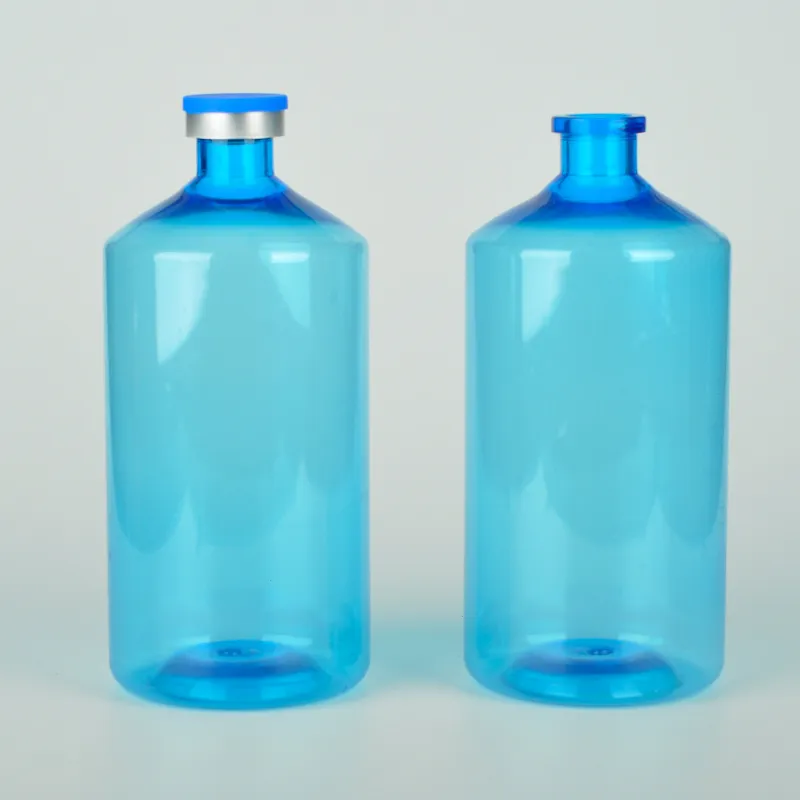
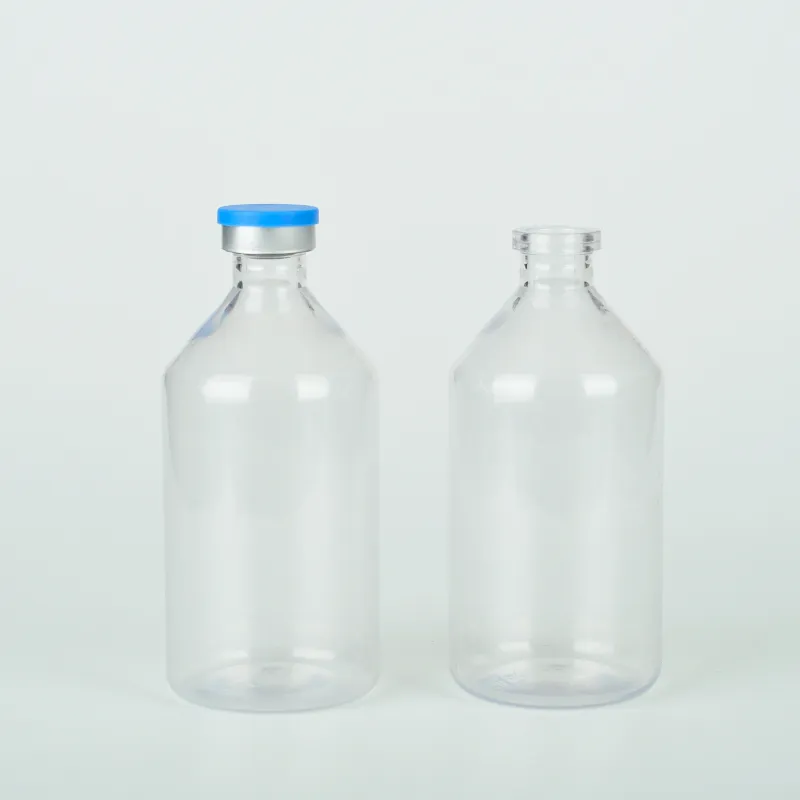
Having spent quite a few years navigating the industrial equipment sector, I can say that sometimes the smallest components are the unsung heroes of production lines or maintenance workshops alike. Take plastic oil dropper bottles, for instance. You might think, “just a small plastic bottle,” but frankly, their design and material matter a great deal in various industries—including automotive, manufacturing, and even laboratory settings.
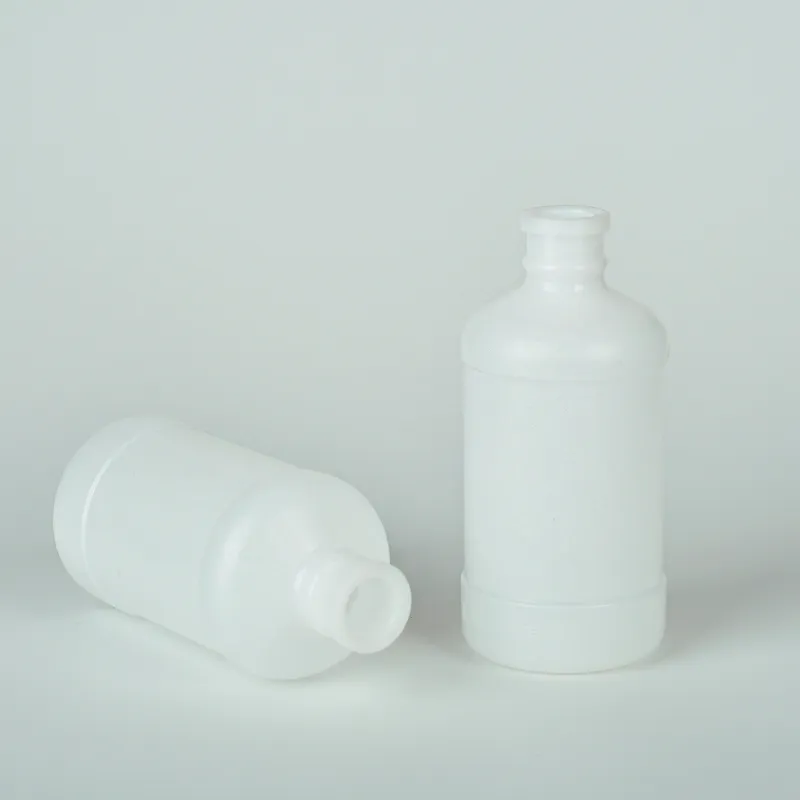
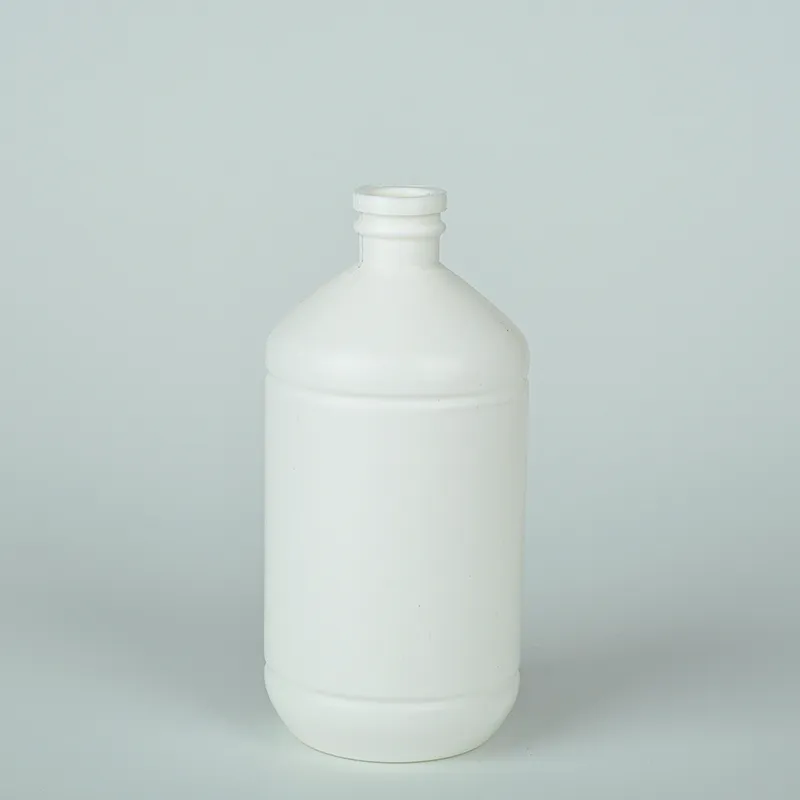
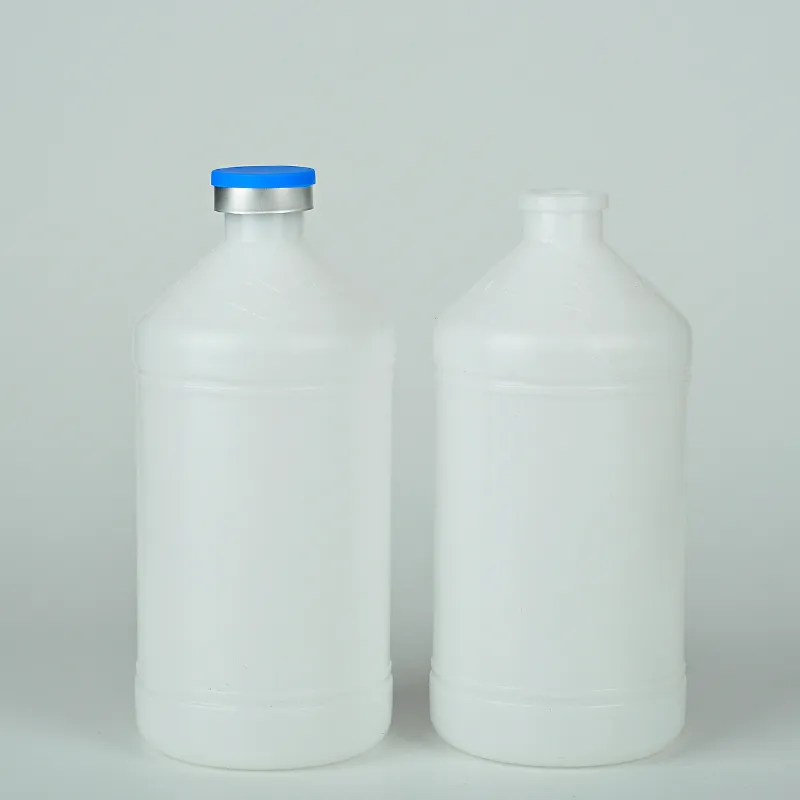
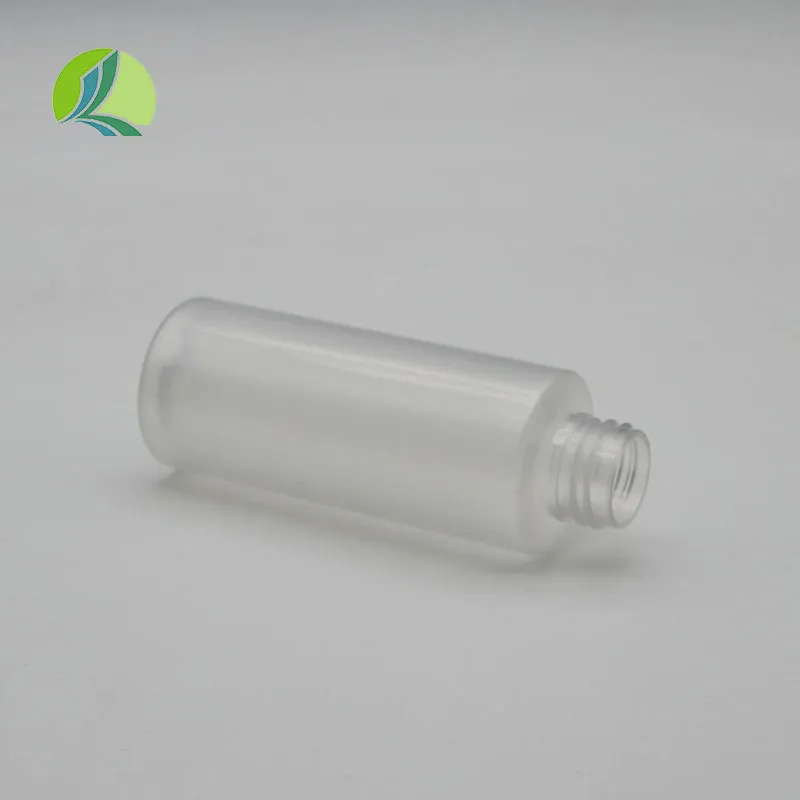
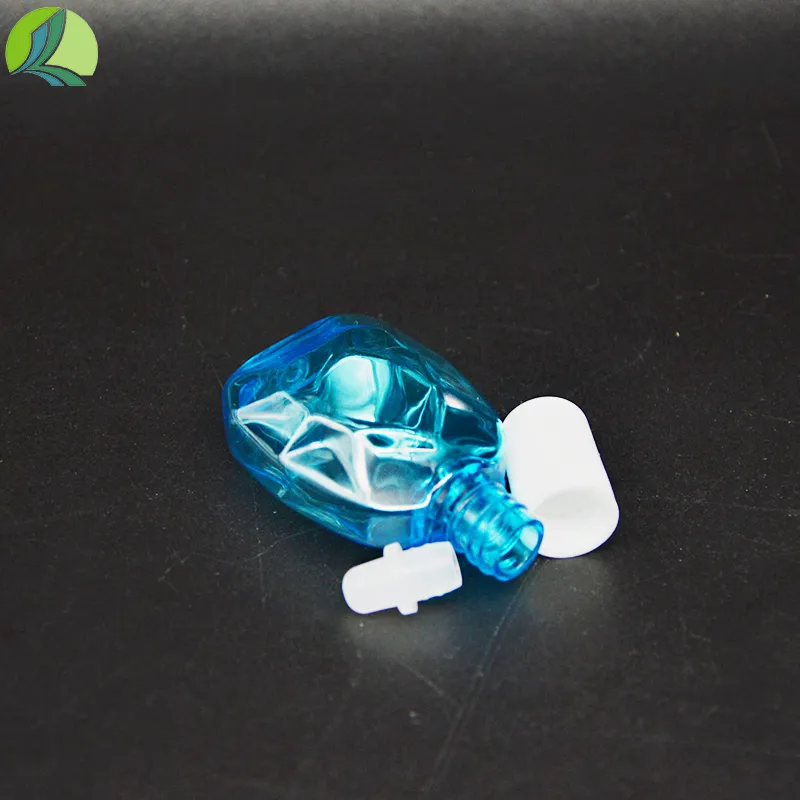
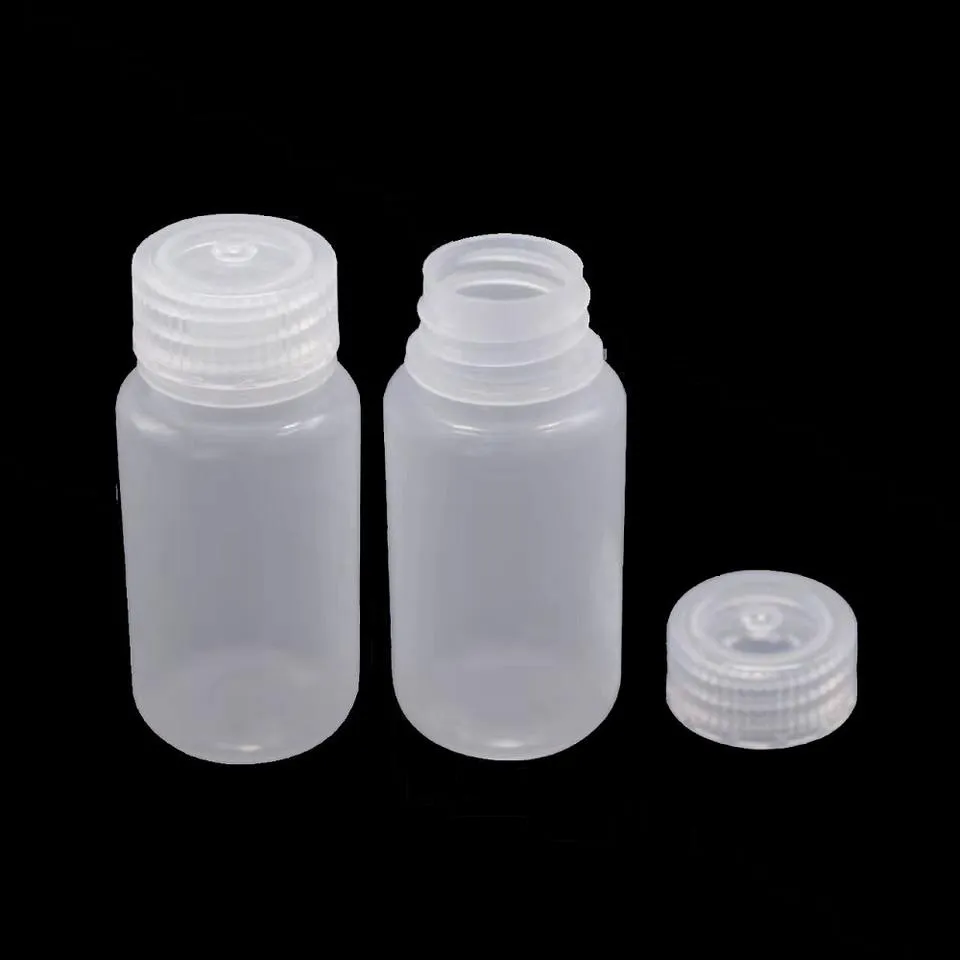
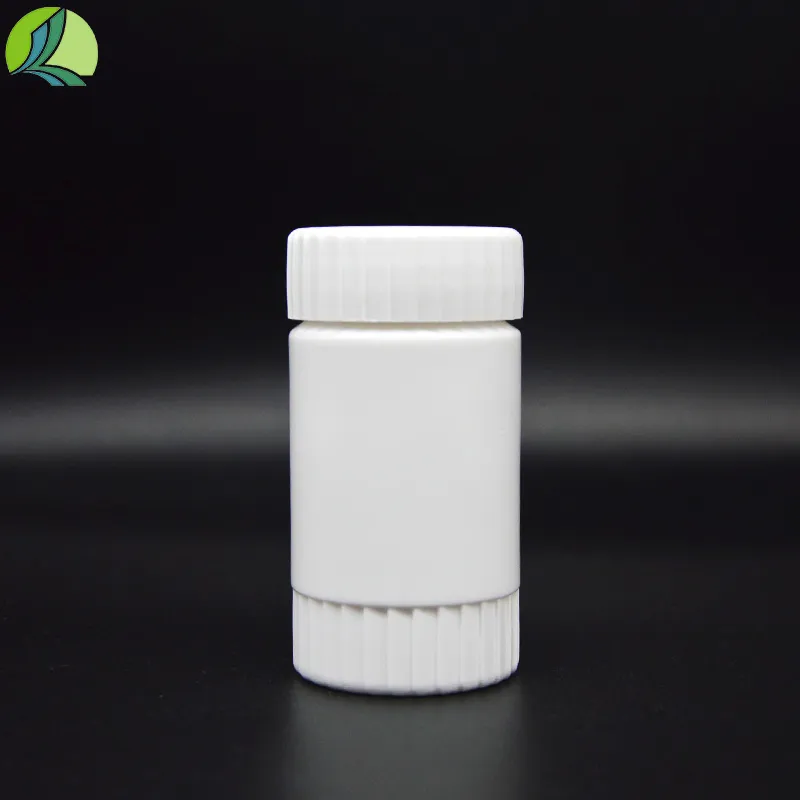
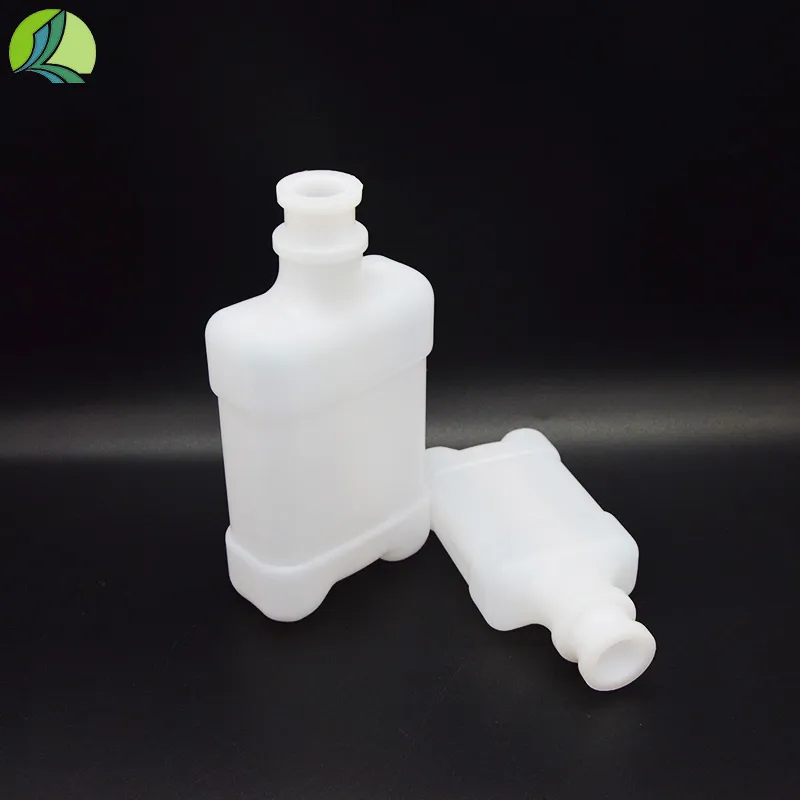
Plastic oil dropper bottles offer a neat solution when precise amounts of lubricants or oils need to be dispensed. Oddly enough, their simplicity belies the thought put into them. Usually molded from durable, chemical-resistant plastics, these droppers must balance being squeezable enough for easy use while ensuring the oil doesn’t react or degrade from contact. I've seen many kinds fail because the plastic wasn’t compatible with the oil’s chemical makeup, leading to leaks or contamination. That’s a headache no one wants in a precision environment.
In real terms, the choice of materials—often LDPE or HDPE—is crucial. Both have their advantages. LDPE feels softer and is easier to squeeze, which is good for manual control. HDPE, on the other hand, is tougher and better for oils that might be more reactive or stored long-term. I remember one supplier’s team mentioning they also sometimes integrate polypropylene caps for better chemical stability. It’s sort of the behind-the-scenes detail that can make a big difference.
And speaking of caps, the dropper tip shape, orifice size, and thread compatibility matter just as much. These little design elements determine how easily a user can control the oil flow. From my conversations with maintenance engineers, many prefer droppers with no-drip tips to avoid wasting expensive lubricants or creating unwanted messes. A tight seal is essential, especially if the bottle sits unused for weeks on a shelf.
| Specification | Details |
|---|---|
| Material | Low-Density Polyethylene (LDPE) / High-Density Polyethylene (HDPE) |
| Cap Type | Polypropylene Screw-on with Dropper Tip |
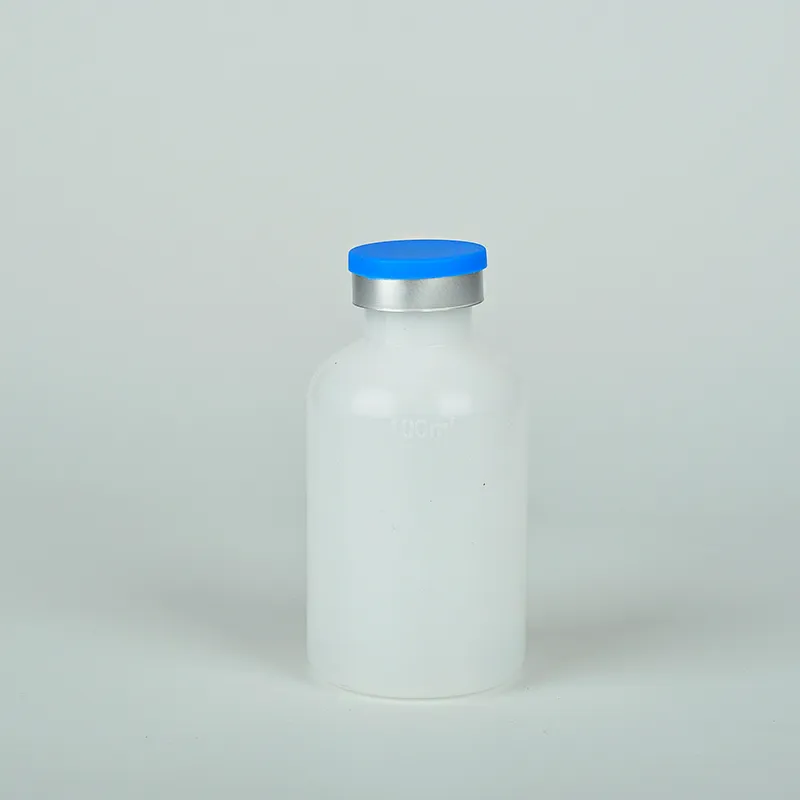
| Volume Capacity | 5 ml, 10 ml, 15 ml, 30 ml (common sizes) |
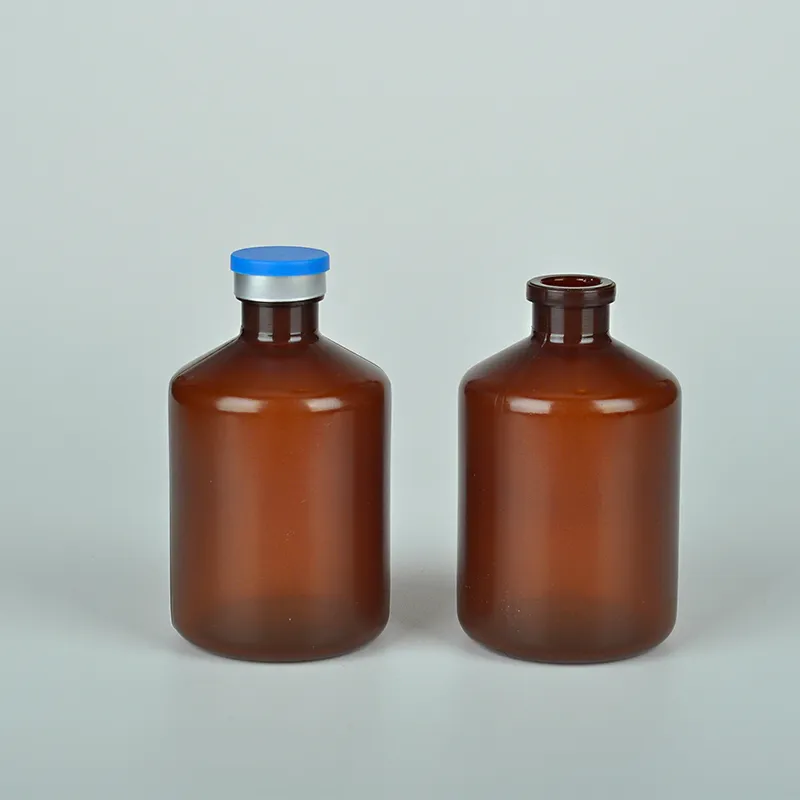
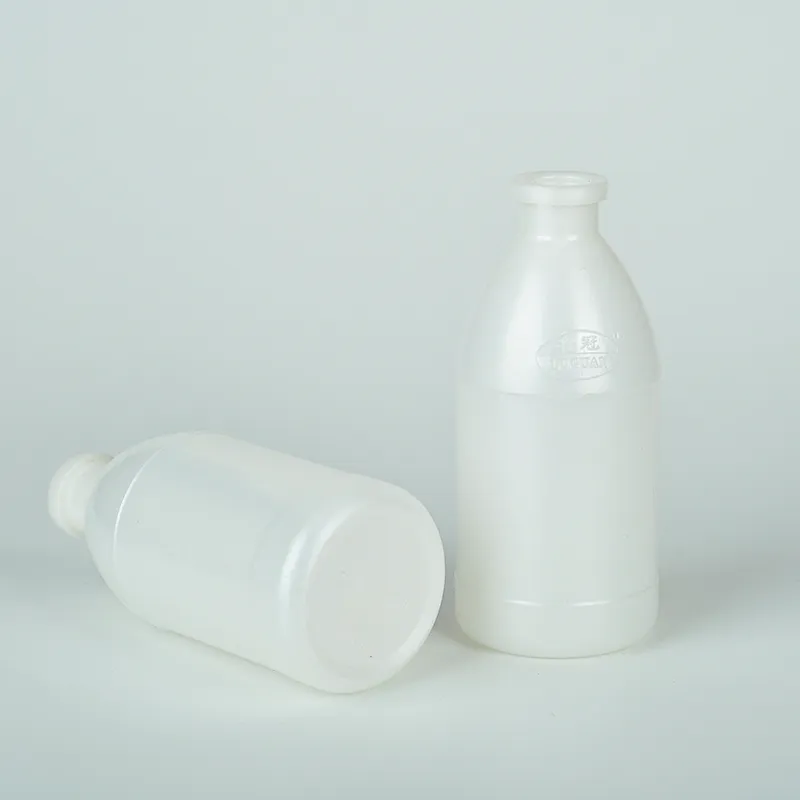
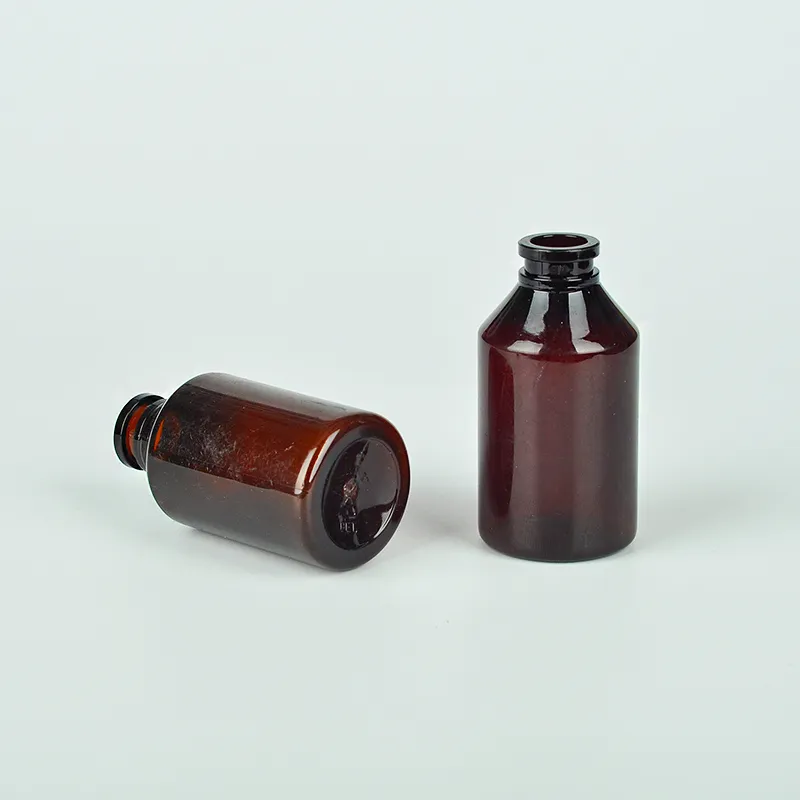
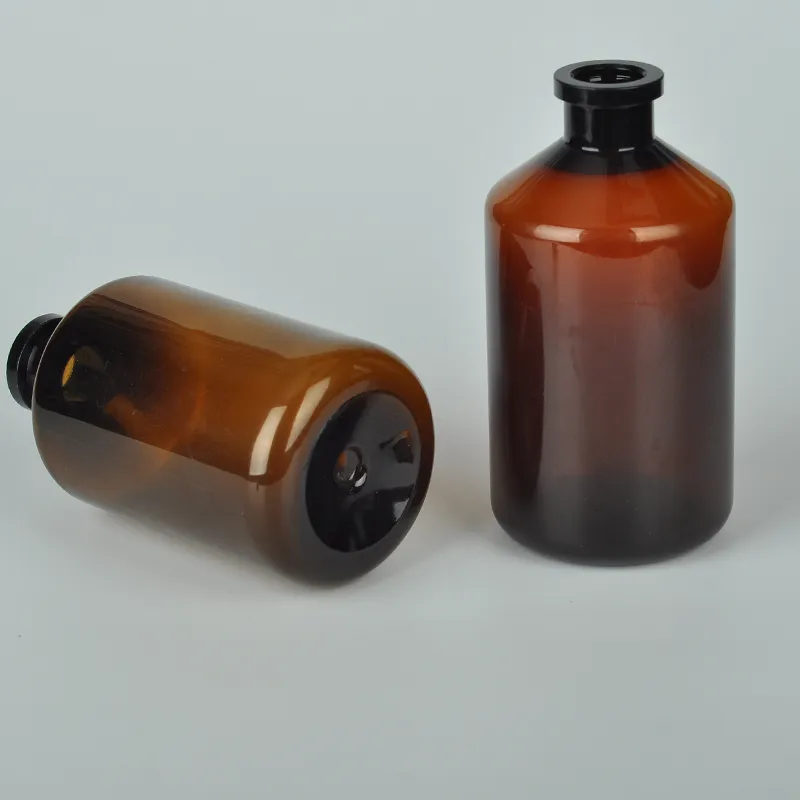
| Color | Clear, Amber (UV protection) |
| Dropper Orifice | 0.8 mm - 1.2 mm for controlled dispensing |
| Chemical Resistance | Resistant to various oils, solvents, and lubricants |
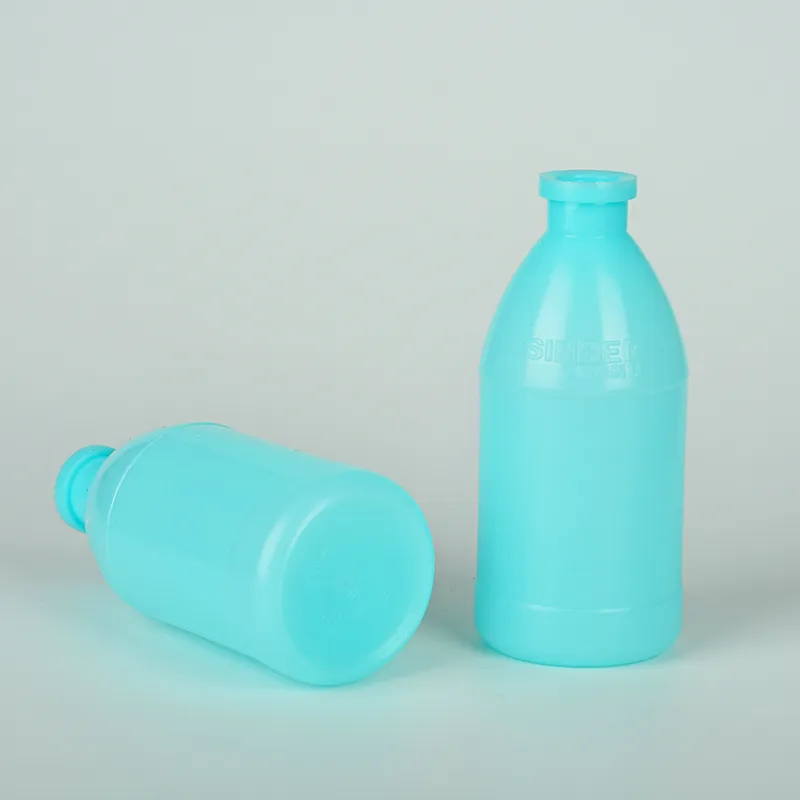
Customization options are surprisingly flexible. Some clients I've worked with needed color-coding systems or custom printing directly on bottles for quick visual identification on busy factory floors. Frankly, these little touches add up to preventing cross-contamination or accidental use of wrong fluids, which can cause downtime and damage.
If you ask around, you’ll find a handful of vendors offering fairly similar products, but quality and delivery times often set them apart. I compiled a quick rundown from my recent sourcing projects to share an interesting vendor comparison:
| Vendor | Material Quality | Customization | Lead Time | Price (per 100 pcs) |
|---|---|---|---|---|
| WK Packing | High-grade HDPE/LDPE | Custom printing, color options | 7-10 days | $55 |
| Vendor B | Standard LDPE | Limited | 14 days | $48 |
| Vendor C | Mixed quality | Standard colors only | 5-7 days | $60 |
I have a soft spot for suppliers who really get how tiny details—like the pliability of the plastic, or dropper tip precision—impact user experience and product outcome. As an anecdote, one maintenance team I know switched to a supplier that provided amber-colored bottles with no-drip caps, and their spillage rate dropped dramatically, which saved costs and frustration alike. It’s these small, practical differences that often make all the difference.
In sum, whether you’re replenishing stock or specifying oil droppers for a new production line, it pays to check things like material compatibility, dropper design, customization flexibility, and supplier reliability. For anyone interested in sourcing quality, plastic oil dropper bottles from a trusted vendor, WK Packing keeps coming up as a recommended choice — consistent, customizable, and fairly priced.
It always feels a little funny to spend so much time discussing a little bottle, but if you’ve ever struggled with inconsistent oil flow or leakage, you’ll understand why the devil’s really in the details here.
A quick takeaway: Don’t underestimate the importance of well-designed plastic oil dropper bottles—they’re small, but mighty in keeping operations smooth.
- Material choice impacts chemical resistance and flexibility.
- Customized caps and orifice sizes improve precision and reduce waste.
- Reliable suppliers add value beyond just price – think quality & lead times.
-
Guide to Sourcing High Quality wholesale mister bottles for BusinessNewsApr.16,2026
-
Top Quality Spray Bottle 100ml Suppliers for Your Business NeedsNewsApr.09,2026
-
Comprehensive Guide to Pet Spray Bottle Manufacturers and Packaging SolutionsNewsApr.07,2026
-
Comprehensive Guide to Finding Reliable Perfume Sprayers SuppliersNewsApr.04,2026
-
Comprehensive Guide to Wholesale Mini Spray Bottles for Various ApplicationsNewsMar.31,2026
-
Comprehensive Guide to Sourcing Mini Plastic Spray Bottles Bulk for Your BusinessNewsMar.28,2026