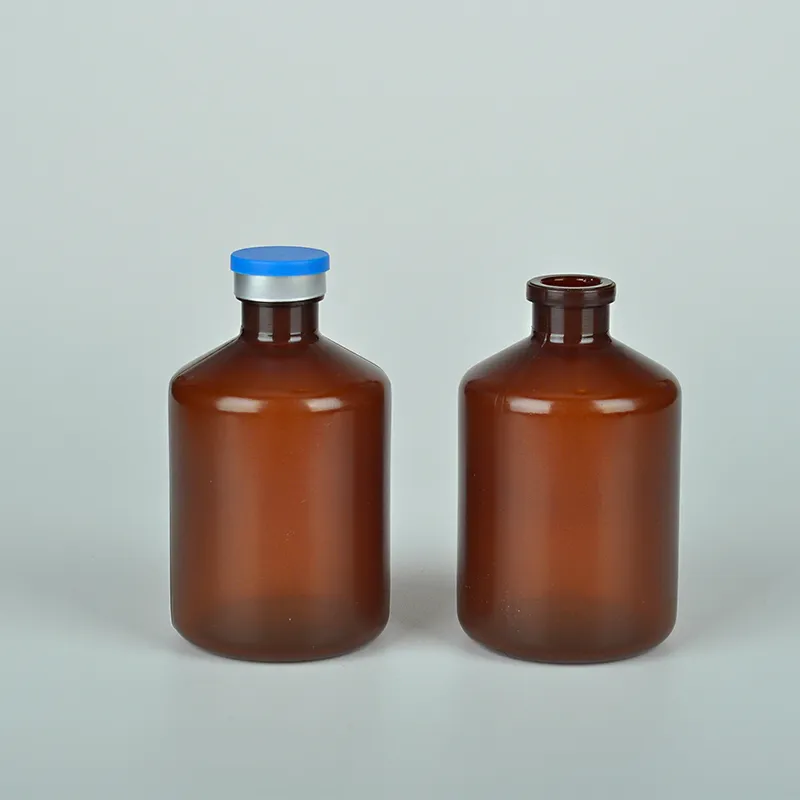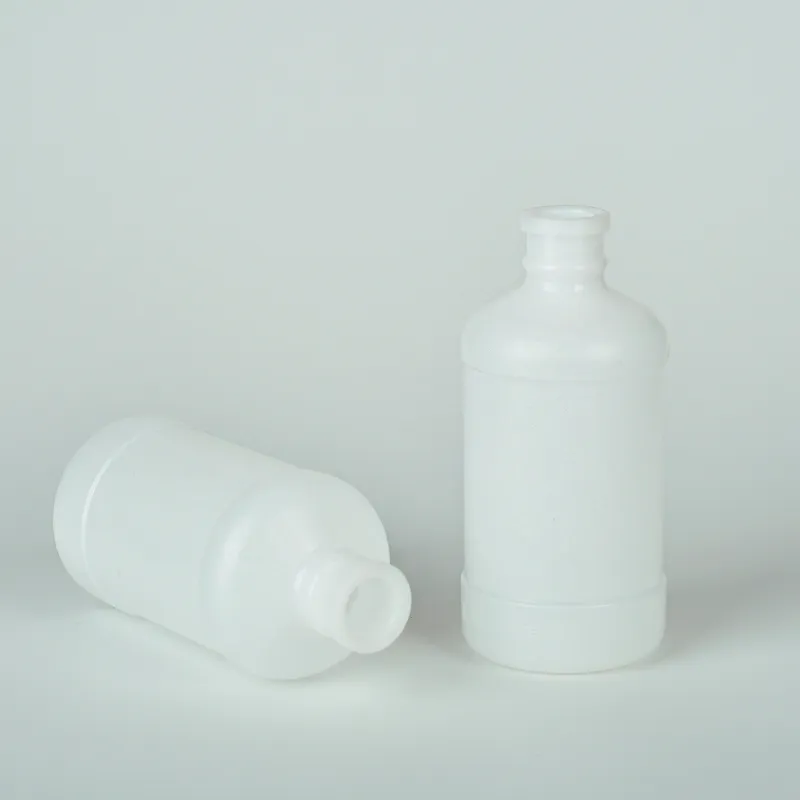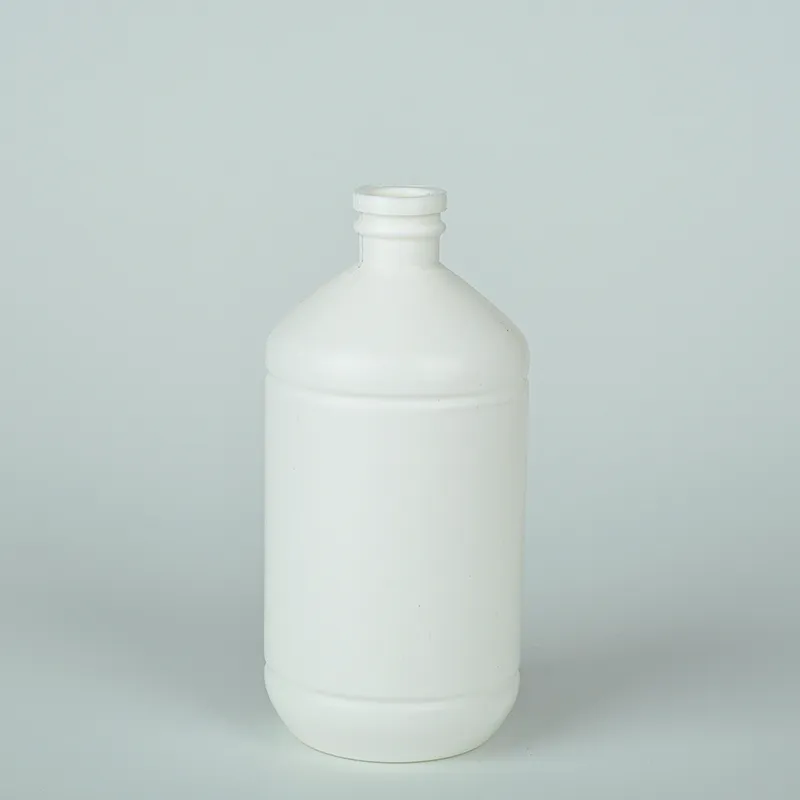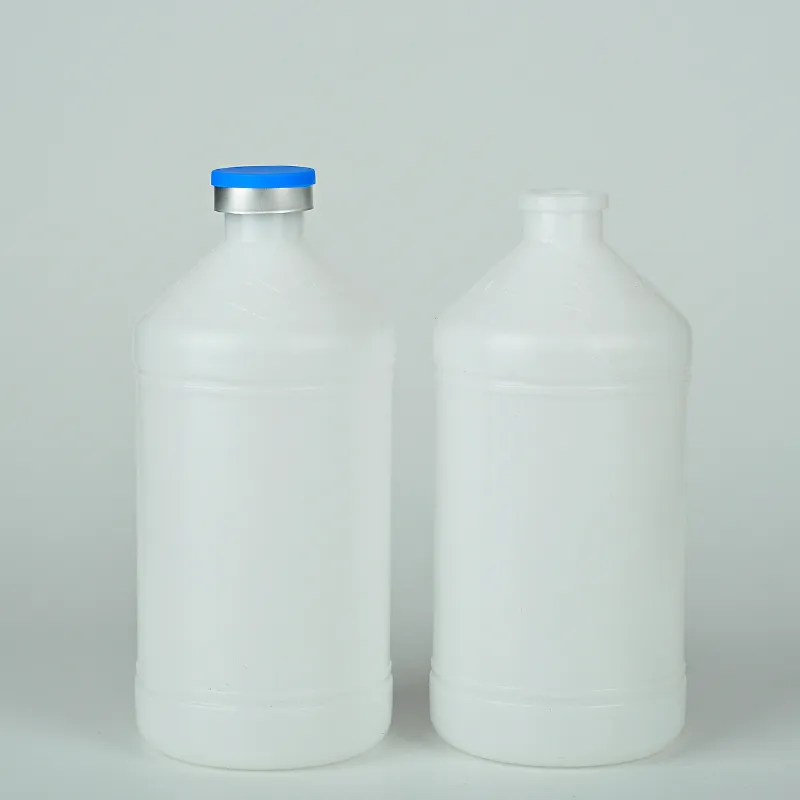



Transparent Pill Bottle – Safe, Sustainable & Reliable Medication Packaging
What Is a Transparent Pill Bottle and Why It Matters Globally
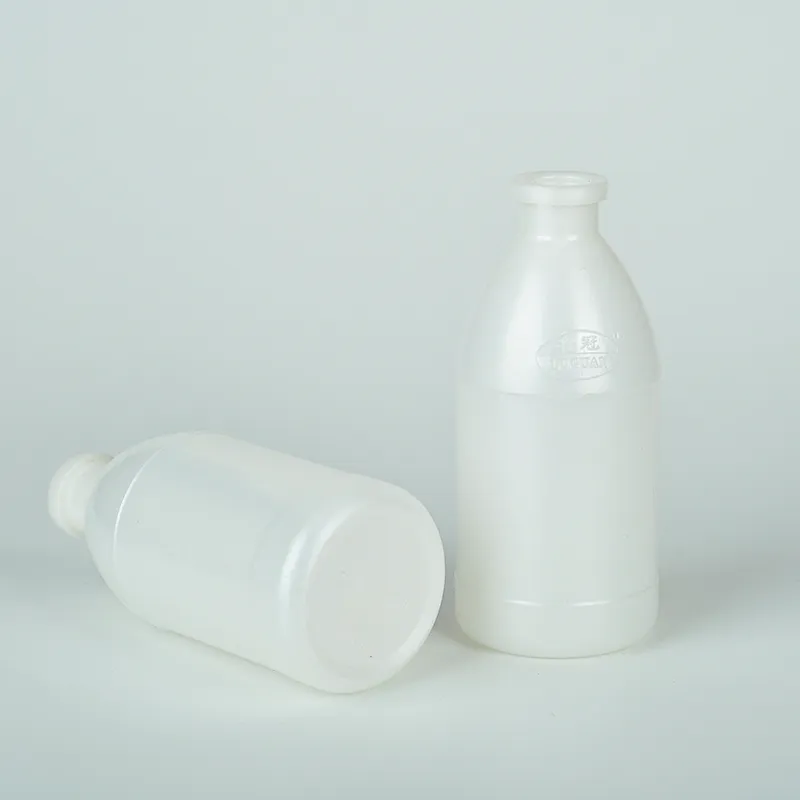
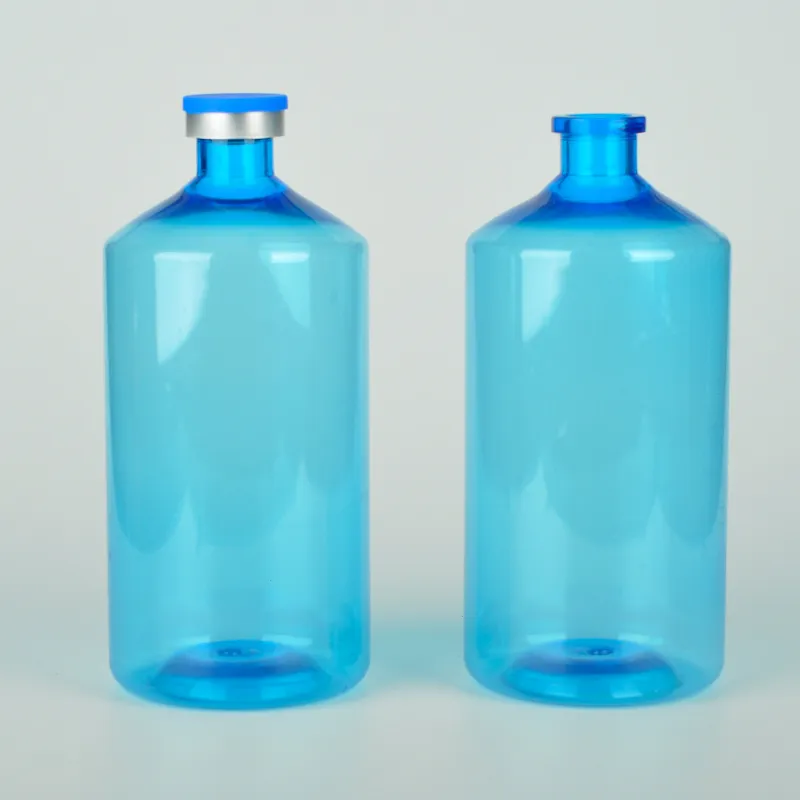
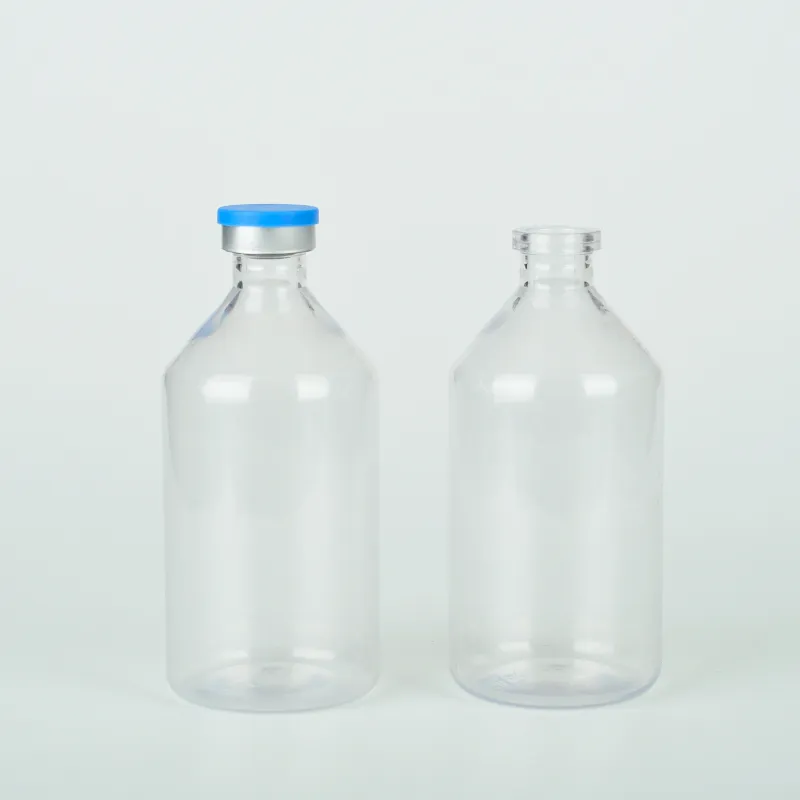
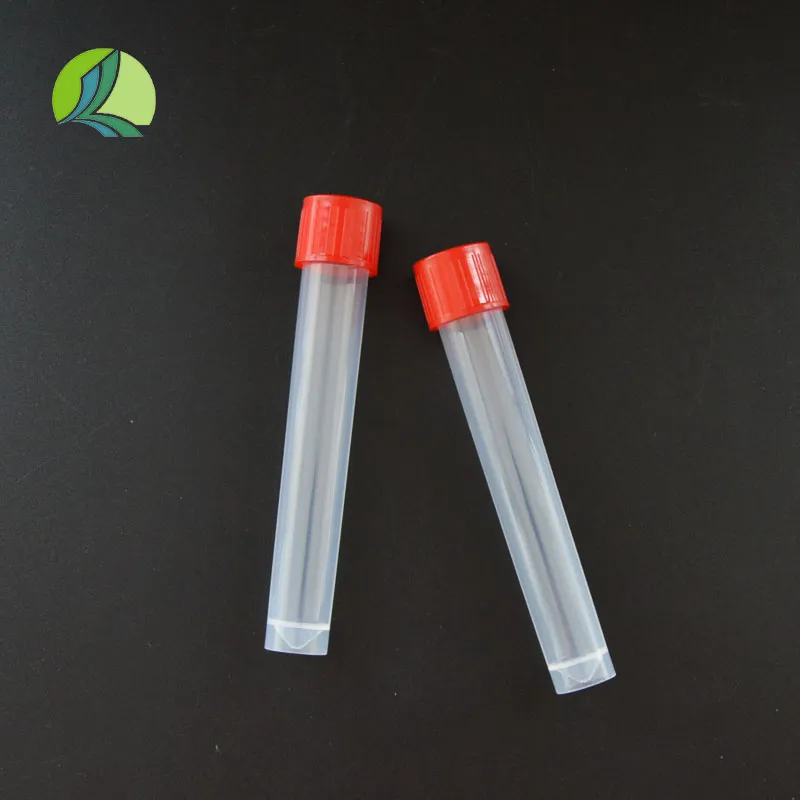
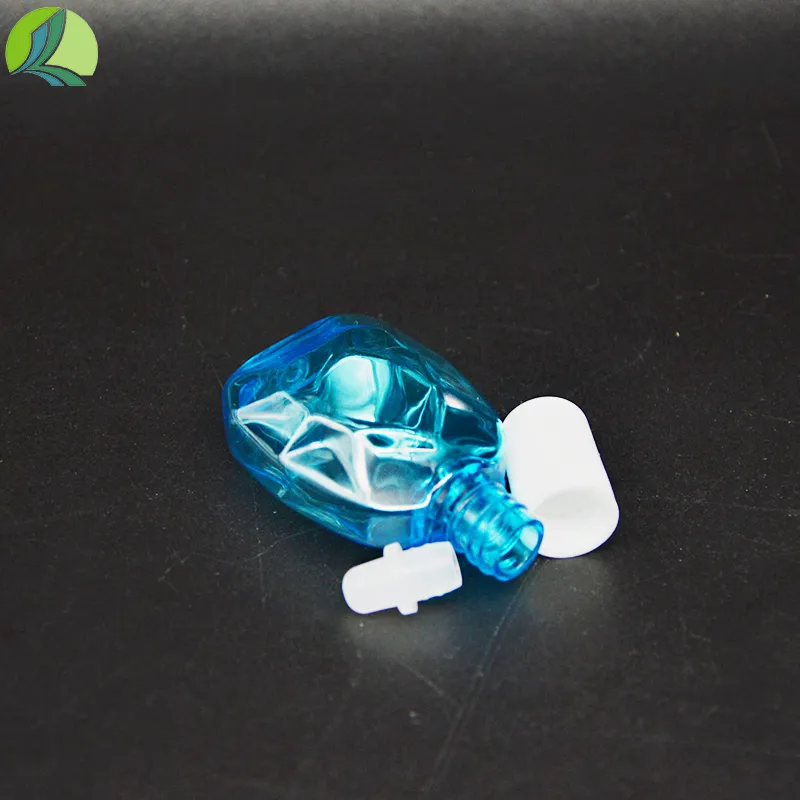
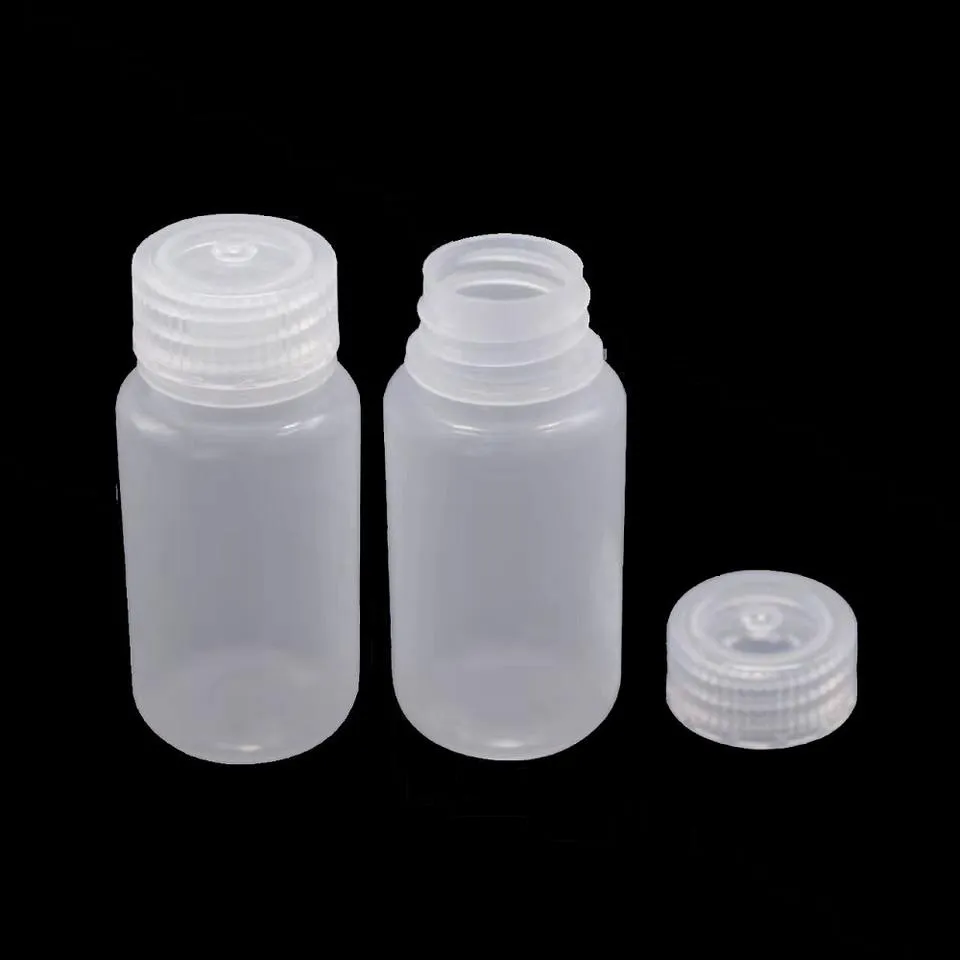
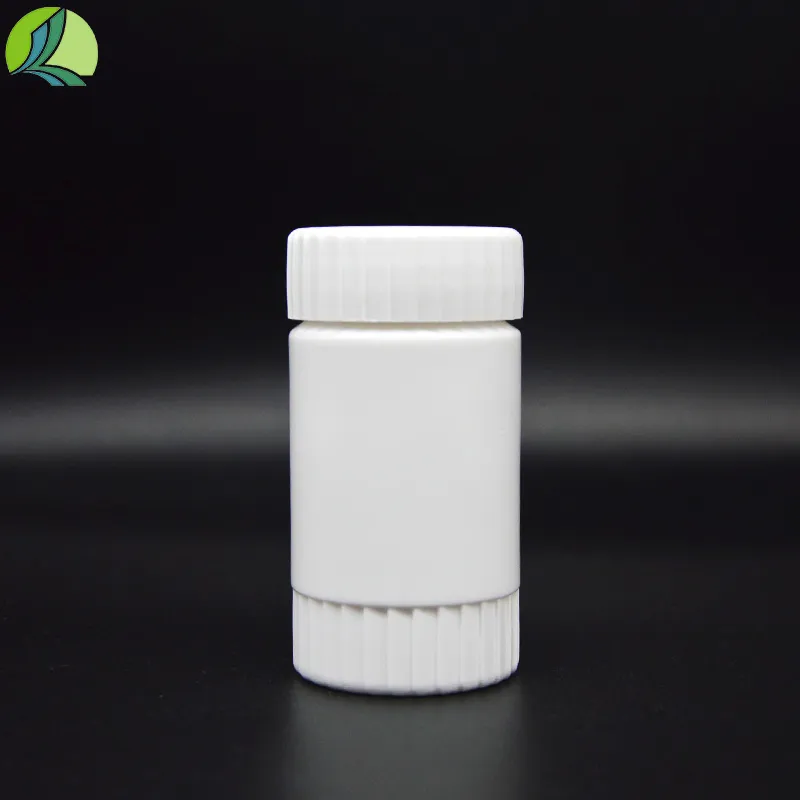
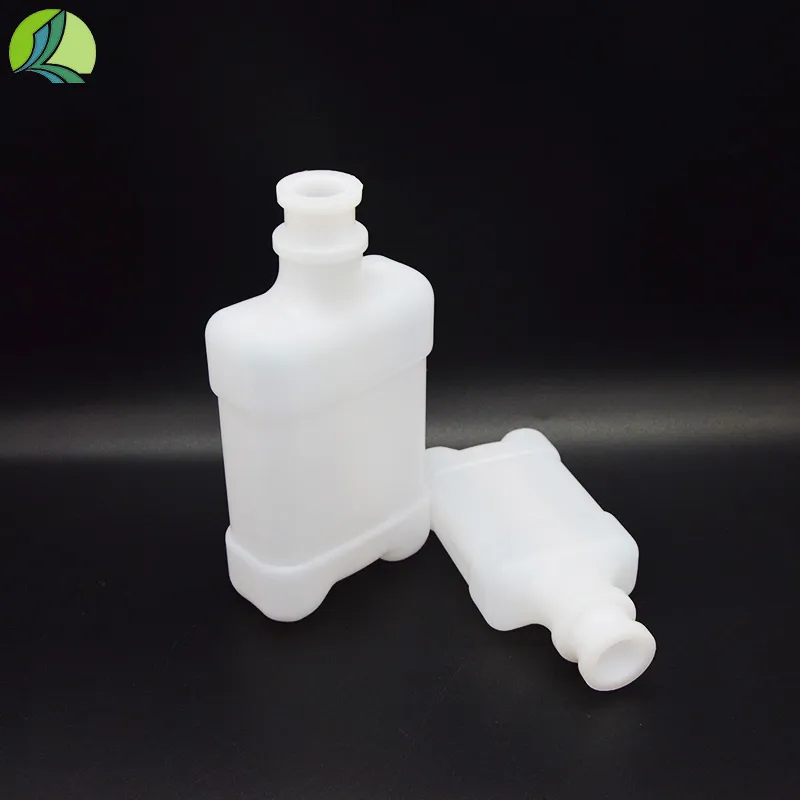
You might glance over a transparent pill bottle in your hand and barely think about it, but these simple containers play a surprisingly important role in healthcare systems worldwide. Essentially, they are clear, durable jars or bottles designed to hold medicines, allowing patients and healthcare professionals alike to see contents easily. Globally, as millions depend daily on medication for chronic illnesses, emergencies, and routine care, the humble transparent pill bottle helps reduce errors, supports proper dosage, and boosts patient confidence. Understanding these containers is more than a packaging issue — it’s about safety, sustainability, and accessibility in treatment delivery.
Introduction: The Global Context of Transparent Pill Bottles
The pharmaceutical packaging market is expected to reach nearly $190 billion by 2027 (Statista), and a significant share of this involves pill bottles, with transparency being a critical feature. Why? Because in many parts of the world — from bustling urban hospitals in the U.S. to remote clinics in Africa — safety in medication handling is crucial. Transparent pill bottles allow easy identification of pills by type, quantity, and sometimes even quality without cumbersome removal or opening. For a moment, think of disaster zones where infrastructure is strained: clear pill bottles support quick checks by relief workers and patients, reducing mix-ups.
Yet this isn’t just about visibility. Global health institutions like the WHO encourage safe packaging standards to curb medication errors, which account for roughly 5% of adverse events in ambulatory care (WHO). Transparent pill bottles meet part of this critical challenge.
Defining the Transparent Pill Bottle Simply
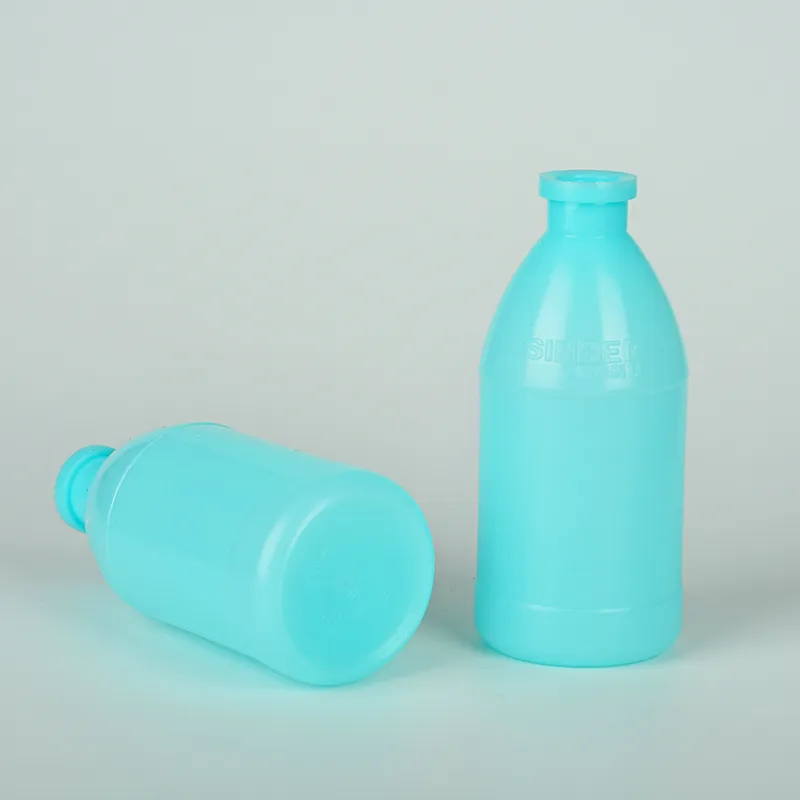
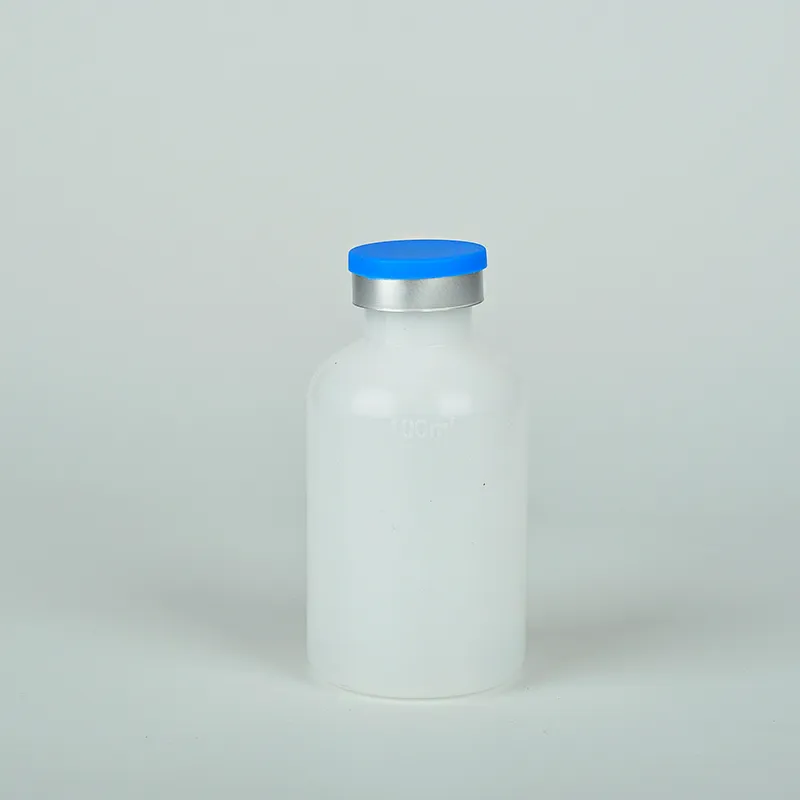
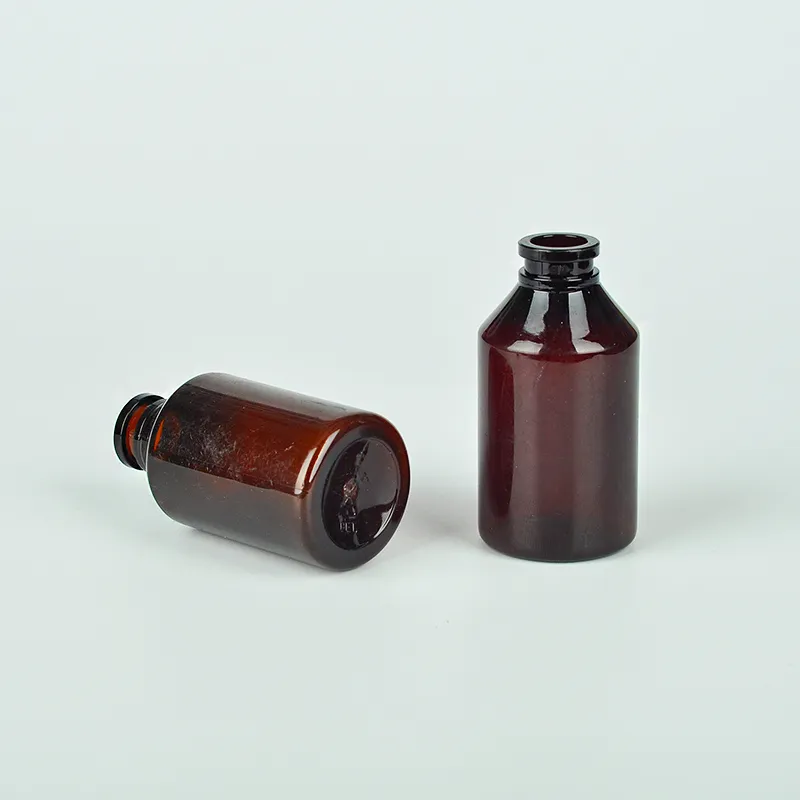
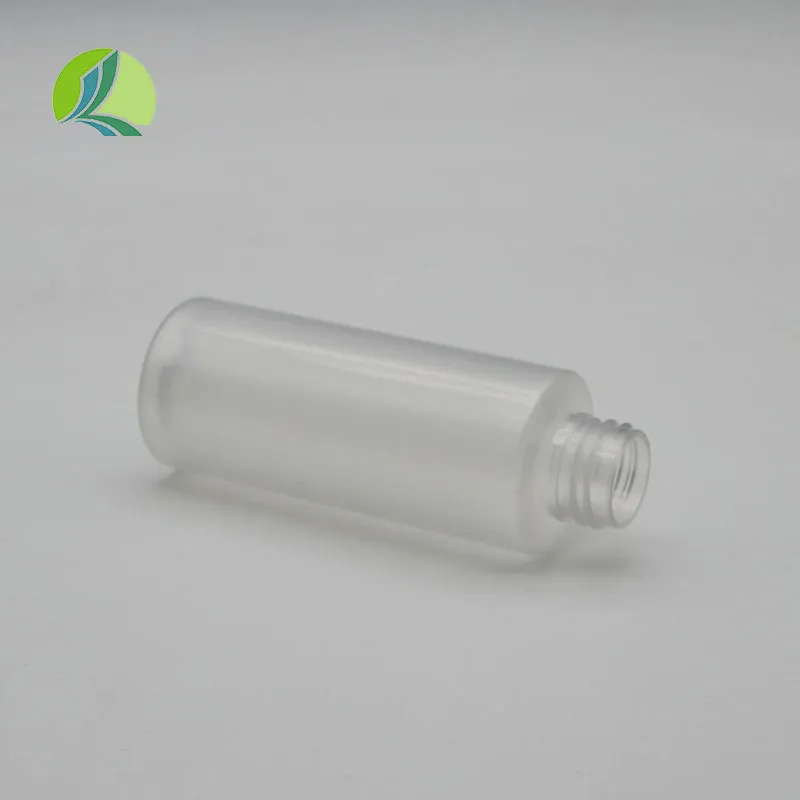
At its core, a transparent pill bottle is a container made primarily of clear plastic or glass that securely holds pills or capsules. It’s designed to be airtight, tamper-evident, and user-friendly, with a shape that fits easily in hand or pockets. The “transparent” part means patients or caregivers can visually confirm the contents without opening the container — that’s invaluable for dosage accuracy and safety checks.
In industries, transparent pill bottles tie directly to supply chain integrity, inventory management, and compliance with medical standards like ISO 15378 for packaging materials. On a more human level, they bring dignity—allowing patients to see their medicine gives a sense of control and reassurance.
Key Factors that Make Transparent Pill Bottles Essential
1. Durability and Safety
A transparent pill bottle must withstand drops, pressure, humidity, and even varied temperatures during shipping or storage. Most are made of polyethylene terephthalate (PET) or polypropylene, materials tested for impact resistance. They also feature child-resistant caps or tamper-evident seals — crucial for preventing accidental ingestion or contamination.
2. Visibility and User Convenience
Being see-through helps patients verify the correct medication quickly—no guesswork, no dangerous trial and error. Pharmacists appreciate this for inventory checks and avoiding mix-ups during dispensing. The transparency also allows the observation of any color changes or residue buildup inside, which might indicate pill deterioration.
3. Cost Efficiency in Production and Distribution
Transparent pill bottles are relatively cheap to produce en masse due to their plastic composition and standard shapes. Lightweight design helps lower shipping costs globally. Plus, many suppliers offer scalable production, meaning whether you need 10,000 units or a million, you can adjust without breaking budgets.
4. Environmental and Regulatory Compliance
Increasingly, manufacturers are turning to recyclable or biodegradable plastics to align with environmental goals. Many transparent pill bottles today meet international standards like ISO 14001 for environmental management. This is critical, as healthcare waste contributes significantly to landfill.
5. Customization and Branding
Pharmacies often order transparent pill bottles with printed labels or company logos, enabling easy brand visibility and improving patient trust. Custom sizing and shapes can also be provided to suit different medication types.
Global Applications & Use Cases of Transparent Pill Bottles
In real terms, these bottles serve an impressive range of contexts:
- Emergency response and humanitarian relief: Organizations like Doctors Without Borders rely on pill containers that can endure rough transit and field conditions. Transparency helps non-experts identify medicines if language barriers exist.
- Hospitals and pharmacies worldwide: From the U.S. to India, transparent pill bottles streamline dispensing processes and reduce the risk of medication errors.
- Remote and rural healthcare: In many African and Southeast Asian regions, these bottles help maintain medication integrity amid limited infrastructure and irregular access to refrigeration.
- Personal use and long-term care: Elderly patients appreciate easy visual checks to prevent double dosing or missed pills.
Mini takeaway:
The versatility of transparent pill bottles means they’re more than just packaging — they’re an integral part of global health safety and patient empowerment.
Advantages and Long-Term Value of Transparent Pill Bottles
If you think about it, the benefits are as much emotional as pragmatic. Seeing your medication clearly helps build confidence—feeling safe, secure, and cared for. Practically, they reduce medication errors, lower waste, and make inventory much simpler for healthcare providers.
From a sustainability perspective, manufacturers adopting recyclable plastics contribute to reducing medical waste—a notable global issue as the UN estimated medical plastic waste more than doubled during the pandemic (UNEP).
Product Specification Table
| Specification | Details |
|---|---|
| Material | Clear PET or Polypropylene |
| Cap Type | Child-resistant, tamper-evident screw cap |
| Capacity | 10 ml to 500 ml options |
| Weight | ~8g to 40g depending on size |
| Compliance | Meets ISO 15378 and FDA guidelines |
| Recyclability | 100% recyclable, biodegradable options available |
Vendor Comparison Table
| Vendor | Price per 1000 | Customization | Sustainability | Lead Time |
|---|---|---|---|---|
| ClearMed Packaging Co. | $350 | Logo printing, sizes | Recyclable PET | 4 weeks |
| PharmaSafe Containers | $370 | Custom sizes only | Biodegradable plastics | 5-6 weeks |
| Global Pharma Packs | $340 | Full custom branding | Standard PET | 3 weeks |
Future Trends and Innovations in Transparent Pill Bottles
The future? It’s exciting. More companies now explore integrating smart features — think QR codes or NFC tags embedded in labels for instant access to dosage instructions, drug interaction warnings, or even authenticity verification, which is crucial to fight counterfeit medicines.
On the materials front, bioplastics derived from renewable sources like corn starch and algae are gaining momentum. These new materials not only meet pharmaceutical standards but help paint a greener healthcare scene.
Automation is also making production more flexible and responsive to demand, cutting lead times dramatically. And with digital transformation in pharma supply chains, transparent pill bottles might soon be part of a ‘connected’ ecosystem—tracking shelf life, temperatures, and consumption patterns.
Challenges and Practical Solutions
No product is perfect. Transparent pill bottles sometimes face criticism for environmental impact—plastic waste still looms large despite recycling efforts. Breakage, especially with glass variants, is another concern in transit.
To tackle these, some manufacturers use hybrid materials—stronger resins that resist cracking — and design stackable shapes to reduce shipping damage. Recycling programs sponsored by pharma companies also help close the loop.
Another challenge is ensuring child safety without compromising user convenience. Advances in ergonomic child-resistant caps that adults find easy but children can’t open are becoming standard.
FAQ: Frequently Asked Questions About Transparent Pill Bottles
- Q1: Are transparent pill bottles safe for long-term medication storage?
- A1: Yes, when made from quality, food-grade plastics like PET, transparent pill bottles provide a safe, airtight environment that protects pills from moisture and contamination. However, they should be stored away from direct sunlight to prevent degradation.
- Q2: Can transparent pill bottles be recycled?
- A2: Most transparent pill bottles are made from recyclable plastics such as PET or polypropylene. Check with your local recycling program. Increasingly, biodegradable options are available, helping reduce environmental impact.
- Q3: How do transparent pill bottles improve medication adherence?
- A3: Transparency allows patients to visually confirm their medicine and track doses easily, reducing missed or double doses. This visual cue often supports better adherence, especially among elderly or visually impaired patients.
- Q4: Can transparent pill bottles be customized for branding?
- A4: Absolutely. Most manufacturers offer printing options such as logos, dosage instructions, or safety marks, providing pharmacies and companies with an easy way to build brand trust and ensure compliance.
Conclusion
So, the transparent pill bottle, often overlooked, actually carries significant weight in healthcare delivery worldwide. Combining safety, convenience, and sustainability, it’s a small but mighty player in making medication accessible and trustworthy. Whether you’re a manufacturer, pharmacy, or healthcare provider, it’s worth considering the details and innovations happening in this space.
For more on choosing the right transparent pill bottle, production customization, and innovative packaging solutions, visit our website for expert advice.
Mini reflection: It’s funny how something so simple can carry such complexity behind the scenes. Transparent pill bottles quietly bridge patients and providers, safety and science, tradition and innovation — and that kind of subtle impact deserves more attention, I think.
References:
-
Guide to Sourcing High Quality wholesale mister bottles for BusinessNewsApr.16,2026
-
Top Quality Spray Bottle 100ml Suppliers for Your Business NeedsNewsApr.09,2026
-
Comprehensive Guide to Pet Spray Bottle Manufacturers and Packaging SolutionsNewsApr.07,2026
-
Comprehensive Guide to Finding Reliable Perfume Sprayers SuppliersNewsApr.04,2026
-
Comprehensive Guide to Wholesale Mini Spray Bottles for Various ApplicationsNewsMar.31,2026
-
Comprehensive Guide to Sourcing Mini Plastic Spray Bottles Bulk for Your BusinessNewsMar.28,2026