


Dec . 09, 2025 08:15
Back to list
Types of Medicine Bottles: Comprehensive Guide to Materials, Features, and Global Uses
The Intriguing World of Medicine Bottles: Why Knowing Your Types Matters
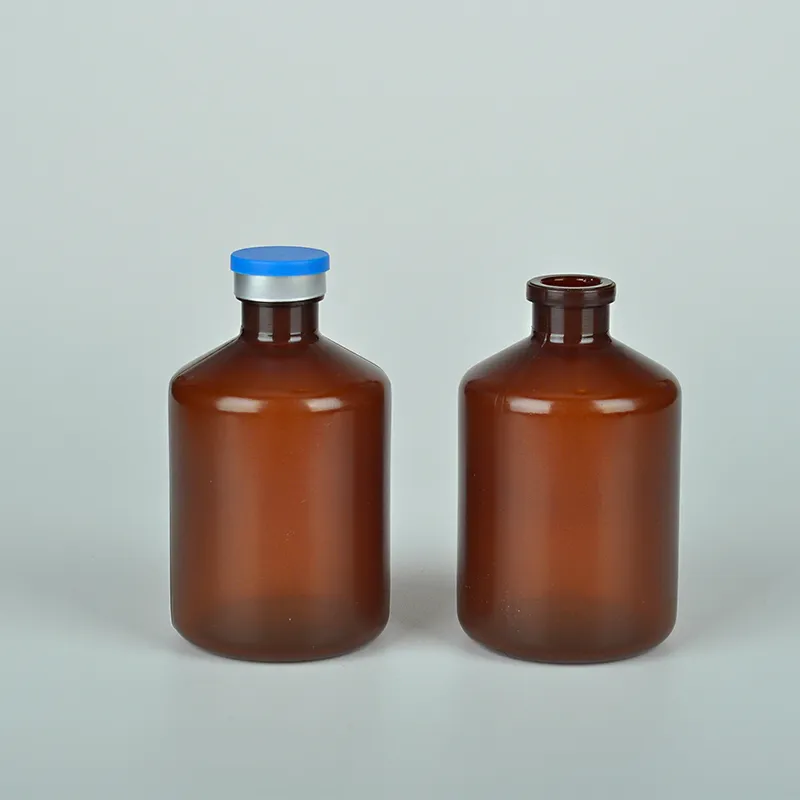
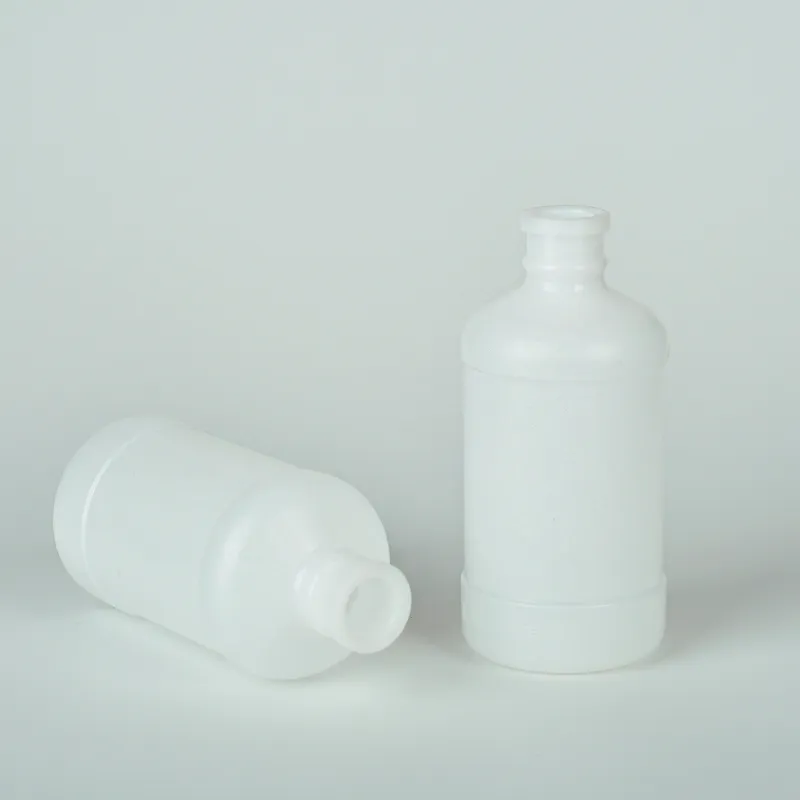
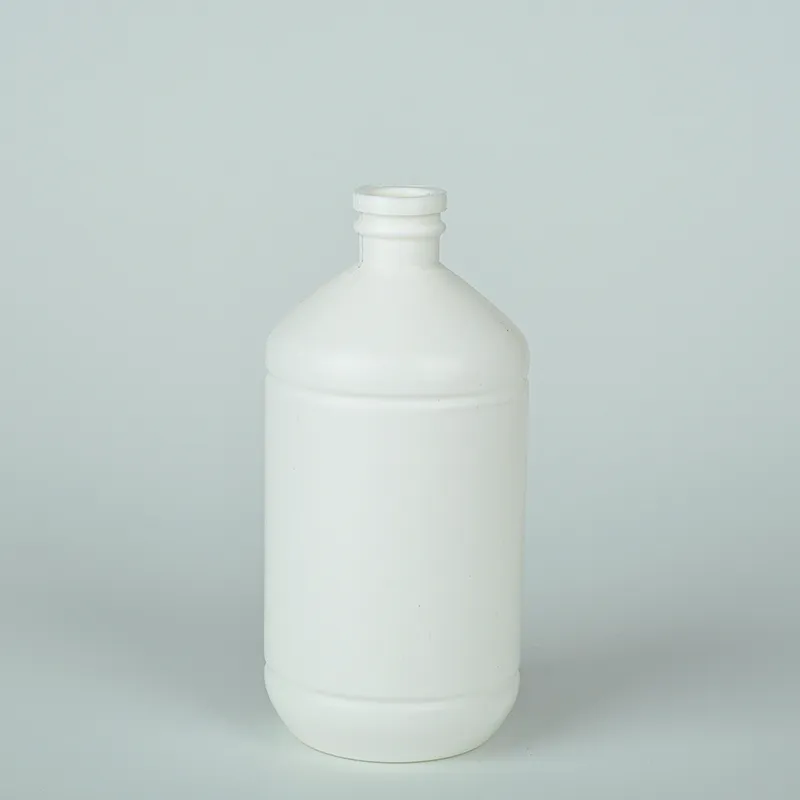
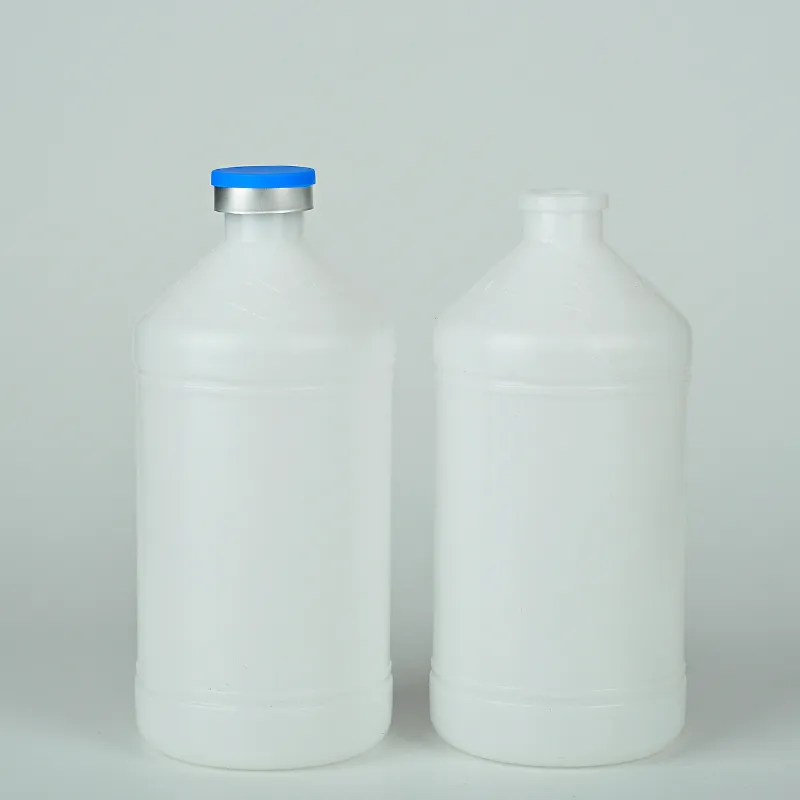
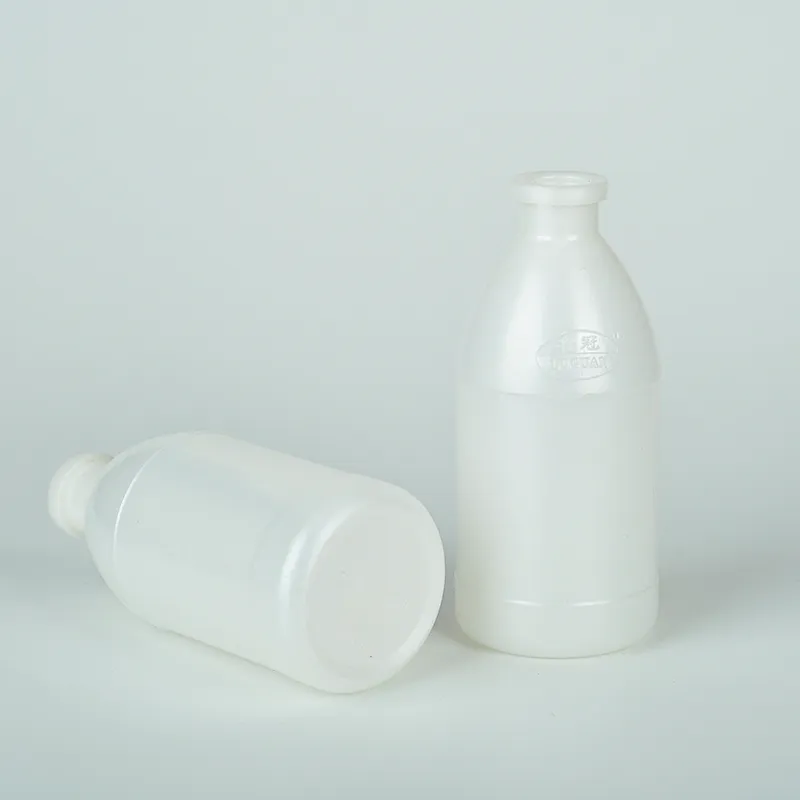
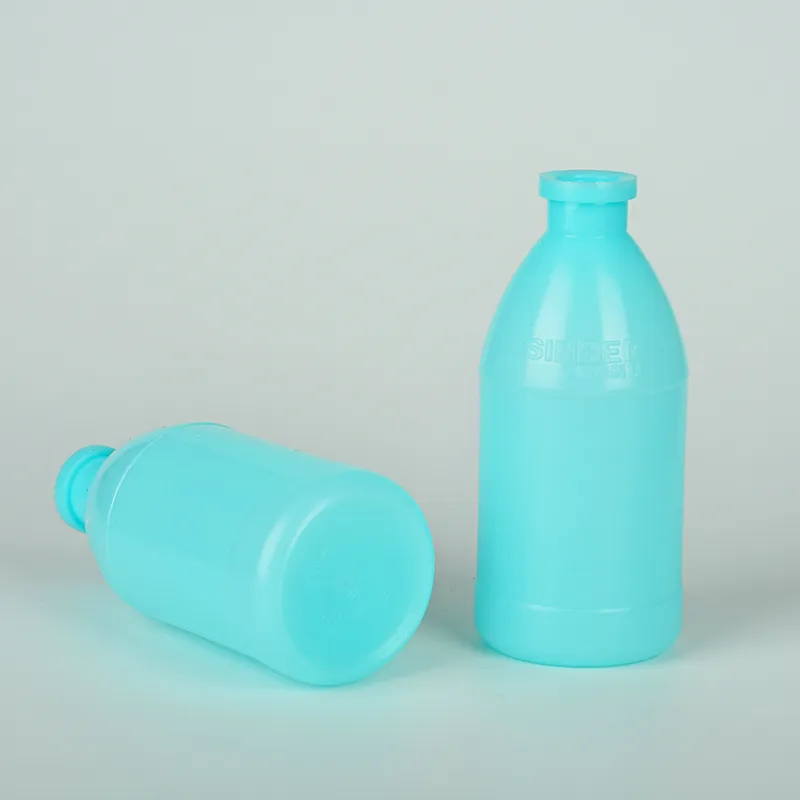
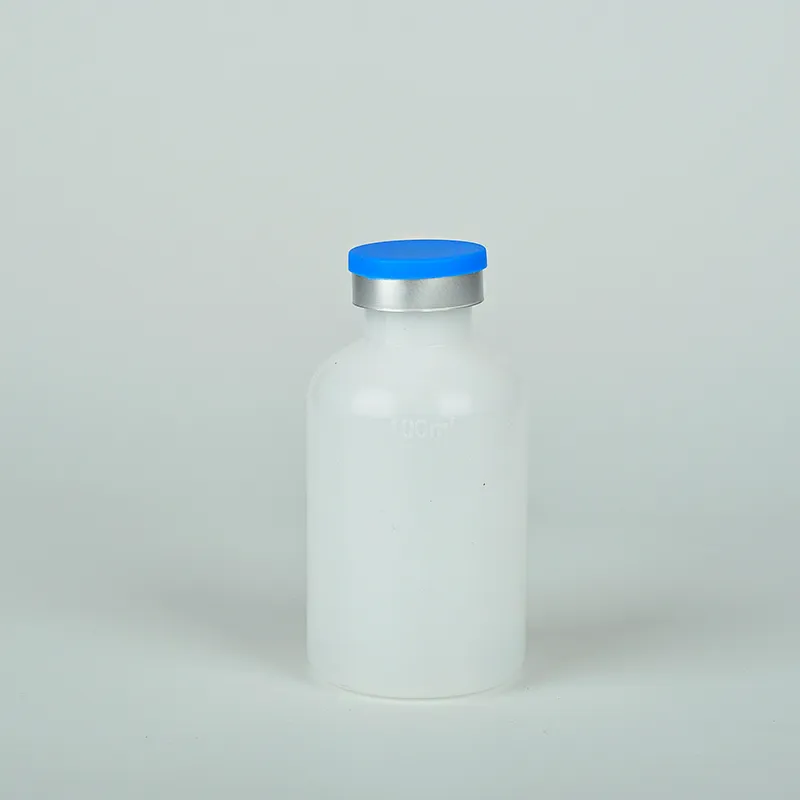
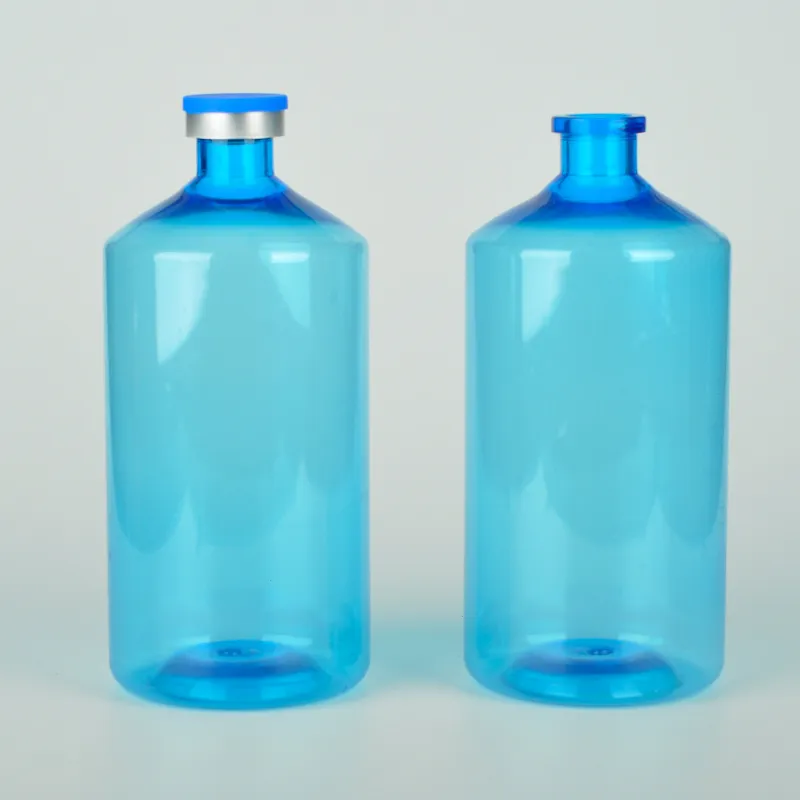
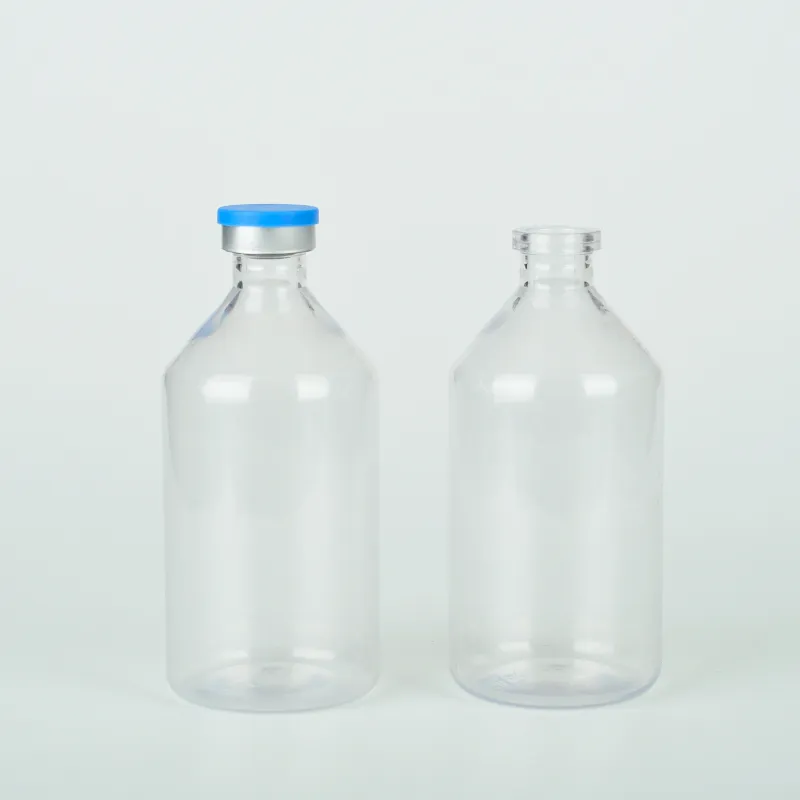
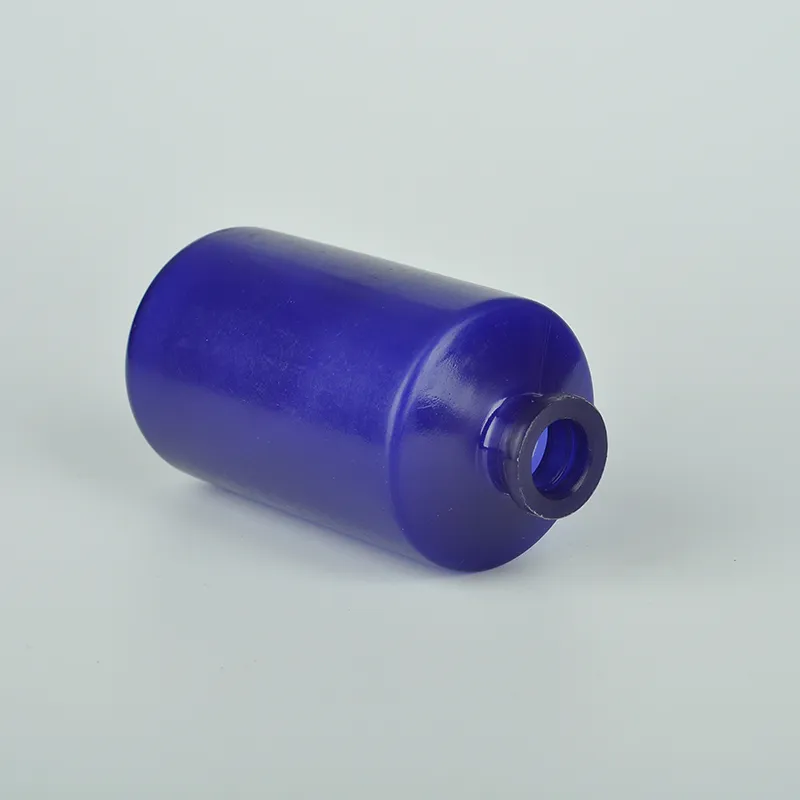
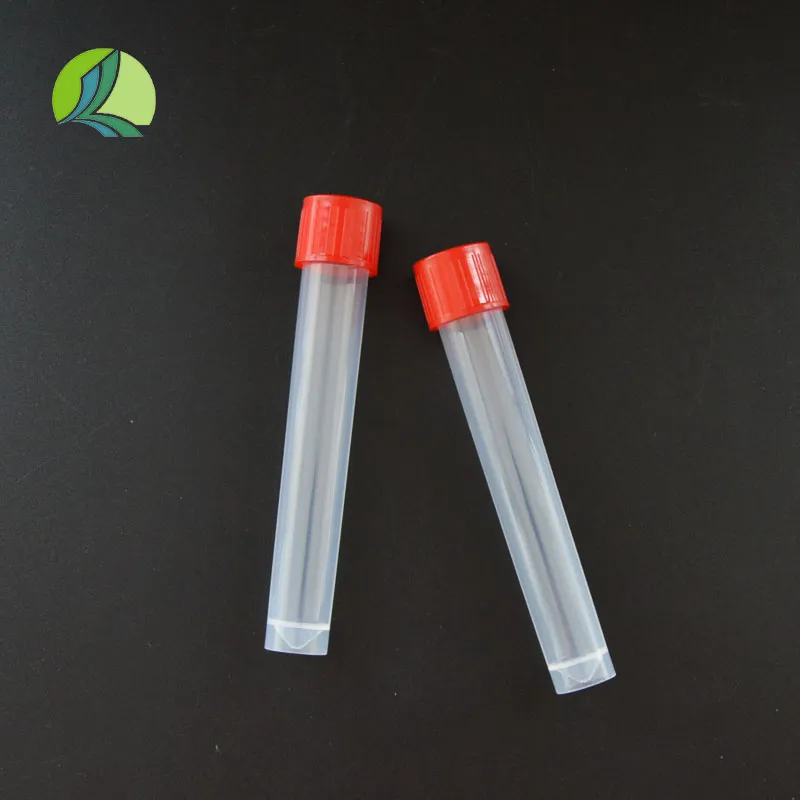
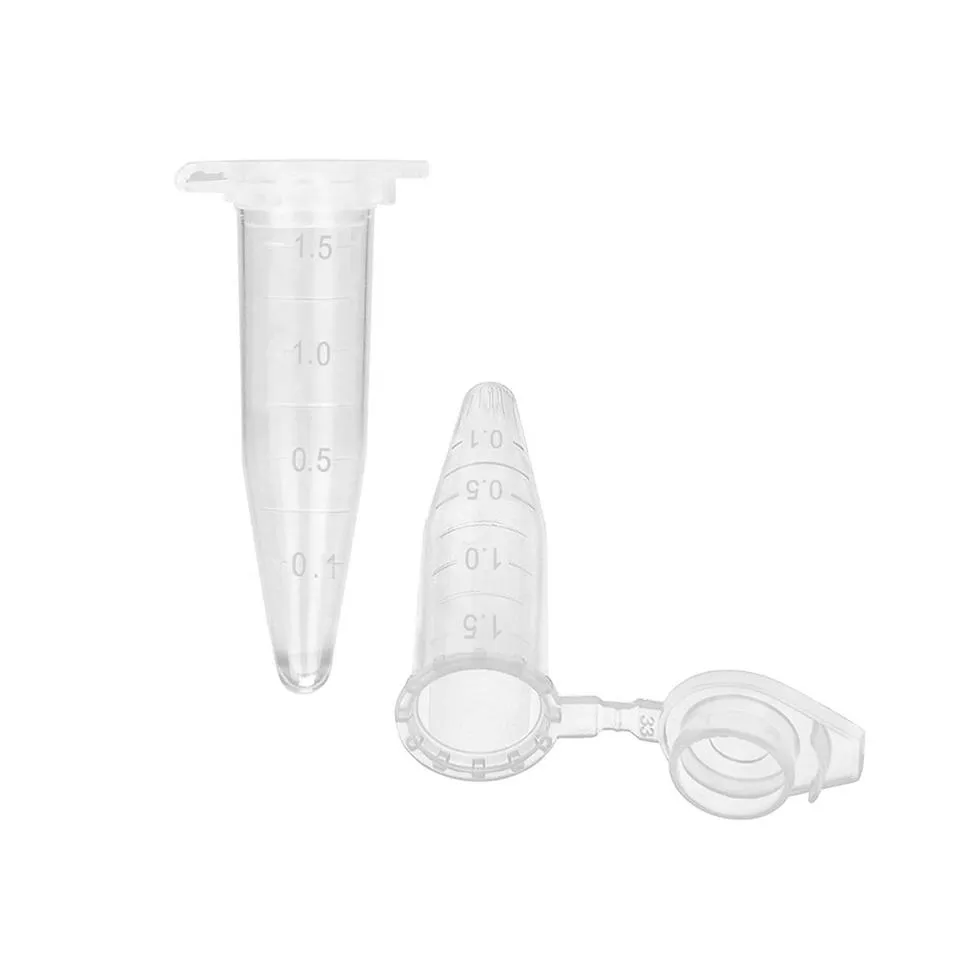
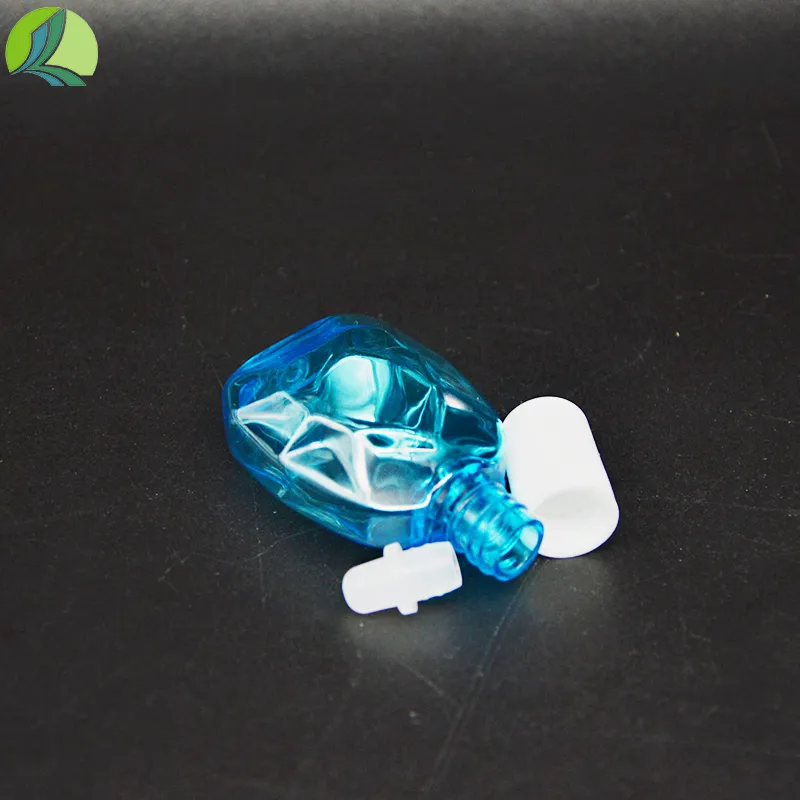
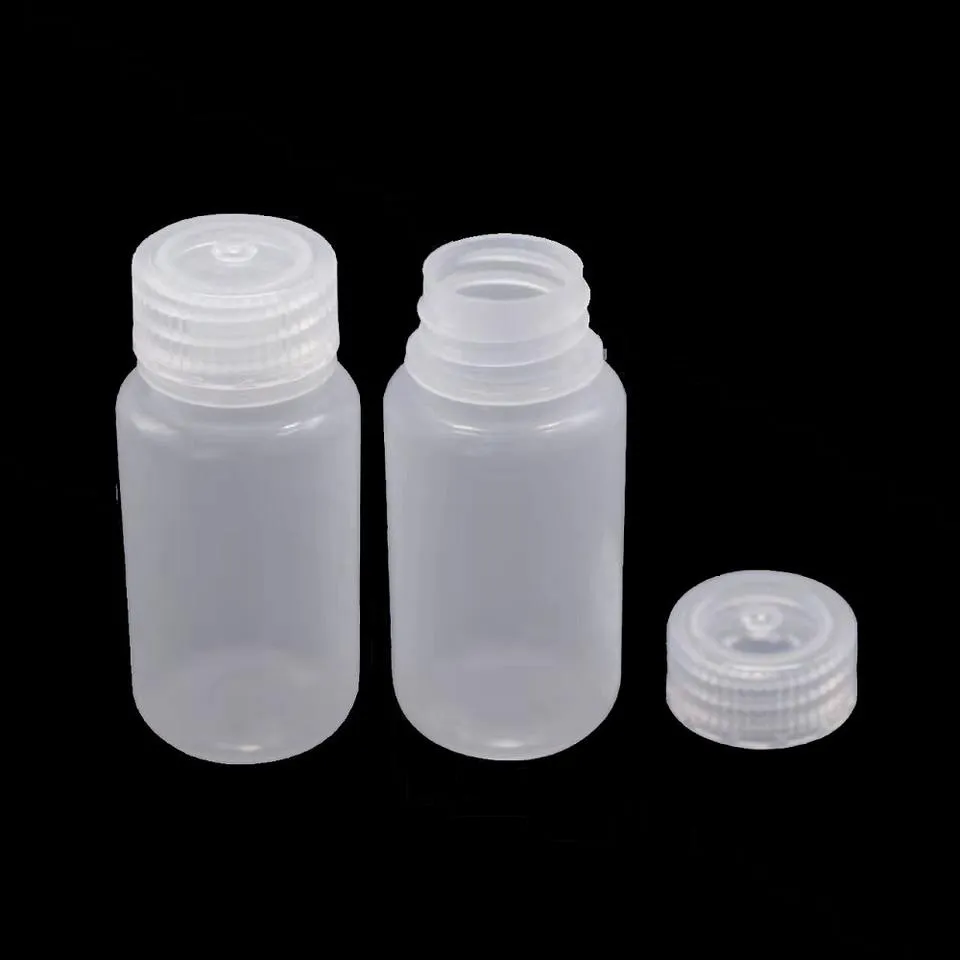
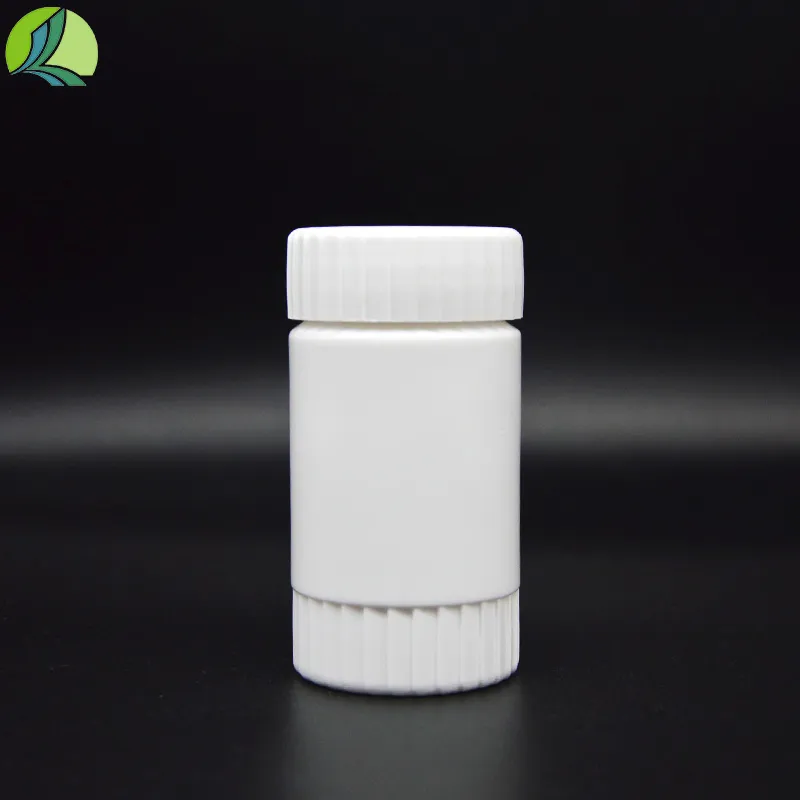
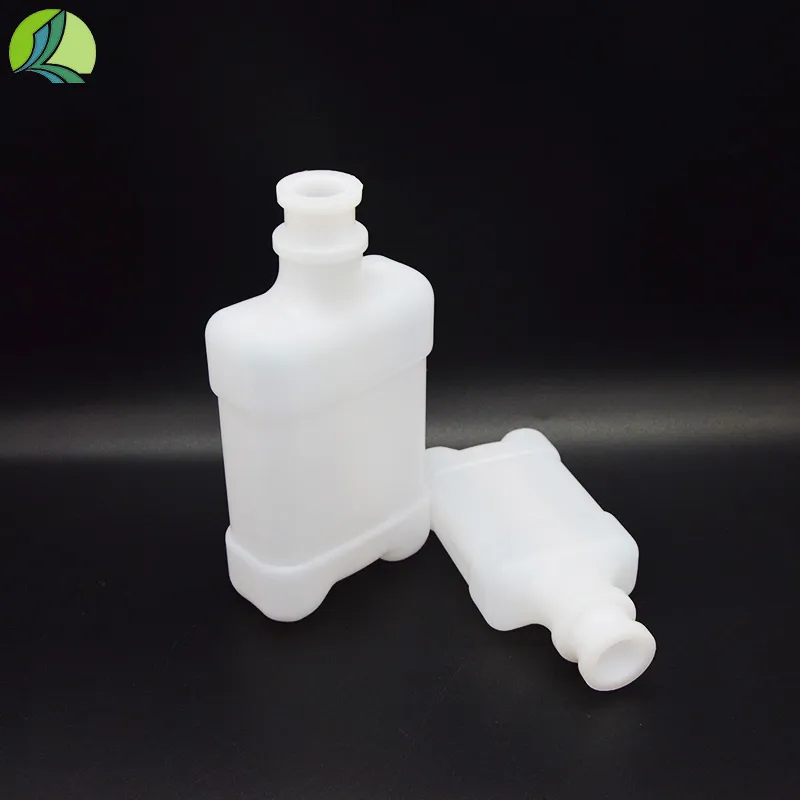
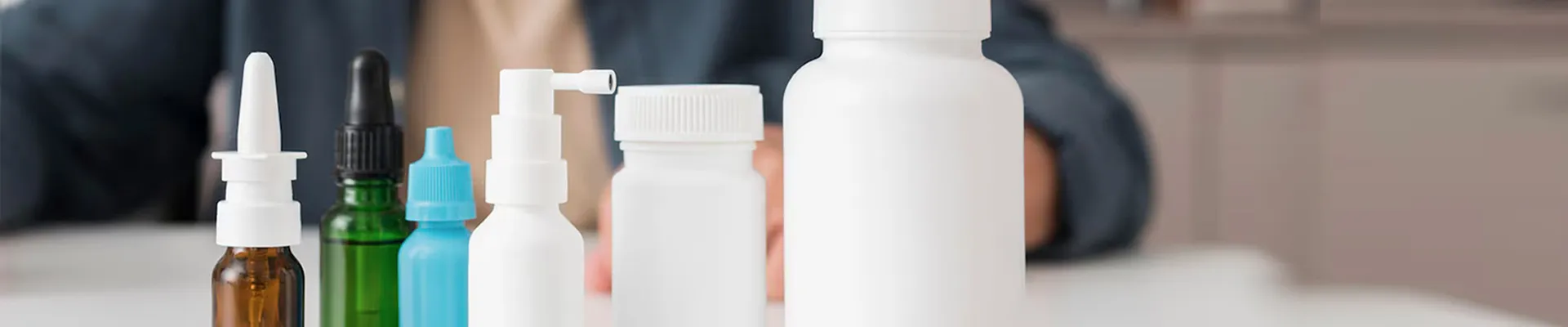
If you think medicine bottles are just containers sitting on your pharmacy shelf, think again. The variety and design of medicine bottles—yes, the types of medicine bottles—play a subtle yet crucial role in public health, pharmaceutical distribution, and even global humanitarian aid. From safeguarding sensitive drugs to ensuring patient safety, understanding these types can actually influence outcomes worldwide. Honestly, I never realized how much thought goes into something so seemingly mundane until I dug deeper. ### Introduction: The Global Importance of Medicine Bottle Varieties Globally, the pharmaceutical packaging market is projected to surpass $140 billion by 2027, according to industry reports supported by data from ISO and the World Health Organization. Why such demand? Because medication safety is non-negotiable. An ill-suited container can cause contamination, dosage errors, or spoilage. More so, in humanitarian crises or regions with limited infrastructure, choosing the right type of medicine bottle can make the difference between effective aid delivery and disastrous supply losses. The UN has repeatedly emphasized the importance of robust medical packaging in its disaster relief frameworks. But here’s a catch: the pharmaceutical industry constantly wrestles with balancing cost, sustainability, and usability. Picking the right medicine bottle type is not just a packaging decision — it’s a public health imperative. --- ### What Exactly Are “Types of Medicine Bottles”? In simple terms, "types of medicine bottles" refers to the different shapes, materials, and features of containers designed to store, protect, and dispense pharmaceutical products safely and efficiently. These range from traditional glass bottles to advanced amber plastic containers with child-resistant caps — each optimized for different drugs and conditions. The term ties directly into modern industry practices: tailored packaging helps maintain drug integrity, informs patient usage, and prevents misuse. On the humanitarian front, these bottles often help standardize distribution in challenging terrains and climates. Think of them as unsung heroes of medical supply chains. ---Key Factors Behind Choosing the Right Medicine Bottle
Glass has long been favored for its chemical resistance, but plastic bottles offer lightweight durability and break-resistance — useful in storm-prone areas.
Medicines must safeguard curious hands without making access a puzzle for seniors; tamper-evident caps and seal rings do much of this heavy lifting.
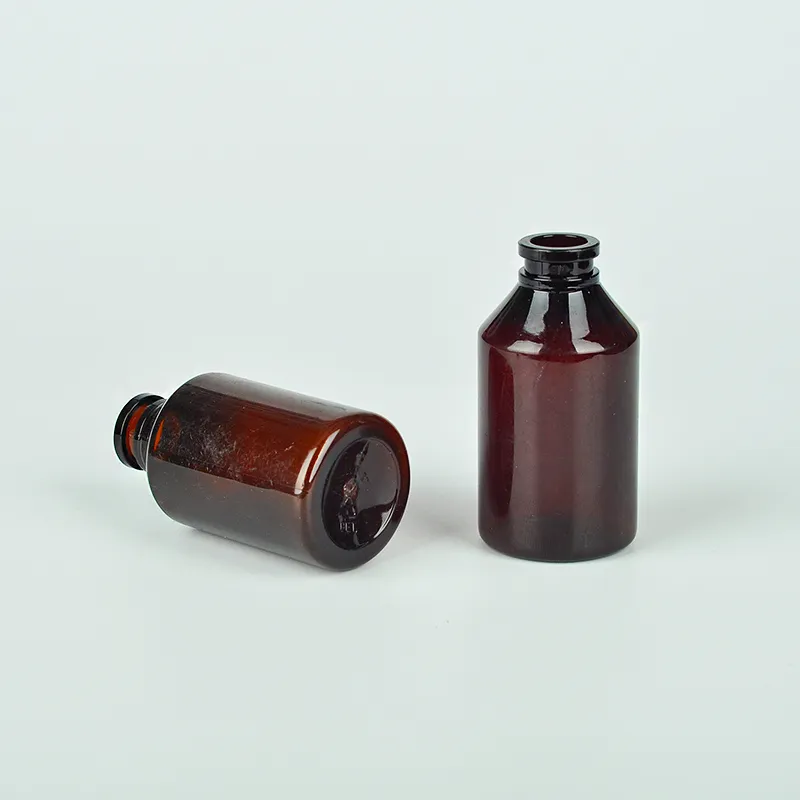
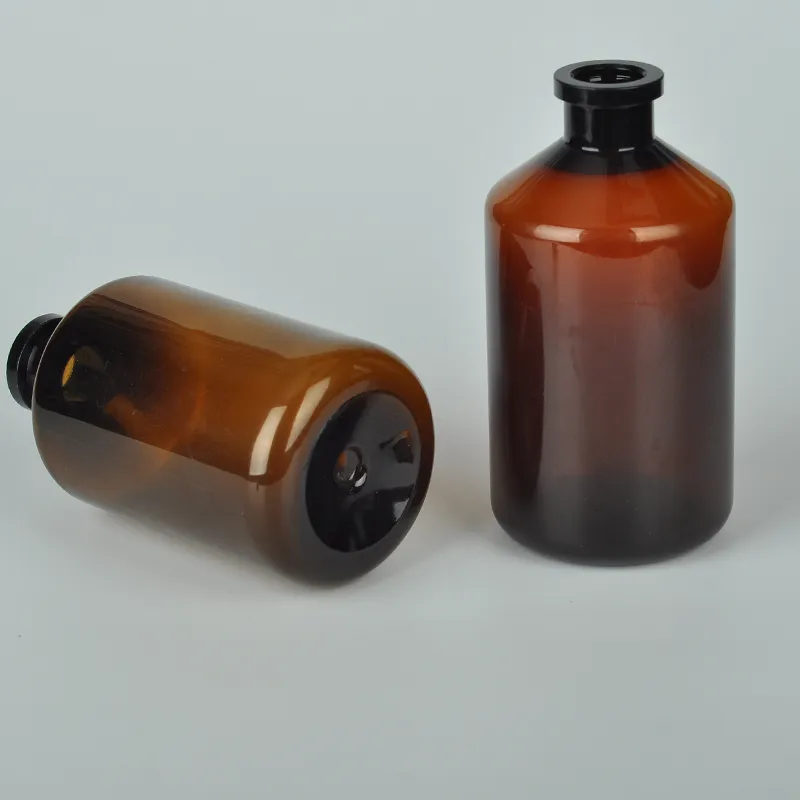
Some medicines break down under light exposure; amber and opaque bottles filter harmful rays to preserve potency.
From small vials for potent liquids to multi-dose containers, the size impacts patient compliance and storage logistics.
With growing emphasis on sustainability, biodegradable plastics and recyclable glass are increasingly key considerations.
How Various Medicine Bottle Types Find Their Place Around the Globe
In North America and Europe, strict regulations have pushed industry leaders to favor high-barrier materials with advanced safety caps. Meanwhile, in emerging markets, affordability and transport resilience take priority. Humanitarian organizations like Médecins Sans Frontières rely heavily on durable plastic bottles that can withstand rough handling in places like sub-Saharan Africa. Industrial zones with harsh conditions, such as mining complexes, require bottles that resist extreme temps and contamination—a niche yet vital application. Interestingly, some pharmaceutical giants customize bottles for regional climatic challenges. For example, in tropical areas where heat and humidity spike, amber plastic with moisture-absorbing liners is becoming the norm. It might sound niche, but it’s actually a growing trend. ---| Type of Bottle | Material | Key Feature | Ideal Use Case | Avg. Cost (per 1000 units) |
|---|---|---|---|---|
| Amber Glass Bottle | Glass | UV Light Protection | Light-sensitive meds | $70 |
| HDPE Plastic Bottle | Plastic (HDPE) | Lightweight & Durable | Oral liquids & tablets | $40 |
| Child-Resistant Bottle | Plastic or Glass | Safety Caps | Prescription drugs for homes | $100 |
| Vial with Dropper | Glass or Plastic | Precision Dosage | Eye drops and serums | $90 |
Upcoming Trends and Innovations in Medicine Bottle Design
The push for eco-friendly solutions has led to the rise of biodegradable bottles made from plant-based polymers. Meanwhile, automation in packaging lines ensures accuracy and speeds up production — crucial as demand surges. Smart packaging is gaining traction: imagine bottles that alert patients via smartphones if they forget doses or if medication is expired. While this is still in early stages, it feels like medicine bottles won’t be just “containers” for much longer. Some research groups are even exploring “self-cleaning” surfaces and materials that better preserve medicines without refrigeration. Admittedly, these sound a bit sci-fi but not impossible. --- ### Overcoming Common Challenges with Medicine Bottles Sure, challenges exist. Cost pressures often lead to compromises in packaging quality, risking drug stability. Child-resistant caps, while essential, can frustrate the elderly or disabled. Recycling remains inconsistent globally, muddying efforts at sustainability. Industry experts propose modular bottle designs that can adapt features (caps, colors, sizes) on demand. Enhanced testing standards (ISO 15378) help ensure quality without excessive costs. Also, increased collaboration between pharma companies and packaging engineers results in more user-friendly solutions. ---FAQ: Quick Answers About Types of Medicine Bottles
Q1: What material is best for medicine bottles exposed to sunlight?A: Amber glass bottles or UV-resistant plastic are ideal as they protect light-sensitive medicines from degradation caused by sunlight exposure.
Q2: Are child-resistant bottles hard for older adults to open?
A: They can be. While crucial for safety, many designs now focus on balancing child-proofing with elderly accessibility by using ergonomic caps requiring moderate force.
Q3: How eco-friendly are plastic medicine bottles?
A: Traditional plastics pose environmental issues, but newer biodegradable options and recycling initiatives are improving their eco-profile significantly.
Q4: Can medicine bottles be customized for specific needs?
A: Yes, packaging suppliers often tailor size, color, and features like dosage markings or tamper-evident seals to pharmaceutical client requirements. ---
| Vendor | Material Options | Customization | Eco-Friendly Focus | Typical Clients |
|---|---|---|---|---|
| WKP Packaging | Glass, HDPE, PP Plastic | High – Caps, Labels, Sizes | Strong emphasis on biodegradable plastics | Pharma firms, NGOs, Retail |
| Global Med-Pack | Plastic only | Moderate – Label & Cap options | Limited | Hospitals, Clinics |
| PureGlass Inc. | Glass only | Low customization | Focus on recyclability | Pharmaceutical Labs |
Share
Latest news
-
Guide to Sourcing High Quality wholesale mister bottles for BusinessNewsApr.16,2026
-
Top Quality Spray Bottle 100ml Suppliers for Your Business NeedsNewsApr.09,2026
-
Comprehensive Guide to Pet Spray Bottle Manufacturers and Packaging SolutionsNewsApr.07,2026
-
Comprehensive Guide to Finding Reliable Perfume Sprayers SuppliersNewsApr.04,2026
-
Comprehensive Guide to Wholesale Mini Spray Bottles for Various ApplicationsNewsMar.31,2026
-
Comprehensive Guide to Sourcing Mini Plastic Spray Bottles Bulk for Your BusinessNewsMar.28,2026
RECOMMEND PRODUCTS