



Plastic Spray Bottles Bulk: A B2B Guide
Understanding the Demand for Plastic Spray Bottles Bulk
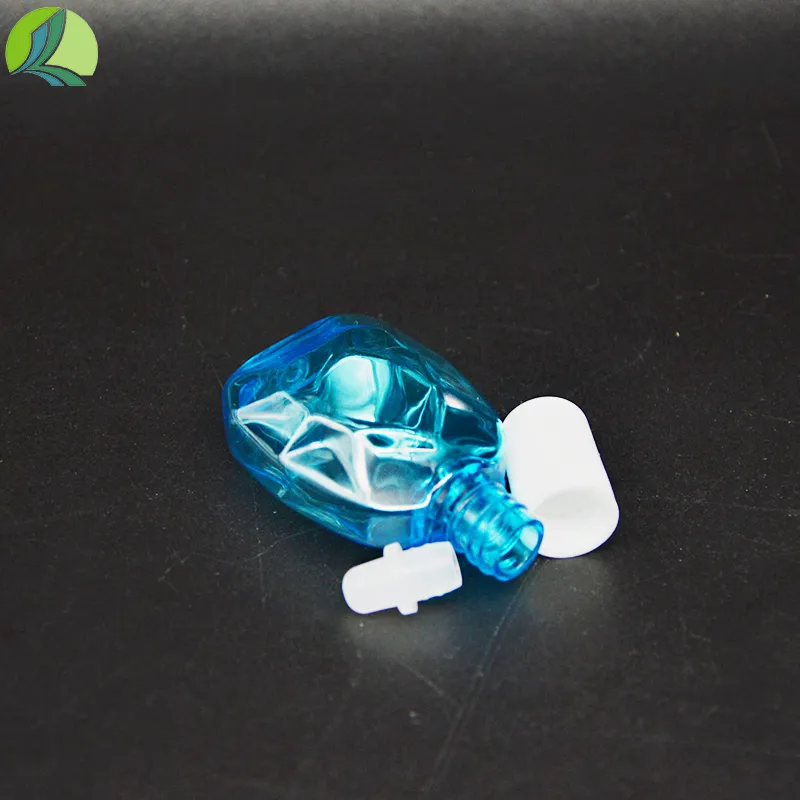
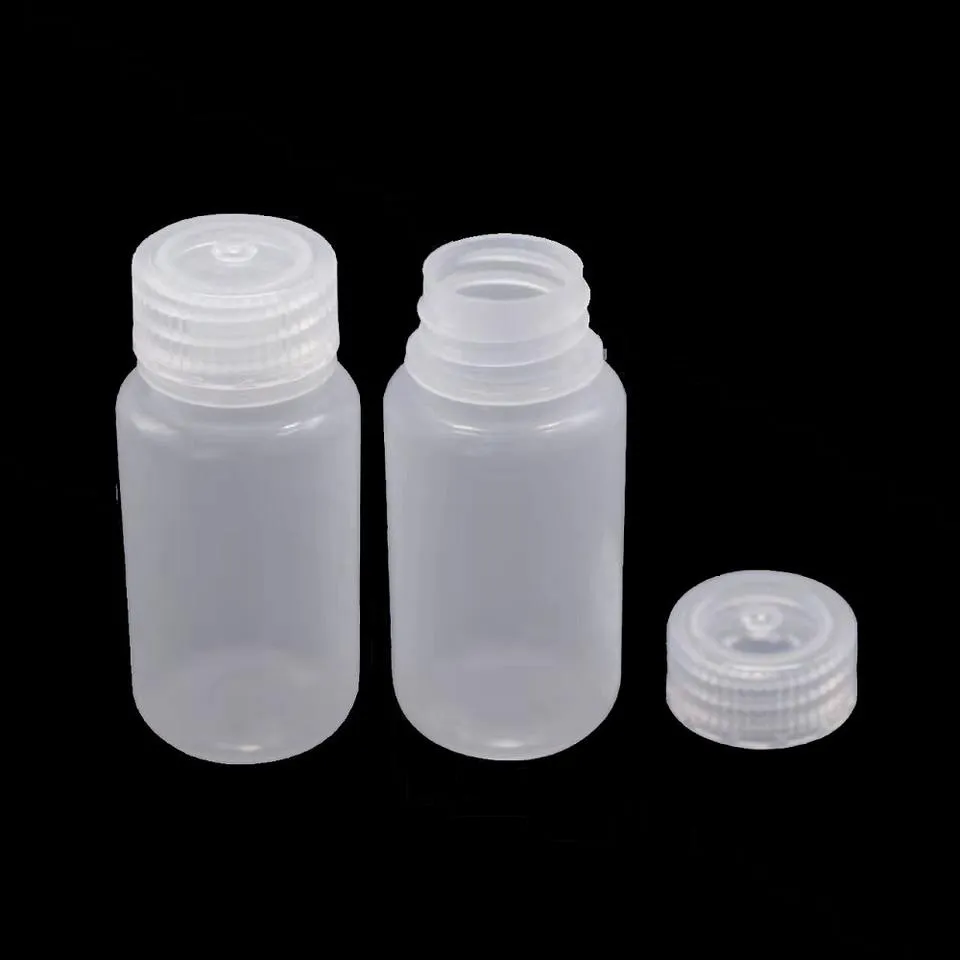
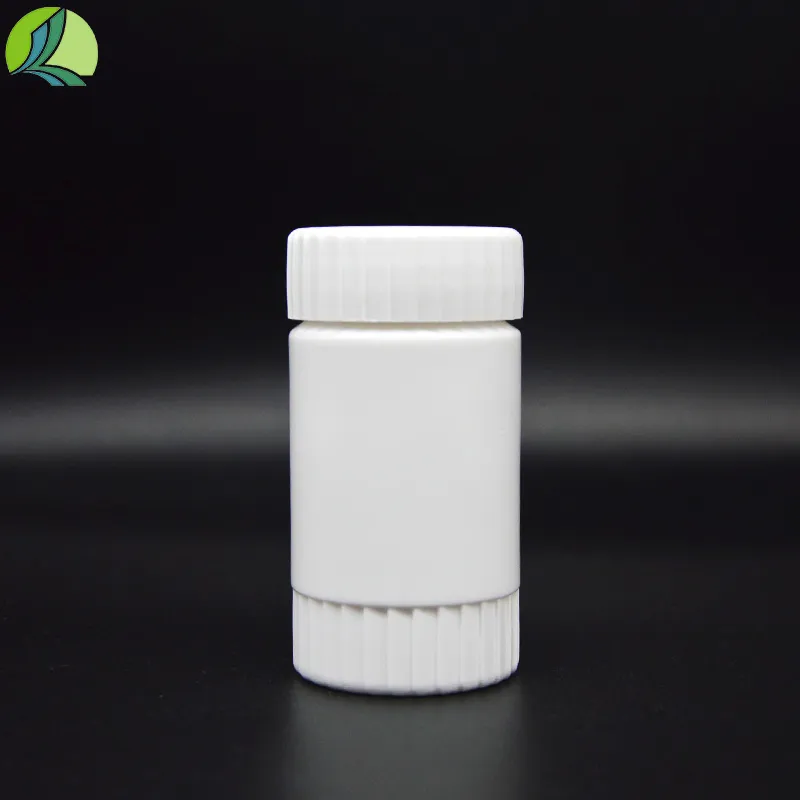
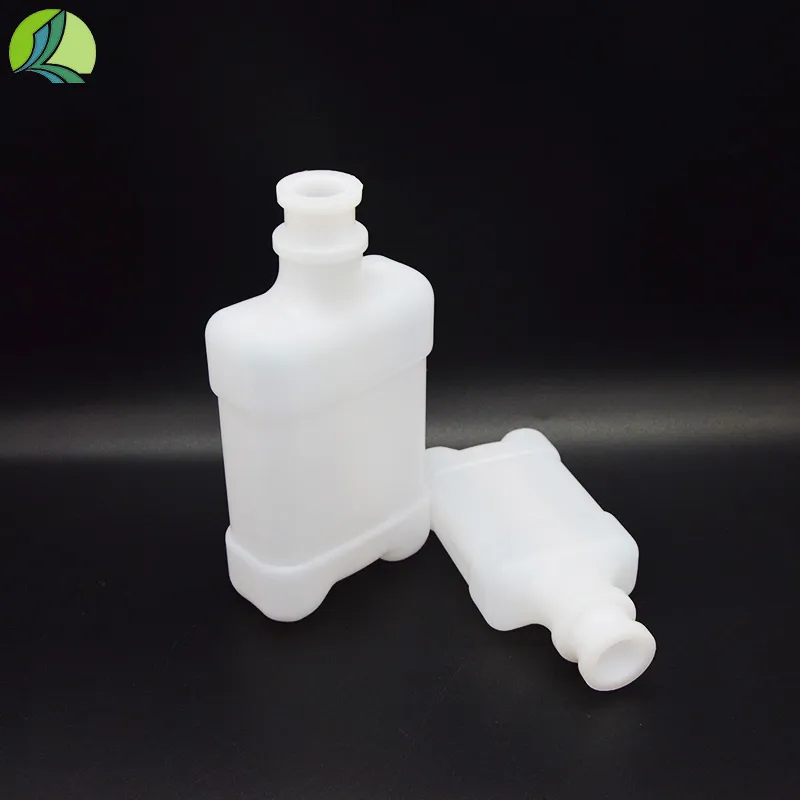
You know, when you really start looking at supply chains, the humble spray bottle is everywhere. Frankly, it's easy to overlook, but it's absolutely foundational to so many industries. We're talking cleaning products, industrial lubricants, even agricultural applications. And when businesses need them, they need them in quantity. That’s where plastic spray bottles bulk become a critical consideration. It’s not just about price, though that's important, it’s about reliability, consistency, and getting a product that actually works without leaking or failing prematurely. I suppose a lot of businesses don’t fully appreciate the hidden costs of a cheap bottle until they start getting complaints from customers or dealing with workplace hazards.
Table of Contents
- Plastic Spray Bottles Bulk: A Deep Dive
- Applications & Advantages
- Cost, Quality, and the User Experience
- Sustainability and Future Trends
Plastic Spray Bottles Bulk: A Deep Dive
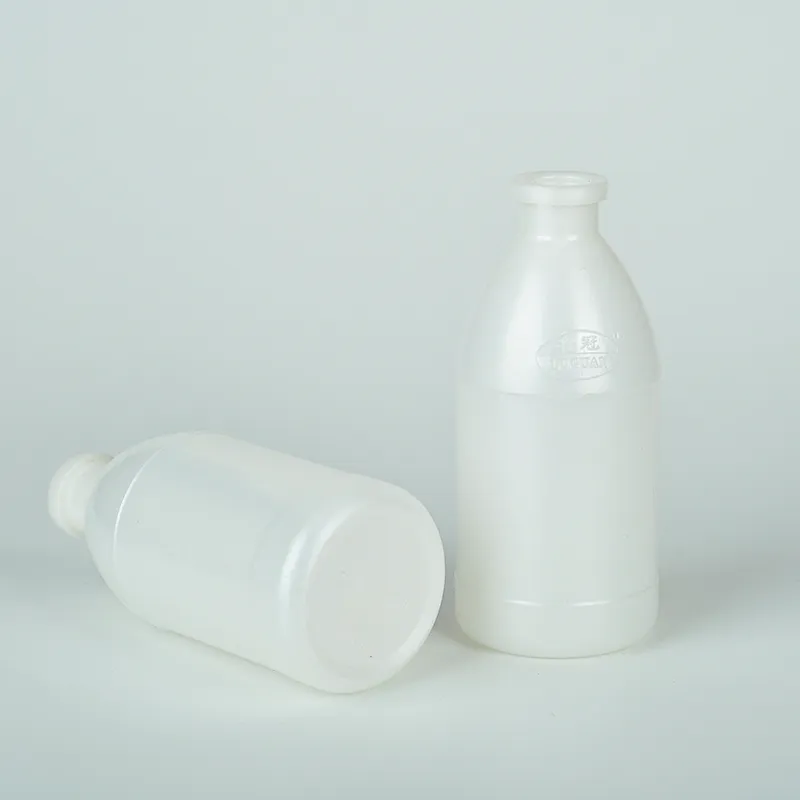
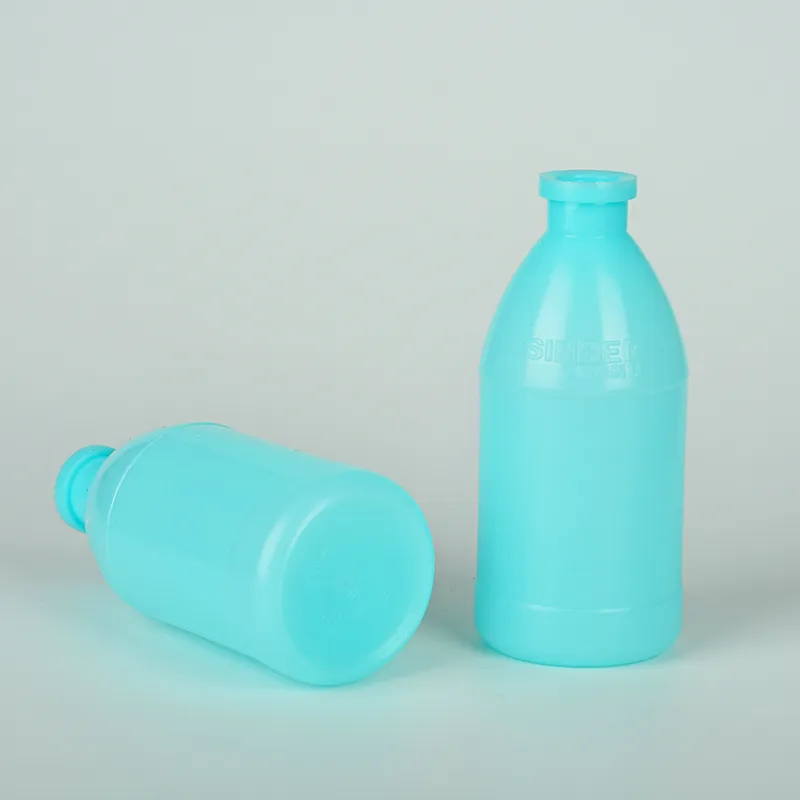
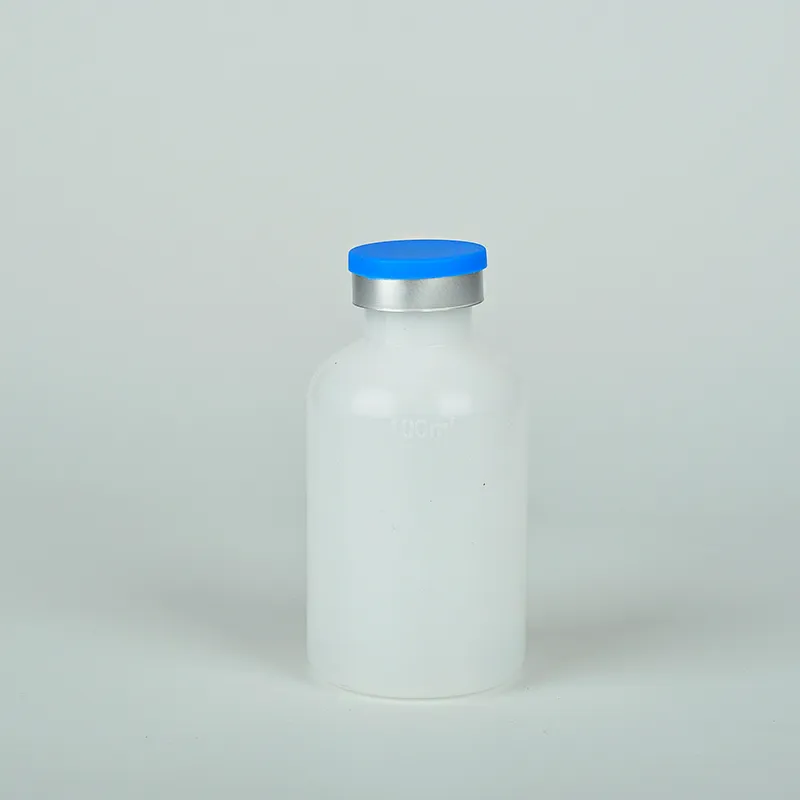
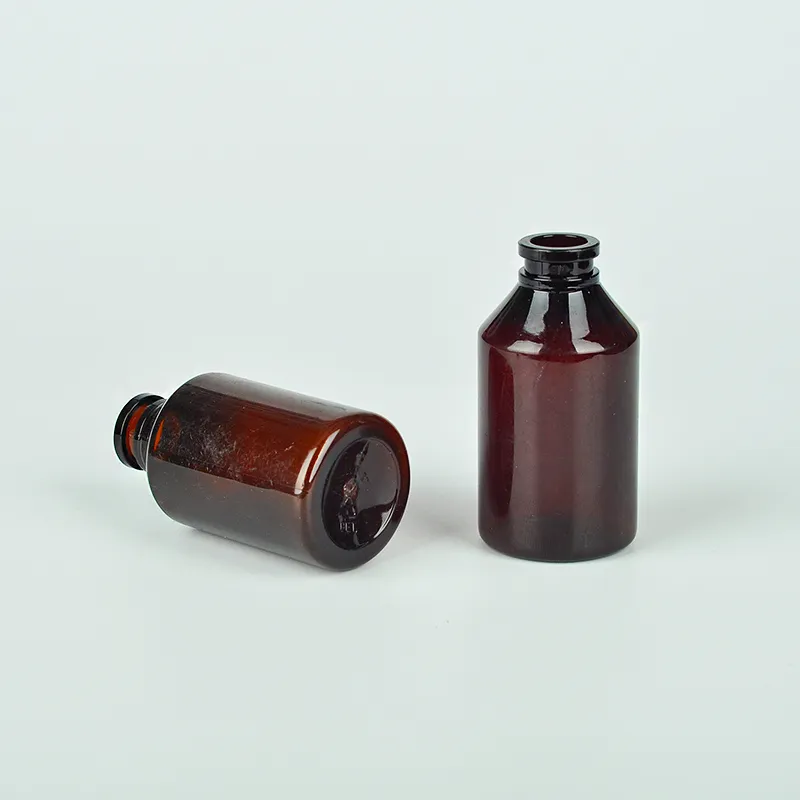
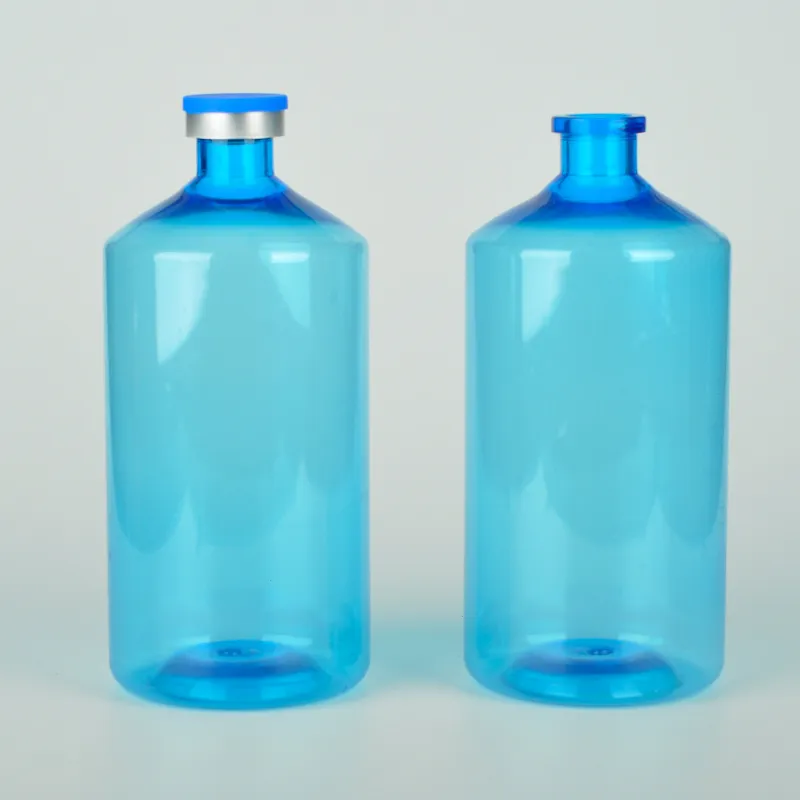
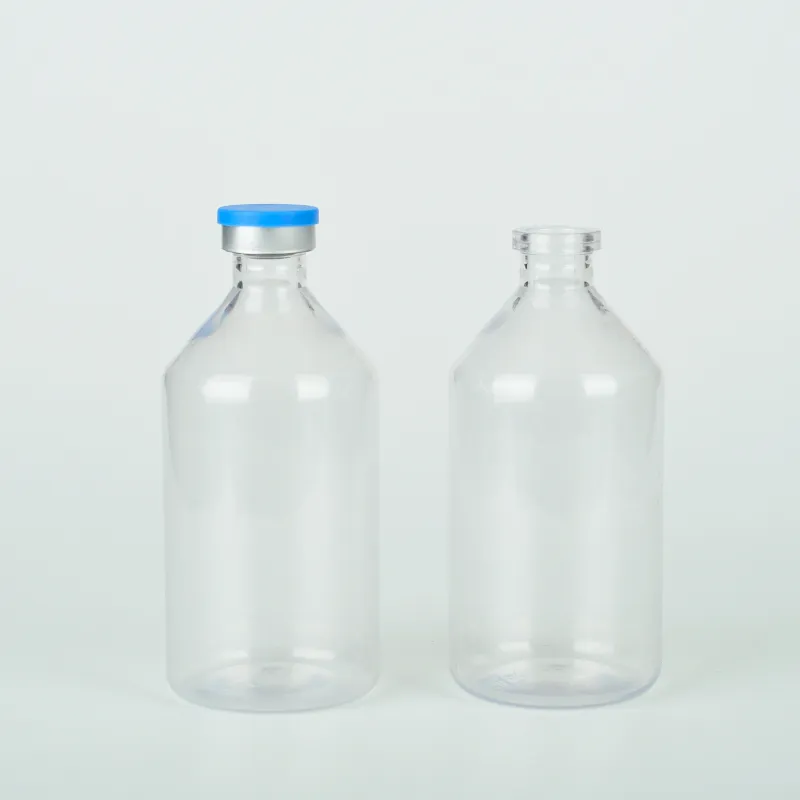
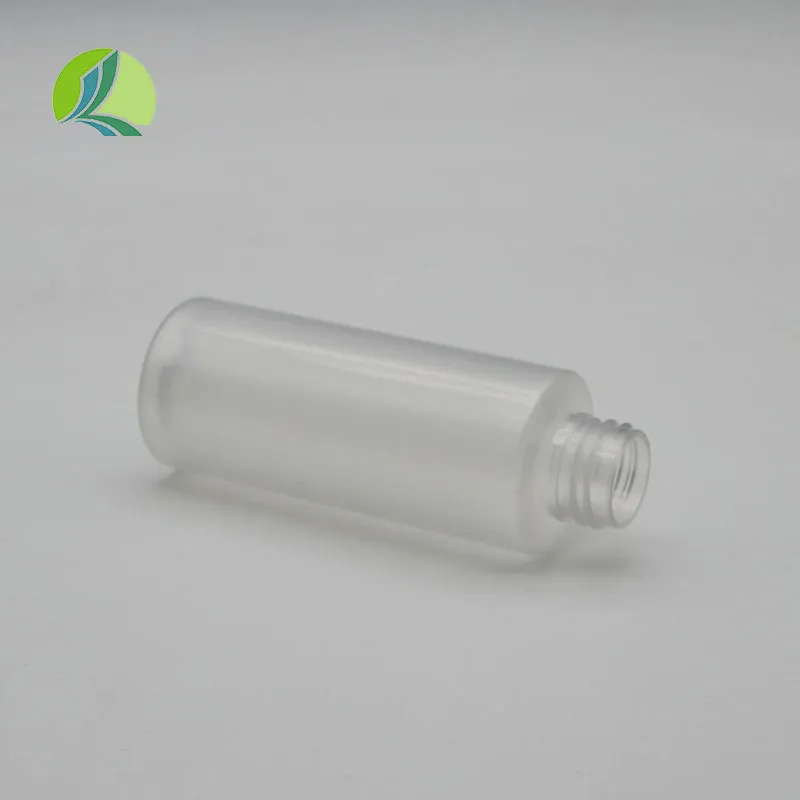
These aren't your mom's spray bottles, you know? Modern plastic spray bottles are surprisingly complex. The materials – typically HDPE (High-Density Polyethylene) or PP (Polypropylene) – are chosen for their chemical resistance, durability, and cost-effectiveness. It’s not just the plastic itself, either. The spray mechanisms, the triggers, the nozzles…those all contribute to performance. A good bottle will have a consistent spray pattern, a reliable trigger action (even after thousands of uses), and a tight seal to prevent leaks. I noticed during a recent factory visit that many manufacturers are investing heavily in injection molding technology to improve consistency and reduce defects. Here’s a quick look at some common specs:
| Specification | Typical Value | Units |
|---|---|---|
| Material | HDPE, PP | - |
| Capacity | 30-500 | ml |
| Spray Pattern | Stream, Mist, Foam | - |
| Trigger Life | 5,000+ | Cycles |
Applications & Advantages
The applications are incredibly diverse. Cleaning product manufacturers are the obvious big buyers, but think about automotive detailing, industrial degreasers, agricultural sprays…even cosmetics and personal care products. Many engineers say the biggest advantage is consistency. A reliable spray bottle delivers a consistent dosage of product, which is critical in many industrial processes. And, oddly enough, brand perception plays a role too. A high-quality bottle feels more premium and reinforces the brand image. Customization options—color, shape, label application—allow businesses to further enhance their branding.
Cost, Quality, and the User Experience
The total cost of ownership is more than just the price per bottle. You have to factor in shipping costs, potential defects, and the cost of handling customer complaints. Cheaper bottles might seem appealing upfront, but they often lead to higher overall costs in the long run. Durability is key here. A bottle that can withstand repeated use and exposure to harsh chemicals will save you money in the long run. Here’s a quick comparison of a few suppliers:
| Vendor | Price/Bottle (Bulk) | Minimum Order Quantity | Lead Time |
|---|---|---|---|
| WK Packing | $0.30 - $0.80 | 5,000 | 15-20 Days |
| ABC Packaging | $0.35 - $0.90 | 10,000 | 20-25 Days |
| XYZ Solutions | $0.25 - $0.70 | 2,000 | 25-30 Days |
Sustainability and Future Trends
Sustainability is becoming increasingly important. There's a growing demand for bottles made from recycled plastics (PCR – Post-Consumer Recycled materials) and for more easily recyclable designs. Regulations are tightening, and consumers are more aware of the environmental impact of packaging. I think we'll see more innovation in bioplastics and biodegradable materials, although those still have cost and performance challenges to overcome. The market is definitely shifting towards more eco-friendly options, and companies are responding.
Frequently Asked Questions about Plastic Spray Bottles Bulk
- What is Plastic Spray Bottles Bulk and how does it work?
- Plastic Spray Bottles Bulk refers to the wholesale purchase of plastic spray bottles, typically in quantities exceeding several thousand units. They work by using a pump mechanism to draw liquid from the bottle and disperse it as a spray, controlled by a trigger.
- What are the main benefits of using Plastic Spray Bottles Bulk in industrial applications?
- Benefits include cost savings through bulk pricing, consistent product delivery, reduced waste compared to smaller bottles, and the ability to brand the bottles with custom labels.
- How does Plastic Spray Bottles Bulk compare to traditional alternatives?
- Compared to glass bottles, plastic offers greater durability and reduced risk of breakage. Compared to metal containers, plastic is lighter and often more cost-effective.
- What industries can benefit most from Plastic Spray Bottles Bulk implementation?
- Industries such as cleaning, automotive, agriculture, industrial maintenance, and cosmetics all greatly benefit from utilizing plastic spray bottles in bulk.
Conclusion on Plastic Spray Bottles Bulk from China
Ultimately, choosing the right plastic spray bottles bulk supplier requires careful consideration of quality, price, and sustainability. It's a deceptively complex part of the supply chain, but getting it right can make a significant difference to your bottom line. For more information, visit our website: https://www.wkpacking.com
- Don’t underestimate the impact of a good spray bottle.
-
Guide to Sourcing High Quality wholesale mister bottles for BusinessNewsApr.16,2026
-
Top Quality Spray Bottle 100ml Suppliers for Your Business NeedsNewsApr.09,2026
-
Comprehensive Guide to Pet Spray Bottle Manufacturers and Packaging SolutionsNewsApr.07,2026
-
Comprehensive Guide to Finding Reliable Perfume Sprayers SuppliersNewsApr.04,2026
-
Comprehensive Guide to Wholesale Mini Spray Bottles for Various ApplicationsNewsMar.31,2026
-
Comprehensive Guide to Sourcing Mini Plastic Spray Bottles Bulk for Your BusinessNewsMar.28,2026