



プラスチック遠心管 シンプルで美しい実験室用遠心ボトル
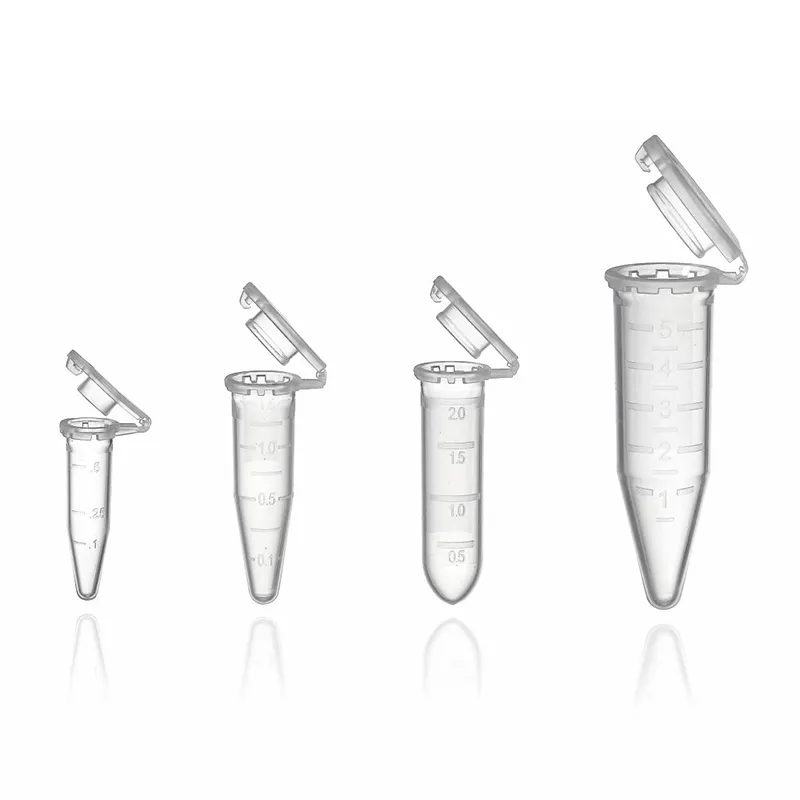
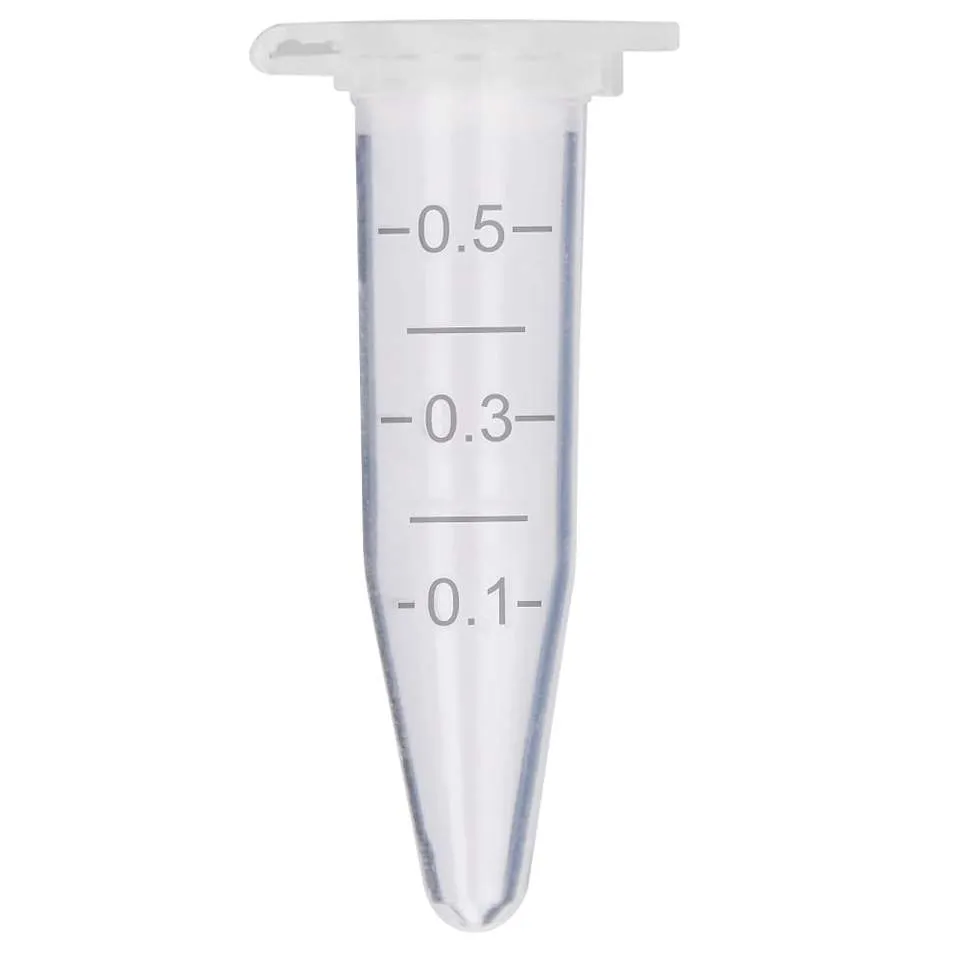
この点を選択する際には、チューブのカバーがしっかりしているかどうか、テスト中に漏れなく反転に達するまでしっかりとカバーできるかどうかも確認する必要があります。プラスチック遠心管では、ポリエチレン、ポリカーボネート、ポリプロピレンなどが一般的に使用されていることは誰もが知っていますが、その中でポリプロピレンPPチューブは比較的優れた性能を発揮するため、プラスチック遠心管を選択するときは、できるだけポリプロピレンプラスチック遠心管を検討します。
あ、 PA: 等結晶性ポリマー、PC ポリカーボネート、PP: ポリプロピレンの洗浄
B、 PC遠心管とカップ:PC材料はアルカリ溶剤に対する化学的安定性が低いため、PH値が9を超える洗浄剤は避けてください。
C、 PA, PC and PP centrifuge tubes and cups: PA begins to soften at 120°C, while PC and PP are at 130°C. Typically, PA can be sterilized at 115°C (0.7kg/cm²) for 30 minutes, while PC and PP can be sterilized at 121°C (1.0kg/cm²) for 20 minutes. If the temperature is too high, the centrifugal tube or cup will be deformed. When using sterilized utensils, follow the following operations:
(1)チューブの口を上向き、垂直に置きます。チューブを傾けたり横向きに置いたりすると、重力により変形してしまいます。
(2)パイプの変形や割れを防ぐために、ねじ付きキャップと内キャップを取り外します。
(3)滅菌器の温度が室温まで下がったときにのみチューブを取り出すことができる。
D、 遠心管とカップの寿命 プラスチック製遠心管カップの寿命は、サンプルの特性、ローター速度、遠心温度などによって異なります。プラスチック製遠心管とカップを使用して従来の中性サンプル(PH5〜PH9)を遠心分離する場合、寿命の推定は次のとおりです。最高速度で使用:約10回(低速で使用すると使用回数を増やすことができます)。遠心管とカップの寿命は、洗浄と消毒の条件にも関係しています。
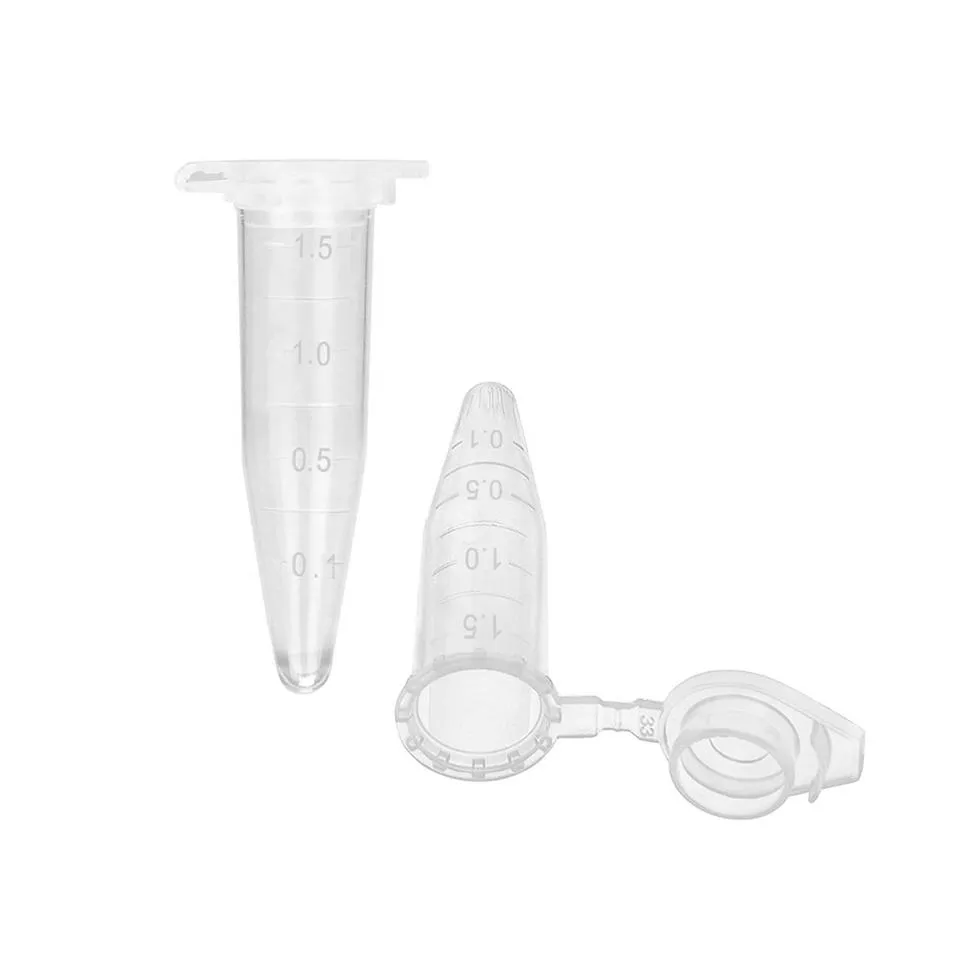
遠心管は、遠心分離機がサンプルを処理するときに分離されたサンプルを保持するために使用される容器であり、その仕様は主に0.2ml、0.5ml、1.5ml、2ml、5ml、7ml、10ml、15ml、20ml、50ml、80ml、100ml、120mlです。
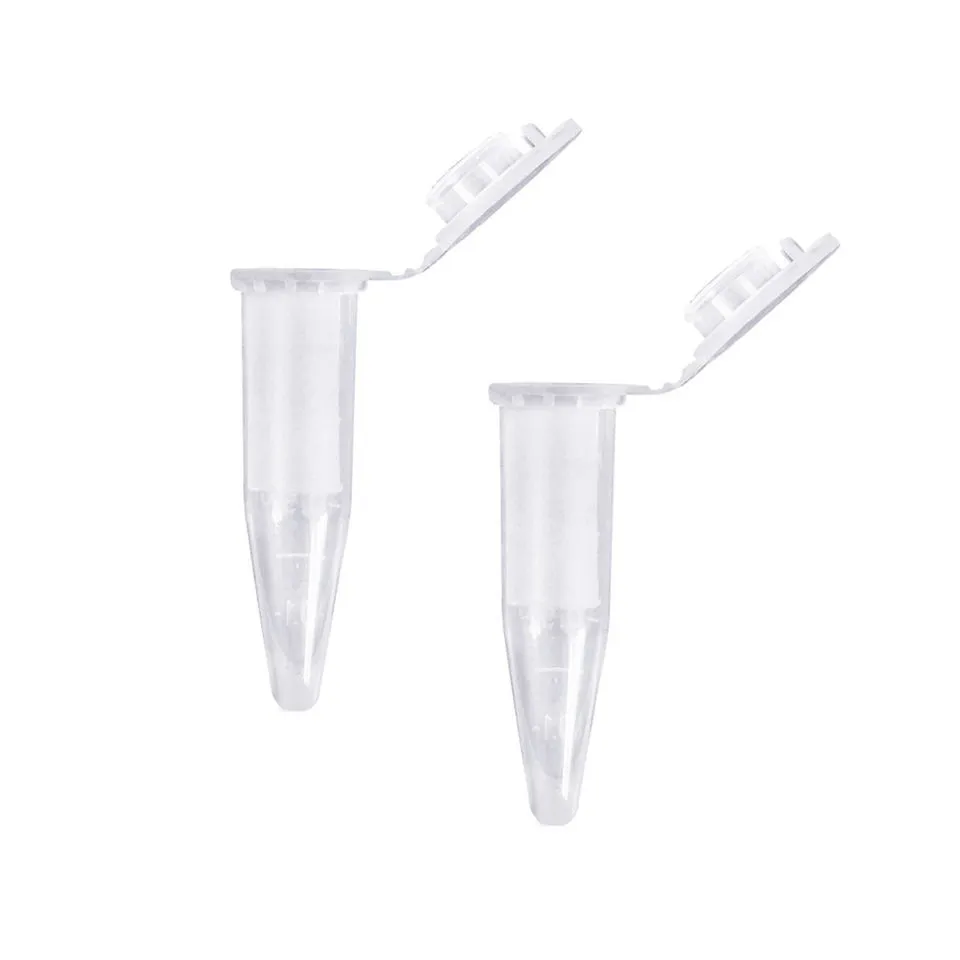
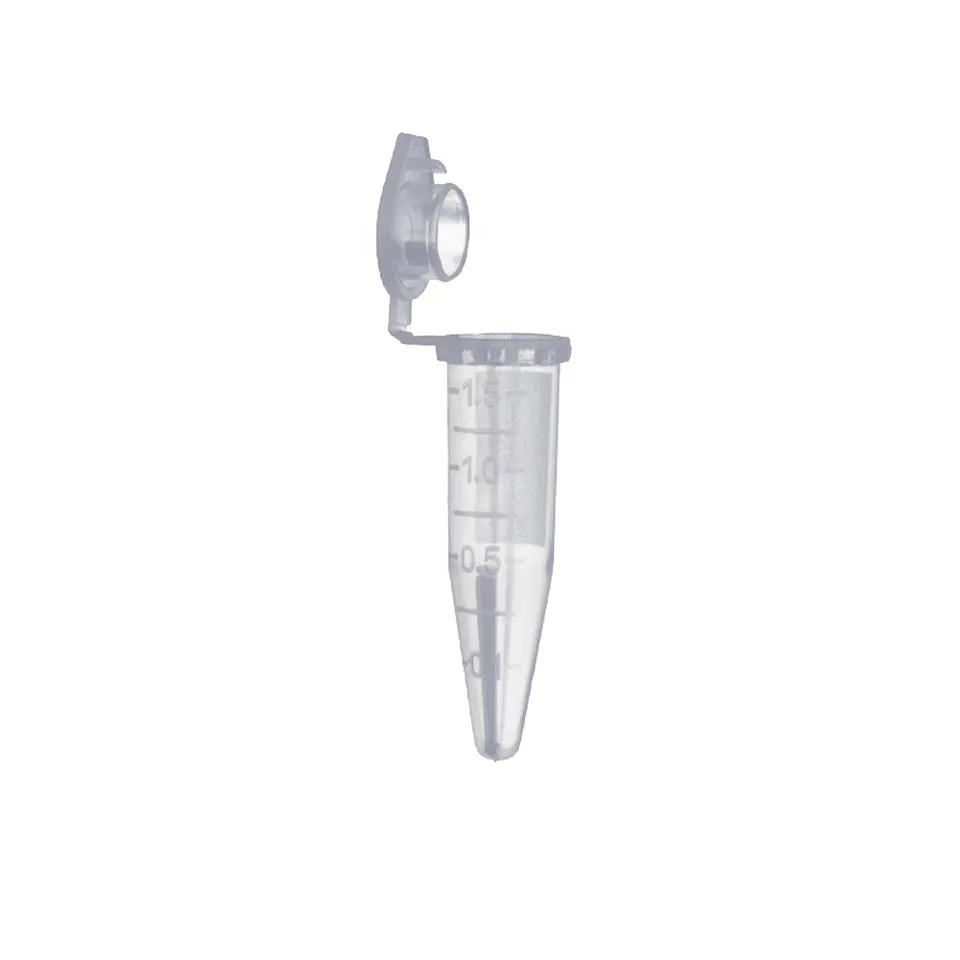
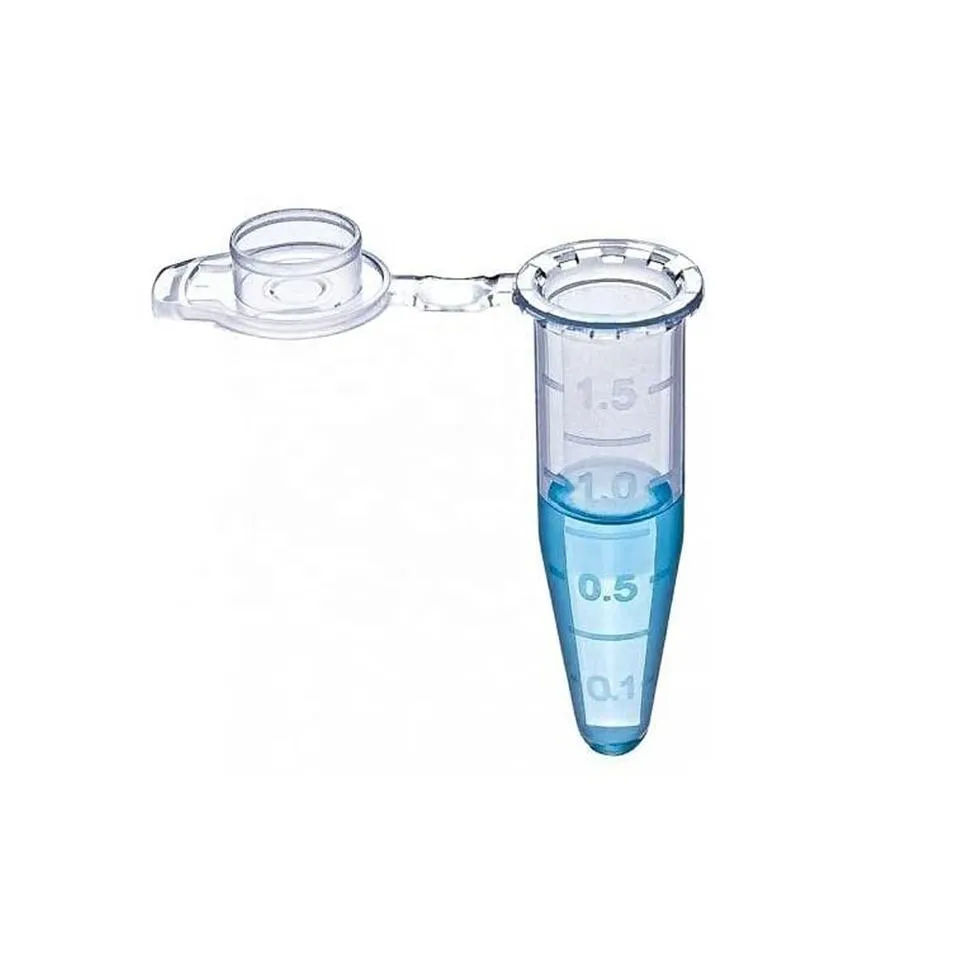
プラスチック製の遠心管の利点は、透明または半透明で、硬度が小さく、穴を開けてサンプルを取り出すことができることです。欠点は、変形しやすいこと、有機溶剤に対する耐腐食性が低いこと、耐用年数が短いことです。プラスチック製の遠心管にはチューブカバーがあり、サンプルの漏れを防ぐために使用されます。特に放射性または腐食性の高いサンプルの場合、サンプルの漏れを防ぐことは非常に重要なポイントです。チューブカバーのもう1つの機能は、サンプルの揮発を防ぎ、遠心管を支えて遠心管の変形を防ぐことです。
この点を選択する際には、チューブのカバーがしっかりしているかどうか、テスト中にしっかりとカバーされて漏れなく反転に到達できるかどうかも確認する必要があります。プラスチック遠心管では、ポリエチレン(PE)、ポリカーボネート(PC)、ポリプロピレン(PP)などが一般的に使用されていることは誰もが知っていますが、そのうちポリプロピレンPPチューブは比較的優れた性能を発揮するため、プラスチック遠心管を選択するときは、できるだけポリプロピレンプラスチック遠心管を考慮する必要があります。
Centrifuge Tubes Uses in Laboratory
Centrifuge tubes are essential pieces of equipment used in laboratories for separating, storing, and handling liquid samples during scientific experiments. These tubes are specifically designed to withstand the high rotational speeds and centrifugal forces generated by a centrifuge machine. Made from durable materials such as polypropylene, polycarbonate, or glass, centrifuge tubes are widely used in biological, chemical, medical, and environmental laboratories. Their versatility and reliability make them indispensable tools in many types of laboratory workflows.
Sample Separation and Centrifugation
One of the primary uses of centrifuge tubes in the laboratory is sample separation. When a sample containing mixed components is placed in a centrifuge tube and spun at high speed in a centrifuge, the centrifugal force causes particles of different densities to separate. Heavier particles move to the bottom of the tube, forming a pellet, while lighter substances remain suspended in the liquid above, called the supernatant.
This process is widely used in molecular biology and biochemistry laboratories. For example, centrifuge tubes are commonly used to separate blood components such as plasma, serum, and red blood cells. Researchers also use them to isolate DNA, RNA, proteins, and cellular organelles from biological samples. In microbiology, centrifuge tubes help collect bacterial cells from culture media after centrifugation. The clear design of most tubes allows scientists to easily observe the layers formed after separation.
Centrifuge tubes come in different sizes to accommodate various sample volumes. Common sizes include 1.5 mL microcentrifuge tubes, 15 mL conical tubes, and 50 mL conical tubes. The conical shape at the bottom of many tubes helps concentrate the pellet, making it easier to remove the supernatant without disturbing the separated material.
Sample Storage, Mixing, and Transport
In addition to separation, centrifuge tubes are frequently used for sample storage and preparation. Laboratories often store biological samples, chemical solutions, and reagents in these tubes because they are durable and resistant to temperature changes. Many centrifuge tubes can withstand freezing temperatures for long-term storage, making them suitable for storing DNA, enzymes, or other sensitive materials.
Centrifuge tubes are also useful for mixing reagents and preparing solutions. Scientists can add multiple liquids or powdered chemicals into a tube and mix them by vortexing or gentle shaking. The secure screw caps or snap caps on centrifuge tubes prevent leakage and contamination during mixing. This makes them ideal for preparing reaction mixtures, diluting samples, or performing small-scale experiments.
Another important use of centrifuge tubes is the safe transport of samples within or between laboratories. Their leak-proof design helps protect samples from contamination while preventing spills that could damage equipment or compromise experimental results. Many tubes are designed with labeling areas where researchers can write sample names, dates, or identification numbers, ensuring proper sample tracking.
Centrifuge tubes are also widely used in clinical laboratories for diagnostic testing. Medical technicians often use them to process urine, blood, or other body fluids before analysis. Environmental scientists may use centrifuge tubes to separate sediments from water samples or to concentrate microorganisms for further study.
Centrifuge tubes play a vital role in modern laboratory work by enabling efficient sample separation, storage, mixing, and transport. Their ability to withstand high centrifugal forces and maintain sample integrity makes them essential tools in scientific research and diagnostic testing. With various sizes, materials, and designs available, centrifuge tubes provide flexibility for a wide range of laboratory applications. As laboratory techniques continue to evolve, centrifuge tubes will remain a fundamental component of experimental procedures and scientific discovery.
Centrifuge Bottle Uses in Laboratory
Centrifuge bottles are specialized laboratory containers designed for use in high-speed and large-capacity centrifugation processes. Compared with standard centrifuge tubes, centrifuge bottles typically have larger volumes, thicker walls, and stronger structural designs to withstand greater centrifugal forces. They are commonly made from materials such as polypropylene, polycarbonate, or high-strength plastic that offer excellent chemical resistance and durability. Because of their larger capacity and robust construction, centrifuge bottles are widely used in research laboratories, industrial laboratories, pharmaceutical facilities, and environmental testing centers.
Large-Volume Sample Separation
One of the most important applications of centrifuge bottles in laboratories is the separation of large-volume liquid samples. In many experiments, researchers need to process hundreds of milliliters or even liters of liquid. Standard centrifuge tubes are often too small for these tasks, while centrifuge bottles provide a practical solution due to their higher capacity, commonly ranging from 250 mL to 1000 mL or more.
During centrifugation, the centrifugal force causes particles with higher density to move toward the bottom of the bottle while lighter substances remain in the upper liquid layer. This process is widely used in biological and biochemical research. For example, centrifuge bottles are frequently used to harvest large quantities of microbial cells from fermentation broth. After centrifugation, the cells form a compact pellet at the bottom, while the culture medium remains as the supernatant. Researchers can then easily remove the liquid and collect the cells for further analysis.
In molecular biology laboratories, centrifuge bottles are also used to concentrate proteins, enzymes, or cellular components from large sample volumes. Their wide mouth design makes it easier to transfer samples and recover pellets after centrifugation.
Sample Preparation and Industrial Laboratory Applications
Centrifuge bottles are also widely used in sample preparation before further experimental analysis. In environmental laboratories, scientists often use centrifuge bottles to separate sediments, suspended solids, or microorganisms from water samples. This helps researchers analyze pollutants, organic matter, or microbial populations more accurately.
In pharmaceutical and biotechnology laboratories, centrifuge bottles are commonly used in upstream and downstream processing. For example, during vaccine production or protein purification, large batches of cell cultures need to be centrifuged to separate cells, debris, or precipitated proteins. Centrifuge bottles allow technicians to handle these larger volumes efficiently while maintaining sample integrity.
Chemical laboratories also rely on centrifuge bottles for separating solid particles from chemical suspensions. Because the materials used in these bottles are resistant to many chemicals, they can safely hold a wide range of solvents and solutions without degradation or contamination.
Additionally, centrifuge bottles are useful for temporary storage and transport of laboratory samples. Many bottles are equipped with secure screw caps that prevent leakage during centrifugation or movement. Some designs include sealing rings to ensure airtight and leak-proof performance, which is especially important when handling biological samples or hazardous chemicals.
Centrifuge bottles are essential laboratory tools designed for handling large-volume centrifugation tasks. Their strong construction, chemical resistance, and high capacity make them ideal for separating biological samples, preparing environmental samples, and processing industrial laboratory materials. By enabling efficient and reliable separation of substances in large quantities, centrifuge bottles help improve laboratory productivity and accuracy. As scientific research and industrial processes continue to expand, centrifuge bottles remain a critical component in many laboratory operations.
15 ml polypropylene conical tube
50 ml polypropylene tubes
polypropylene conical tube
polypropylene falcon tubes