




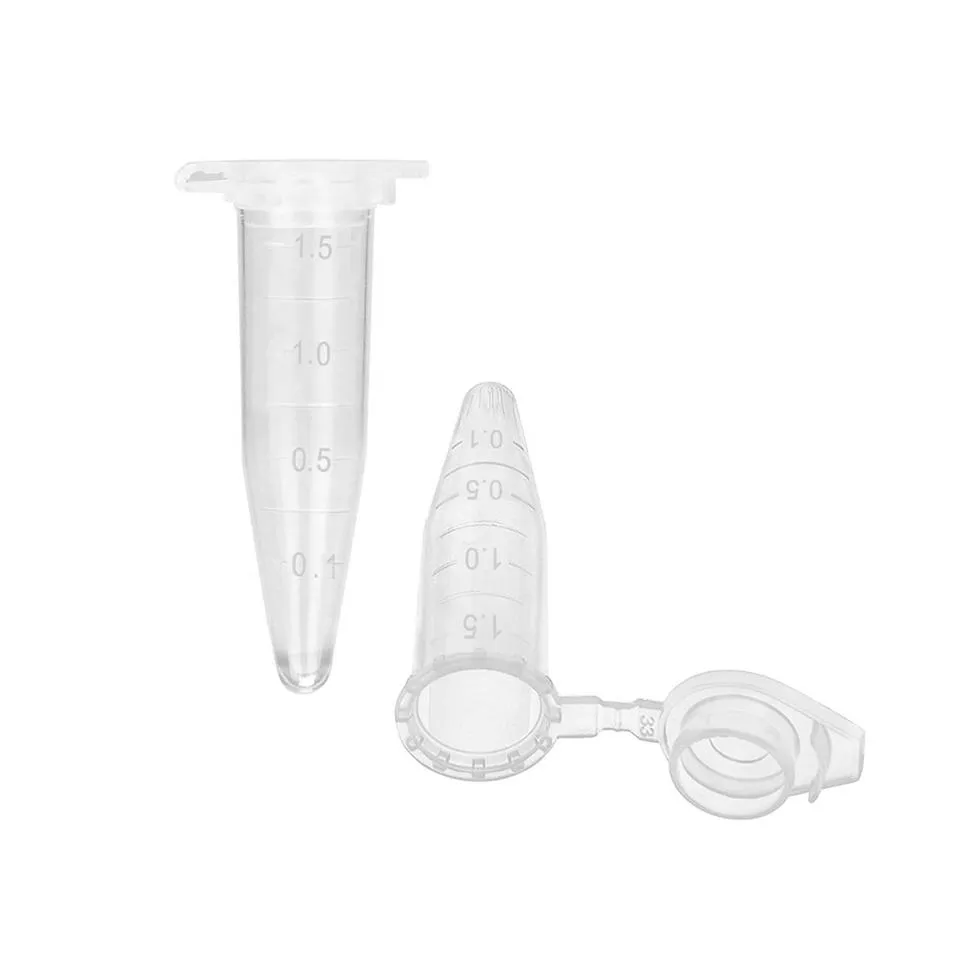
Tube Centrifugal Tube Caag ah oo Fudud oo Qurux Badan Dhalo Centrifugal ah oo loogu talagalay Isticmaalka Shaybaarka
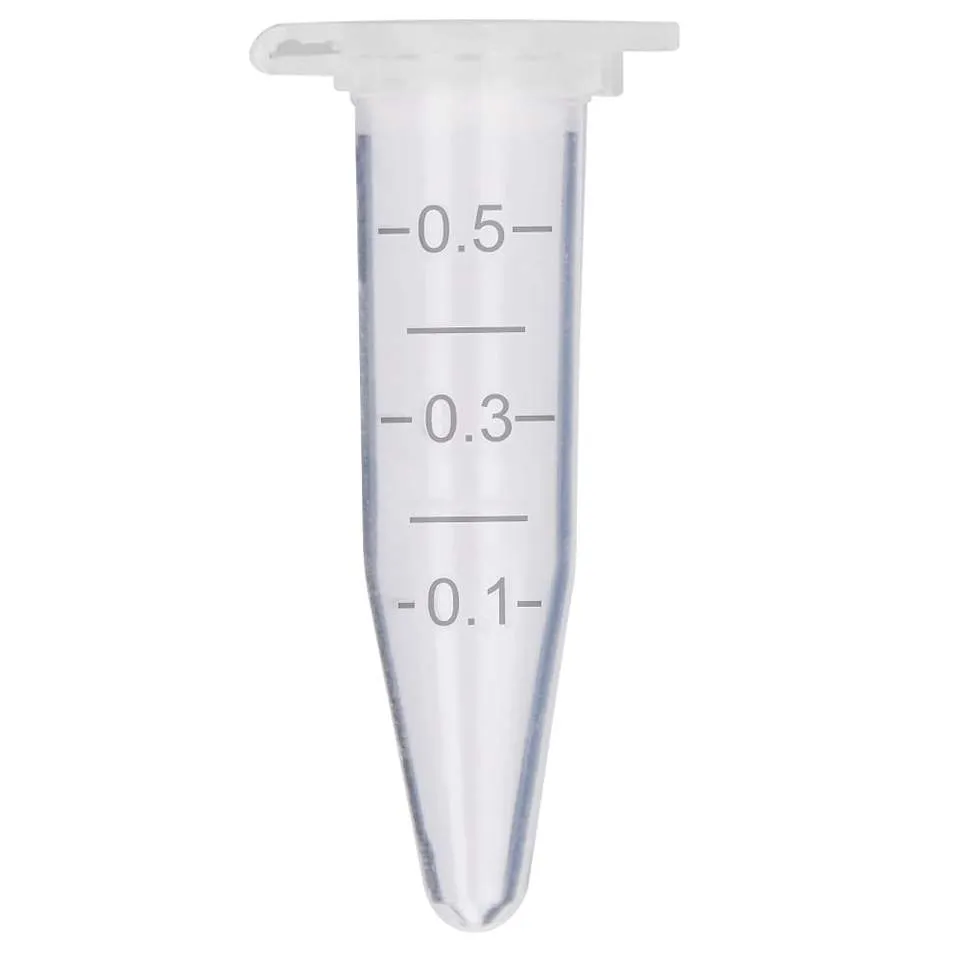
Marka la dooranayo bartan, waa inaan sidoo kale fiiro gaar ah u leenahay si aan u hubinno in daboolka tuubada uu yahay mid adag, iyo in si adag loo dabooli karo inta lagu jiro baaritaanka si loo gaaro leexinta iyada oo aan la daadin; Dhammaanteen waan ognahay in tuubooyinka centrifugal caag ah, walxaha sida caadiga ah loo isticmaalo ay yihiin polyetylen, polycarbonate, polypropylene, iwm, kuwaas oo tuubooyinka polypropylene PP ay yeelan doonaan wax qabad aad u wanaagsan, sidaas darteed waxaan tixgelineynaa tuubooyinka centrifugal caag ah ee polypropylene sida ugu macquulsan marka la dooranayo tuubooyinka centrifugal caag ah.
A, PA: polymer isocrystalline; PC polycarbonate; PP: Nadiifinta polypropylene
B, Tuubooyinka centrifugal PC iyo koobabka: Alaabta kombuyuutarku waxay leeyihiin xasilooni kiimikaad hooseeya ilaa dareerayaasha alkaline, iyo wakiilada nadiifinta leh qiimaha PH ee ka weyn 9 waa in laga fogaadaa. Autoclaving of
C, PA, PC and PP centrifuge tubes and cups: PA begins to soften at 120°C, while PC and PP are at 130°C. Typically, PA can be sterilized at 115°C (0.7kg/cm²) for 30 minutes, while PC and PP can be sterilized at 121°C (1.0kg/cm²) for 20 minutes. If the temperature is too high, the centrifugal tube or cup will be deformed. When using sterilized utensils, follow the following operations:
(1) Dhig afka tuubada kor iyo si toos ah; Haddii tuubada la leexiyo ama la dhigo dhinac, way qallafsan tahay cufjiid awgeed;
(2) Ka saar furka dunta leh iyo koofiyadda gudaha si aad uga hortagto in tuubuhu xumaadaan ama dillaacaan;
(3) Tuubada waxaa la soo saari karaa oo keliya marka jeermiska la keeno heerkulka qolka;
D, Nolosha tuubada centrifugal iyo koobka Nolosha caaga ah ee koobka tuubada centrifugal waxay ku xiran tahay sifooyinka muunada, xawaaraha rotor, heerkulka centrifugal, iwm. Qiyaasta noloshooda waa sida soo socota: loo isticmaalo xawaaraha ugu sarreeya: qiyaastii 10 jeer (isticmaalka xawaaraha hooseeya wuxuu kordhin karaa tirada isticmaalka). Nolosha tuubooyinka centrifuge iyo koobabka waxay sidoo kale la xiriirtaa xaaladaha nadiifinta iyo jeermiska.
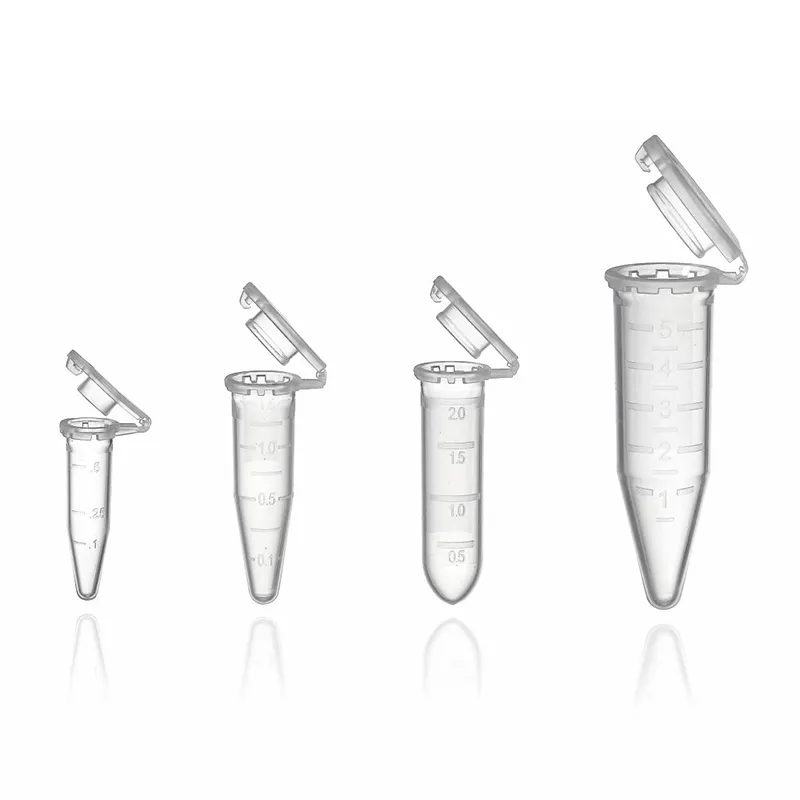
Tuubada Centrifuge waa weel loo isticmaalo in lagu qaado muunado kala go'an marka centrifuge uu samaynayo muunado, qeexiddiisuna waxay u badan tahay 0.2ml, 0.5ml, 1.5ml, 2ml, 5ml, 7ml, 10ml, 15ml, 20ml, 50ml, 80ml, 100ml.1
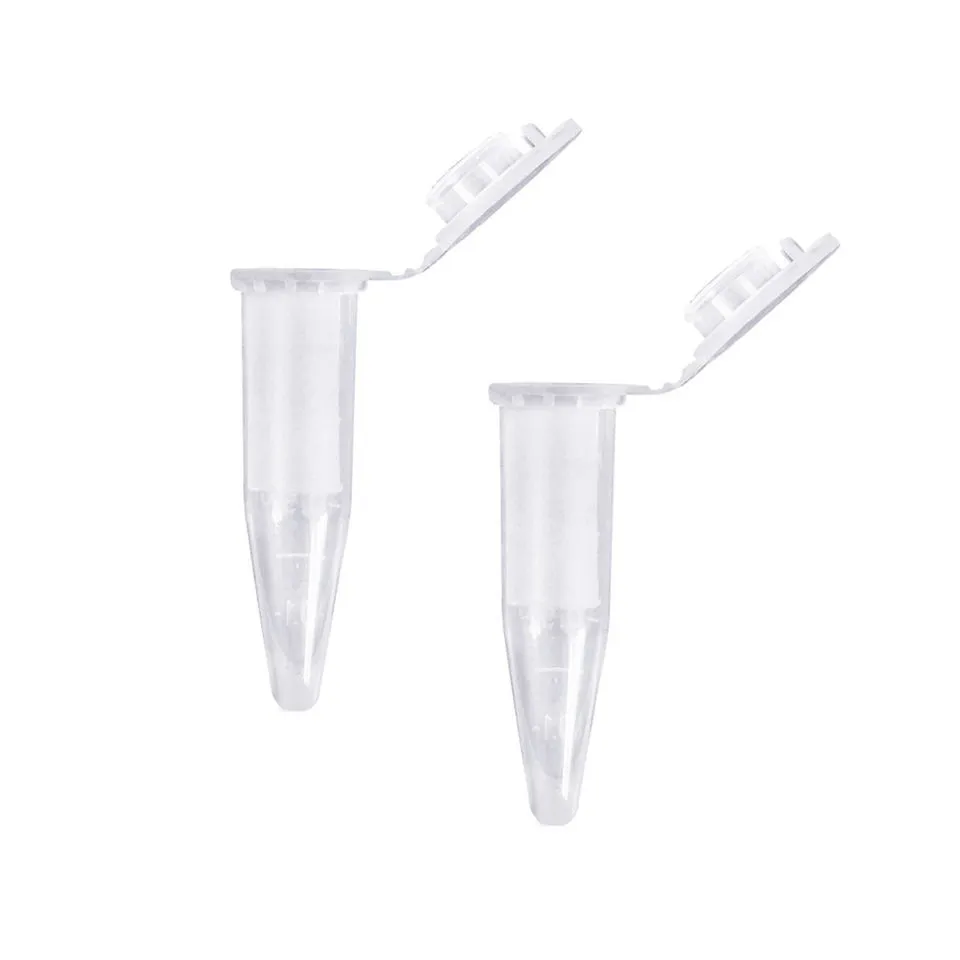
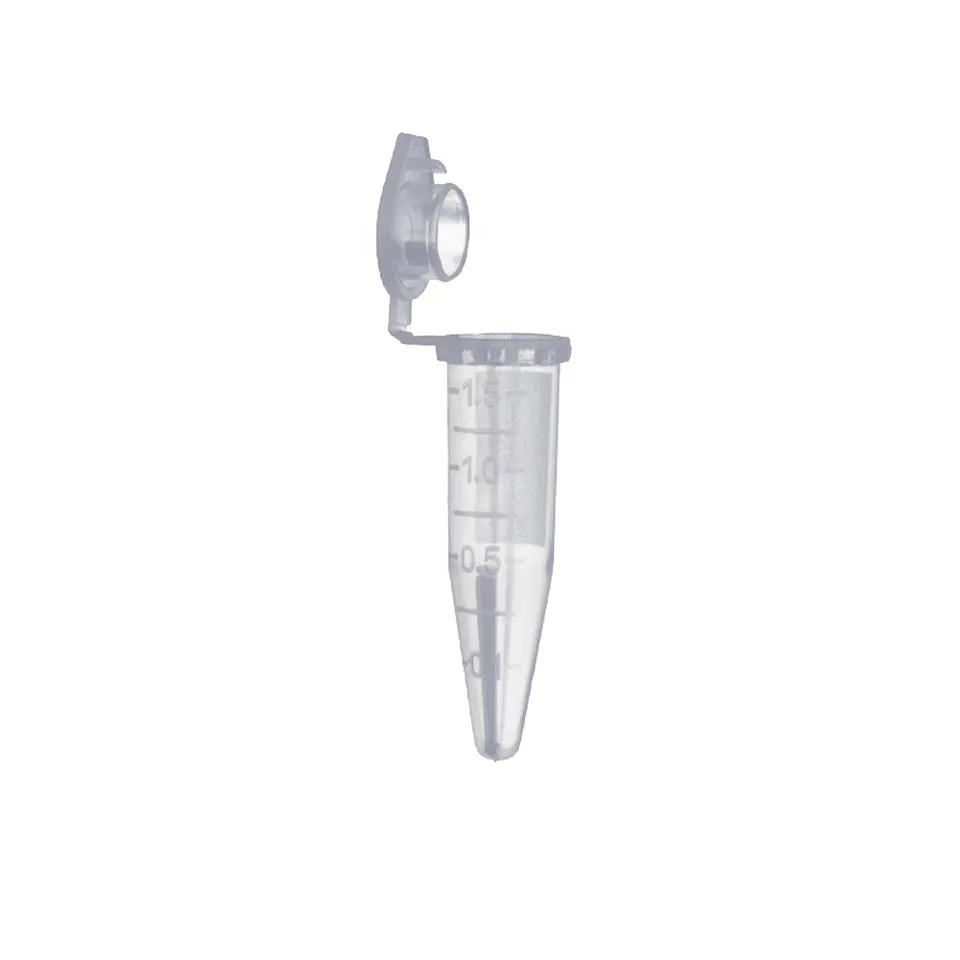
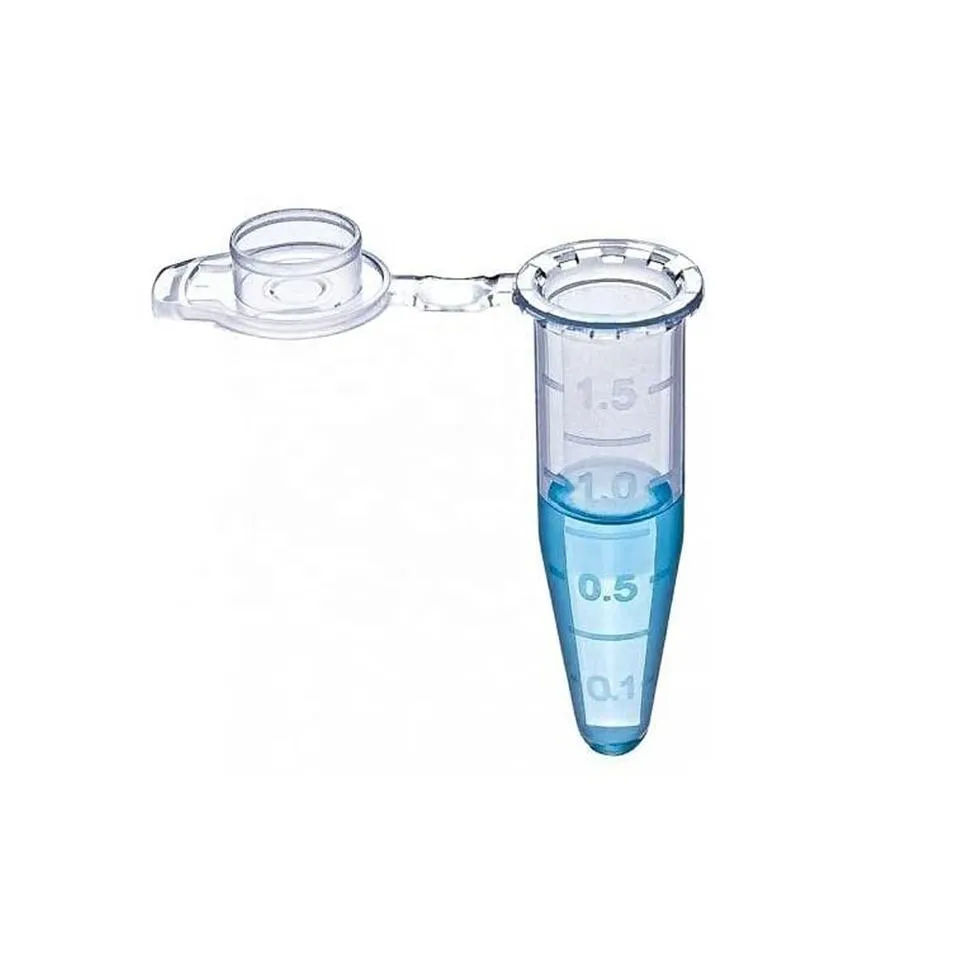
Faa'iidada tuubada centrifugal ee caagga ah waa mid hufan ama hufan, engegnaanteedu waa yar tahay, muunadana waxaa lagu soo saari karaa dalool. Khasaarooyinku waa qallafsanaan fudud, caabbinta daxalka liidata ee dareerayaasha organic, iyo nolosha adeeg gaaban. Tuubooyinka centrifugal ee caagga ah waxay leeyihiin dabool tuubo, kaas oo loo isticmaalo si looga hortago dheecaanka muunada, gaar ahaan shaybaarada shucaaca ama aadka u daxalka leh si looga hortago dheecaanka saamiga waa qodob aad muhiim u ah; Shaqada kale ee daboolka tuubada waa in laga hortago isbedbeddelka muunada iyo taageeridda tuubada centrifugal si looga hortago qallafsanaanta tuubada centrifugal.
Marka la dooranayo bartan, waa inaan sidoo kale fiiro gaar ah u leenahay si aan u hubinno in daboolka tuubada uu yahay mid adag, iyo in si adag loo dabooli karo inta lagu jiro baaritaanka si loo gaaro leexinta iyada oo aan la daadin; Dhammaanteen waan ognahay in tuubooyinka centrifugal ee caagga ah, walxaha sida caadiga ah loo isticmaalo ay yihiin polyetylen xi (PE), polycarbonate (PC), polypropylene (PP), iwm. tuubooyinka inta ugu badan ee suurtogalka ah marka la dooranayo tuubooyinka centrifugal caag ah.
Centrifuge Tubes Uses in Laboratory
Centrifuge tubes are essential pieces of equipment used in laboratories for separating, storing, and handling liquid samples during scientific experiments. These tubes are specifically designed to withstand the high rotational speeds and centrifugal forces generated by a centrifuge machine. Made from durable materials such as polypropylene, polycarbonate, or glass, centrifuge tubes are widely used in biological, chemical, medical, and environmental laboratories. Their versatility and reliability make them indispensable tools in many types of laboratory workflows.
Sample Separation and Centrifugation
One of the primary uses of centrifuge tubes in the laboratory is sample separation. When a sample containing mixed components is placed in a centrifuge tube and spun at high speed in a centrifuge, the centrifugal force causes particles of different densities to separate. Heavier particles move to the bottom of the tube, forming a pellet, while lighter substances remain suspended in the liquid above, called the supernatant.
This process is widely used in molecular biology and biochemistry laboratories. For example, centrifuge tubes are commonly used to separate blood components such as plasma, serum, and red blood cells. Researchers also use them to isolate DNA, RNA, proteins, and cellular organelles from biological samples. In microbiology, centrifuge tubes help collect bacterial cells from culture media after centrifugation. The clear design of most tubes allows scientists to easily observe the layers formed after separation.
Centrifuge tubes come in different sizes to accommodate various sample volumes. Common sizes include 1.5 mL microcentrifuge tubes, 15 mL conical tubes, and 50 mL conical tubes. The conical shape at the bottom of many tubes helps concentrate the pellet, making it easier to remove the supernatant without disturbing the separated material.
Sample Storage, Mixing, and Transport
In addition to separation, centrifuge tubes are frequently used for sample storage and preparation. Laboratories often store biological samples, chemical solutions, and reagents in these tubes because they are durable and resistant to temperature changes. Many centrifuge tubes can withstand freezing temperatures for long-term storage, making them suitable for storing DNA, enzymes, or other sensitive materials.
Centrifuge tubes are also useful for mixing reagents and preparing solutions. Scientists can add multiple liquids or powdered chemicals into a tube and mix them by vortexing or gentle shaking. The secure screw caps or snap caps on centrifuge tubes prevent leakage and contamination during mixing. This makes them ideal for preparing reaction mixtures, diluting samples, or performing small-scale experiments.
Another important use of centrifuge tubes is the safe transport of samples within or between laboratories. Their leak-proof design helps protect samples from contamination while preventing spills that could damage equipment or compromise experimental results. Many tubes are designed with labeling areas where researchers can write sample names, dates, or identification numbers, ensuring proper sample tracking.
Centrifuge tubes are also widely used in clinical laboratories for diagnostic testing. Medical technicians often use them to process urine, blood, or other body fluids before analysis. Environmental scientists may use centrifuge tubes to separate sediments from water samples or to concentrate microorganisms for further study.
Centrifuge tubes play a vital role in modern laboratory work by enabling efficient sample separation, storage, mixing, and transport. Their ability to withstand high centrifugal forces and maintain sample integrity makes them essential tools in scientific research and diagnostic testing. With various sizes, materials, and designs available, centrifuge tubes provide flexibility for a wide range of laboratory applications. As laboratory techniques continue to evolve, centrifuge tubes will remain a fundamental component of experimental procedures and scientific discovery.
Centrifuge Bottle Uses in Laboratory
Centrifuge bottles are specialized laboratory containers designed for use in high-speed and large-capacity centrifugation processes. Compared with standard centrifuge tubes, centrifuge bottles typically have larger volumes, thicker walls, and stronger structural designs to withstand greater centrifugal forces. They are commonly made from materials such as polypropylene, polycarbonate, or high-strength plastic that offer excellent chemical resistance and durability. Because of their larger capacity and robust construction, centrifuge bottles are widely used in research laboratories, industrial laboratories, pharmaceutical facilities, and environmental testing centers.
Large-Volume Sample Separation
One of the most important applications of centrifuge bottles in laboratories is the separation of large-volume liquid samples. In many experiments, researchers need to process hundreds of milliliters or even liters of liquid. Standard centrifuge tubes are often too small for these tasks, while centrifuge bottles provide a practical solution due to their higher capacity, commonly ranging from 250 mL to 1000 mL or more.
During centrifugation, the centrifugal force causes particles with higher density to move toward the bottom of the bottle while lighter substances remain in the upper liquid layer. This process is widely used in biological and biochemical research. For example, centrifuge bottles are frequently used to harvest large quantities of microbial cells from fermentation broth. After centrifugation, the cells form a compact pellet at the bottom, while the culture medium remains as the supernatant. Researchers can then easily remove the liquid and collect the cells for further analysis.
In molecular biology laboratories, centrifuge bottles are also used to concentrate proteins, enzymes, or cellular components from large sample volumes. Their wide mouth design makes it easier to transfer samples and recover pellets after centrifugation.
Sample Preparation and Industrial Laboratory Applications
Centrifuge bottles are also widely used in sample preparation before further experimental analysis. In environmental laboratories, scientists often use centrifuge bottles to separate sediments, suspended solids, or microorganisms from water samples. This helps researchers analyze pollutants, organic matter, or microbial populations more accurately.
In pharmaceutical and biotechnology laboratories, centrifuge bottles are commonly used in upstream and downstream processing. For example, during vaccine production or protein purification, large batches of cell cultures need to be centrifuged to separate cells, debris, or precipitated proteins. Centrifuge bottles allow technicians to handle these larger volumes efficiently while maintaining sample integrity.
Chemical laboratories also rely on centrifuge bottles for separating solid particles from chemical suspensions. Because the materials used in these bottles are resistant to many chemicals, they can safely hold a wide range of solvents and solutions without degradation or contamination.
Additionally, centrifuge bottles are useful for temporary storage and transport of laboratory samples. Many bottles are equipped with secure screw caps that prevent leakage during centrifugation or movement. Some designs include sealing rings to ensure airtight and leak-proof performance, which is especially important when handling biological samples or hazardous chemicals.
Centrifuge bottles are essential laboratory tools designed for handling large-volume centrifugation tasks. Their strong construction, chemical resistance, and high capacity make them ideal for separating biological samples, preparing environmental samples, and processing industrial laboratory materials. By enabling efficient and reliable separation of substances in large quantities, centrifuge bottles help improve laboratory productivity and accuracy. As scientific research and industrial processes continue to expand, centrifuge bottles remain a critical component in many laboratory operations.
15 ml polypropylene conical tube
50 ml polypropylene tubes
polypropylene conical tube
polypropylene falcon tubes