
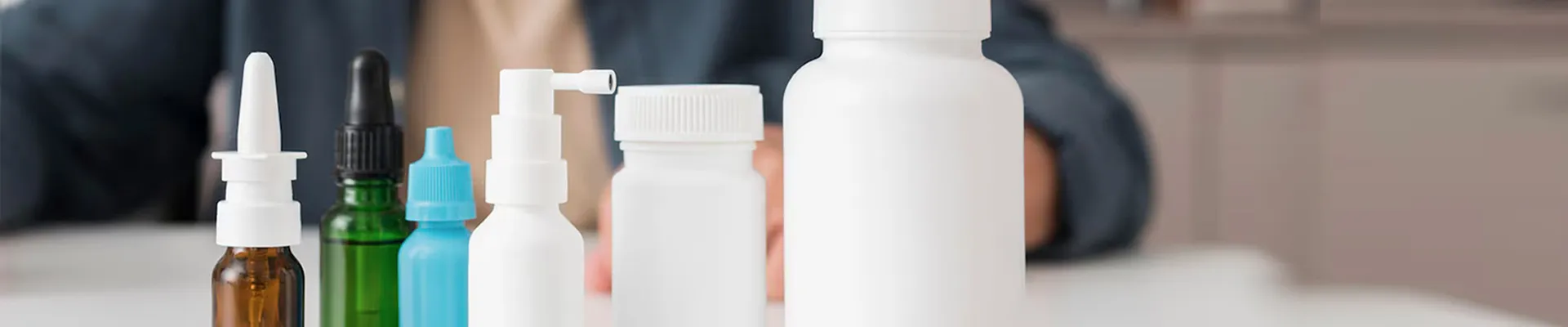


Best Small Prescription Bottles for Travel – Safe, Compact & Compliant Solutions
Small Prescription Bottles for Travel: Why They Matter More Than Ever
At first glance, small prescription bottles for travel might seem like a niche packaging concern. But in reality, they tick off a surprising number of boxes in global healthcare, regulatory compliance, and consumer convenience. Whether you're a frequent flyer, a caregiver, or part of a humanitarian effort, understanding these little containers can make a world of difference—for safety, regulatory adherence, and simply peace of mind.
Introduction: Why Small Prescription Bottles for Travel Are a Global Concern
Travel is a near-universal human experience — whether for work, leisure, or urgent medical reasons. According to the United Nations World Tourism Organization, international tourist arrivals exceeded 1.4 billion in 2019, a number that’s steadily rebounding post-pandemic. Within this mass movement, millions of travelers carry prescription medications with them, often in forms not suitable for travel or that risk legal complications.
Moreover, organizations like the World Health Organization emphasize safe medication use during emergencies and humanitarian relief, where small, secure, and reliable prescription bottles make all the difference. It’s a fine line between convenience, dosage accuracy, and safety regulations which vary across borders.
Mini takeaway: Small prescription bottles for travel are not just about size and shape — they are key tools in international health, security, and practical usability.
Defining Small Prescription Bottles for Travel
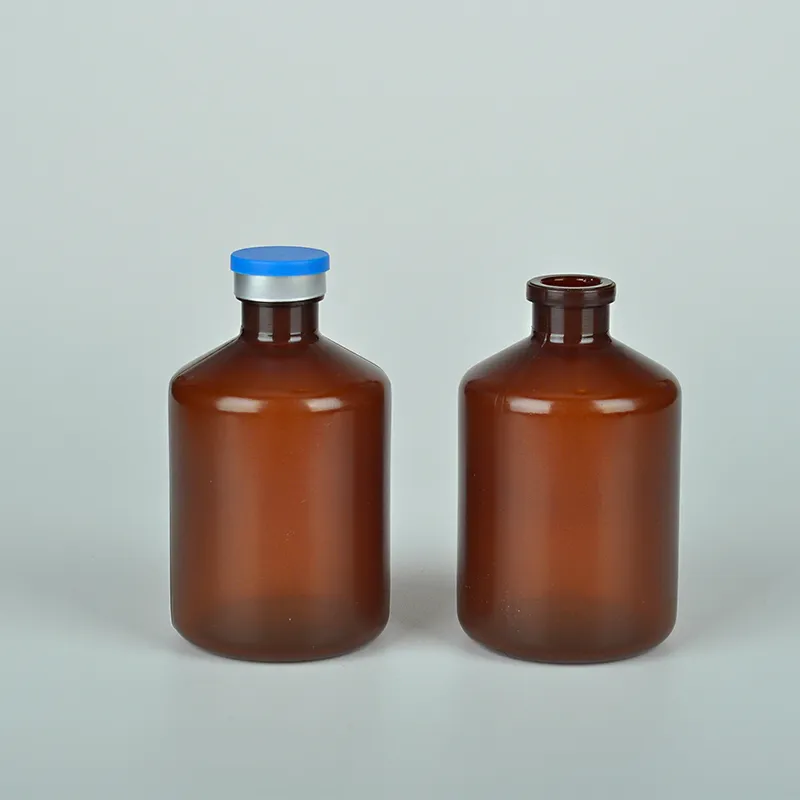
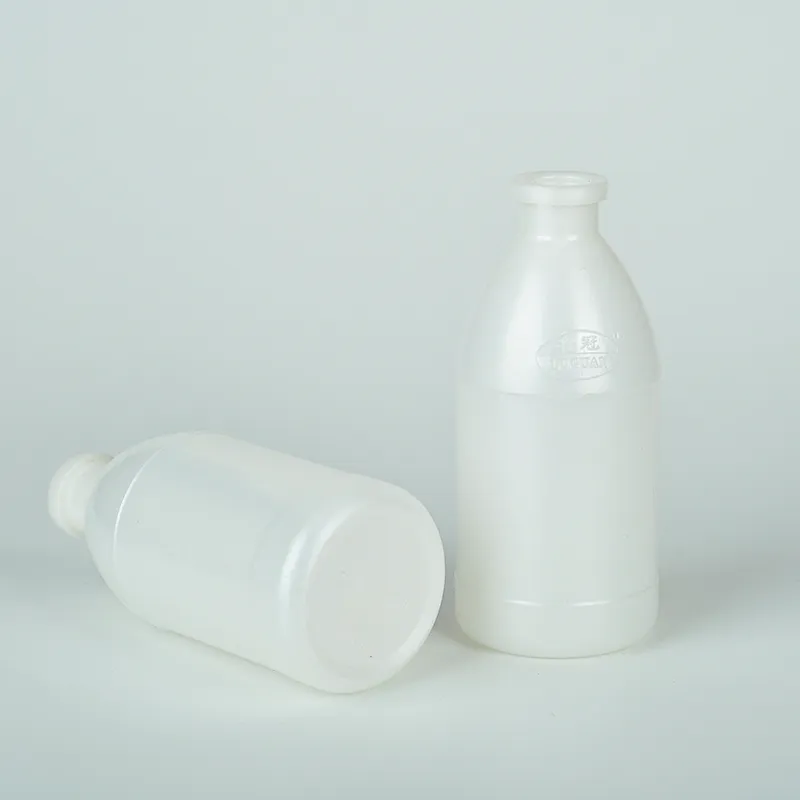
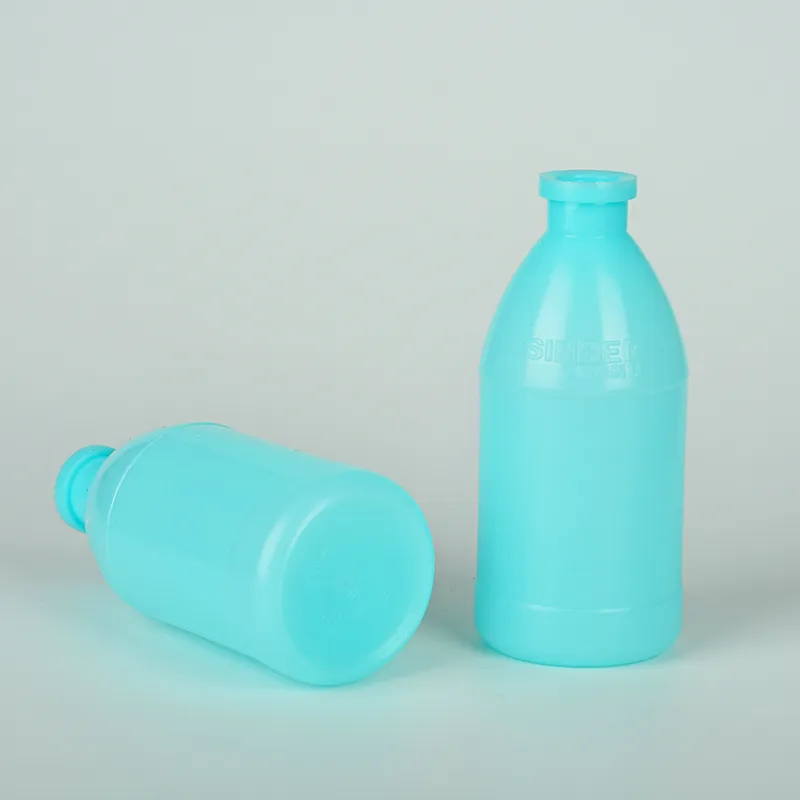
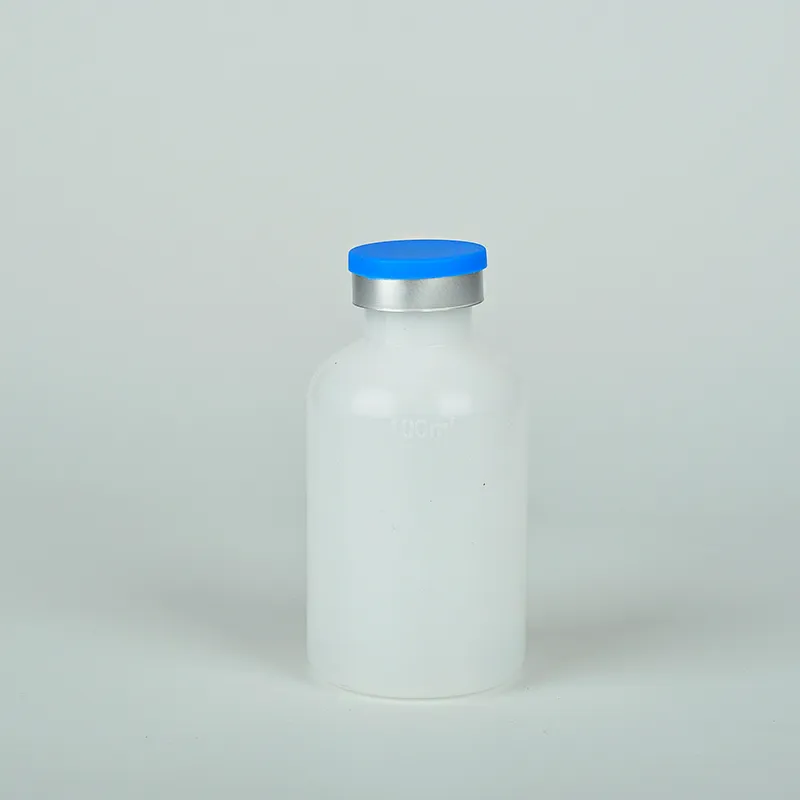
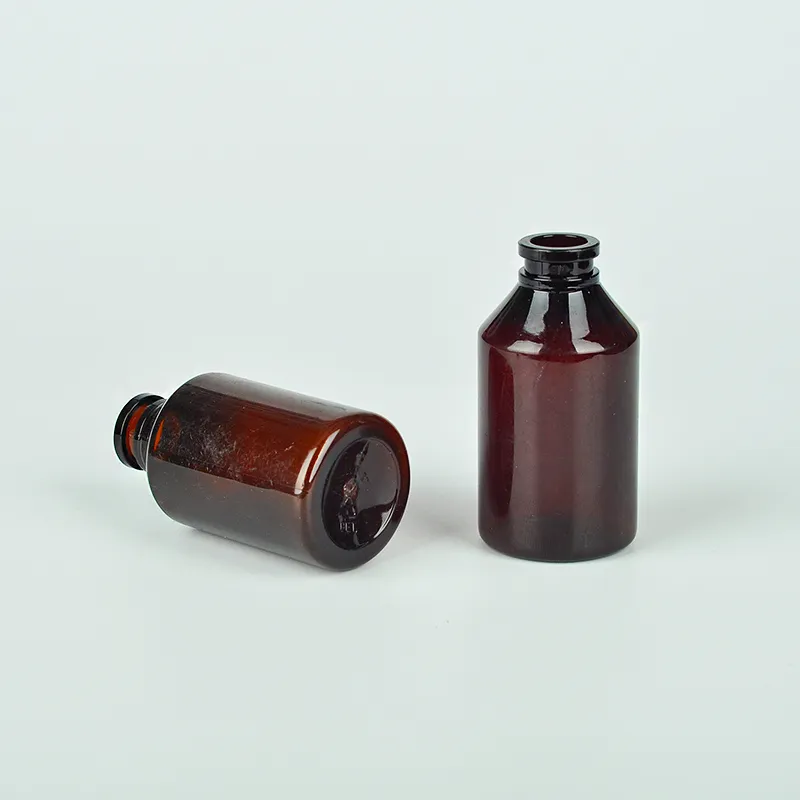
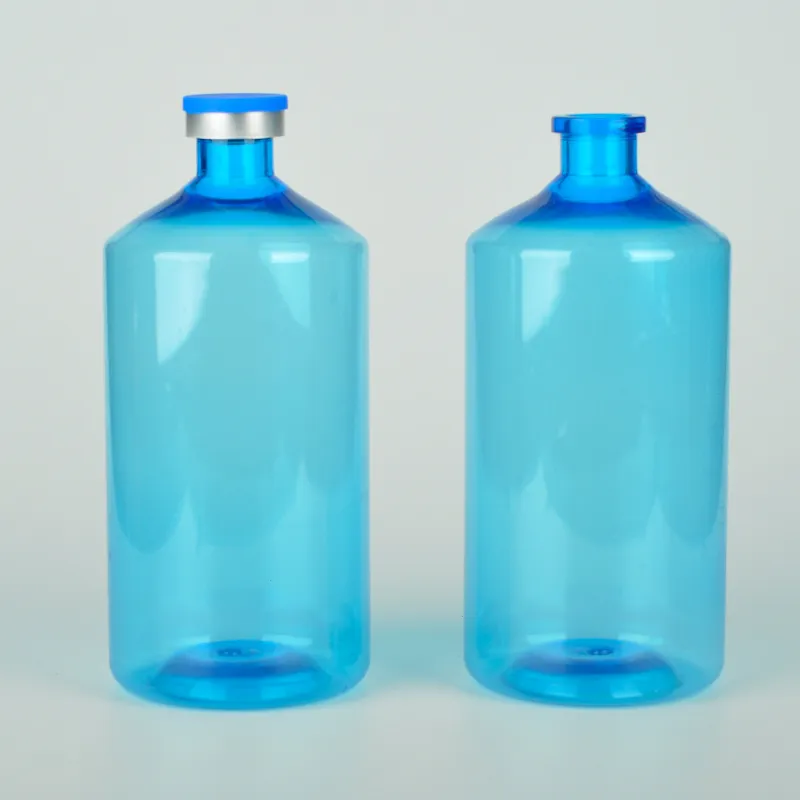
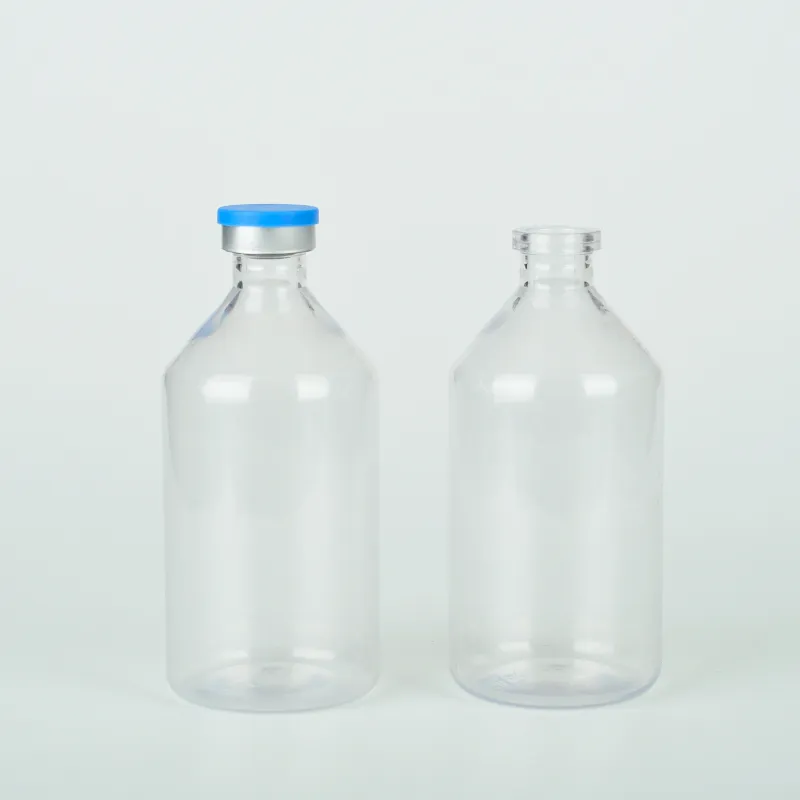
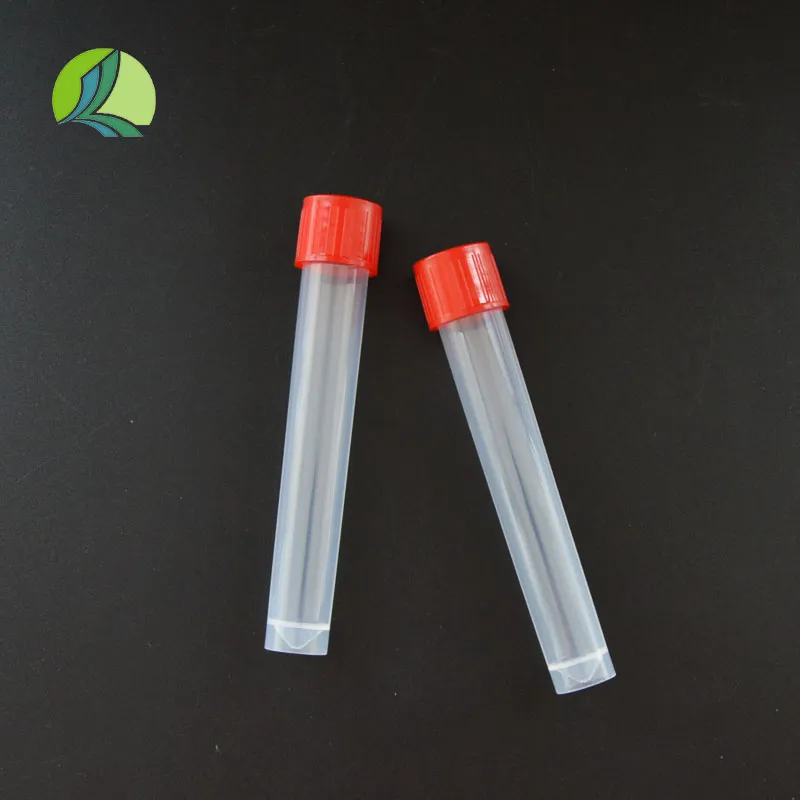
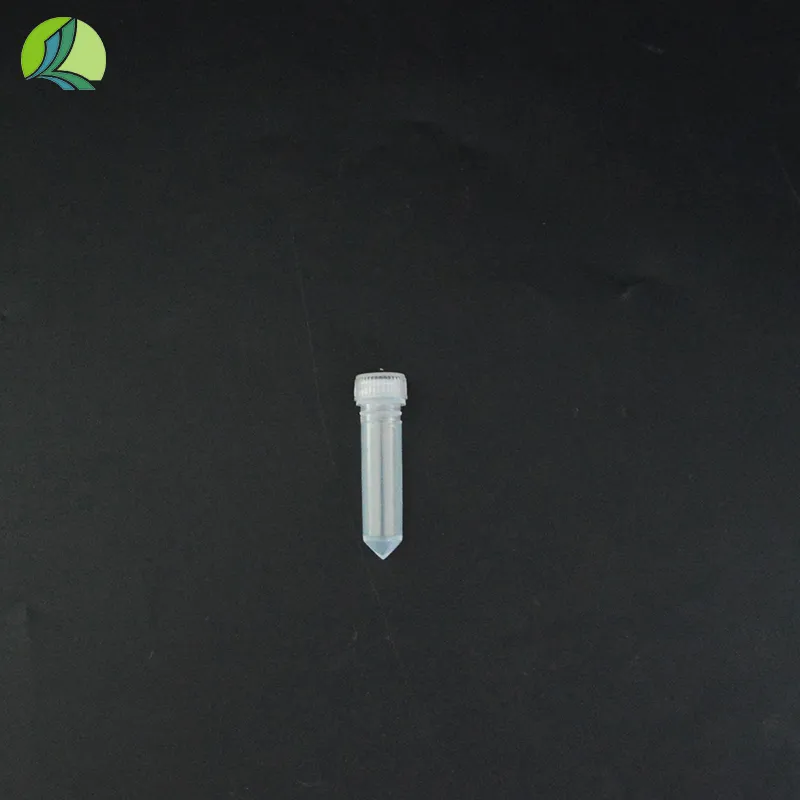
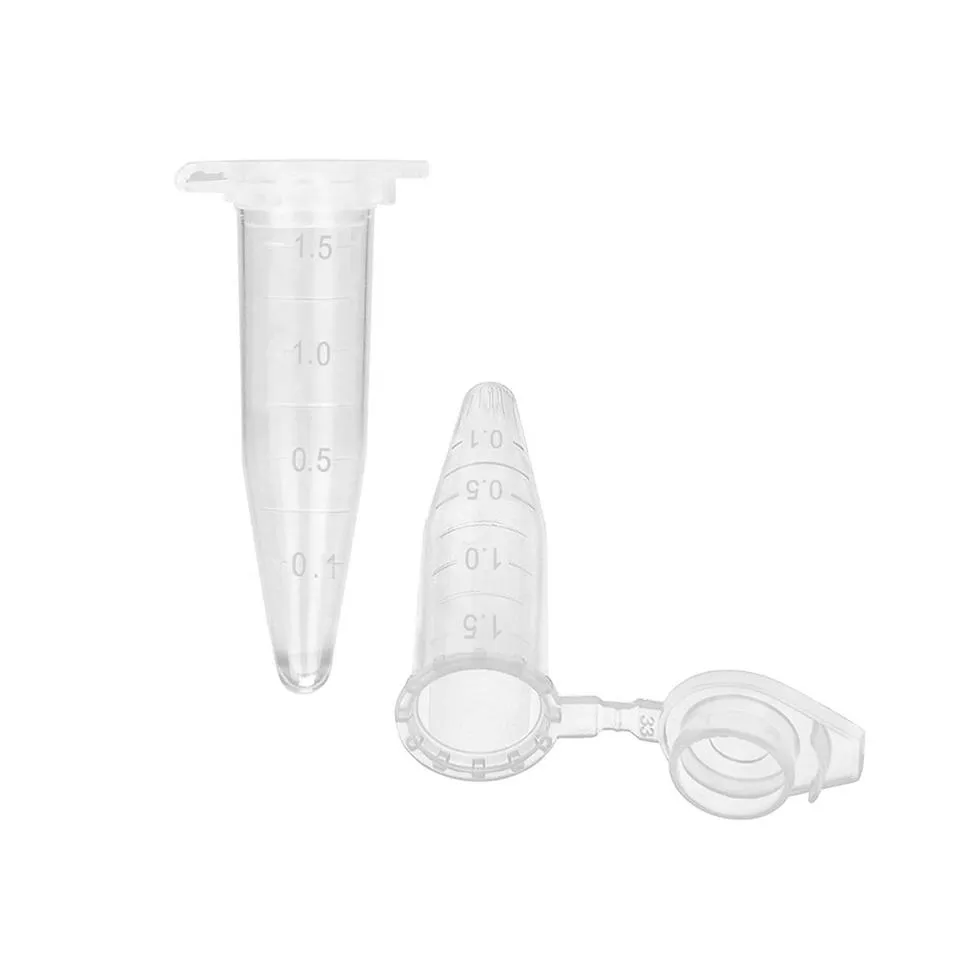
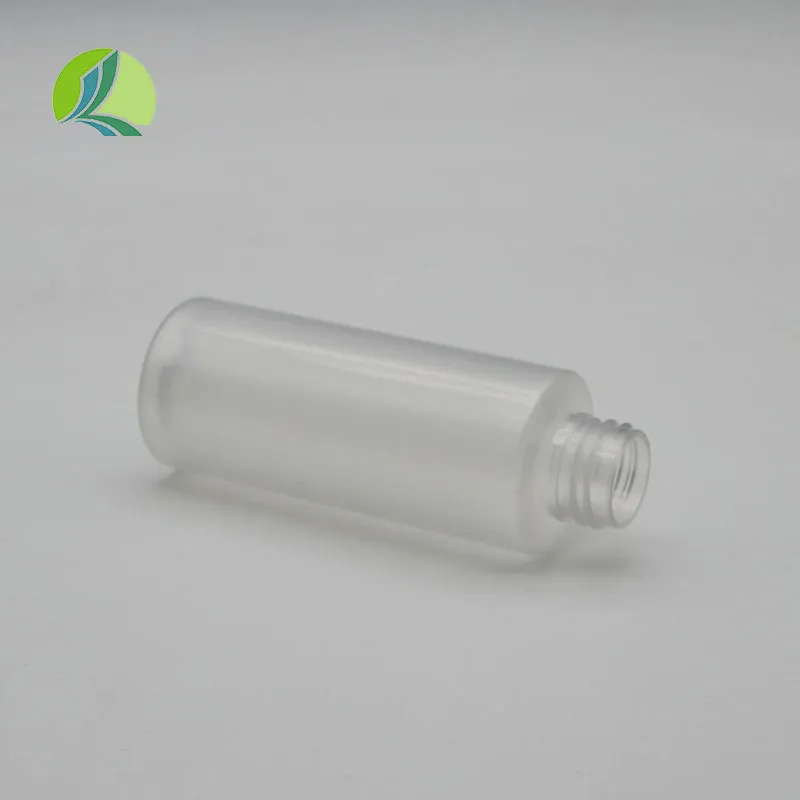
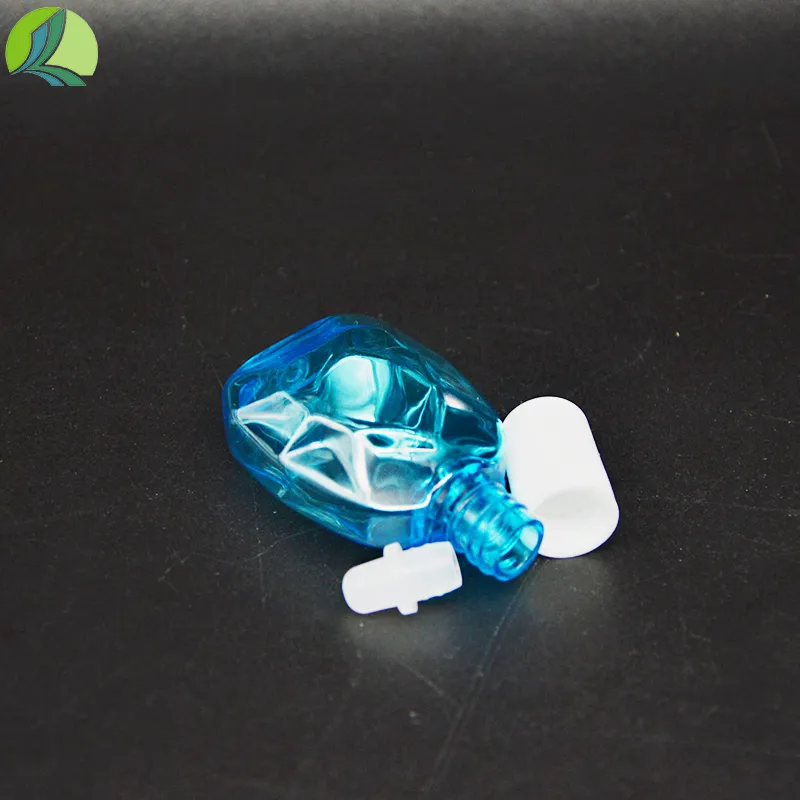
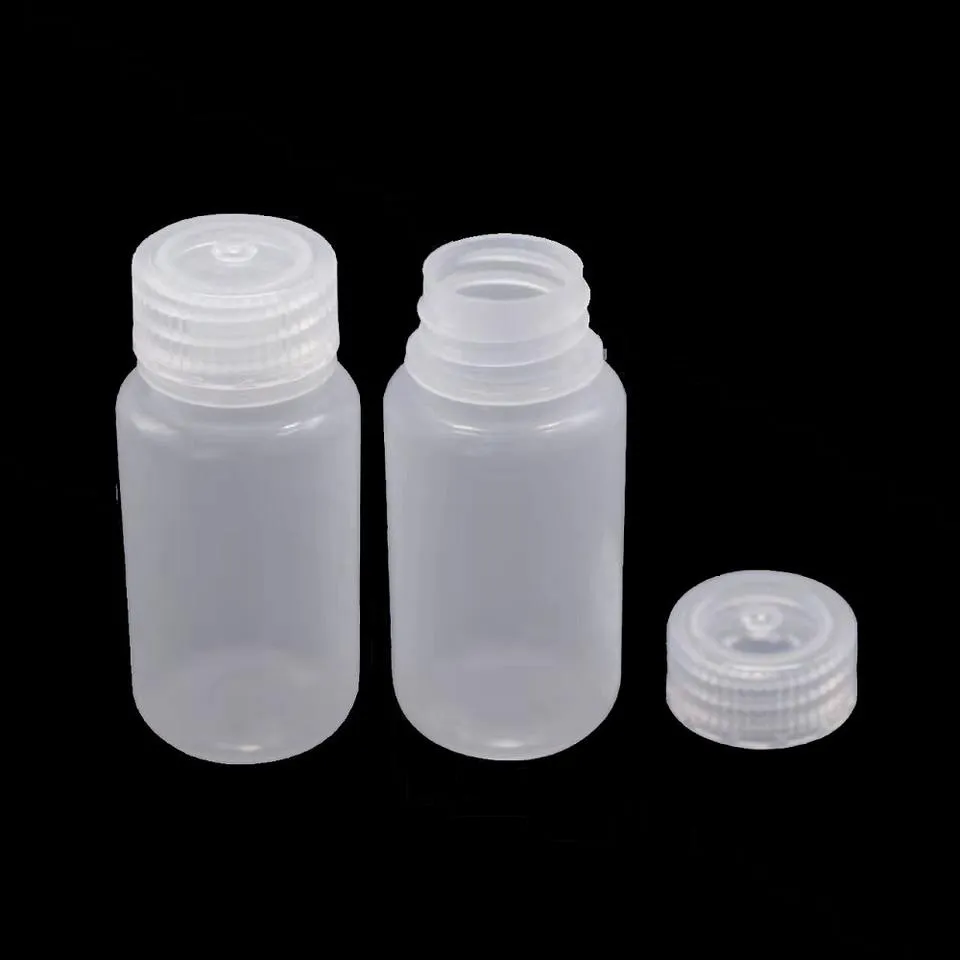
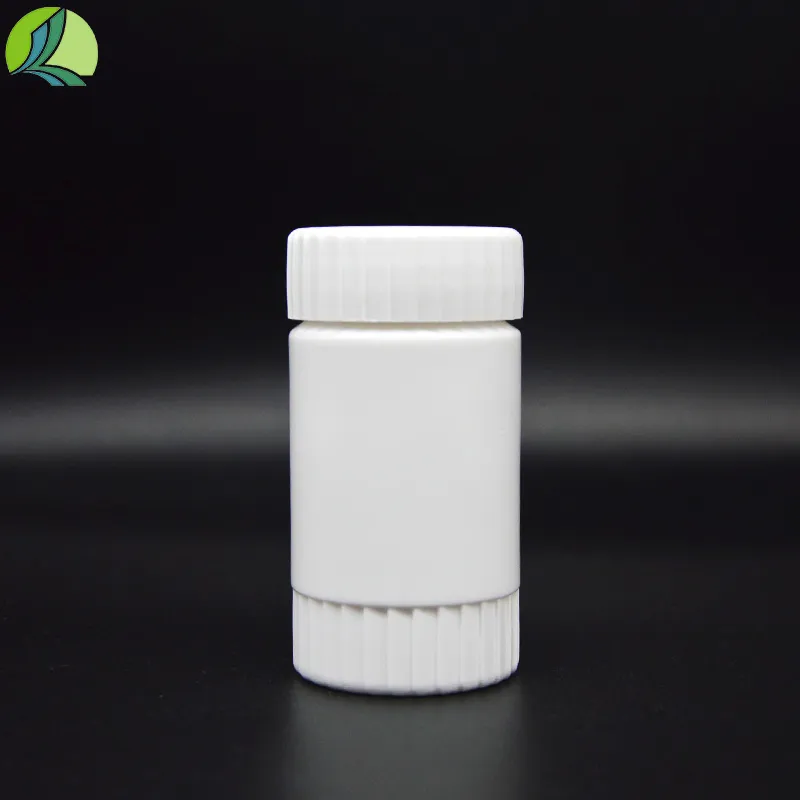
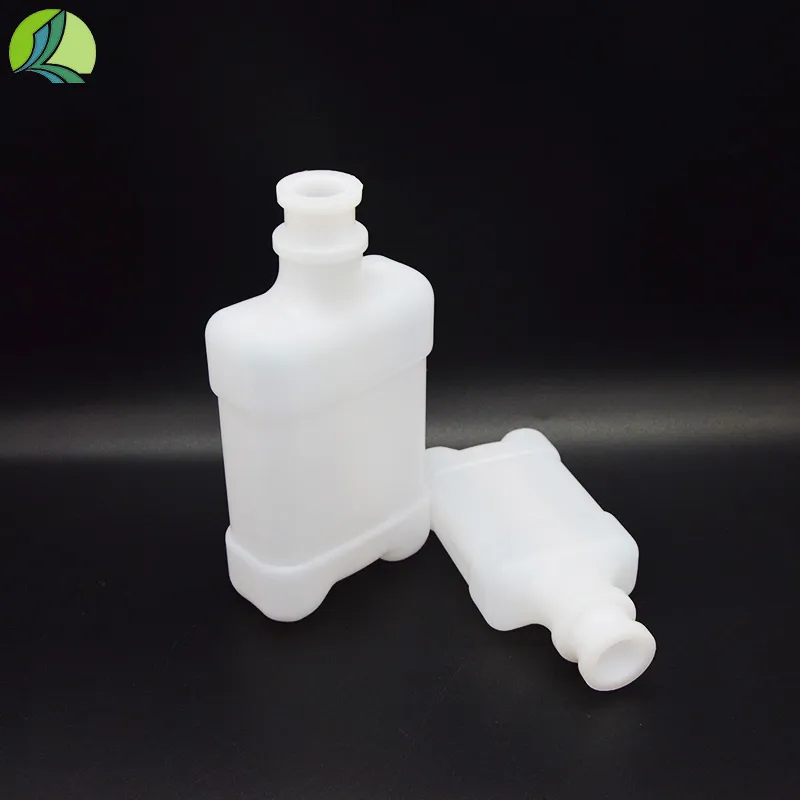
So, what exactly do we mean by small prescription bottles for travel? They are compact, often lightweight containers designed specifically to hold prescribed medication for short-term transportation needs. These bottles usually meet specific standards for child resistance, tamper evidence, and material safety. Unlike regular pharmacy bottles, they often follow airline and international transportation rules limiting liquid and size for easier screening and use.
They’re closely tied to global healthcare access trends and pharmaceutical logistics, helping patients maintain their care regimes during travel or emergency displacement.
Key Features That Define Quality Travel Prescription Bottles
1. Durability and Safety
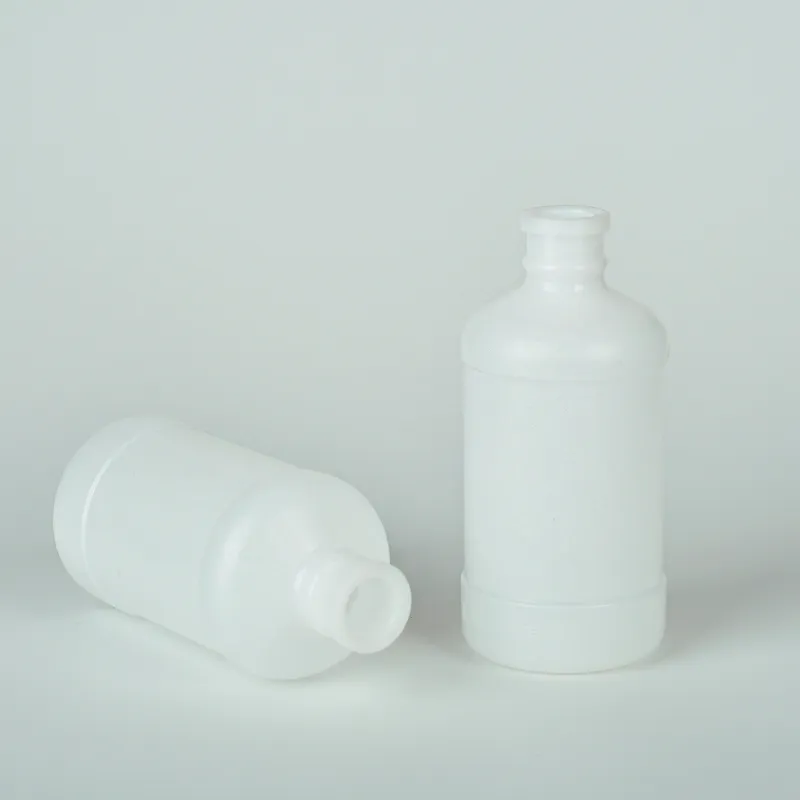
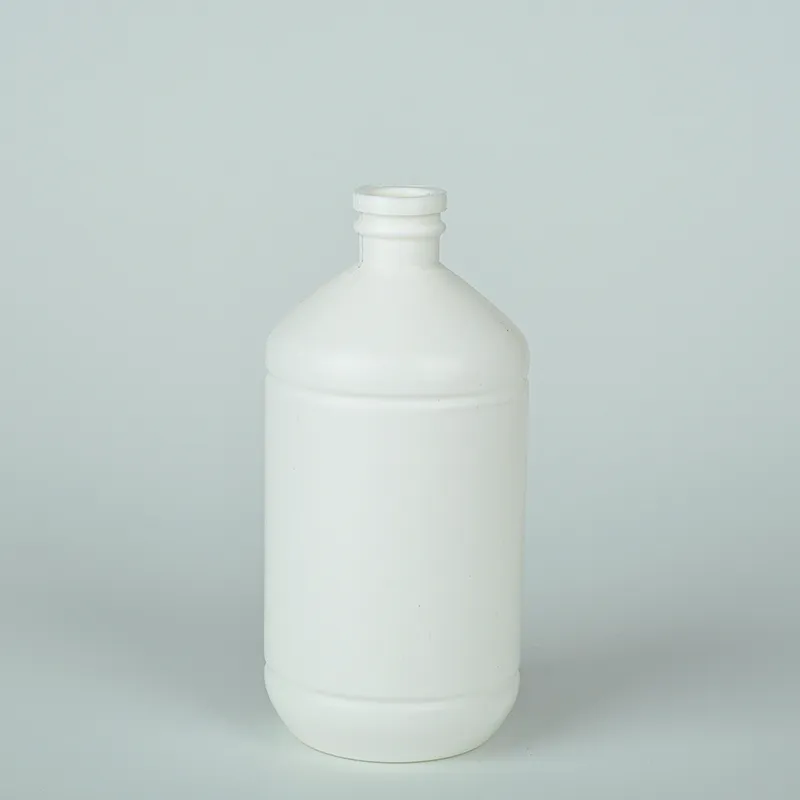
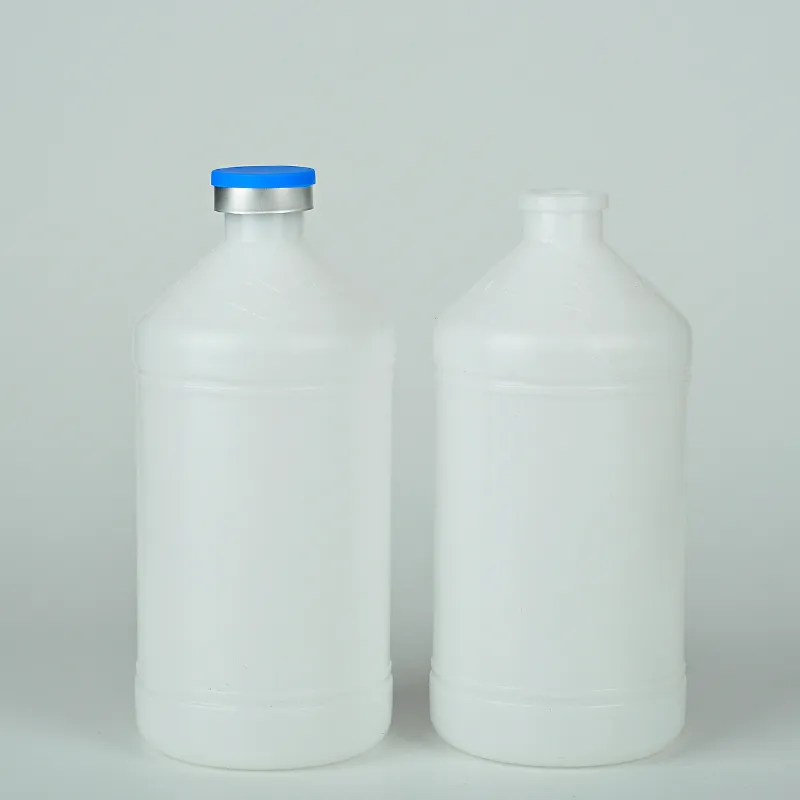
When traveling, bottles encounter bumps, temperature shifts, and sometimes rough handling. Durable, impact-resistant plastics like PET or HDPE ensure medications stay protected. Plus, child-resistant caps and tamper-evident seals enhance safety — qualities that matter especially for families or when traveling with children.
2. Compact, Lightweight Design
The bottles are engineered to be small enough to fit in luggage pockets and meet airline liquid restrictions (usually under 100 ml for liquids). Removing excess weight is a bonus – less hassle, less bulk.
3. Regulatory Compliance
Different countries have varying standards for medication transport. Many small prescription bottles for travel come with labels and certifications that comply with FDA, EMA, or ISO directives, making international travel and customs inspections smoother and less stressful.
4. Clear Labeling and User Guidance
Visibility matters; translucent bottles make it easier to check contents, and properly printed labels ensure patients always take the right dose at the right time, even while on the move.
5. Eco-Friendly Materials
Increasingly, manufacturers use recycled or bioplastic materials to reduce landfill waste. Sustainability is becoming a must-have, not just a bonus.
Mini takeaway: The best small prescription bottles balance practicality, safety, and environmental responsibility.
Global Applications and Who Benefits Most
The range of applications spans several sectors and geographies:
- Post-disaster relief: Organizations like Médecins Sans Frontières rely on easily deployable medication packaging to ensure displaced people receive essential drugs quickly and safely.
- Business and leisure travelers: People crossing borders benefit from travel-optimized bottles that reduce baggage complications and mitigate lost medications.
- Remote industrial sites and mining camps: Workers on long shifts far from pharmacies need secure, portable medication solutions.
- Military deployments: Armed forces often require durable, standardized bottles that hold up in extreme climates.
Oddly enough, these little bottles go places and do jobs you wouldn’t expect—bridging gaps in healthcare access worldwide.
Advantages of Small Prescription Bottles for Travel
First off, convenience cannot be overstated — smaller containers reduce bulk in carry-on bags and speed up airport screening processes. There’s also a strong emotional aspect: carrying your medicine safely while abroad gives peace of mind, reduces anxiety, and helps maintain dignity, especially in sensitive health situations.
In real terms, companies save costs through reduced shipping volume and damage claims. Health providers enhance adherence by providing user-friendly packaging. And from a sustainability view, modern materials can lessen environmental footprints compared to bulkier, once-used glass bottles.
There’s also a trust factor: patients feel more confident when medication packaging feels professional, secure, and easy to use.
Product Specification Table
| Feature | Specification | Benefit |
|---|---|---|
| Capacity | 30 ml (approx. 60 tablets/liquid dose) | Meets airline liquid restrictions; suitable dose size |
| Material | Recyclable HDPE or PET plastic | Lightweight yet durable and eco-friendly |
| Cap type | Child-resistant, tamper-evident screw cap | Safety and compliance assurance |
| Labeling | Water-resistant printed barcode labels | Ensures accurate medication identification |
| Dimensions | Height: 6cm; Diameter: 3cm | Fits comfortably in travel kits and pockets |
Comparing Top Vendors of Small Prescription Bottles for Travel
| Vendor | Product Range | Customization | Price Range (per 1000) | Eco-Friendly Options |
|---|---|---|---|---|
| MedPack Solutions | 5 ml to 50 ml bottles | Full label printing, cap color choices | $200 - $350 | Yes; biodegradable plastics |
| PharmaLite Packaging | 10 ml, 20 ml sizes | Standard sizes only | $150 - $280 | Limited recycled materials |
| SafeMed Containers | 15 ml to 40 ml | Custom caps and tamper seals | $220 - $400 | Yes; recycled HDPE |
Future Trends and Innovations to Watch
Frankly, the packaging world is evolving fast, and medication bottles are no exception. Imagine integrated smart caps that track dosage times and send reminders to your phone. Some manufacturers are experimenting with biodegradable plastics sourced from algae or corn starch — a game changer for sustainability.
Digitally printed, anti-counterfeit labels and QR-code tracking may soon be standard for travel prescriptions, ensuring authenticity and real-time verification. Automation in manufacturing is speeding up custom bottle production, meaning patients could request personalized bottles tailored for their unique travel needs.
Common Challenges and How Industry Leaders Tackle Them
One ongoing puzzle: ensuring bottle size meets all countries’ regulations simultaneously — there’s no global standard yet. This fragmentation means travelers sometimes face confusion or confiscations at borders.
Another practical hurdle is balancing lightness with strength; a flimsy bottle might break, but a heavy one isn’t convenient. Companies address these by testing new polymer blends and coupling packaging with robust carry-cases or boxes.
Sometimes, customers worry about label legibility after exposure to humidity or sweat during travel. The fix? Improved waterproof printing technologies and user-friendly, resealable seals.
Frequently Asked Questions About Small Prescription Bottles for Travel
Q1: What size of small prescription bottle is best for airline travel?
A1: Most airlines accept liquid containers up to 100 ml (about 3.4 ounces). A 30 ml bottle is common since it balances the amount of medication you need without causing delays or confiscations during security checks.
Q2: Are small prescription bottles for travel reusable?
A2: Typically, these bottles are designed for single-use to maintain hygiene and safety. However, some reusable options exist but should be cleaned thoroughly before refilling. Always check guidelines to avoid contamination.
Q3: Can these bottles be customized with labels for multiple medications?
A3: Yes, many suppliers offer custom labeling, allowing clear identification of multiple medications. This reduces dosing errors and helps users stay organized while traveling.
Q4: How should I dispose of small prescription bottles for travel?
A4: Because many are made from recyclable plastics like HDPE or PET, they can usually be recycled. Always remove labels and caps per local recycling rules. Avoid discarding damaged or contaminated bottles carelessly.
Q5: Are small prescription bottles for travel compliant with international laws?
A5: Leading manufacturers design their bottles to comply with FDA, EMA, and other regional authorities. Always check your destination country’s rules, as regulations can vary, especially for controlled substances.
Wrapping Up: Why These Little Bottles Pack a Big Punch
In summary, small prescription bottles for travel aren’t just containers — they’re linchpins in ensuring health continuity, safety, and convenience amid global movement. Whether you’re packing for a weekend or managing medical logistics for a relief effort, it pays to understand their specs, advantages, and nuances.
Ready to explore your options or order next-gen travel-friendly bottles? Visit our website: small prescription bottles for travel — because your health deserves smart packaging.
References:
-
Bulk Eye Dropper Bottles for Industrial Packaging - Reliable & CustomizableNewsDec.31,2025
-
Small Plastic Dropper Bottles – Durable, Precise Packaging Solutions for B2B ApplicationsNewsDec.10,2025
-
Medicine Dropper Bottles – Precision and Quality Packaging Solutions for B2B | WK PackingNewsDec.10,2025
-
Discover Top Quality 2 oz Eye Dropper Bottles for Industrial UseNewsDec.09,2025
-
1 Oz Eye Dropper Bottles - Precision Packaging Solutions for B2B Industries | WKPackingNewsDec.09,2025
-
Durable 4 oz Eye Dropper Bottles for Industrial & Cosmetic UseNewsDec.09,2025