

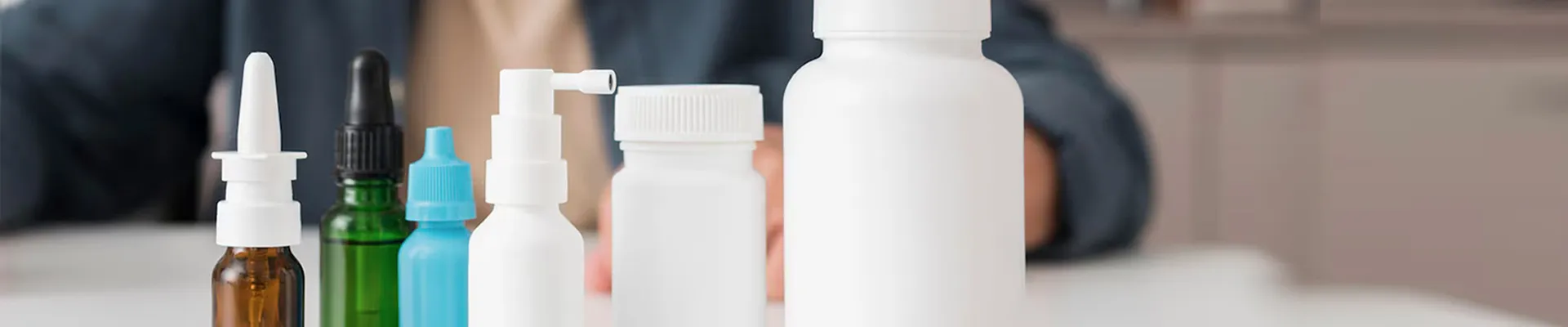


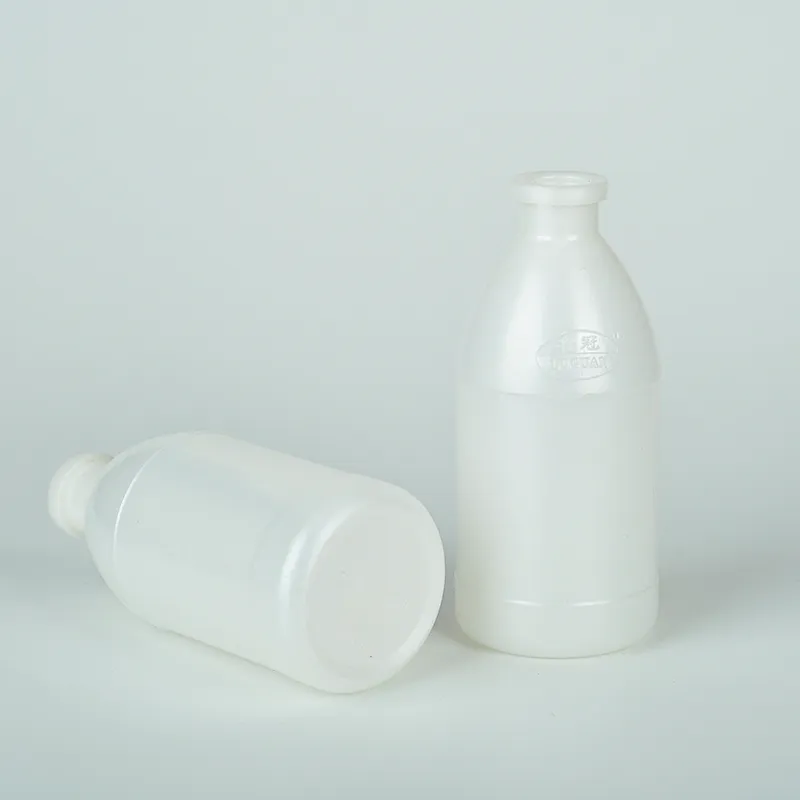
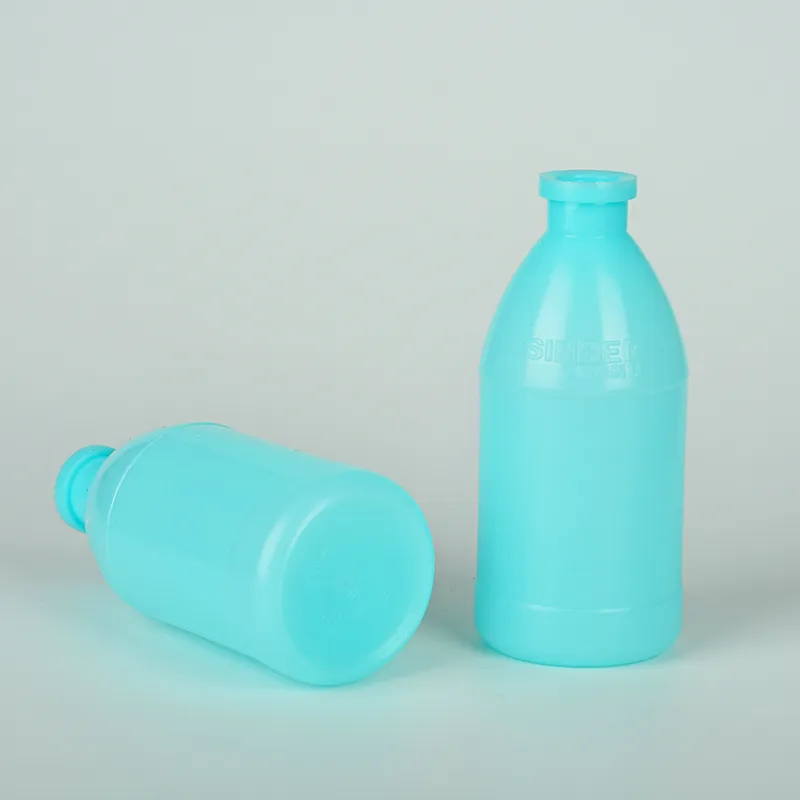
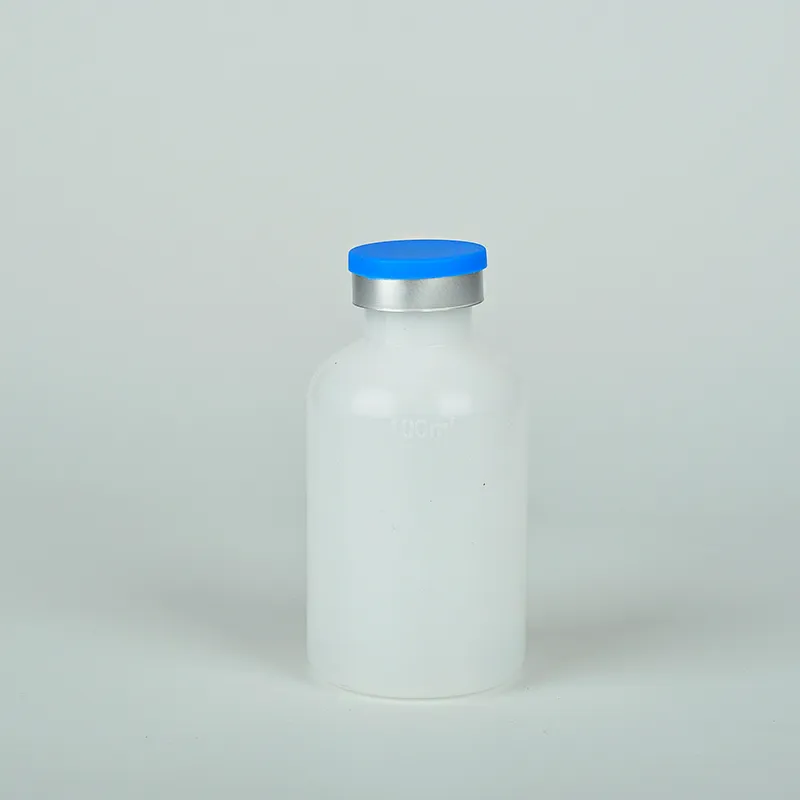
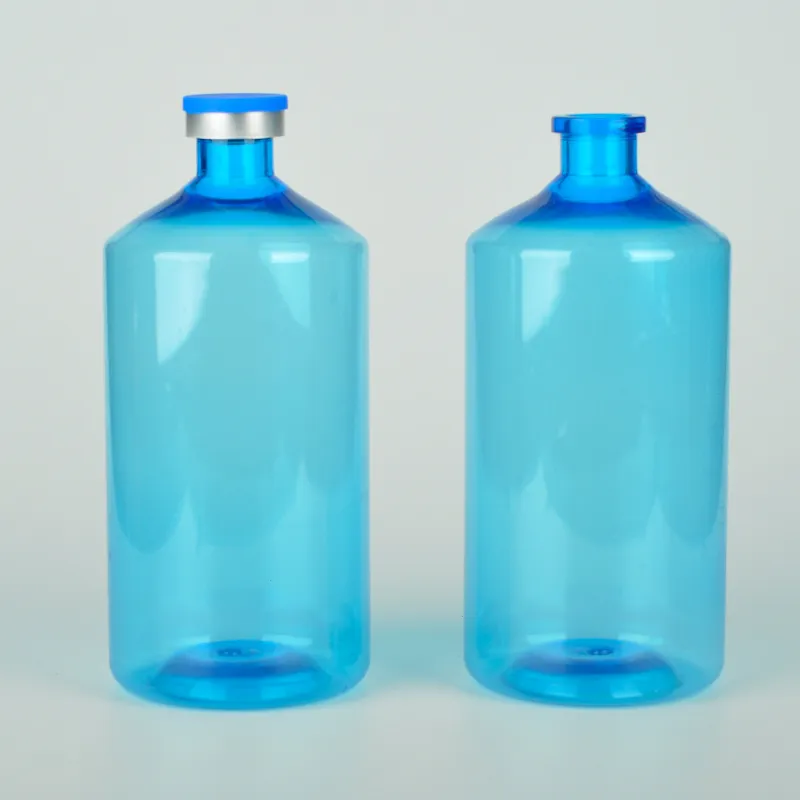
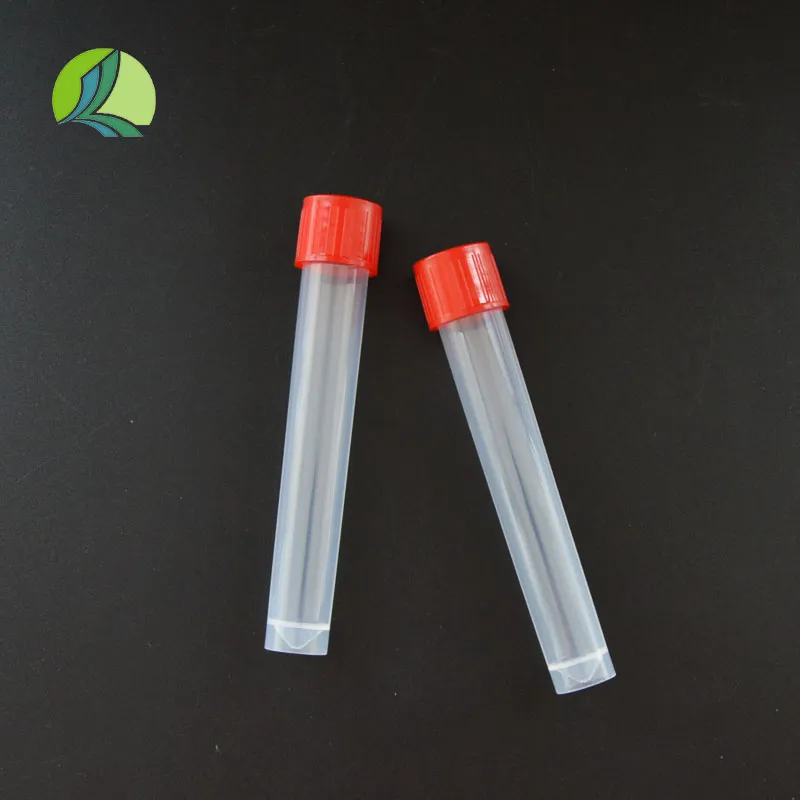
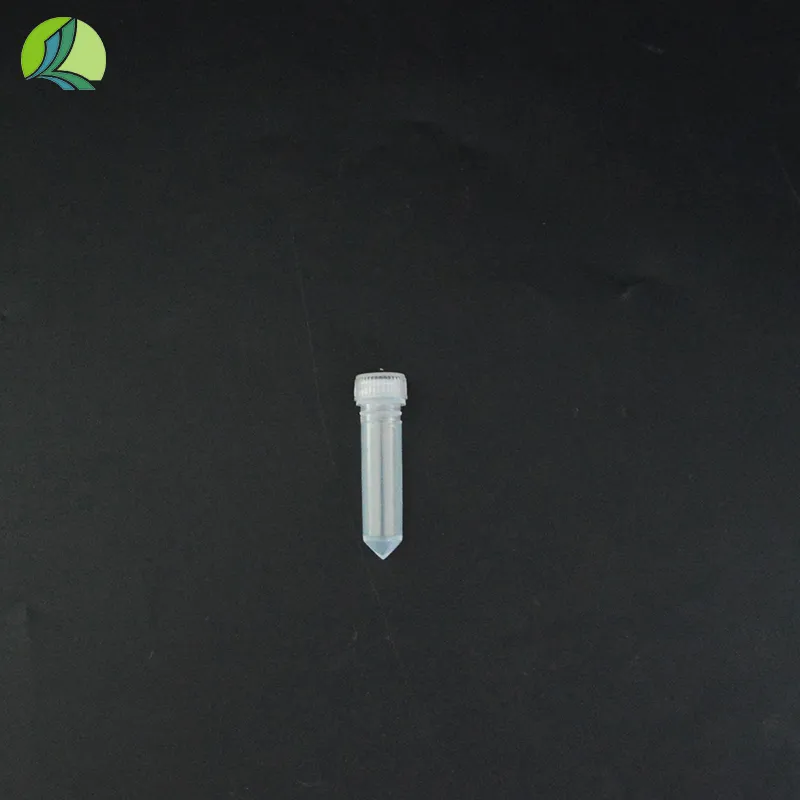
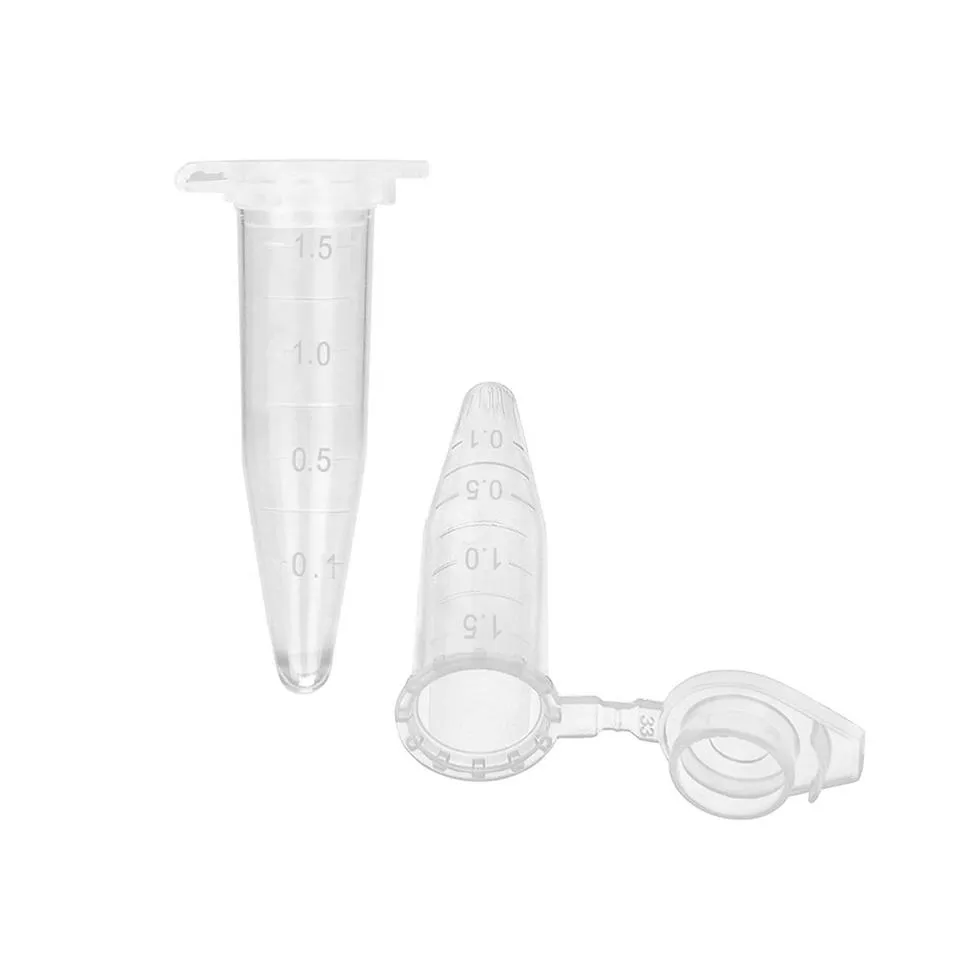
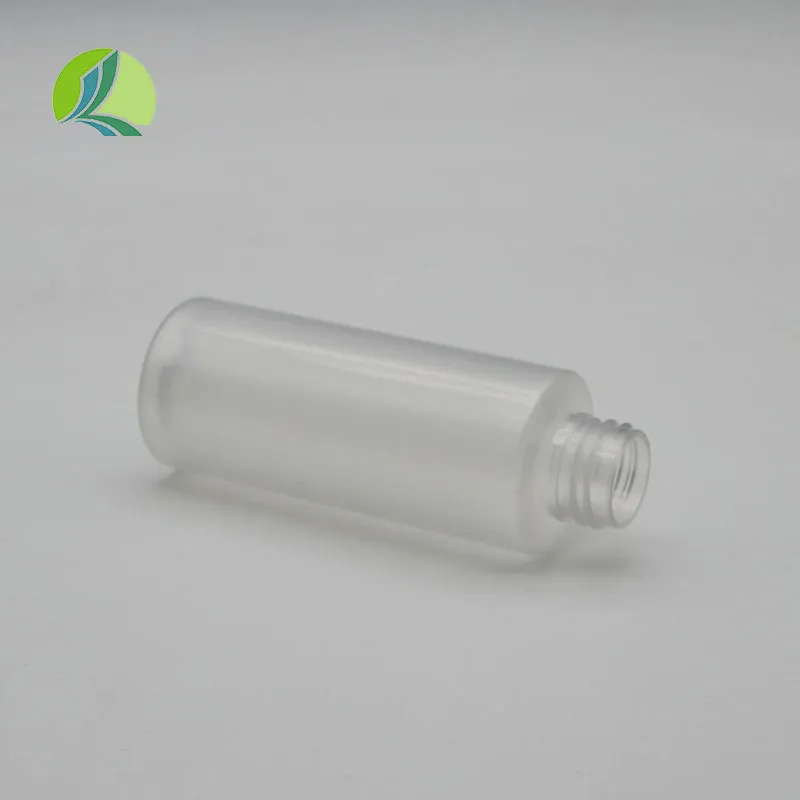
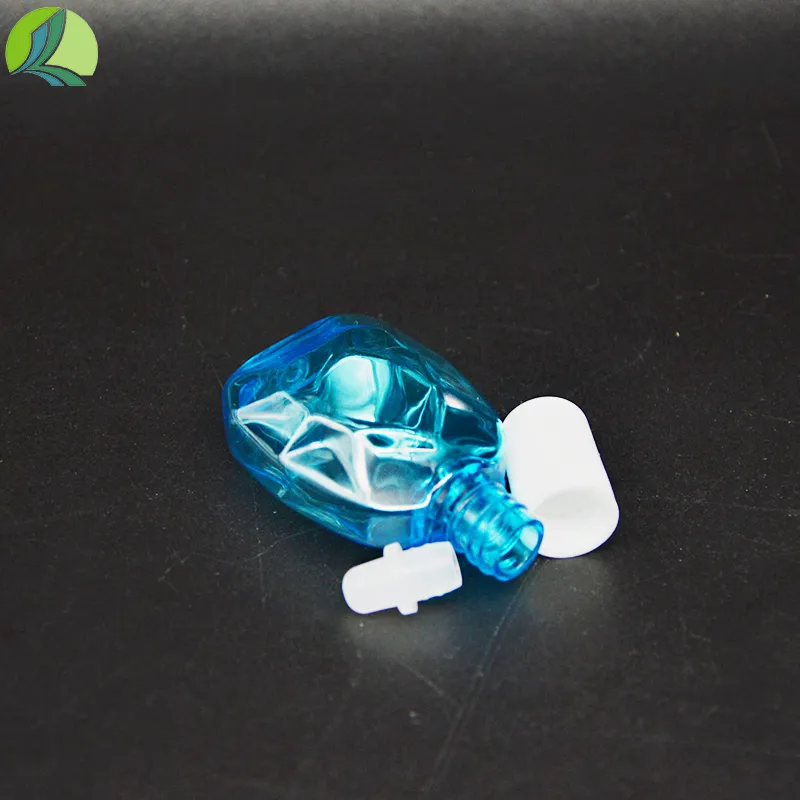
Translucent Blue Plastic Vaccine Vials for Lab & Vet Liquid Med
The Crucial Role of Advanced Vial Technology in Modern Healthcare
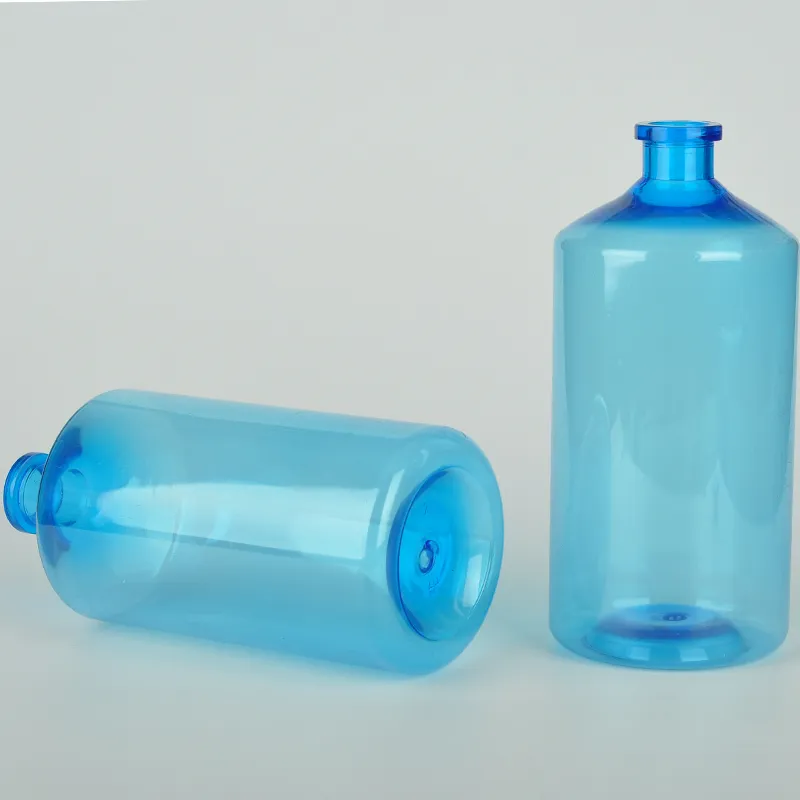
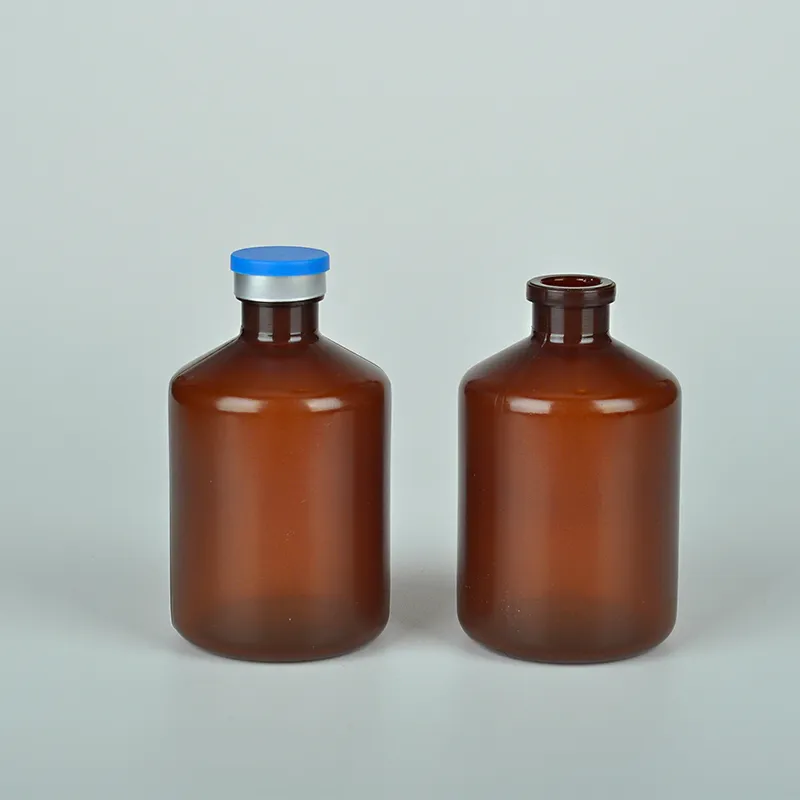
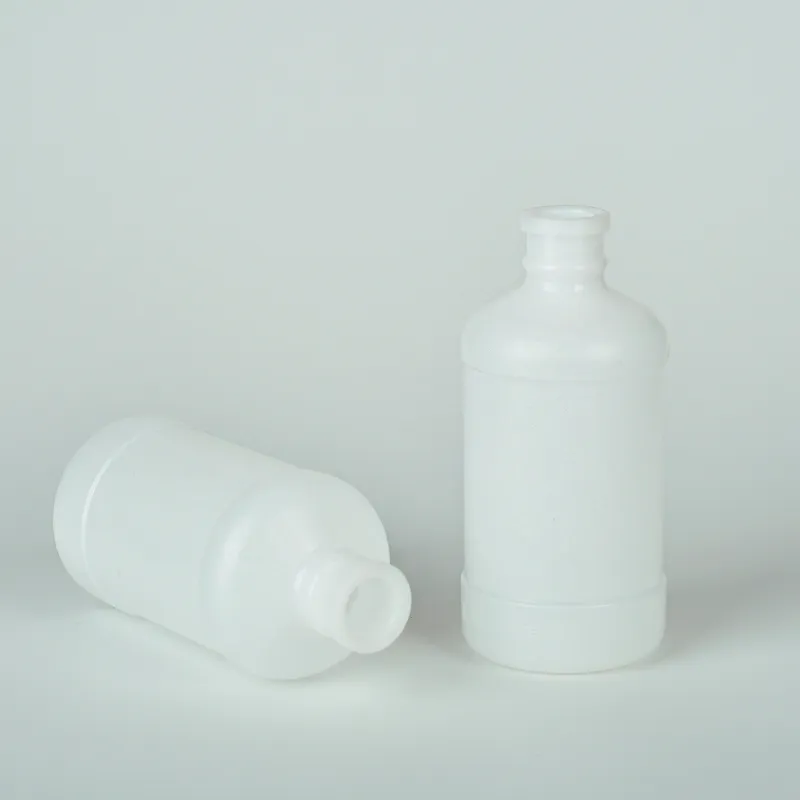
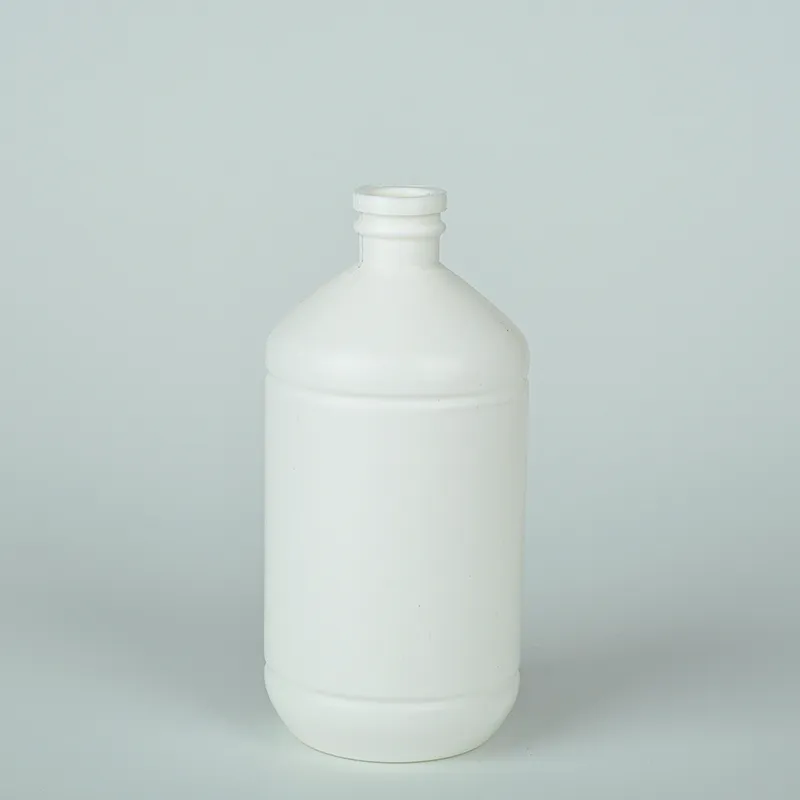
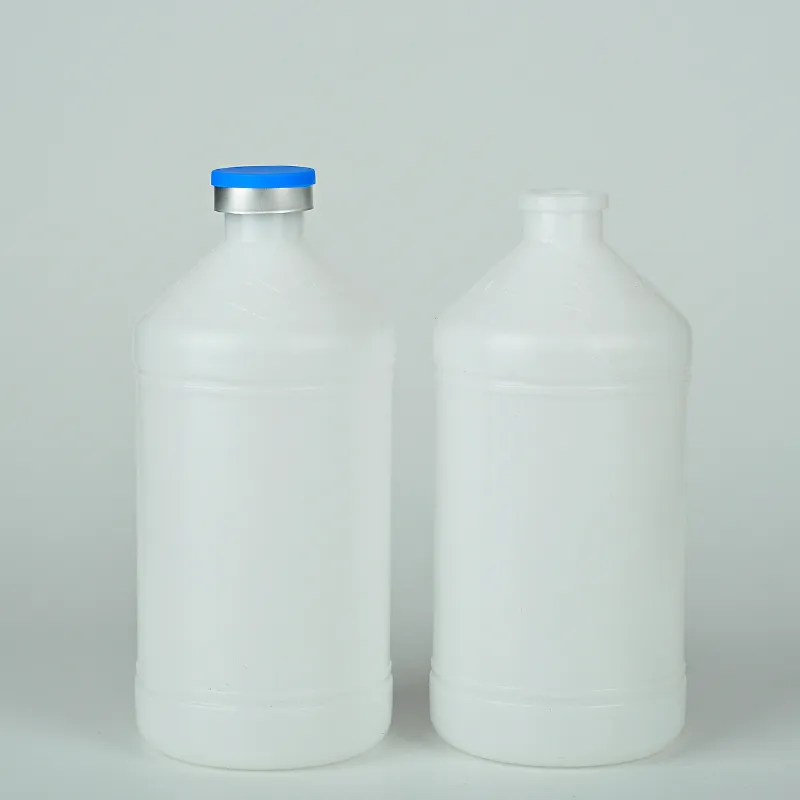
In the rapidly evolving landscape of pharmaceuticals, biotechnology, and veterinary medicine, the integrity and stability of delicate biologicals and active pharmaceutical ingredients (APIs) are paramount. The choice of primary packaging is not merely a logistical decision but a critical determinant of product efficacy, safety, and shelf-life. Among the advanced solutions available, the Translucent Blue Plastic Vaccine Vial Laboratory Veterinary Medicine Liquid Vial stands out as a high-performance containment solution engineered for demanding applications. Its specialized design and material composition address the stringent requirements of sterility, chemical inertness, light protection, and precise dosage delivery essential for vaccines, laboratory reagents, and various veterinary medicinal liquids. This document delves into the technical intricacies, manufacturing excellence, and strategic advantages that position this vial as an indispensable asset in modern healthcare and scientific endeavors.
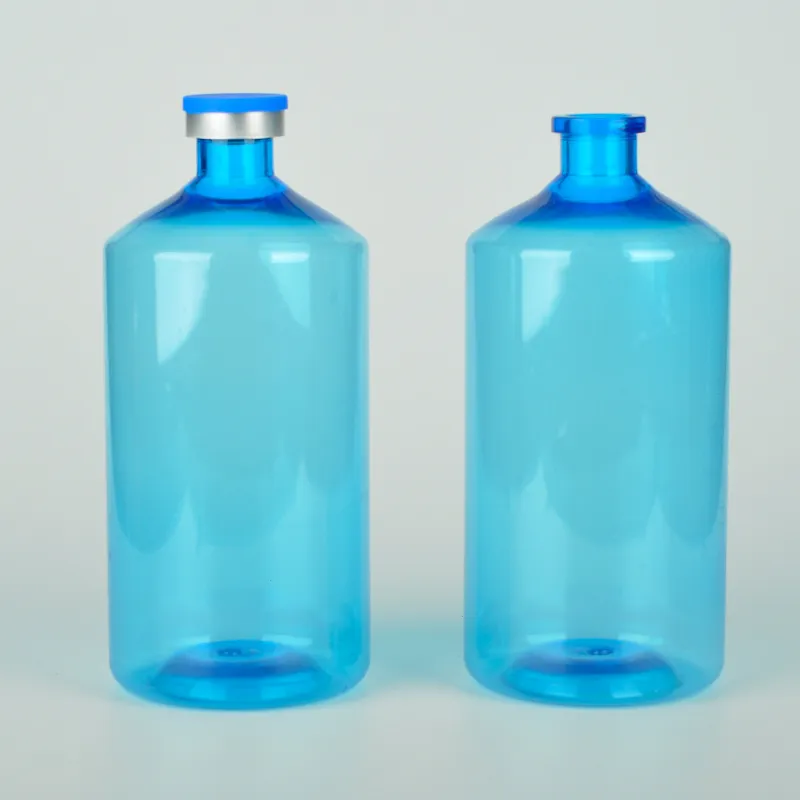
The drive for enhanced patient safety, reduced breakage risks, and improved supply chain efficiency has propelled the shift towards advanced polymer-based primary packaging. Traditional glass vials, while robust in certain aspects, present challenges related to breakage during transport, delamination risks, and limitations in certain drug formulations due to extractables. Plastic vials, particularly those crafted from medical-grade polymers, offer a compelling alternative, marrying superior chemical resistance with physical resilience.
Industry Trends and Market Dynamics in Primary Packaging
The global market for pharmaceutical primary packaging is experiencing significant growth, driven by increasing demand for injectable drugs, vaccines, and biologics. According to a report by Grand View Research, the global pharmaceutical packaging market size was valued at USD 111.4 billion in 2022 and is expected to grow at a compound annual growth rate (CAGR) of 6.5% from 2023 to 2030. Key trends influencing this market include:
- Shift Towards Polymer-Based Solutions: The industry is increasingly adopting polymer materials like Cyclic Olefin Copolymers (COC/COP) and medical-grade Polypropylene (PP) due to their excellent barrier properties, inertness, and superior break resistance compared to glass. This trend is particularly evident in high-value biologics and vaccines where product integrity is non-negotiable.
- Enhanced Protection Against Light Degradation: Many biological and chemical formulations are sensitive to light exposure. Packaging solutions incorporating UV-blocking agents or specific tints, such as the translucent blue, are gaining traction to mitigate photolytic degradation. This directly impacts the shelf life and efficacy of stored substances.
- Sustainability and Eco-Friendly Initiatives: While plastics face scrutiny, manufacturers are investing in recyclable materials, lightweight designs, and optimized manufacturing processes to reduce environmental footprint, aligning with global sustainability goals.
- Regulatory Compliance and Quality Assurance: Stricter regulatory guidelines (e.g., FDA, EMA, USP) for primary packaging demand higher quality standards, robust testing, and comprehensive documentation, emphasizing materials that meet USP Class VI criteria and are free from extractables and leachables.
- Automation and High-Speed Filling Compatibility: Modern pharmaceutical production lines require packaging that can seamlessly integrate with high-speed automated filling, capping, and inspection systems. Vials with precise dimensional tolerances and robust designs are essential for minimizing downtime and maximizing throughput.
These trends underscore the demand for specialized primary packaging solutions like the Translucent Blue Plastic Vaccine Vial Laboratory Veterinary Medicine Liquid Vial, which combines material science advancements with practical application needs, offering a robust and reliable option for sensitive liquid formulations.
Technical Specifications and Material Science Excellence
Advanced Polymer Composition for Optimal Performance
The foundation of the Translucent Blue Plastic Vaccine Vial Laboratory Veterinary Medicine Liquid Vial's superior performance lies in its carefully selected polymer material. Typically, these vials are manufactured from medical-grade Polypropylene (PP) or Cyclic Olefin Copolymer (COC), chosen for their exceptional purity, chemical resistance, and inertness.
- Medical-Grade Polypropylene (PP): Known for its excellent chemical resistance to a broad range of solvents, acids, and bases. It offers good heat resistance, making it compatible with various sterilization methods. PP is also cost-effective and provides a good balance of clarity and strength. The blue tint is achieved through specialized medical-grade masterbatches that do not leach.
- Cyclic Olefin Copolymer (COC/COP): Represents a newer generation of polymer materials for pharmaceutical packaging. COC offers superior clarity, exceptional barrier properties (especially against moisture), and extremely low extractables and leachables, making it ideal for sensitive biologics. It also exhibits high break resistance and is often preferred for high-end applications due to its glass-like optical properties.
Key characteristics that define the quality of these materials include:
- USP Class VI Compliance: Ensures biocompatibility and safety for direct contact with pharmaceutical products.
- BPA-Free: Eliminates concerns related to endocrine disruptors.
- Low Extractables and Leachables (E&L): Minimizes the risk of drug contamination or degradation, crucial for maintaining product stability and efficacy.
- Gamma Radiation Sterilization Compatibility: The materials are designed to withstand gamma or E-beam sterilization without significant degradation or alteration of physical properties.
- Excellent Barrier Properties: Protects contents from moisture, oxygen, and other environmental contaminants.
Product Specification Table: Typical Translucent Blue Plastic Vaccine Vial
| Parameter | Specification |
|---|---|
| Material | Medical-Grade Polypropylene (PP) or Cyclic Olefin Copolymer (COC) |
| Color | Translucent Blue (UV protection: ~300-450 nm wavelength reduction) |
| Volume Capacity Range | 2 mL, 5 mL, 10 mL, 20 mL, 30 mL, 50 mL |
| Neck Finish | Standard crimp (e.g., 13mm, 20mm) or screw-top (e.g., GL25) |
| Sterilization Method | Gamma Irradiation (25-40 kGy), E-beam, or Autoclavable (PP only) |
| Biocompatibility | USP Class VI compliant, ISO 10993 tested |
| Extractables & Leachables | Extremely low levels, often pre-qualified with FDA DMF support |
| Operating Temperature Range | -80°C to +121°C (depending on material and contents) |
| Shatter Resistance | High (significantly more resistant than Type I glass) |
| Chemical Resistance | Excellent against acids, bases, alcohols, and common lab reagents |
The Manufacturing Process Flow: Precision and Purity
The production of the Translucent Blue Plastic Vaccine Vial Laboratory Veterinary Medicine Liquid Vial is a meticulously controlled, multi-stage process designed to ensure the highest levels of sterility, dimensional accuracy, and material integrity. Adherence to cGMP (current Good Manufacturing Practices) and ISO 13485 standards is fundamental throughout.
Schematic Steps of Vial Manufacturing:
-
1. Material Procurement & Quality Assurance:
Only virgin, medical-grade polymer resins (PP or COC) are sourced from approved suppliers. These materials undergo rigorous incoming quality control to verify certifications (e.g., USP Class VI, FDA Drug Master File support) and material properties before use. The blue tint masterbatch is also confirmed to be medical-grade and free of heavy metals.
-
2. Injection Molding (or Extrusion Blow Molding for some designs):
In a controlled cleanroom environment (typically ISO Class 7 or 8), the polymer pellets are fed into a precision injection molding machine. Here, the material is melted and injected under high pressure into meticulously designed, highly polished molds. This process forms the vial bodies with extreme dimensional accuracy and a smooth, defect-free surface finish critical for optical clarity and drug compatibility. For certain larger or unique designs, extrusion blow molding might be employed.
-
3. Cooling & Ejection:
Once injected, the plastic cools rapidly within the mold, solidifying into the final vial shape. The cooled vials are then automatically ejected from the mold. Precise temperature control during this stage prevents warping and ensures consistent product geometry.
-
4. Automated Visual Inspection & Deflashing:
Each vial undergoes automated optical inspection using high-speed camera systems to detect any cosmetic defects, dimensional deviations, or particulate matter. Any flash (excess material) from the molding process is precisely removed. This ensures the integrity of the vial and compatibility with automated filling lines.
-
5. Sterilization (Gamma or E-beam):
After manufacturing, the vials are often supplied pre-sterilized. Common methods include gamma irradiation (e.g., 25-40 kGy) or electron beam (E-beam) sterilization. These processes effectively eliminate microbial contamination without compromising the material's structural integrity or chemical properties. Sterilization is performed by validated, certified partners.
-
6. Packaging:
The sterilized vials are immediately packaged in double-bagged, protective packaging within the cleanroom environment. This typically involves robust, impermeable bags designed to maintain sterility during transport and storage until they reach the customer's aseptic filling facility. Each batch is clearly labeled with sterilization dates and batch numbers for full traceability.
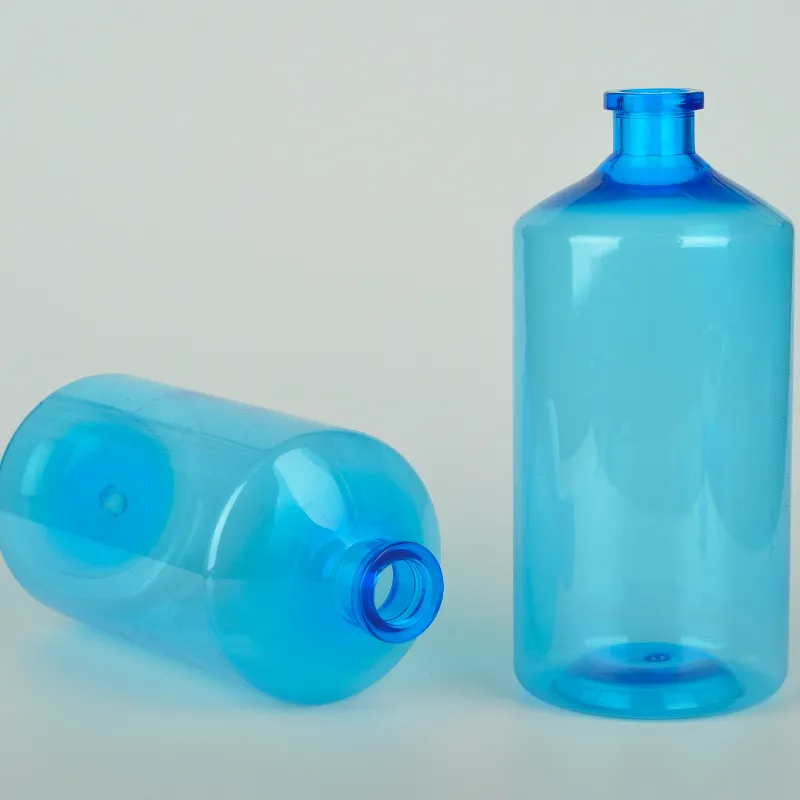
Throughout this process, continuous in-process quality checks and post-production validation tests (e.g., dimensional checks, functional tests, extractables/leachables testing) are performed to ensure compliance with international standards such such as ISO 13485 (Medical Devices – Quality Management Systems), USP (United States Pharmacopeia) for pharmaceutical packaging, and specific client requirements.
Technical Advantages and Performance Superiority
The distinct advantages of the Translucent Blue Plastic Vaccine Vial Laboratory Veterinary Medicine Liquid Vial make it a preferred choice over traditional glass vials in many critical applications:
- Enhanced Product Protection (Light & Chemical): The translucent blue tint effectively filters out harmful UV and visible light wavelengths (typically 300-450 nm), protecting light-sensitive formulations from degradation. The polymer material itself offers superior chemical inertness, preventing interaction with sensitive compounds, unlike some glass types that can lead to delamination or pH shifts.
- Unrivaled Break Resistance: Plastic vials virtually eliminate the risk of breakage during transport, handling, freezing, or centrifugation. This significantly reduces product loss, improves safety for laboratory personnel, and streamlines logistics, especially in high-volume vaccine distribution.
- Reduced Particulate Contamination: Unlike glass, which can shed micro-particulates from the surface, medical-grade plastic vials are inherently cleaner. Combined with cleanroom manufacturing, this minimizes the risk of particulate contamination in sterile products.
- Lightweight and Cost-Effective Logistics: Plastic vials are significantly lighter than their glass counterparts, leading to reduced shipping costs and a smaller carbon footprint. Their shatter-proof nature also means less need for bulky, protective secondary packaging.
- Precise Dosing and Compatibility with Automated Systems: Manufactured with tight dimensional tolerances, these vials ensure consistent fit for stoppers and caps, preventing leakage and facilitating high-speed, accurate filling on automated lines. This precision is critical for multi-dose vaccine presentations where exact volume is paramount.
- Flexibility in Sterilization: Compatible with standard industrial sterilization methods like gamma irradiation and E-beam, providing versatile options for aseptic processing.
Application Scenarios and Exemplary Case Studies
The versatility and robust performance of the Translucent Blue Plastic Vaccine Vial Laboratory Veterinary Medicine Liquid Vial make it suitable for a broad spectrum of critical applications across various industries:
Target Industries and Specific Use Cases:
- Pharmaceuticals (Vaccines & Biologics): Ideal for single-dose and multi-dose vaccines, where sterility, light protection, and shatter resistance are paramount. Also used for sensitive biologics, peptides, and other injectables requiring an inert contact surface. The blue tint ensures protection from UV light, which can degrade vaccine antigens.
- Veterinary Medicine: Widely adopted for animal vaccines, antibiotics, and other liquid therapeutics. The robust nature of plastic vials is particularly beneficial in field conditions or high-throughput veterinary clinics, reducing breakage and ensuring product availability.
- Clinical & Diagnostic Laboratories: Essential for packaging diagnostic reagents, controls, calibrators, and patient samples. Their chemical resistance makes them compatible with a wide range of analytical solutions, while sterility ensures assay integrity.
- Research & Development: Used for storing sensitive compounds, cell culture media, and experimental solutions that require protection from light and minimal interaction with the container111 material.
Application Case Study Example: Global Vaccine Distribution Initiative
A leading global pharmaceutical company faced significant challenges with glass vial breakage during the cold chain transport of its new avian influenza vaccine to remote regions. Breakage rates approached 3-5% for some high-risk routes, leading to substantial product loss and logistical nightmares.
Solution: The company transitioned to 5 mL Translucent Blue Plastic Vaccine Vial Laboratory Veterinary Medicine Liquid Vials made from COC. These vials, pre-sterilized by gamma irradiation, offered not only superior shatter resistance but also enhanced UV protection for the light-sensitive vaccine formulation.
Results: Post-implementation, breakage rates dropped to less than 0.1%, representing a 95%+ reduction. The lightweight nature of the plastic vials also reduced shipping weight by 15%, leading to measurable cost savings in freight. Crucially, the vaccine's efficacy remained consistent, validating the material's inertness and protective properties. This transition allowed for safer, more efficient, and more reliable distribution of critical vaccines globally.
Vendor Comparison: Plastic Vial Materials
Choosing the right material for a plastic vial is critical and depends on the specific drug product, regulatory requirements, and budget. Below is a comparison of common polymer materials used for vaccine and laboratory vials, highlighting their suitability for products like the Translucent Blue Plastic Vaccine Vial Laboratory Veterinary Medicine Liquid Vial.
Comparative Table: Polymer Vial Materials
| Feature | Polypropylene (PP) | Cyclic Olefin Copolymer (COC/COP) | Polyethylene (PE) |
|---|---|---|---|
| Clarity / Translucency | Translucent | Glass-like transparent | Opaque to Translucent |
| Chemical Resistance | Excellent (broad spectrum) | Excellent (highly inert) | Good (limited solvent resistance) |
| Barrier Properties (Moisture) | Good | Excellent | Good |
| Extractables & Leachables | Very Low | Extremely Low (often preferred for biologics) | Low to Moderate |
| Sterilization Compatibility | Gamma, E-beam, Autoclave | Gamma, E-beam, EtO | Gamma, E-beam, EtO |
| Shatter Resistance | High | Very High | High |
| Cost-Effectiveness | Excellent | Moderate to High | Excellent |
This comparison highlights why PP and COC are the primary choices for high-performance applications like the Translucent Blue Plastic Vaccine Vial Laboratory Veterinary Medicine Liquid Vial, offering the optimal balance of performance, safety, and cost. While PE is cost-effective, its lower clarity and barrier properties often make it less suitable for sensitive vaccine or diagnostic applications.
Customized Solutions for Unique Requirements
Recognizing that specialized medical and laboratory applications often have unique demands, reputable manufacturers offer comprehensive customization services for the Translucent Blue Plastic Vaccine Vial Laboratory Veterinary Medicine Liquid Vial. This ensures that the primary packaging perfectly aligns with specific drug formulations, filling processes, and regulatory pathways.
- Custom Volumes and Dimensions: Beyond standard sizes (2mL to 50mL), vials can be engineered for specific fill volumes or to integrate seamlessly into existing automated filling lines with unique height, diameter, or neck finish requirements.
- Tailored Material Selection: While PP and COC are standard, specific formulations (e.g., ultra-low extractables PP) or blends can be developed to optimize chemical compatibility for highly sensitive APIs or challenging solvent systems.
- Closure Compatibility: Design optimization for various closure types including crimp caps, screw caps, snap-on caps, and integrated stoppers, ensuring a secure seal and compatibility with patient administration routes.
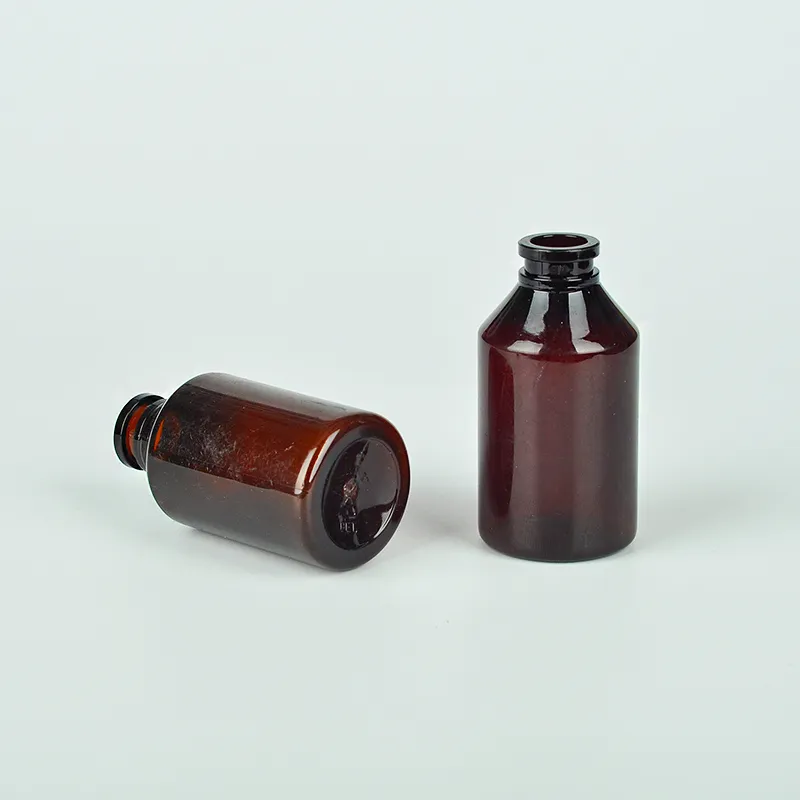
- Enhanced Light Protection: The blue tint's opacity and specific UV-blocking range can be adjusted to provide even greater protection for extremely photosensitive compounds, or alternative tints (e.g., amber) can be explored.
- Surface Treatments and Coatings: For certain applications, specialized internal coatings or surface treatments can be applied to further reduce protein adsorption, prevent product interaction, or enhance barrier properties without compromising the vial's primary benefits.
- Integrated Labeling and Serialization: Options for pre-printed labels, serialization, or integration with tamper-evident features can be discussed to streamline downstream packaging processes and enhance supply chain security.
A collaborative approach between the client's R&D and the manufacturer's engineering teams is crucial to developing bespoke solutions that meet all functional, regulatory, and commercial objectives.
Authoritativeness and Trustworthiness: Our Commitment
Our dedication to quality, compliance, and customer satisfaction is fundamental to our operations. We understand that in the pharmaceutical and medical device industries, trust is built upon verifiable credentials and consistent performance.
Certifications and Regulatory Compliance:
- ISO 9001:2015 Certified: Demonstrates our commitment to a robust quality management system across all operations.
- ISO 13485:2016 Certified: Specific to medical devices, ensuring strict adherence to regulatory requirements for the design, development, production, and distribution of primary packaging.
- USP Class VI & FDA DMF Support: All materials used for the Translucent Blue Plastic Vaccine Vial Laboratory Veterinary Medicine Liquid Vial comply with USP Class VI standards for biocompatibility. We provide Drug Master File (DMF) support to facilitate our clients' regulatory submissions (e.g., FDA, EMA).
- Cleanroom Manufacturing: Vials are produced in certified cleanroom environments (ISO Class 7 or 8) to minimize particulate and microbial contamination.
Frequently Asked Questions (FAQ):
A: Yes, certain polymer formulations (especially COC and specialized PP) are designed to withstand cryogenic temperatures (e.g., -80°C, -196°C in vapor phase liquid nitrogen) without compromising vial integrity, provided appropriate closures are used.
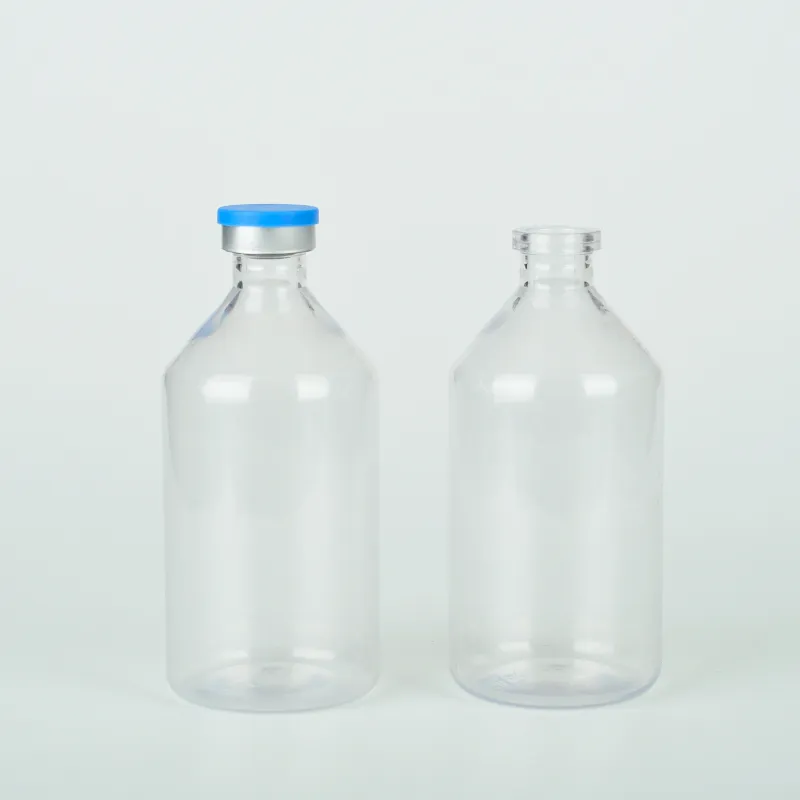
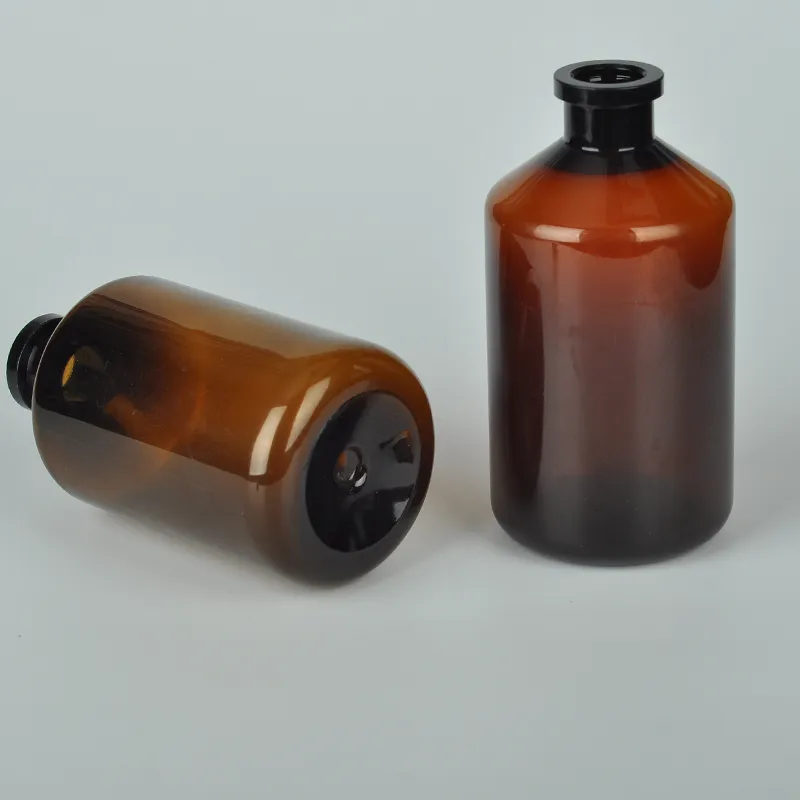
A: Absolutely. While translucent blue offers specific light protection, we offer clear, amber, or other custom tints. The degree of opacity and specific wavelength blocking can also be tailored.
A: Lead times vary based on customization complexity, order volume, and current production schedules. For standard items, lead times typically range from 4-8 weeks. Custom molds and specialized materials may extend this to 12-16 weeks. We work closely with clients to provide accurate timelines and manage expectations.
Lead Time & Fulfillment:
We maintain robust production capabilities and a well-managed supply chain to ensure timely delivery. Standard products are often available from stock or with short lead times. For custom orders, a dedicated project manager will provide detailed timelines from design approval to delivery, ensuring transparency at every stage.
Warranty and Customer Support:
All our products, including the Translucent Blue Plastic Vaccine Vial Laboratory Veterinary Medicine Liquid Vial, are manufactured to the highest industry standards and come with a comprehensive warranty against defects in material and workmanship. Our dedicated customer support team and technical experts are available to assist with product selection, application guidance, regulatory documentation, and post-sales inquiries, ensuring a seamless experience for our B2B partners.
Conclusion: Advancing Pharmaceutical and Veterinary Packaging
The continuous evolution in pharmaceutical and veterinary medicine demands primary packaging solutions that do more than merely contain. They must actively protect, preserve, and facilitate the safe and efficient delivery of life-saving and health-enhancing formulations. The Translucent Blue Plastic Vaccine Vial Laboratory Veterinary Medicine Liquid Vial represents a pinnacle in this advancement, offering a meticulously engineered solution that addresses critical needs for sterility, light protection, chemical inertness, and physical resilience.
By integrating cutting-edge material science with precision manufacturing processes, these vials provide a reliable, high-performance alternative to traditional glass. Their proven advantages in reducing breakage, enhancing product stability, and streamlining logistics position them as an essential component for pharmaceutical companies, vaccine manufacturers, and veterinary product developers striving for excellence in product integrity and patient safety. Investing in such advanced primary packaging is not just a choice, but a strategic imperative for navigating the complexities of modern healthcare and laboratory environments.
References
- Grand View Research. (2023). Pharmaceutical Packaging Market Size, Share & Trends Analysis Report By Material, By Product, By Drug Delivery Mode, By End-use, By Region, And Segment Forecasts, 2023 – 2030. Available from: https://www.grandviewresearch.com/industry-analysis/pharmaceutical-packaging-market
- United States Pharmacopeia. (2024). USP General Chapter Assessment of Extractables in Pharmaceutical Packaging/Delivery Systems. Available from: https://www.usp.org
- International Organization for Standardization. (2016). ISO 13485:2016 Medical devices — Quality management systems — Requirements for regulatory purposes. Available from: https://www.iso.org
- ASTM International. (2023). ASTM F1886/F1886M-16 Standard Test Method for Integrity of Flexible Packaging Seals by Dry Indicator. Available from: https://www.astm.org
-
Guide to Sourcing High Quality wholesale mister bottles for BusinessNewsApr.16,2026
-
Top Quality Spray Bottle 100ml Suppliers for Your Business NeedsNewsApr.09,2026
-
Comprehensive Guide to Pet Spray Bottle Manufacturers and Packaging SolutionsNewsApr.07,2026
-
Comprehensive Guide to Finding Reliable Perfume Sprayers SuppliersNewsApr.04,2026
-
Comprehensive Guide to Wholesale Mini Spray Bottles for Various ApplicationsNewsMar.31,2026
-
Comprehensive Guide to Sourcing Mini Plastic Spray Bottles Bulk for Your BusinessNewsMar.28,2026
Translucent Blue Plastic Vaccine Vials for Lab & Vet Liquid Med
The Crucial Role of Advanced Vial Technology in Modern Healthcare
In the rapidly evolving landscape of pharmaceuticals, biotechnology, and veterinary medicine, the integrity and stability of delicate biologicals and active pharmaceutical ingredients (APIs) are paramount. The choice of primary packaging is not merely a logistical decision but a critical determinant of product efficacy, safety, and shelf-life. Among the advanced solutions available, the Translucent Blue Plastic Vaccine Vial Laboratory Veterinary Medicine Liquid Vial stands out as a high-performance containment solution engineered for demanding applications. Its specialized design and material composition address the stringent requirements of sterility, chemical inertness, light protection, and precise dosage delivery essential for vaccines, laboratory reagents, and various veterinary medicinal liquids. This document delves into the technical intricacies, manufacturing excellence, and strategic advantages that position this vial as an indispensable asset in modern healthcare and scientific endeavors.
The drive for enhanced patient safety, reduced breakage risks, and improved supply chain efficiency has propelled the shift towards advanced polymer-based primary packaging. Traditional glass vials, while robust in certain aspects, present challenges related to breakage during transport, delamination risks, and limitations in certain drug formulations due to extractables. Plastic vials, particularly those crafted from medical-grade polymers, offer a compelling alternative, marrying superior chemical resistance with physical resilience.
Industry Trends and Market Dynamics in Primary Packaging
The global market for pharmaceutical primary packaging is experiencing significant growth, driven by increasing demand for injectable drugs, vaccines, and biologics. According to a report by Grand View Research, the global pharmaceutical packaging market size was valued at USD 111.4 billion in 2022 and is expected to grow at a compound annual growth rate (CAGR) of 6.5% from 2023 to 2030. Key trends influencing this market include:
- Shift Towards Polymer-Based Solutions: The industry is increasingly adopting polymer materials like Cyclic Olefin Copolymers (COC/COP) and medical-grade Polypropylene (PP) due to their excellent barrier properties, inertness, and superior break resistance compared to glass. This trend is particularly evident in high-value biologics and vaccines where product integrity is non-negotiable.
- Enhanced Protection Against Light Degradation: Many biological and chemical formulations are sensitive to light exposure. Packaging solutions incorporating UV-blocking agents or specific tints, such as the translucent blue, are gaining traction to mitigate photolytic degradation. This directly impacts the shelf life and efficacy of stored substances.
- Sustainability and Eco-Friendly Initiatives: While plastics face scrutiny, manufacturers are investing in recyclable materials, lightweight designs, and optimized manufacturing processes to reduce environmental footprint, aligning with global sustainability goals.
- Regulatory Compliance and Quality Assurance: Stricter regulatory guidelines (e.g., FDA, EMA, USP) for primary packaging demand higher quality standards, robust testing, and comprehensive documentation, emphasizing materials that meet USP Class VI criteria and are free from extractables and leachables.
- Automation and High-Speed Filling Compatibility: Modern pharmaceutical production lines require packaging that can seamlessly integrate with high-speed automated filling, capping, and inspection systems. Vials with precise dimensional tolerances and robust designs are essential for minimizing downtime and maximizing throughput.
These trends underscore the demand for specialized primary packaging solutions like the Translucent Blue Plastic Vaccine Vial Laboratory Veterinary Medicine Liquid Vial, which combines material science advancements with practical application needs, offering a robust and reliable option for sensitive liquid formulations.
Technical Specifications and Material Science Excellence
Advanced Polymer Composition for Optimal Performance
The foundation of the Translucent Blue Plastic Vaccine Vial Laboratory Veterinary Medicine Liquid Vial's superior performance lies in its carefully selected polymer material. Typically, these vials are manufactured from medical-grade Polypropylene (PP) or Cyclic Olefin Copolymer (COC), chosen for their exceptional purity, chemical resistance, and inertness.
- Medical-Grade Polypropylene (PP): Known for its excellent chemical resistance to a broad range of solvents, acids, and bases. It offers good heat resistance, making it compatible with various sterilization methods. PP is also cost-effective and provides a good balance of clarity and strength. The blue tint is achieved through specialized medical-grade masterbatches that do not leach.
- Cyclic Olefin Copolymer (COC/COP): Represents a newer generation of polymer materials for pharmaceutical packaging. COC offers superior clarity, exceptional barrier properties (especially against moisture), and extremely low extractables and leachables, making it ideal for sensitive biologics. It also exhibits high break resistance and is often preferred for high-end applications due to its glass-like optical properties.
Key characteristics that define the quality of these materials include:
- USP Class VI Compliance: Ensures biocompatibility and safety for direct contact with pharmaceutical products.
- BPA-Free: Eliminates concerns related to endocrine disruptors.
- Low Extractables and Leachables (E&L): Minimizes the risk of drug contamination or degradation, crucial for maintaining product stability and efficacy.
- Gamma Radiation Sterilization Compatibility: The materials are designed to withstand gamma or E-beam sterilization without significant degradation or alteration of physical properties.
- Excellent Barrier Properties: Protects contents from moisture, oxygen, and other environmental contaminants.
Product Specification Table: Typical Translucent Blue Plastic Vaccine Vial
| Parameter | Specification |
|---|---|
| Material | Medical-Grade Polypropylene (PP) or Cyclic Olefin Copolymer (COC) |
| Color | Translucent Blue (UV protection: ~300-450 nm wavelength reduction) |
| Volume Capacity Range | 2 mL, 5 mL, 10 mL, 20 mL, 30 mL, 50 mL |
| Neck Finish | Standard crimp (e.g., 13mm, 20mm) or screw-top (e.g., GL25) |
| Sterilization Method | Gamma Irradiation (25-40 kGy), E-beam, or Autoclavable (PP only) |
| Biocompatibility | USP Class VI compliant, ISO 10993 tested |
| Extractables & Leachables | Extremely low levels, often pre-qualified with FDA DMF support |
| Operating Temperature Range | -80°C to +121°C (depending on material and contents) |
| Shatter Resistance | High (significantly more resistant than Type I glass) |
| Chemical Resistance | Excellent against acids, bases, alcohols, and common lab reagents |
The Manufacturing Process Flow: Precision and Purity
The production of the Translucent Blue Plastic Vaccine Vial Laboratory Veterinary Medicine Liquid Vial is a meticulously controlled, multi-stage process designed to ensure the highest levels of sterility, dimensional accuracy, and material integrity. Adherence to cGMP (current Good Manufacturing Practices) and ISO 13485 standards is fundamental throughout.
Schematic Steps of Vial Manufacturing:
-
1. Material Procurement & Quality Assurance:
Only virgin, medical-grade polymer resins (PP or COC) are sourced from approved suppliers. These materials undergo rigorous incoming quality control to verify certifications (e.g., USP Class VI, FDA Drug Master File support) and material properties before use. The blue tint masterbatch is also confirmed to be medical-grade and free of heavy metals.
-
2. Injection Molding (or Extrusion Blow Molding for some designs):
In a controlled cleanroom environment (typically ISO Class 7 or 8), the polymer pellets are fed into a precision injection molding machine. Here, the material is melted and injected under high pressure into meticulously designed, highly polished molds. This process forms the vial bodies with extreme dimensional accuracy and a smooth, defect-free surface finish critical for optical clarity and drug compatibility. For certain larger or unique designs, extrusion blow molding might be employed.
-
3. Cooling & Ejection:
Once injected, the plastic cools rapidly within the mold, solidifying into the final vial shape. The cooled vials are then automatically ejected from the mold. Precise temperature control during this stage prevents warping and ensures consistent product geometry.
-
4. Automated Visual Inspection & Deflashing:
Each vial undergoes automated optical inspection using high-speed camera systems to detect any cosmetic defects, dimensional deviations, or particulate matter. Any flash (excess material) from the molding process is precisely removed. This ensures the integrity of the vial and compatibility with automated filling lines.
-
5. Sterilization (Gamma or E-beam):
After manufacturing, the vials are often supplied pre-sterilized. Common methods include gamma irradiation (e.g., 25-40 kGy) or electron beam (E-beam) sterilization. These processes effectively eliminate microbial contamination without compromising the material's structural integrity or chemical properties. Sterilization is performed by validated, certified partners.
-
6. Packaging:
The sterilized vials are immediately packaged in double-bagged, protective packaging within the cleanroom environment. This typically involves robust, impermeable bags designed to maintain sterility during transport and storage until they reach the customer's aseptic filling facility. Each batch is clearly labeled with sterilization dates and batch numbers for full traceability.
Throughout this process, continuous in-process quality checks and post-production validation tests (e.g., dimensional checks, functional tests, extractables/leachables testing) are performed to ensure compliance with international standards such such as ISO 13485 (Medical Devices – Quality Management Systems), USP (United States Pharmacopeia) for pharmaceutical packaging, and specific client requirements.
Technical Advantages and Performance Superiority
The distinct advantages of the Translucent Blue Plastic Vaccine Vial Laboratory Veterinary Medicine Liquid Vial make it a preferred choice over traditional glass vials in many critical applications:
- Enhanced Product Protection (Light & Chemical): The translucent blue tint effectively filters out harmful UV and visible light wavelengths (typically 300-450 nm), protecting light-sensitive formulations from degradation. The polymer material itself offers superior chemical inertness, preventing interaction with sensitive compounds, unlike some glass types that can lead to delamination or pH shifts.
- Unrivaled Break Resistance: Plastic vials virtually eliminate the risk of breakage during transport, handling, freezing, or centrifugation. This significantly reduces product loss, improves safety for laboratory personnel, and streamlines logistics, especially in high-volume vaccine distribution.
- Reduced Particulate Contamination: Unlike glass, which can shed micro-particulates from the surface, medical-grade plastic vials are inherently cleaner. Combined with cleanroom manufacturing, this minimizes the risk of particulate contamination in sterile products.
- Lightweight and Cost-Effective Logistics: Plastic vials are significantly lighter than their glass counterparts, leading to reduced shipping costs and a smaller carbon footprint. Their shatter-proof nature also means less need for bulky, protective secondary packaging.
- Precise Dosing and Compatibility with Automated Systems: Manufactured with tight dimensional tolerances, these vials ensure consistent fit for stoppers and caps, preventing leakage and facilitating high-speed, accurate filling on automated lines. This precision is critical for multi-dose vaccine presentations where exact volume is paramount.
- Flexibility in Sterilization: Compatible with standard industrial sterilization methods like gamma irradiation and E-beam, providing versatile options for aseptic processing.
Application Scenarios and Exemplary Case Studies
The versatility and robust performance of the Translucent Blue Plastic Vaccine Vial Laboratory Veterinary Medicine Liquid Vial make it suitable for a broad spectrum of critical applications across various industries:
Target Industries and Specific Use Cases:
- Pharmaceuticals (Vaccines & Biologics): Ideal for single-dose and multi-dose vaccines, where sterility, light protection, and shatter resistance are paramount. Also used for sensitive biologics, peptides, and other injectables requiring an inert contact surface. The blue tint ensures protection from UV light, which can degrade vaccine antigens.
- Veterinary Medicine: Widely adopted for animal vaccines, antibiotics, and other liquid therapeutics. The robust nature of plastic vials is particularly beneficial in field conditions or high-throughput veterinary clinics, reducing breakage and ensuring product availability.
- Clinical & Diagnostic Laboratories: Essential for packaging diagnostic reagents, controls, calibrators, and patient samples. Their chemical resistance makes them compatible with a wide range of analytical solutions, while sterility ensures assay integrity.
- Research & Development: Used for storing sensitive compounds, cell culture media, and experimental solutions that require protection from light and minimal interaction with the container111 material.
Application Case Study Example: Global Vaccine Distribution Initiative
A leading global pharmaceutical company faced significant challenges with glass vial breakage during the cold chain transport of its new avian influenza vaccine to remote regions. Breakage rates approached 3-5% for some high-risk routes, leading to substantial product loss and logistical nightmares.
Solution: The company transitioned to 5 mL Translucent Blue Plastic Vaccine Vial Laboratory Veterinary Medicine Liquid Vials made from COC. These vials, pre-sterilized by gamma irradiation, offered not only superior shatter resistance but also enhanced UV protection for the light-sensitive vaccine formulation.
Results: Post-implementation, breakage rates dropped to less than 0.1%, representing a 95%+ reduction. The lightweight nature of the plastic vials also reduced shipping weight by 15%, leading to measurable cost savings in freight. Crucially, the vaccine's efficacy remained consistent, validating the material's inertness and protective properties. This transition allowed for safer, more efficient, and more reliable distribution of critical vaccines globally.
Vendor Comparison: Plastic Vial Materials
Choosing the right material for a plastic vial is critical and depends on the specific drug product, regulatory requirements, and budget. Below is a comparison of common polymer materials used for vaccine and laboratory vials, highlighting their suitability for products like the Translucent Blue Plastic Vaccine Vial Laboratory Veterinary Medicine Liquid Vial.
Comparative Table: Polymer Vial Materials
| Feature | Polypropylene (PP) | Cyclic Olefin Copolymer (COC/COP) | Polyethylene (PE) |
|---|---|---|---|
| Clarity / Translucency | Translucent | Glass-like transparent | Opaque to Translucent |
| Chemical Resistance | Excellent (broad spectrum) | Excellent (highly inert) | Good (limited solvent resistance) |
| Barrier Properties (Moisture) | Good | Excellent | Good |
| Extractables & Leachables | Very Low | Extremely Low (often preferred for biologics) | Low to Moderate |
| Sterilization Compatibility | Gamma, E-beam, Autoclave | Gamma, E-beam, EtO | Gamma, E-beam, EtO |
| Shatter Resistance | High | Very High | High |
| Cost-Effectiveness | Excellent | Moderate to High | Excellent |
This comparison highlights why PP and COC are the primary choices for high-performance applications like the Translucent Blue Plastic Vaccine Vial Laboratory Veterinary Medicine Liquid Vial, offering the optimal balance of performance, safety, and cost. While PE is cost-effective, its lower clarity and barrier properties often make it less suitable for sensitive vaccine or diagnostic applications.
Customized Solutions for Unique Requirements
Recognizing that specialized medical and laboratory applications often have unique demands, reputable manufacturers offer comprehensive customization services for the Translucent Blue Plastic Vaccine Vial Laboratory Veterinary Medicine Liquid Vial. This ensures that the primary packaging perfectly aligns with specific drug formulations, filling processes, and regulatory pathways.
- Custom Volumes and Dimensions: Beyond standard sizes (2mL to 50mL), vials can be engineered for specific fill volumes or to integrate seamlessly into existing automated filling lines with unique height, diameter, or neck finish requirements.
- Tailored Material Selection: While PP and COC are standard, specific formulations (e.g., ultra-low extractables PP) or blends can be developed to optimize chemical compatibility for highly sensitive APIs or challenging solvent systems.
- Closure Compatibility: Design optimization for various closure types including crimp caps, screw caps, snap-on caps, and integrated stoppers, ensuring a secure seal and compatibility with patient administration routes.
- Enhanced Light Protection: The blue tint's opacity and specific UV-blocking range can be adjusted to provide even greater protection for extremely photosensitive compounds, or alternative tints (e.g., amber) can be explored.
- Surface Treatments and Coatings: For certain applications, specialized internal coatings or surface treatments can be applied to further reduce protein adsorption, prevent product interaction, or enhance barrier properties without compromising the vial's primary benefits.
- Integrated Labeling and Serialization: Options for pre-printed labels, serialization, or integration with tamper-evident features can be discussed to streamline downstream packaging processes and enhance supply chain security.
A collaborative approach between the client's R&D and the manufacturer's engineering teams is crucial to developing bespoke solutions that meet all functional, regulatory, and commercial objectives.
Authoritativeness and Trustworthiness: Our Commitment
Our dedication to quality, compliance, and customer satisfaction is fundamental to our operations. We understand that in the pharmaceutical and medical device industries, trust is built upon verifiable credentials and consistent performance.
Certifications and Regulatory Compliance:
- ISO 9001:2015 Certified: Demonstrates our commitment to a robust quality management system across all operations.
- ISO 13485:2016 Certified: Specific to medical devices, ensuring strict adherence to regulatory requirements for the design, development, production, and distribution of primary packaging.
- USP Class VI & FDA DMF Support: All materials used for the Translucent Blue Plastic Vaccine Vial Laboratory Veterinary Medicine Liquid Vial comply with USP Class VI standards for biocompatibility. We provide Drug Master File (DMF) support to facilitate our clients' regulatory submissions (e.g., FDA, EMA).
- Cleanroom Manufacturing: Vials are produced in certified cleanroom environments (ISO Class 7 or 8) to minimize particulate and microbial contamination.
Frequently Asked Questions (FAQ):
A: Yes, certain polymer formulations (especially COC and specialized PP) are designed to withstand cryogenic temperatures (e.g., -80°C, -196°C in vapor phase liquid nitrogen) without compromising vial integrity, provided appropriate closures are used.
A: Absolutely. While translucent blue offers specific light protection, we offer clear, amber, or other custom tints. The degree of opacity and specific wavelength blocking can also be tailored.
A: Lead times vary based on customization complexity, order volume, and current production schedules. For standard items, lead times typically range from 4-8 weeks. Custom molds and specialized materials may extend this to 12-16 weeks. We work closely with clients to provide accurate timelines and manage expectations.
Lead Time & Fulfillment:
We maintain robust production capabilities and a well-managed supply chain to ensure timely delivery. Standard products are often available from stock or with short lead times. For custom orders, a dedicated project manager will provide detailed timelines from design approval to delivery, ensuring transparency at every stage.
Warranty and Customer Support:
All our products, including the Translucent Blue Plastic Vaccine Vial Laboratory Veterinary Medicine Liquid Vial, are manufactured to the highest industry standards and come with a comprehensive warranty against defects in material and workmanship. Our dedicated customer support team and technical experts are available to assist with product selection, application guidance, regulatory documentation, and post-sales inquiries, ensuring a seamless experience for our B2B partners.
Conclusion: Advancing Pharmaceutical and Veterinary Packaging
The continuous evolution in pharmaceutical and veterinary medicine demands primary packaging solutions that do more than merely contain. They must actively protect, preserve, and facilitate the safe and efficient delivery of life-saving and health-enhancing formulations. The Translucent Blue Plastic Vaccine Vial Laboratory Veterinary Medicine Liquid Vial represents a pinnacle in this advancement, offering a meticulously engineered solution that addresses critical needs for sterility, light protection, chemical inertness, and physical resilience.
By integrating cutting-edge material science with precision manufacturing processes, these vials provide a reliable, high-performance alternative to traditional glass. Their proven advantages in reducing breakage, enhancing product stability, and streamlining logistics position them as an essential component for pharmaceutical companies, vaccine manufacturers, and veterinary product developers striving for excellence in product integrity and patient safety. Investing in such advanced primary packaging is not just a choice, but a strategic imperative for navigating the complexities of modern healthcare and laboratory environments.
References
- Grand View Research. (2023). Pharmaceutical Packaging Market Size, Share & Trends Analysis Report By Material, By Product, By Drug Delivery Mode, By End-use, By Region, And Segment Forecasts, 2023 – 2030. Available from: https://www.grandviewresearch.com/industry-analysis/pharmaceutical-packaging-market
- United States Pharmacopeia. (2024). USP General Chapter <1663> Assessment of Extractables in Pharmaceutical Packaging/Delivery Systems. Available from: https://www.usp.org
- International Organization for Standardization. (2016). ISO 13485:2016 Medical devices — Quality management systems — Requirements for regulatory purposes. Available from: https://www.iso.org
- ASTM International. (2023). ASTM F1886/F1886M-16 Standard Test Method for Integrity of Flexible Packaging Seals by Dry Indicator. Available from: https://www.astm.org