


Exploring Different Kinds of Spray Bottles For Various Applications
Understanding Different Kinds of Spray Bottles
Spray bottles are ubiquitous in various industries, from cleaning and cosmetics to agriculture and automotive. Choosing the right spray bottle isn't just about convenience; it's about functionality, durability, and ensuring optimal product application. This article will explore the diverse world of spray bottles, detailing different types, their applications, and key considerations when making a purchase. Selecting the ideal bottle can significantly impact efficiency and cost-effectiveness.
Types of Spray Bottles: A Comprehensive Overview
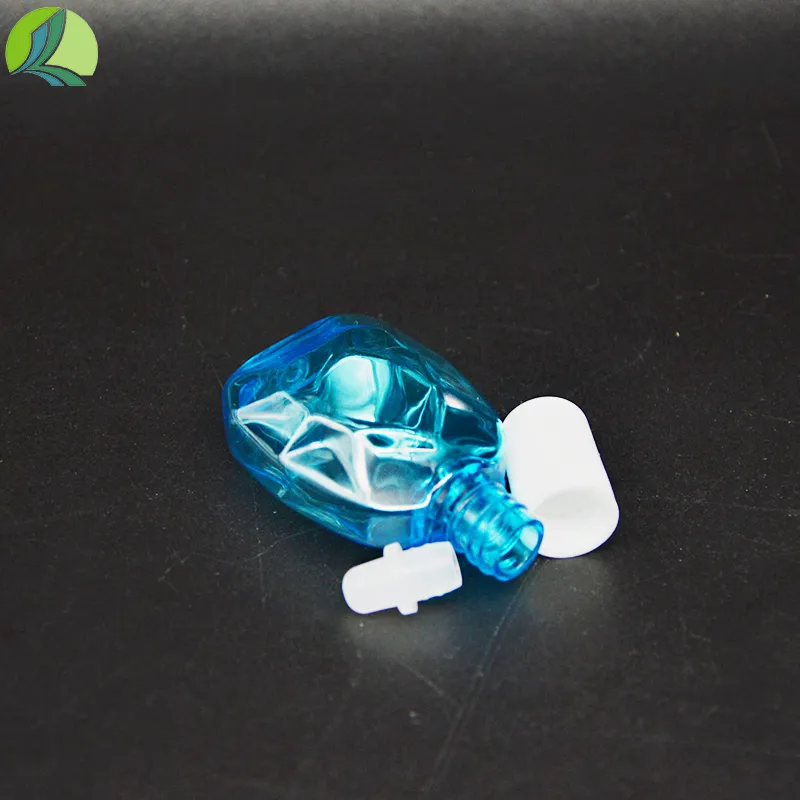
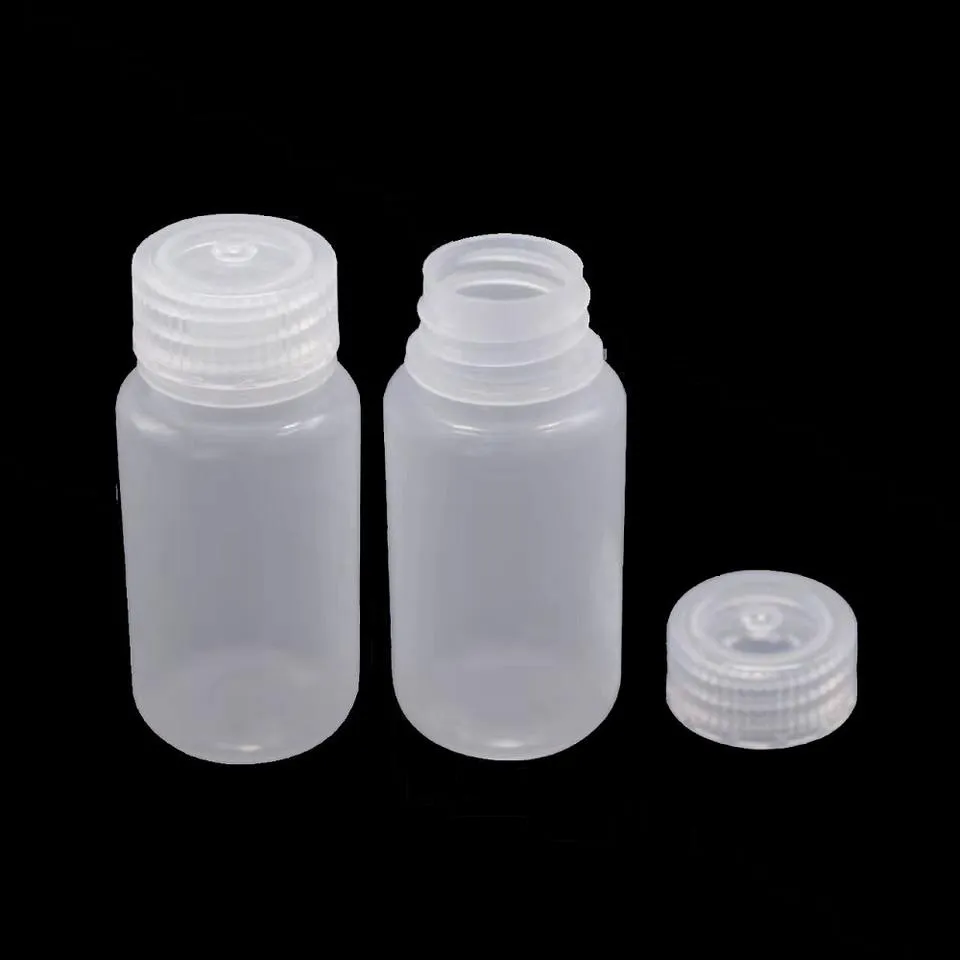
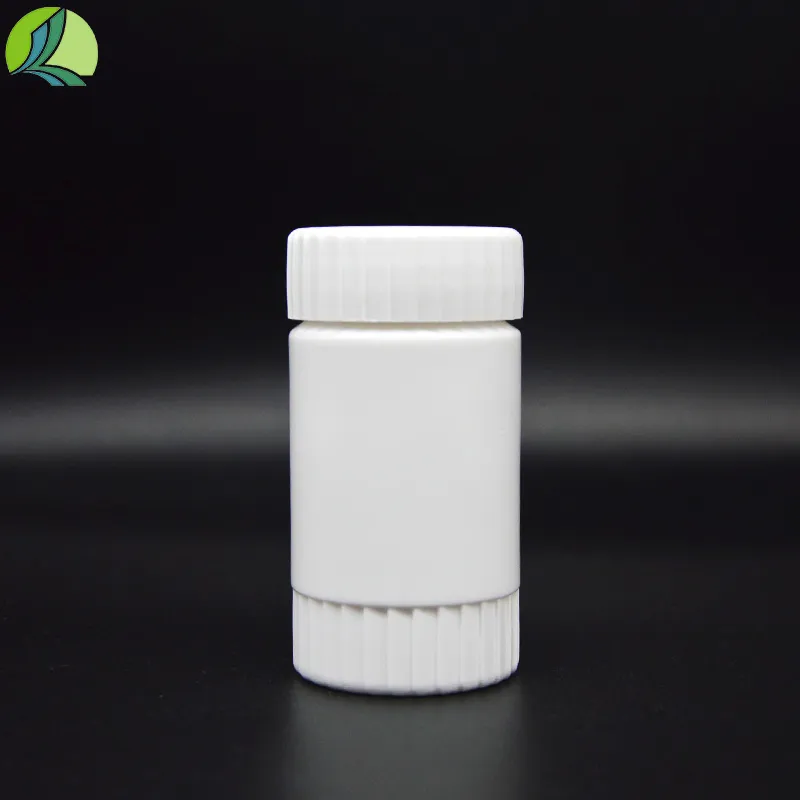
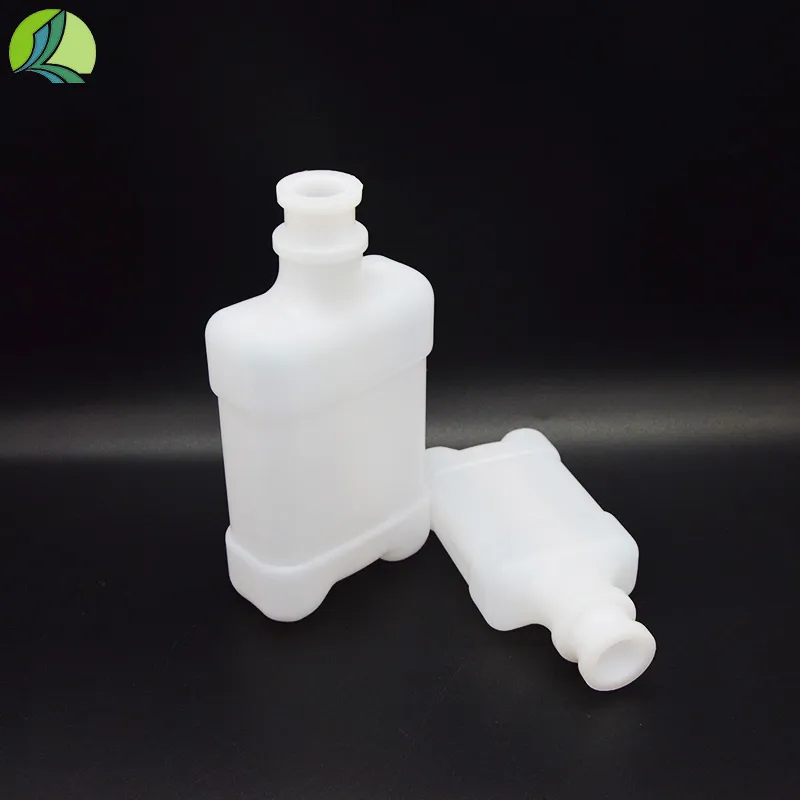
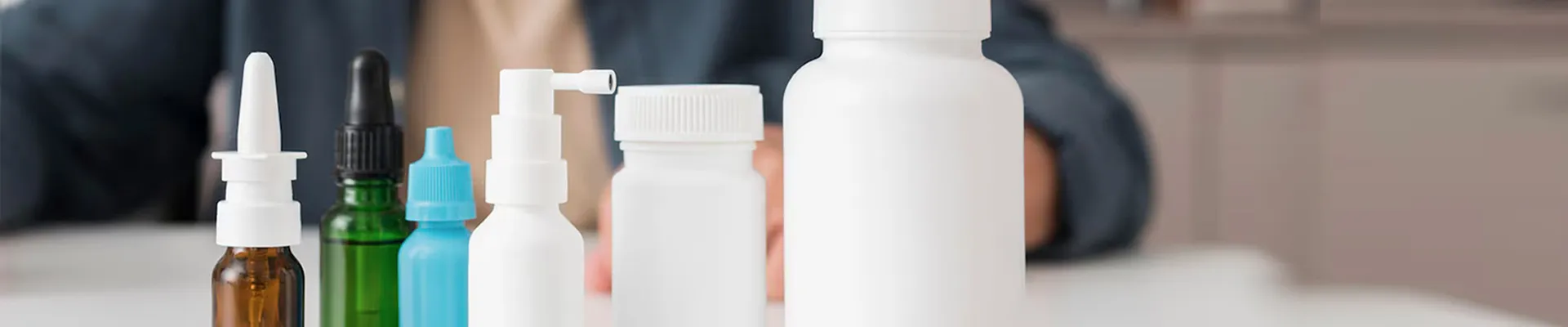
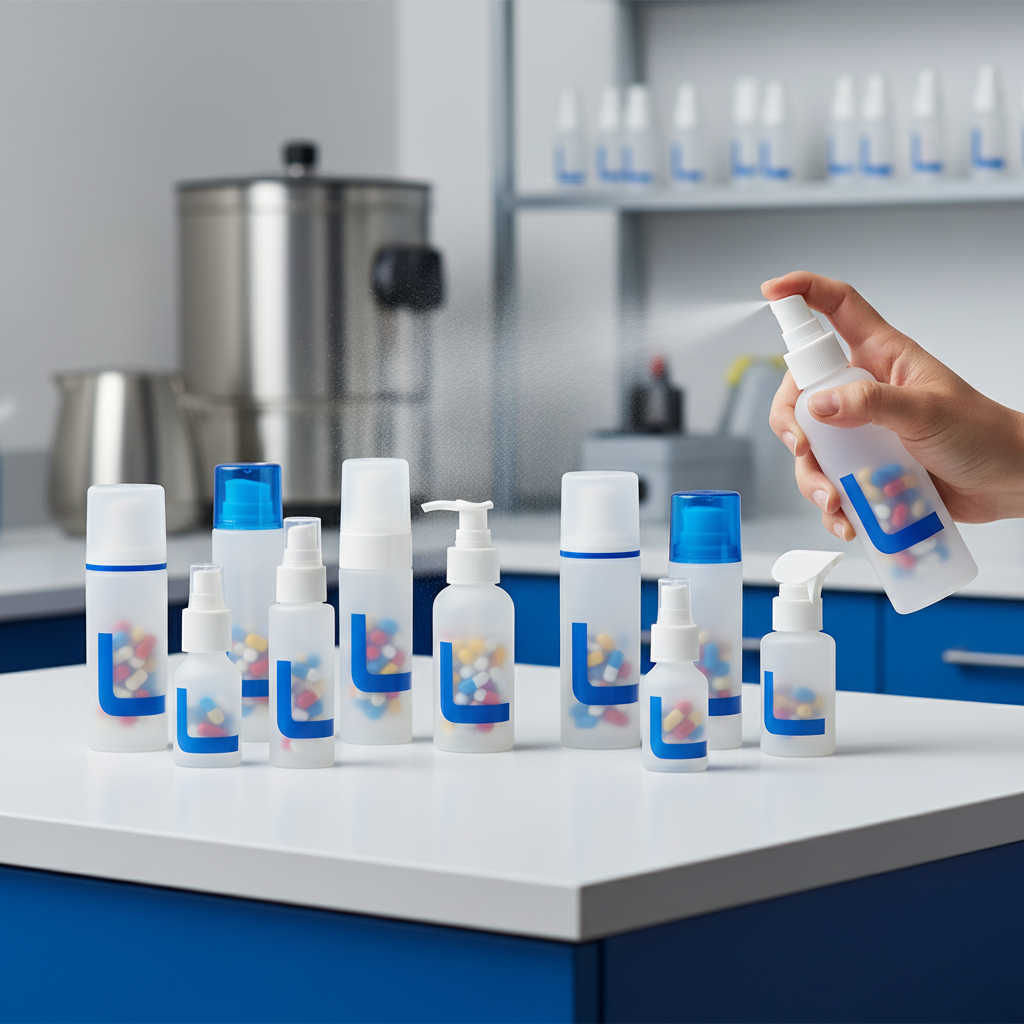
The spray bottle market offers a wide range of options, each designed for specific applications. Understanding the nuances of each type is crucial for making an informed decision. Common types include trigger sprayers, finger sprayers, mist sprayers, and pump sprayers. Each possesses unique characteristics regarding spray pattern, output volume, and suitability for different liquids. The material composition also plays a vital role, with options ranging from PET and HDPE to glass and stainless steel.
Key Takeaway: The choice of spray bottle depends heavily on the viscosity of the liquid, the desired spray pattern, and the frequency of use.
Trigger Spray Bottles: The Workhorse of the Industry
Trigger spray bottles are perhaps the most commonly encountered type. They utilize a trigger mechanism to generate pressure and create a spray. These are ideal for cleaning solutions, disinfectants, and hair products. The adjustable nozzles allow for switching between stream, spray, and foam settings. Their robust construction and relatively low cost make them a popular choice for both household and industrial applications. WK Packaging offers a wide range of trigger spray bottles with varying capacities and nozzle options.
Trigger Sprayer Advantages:
• Adjustable spray patterns
• High output volume
• Durable and reliable
• Cost-effective
Comparing Spray Bottle Types: A Detailed Look
Understanding the differences between spray bottle types requires a comparative analysis. Here’s a breakdown of common options, outlining their strengths and weaknesses to help you make the best choice for your specific needs.
Materials Matter: Choosing the Right Bottle Composition
The material of a spray bottle significantly impacts its compatibility with different liquids and its overall durability. PET (Polyethylene Terephthalate) is a common choice due to its lightweight nature and recyclability, making it suitable for many water-based solutions. HDPE (High-Density Polyethylene) offers greater chemical resistance and is often used for harsher chemicals. Glass bottles are ideal for essential oils and fragrances, as they prevent chemical interactions, while stainless steel provides exceptional durability and resistance to corrosion.
The Future of Spray Bottle Technology
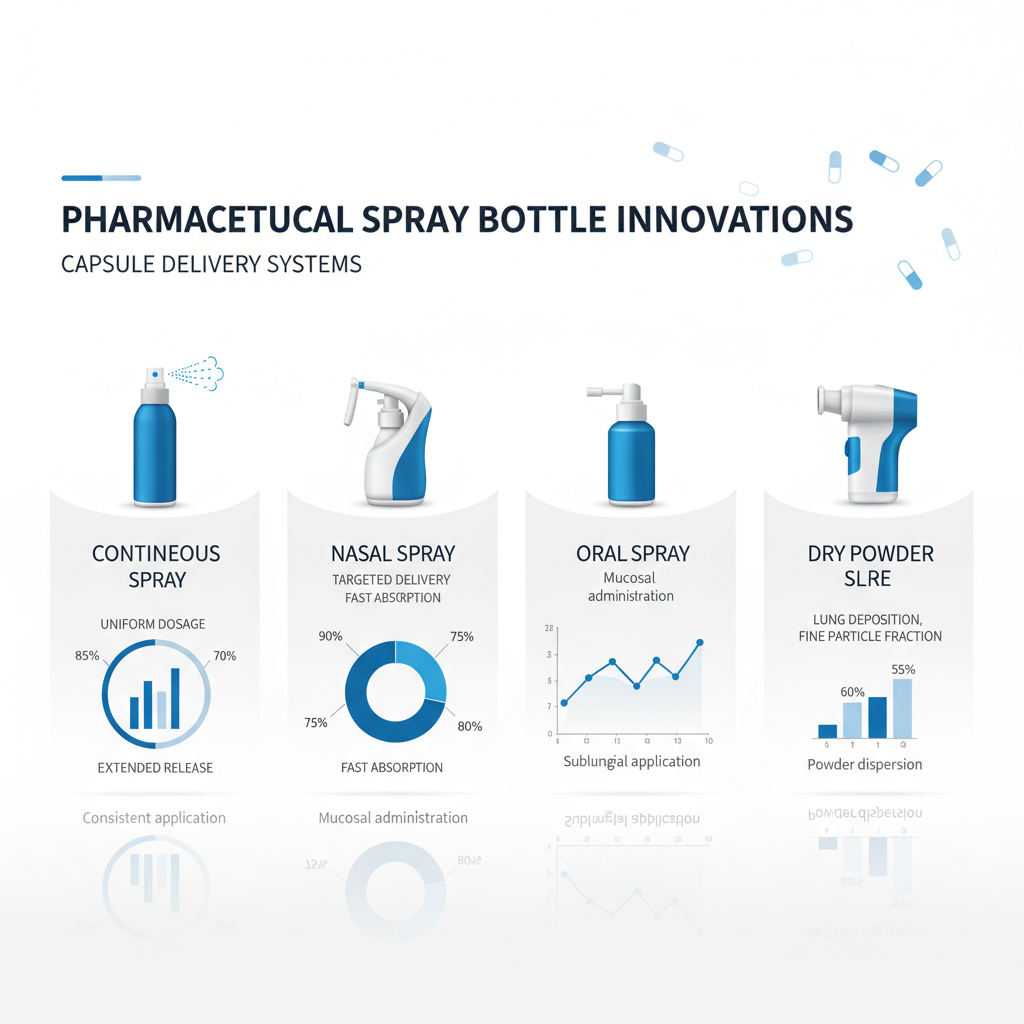
Innovation in spray bottle technology is ongoing. Emerging trends include the development of more sustainable materials, such as bio-plastics, and the integration of smart features like dosage control and digital tracking. Companies like WK Packaging are at the forefront of these developments, offering cutting-edge solutions to meet evolving industry demands. The focus is shifting towards creating spray bottles that are not only functional but also environmentally responsible.
Conclusion: Selecting the Perfect Spray Bottle
Choosing the right spray bottle requires careful consideration of your specific application, the type of liquid you'll be dispensing, and your budget. By understanding the different types of bottles available and their respective strengths and weaknesses, you can make an informed decision that optimizes performance and efficiency. WK Packaging provides a comprehensive selection of high-quality spray bottles to meet all your needs.
Frequently Asked Questions (FAQs)
What are the key factors to consider when choosing a spray bottle?
When selecting a spray bottle, consider the type of liquid you'll be dispensing (viscosity, chemical compatibility), the desired spray pattern (stream, mist, foam), the required output volume, and the frequency of use. Also, think about the material composition – PET, HDPE, glass, or stainless steel – based on the liquid's properties. The ergonomic design and ease of use are also important factors for operator comfort and efficiency. Finally, budget and sustainability considerations can help narrow down your options.
How do I determine the right nozzle for my application?
The appropriate nozzle depends on the desired spray characteristics. A fine mist nozzle is ideal for cosmetics and hair products, providing a delicate spray. A stream nozzle is suited for concentrated cleaning solutions or garden chemicals. Adjustable nozzles offer versatility, allowing you to switch between different spray patterns. If you require a broader coverage area, consider a fan spray nozzle. Experimenting with different nozzles is often the best way to find the perfect fit for your needs.
What is the difference between PET and HDPE spray bottles?
PET (Polyethylene Terephthalate) is lightweight, clear, and recyclable, making it ideal for water-based solutions and cosmetics. However, it has limited chemical resistance. HDPE (High-Density Polyethylene) is more durable, offers excellent chemical resistance, and is suitable for harsher chemicals like cleaning solutions and automotive fluids. HDPE bottles are typically opaque. Choose HDPE for greater chemical compatibility and durability, and PET for lighter applications with water-based products.
-
Guide to Sourcing High Quality wholesale mister bottles for BusinessNewsApr.16,2026
-
Top Quality Spray Bottle 100ml Suppliers for Your Business NeedsNewsApr.09,2026
-
Comprehensive Guide to Pet Spray Bottle Manufacturers and Packaging SolutionsNewsApr.07,2026
-
Comprehensive Guide to Finding Reliable Perfume Sprayers SuppliersNewsApr.04,2026
-
Comprehensive Guide to Wholesale Mini Spray Bottles for Various ApplicationsNewsMar.31,2026
-
Comprehensive Guide to Sourcing Mini Plastic Spray Bottles Bulk for Your BusinessNewsMar.28,2026