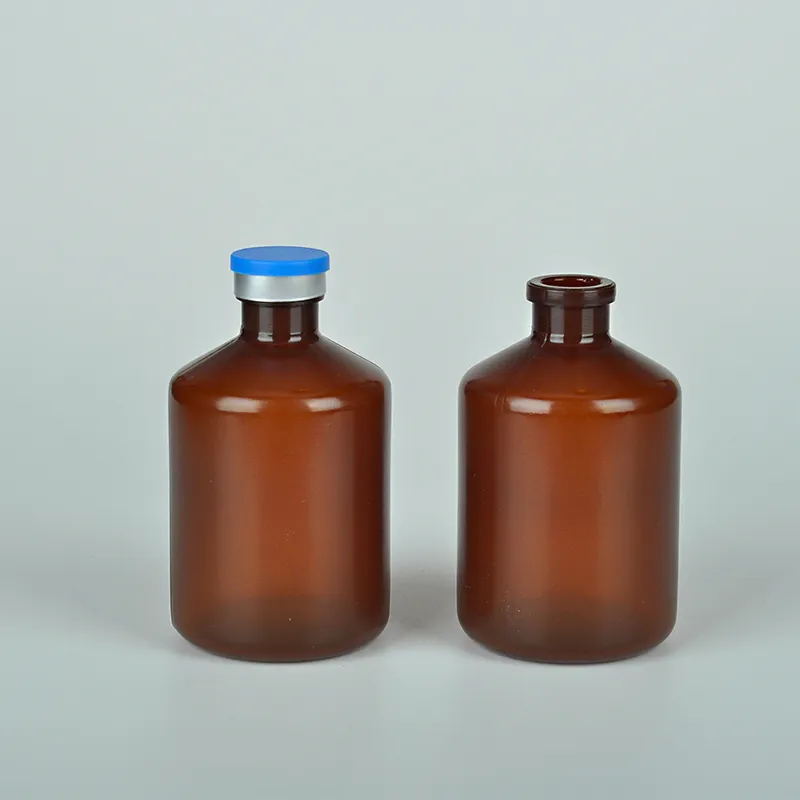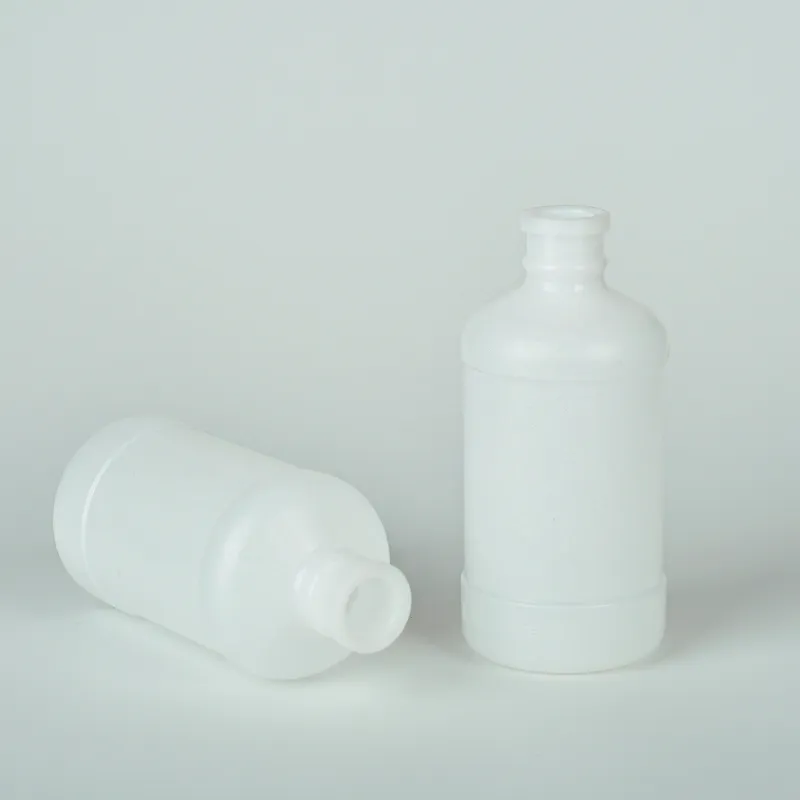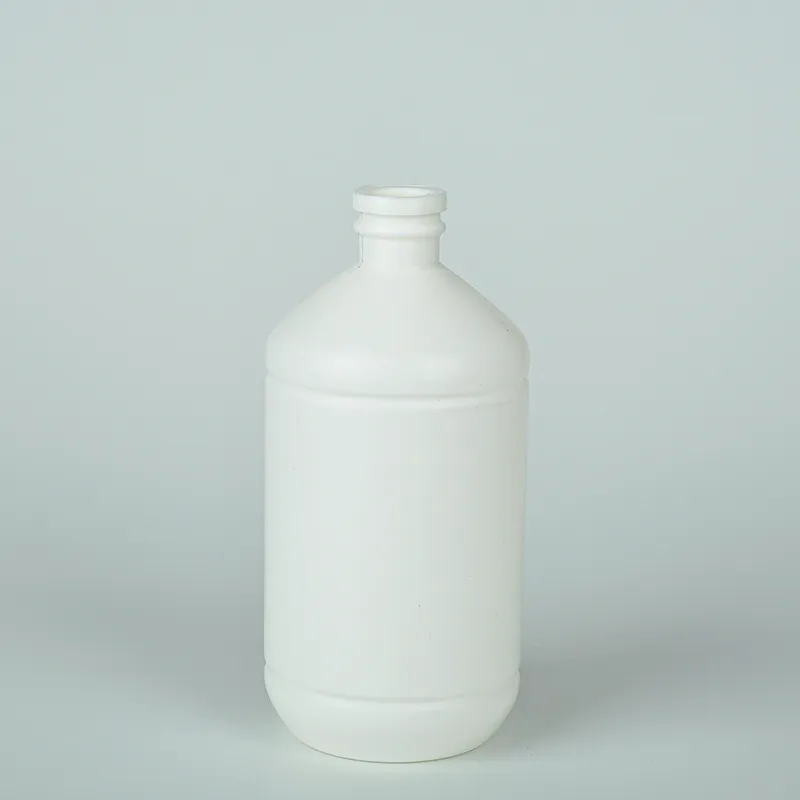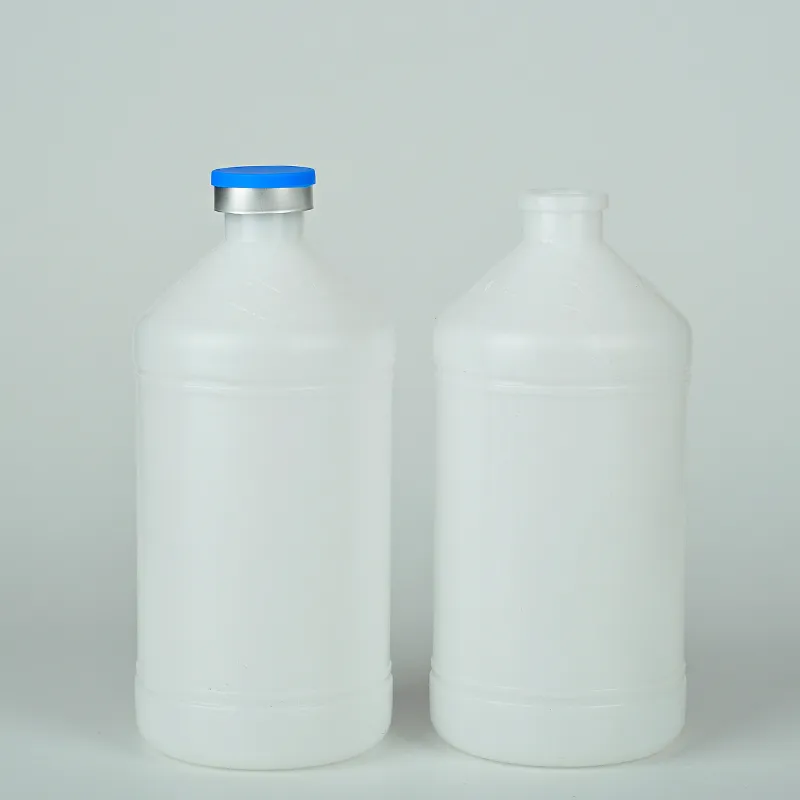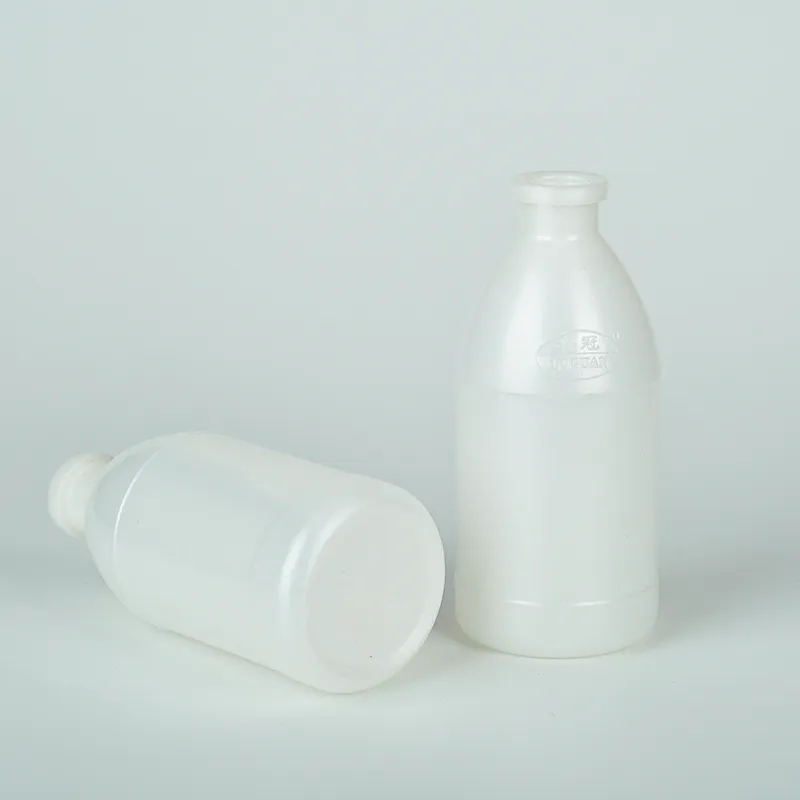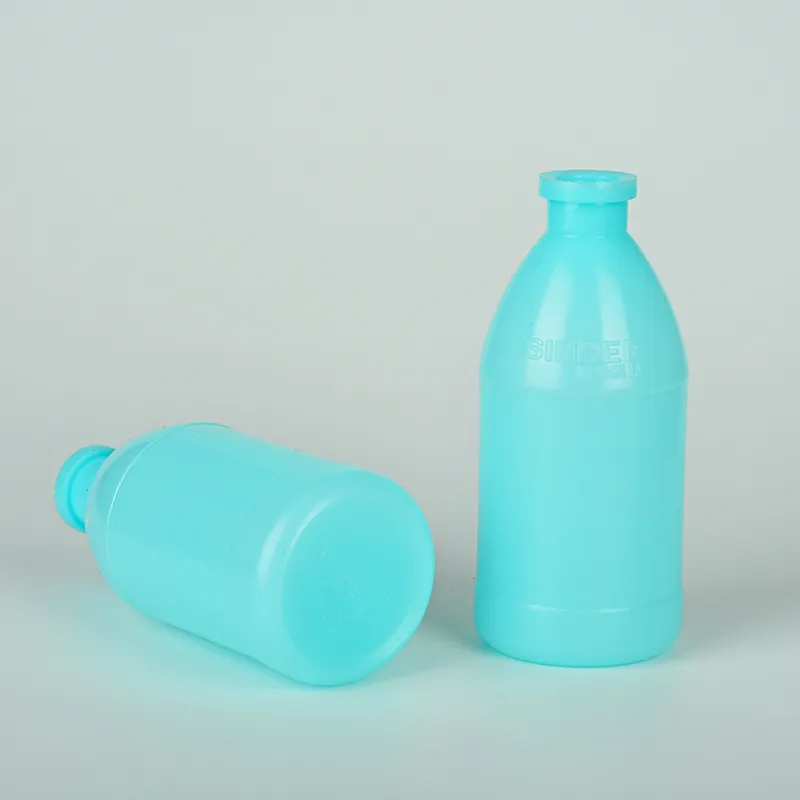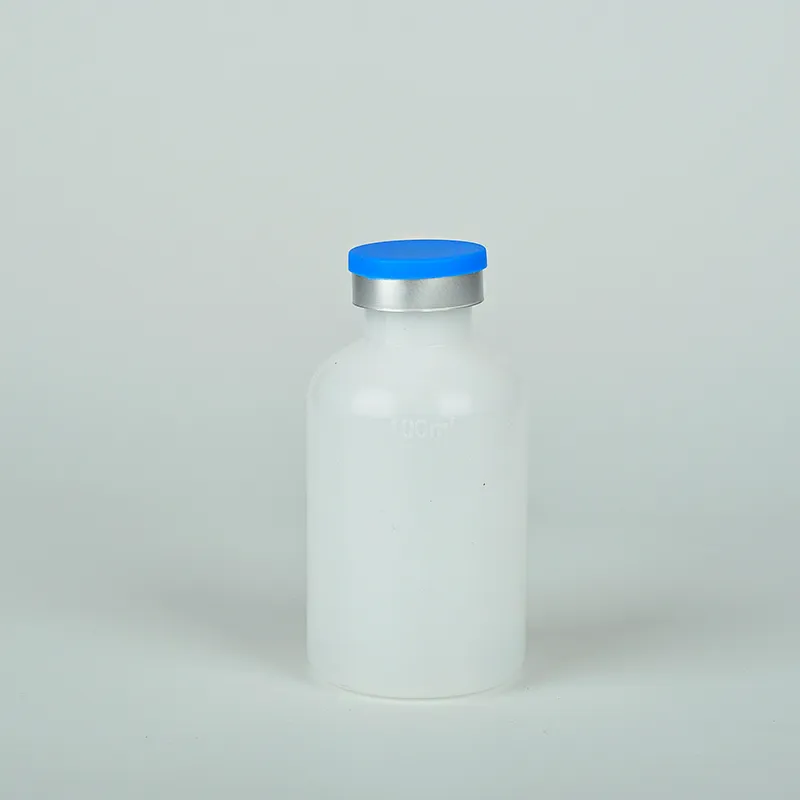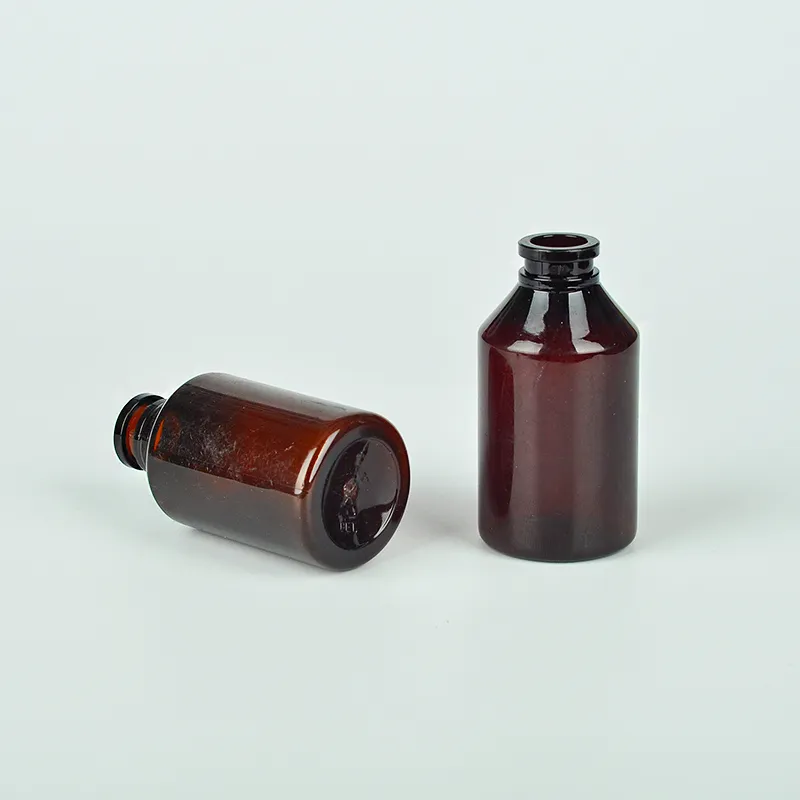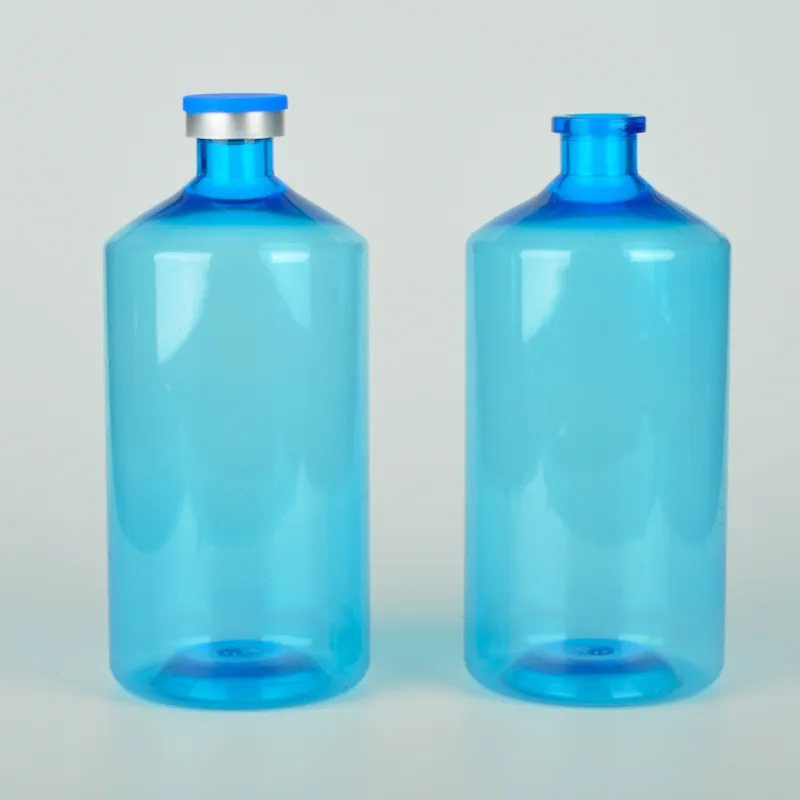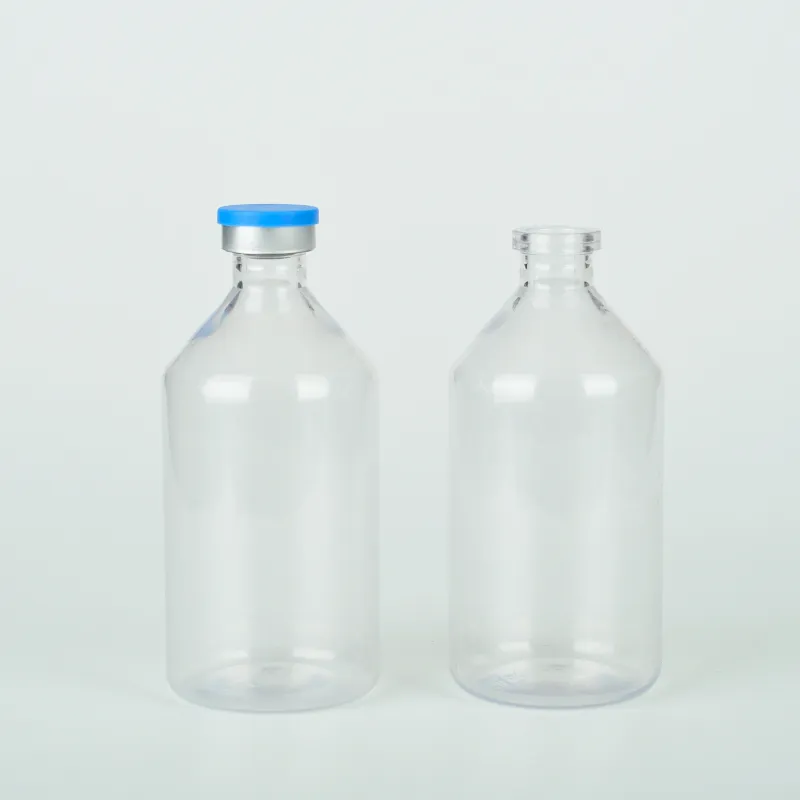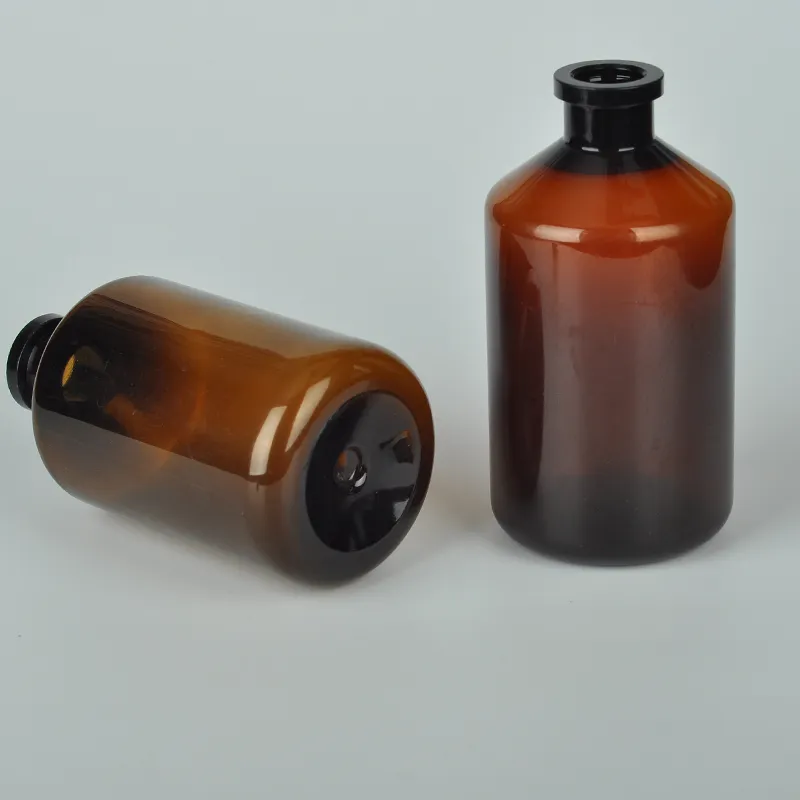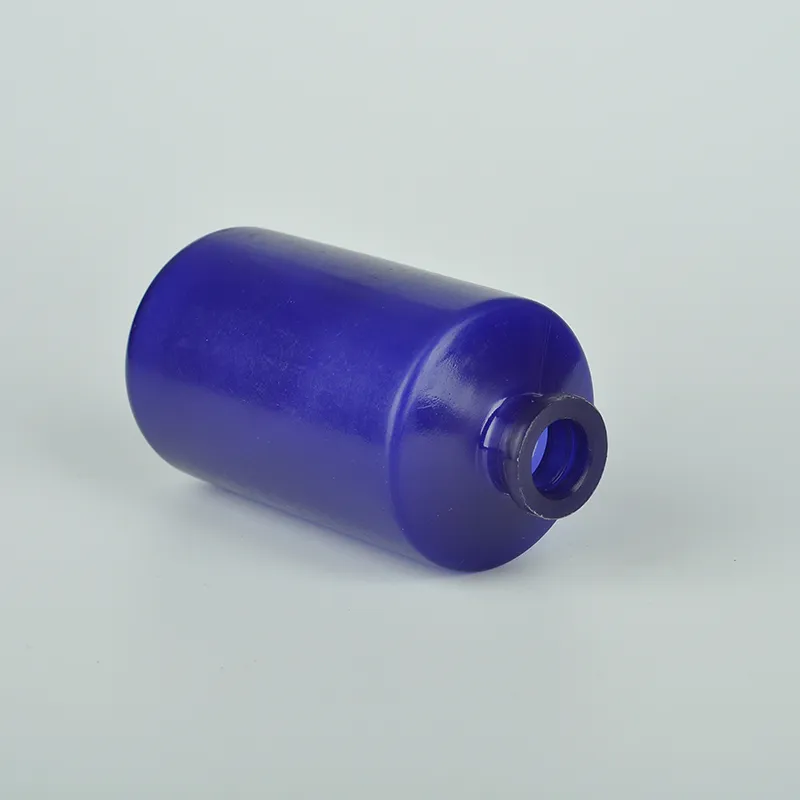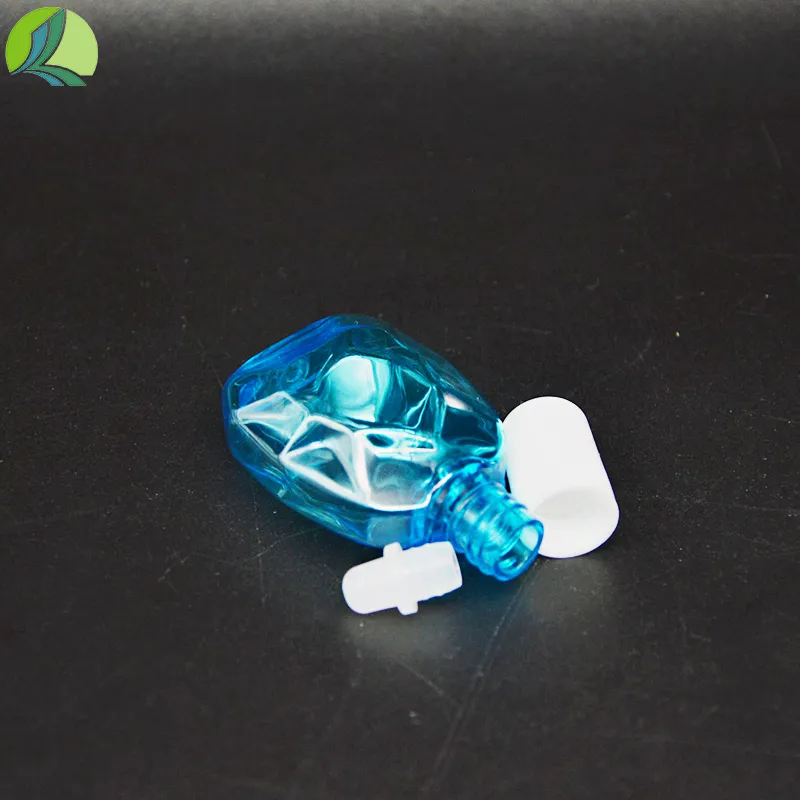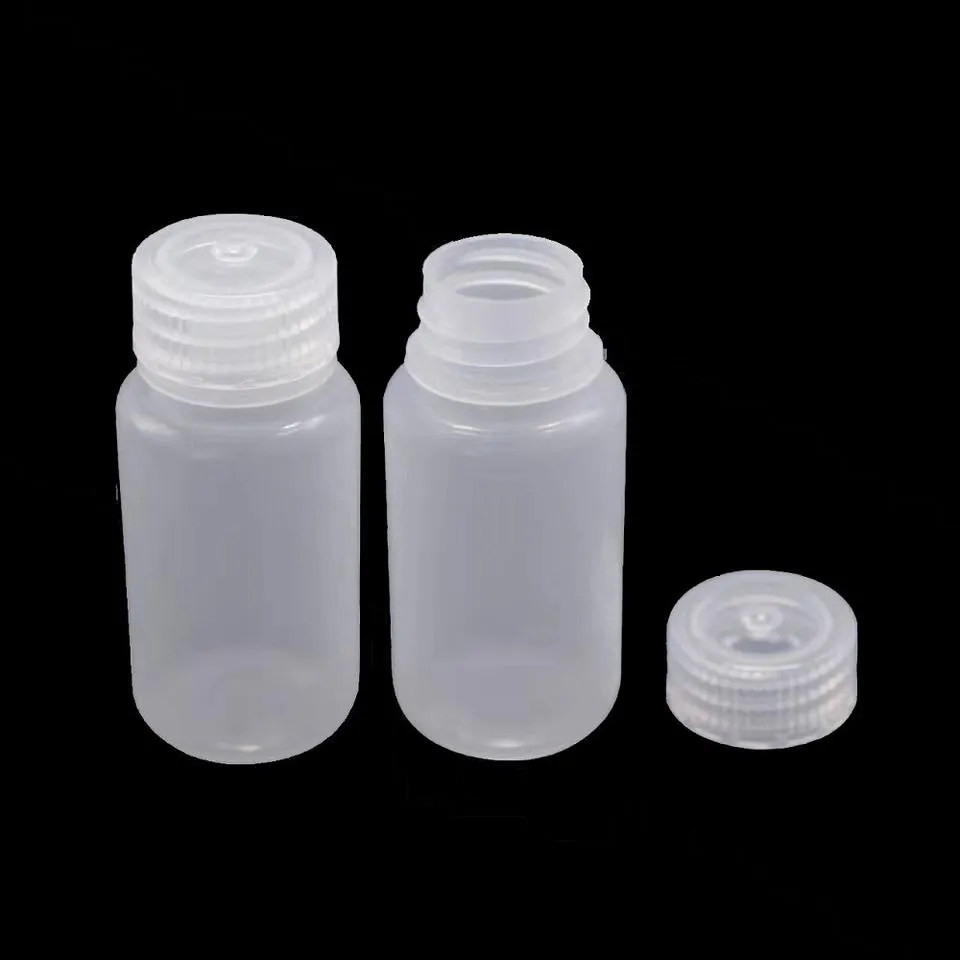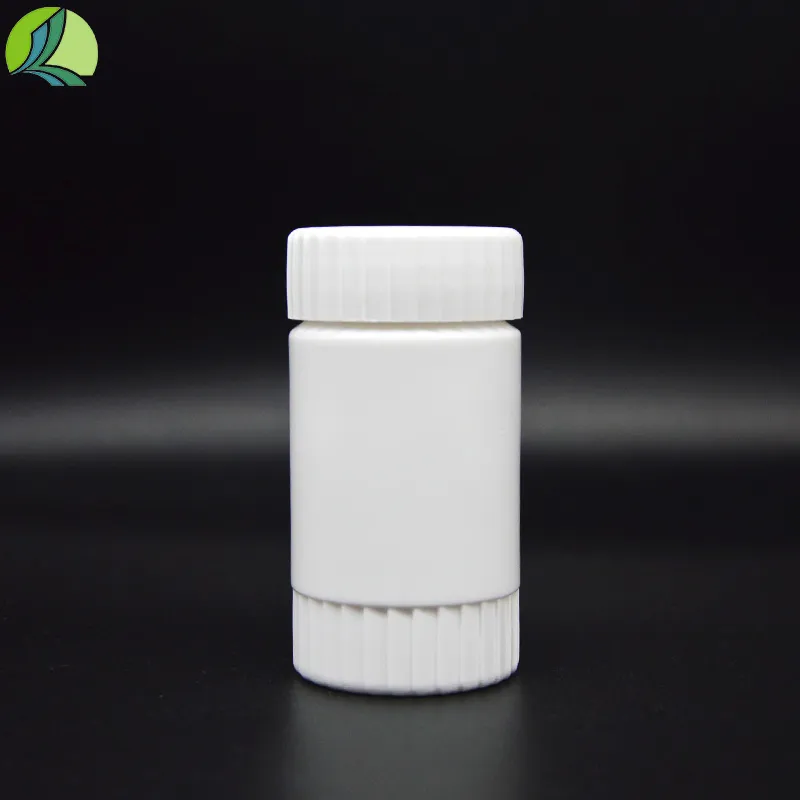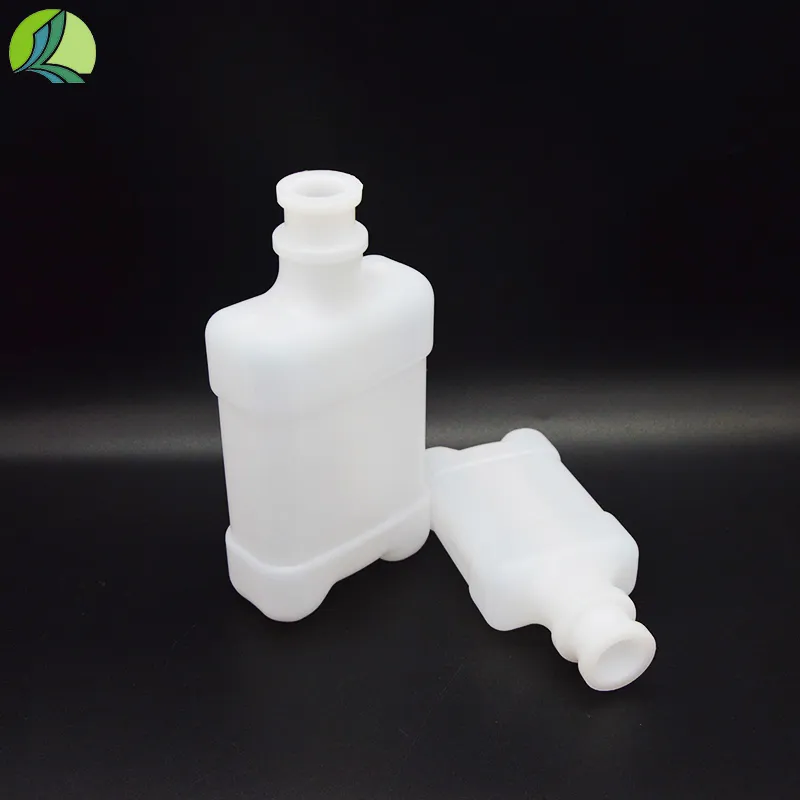
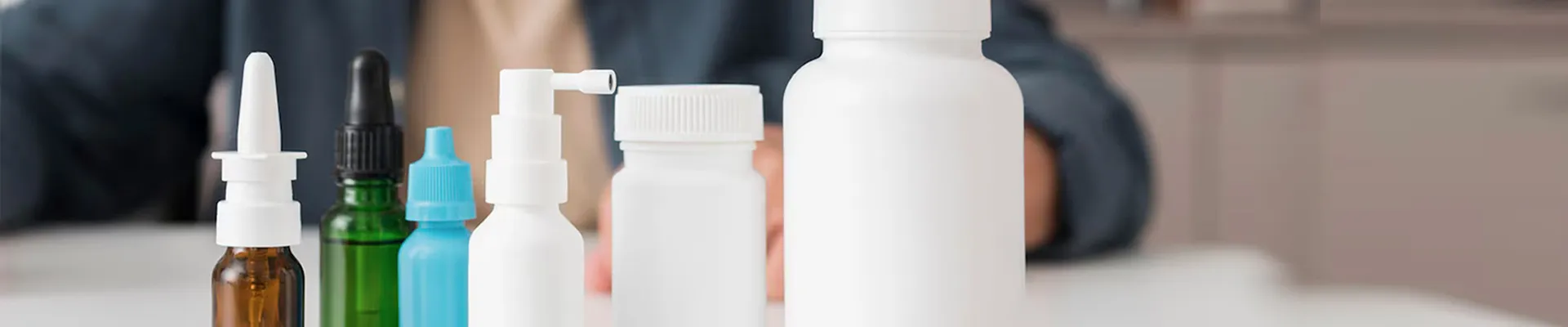


300ml Brown Sterile Plastic Vaccine & Veterinary Medicine Vials
Industry Trends in Veterinary Pharmaceutical Packaging
The global veterinary pharmaceutical market is experiencing robust growth, driven by an increasing demand for animal protein, rising pet ownership, and enhanced awareness of animal health and welfare. This expansion has significantly amplified the need for sophisticated, reliable, and sterile packaging solutions for veterinary medicines and vaccines. Traditional glass vials, while effective, present challenges related to breakage, weight, and sometimes cost, especially in large-scale operations or rugged field environments.
A significant trend in this sector is the transition from glass to high-performance plastic packaging. Plastic vials offer superior impact resistance, lighter weight for reduced shipping costs, and often a more economical production pathway for high volumes. Furthermore, the ability to incorporate UV protection, such as with brown coloration, is crucial for preserving the efficacy of light-sensitive biological products and vaccines. Manufacturers are increasingly seeking solutions that meet stringent regulatory standards, ensure product integrity from production to administration, and support sustainable practices. This demand underscores the critical role of products like the 300ml Brown Sterile Vaccine Vial Plastic Veterinary Medicine Vial in modern animal health management.
The Manufacturing Process of 300ml Brown Sterile Vaccine Vial Plastic Veterinary Medicine Vial
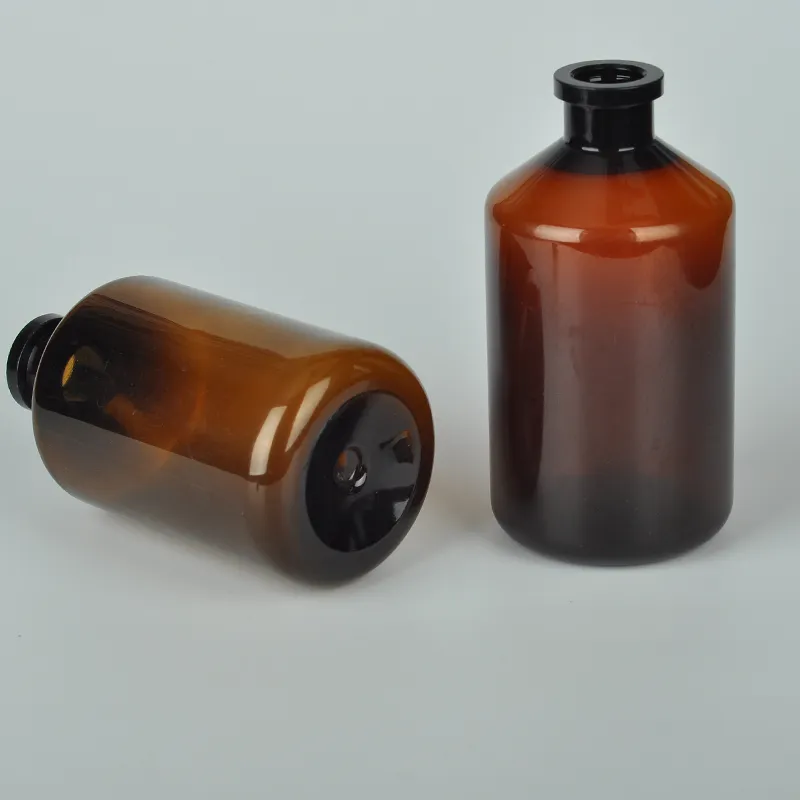
The production of a high-quality, sterile plastic vaccine vial is a meticulous process, engineered to meet the stringent requirements of the pharmaceutical industry. For a product such as the 300ml Brown Sterile Vaccine Vial Plastic Veterinary Medicine Vial, precision, material integrity, and sterility assurance are paramount. The process typically involves several critical stages, adhering to international standards like ISO 13485 for quality management systems and USP guidelines for pharmaceutical packaging materials.
Product Materials:
These vials are primarily manufactured from high-grade, virgin polypropylene (PP) or high-density polyethylene (HDPE), materials renowned for their excellent chemical resistance, barrier properties, and low extractables profile. Both PP and HDPE are USP Class VI compliant, indicating their biocompatibility and suitability for pharmaceutical applications. The brown (amber) color is achieved by incorporating specific FDA-approved pigments during the resin compounding phase, ensuring superior ultraviolet (UV) light protection for light-sensitive formulations without compromising material integrity or sterility. This protective measure is vital for maintaining the potency and stability of veterinary vaccines over extended periods.
Manufacturing Process Steps:
The manufacturing journey from raw polymer to a sterile, ready-to-fill vial is complex and highly controlled, typically involving an injection blow molding or extrusion blow molding process, followed by rigorous post-processing and sterilization.
- Resin Selection and Quality Control: Only certified, medical-grade polymer resins (PP or HDPE) with brown pigment are selected. Each batch undergoes rigorous incoming quality inspection for material purity, melt flow index, and density.
- Injection Blow Molding (IBM) / Extrusion Blow Molding (EBM):
- IBM (for precision): Molten polymer is injected into a preform mold, creating a parison (tube). This parison is then transferred to a blow mold, where compressed air inflates it into the final vial shape, ensuring consistent wall thickness and neck finish.
- EBM (for efficiency): A continuous tube of molten polymer is extruded vertically. A mold closes around a section of the tube, pinching one end, and air is blown into the other end, expanding the plastic against the mold cavity to form the vial.
- Cooling & Deburring: Once molded, the vials are rapidly cooled to solidify the plastic. Excess material (flash) is precisely removed, and the neck finish is carefully trimmed to ensure a smooth, secure seal with compatible stoppers or caps.
- Leak Testing & Visual Inspection: Each vial undergoes automated leak detection to identify any microscopic defects that could compromise sterility or product integrity. High-resolution cameras perform visual inspections for cosmetic flaws, particulate matter, and dimensional accuracy.
- Washing & Drying: Vials are subjected to a multi-stage washing process using purified water, followed by a controlled drying phase in a cleanroom environment to remove any residual particles or contaminants from the molding process.
- Sterilization: Vials are terminally sterilized using validated methods such as gamma irradiation or electron beam (E-beam) sterilization. These processes penetrate the packaging, achieving a Sterility Assurance Level (SAL) of 10-6, as per ISO 11137 standards, confirming the absence of viable microorganisms.
- Cleanroom Packaging: Post-sterilization, the vials are immediately double-bagged and sealed in a Class 100,000 (ISO 8) cleanroom environment to maintain their sterile status until use. Each package is clearly labeled with sterilization date and batch information.
Testing Standards and Service Life:
Beyond manufacturing, the vials undergo rigorous quality control testing in accordance with standards such as USP for Plastic Materials of Construction and ISO 10993 for biological evaluation. This includes tests for physiochemical properties, extractables, leachables, and endotoxins. The service life of a 300ml Brown Sterile Vaccine Vial Plastic Veterinary Medicine Vial is typically estimated at 2-5 years from the manufacturing date when stored under recommended conditions, maintaining its barrier and sterility properties.
Target Industries and Advantages:
These vials are indispensable across various animal health sectors, including:
- Veterinary Pharmaceuticals: For antibiotics, anti-parasitics, and other injectable medications.
- Animal Health Biologics: Crucial for the packaging of live attenuated, inactivated, or subunit vaccines for livestock (poultry, swine, cattle), aquaculture, and companion animals.
- Research & Development: For early-stage formulation stability testing and clinical trials in animal models.
- Livestock Farming & Aquaculture: For mass vaccination programs where durability and cost-effectiveness are key.
In typical application scenarios, these plastic vials offer significant advantages such as enhanced safety (no glass shards), reduced logistical costs due to lighter weight, and superior resistance to breakage during transport and field use. Their robust design and sterile presentation streamline operations for veterinary professionals globally.
Technical Specifications and Material Science
Understanding the precise technical specifications of the 300ml Brown Sterile Vaccine Vial Plastic Veterinary Medicine Vial is crucial for ensuring its compatibility with specific pharmaceutical formulations and processing equipment. These specifications are engineered to meet stringent industry demands for product safety, stability, and delivery efficiency.
Key Technical Parameters:
| Parameter | Specification | Compliance / Note |
|---|---|---|
| Nominal Volume | 300 ml | Suitable for large-dose applications |
| Material of Construction | High-Density Polyethylene (HDPE) or Polypropylene (PP) | USP Class VI Compliant, FDA-approved for pharmaceutical use |
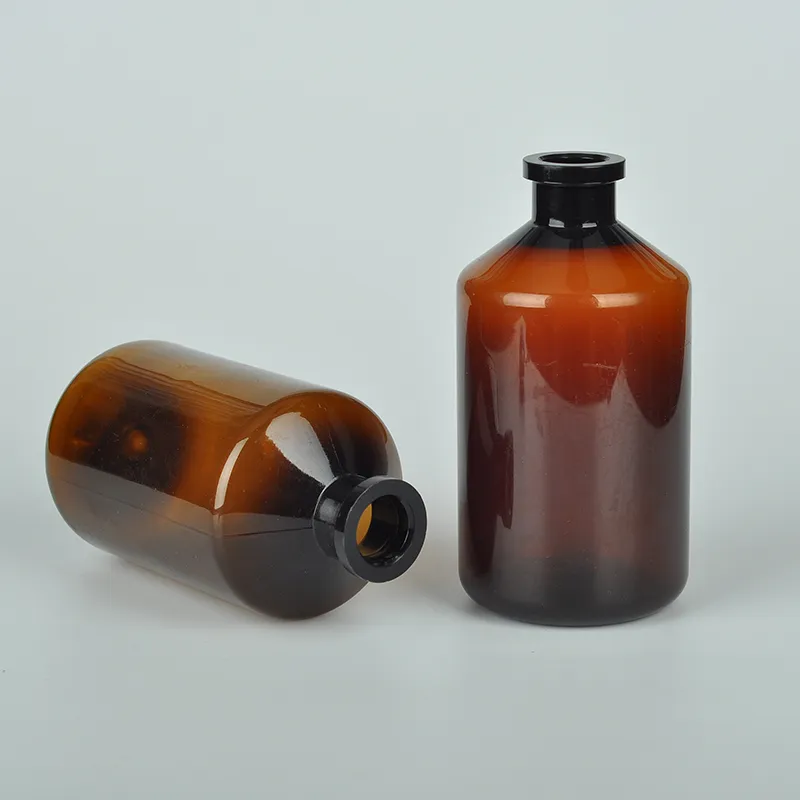
| Color | Brown (Amber) | Provides UV light protection for sensitive contents |
| Sterility Assurance Level (SAL) | 10-6 | Terminally sterilized via Gamma Irradiation or E-beam (ISO 11137) |
| Closure Type | Standard Screw Thread or Crimp Finish (Specific to order) | Ensures secure sealing with compatible caps/stoppers |
| Operating Temperature Range | -80°C to +121°C (depending on material choice) | Suitable for various storage and sterilization methods |
| Impact Resistance | High | Reduces breakage during handling and transport |
| Moisture Vapor Transmission Rate (MVTR) | Low (e.g., -2·day-1 for HDPE) | Maintains product stability and shelf life |
The material science behind these vials is critical. HDPE and PP polymers offer excellent inertness, minimizing the risk of leachables and extractables that could compromise the vaccine or medicine. This inertness ensures that the plastic does not react with or contaminate the pharmaceutical contents, preserving their chemical and biological integrity. The precise manufacturing process guarantees uniform wall thickness and a consistent neck finish, which are vital for effective sealing and compatibility with automated filling and capping lines.
Regulatory compliance is central to the design and production. All materials meet international pharmaceutical packaging guidelines, including those from the United States Pharmacopeia (USP) and European Pharmacopoeia (EP). This adherence not only ensures safety and quality but also facilitates easier regulatory approval for pharmaceutical companies utilizing these vials.
Application Scenarios and Industry Impact
The versatility and robust characteristics of the 300ml Brown Sterile Vaccine Vial Plastic Veterinary Medicine Vial make it an indispensable component across a broad spectrum of veterinary applications. Its design directly addresses the challenges faced in animal health, from large-scale agricultural operations to precise laboratory work.
Key Application Scenarios:
- Large-Scale Livestock Vaccination Programs: In poultry, swine, and cattle farming, administering vaccines to thousands of animals requires efficient, durable, and cost-effective packaging. The 300ml volume is ideal for multi-dose applications, reducing changeover times on automated vaccination lines. The impact resistance of plastic vials is crucial in preventing breakages during rapid handling and transport within often demanding agricultural environments.
- Storage and Transport of Veterinary Biologics: Many vaccines and biologics are highly sensitive to light degradation and physical shock. The brown coloration provides essential UV protection, while the robust plastic construction ensures the integrity of the contents during shipping across diverse climates and terrains, including to remote areas.
- Field Veterinary Services: Mobile veterinarians often operate in challenging conditions where delicate glass packaging is prone to breakage. Plastic vials offer a practical, safe alternative, allowing practitioners to carry and administer treatments with greater confidence and less risk of product loss or contamination from broken glass.
- Biopharmaceutical Research and Development: For the development of new animal drugs and vaccines, these sterile vials serve as reliable container111s for stability studies, formulation trials, and preclinical testing. Their consistent quality and sterile presentation are critical for obtaining accurate and reproducible scientific data.
- Aquaculture Health Management: With the growing global demand for farmed fish, maintaining the health of aquatic species is paramount. These vials are suitable for packaging aquatic vaccines and treatments, ensuring secure and sterile delivery in often damp and rigorous hatchery or farm settings.
- Companion Animal Veterinary Practices: While smaller doses are common, 300ml vials can serve as bulk supply for multi-dose applications or for diluents required in larger practices, providing convenience and cost savings.
Industry Impact:
The widespread adoption of advanced plastic vaccine vials has a profound impact on the veterinary industry:
- Enhanced Biosecurity: By preventing vial breakage, the risk of pathogen release and cross-contamination in animal populations is significantly reduced, bolstering biosecurity measures.
- Improved Operational Efficiency: Lighter, more durable vials facilitate faster handling, easier waste management, and smoother integration with automated filling and capping machinery, ultimately increasing throughput and reducing labor costs.
- Cost Savings: Reduced breakage rates, lower shipping expenses, and often more competitive unit pricing compared to glass contribute to substantial cost efficiencies for pharmaceutical manufacturers and end-users.
- Global Accessibility: The robustness and cost-effectiveness of plastic vials make vital veterinary medicines more accessible, particularly in developing regions where infrastructure for handling fragile packaging may be limited.
- Sustainability Benefits: While requiring careful disposal, plastic vials often have a lower carbon footprint in manufacturing and transport compared to glass, contributing to broader sustainability goals within the animal health sector.
The strategic deployment of the 300ml Brown Sterile Vaccine Vial Plastic Veterinary Medicine Vial directly contributes to improved animal health outcomes, economic benefits for agricultural industries, and enhanced public health through a secure and efficient supply chain for veterinary medicines.
Technical Advantages of Plastic Vaccine Vials
The shift towards plastic for pharmaceutical packaging, particularly for high-volume applications like veterinary vaccines, is driven by a compelling array of technical advantages over traditional materials such as glass. The 300ml Brown Sterile Vaccine Vial Plastic Veterinary Medicine Vial exemplifies these benefits, offering optimized performance and enhanced safety throughout the product lifecycle.
Key Technical Advantages:
- Superior Impact Resistance and Durability: Plastic vials are inherently less fragile than glass, significantly reducing the risk of breakage during manufacturing, filling, shipping, handling, and field administration. This mitigates product loss, reduces cleanup time, and enhances safety for personnel.
- Lightweight for Optimized Logistics: Being considerably lighter than their glass counterparts, plastic vials contribute to lower transportation costs and a reduced carbon footprint. This is especially beneficial for bulk shipments and distribution to remote or logistically challenging locations.
- Integrated UV Light Protection: The brown (amber) pigmentation in these plastic vials provides excellent protection against harmful UV radiation, which can degrade light-sensitive active pharmaceutical ingredients (APIs) and vaccine components. This intrinsic protection helps maintain product potency and extends shelf life without the need for secondary opaque packaging.
- Consistent Sterility Assurance: The ability to undergo terminal sterilization (e.g., gamma irradiation or E-beam) to a validated SAL of 10-6 ensures that the vials arrive at the filling facility truly sterile, reducing bioburden risks and simplifying the aseptic filling process for pharmaceutical manufacturers.
- Excellent Chemical Compatibility: High-grade polymers like HDPE and PP are chemically inert, offering broad compatibility with a wide range of pharmaceutical formulations. They exhibit minimal extractables and leachables, preventing unwanted interactions with the drug product that could compromise its stability or safety.
- Enhanced User Safety: Eliminating the risk of glass shards means a safer working environment for pharmaceutical personnel, veterinary staff, and animal handlers. This is particularly important in fast-paced or outdoor settings where accidental breakage of glass vials poses a significant hazard.
- Design Flexibility and Customization: Plastic molding allows for greater design flexibility, including various neck finishes, cap compatibility, and potential for integrated features. This adaptability supports custom solutions for unique drug delivery requirements or branding.
- Cost-Effectiveness at Scale: For high-volume production, plastic vials often offer a more economical solution per unit compared to glass, providing significant cost advantages for pharmaceutical companies and ultimately impacting the affordability of animal health products.
- Barrier Properties: While plastics might be more permeable than glass for some gases, modern barrier technologies (e.g., multi-layer co-extrusion or EVOH barrier layers) can be integrated to achieve desired oxygen and moisture vapor transmission rates (MVTR), protecting sensitive formulations.
These technical attributes collectively position the 300ml Brown Sterile Vaccine Vial Plastic Veterinary Medicine Vial as a superior packaging choice, contributing to greater product safety, operational efficiency, and economic viability within the veterinary pharmaceutical supply chain.
Vendor Comparison and Differentiation
Choosing the right vendor for pharmaceutical packaging like the 300ml Brown Sterile Vaccine Vial Plastic Veterinary Medicine Vial is a critical decision that impacts product integrity, regulatory compliance, and operational efficiency. While various manufacturers offer plastic vials, key differentiators in material quality, manufacturing processes, quality control, and customer support set leading providers apart. Below is a comparative overview highlighting the strengths of a specialized vendor against generic alternatives and traditional glass vials.
Comparative Analysis:
| Feature/Criterion | Specialized Vendor (e.g., WK Packing) | Generic Plastic Vial Provider | Traditional Glass Vial (Type I) |
|---|---|---|---|
| Material Quality & Compliance | Virgin, medical-grade PP/HDPE, USP Class VI, FDA DMF filed. Full traceability. | Often industrial-grade or non-specific polymers. Limited compliance documentation. | High-quality borosilicate glass, excellent chemical resistance. |
| Sterilization Method | Validated Gamma or E-beam sterilization (SAL 10-6), ISO 11137 compliant. | May offer non-sterile or less rigorously validated sterilization, potential for lower SAL. | Depyrogenation / Dry Heat sterilization, or steam sterilization (autoclave). |
| UV Protection | Integrated brown pigmentation (amber) optimized for broad-spectrum UV blocking. | Variable or no UV protection; coloration may be aesthetic only. | Amber glass provides good UV protection. Clear glass offers none. |
| Impact Resistance | Excellent; virtually unbreakable in typical handling/transport. Reduces breakage to near zero. | Good, but variability in wall thickness or material can lead to weak points. | Fragile; high risk of breakage during transport, filling, and handling. |
| Weight (Logistics) | Significantly lighter; reduces shipping costs and carbon footprint. | Lighter than glass, but material density may vary. | Heavy; increases shipping costs and environmental impact. |
| Customization Options | Extensive: volumes, neck finishes, cap compatibility, barrier technologies, branding. | Limited; usually standard sizes/colors only. | Limited to standard pharmaceutical designs and neck finishes. |
| Regulatory Documentation | Comprehensive package: CoC, BSE/TSE, heavy metals, extractables data, sterilization validation. | Often insufficient or generic documentation, increasing regulatory burden for clients. | Good documentation for glass type I, but may require additional testing for specific extractables. |
Specialized vendors differentiate themselves through a deep understanding of pharmaceutical packaging requirements. This includes not just material science expertise but also adherence to Good Manufacturing Practices (GMP) and ISO 13485 quality management systems. They provide comprehensive technical support, including compatibility testing, regulatory filing assistance, and tailored solutions, establishing themselves as strategic partners rather than mere suppliers. This level of partnership is critical for ensuring drug product stability, patient safety, and market success.
Customized Solutions and Collaborative Development
The pharmaceutical industry frequently encounters unique challenges that standard, off-the-shelf packaging solutions cannot fully address. This is particularly true for specialized veterinary medicines and novel vaccine formulations. Recognizing this, leading manufacturers of the 300ml Brown Sterile Vaccine Vial Plastic Veterinary Medicine Vial offer extensive customization options and engage in collaborative development programs to meet precise client specifications and evolving market demands.
Tailored Customization Options:
- Volume and Dimensions: While 300ml is a common size, specific applications may require slightly different volumes or dimensions to optimize filling line efficiency, storage density, or dispensing accuracy. Manufacturers can adjust mold designs to produce bespoke sizes.
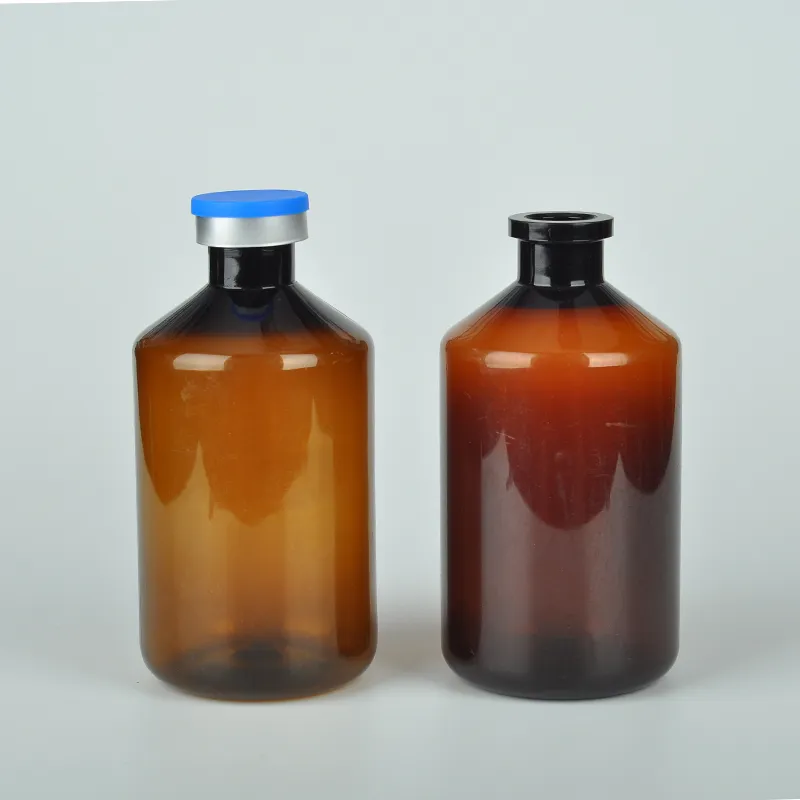
- Neck Finish and Closure Compatibility: Vials can be designed with various neck finishes (e.g., specific screw threads, crimp finishes, snap-on features) to ensure seamless compatibility with a wide array of stoppers, caps, and drug delivery devices, including those for multi-dose applications with specialized septa.
- Material Variations and Barrier Technologies: For exceptionally sensitive formulations, the base polymer (HDPE/PP) can be enhanced. This includes co-extrusion with barrier layers like EVOH (Ethylene Vinyl Alcohol) to significantly reduce oxygen ingress or moisture vapor transmission, extending product shelf life.
- Color and Opaque Properties: Beyond standard brown, other opaque colors can be developed to provide specific light protection profiles or for branding purposes, provided they meet regulatory compliance for pharmaceutical use.
- Surface Treatments: Internal or external surface treatments can be applied to modify characteristics such as lubricity, anti-static properties, or to reduce protein adsorption for certain biologics.
- Custom Sterilization Methods: While gamma and E-beam are standard, alternative sterilization methods may be validated if required by specific product characteristics or regulatory pathways.
- Integrated Features: Custom designs can incorporate features like tamper-evident rings, embossed logos, or specific grip patterns for easier handling.
Collaborative Development Process:
A truly collaborative approach involves working closely with pharmaceutical clients from the initial concept phase through to production and regulatory submission. This process typically includes:
- Needs Assessment and Feasibility Study: Understanding the drug product's characteristics, target market, processing requirements, and regulatory landscape.
- Design and Engineering (CAD/Prototyping): Developing detailed designs, 3D models, and prototypes for client review and initial compatibility testing.
- Material Selection and Formulation: Choosing the optimal polymer and additive combination to ensure chemical compatibility, barrier properties, and UV protection.
- Tooling and Validation: Designing and manufacturing custom molds, followed by rigorous process validation (IQ, OQ, PQ) to ensure consistent quality.
- Stability and Compatibility Testing Support: Providing samples and documentation to support client's in-house testing for extractables, leachables, and long-term stability studies.
- Regulatory Documentation and Support: Assisting with comprehensive data packages for regulatory submissions (e.g., FDA Drug Master File, CE marking support).
This partnership ensures that the final 300ml Brown Sterile Vaccine Vial Plastic Veterinary Medicine Vial not only meets all technical and functional requirements but also seamlessly integrates into the client's manufacturing workflow and regulatory strategy. Such tailored solutions minimize risks, accelerate time-to-market, and ultimately enhance the safety and efficacy of veterinary pharmaceutical products.
Application Case Studies
The practical deployment of the 300ml Brown Sterile Vaccine Vial Plastic Veterinary Medicine Vial in real-world scenarios demonstrates its tangible benefits and impact on animal health programs. These case studies highlight how its technical advantages translate into operational successes and improved outcomes.
Case Study 1: Large-Scale Livestock Vaccination Program in Southeast Asia
A major animal health company faced significant challenges in their mass vaccination campaigns for poultry across remote regions of Southeast Asia. Traditional glass vials, while offering good chemical inertness, frequently suffered breakage during transport over rugged terrain and during rapid-fire manual administration, leading to substantial product loss and safety hazards for farm workers. The cost of managing broken glass and replacing lost vaccine doses was escalating.
Solution Implemented: The company transitioned to a 300ml Brown Sterile Vaccine Vial Plastic Veterinary Medicine Vial made from high-grade HDPE, pre-sterilized by gamma irradiation. The vials featured a standard crimp neck finish compatible with existing automated filling lines and multi-dose applicators.
Results:
- 95% Reduction in Breakage: The inherent durability of the plastic virtually eliminated vial breakage during transport and field use, ensuring vaccine integrity from factory to farm.
- 20% Reduction in Logistics Costs: The lighter weight of plastic vials compared to glass reduced fuel consumption and shipping expenses across the supply chain.
- Enhanced Safety: The absence of glass shards significantly improved worker safety during vaccination, reducing injuries and improving morale.
- Maintained Vaccine Efficacy: The brown pigmentation effectively protected light-sensitive live attenuated vaccines, ensuring consistent potency as confirmed by post-vaccination serological testing.
This strategic shift not only delivered significant cost savings and operational efficiencies but also bolstered the overall effectiveness and safety of their crucial disease prevention programs.
Case Study 2: Biopharmaceutical Research & Development for a Novel Equine Vaccine
A leading biopharmaceutical company was developing a novel equine vaccine that was highly susceptible to both UV light degradation and potential interaction with container111 materials. Initial stability studies using clear glass vials showed unacceptable degradation rates. The company required a sterile packaging solution that offered robust protection and guaranteed chemical inertness for their advanced protein-based formulation during critical early-stage development and clinical trials.
Solution Implemented: The company collaborated with a specialized packaging vendor to develop a customized 300ml Brown Sterile Vaccine Vial Plastic Veterinary Medicine Vial. This solution utilized a USP Class VI compliant polypropylene (PP) with a meticulously optimized brown pigment for maximum UV absorption across the critical spectrum. The vials were supplied pre-sterilized via E-beam and accompanied by a comprehensive extractables and leachables (E&L) study report, confirming minimal interaction with the vaccine formulation.
Results:
- Enhanced Stability: Long-term stability studies demonstrated significantly improved vaccine potency and reduced degradation rates when stored in the customized brown plastic vials compared to initial clear glass tests.
- Accelerated Development: The availability of comprehensive regulatory documentation and E&L data expedited the company's internal approval processes and regulatory submissions for clinical trials.
- Reliable Containment: The robust nature of the plastic vials ensured secure containment of the high-value vaccine, even during extensive handling and transportation for multi-center trials.
- Reduced Contamination Risk: The guaranteed sterility and low particulate levels of the supplied vials minimized the risk of introducing contaminants during aseptic filling operations.
This partnership delivered a tailored, high-performance packaging solution that was integral to the successful advancement of the novel equine vaccine through its critical development phases, showcasing the value of specialized plastic vials in cutting-edge biopharmaceutical research.
Frequently Asked Questions (FAQ)
- Q1: What materials are used to manufacture the 300ml Brown Sterile Vaccine Vial Plastic Veterinary Medicine Vial?
- Our vials are primarily manufactured from high-grade, virgin medical-grade High-Density Polyethylene (HDPE) or Polypropylene (PP), both of which are USP Class VI compliant and FDA-approved for pharmaceutical packaging. The brown coloration is achieved using non-toxic, FDA-approved pigments for UV protection.
- Q2: Is the vial truly sterile, and what sterilization method is used?
- Yes, the vials are supplied terminally sterilized with a Sterility Assurance Level (SAL) of 10-6. We utilize validated Gamma Irradiation or Electron Beam (E-beam) sterilization, adhering to ISO 11137 standards. Each batch comes with a Certificate of Sterilization.
- Q3: What closure types are compatible with these vials?
- The 300ml Brown Sterile Vaccine Vial Plastic Veterinary Medicine Vial can be designed with various industry-standard neck finishes, making them compatible with a wide range of screw caps, crimp caps, and rubber stoppers. We can provide technical drawings and samples to ensure compatibility with your specific closure systems.
- Q4: Can these vials be customized for specific formulations or branding?
- Absolutely. We offer extensive customization options, including bespoke volumes, neck finishes, material enhancements (e.g., barrier layers), specific colors, and integrated design features. Our team works collaboratively with clients to develop solutions that perfectly match their unique requirements and brand identity.
- Q5: How does the brown color protect the contents, and is it effective?
- The brown (amber) pigmentation is specifically engineered to block harmful UV and short-wavelength visible light (typically below 500nm). This protection is crucial for light-sensitive pharmaceutical compounds and biologics, helping to maintain their chemical stability and potency over their shelf life, as validated by industry standards.
- Q6: What regulatory documentation is provided with the vials?
- We provide comprehensive regulatory documentation, including Certificates of Conformance (CoC), material declarations (e.g., BSE/TSE statements, heavy metals content), extractables and leachables data, and sterilization validation reports to support your regulatory submissions (e.g., FDA DMF support, CE marking compliance).
Lead Time, Warranty, and Customer Support
At WK Packing, we understand that reliability and responsive support are as critical as product quality for our B2B partners in the pharmaceutical sector. We are committed to providing transparent communication regarding lead times, robust warranty coverage, and comprehensive customer support for every 300ml Brown Sterile Vaccine Vial Plastic Veterinary Medicine Vial we deliver.
Lead Time and Fulfillment:
- Standard Orders: For standard configurations of the 300ml Brown Sterile Vaccine Vial Plastic Veterinary Medicine Vial, typical lead times range from 4 to 6 weeks from order confirmation, subject to current production schedules and material availability.
- Custom Orders: Customized solutions, involving new tooling or specialized materials, will have lead times determined during the collaborative development phase, generally ranging from 10 to 16 weeks, including design, prototyping, tooling, and initial production runs.
- Expedited Services: We offer expedited manufacturing and shipping options for urgent requirements, available upon request and subject to additional charges. Please consult with our sales team for feasibility and quotations.
- Supply Chain Transparency: We provide real-time updates on order status and projected delivery dates, ensuring you have the necessary information for your production planning.
Warranty Commitments:
WK Packing warrants that all products, including the 300ml Brown Sterile Vaccine Vial Plastic Veterinary Medicine Vial, will be free from defects in material and workmanship for a period of twelve (12) months from the date of shipment, provided they are stored and handled according to our recommended guidelines. Our warranty specifically covers:
- Conformity to agreed-upon specifications and technical drawings.
- Adherence to stated sterility assurance levels (SAL).
- Compliance with relevant industry standards and regulatory requirements (e.g., USP Class VI, ISO 11137).
In the event of a verified defect, WK Packing will, at its discretion, repair or replace the defective products or issue a credit. Our full warranty policy details are available upon request.
Dedicated Customer Support:
Our commitment to our clients extends beyond delivery. We offer a comprehensive suite of customer support services designed to ensure seamless integration and optimal performance of our packaging solutions:
- Technical Assistance: Our team of packaging engineers and material scientists is available to provide expert guidance on product compatibility, filling line optimization, and problem-solving.
- Regulatory Documentation: We provide comprehensive documentation packages to support your regulatory submissions, including certificates of analysis, material safety data sheets, and validation reports.
- Sample Provision: We offer samples for testing and evaluation to ensure perfect fit and function before committing to large-scale orders.
- After-Sales Service: Our dedicated customer service team is readily available to address any inquiries, process re-orders, or assist with post-delivery concerns.
- Global Reach: With an established logistics network, we ensure reliable and efficient delivery of our products worldwide.
We pride ourselves on building long-term partnerships through consistent quality, clear communication, and unwavering support, helping our clients navigate the complexities of pharmaceutical packaging with confidence.
Authoritative References
- United States Pharmacopeia. USP Plastic Materials of Construction. Rockville, MD: U.S. Pharmacopeial Convention.
- International Organization for Standardization. ISO 11137: Sterilization of health care products — Radiation — Requirements for development, validation and routine control of a sterilization process for medical devices. Geneva: ISO.
- International Organization for Standardization. ISO 13485: Medical devices — Quality management systems — Requirements for regulatory purposes. Geneva: ISO.
- Food and Drug Administration (FDA). Guidance for Industry: Container Closure Systems for Packaging Human Drugs and Biologics. Rockville, MD: U.S. Department of Health and Human Services.
- World Organisation for Animal Health (OIE). Terrestrial Animal Health Code. Paris: OIE.
- Müller, R.H., & Peters, K. (1998). Nanosuspensions for the formulation of poorly soluble drugs. I. Preparation and in vitro characterization. European Journal of Pharmaceutics and Biopharmaceutics, 45(1), 47-53.
- Polymer Science and Engineering Journal. "Advances in Polymeric Materials for Pharmaceutical Packaging." (Specific issue/volume will vary by publication).
-
Bulk Eye Dropper Bottles for Industrial Packaging - Reliable & CustomizableNewsDec.31,2025
-
Small Plastic Dropper Bottles – Durable, Precise Packaging Solutions for B2B ApplicationsNewsDec.10,2025
-
Medicine Dropper Bottles – Precision and Quality Packaging Solutions for B2B | WK PackingNewsDec.10,2025
-
Discover Top Quality 2 oz Eye Dropper Bottles for Industrial UseNewsDec.09,2025
-
1 Oz Eye Dropper Bottles - Precision Packaging Solutions for B2B Industries | WKPackingNewsDec.09,2025
-
Durable 4 oz Eye Dropper Bottles for Industrial & Cosmetic UseNewsDec.09,2025