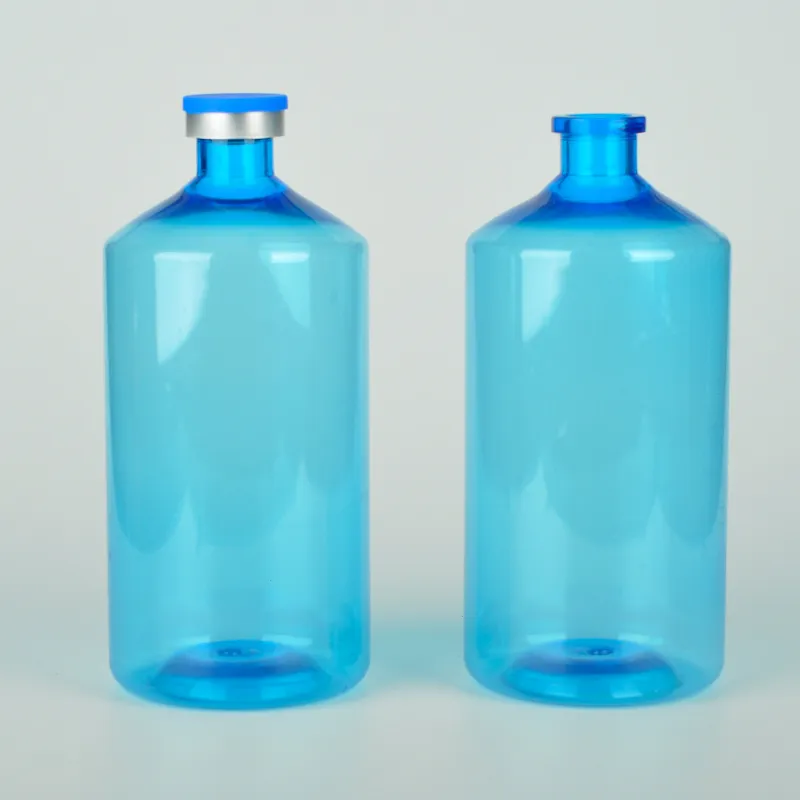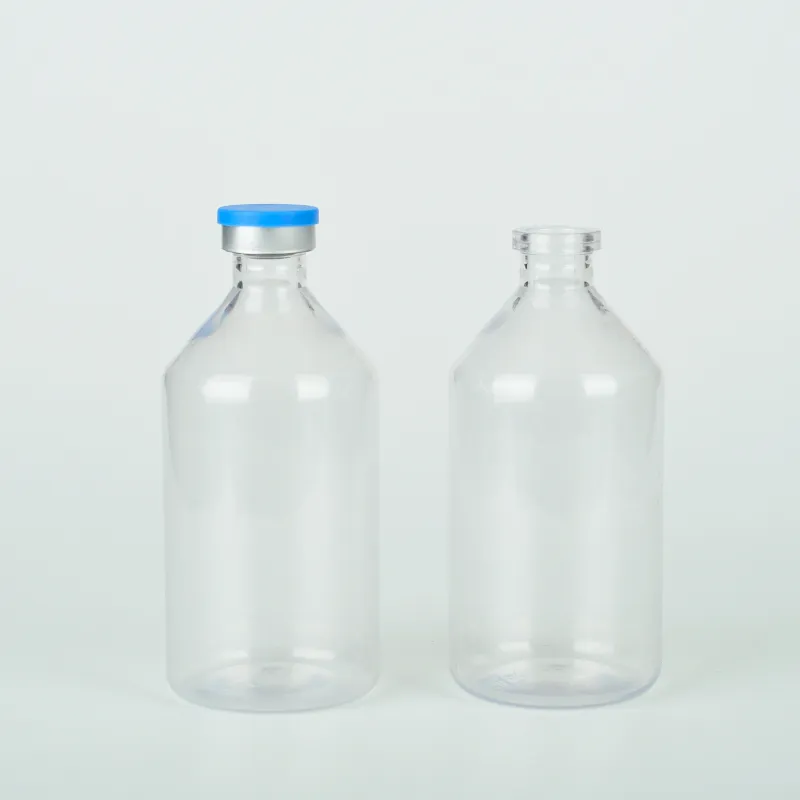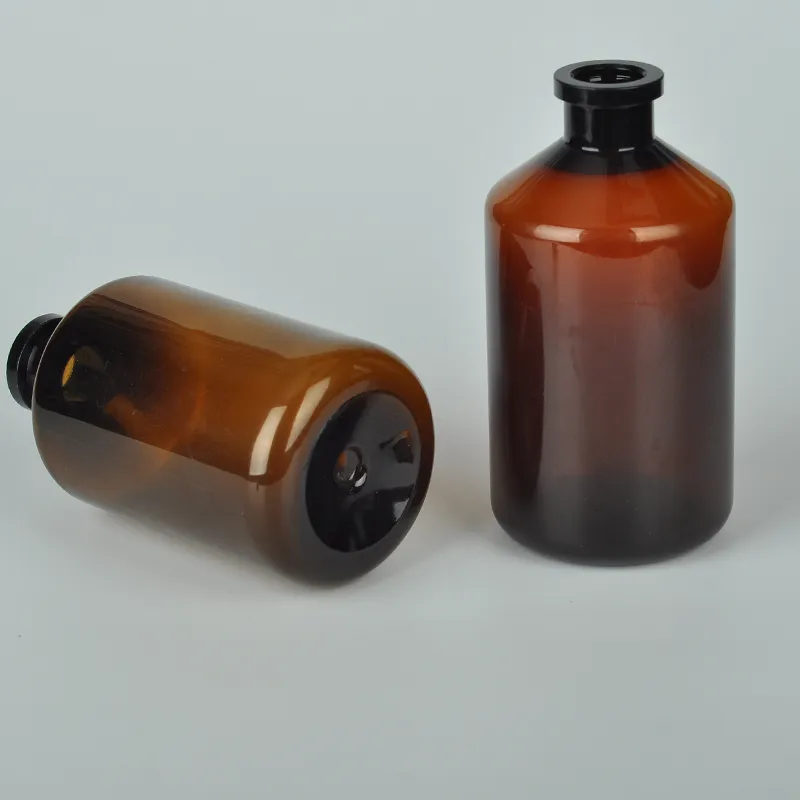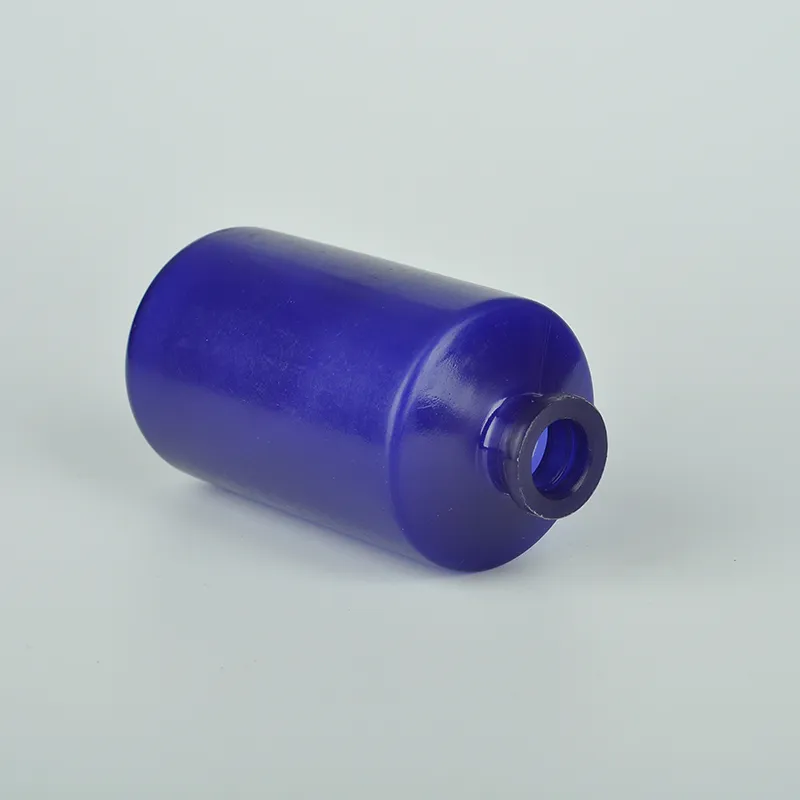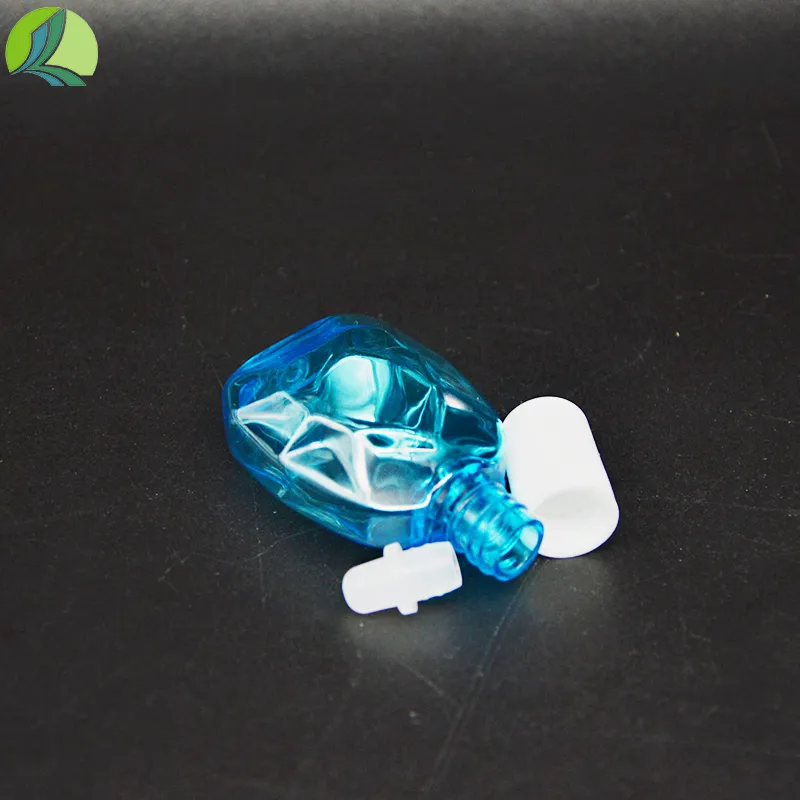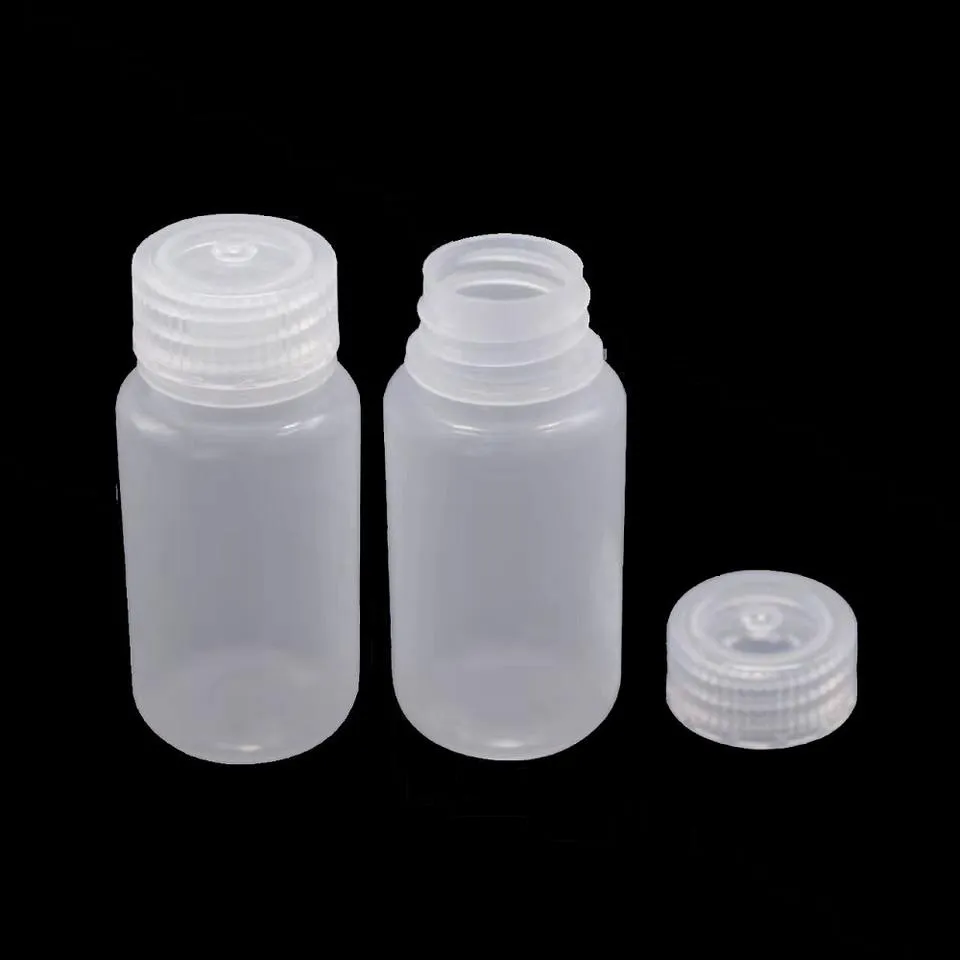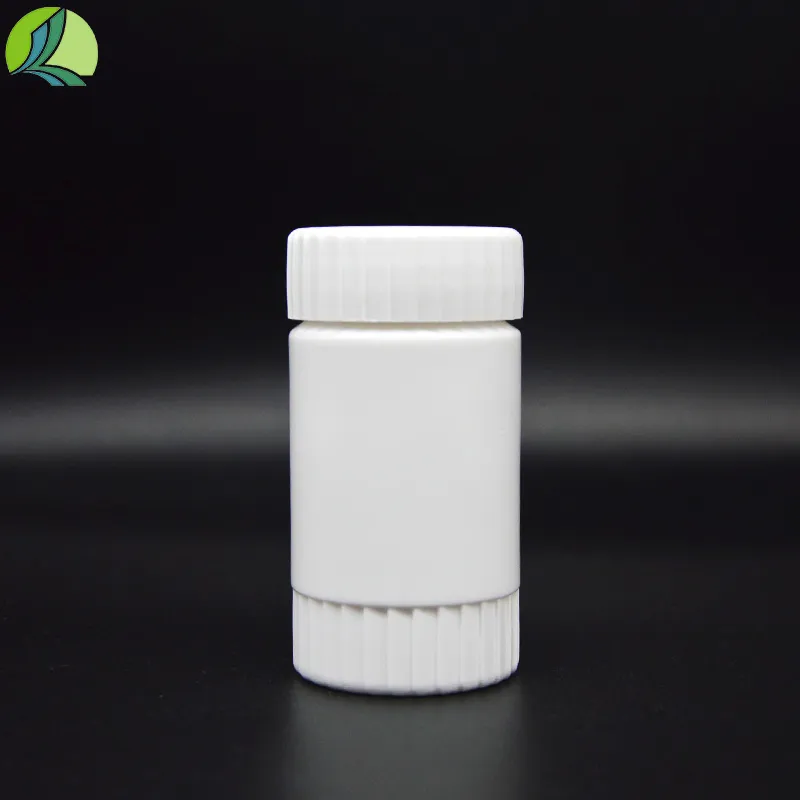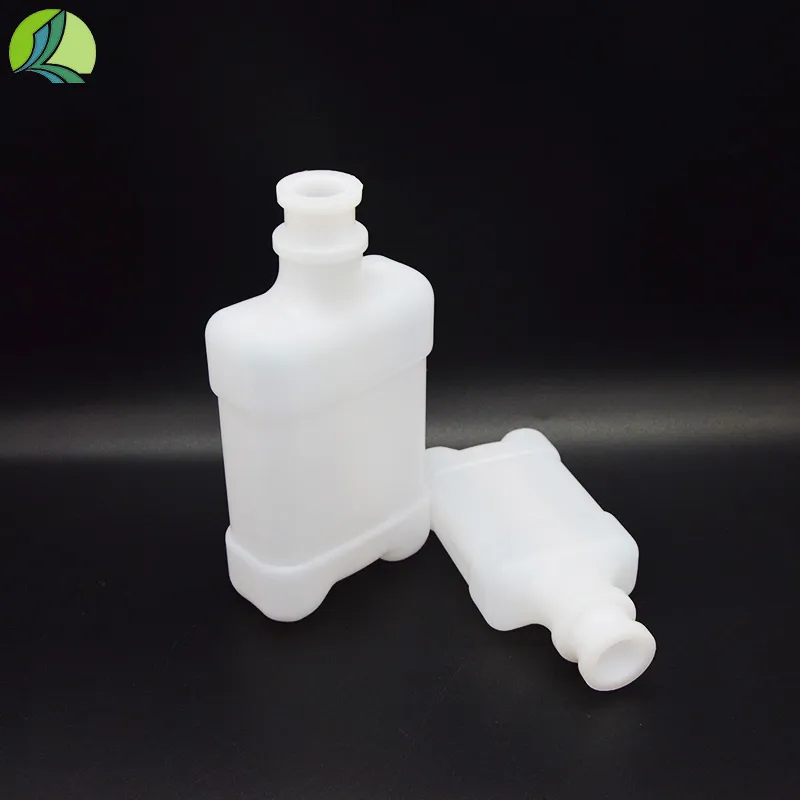



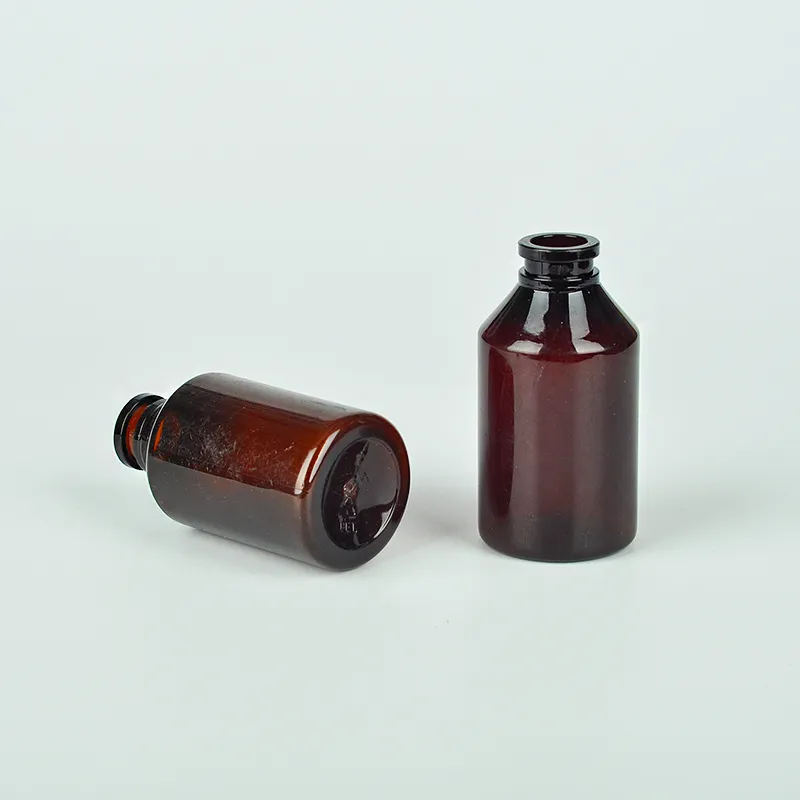
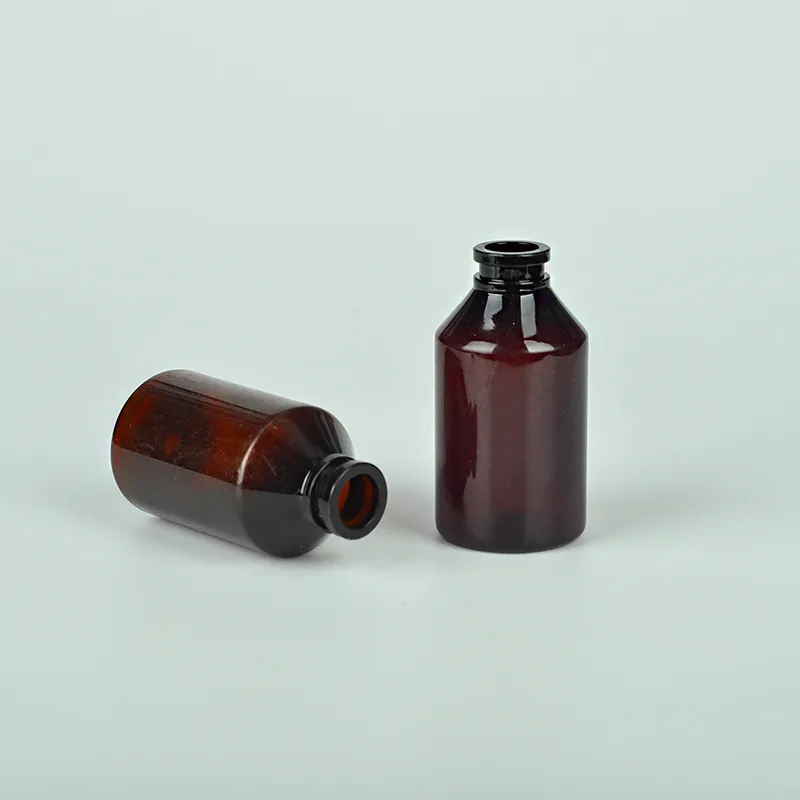
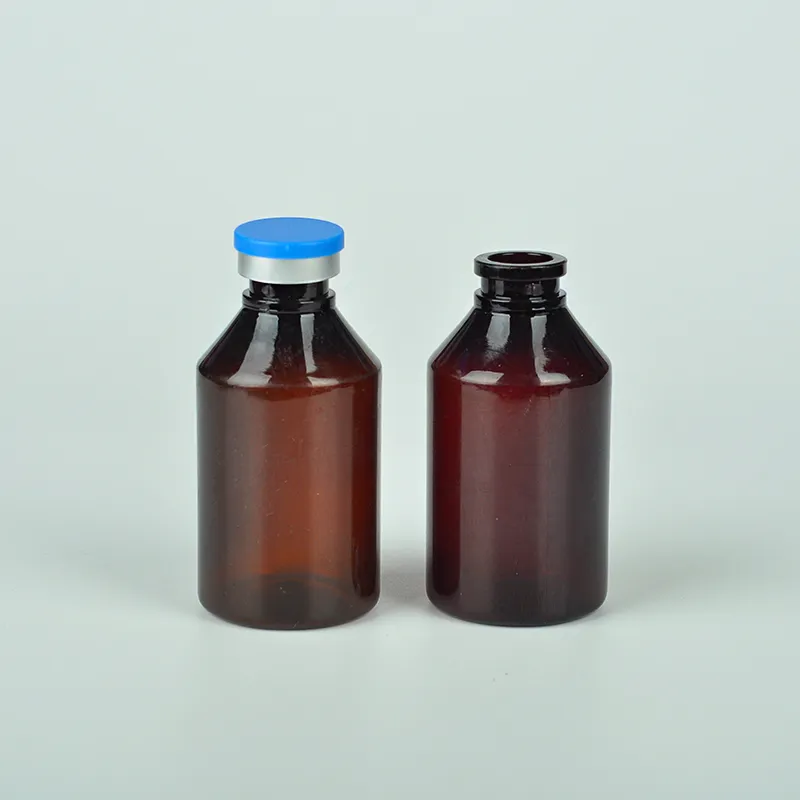
Brown Plastic Vaccine Vials|Lab Vet Med Liquid Vials UV-Safe
Brown plastic vials for vaccines and lab work: what really matters now
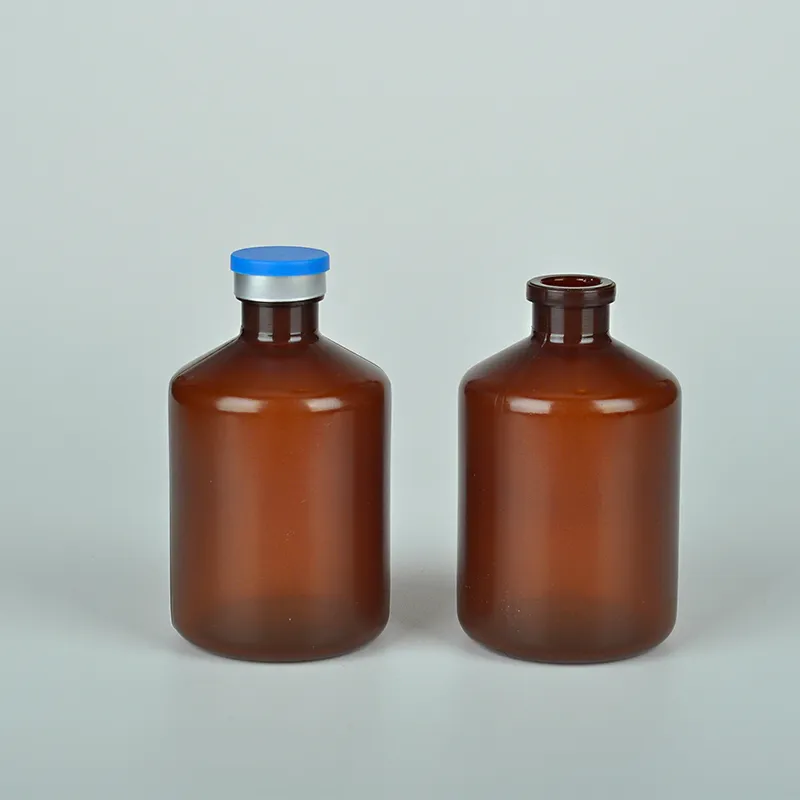
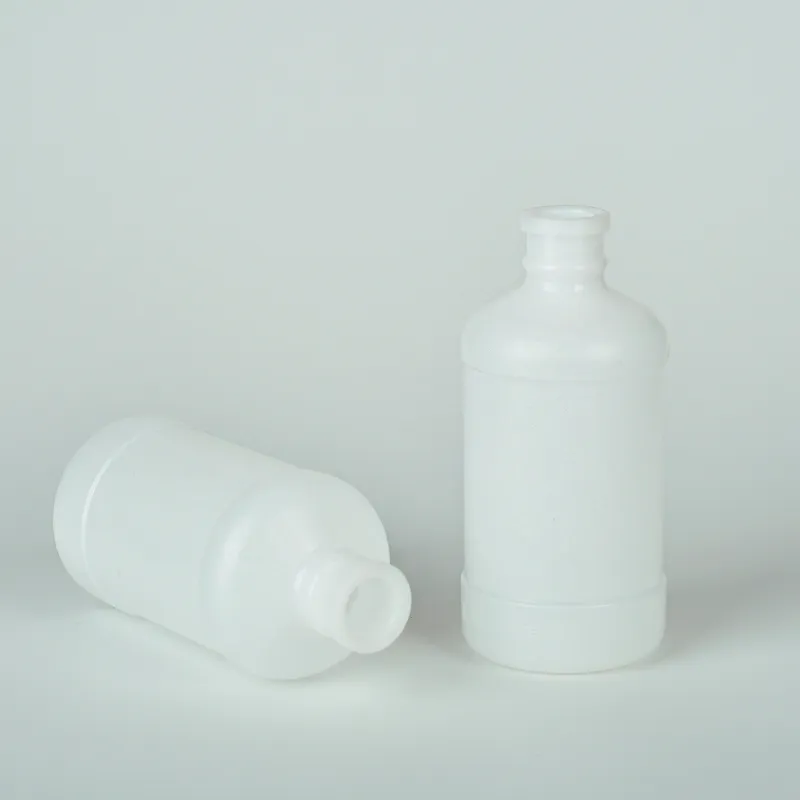
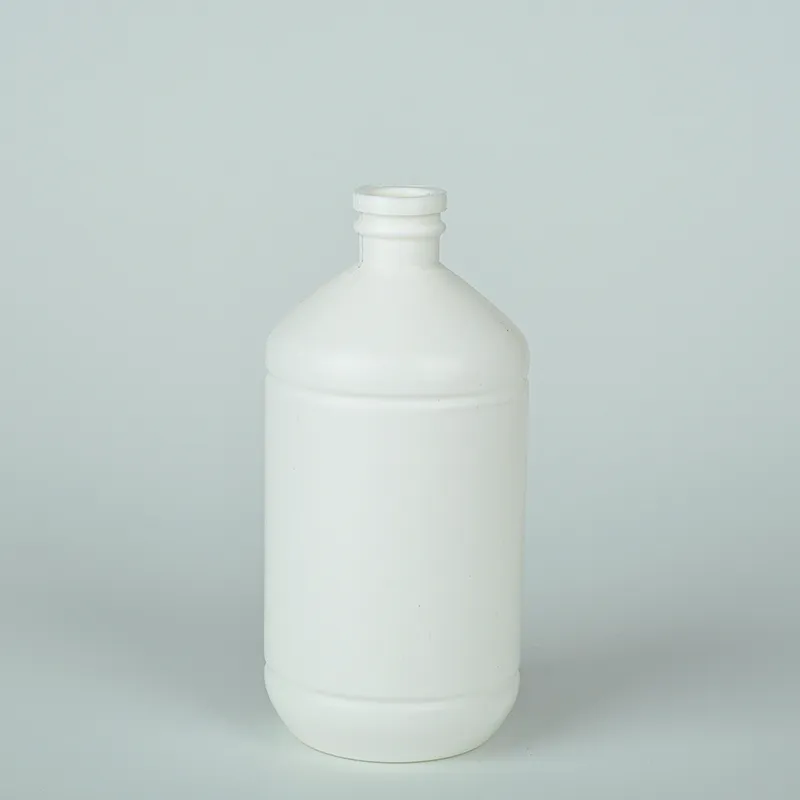
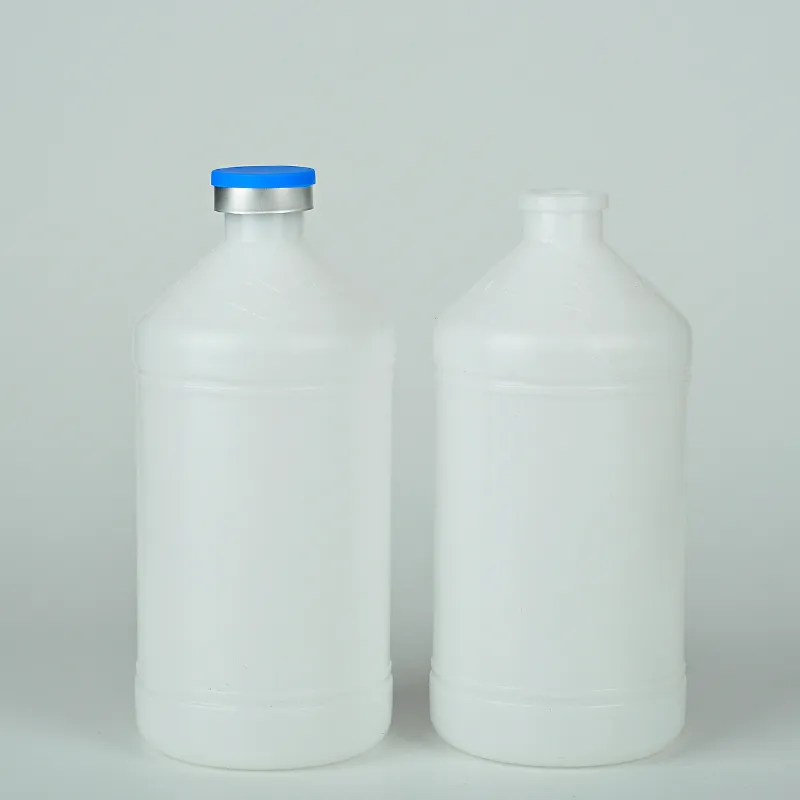
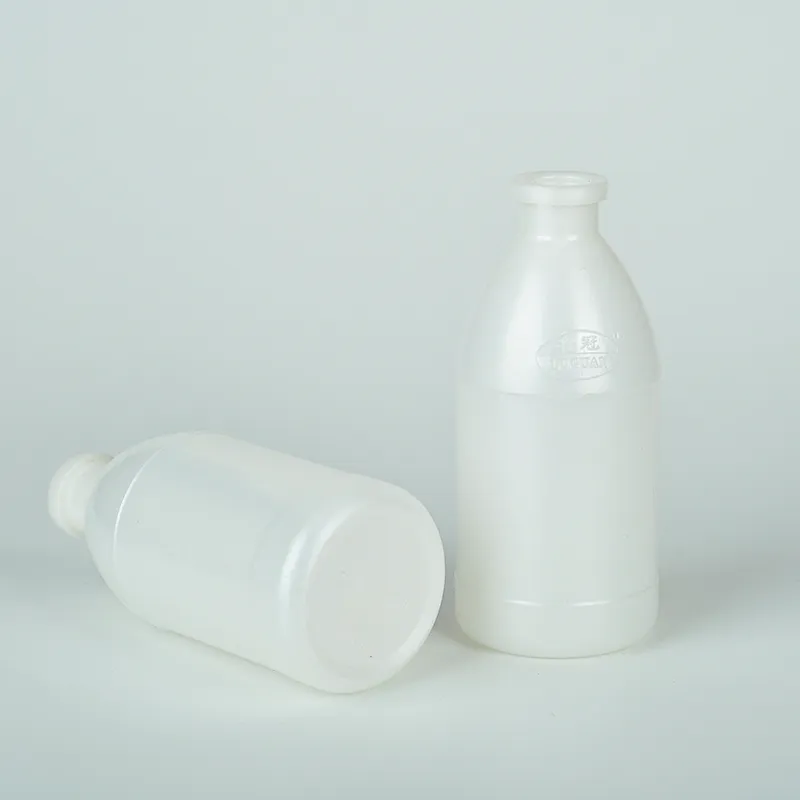
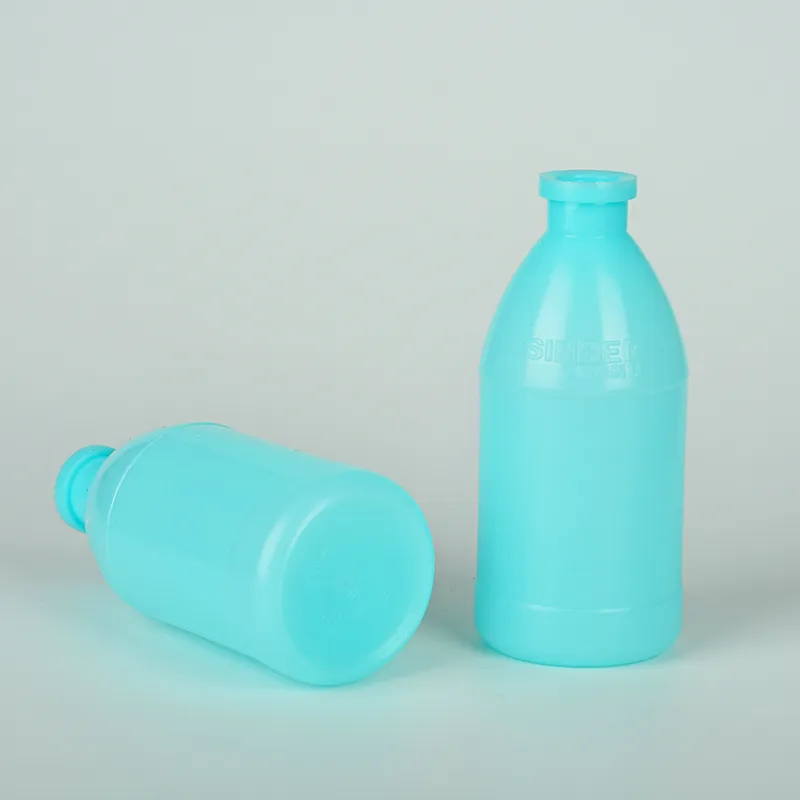
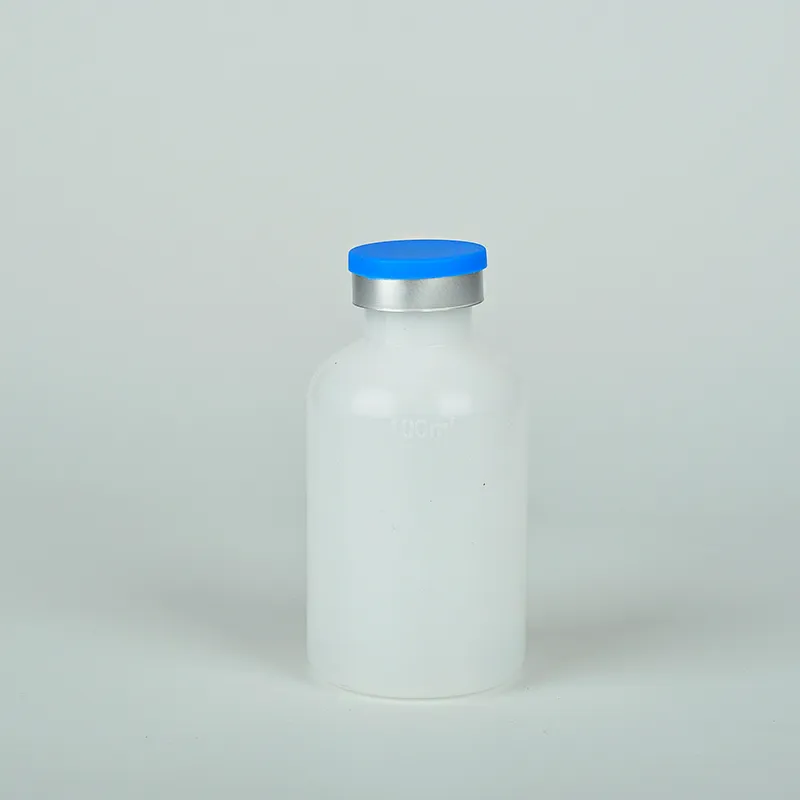
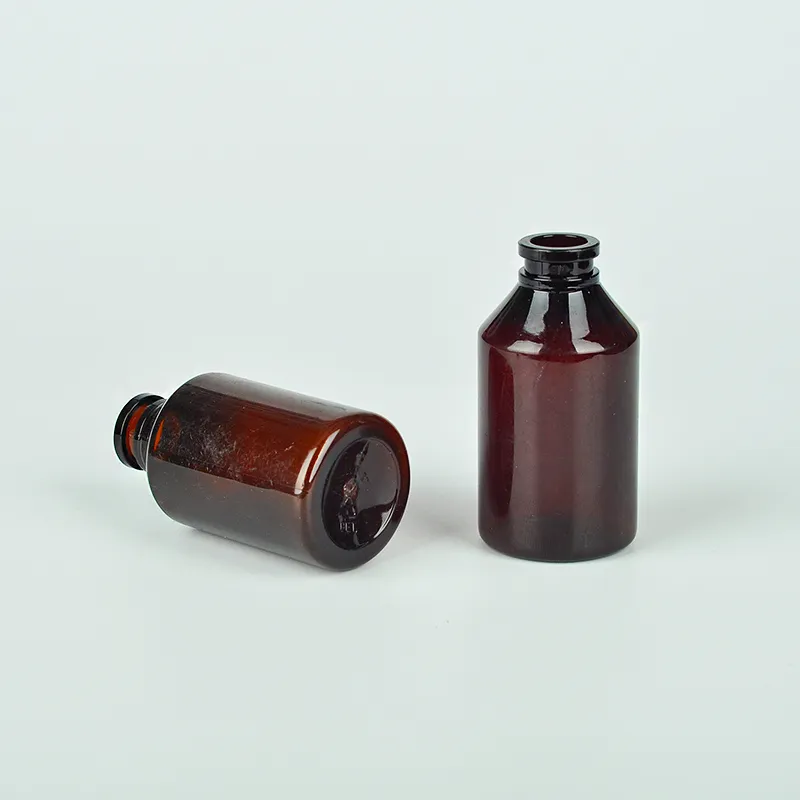
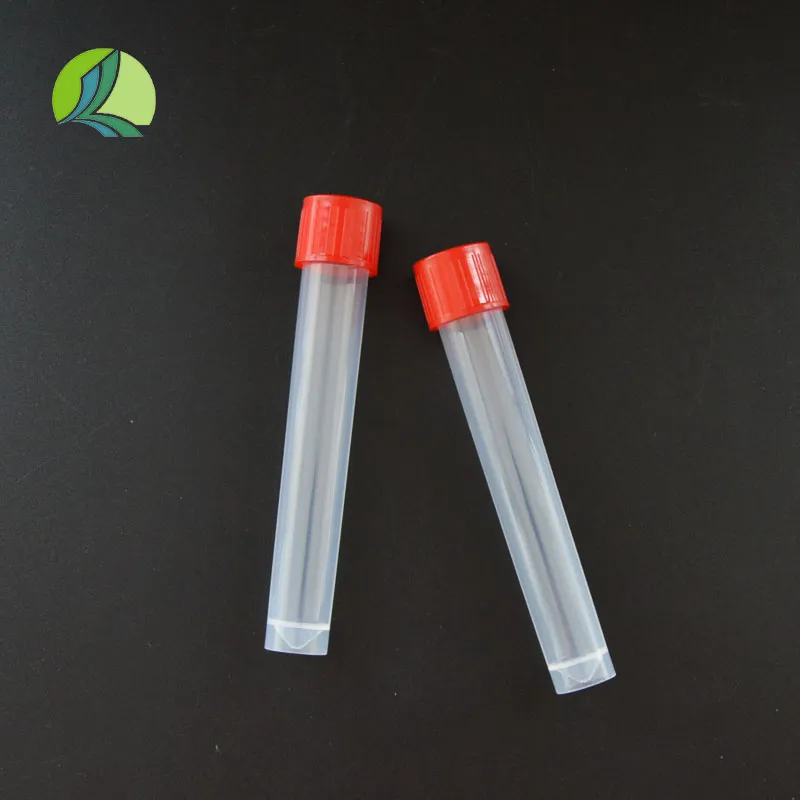
If you handle veterinary vaccines or field diagnostics, you’ve probably noticed the market quietly shifting away from fragile glass. That’s where the Brown Plastic Vaccine Vials Laboratory Veterinary Medicine Liquid Vials come in—made in LITUN, DUSHENG TOWN, CANGXIAN COUNTY, CANGZHOU CITY, HEBEI PROVINCE, CHINA, inside a Class 10,000 purification workshop, with molds customizable for global export. In fact, many customers say the combination of shatter resistance and UV protection is the main draw.
Industry trends (and why brown still wins)
Glass isn’t gone, but for veterinary logistics—think cold-chain jolts, remote barns, on-the-go vets—impact-resistant plastics like PP, PETG, and COP are taking share. Brown pigmentation (UV-block masterbatch) remains the simplest, most reliable shield against photo-degradation of antigens and adjuvants. To be honest, I used to be skeptical about “plastic for vaccines,” yet recent stability data I’ve seen suggests real-world performance is excellent when the resin and stopper/cap system are validated together.
Technical specifications (quick view)
| Parameter | Spec (≈, real-world use may vary) |
|---|---|
| Nominal volumes | 2 mL, 5 mL, 10 mL, 20 mL, 50 mL |
| Material options | PP, PETG, COP (medical grade, BPA-free) |
| Color / light protection | Brown (amber); UV transmittance ≤8% @ 290–450 nm (3 mm wall, UV-Vis) |
| Closure compatibility | 13/20 mm bromobutyl stoppers; tear-off or flip-off caps |
| Sterilization | Gamma (validated to ISO 11137), ETO; steam for PP variants (check lot) |
| Cleanroom | ISO Class 7 (Class 10,000) molding/packing |
| Service life | ≈5 years sealed, cool/dark storage, per stability studies |
Process flow (short version): medical-grade resin selection → injection or ISBM molding → in-line vision and leak checks → particulate control in Class 10,000 → optional gamma/ETO sterilization → lot-level retain and CoC. Testing: USP <661.1> extractables, ISO 11737 bioburden, UV-Vis transmission, drop/impact, and closure integrity. Certifications typically include ISO 9001, ISO 13485, and ISO 15378 for primary pharma packaging.
Where they’re used
- Livestock and poultry vaccines; aquaculture immunization
- Laboratory reagents and field test kits
- Cold-chain outreach programs (NGO and government campaigns)
Advantages versus glass: no shattering (obvious but huge), lighter payloads, fewer returns from breakage, and better safety for techs wearing gloves in barns or trucks. One distributor told me breakage claims dropped “by almost 90%” after switching to Brown Plastic Vaccine Vials Laboratory Veterinary Medicine Liquid Vials.
Vendor comparison (indicative)
| Vendor | Cleanroom | Sterilization validation | Customization | Lead time | Price index |
|---|---|---|---|---|---|
| WK Packing (Brown Plastic Vaccine Vials Laboratory Veterinary Medicine Liquid Vials) | ISO Class 7 | Gamma/ETO to ISO 11137 | Color, mold, print, serialization | ≈2–4 weeks | $$ |
| Generic Importer | Unknown | Limited docs | Basic colors | ≈4–8 weeks | $ |
| Glass Specialist | ISO Class 8–7 | Strong | Wide | ≈6–12 weeks | $$$ |
Customization and real-world feedback
Options include custom volumes, wall thickness, pigmentation intensity, silk-screen or UV print, tamper-evident caps, and DataMatrix serialization. One poultry vaccine maker reports “98% fewer breakage complaints” and cleaner line changeovers after migrating to Brown Plastic Vaccine Vials Laboratory Veterinary Medicine Liquid Vials. Another field-vet program shaved 30% off kit weight and passed a 72-hour cold-chain stress test with zero container failures.
Compliance and test data (abridged)
- USP <661.1> plastics: extractables within limits; no non-intent BPA
- Light transmission: ≤8% UV band; haze per ASTM D1003 meets spec
- Bioburden: controlled per ISO 11737; sterilization validated to ISO 11137
- Container-closure: bromobutyl compatibility; 100% visual/pressure checks
- Quality system: ISO 9001/13485; primary packaging to ISO 15378
Bottom line: if you need rugged, UV-safe primary packaging for veterinary biologics, Brown Plastic Vaccine Vials Laboratory Veterinary Medicine Liquid Vials are a practical, validated choice.
References
-
Bulk Eye Dropper Bottles for Industrial Packaging - Reliable & CustomizableNewsDec.31,2025
-
Small Plastic Dropper Bottles – Durable, Precise Packaging Solutions for B2B ApplicationsNewsDec.10,2025
-
Medicine Dropper Bottles – Precision and Quality Packaging Solutions for B2B | WK PackingNewsDec.10,2025
-
Discover Top Quality 2 oz Eye Dropper Bottles for Industrial UseNewsDec.09,2025
-
1 Oz Eye Dropper Bottles - Precision Packaging Solutions for B2B Industries | WKPackingNewsDec.09,2025
-
Durable 4 oz Eye Dropper Bottles for Industrial & Cosmetic UseNewsDec.09,2025