
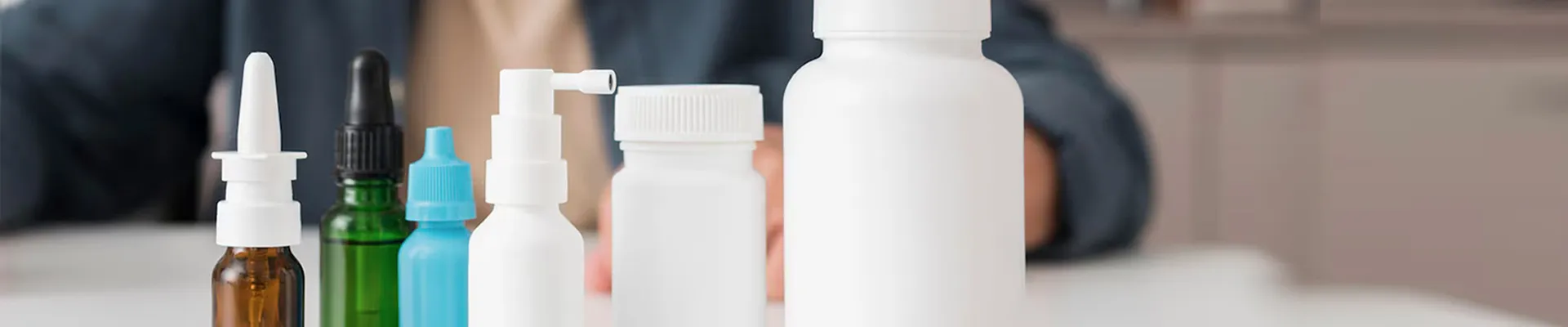


Comprehensive Guide to Empty Eye Dropper Bottles – Uses, Trends & Suppliers
Understanding Empty Eye Dropper Bottles: A Tiny Vessel with Global Importance
Empty eye dropper bottles — sounds niche, right? But frankly, these little containers play an outsized role worldwide. Whether it’s in healthcare deliveries, cosmetics, or precise liquid dispensing industries, they matter. Understanding their design, usage, and future trends unlocks insights into safety, sustainability, and innovation. And that really is worth exploring.
Introduction: Global Context and Why Empty Eye Dropper Bottles Matter
You might wonder, what’s the fuss over empty eye dropper bottles on a global scale? Well, for starters, the World Health Organization notes that access to sterile, single-use liquid applicators vastly reduces the risk of contamination in medical treatments — eye medications being a prime example. The global pharmaceutical packaging market, valued at $90 billion+ as of 2023, is steadily seeing demand for precision delivery systems like droppers as patient-centric care grows (source: Statista, 2023).
On top of that, industries ranging from skincare to essential oils tap into the benefits of empty eye dropper bottles for accurate dosing and improved shelf-life. But here’s a challenge: ensuring these bottles meet strict safety and durability standards while remaining cost-effective, especially in low-resource settings.
Defining Empty Eye Dropper Bottles
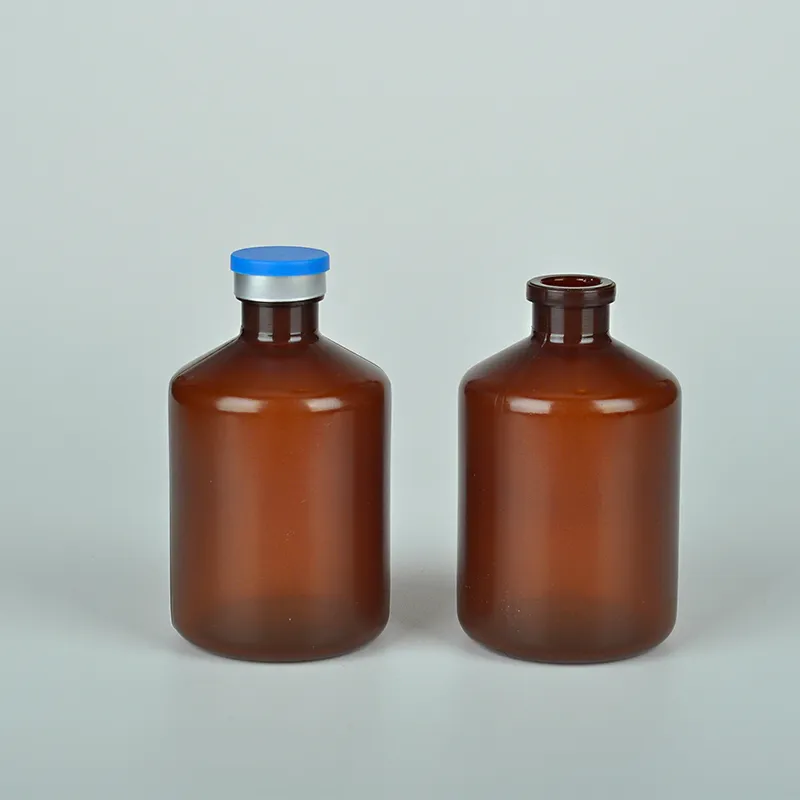
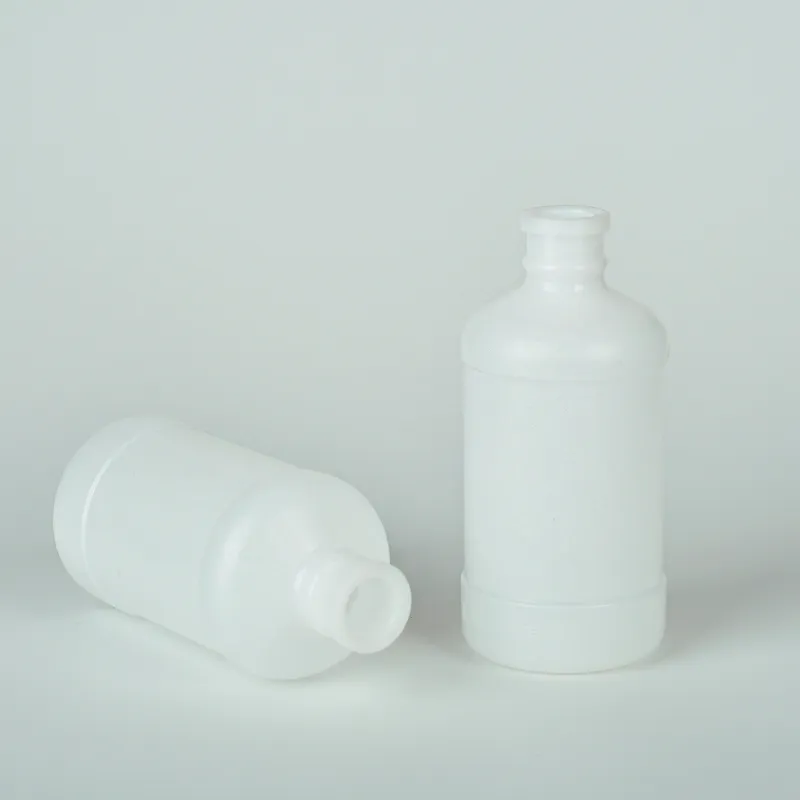
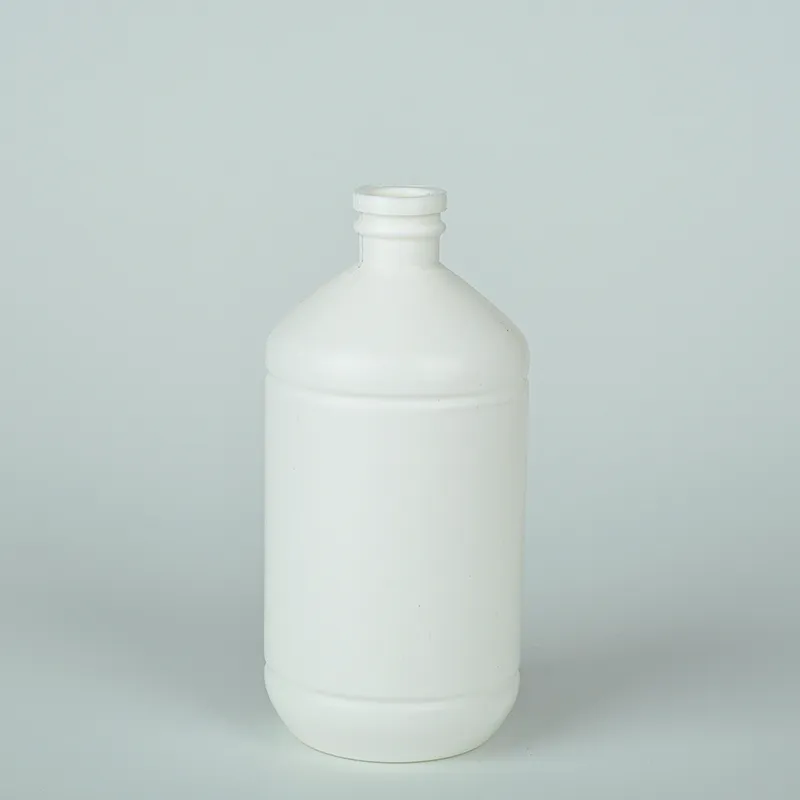
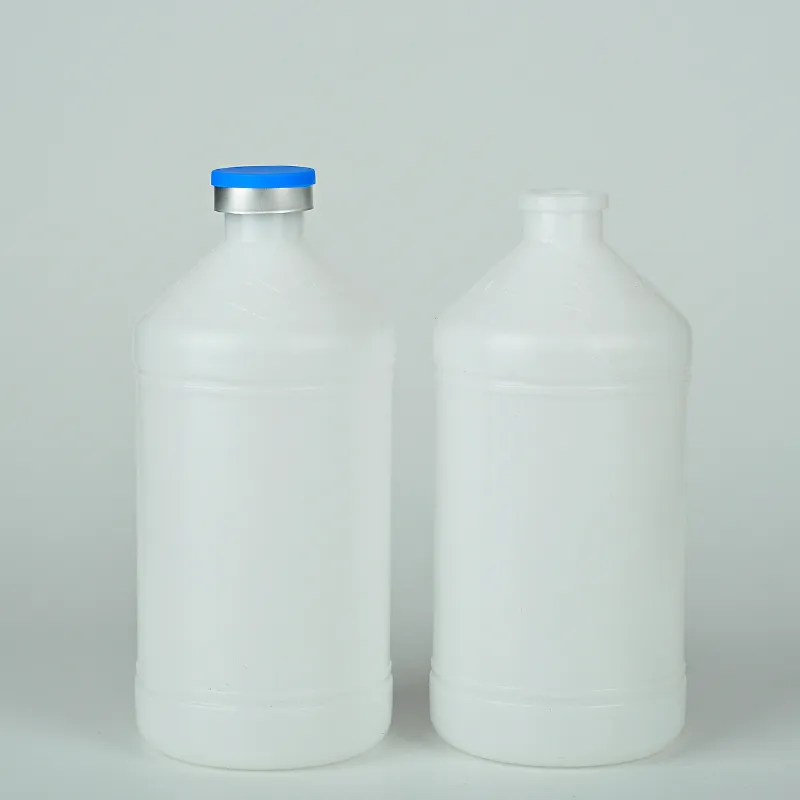
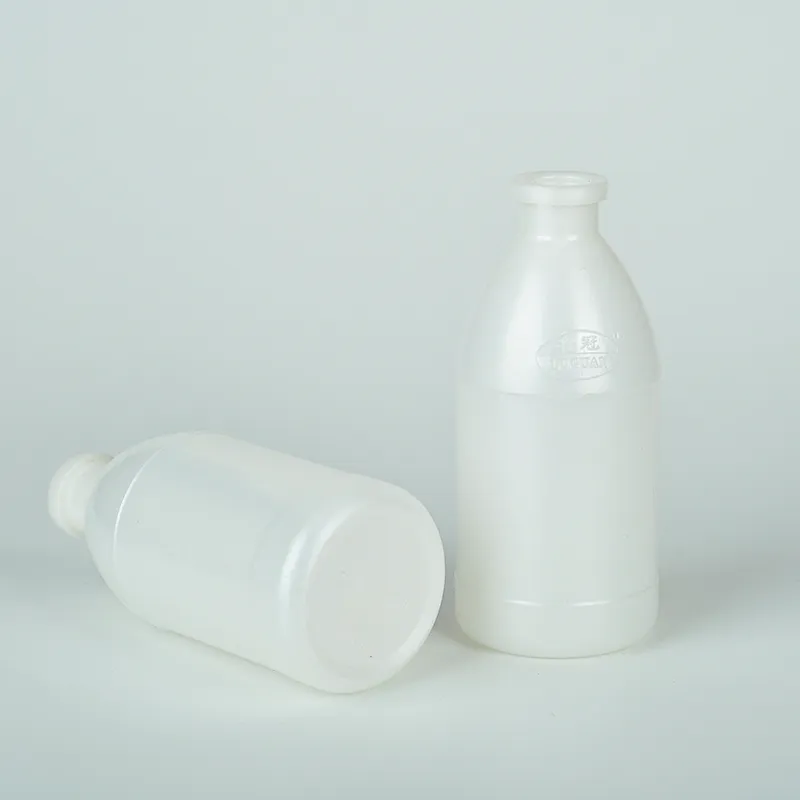
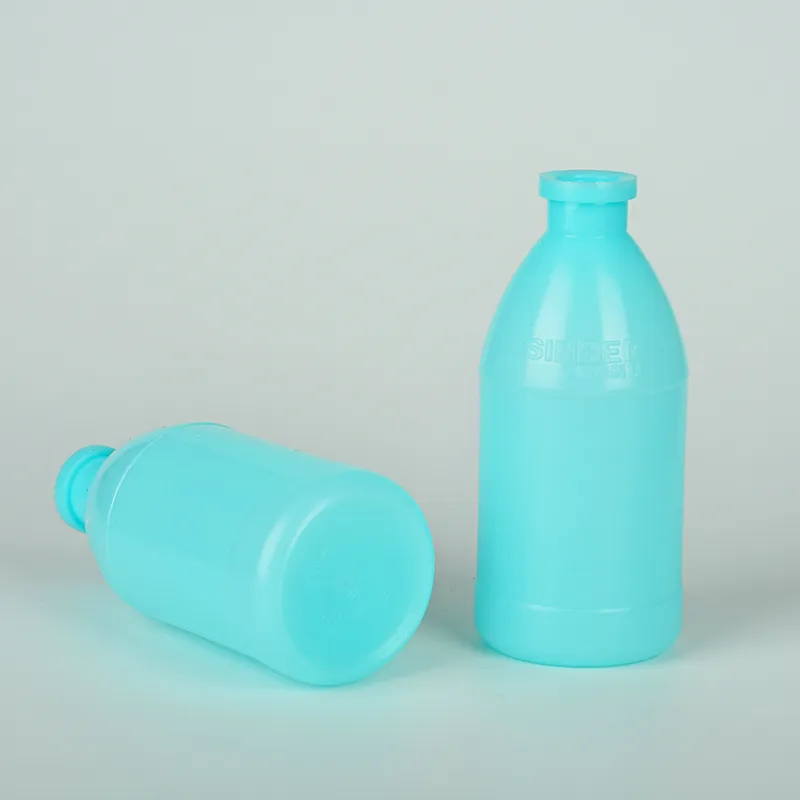
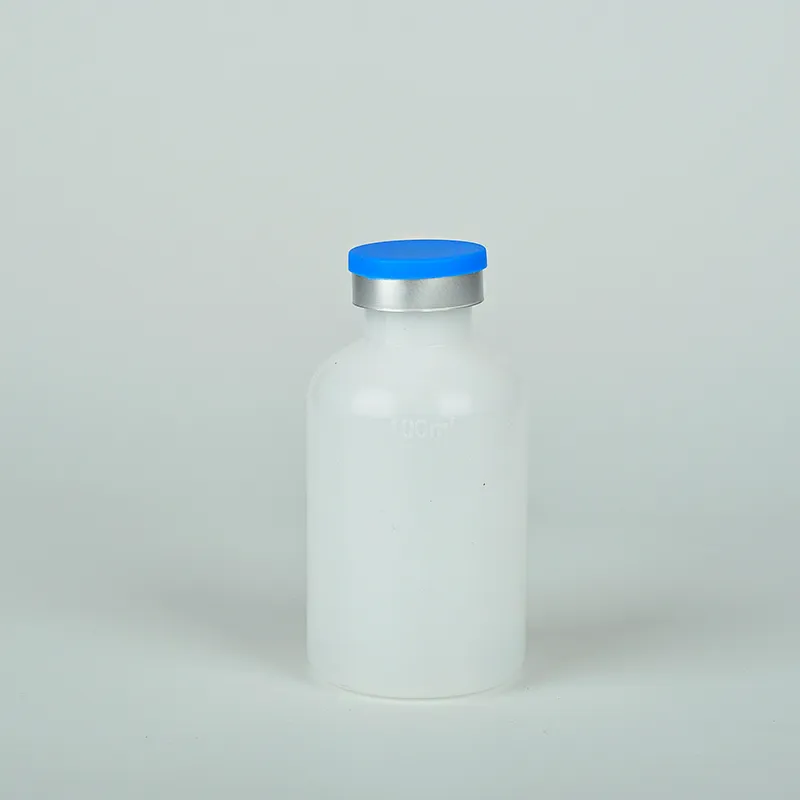
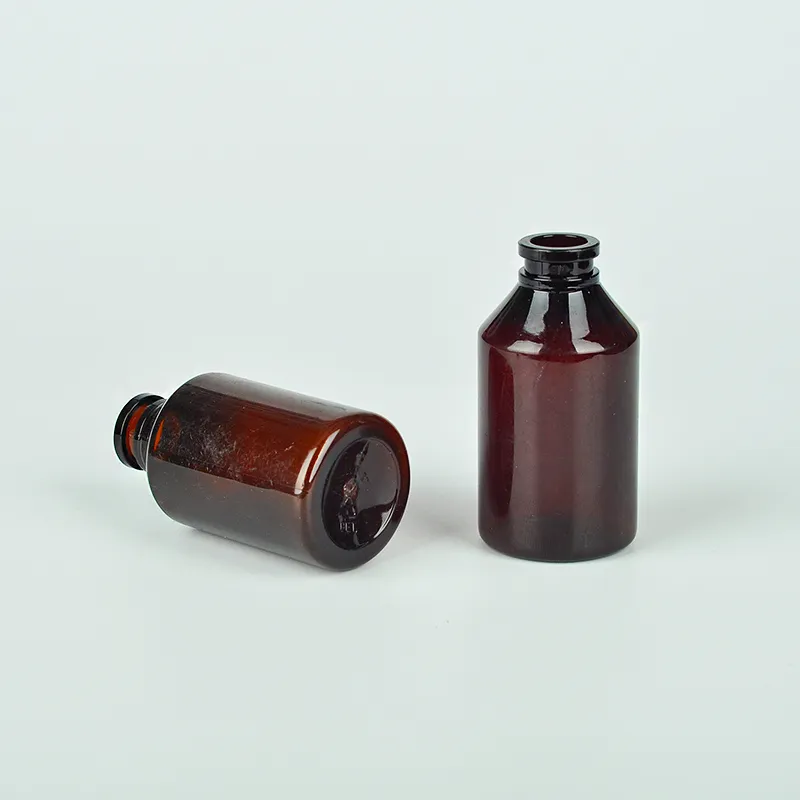
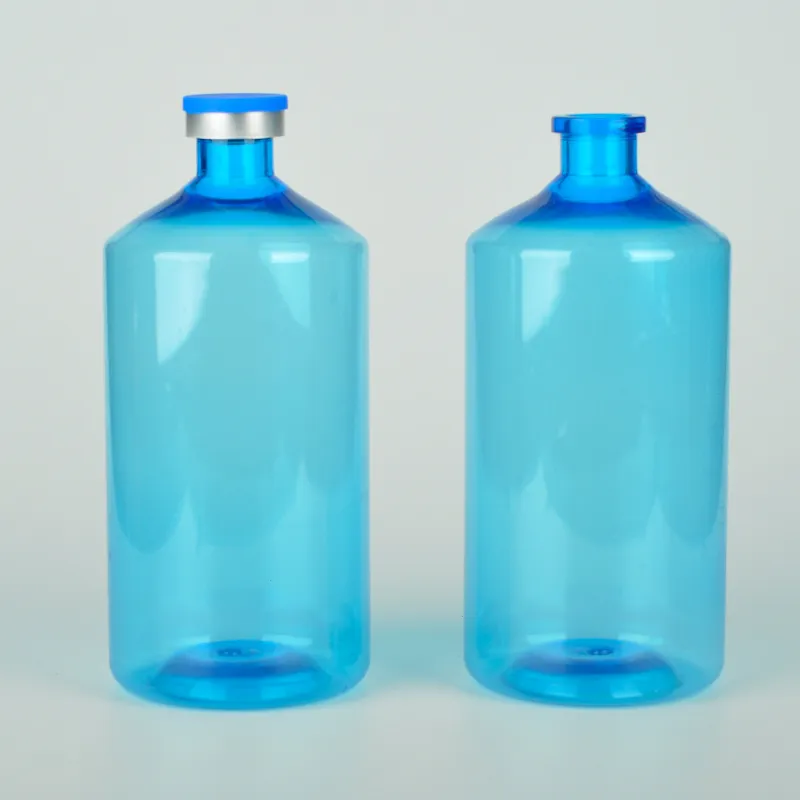
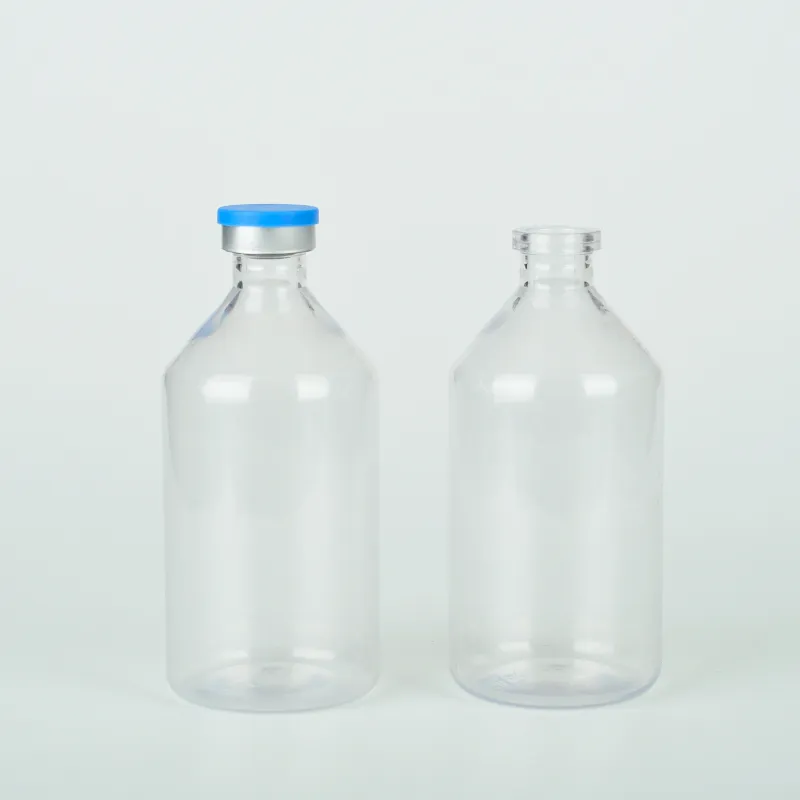
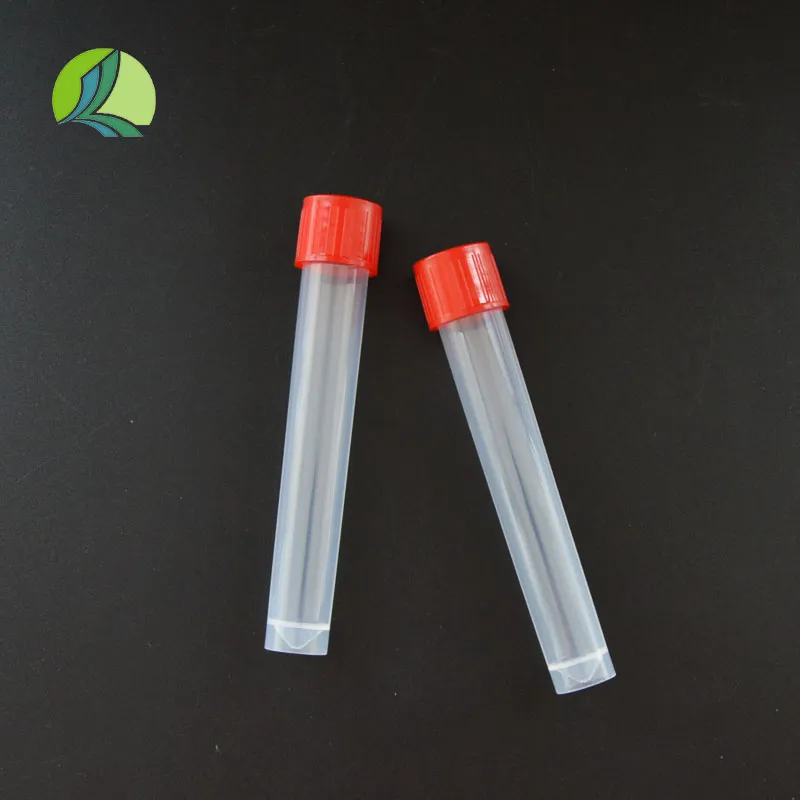
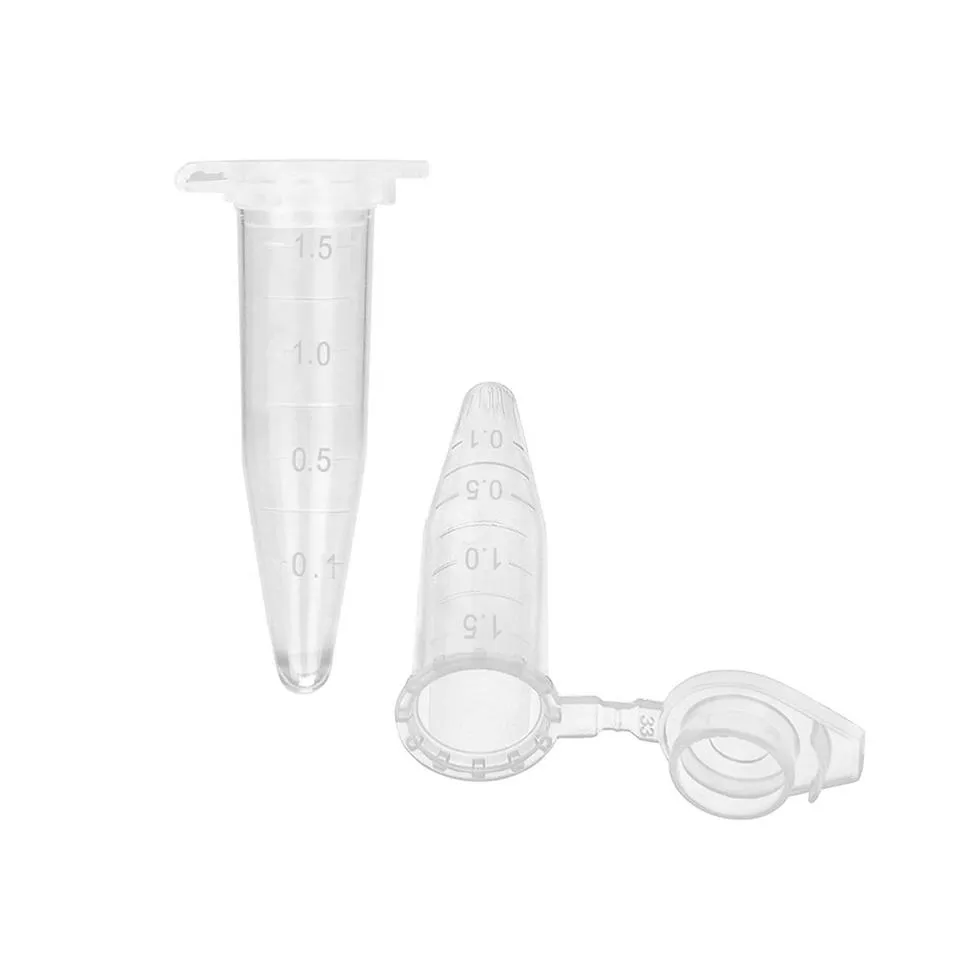
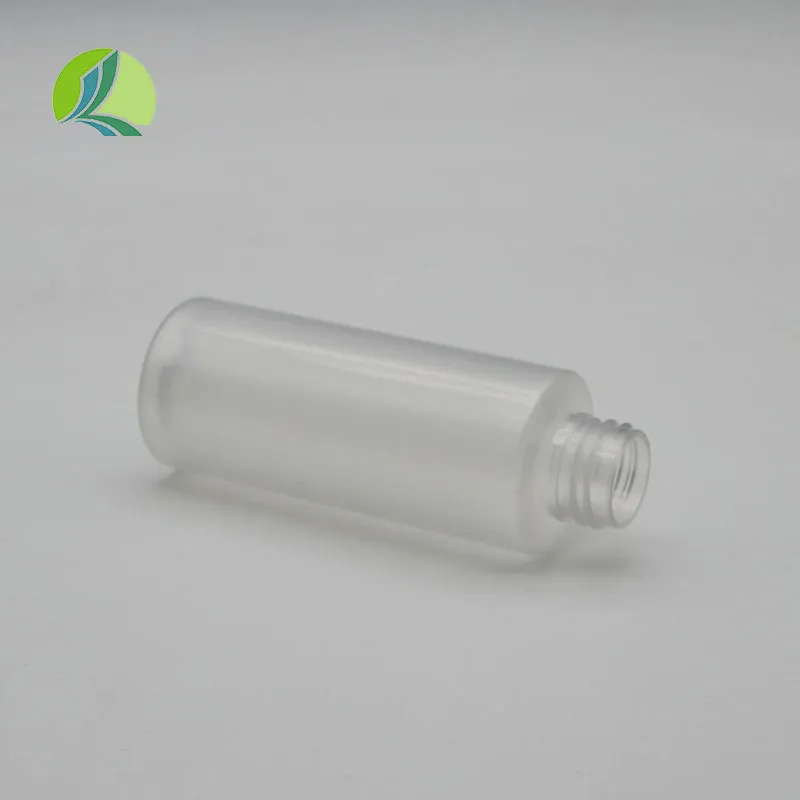
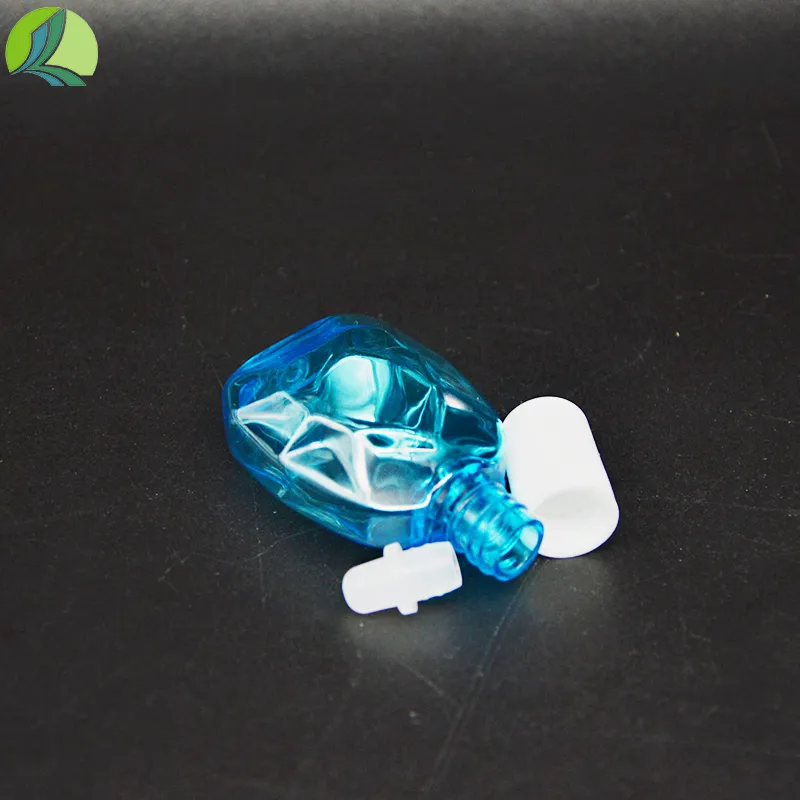
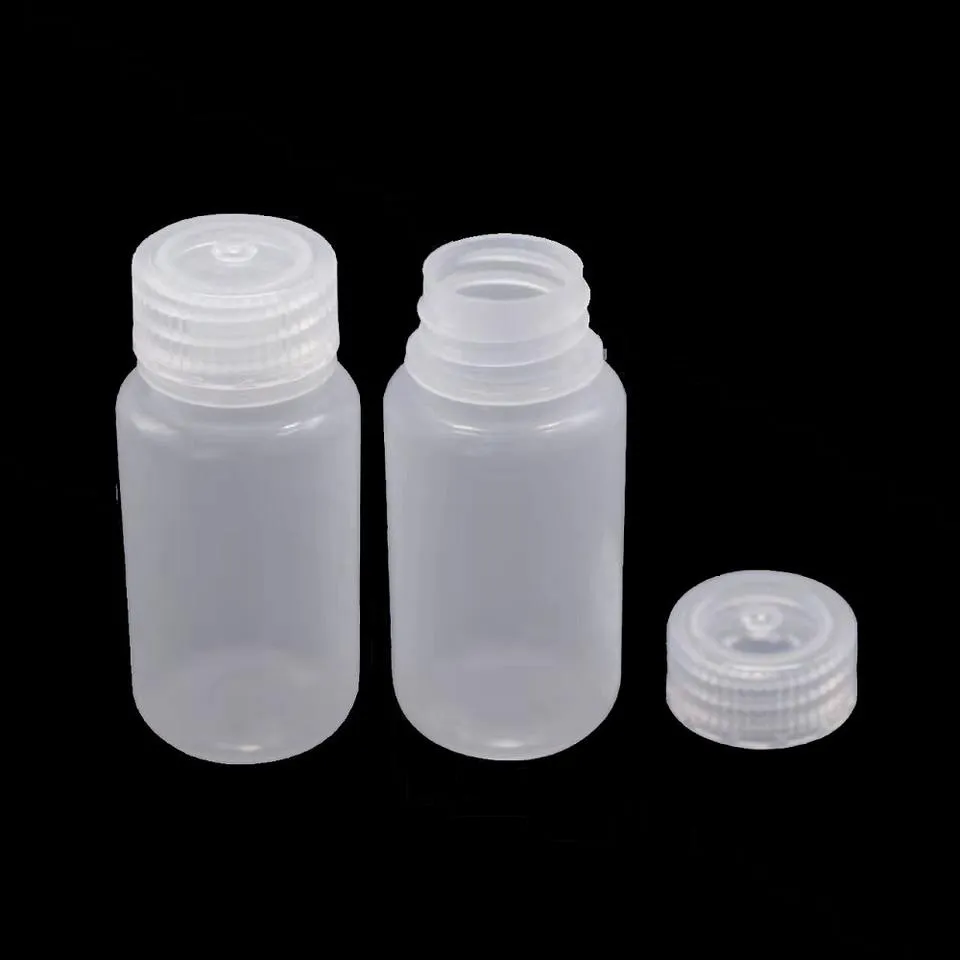
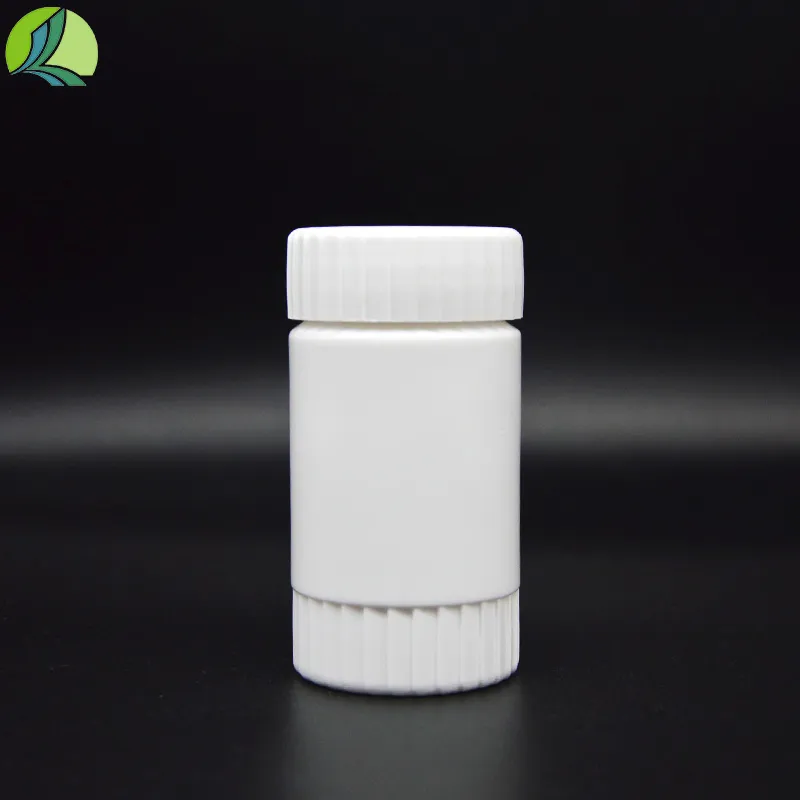
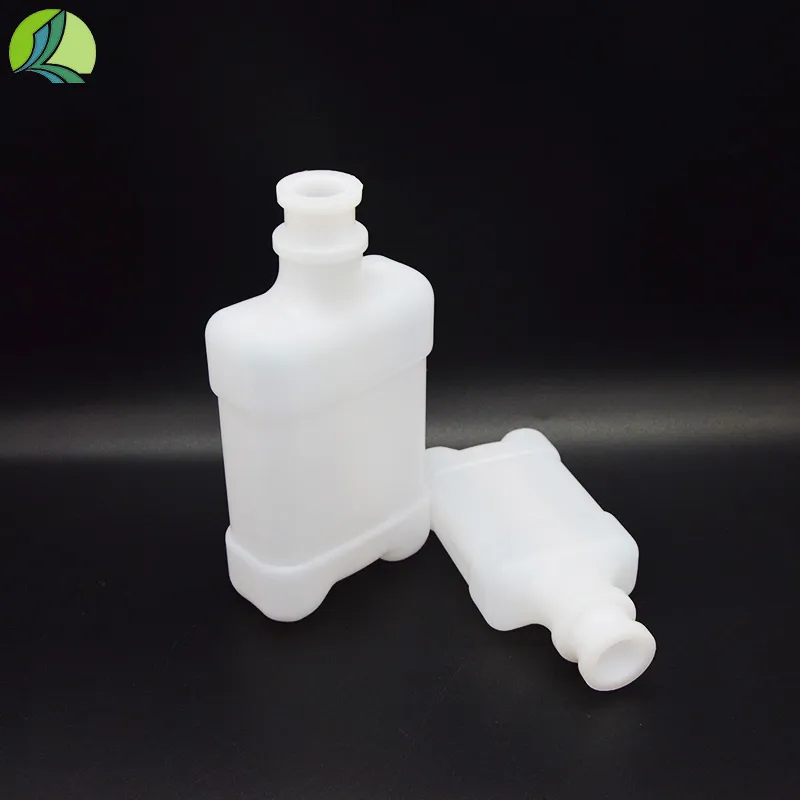
Simply put, an empty eye dropper bottle is a small, usually plastic or glass vial equipped with a dropper cap designed to deliver controlled drops of liquid. Think of it as a precise dispensing tool for liquid medicines, serums, or other fluids that require accurate application.
Its relevance touches both modern industries and humanitarian needs alike — for example, donating eye drops during epidemic outbreaks requires safe, sterile bottles that can be transported and stored efficiently.
Key Components and Considerations
1. Material Durability and Safety
Glass versus plastic is a classic debate here. Glass offers excellent chemical resistance and clarity, ideal for sensitive formulations, but is fragile. Plastic, particularly medical-grade polyethylene or polypropylene, provides durability and lighter weight but must be carefully chosen to avoid leaching contaminants. Many engineers prioritize materials compliant with ISO 13485 standards (medical devices) to ensure safety.
2. Precision and Dispensing Control
Drop size matters—a lot. The dropper tip design ensures users receive exactly one drop per squeeze, essential in pharmaceuticals or skincare. Oddly enough, slight variations in tip diameter or rubber bulb elasticity can change drop size, which manufacturers rigorously test.
3. Sterility and Packaging
Most empty eye dropper bottles must arrive sterile or be sterilizable on-site. Packaging innovations now include tamper-evident caps and nested trays to maintain sterility through supply chains, even in rugged conditions.
4. Scalability and Cost Efficiency
For huge orders, like international health organizations distributing essential medicines, cost per unit and manufacturing scalability become pivotal. Rapid injection molding and standard designs help keep prices competitive without compromising quality.
5. Environmental Impact
There’s a growing push toward recyclable or biodegradable materials. Some vendors now offer bio-based plastics or reuse-friendly designs, aligning with the global sustainability agenda outlined by the UN Environmental Programme.
Mini Takeaway: The potency of empty eye dropper bottles lies in their meticulous balance — strong, precise, safe, and scalable — all while increasingly factoring in eco-responsibility.
Product Specification Table for Typical Empty Eye Dropper Bottle
| Feature | Specification |
|---|---|
| Material | Medical-grade plastic (PE/PP) or borosilicate glass |
| Capacity | 5 ml, 10 ml, 15 ml typical |
| Drop Size | Approx. 20-25 microliters per drop |
| Closure Type | Screw cap with rubber bulb dropper |
| Compliance | ISO 9001, ISO 13485 (medical) |
| Sterilization | Gamma irradiation or autoclave |
Global Applications & Use Cases
Empty eye dropper bottles aren’t just found in pharmacy shelves in New York or Tokyo. Their reach extends widely:
- Post-disaster relief operations: When infrastructure breaks down, NGOs use sterile droppers to deliver eye medication to prevent infection outbreaks.
- Remote industrial zones: Oil & gas or mining sites use eye dropper bottles for dispensing lubricants or diagnostic fluids safely.
- Cosmetic and wellness industries: Lightweight, customizable droppers package serums and essential oils for consumers worldwide.
- Veterinary care: Smaller batches of affordable droppers help deliver medication effectively for animals in rural areas.
Vendor Comparison Table
| Vendor | Material Options | Min. Order Quantity | Price per Unit (USD) | Customization | Certifications |
|---|---|---|---|---|---|
| ClearDrop Inc. | Plastic & Glass | 5,000 pcs | 0.20 - 0.35 | Color, Logo Printing | ISO 9001, FDA |
| MedPack Solutions | Medical-grade Plastic | 10,000 pcs | 0.15 - 0.25 | Standard Colors | ISO 13485, CE |
| EcoDose Packaging | Bio-plastic | 2,000 pcs | 0.30 - 0.45 | Recyclable Materials | ISO 14001, FDA |
Advantages & Long-Term Value
Why do organizations keep going back to empty eye dropper bottles? Because they combine precision dosing with reliable safety. All along, they foster trust — patients feel confident about their meds; cosmetic users enjoy consistency.
There’s a sustainability angle too, as more vendors switch to eco-conscious materials, reducing landfill waste and supporting circular economies.
Emotionally speaking, it’s about dignity — delivering vital treatments safely, preventing infections, and reducing cross-contamination. Not a small deal.
Future Trends & Innovations
The industry is noticing several exciting changes:
- Smart Droppers: Incorporating microchips or QR codes to monitor dosages or authenticate products.
- Biodegradable Materials: Polymers derived from plants that break down faster, easing environmental impact.
- Automation & Robotics: Advanced filling lines reduce human contamination risk and speed production.
- Customization on Demand: Digital printing enables small-batch personalized packaging, enhancing branding and user experience.
Challenges & Solutions
Obviously, no product is without flaws. One frequent issue is balancing cost with quality, especially for humanitarian organizations that need millions of units at minimal prices. Then there’s ensuring sterility after transport — a major concern in long supply chains reaching rural locations.
Experts suggest modular manufacturing facilities closer to demand areas, sterilization checkpoints, and transparent supply chain tracking as promising solutions.
FAQ: Frequently Asked Questions About Empty Eye Dropper Bottles
Q1: What materials are safest for empty eye dropper bottles?
A: Medical-grade plastics like polypropylene or polyethylene are trusted for safety and durability, while borosilicate glass offers excellent chemical resistance but can be fragile. Always look for ISO and FDA certifications to ensure material safety.
Q2: How are empty eye dropper bottles sterilized?
A: Common sterilization methods include gamma irradiation and autoclaving. Vendors typically package bottles sterile or provide instructions for sterilizing on-site, depending on client needs.
Q3: Can empty eye dropper bottles be customized?
A: Yes, many suppliers offer customization such as color options, printed logos, specific dropper tip sizes, or even special packaging to align with branding requirements.
Q4: Are biodegradable empty eye dropper bottles available?
A: Increasingly so. Bio-plastic bottles made from plant-based materials offer sustainable alternatives. They comply with environmental standards and are gaining traction especially in cosmetics.
Q5: How to source empty eye dropper bottles for large-scale humanitarian programs?
A: Partnering with vendors who understand volume needs, quality certifications, and sterilization requirements is key. Inquiry checklist: check MOQ (minimum order quantity), lead times, and compliance documentation.
Conclusion: Why Empty Eye Dropper Bottles Will Keep Dropping Into Our Future
Empty eye dropper bottles might seem small, but their impact is vast — spanning healthcare, industry, and sustainability. They combine precision, safety, and often affordability in an increasingly eco-conscious world.
So next time you pick up a delicate drop of eye medication or herbal serum, remember the tiny juggernaut behind it.
Curious to explore high-quality options? Visit empty eye dropper bottles for trusted suppliers and detailed specs.
References:
-
Bulk Eye Dropper Bottles for Industrial Packaging - Reliable & CustomizableNewsDec.31,2025
-
Small Plastic Dropper Bottles – Durable, Precise Packaging Solutions for B2B ApplicationsNewsDec.10,2025
-
Medicine Dropper Bottles – Precision and Quality Packaging Solutions for B2B | WK PackingNewsDec.10,2025
-
Discover Top Quality 2 oz Eye Dropper Bottles for Industrial UseNewsDec.09,2025
-
1 Oz Eye Dropper Bottles - Precision Packaging Solutions for B2B Industries | WKPackingNewsDec.09,2025
-
Durable 4 oz Eye Dropper Bottles for Industrial & Cosmetic UseNewsDec.09,2025