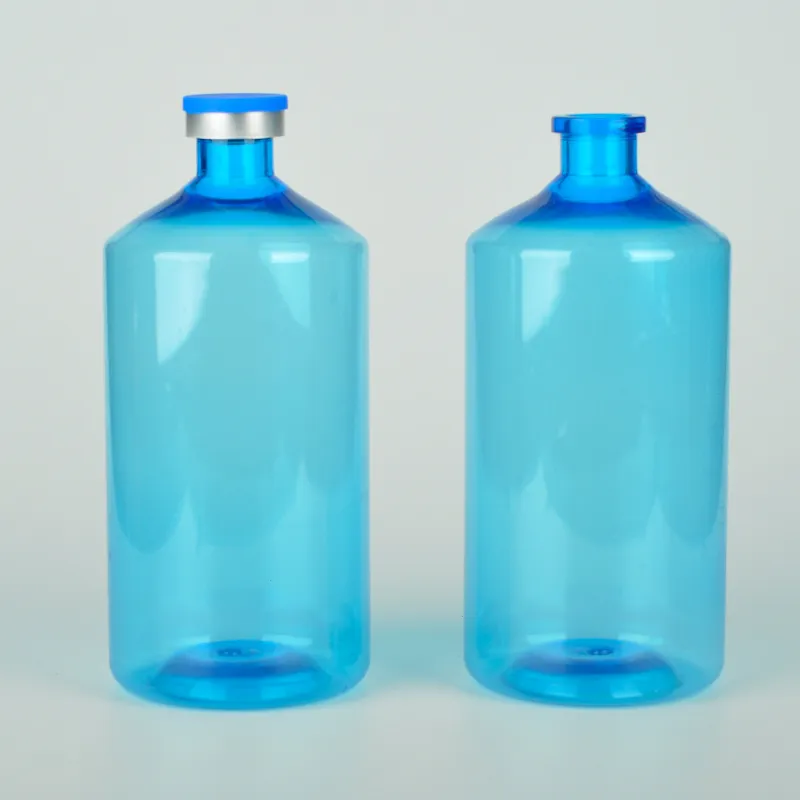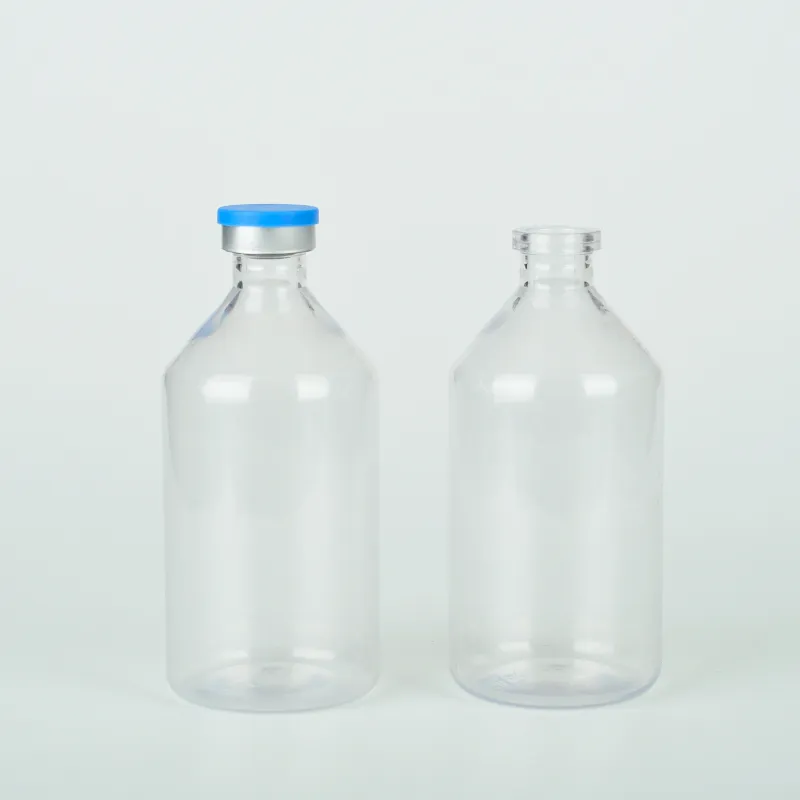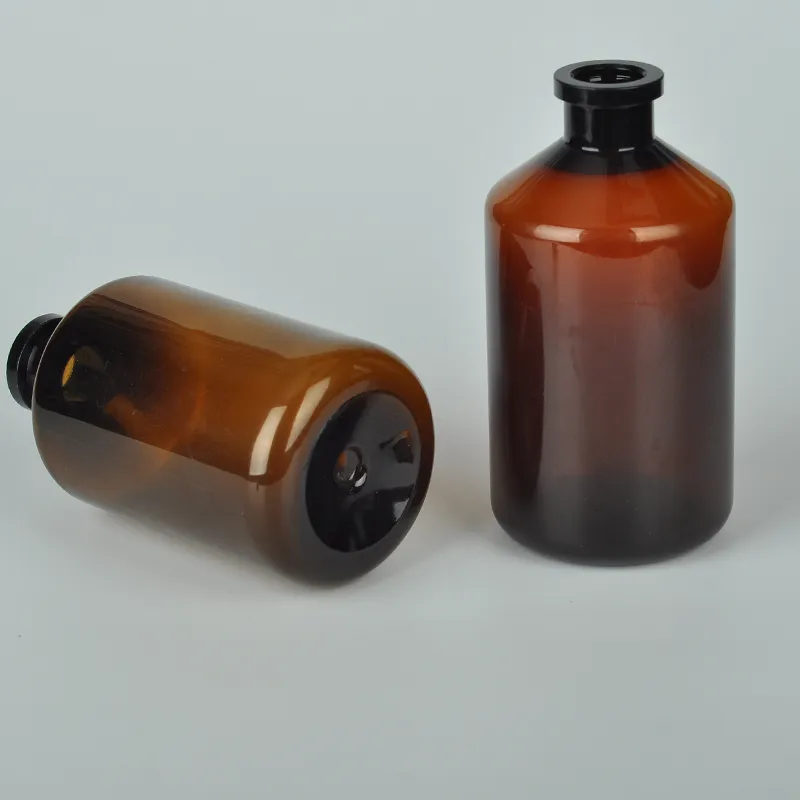




Durable 15 ml Eye Dropper Bottles for Industrial Use | WK Packing
Why 15 ml Eye Dropper Bottles Are Essential in Industrial Packaging
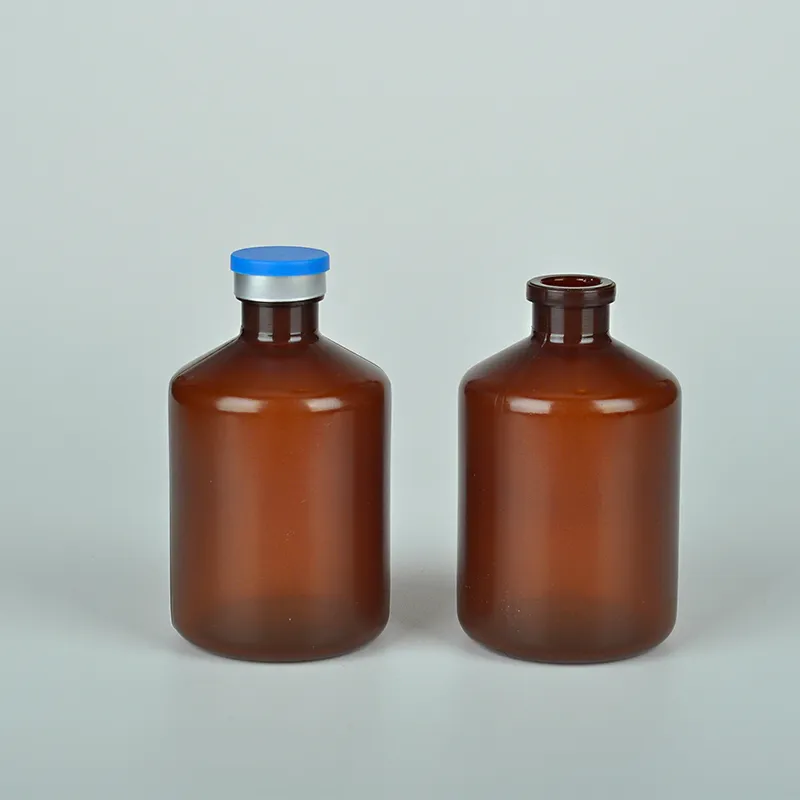
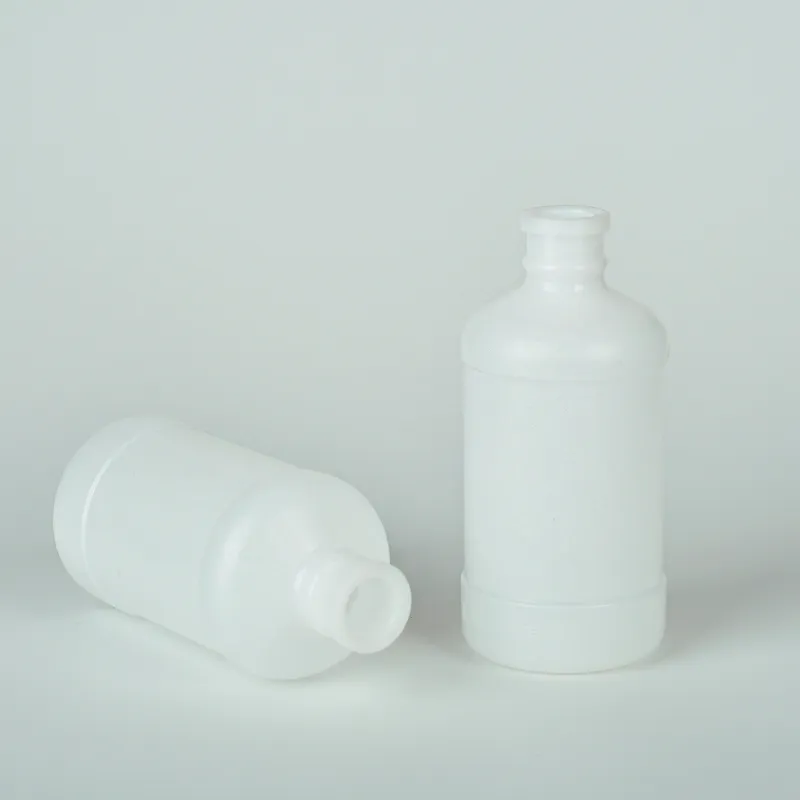
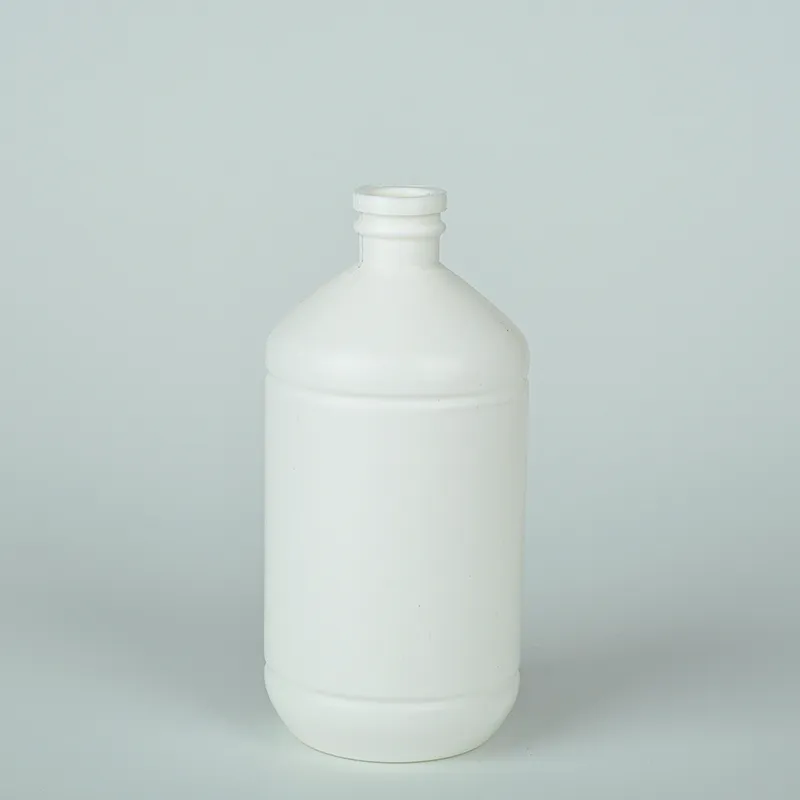
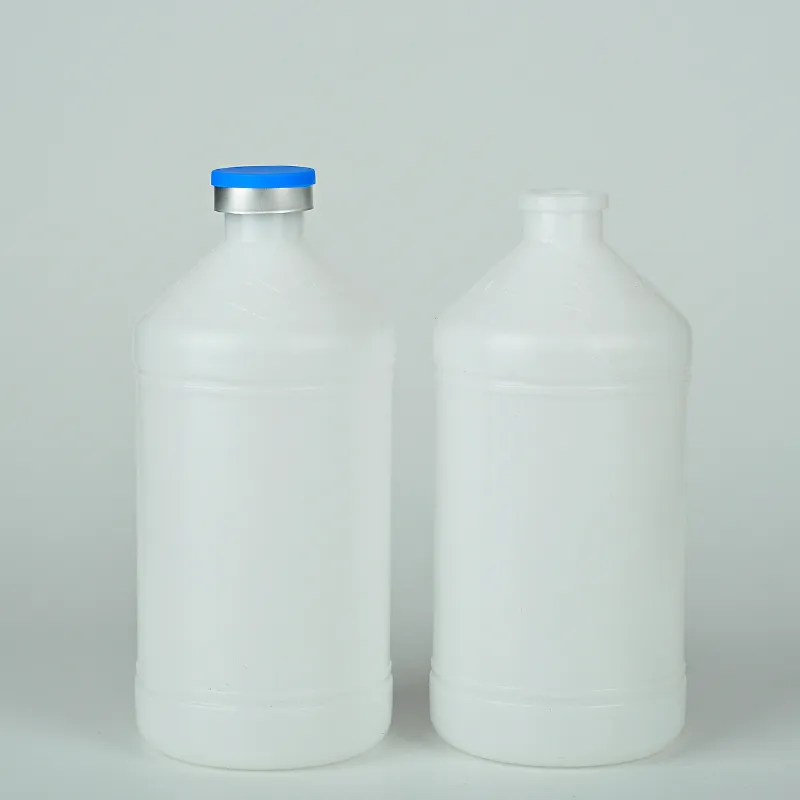
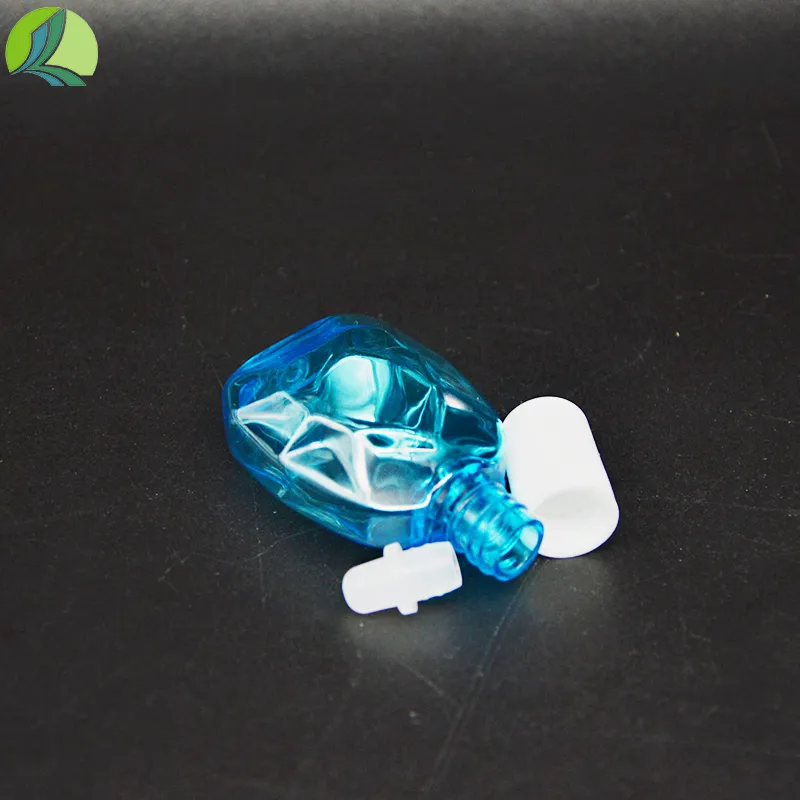
Having spent well over a decade working with industrial packaging solutions, I’ve come across quite a few product containers—but I have to say, the humble 15 ml eye dropper bottles hold a distinct charm and practical advantage. They’re a bit of an unsung hero for industries ranging from pharmaceuticals to cosmetics, and frankly, they pack more functionality than you might expect at first glance.
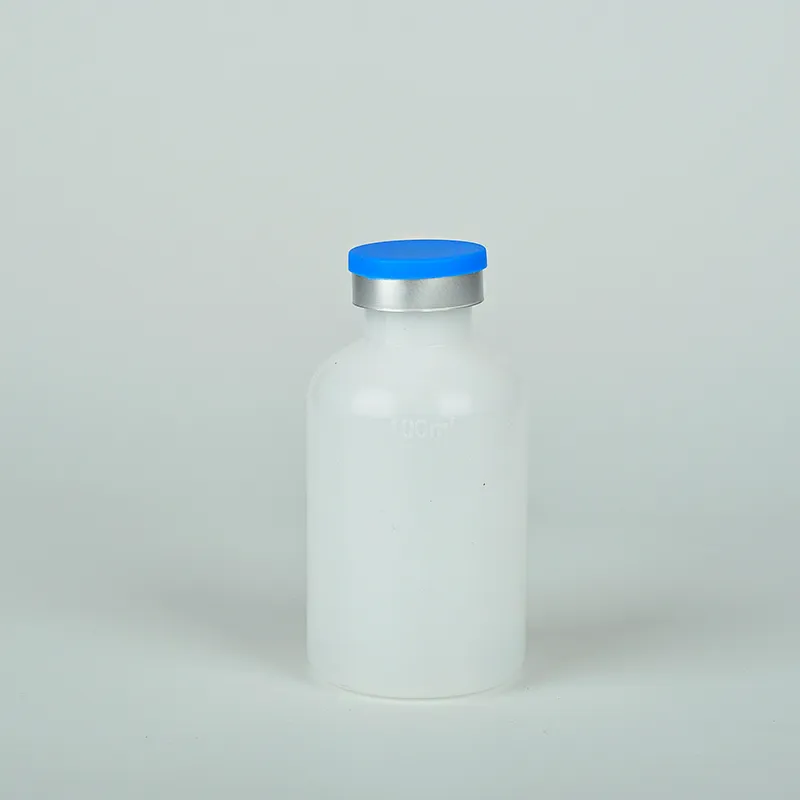
The size—15 milliliters—feels just right for products that demand precision dosing without bulk. If you think about it, it’s a sweet spot: not too large to be wasteful, not too small to require constant refills. For any company working with liquids that require careful administration, these droppers are often the go-to.
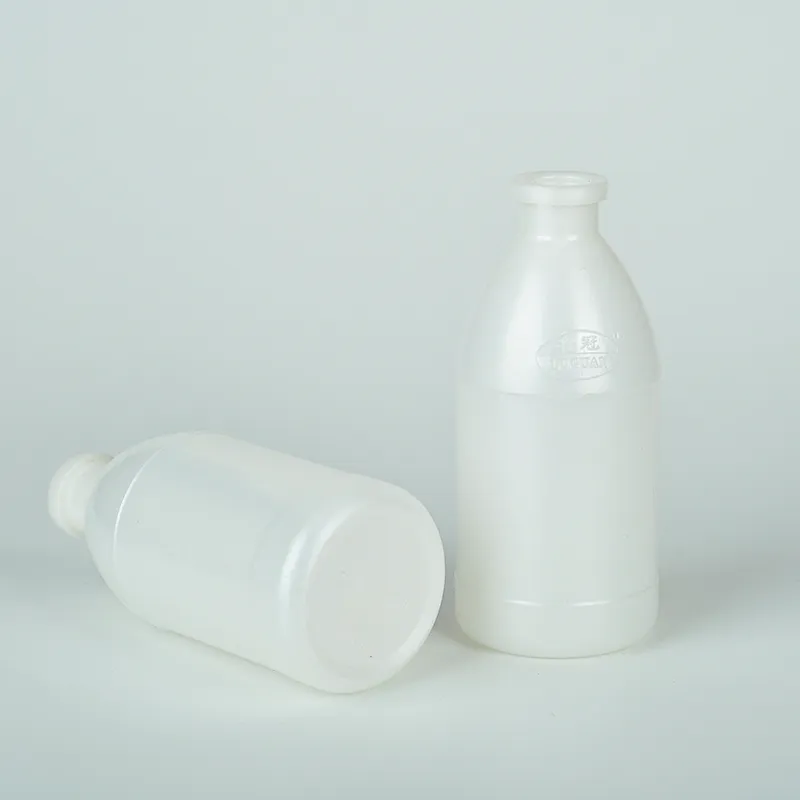
Oddly enough, the design of these bottles tends to fly under the radar, but let me tell you, the combination of glass or high-quality plastic with the sturdy yet flexible dropper caps is what makes them so reliable. I recall a project where a client needed a bottle that could withstand harsh cold-chain transport without cracking or leaking. The 15 ml dropper bottle did just fine—no spills, no damage.
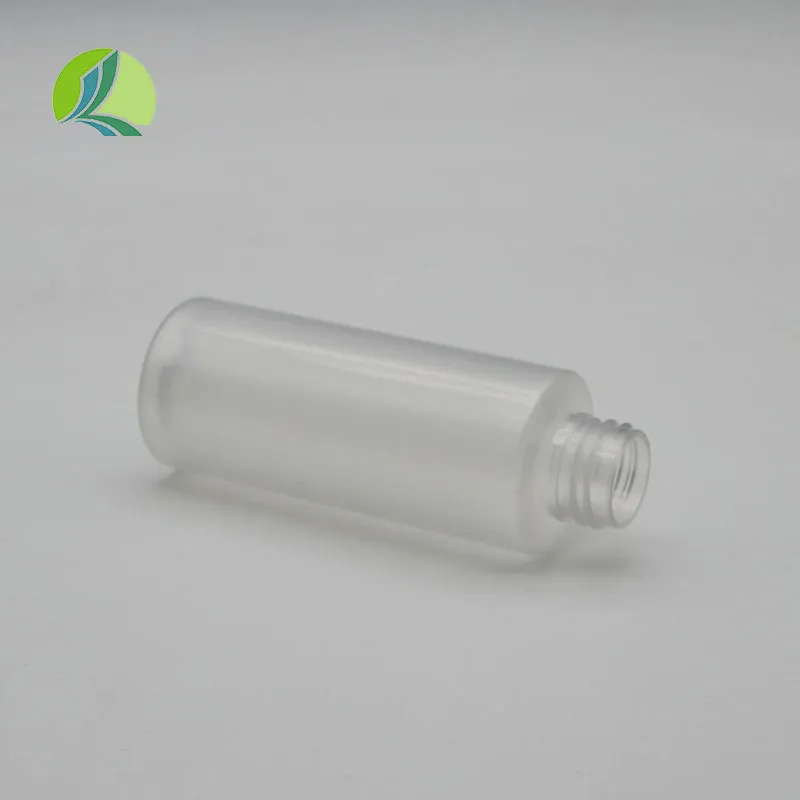
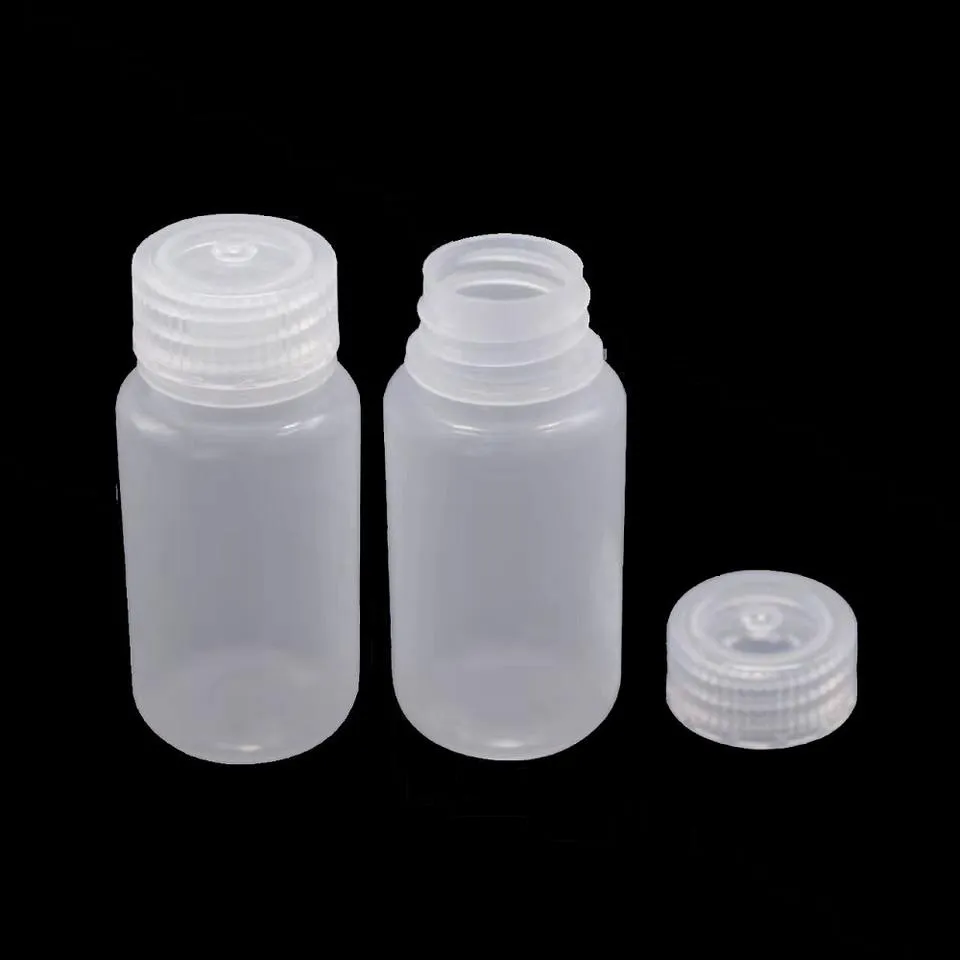
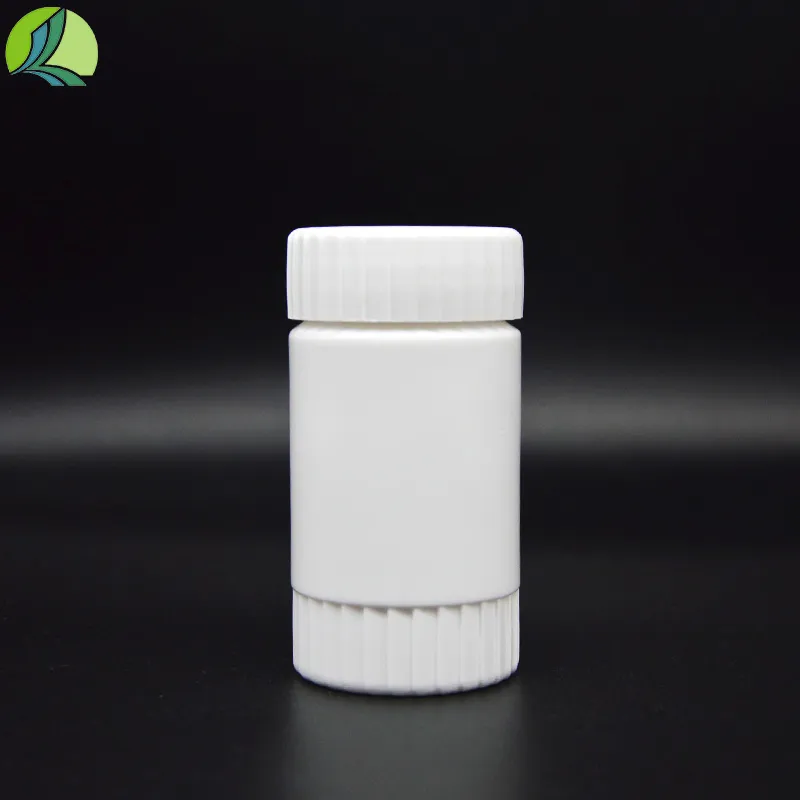
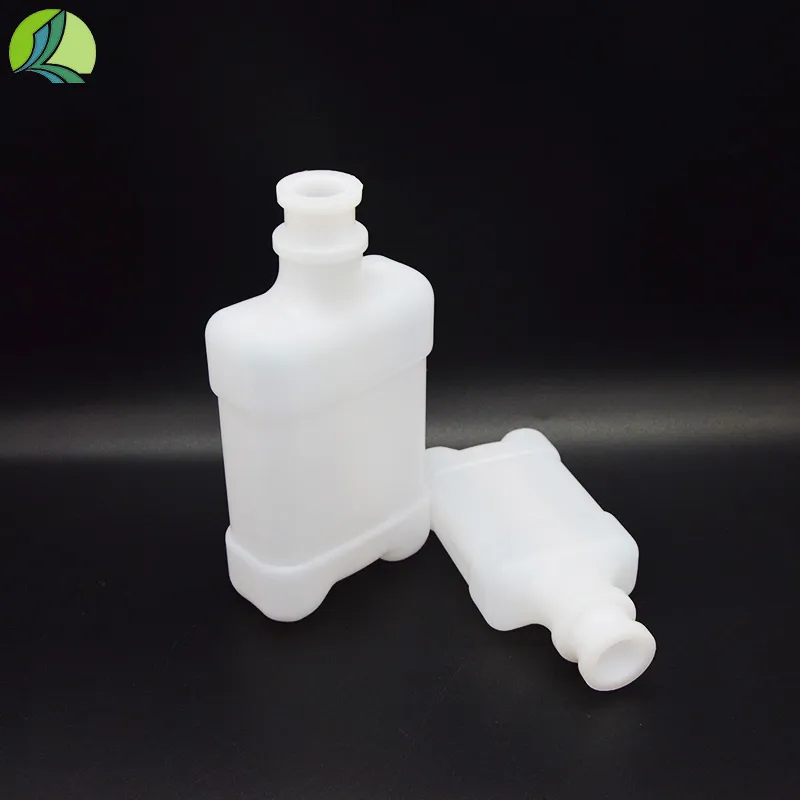
In real terms, the key to the bottle’s success lies in its adaptability. Materials used can vary — typically borosilicate glass or virgin-grade polyethylene — depending on the chemical compatibility required. Many engineers I've worked with stress the importance of inert materials to avoid any reaction with the liquid inside, especially for sensitive formulations.
Testing is no joke here. Bottles get subjected to drop tests, sealing integrity checks, and even UV resistance tests if they’re meant to protect light-sensitive solutions. I remember a batch where one failed the sealing test; the manufacturer caught it early, saving the client significant downstream headaches.
| Specification | Details |
|---|---|
| Capacity | 15 ml |
| Material | Borosilicate Glass or HDPE (plastic option) |
| Dropper Tip Diameter | 1.2 mm to 1.5 mm (varies by design) |
| Closure Type | Child-resistant screw cap or standard screw cap |
| Standard Usage | Eye drops, essential oils, serums, chemical reagents |
| Customizable Options | Colors, labels, tamper-evident seals |
When it comes to sourcing, there’s a recognizable difference in quality and reliability. I’ve dealt with multiple vendors over the years. Interestingly, some focus more on quick turnarounds but skimp a bit on quality checks. Others emphasize certification and raw material transparency, which is crucial if you’re in pharma or food-grade products.
| Vendor | Material Quality | Customization | Lead Time | Certifications |
|---|---|---|---|---|
| Vendor A | High (Borosilicate Glass) | Full Color & Label | 2-3 weeks | FDA, ISO |
| Vendor B | Medium (HDPE Plastic) | Basic Labeling | 1 week | ISO Only |
| Vendor C | High (Borosilicate Glass) | Tamper-evident Seals | 3-4 weeks | FDA, GMP |
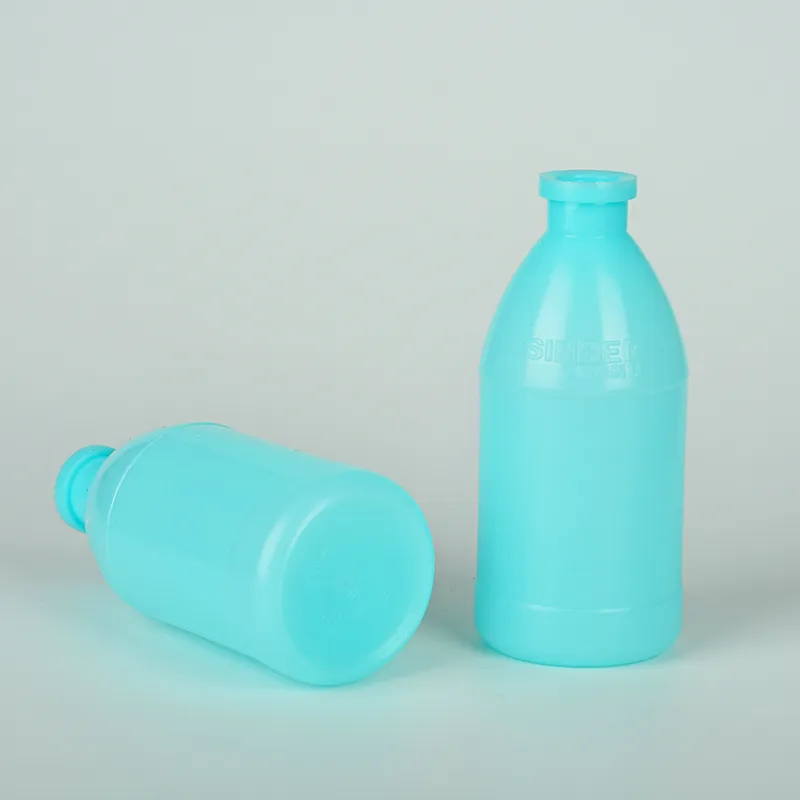
Speaking of customization, this is an area that I find particularly interesting. We once helped a small cosmetics brand create uniquely tinted 15 ml droppers that perfectly matched their packaging theme. The whole process was surprisingly smooth because the vendor offered a flexible palette and printing on-demand. Clients love this level of personalization—makes the product feel more “theirs,” you know?
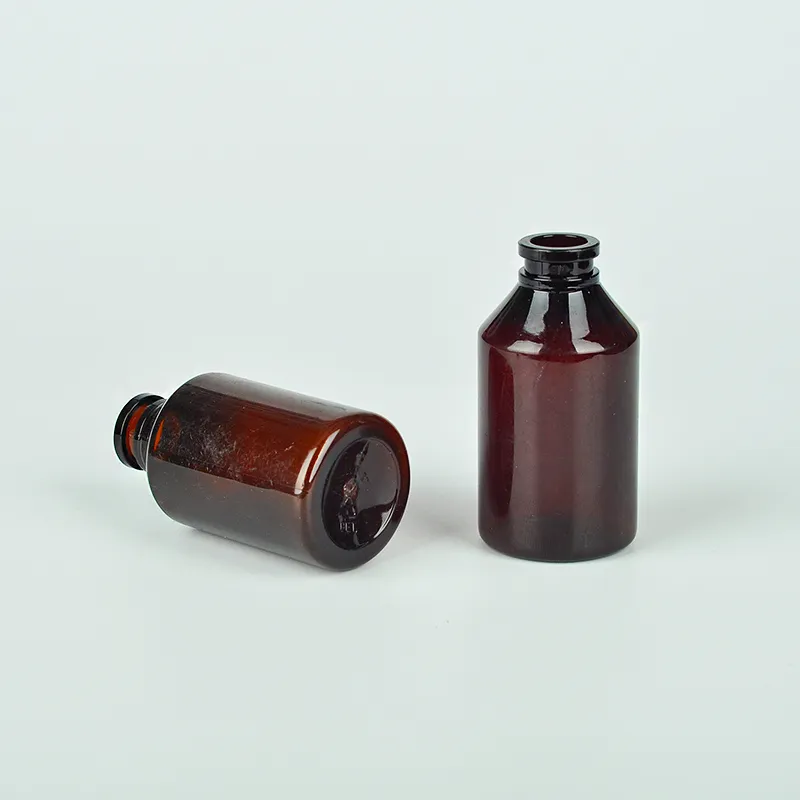
I know some folks worry about plastic vs glass. It’s not a simple choice; it depends on end use and safety standards. Glass feels more premium and is generally safer for reactive compounds, but plastics have their place, especially when drop resistance and cost efficiency are priorities.
To sum up, if you’re in the market for reliable, adaptable dosing containers, a quality 15 ml eye dropper bottle is one of those silent workhorses you’ll be glad you invested in. I suppose the lesson from my years in industrial equipment is that sometimes the simplest parts matter most — and these little bottles prove it every day.
References:
- Industrial Packaging Standards, ISO 15378
- Pharmaceutical Container Compatibility, FDA Guidance
- Material Safety Data Sheets (MSDS) for Borosilicate Glass and HDPE
-
Guide to Sourcing High Quality wholesale mister bottles for BusinessNewsApr.16,2026
-
Top Quality Spray Bottle 100ml Suppliers for Your Business NeedsNewsApr.09,2026
-
Comprehensive Guide to Pet Spray Bottle Manufacturers and Packaging SolutionsNewsApr.07,2026
-
Comprehensive Guide to Finding Reliable Perfume Sprayers SuppliersNewsApr.04,2026
-
Comprehensive Guide to Wholesale Mini Spray Bottles for Various ApplicationsNewsMar.31,2026
-
Comprehensive Guide to Sourcing Mini Plastic Spray Bottles Bulk for Your BusinessNewsMar.28,2026