


Freezer Tubes: Sterile, Leak-Proof & -196°C—Why Us?
What Labs Really Want From Freezer Tubes in 2025
When I visit biobanks and QC rooms these days, I always ask about the humble tube. Sounds boring, but it’s the container111 of truth. If you’re sizing up freezer tubes, here’s the insider’s view—what’s changing, what matters, and why a small spec line can make or break your day at -80°C.
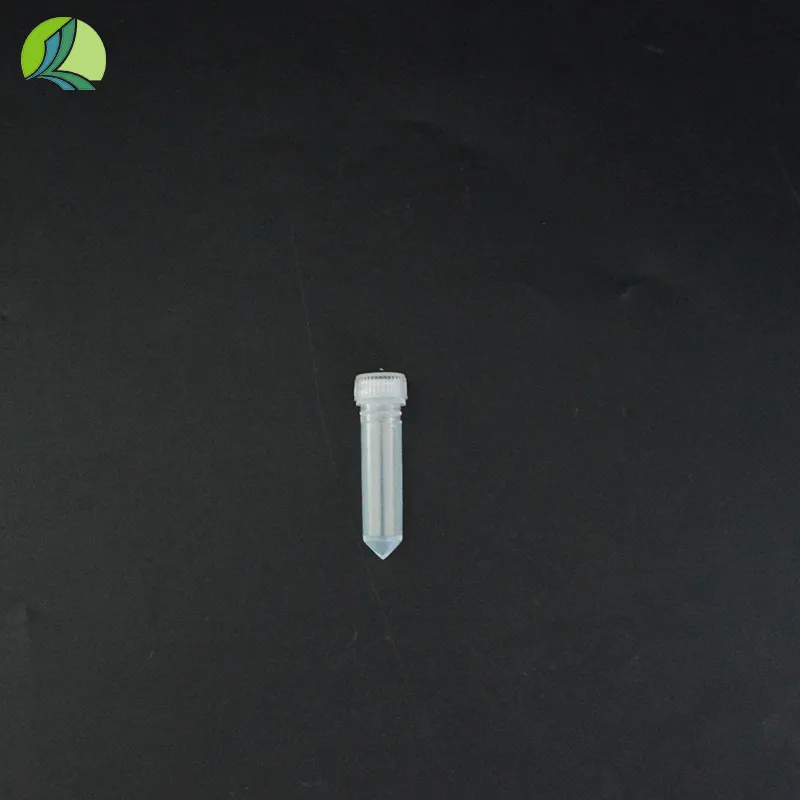
Industry trends (and the quiet revolution)
Three currents stand out: 1) automation-friendly geometry and barcoding, 2) sterility plus traceability baked in, and 3) materials that behave the same on the thousandth freeze-thaw as the first. Also, sustainability is creeping in—reduced resin weight, smarter secondary packaging. Many customers say color-coded caps still save time more than any LIMS tweak, to be honest.
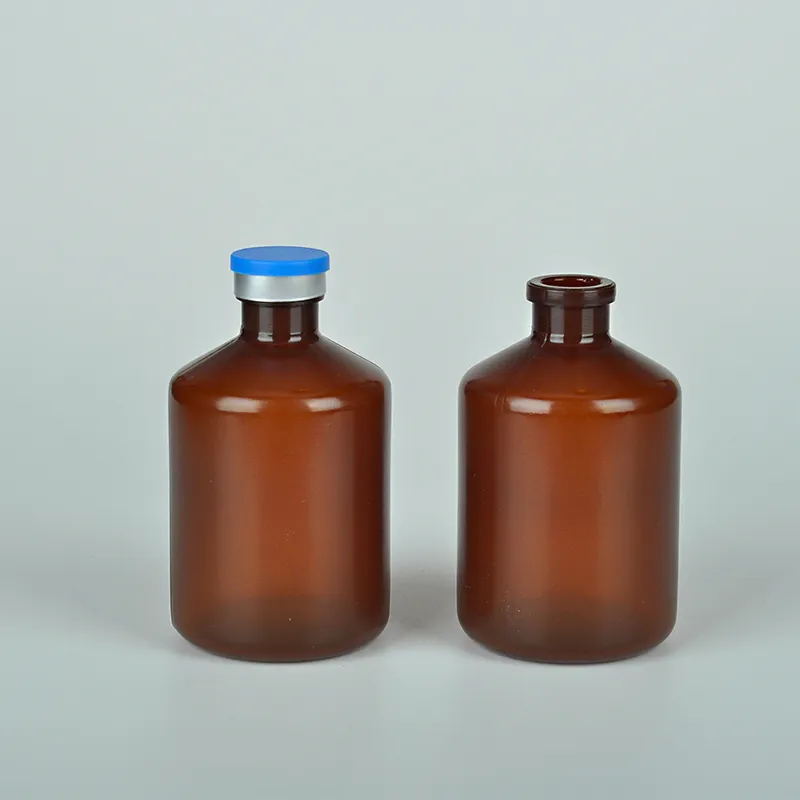
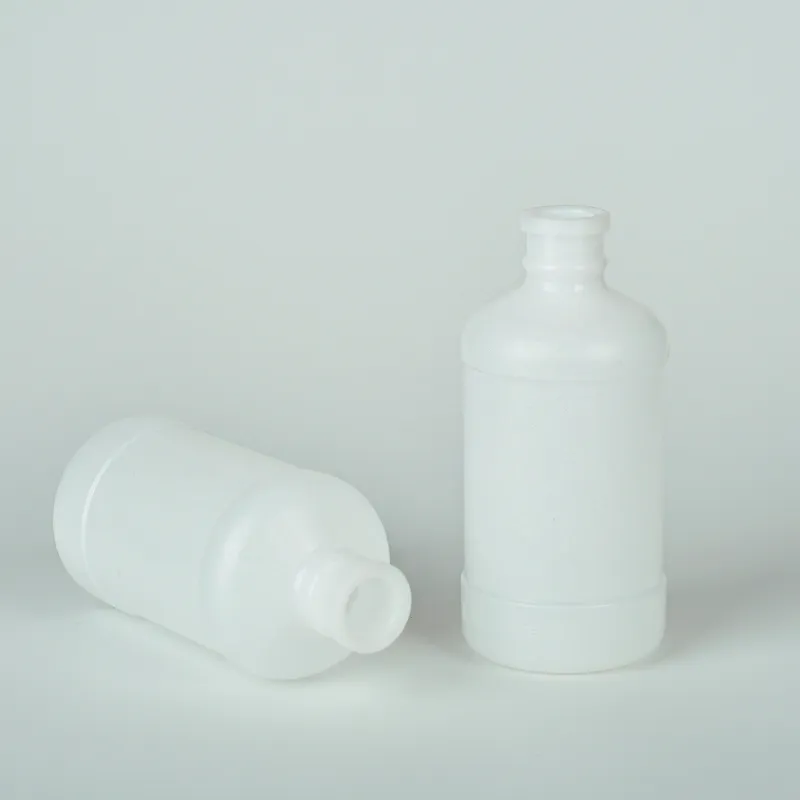
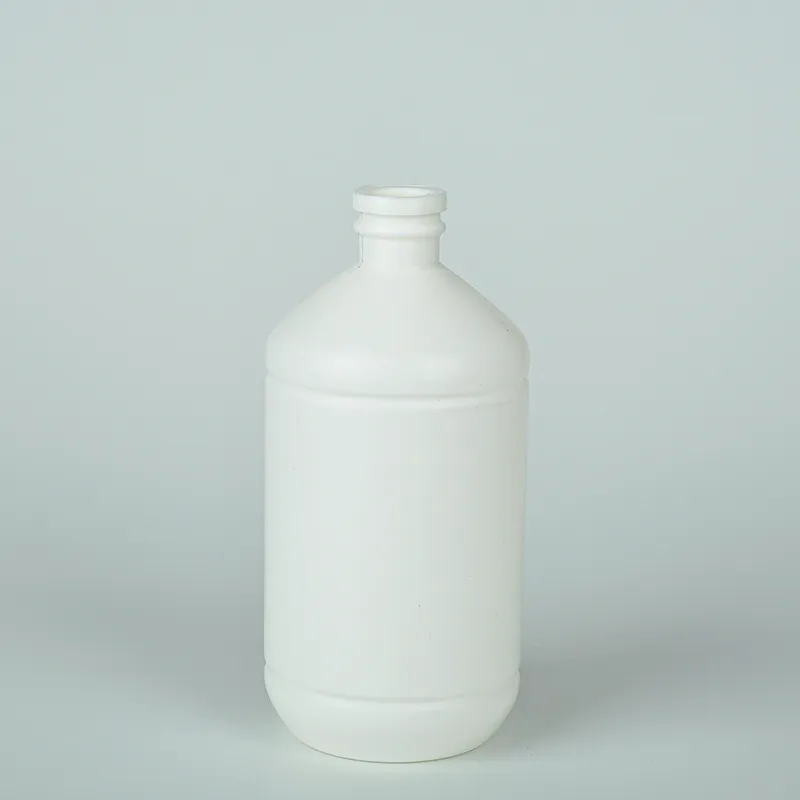
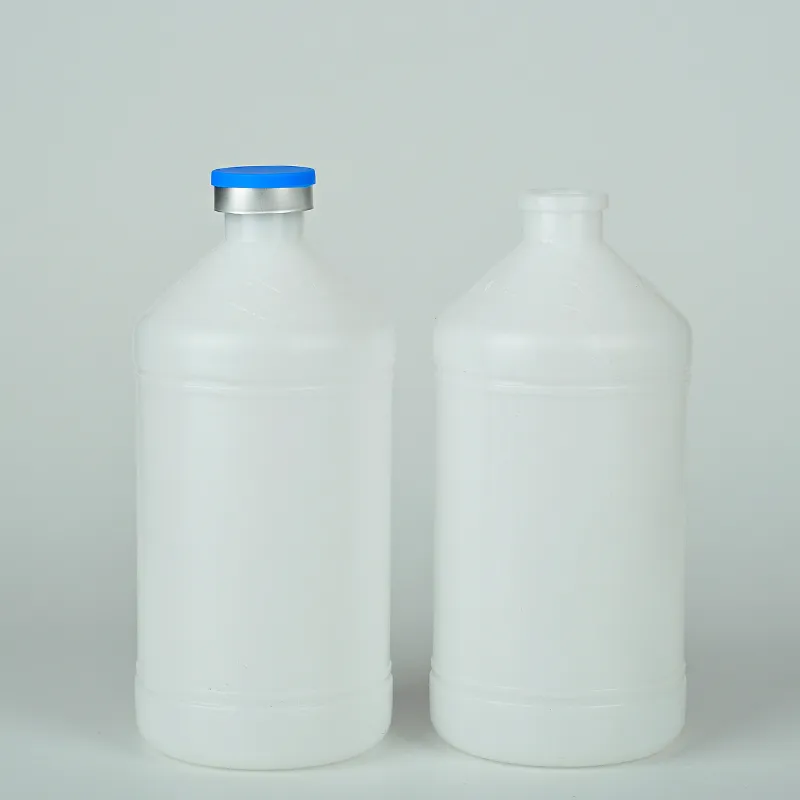
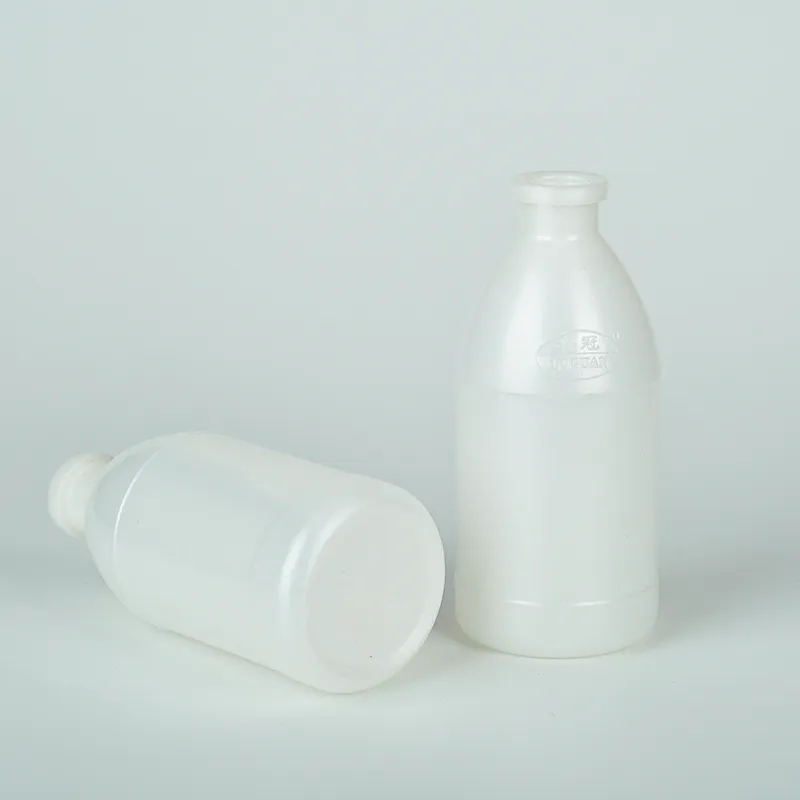
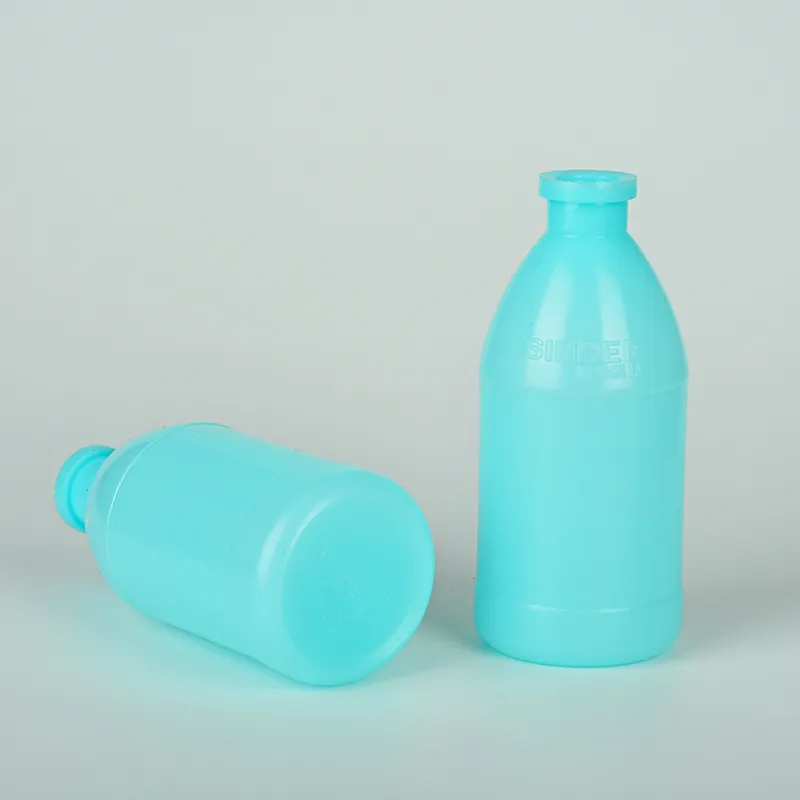
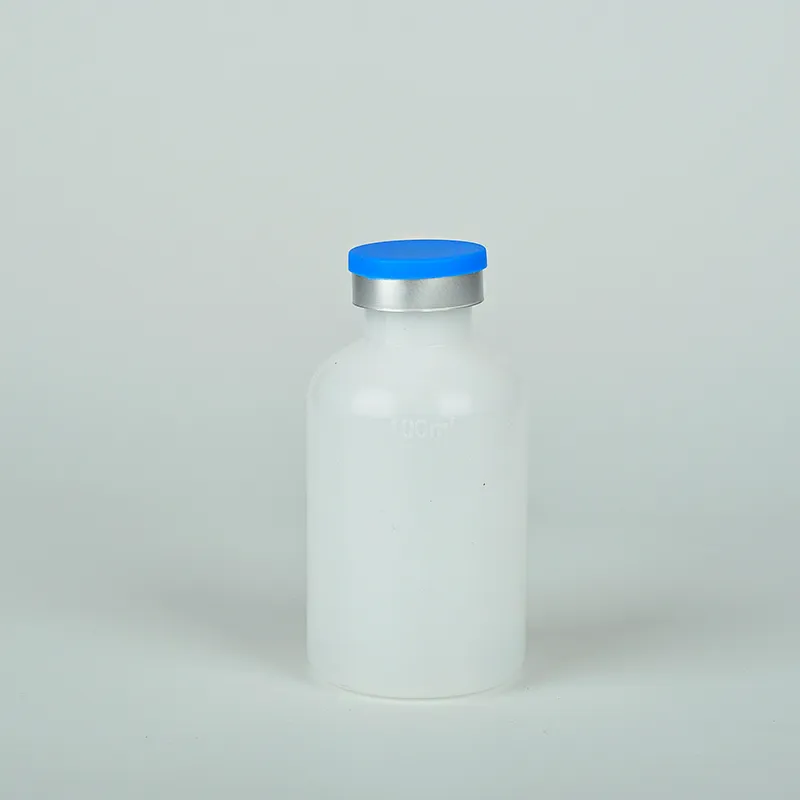
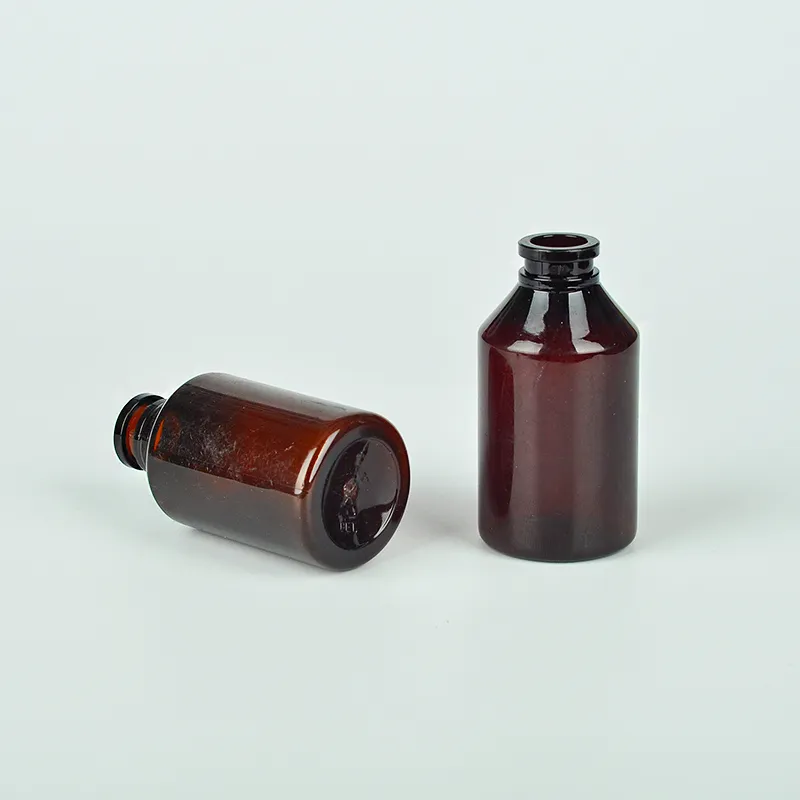
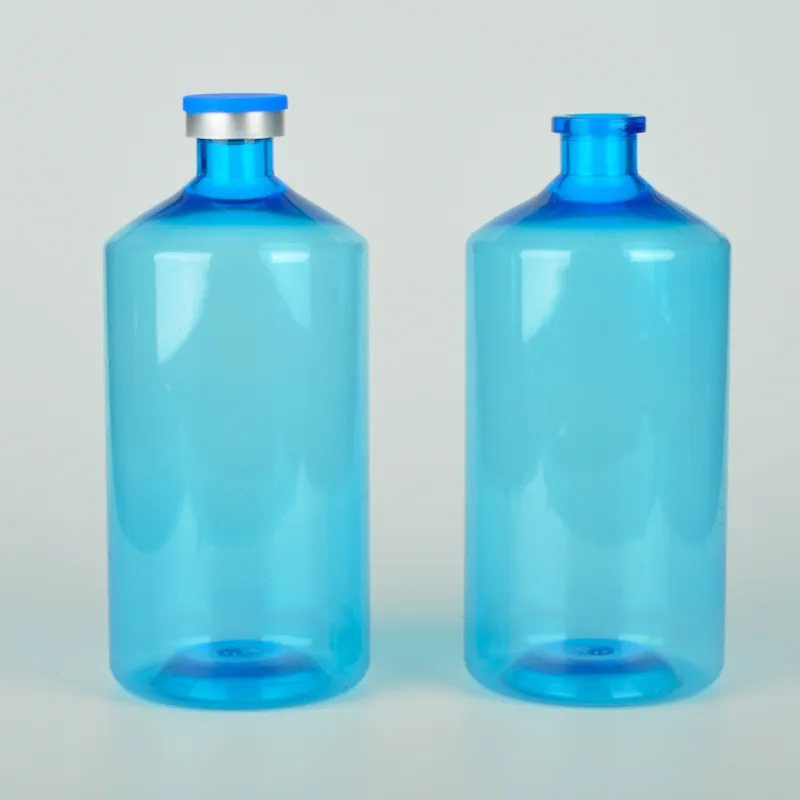
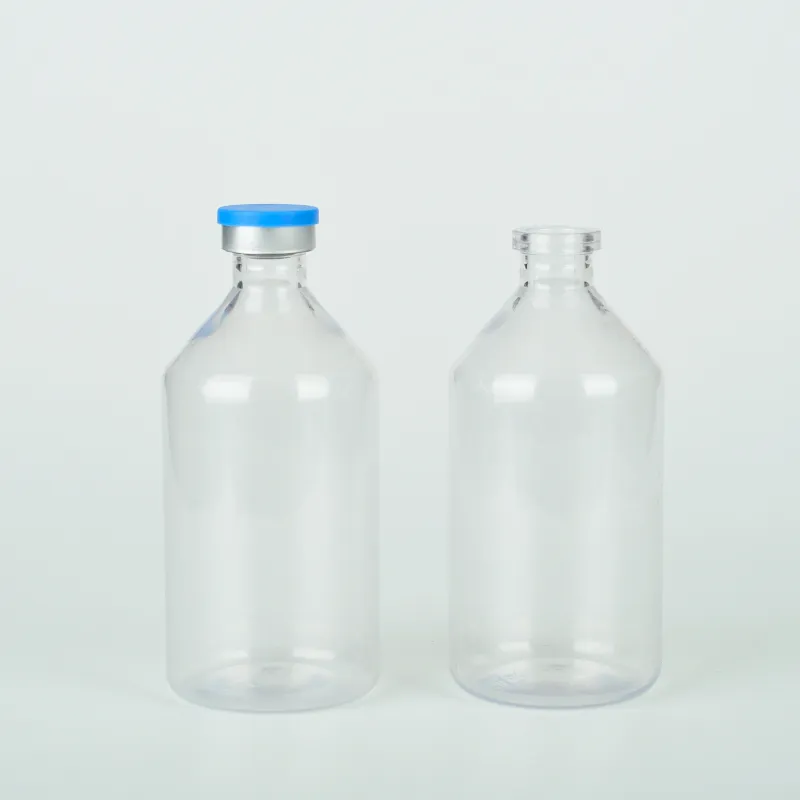
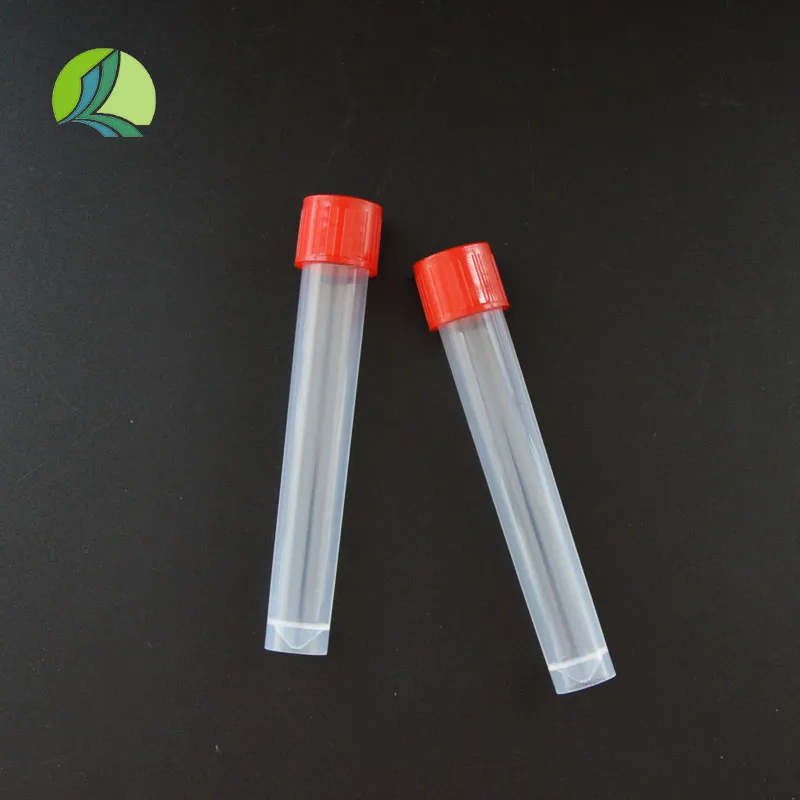
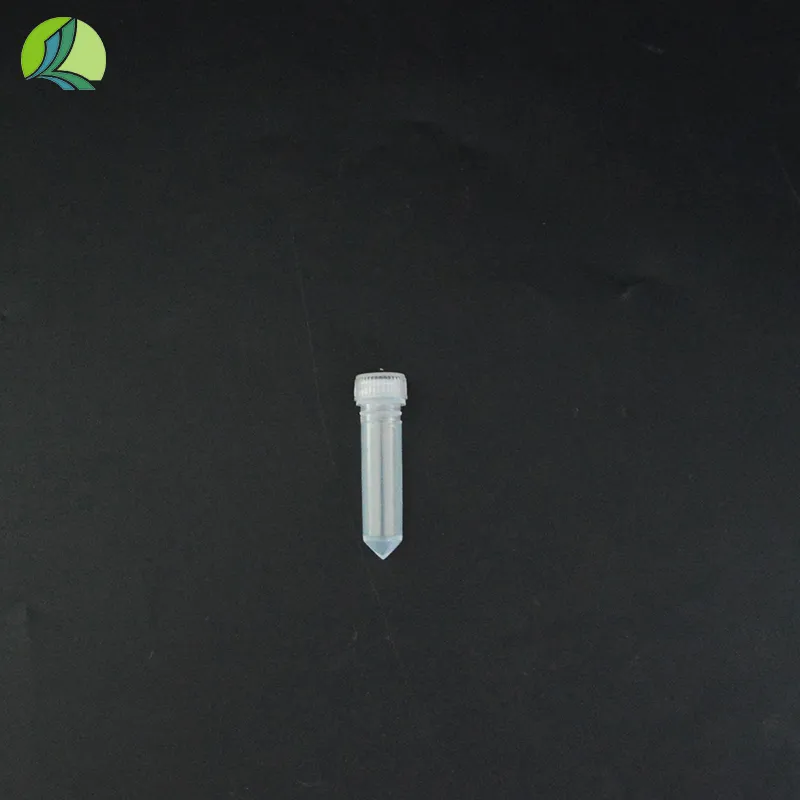
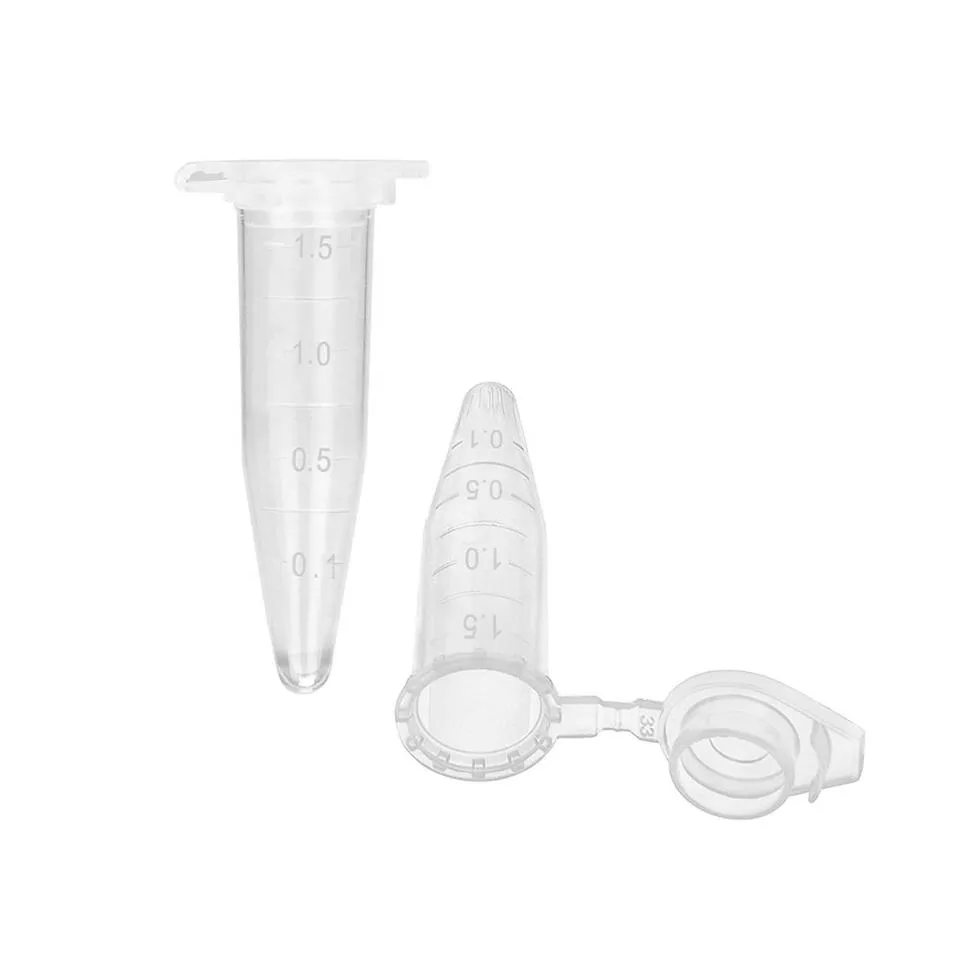
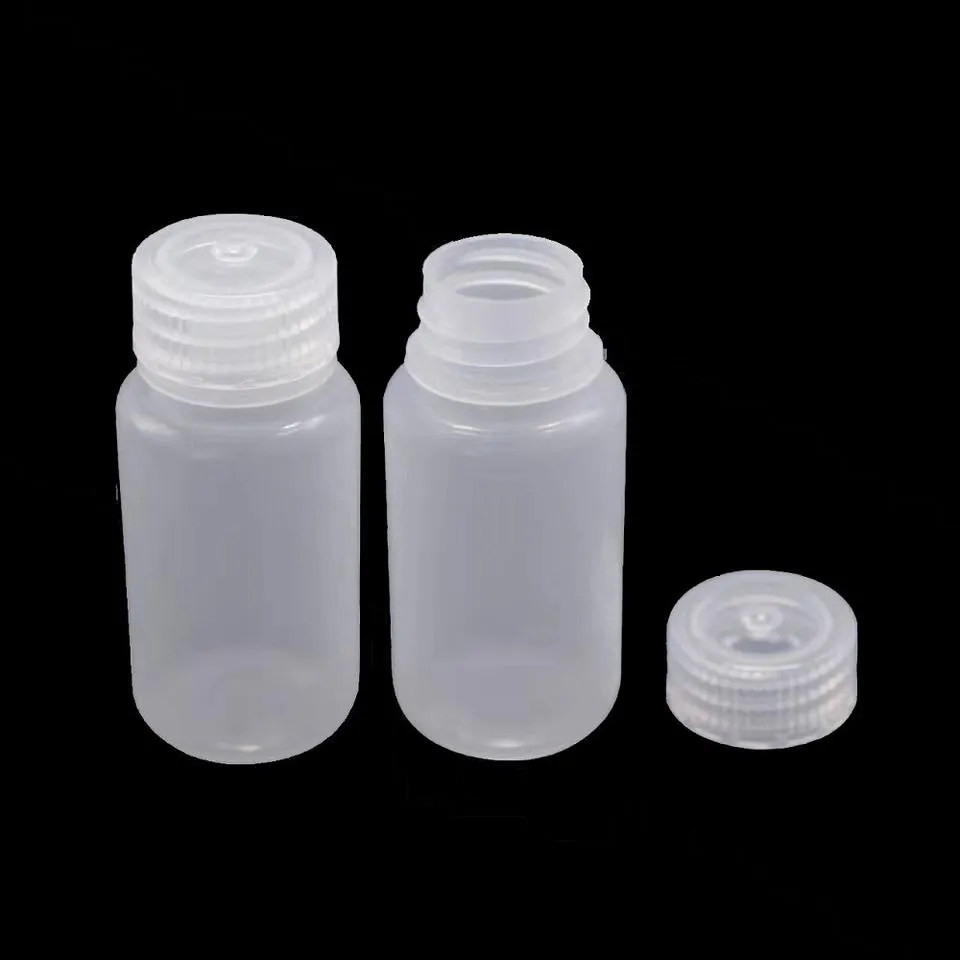
Product snapshot: Plastic Freezer Tube For Laboratory
Made in LITUN, Dusheng Town, Cangxian County, Cangzhou, Hebei, China, this line surprised me with pressure data labs usually never see on tubes. Below—real-world specs that actually matter.
| Parameter | Spec (≈ indicates typical) |
|---|---|
| Material | Medical‑grade PP (polypropylene), virgin resin; HDPE option on request |
| Temp range | ≈ −196°C (LN2 vapor) to +121°C (autoclave, real‑world may vary) |
| Pressure/leak test | 95 kPa differential compliant transport; vendor test up to 1.0 MPa without leakage |
| Service life | >50 years at 70°C and 1.0 MPa; up to ≈100 years at low temperatures (material durability) |
| Volumes | 0.5, 1.0, 1.8/2.0, 5.0 mL |
| Cap/O‑ring | Screw cap; silicone O‑ring; color options |
| Sterilization | Gamma or ETO; DNase/RNase‑free; endotoxin‑controlled |
| Certs | ISO 13485 QMS; lot traceability; RoHS; cleanroom ISO 14644‑1 |
| Origin | Cangzhou, Hebei, China |
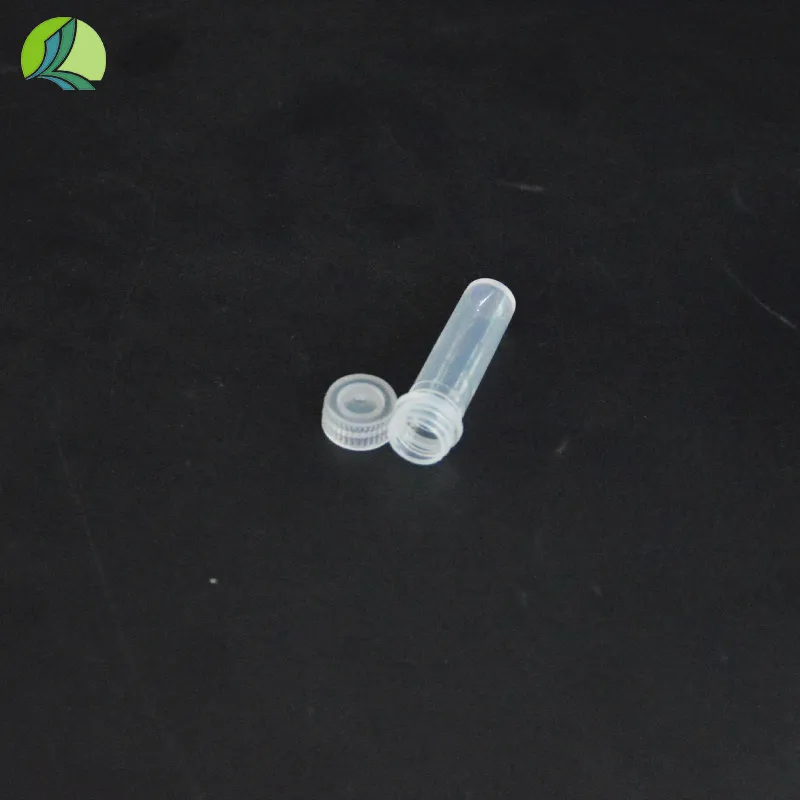
How they’re made (short version)
Materials: virgin PP per ASTM D4101, with additives tuned for low‑temp impact. Method: precision injection molding; hot‑melt joining used for certain assemblies and nickel‑plated copper inserts when interfacing with metal systems (nice touch, actually). Testing: tensile/impact sampling, 95 kPa leakproof checks, plus vendor stress to 1.0 MPa; sterility validated per ISO 11137. Batches wander through ISO 14644‑1 cleanrooms. It sounds dry, but these steps are why caps don’t weep at −80.
Where freezer tubes earn their keep
- Biobanking: long‑horizon DNA/RNA and serum archives
- Clinical labs: daily aliquots, fast color‑cap ID
- Pharma R&D: freeze‑thaw assays; compound libraries
- Food & beverage QC: microbial sampling
- Environmental: field sampling with 95 kPa transport needs
Vendor comparison (what I’m seeing in the field)
| Vendor | Temp range | Leak test | Barcoding | Lead time |
|---|---|---|---|---|
| WK Packing (this product) | ≈ −196 to +121°C | 95 kPa; stress‑tested to 1.0 MPa | Laser/1D/2D; custom colors | ≈ 2–4 weeks (custom may vary) |
| Brand A | −196 to +121°C | 95 kPa | 2D only (stock) | 4–6 weeks |
| Brand B | −80 to +121°C | Basic leak test | Label only | 2–3 weeks |
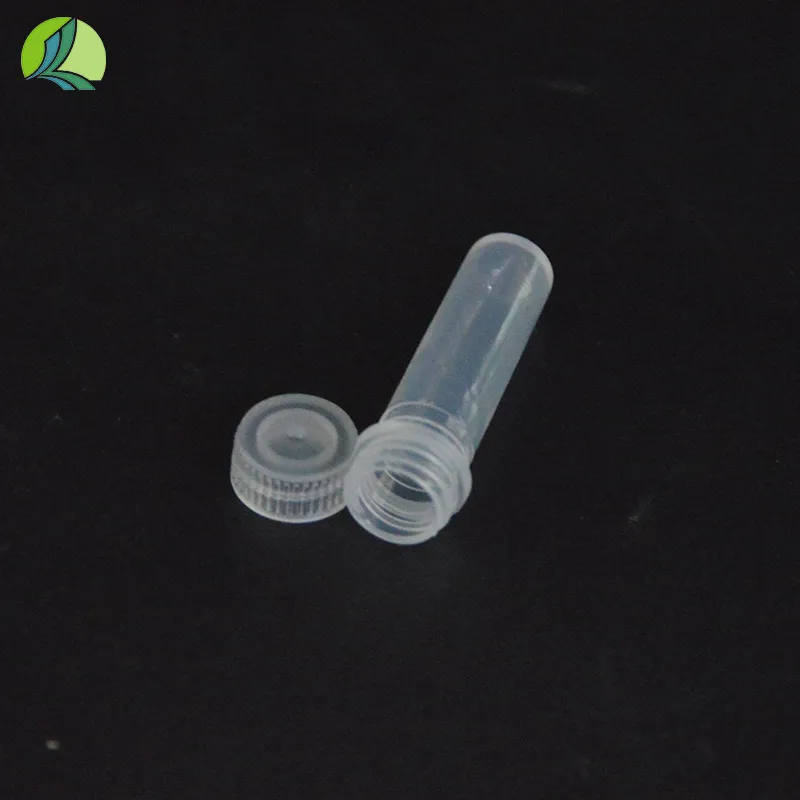
Customization and real feedback
Options I’ve seen deployed: pre‑sterile vs. non‑sterile, racked vs. bulk, unique 2D codes, tamper‑evident seals, cap knurling for gloved hands. One biobank in Suzhou reported zero cap failures across 30,000 freezer tubes after six freeze‑thaw cycles (n=6) and passed 95 kPa pressure checks—small study, but encouraging. Another pharma site liked the nickel‑plated inserts when interfacing with metal manifolds—surprisingly handy during fill operations.
Bottom line
If your day hinges on reliable freezer tubes, prioritize material pedigree, pressure data, and barcode permanence. The extended service‑life claim (>50 years at heat/pressure and ≈100 years cold) is overkill for most labs—but it hints at resin and process control that pays off every single open‑freeze‑cap cycle.
- ISO 13485:2016 — Medical devices — Quality management systems.
- ISO 11137 — Sterilization of health care products — Radiation.
- ISO 14644‑1 — Cleanrooms and associated controlled environments.
- IATA DGR, PI 650 — 95 kPa packaging requirement for biological substances, Cat B.
- ASTM D4101 — Standard Specification for Polypropylene Injection and Extrusion Materials.
-
Bulk Eye Dropper Bottles for Industrial Packaging - Reliable & CustomizableNewsDec.31,2025
-
Small Plastic Dropper Bottles – Durable, Precise Packaging Solutions for B2B ApplicationsNewsDec.10,2025
-
Medicine Dropper Bottles – Precision and Quality Packaging Solutions for B2B | WK PackingNewsDec.10,2025
-
Discover Top Quality 2 oz Eye Dropper Bottles for Industrial UseNewsDec.09,2025
-
1 Oz Eye Dropper Bottles - Precision Packaging Solutions for B2B Industries | WKPackingNewsDec.09,2025
-
Durable 4 oz Eye Dropper Bottles for Industrial & Cosmetic UseNewsDec.09,2025