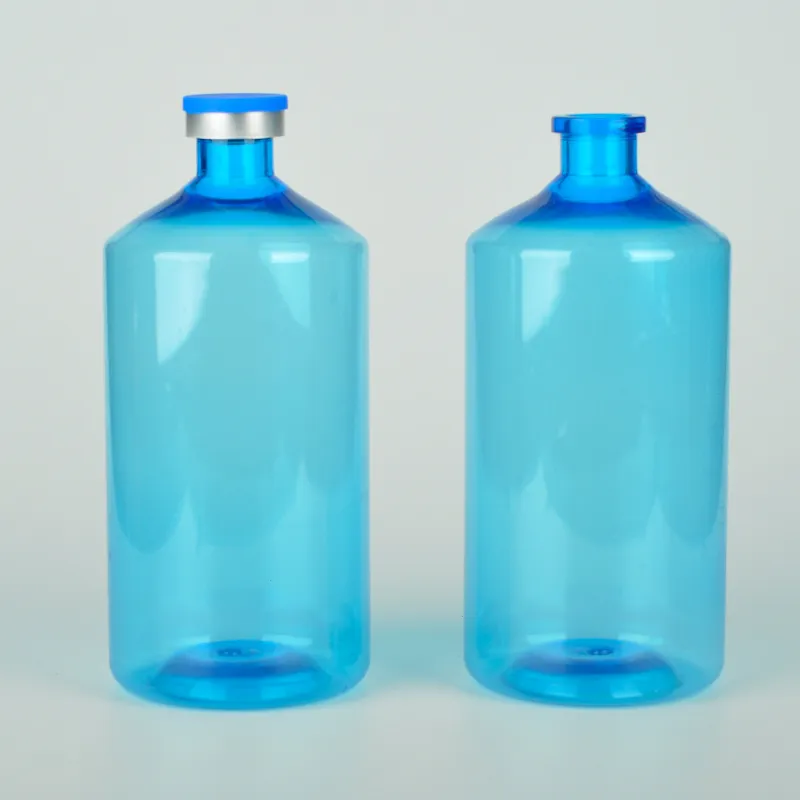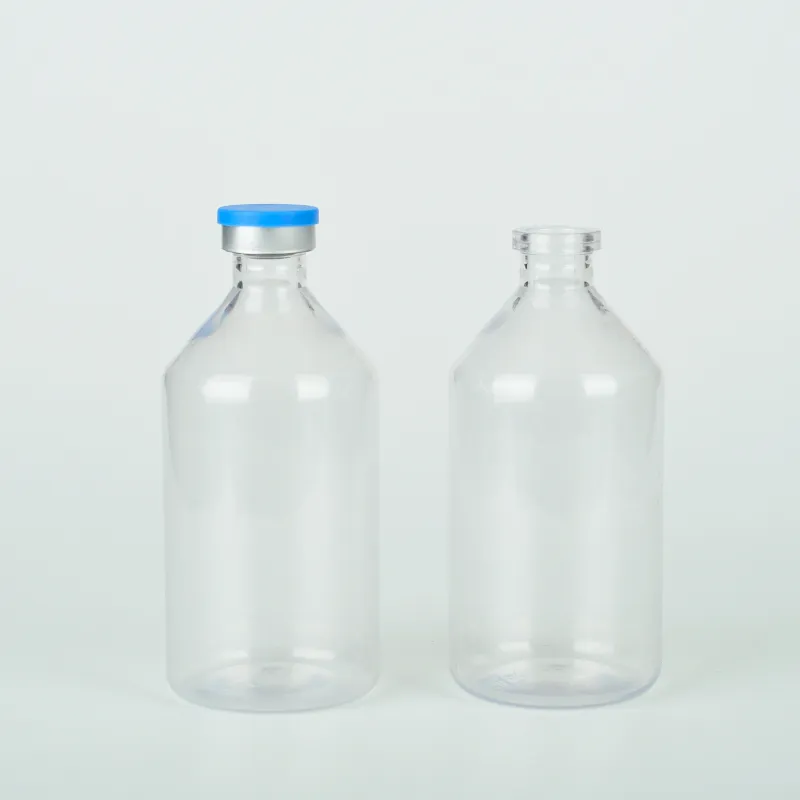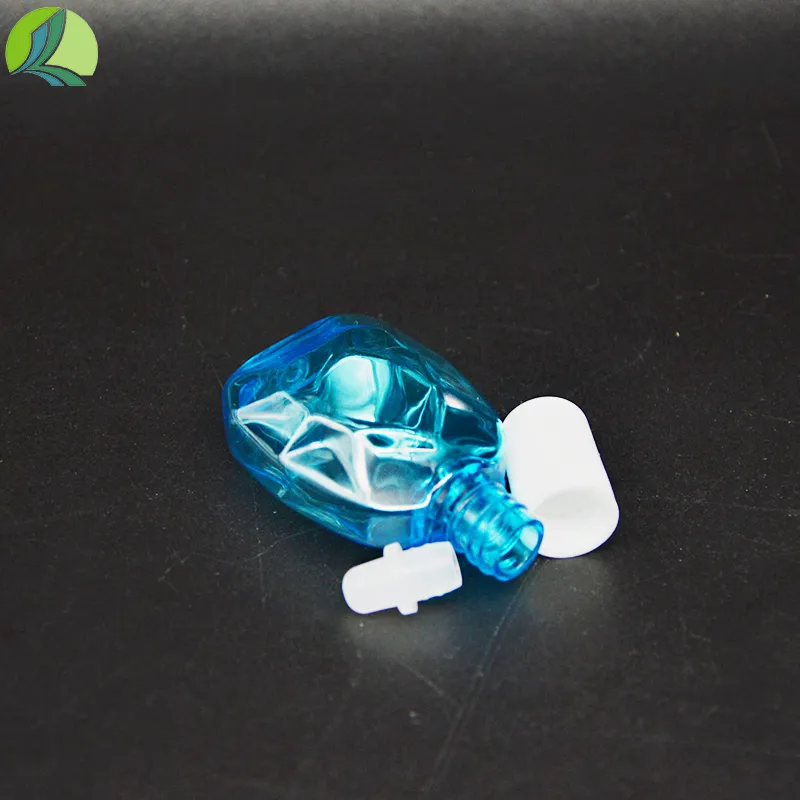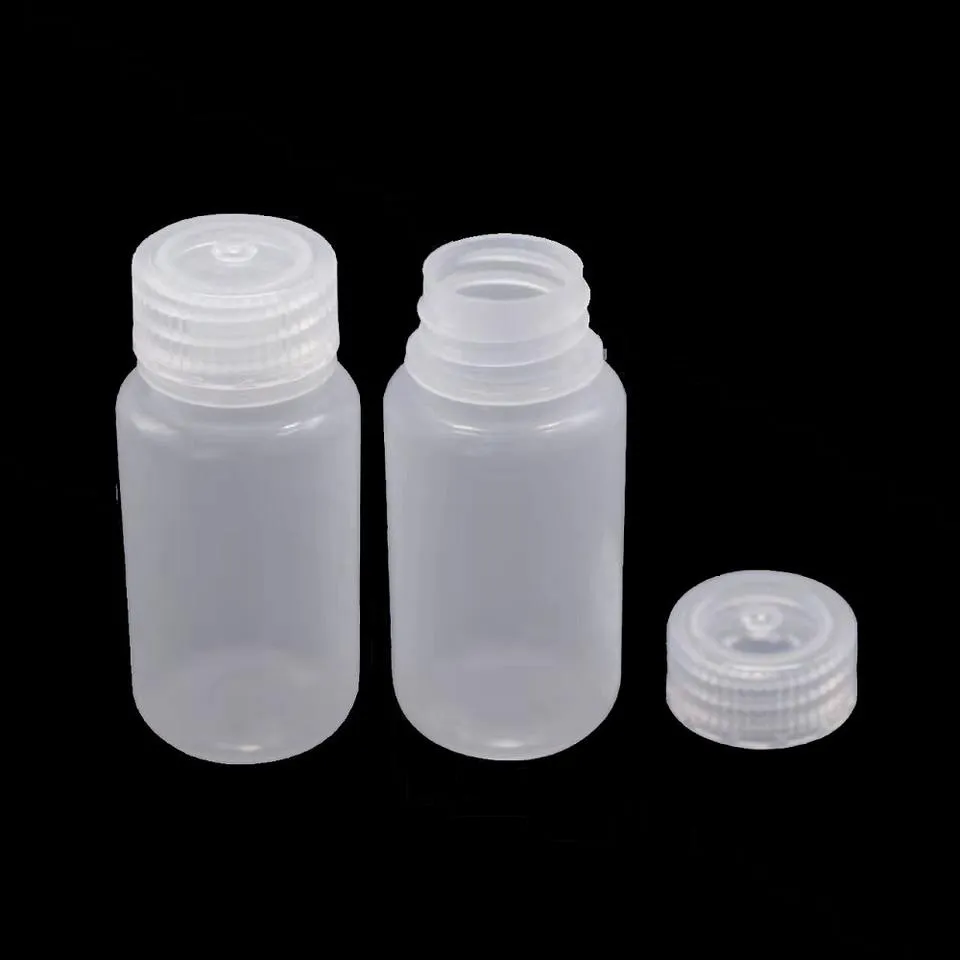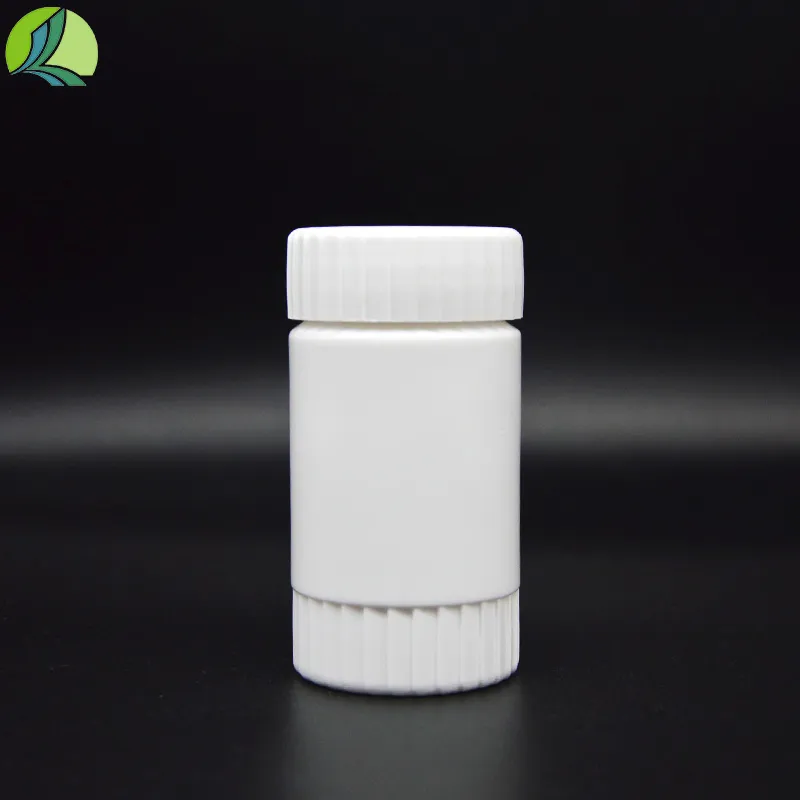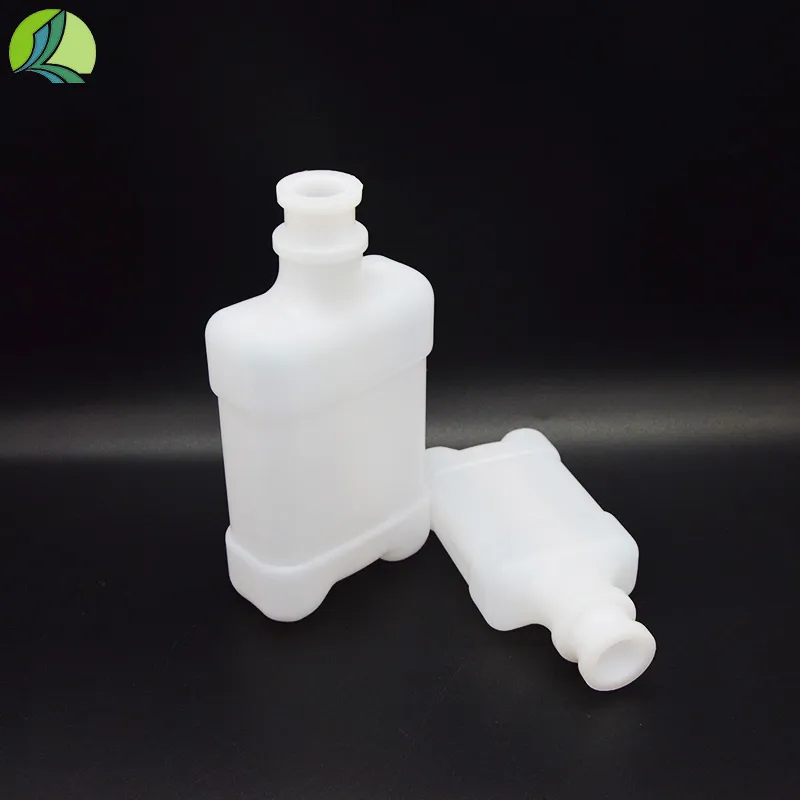

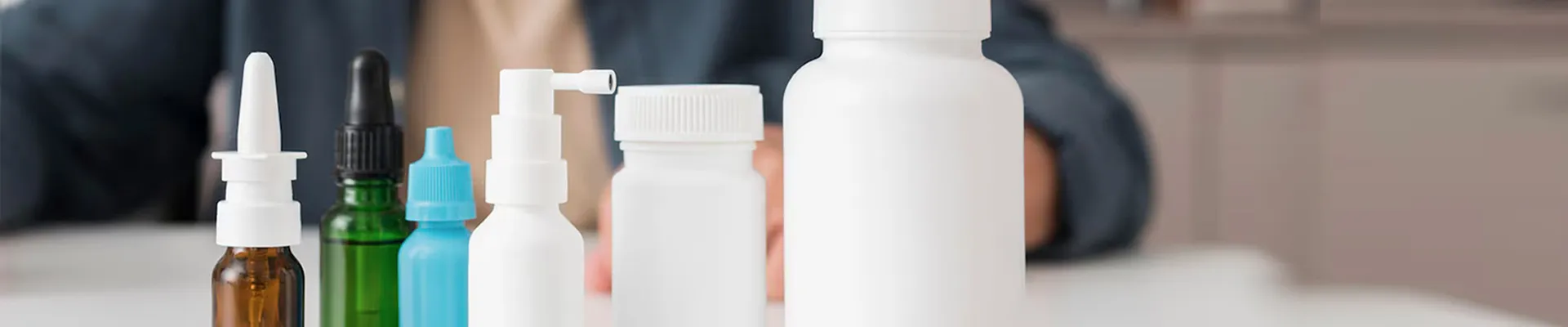


Medicine Liquid Bottle – Leak-Proof, BPA-Free, Sterile
Inside the quiet revolution of the medicine liquid bottle
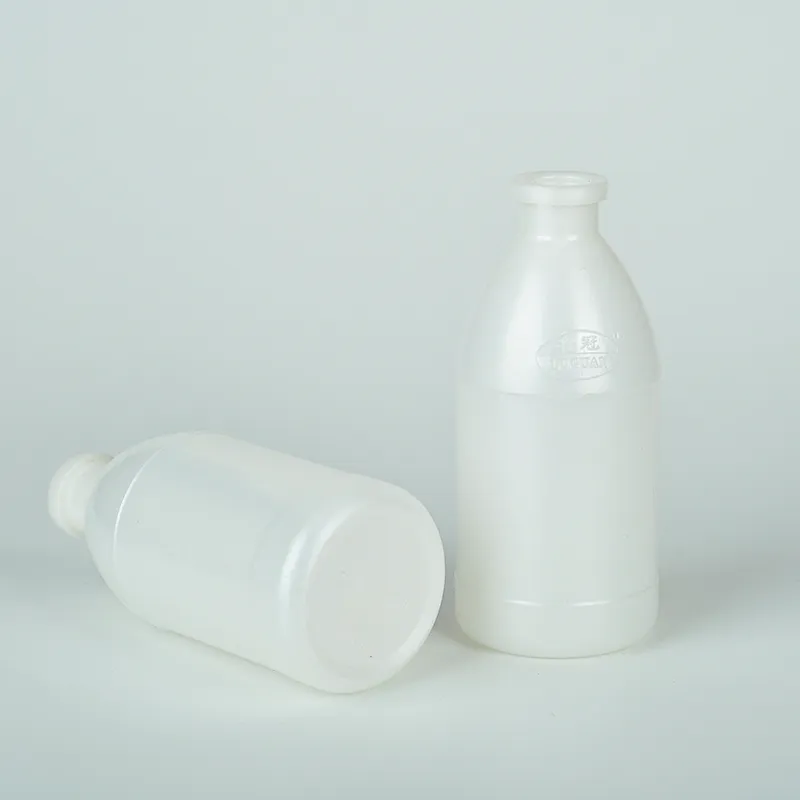
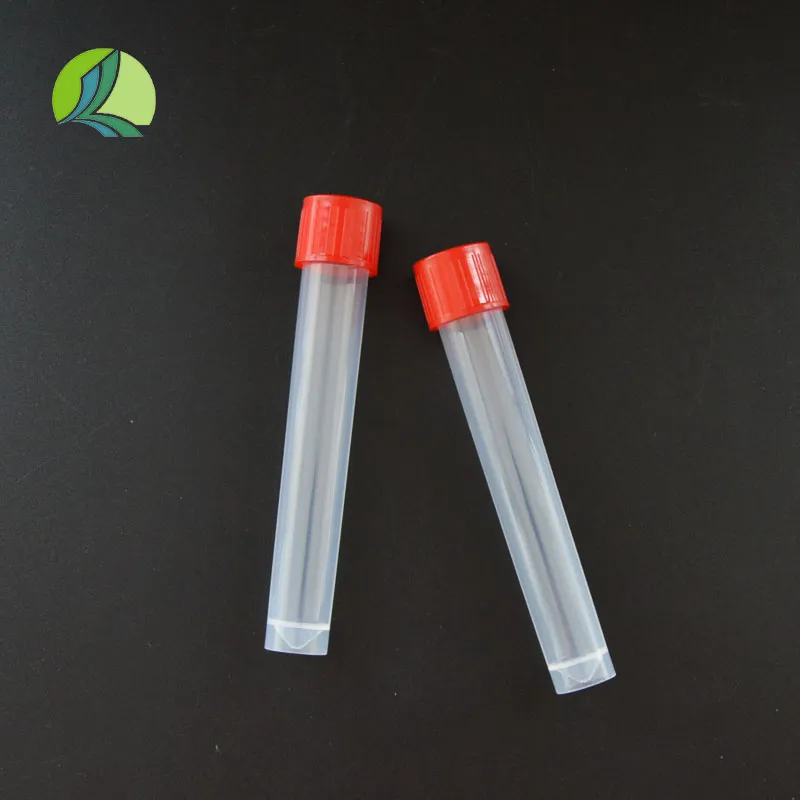
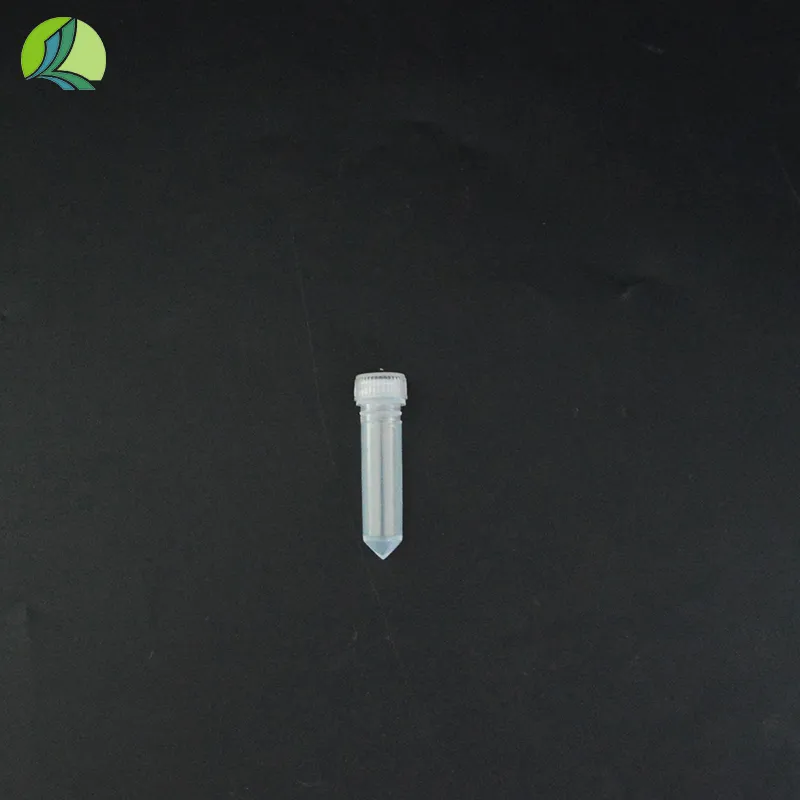
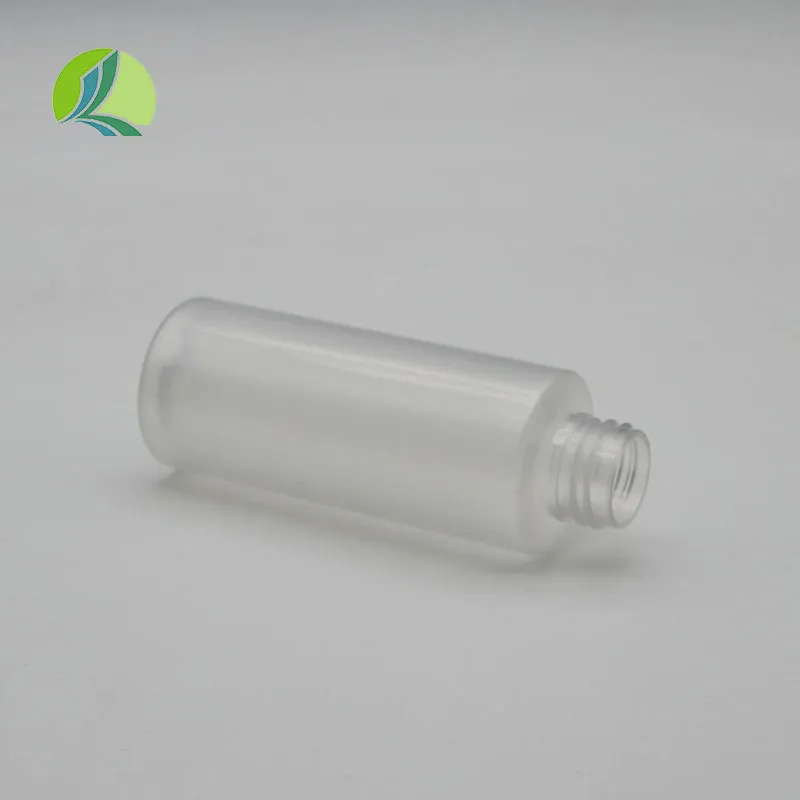
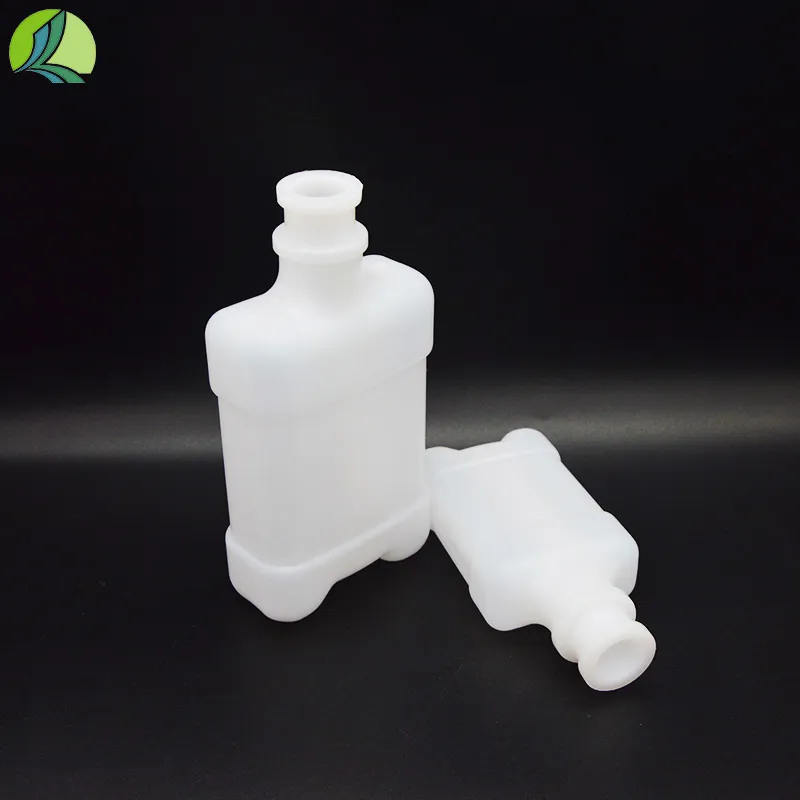
I visited a northern China plant not long ago, and the first thing a line operator handed me was a medicine liquid bottle—light, crystal-clean, and surprisingly rigid. It’s the Sterile Vaccine Vial Plastic Liquid Vial For Medical Purposes, made in LITUN, Dusheng Town, Cangxian County, Cangzhou, Hebei. Honestly, it felt like the category has quietly leveled up: better molding, better closure integrity, fewer headaches for fill-finish teams.
What’s driving the shift
Industry buyers keep telling me the same thing: supply resilience and sterility assurance trump tradition. Plastic vials using advanced injection–blow molding offer uniform wall thickness and are easier to scale than legacy glass. In fact, many customers say they’re choosing steam- or gamma-sterilized primary packaging with documented container-closure integrity, rather than wrestling with brittle glass during peak demand. Sustainability plays a part too—lighter weight, reduced transport emissions, smarter secondary packaging.
Technical core and process flow
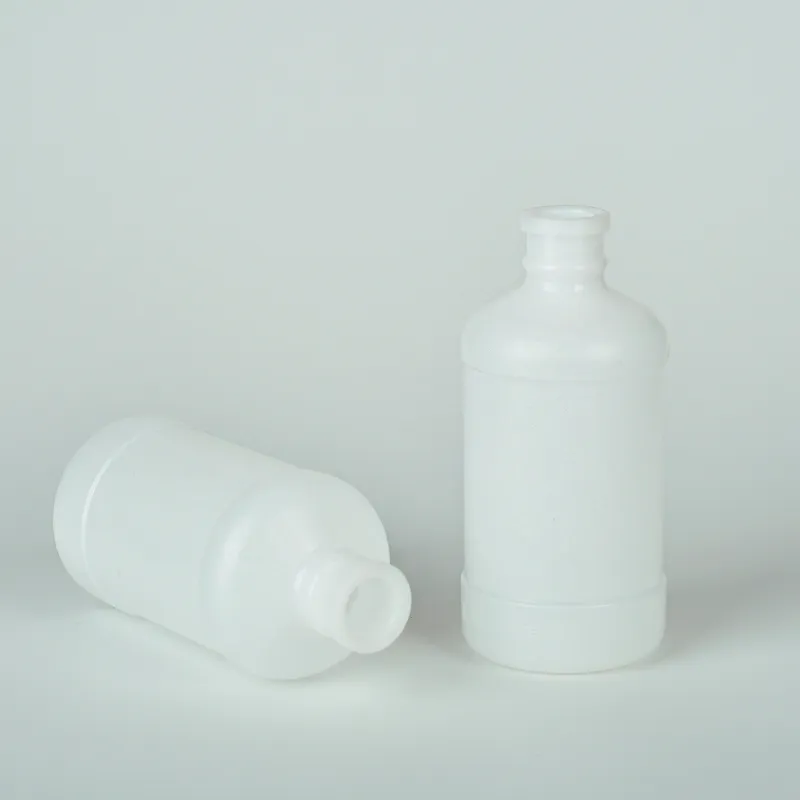
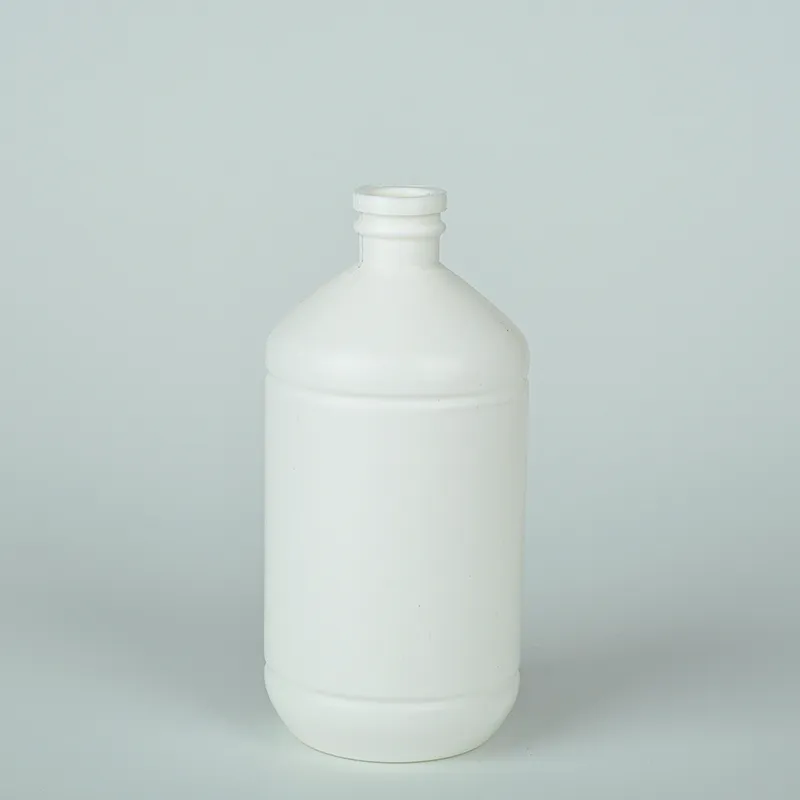
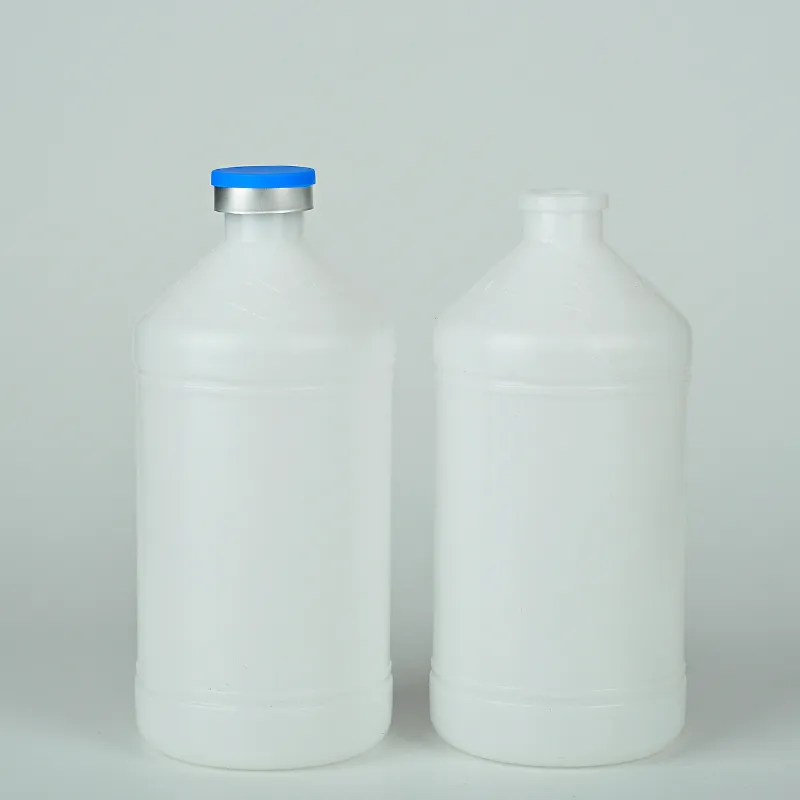
The bottle body is formed in one pass via injection–blow technology, giving even wall thickness and a clean finish; closure systems are matched for tight dimensional tolerance. Materials are typically medical-grade PP (with optional HDPE) chosen for drug-contact compliance and autoclave resistance. Aseptic packaging is done in controlled environments (often ISO 14644-1 Class 8 or better). Sterilization options include steam (121 °C) or gamma; validation follows ISO 11137 (gamma) and routine bioburden controls. To be honest, the repeatability looked solid on the line I toured.
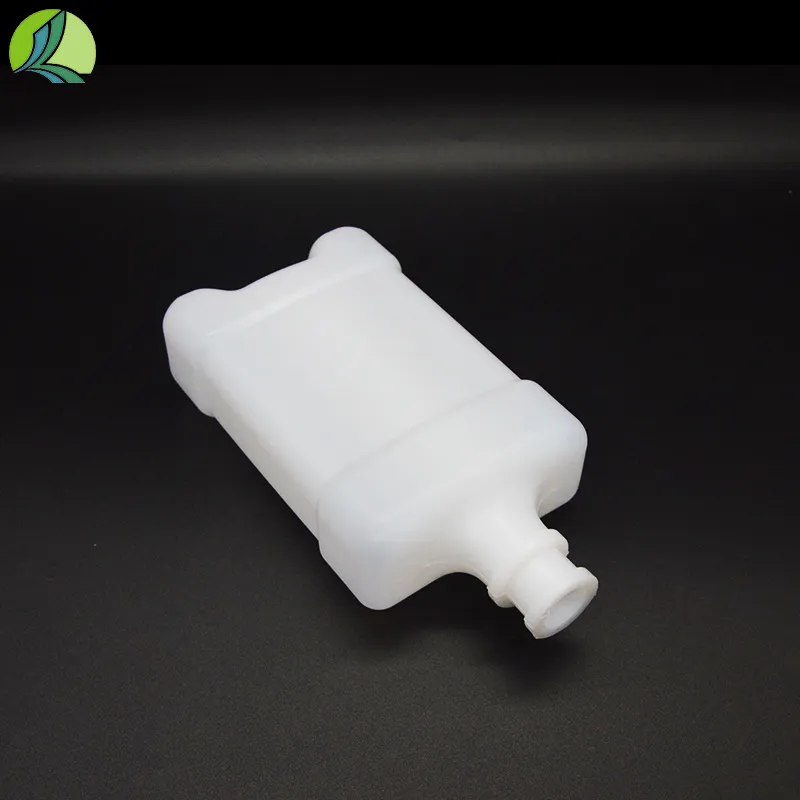
Testing and standards: CCIT per USP <1207> (dye ingress or vacuum decay), extractables/leachables aligned to USP <661.1> and EP 3.1.3 (for polyolefins), and GMP for primary packaging per ISO 15378. Typical internal data I’ve seen: autoclave stability 121 °C/30 min × 3 cycles without deformation; burst pressure around >0.3 MPa; vacuum dye ingress pass at ≈95 kPa. Real-world use may vary, but the numbers are reassuring.
Product specification snapshot
| Product Name | Sterile Vaccine Vial Plastic Liquid Vial For Medical Purposes |
| Material | Medical-grade PP (optional HDPE); USP <661.1> aligned |
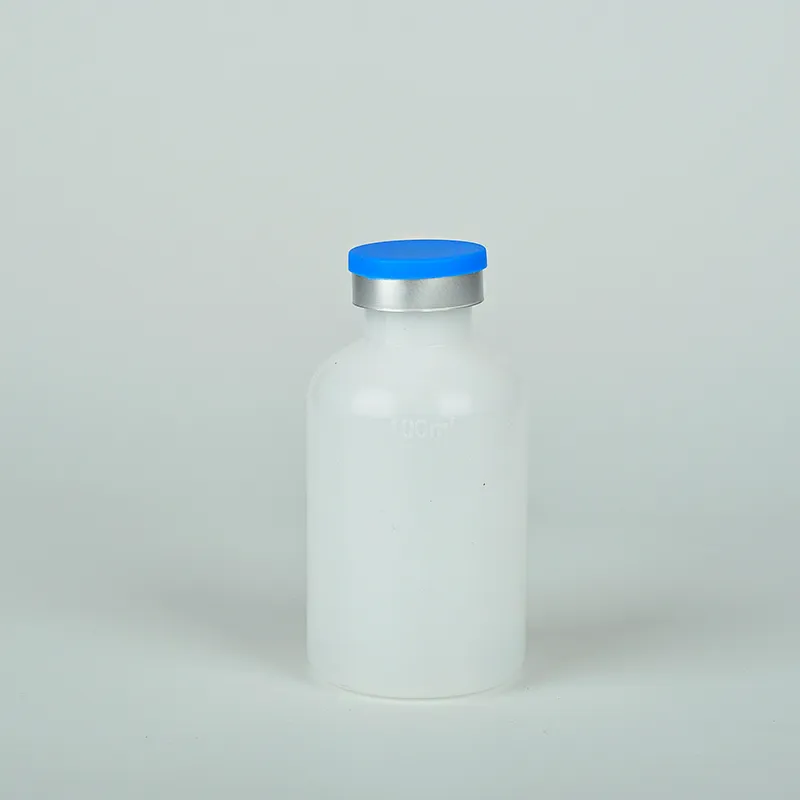
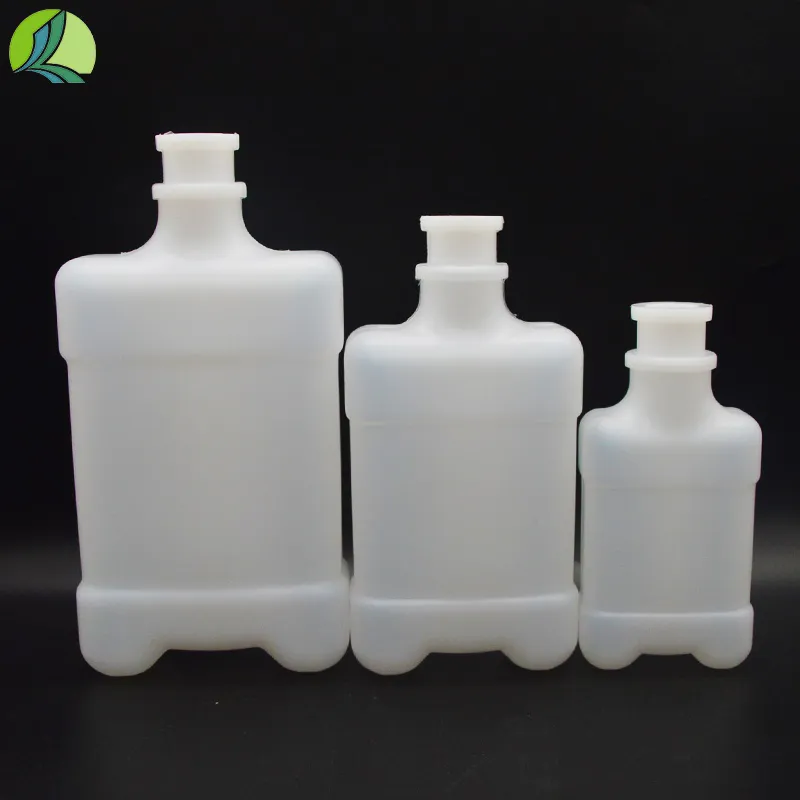
| Volumes | 2 mL, 5 mL, 10 mL, 20 mL (others on request) |
| Neck/Closure | 13 mm / 20 mm compatible formats; snap or stopper/cap systems |
| Sterilization | Steam 121 °C or Gamma 25–40 kGy; ISO 11137 validation |
| Service life | Shelf life ≈ 3–5 years unopened (cool, dry storage) |
| Certifications | Manufacturing under ISO 9001; ISO 15378 GMP for pharma packaging |
Applications and advantages
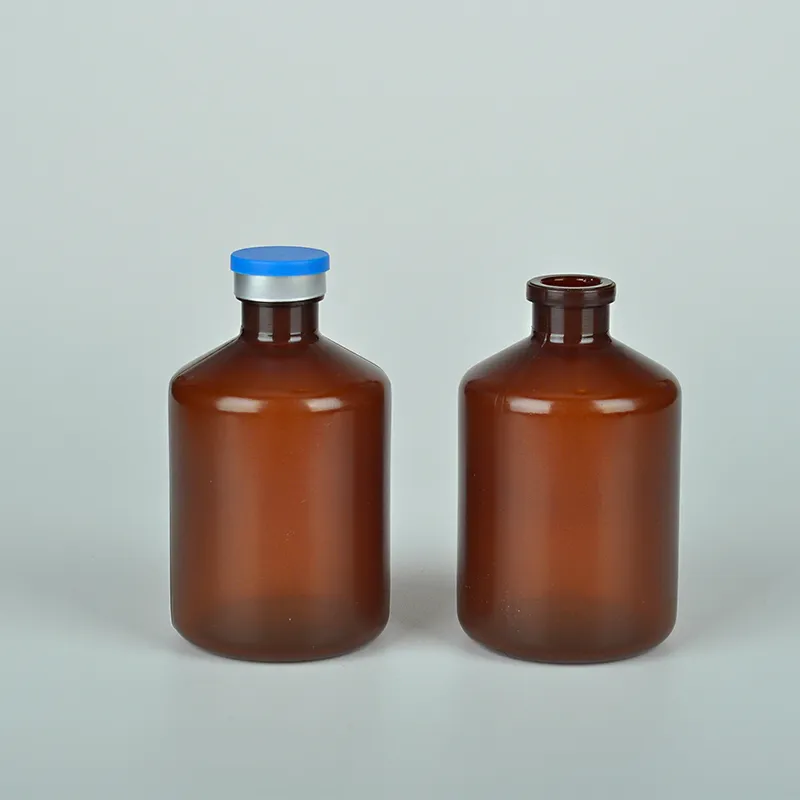
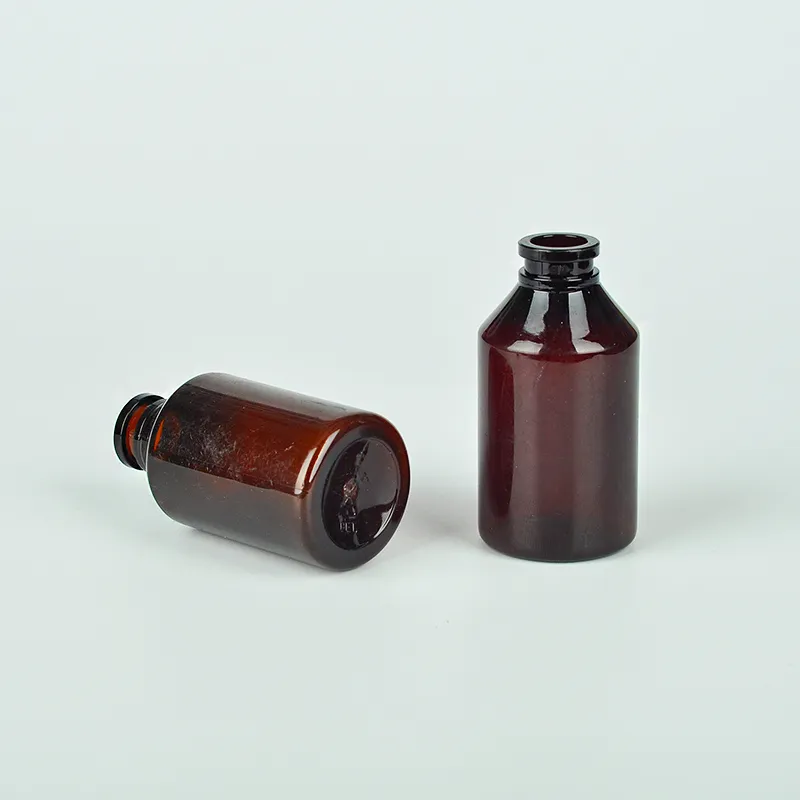
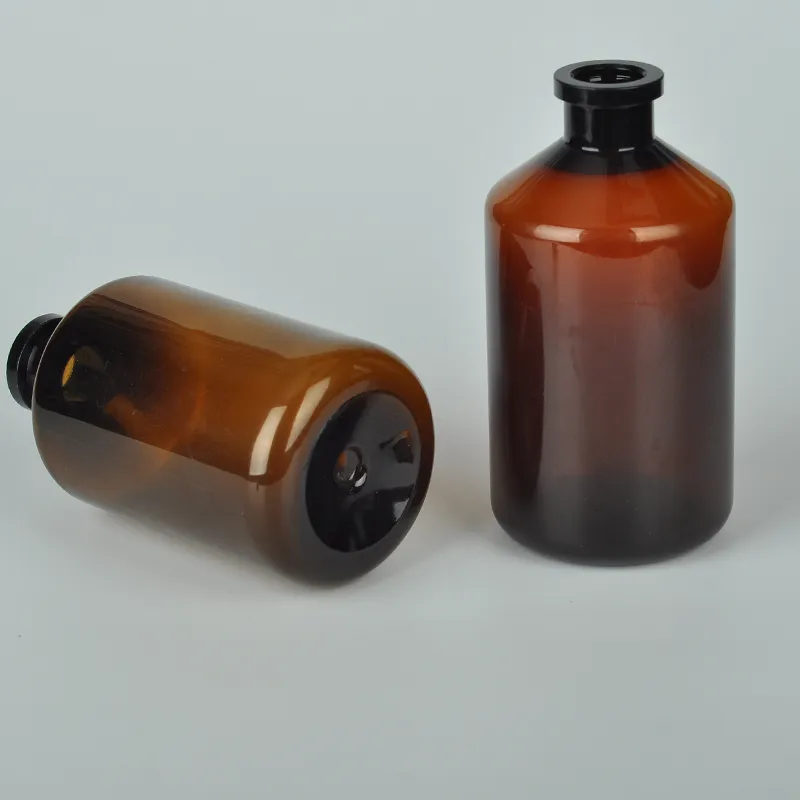
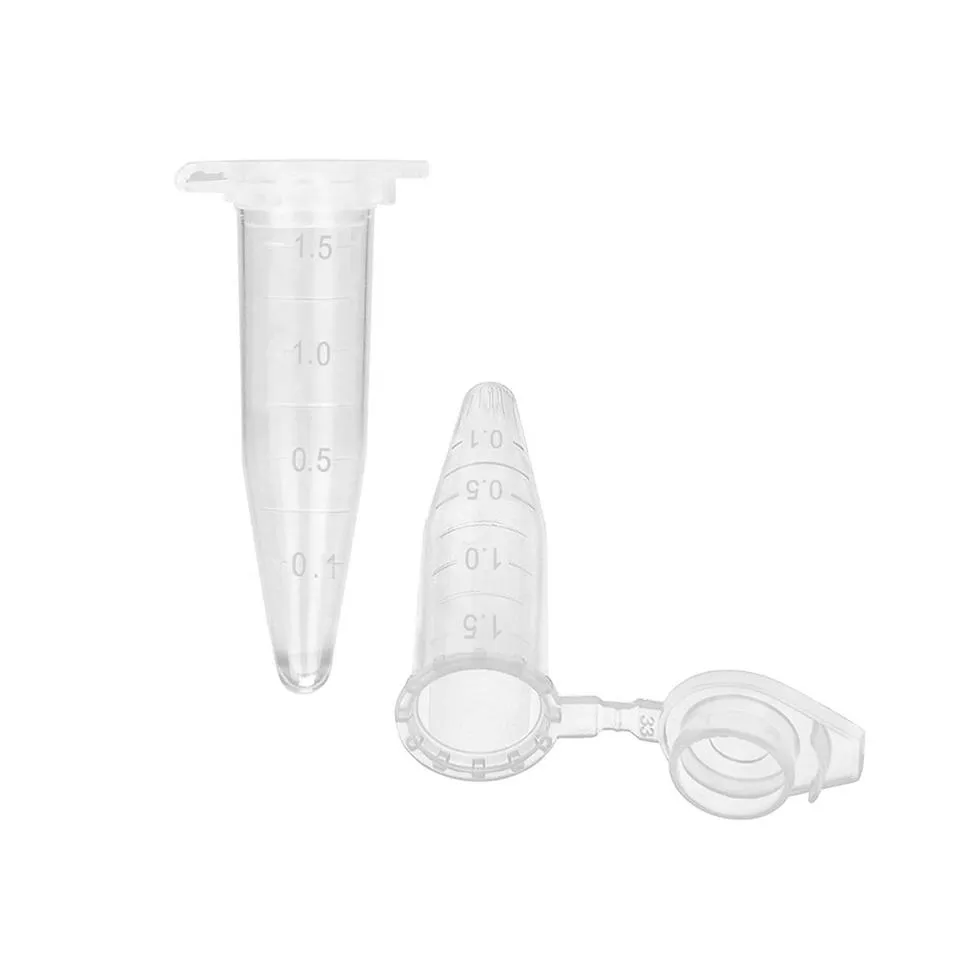
Use cases span vaccines, diagnostic reagents, hospital pharmacy compounds, and field immunization kits where weight and shatter-resistance matter. Advantages: aseptic packaging, high temperature/pressure resistance, easy direct filling on standard lines, and diverse specs to match varying dose volumes. Many pharmacists like the clear visibility of fill level and optional graduation marks. It seems that amber versions also help with light-sensitive formulations.
Vendor comparison (quick take)
| Criteria | WK Packing (This Product) | Vendor A | Vendor B |
|---|---|---|---|
| Lead time | ≈ 3–5 weeks | 4–8 weeks | 6–10 weeks |
| Sterilization options | Steam / Gamma (validated) | Gamma only | Steam only |
| Customization | Color, neck, print, graduations | Limited | Moderate |
| Certifications | ISO 9001, ISO 15378 | ISO 9001 | ISO 9001, ISO 13485 |
| Unit cost (guide) | Mid, volume-based | Low–Mid | Mid–High |
Customization options
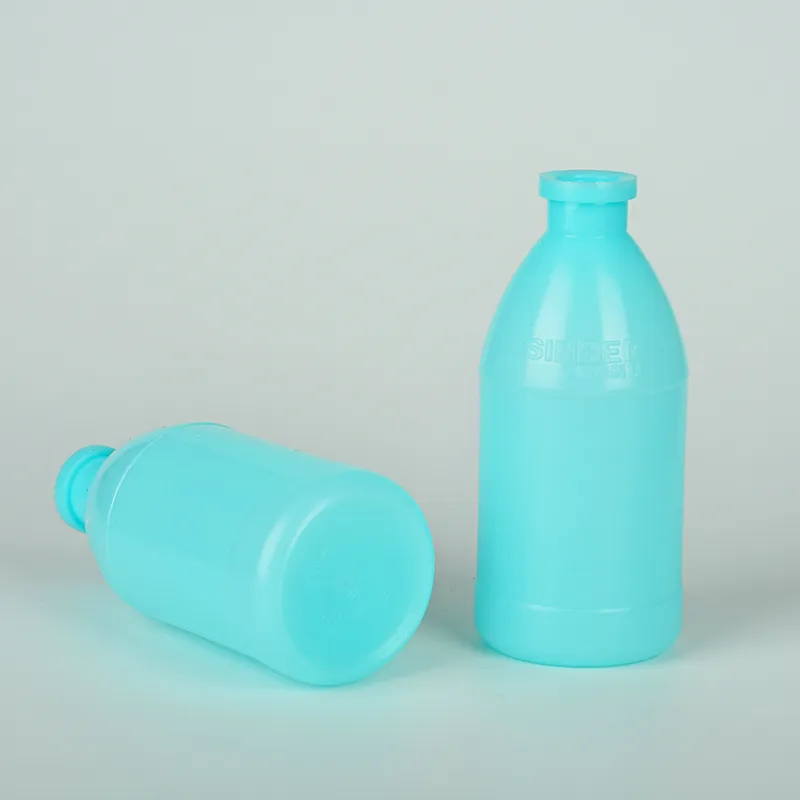
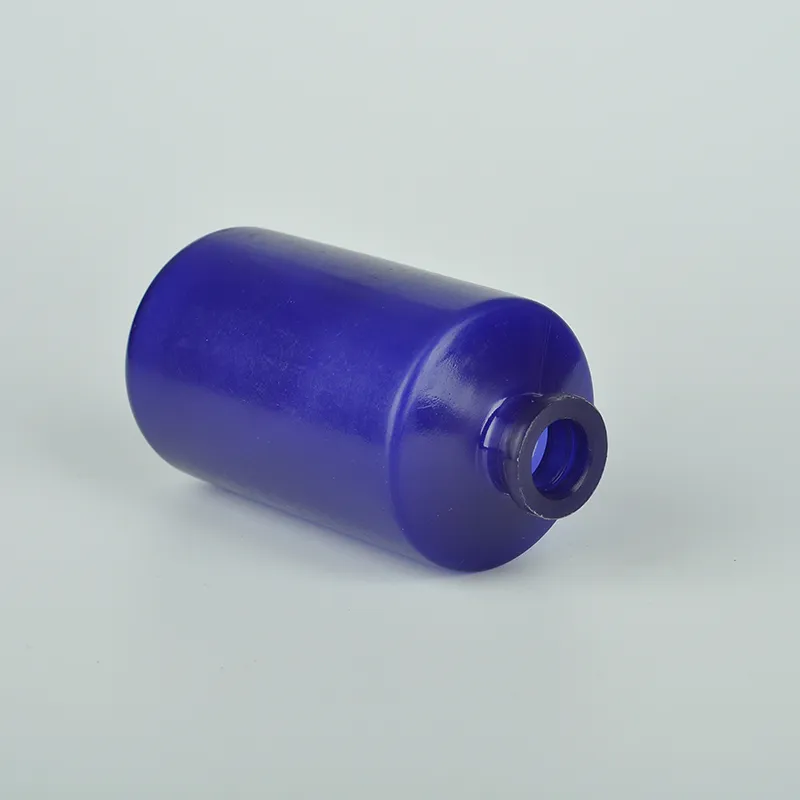
Options include amber or clear bodies, laser or inkjet lot coding, tamper-evident seals, UV-barrier resins, embossed graduations, and packaging in sterile blister nests or bags. MOQ and artwork are negotiable; real-world lead times depend on color masterbatch and tooling.
Mini case notes
- Regional immunization center: switched to medicine liquid bottle in pre-sterilized bags; reported 18% reduction in line stoppages due to breakage and simpler visual inspection.
- Biotech startup: used gamma-sterilized medicine liquid bottle for pilot mRNA reagent kits; CCIT passed first run, helping them hit an aggressive launch date.
Feedback is candid: “Filling was straightforward; dimensional consistency was better than we expected,” one buyer told me. However, they noted cap supplier harmonization is key—good reminder that closure systems make or break the package.
Where it fits
If you need an agile, sterilizable medicine liquid bottle with balanced cost and compliance, this line from Hebei is a practical contender. It’s not flashy. It’s competent—which, in pharma packaging, is exactly the point.
Authoritative citations
- USP <1207> Package Integrity Evaluation—Sterile Products. United States Pharmacopeia.
- USP <661.1> Plastic Materials of Construction. United States Pharmacopeia.
- ISO 15378: Primary packaging materials for medicinal products—GMP requirements.
- ISO 11137: Sterilization of health care products—Radiation—Requirements for validation and routine control.
-
Bulk Eye Dropper Bottles for Industrial Packaging - Reliable & CustomizableNewsDec.31,2025
-
Small Plastic Dropper Bottles – Durable, Precise Packaging Solutions for B2B ApplicationsNewsDec.10,2025
-
Medicine Dropper Bottles – Precision and Quality Packaging Solutions for B2B | WK PackingNewsDec.10,2025
-
Discover Top Quality 2 oz Eye Dropper Bottles for Industrial UseNewsDec.09,2025
-
1 Oz Eye Dropper Bottles - Precision Packaging Solutions for B2B Industries | WKPackingNewsDec.09,2025
-
Durable 4 oz Eye Dropper Bottles for Industrial & Cosmetic UseNewsDec.09,2025