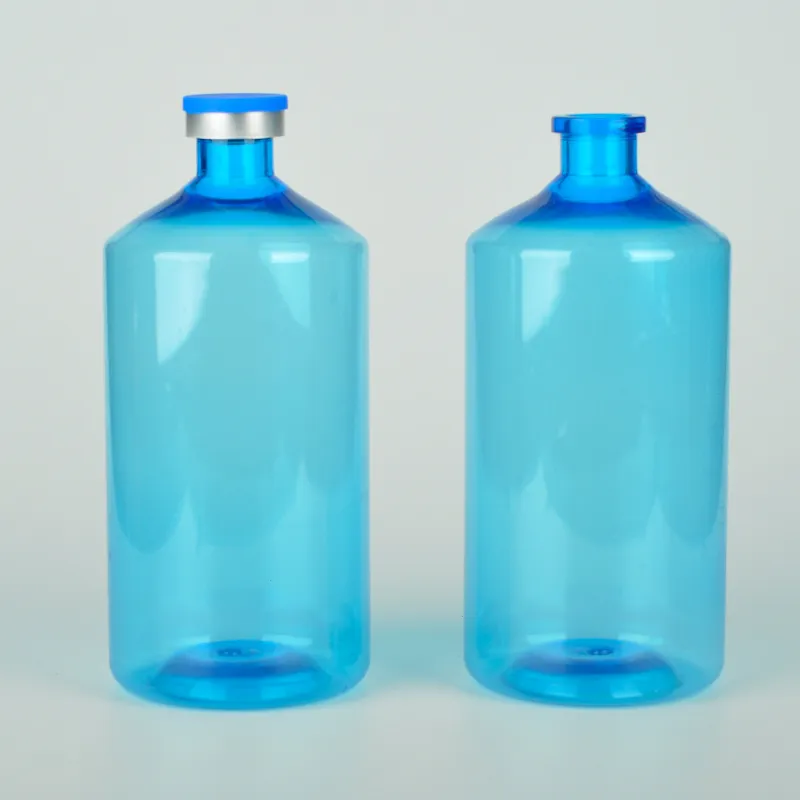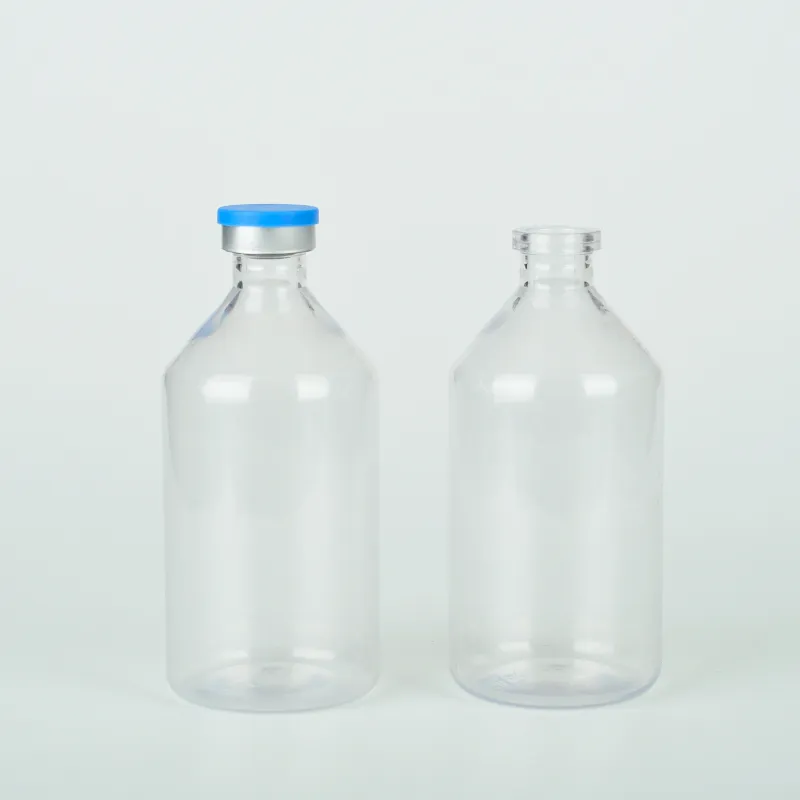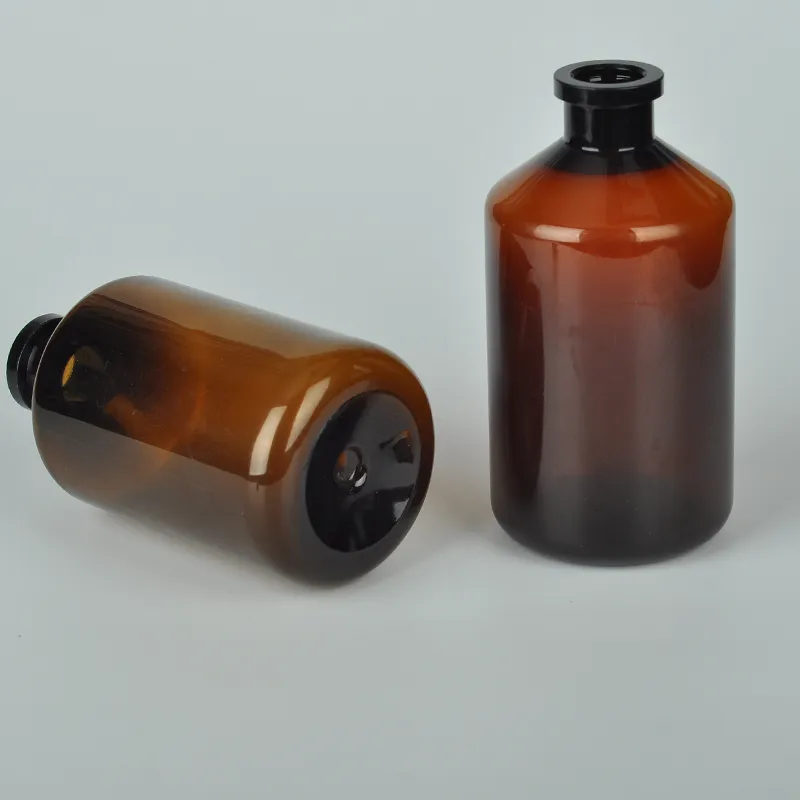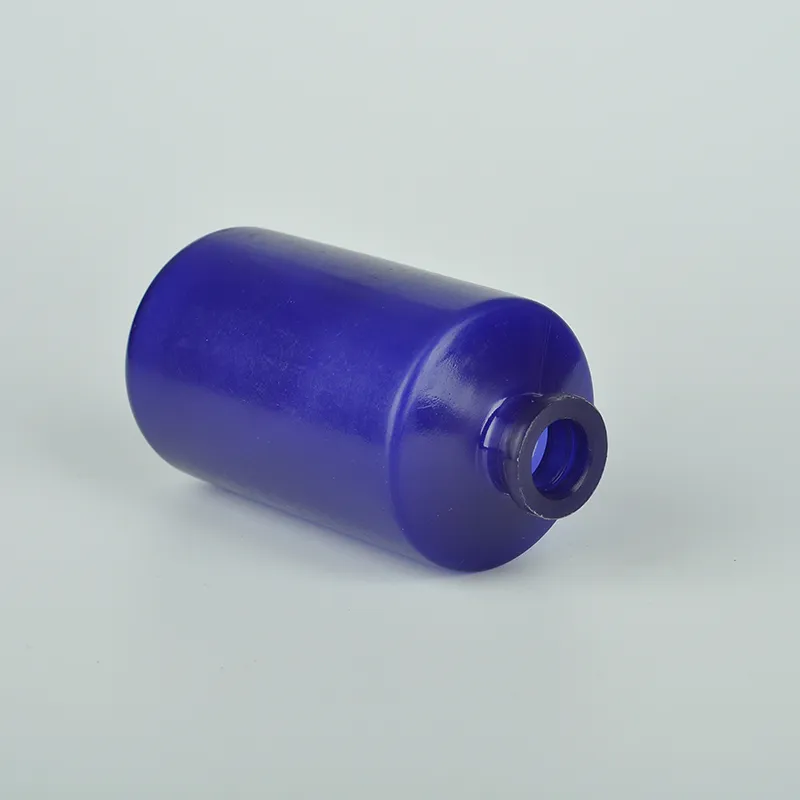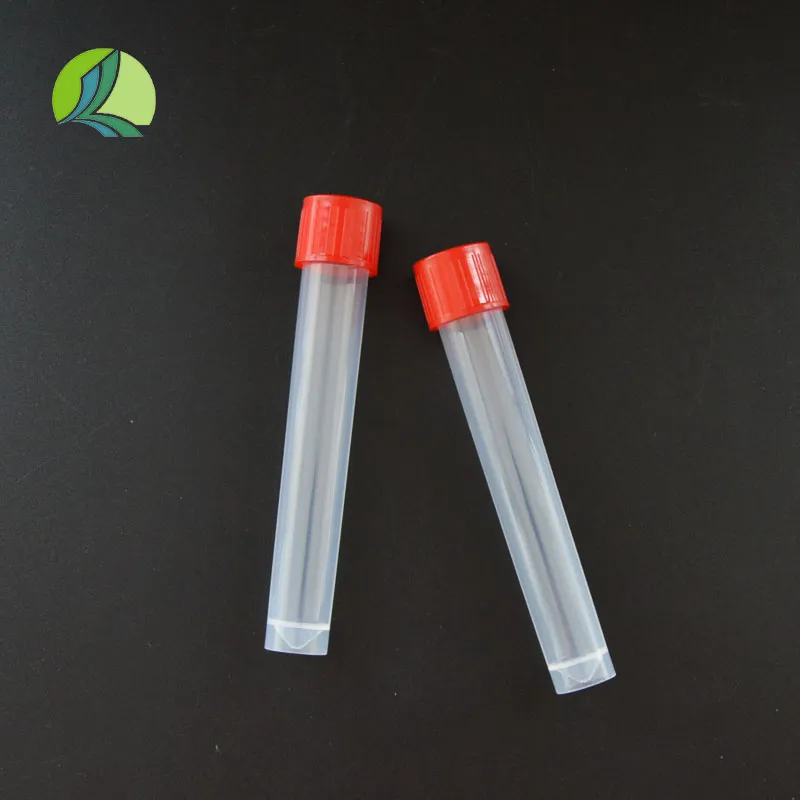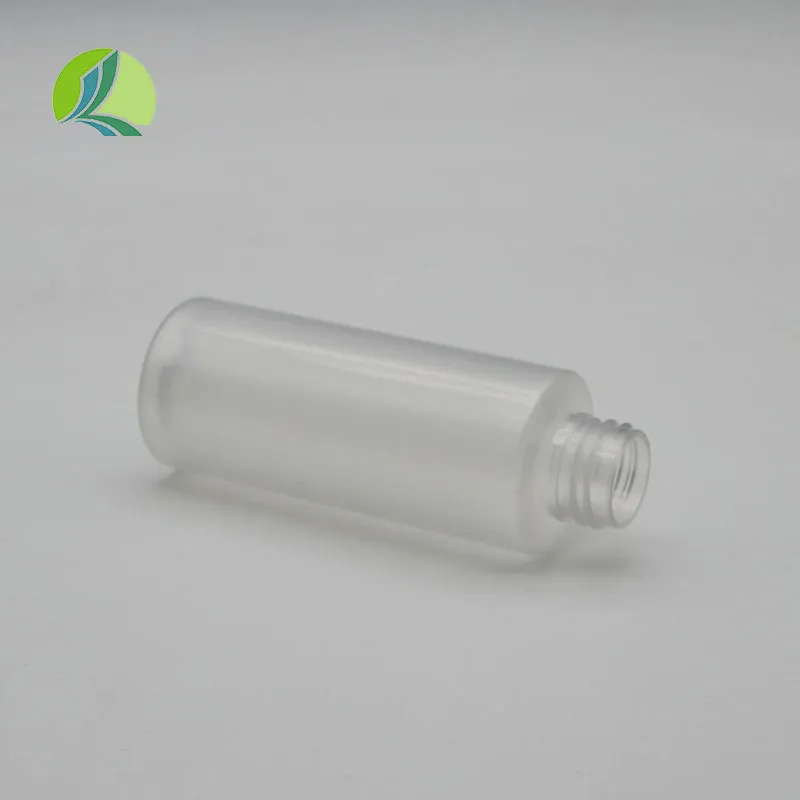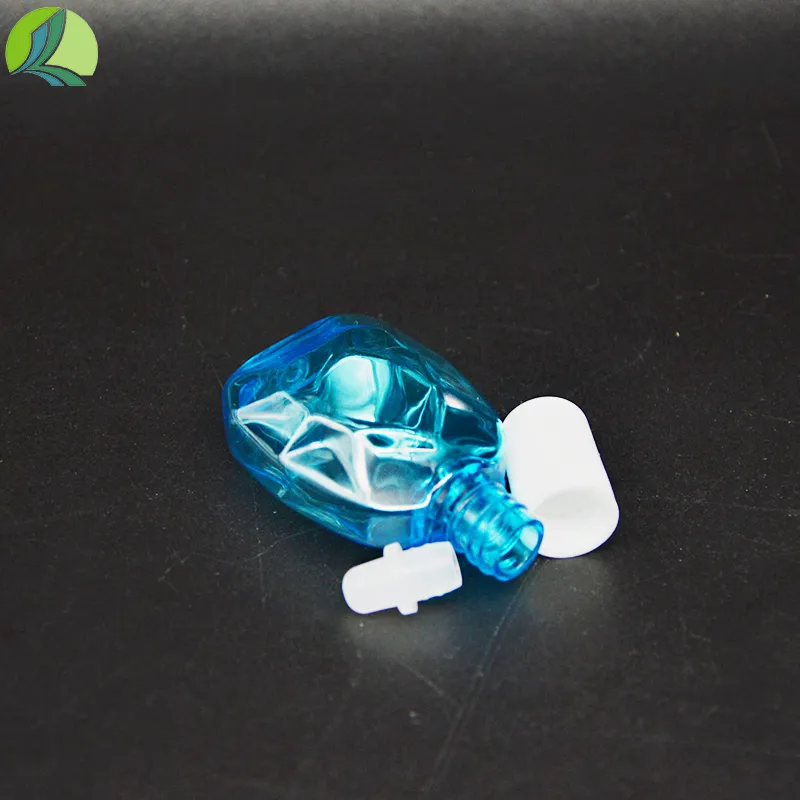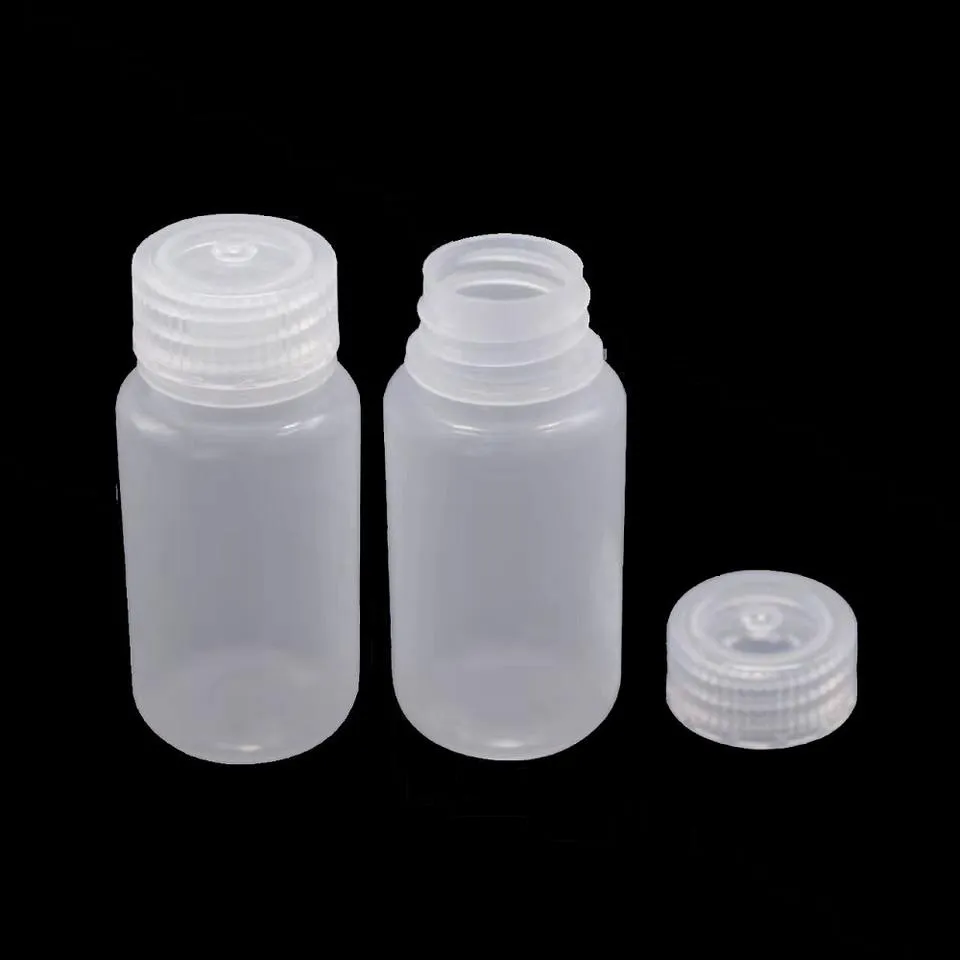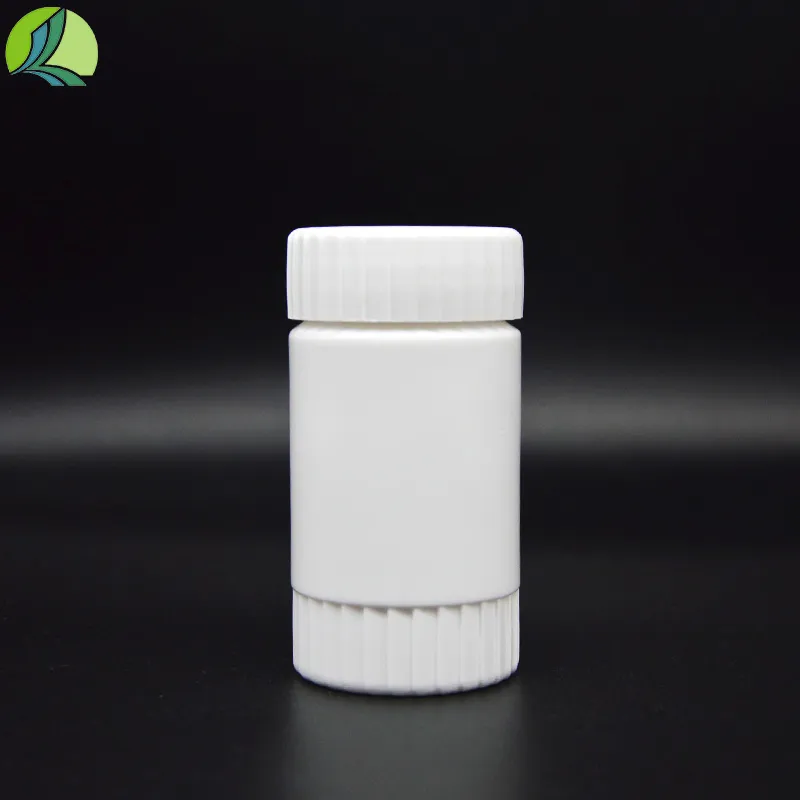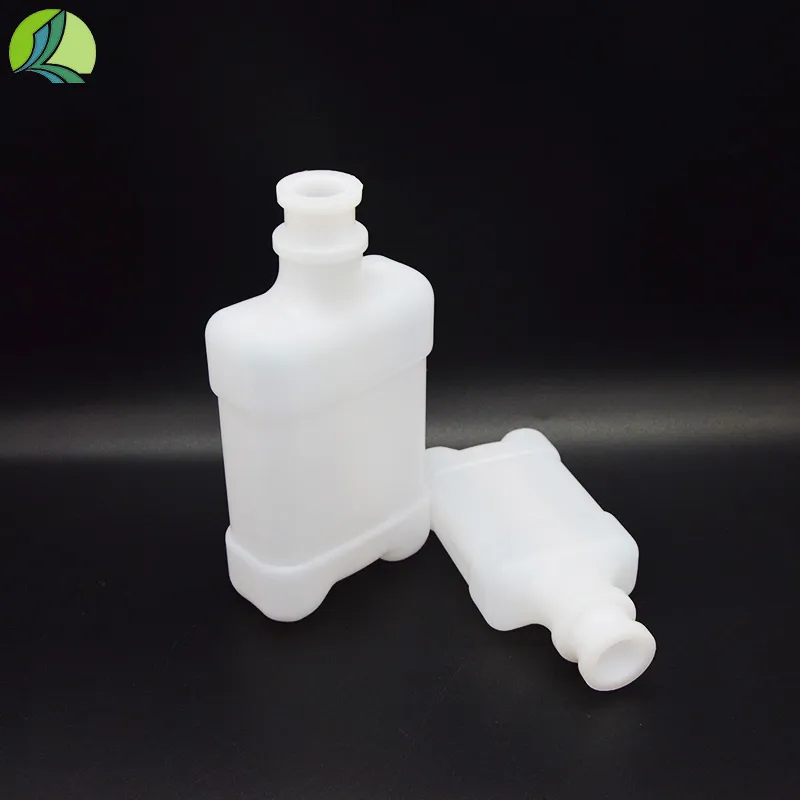

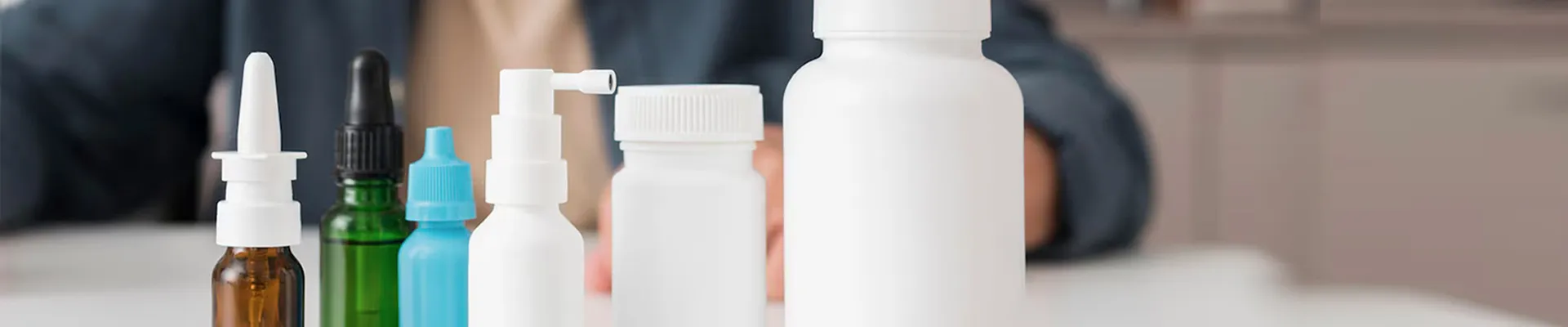


Need 300ml Brown Sterile Plastic Veterinary Vaccine Vial?
A Field-Tested Look at a 300 ml Brown Sterile Veterinary Vial (and Why Clinics Are Switching)
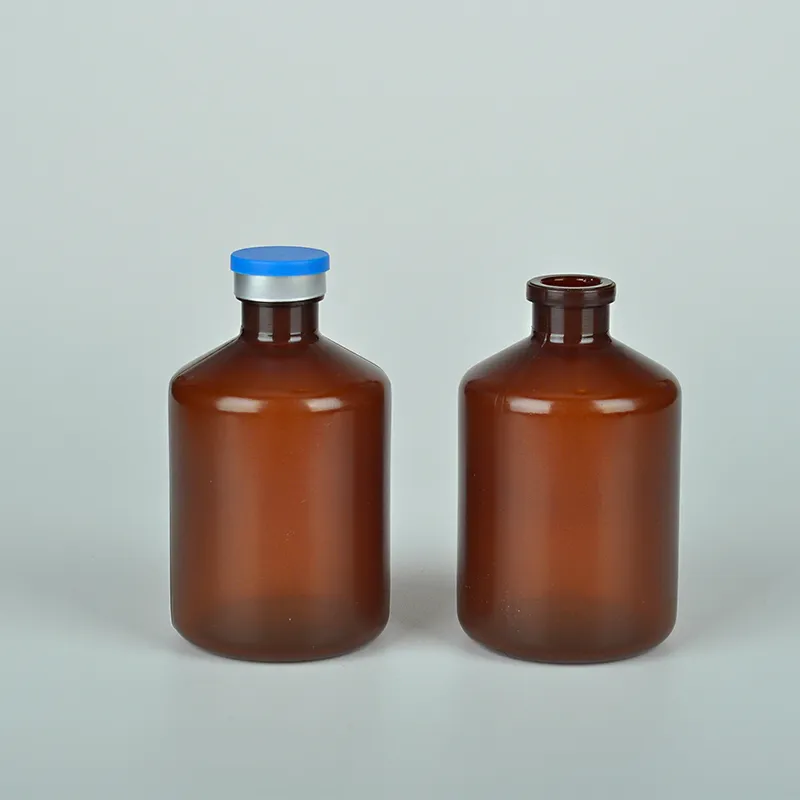
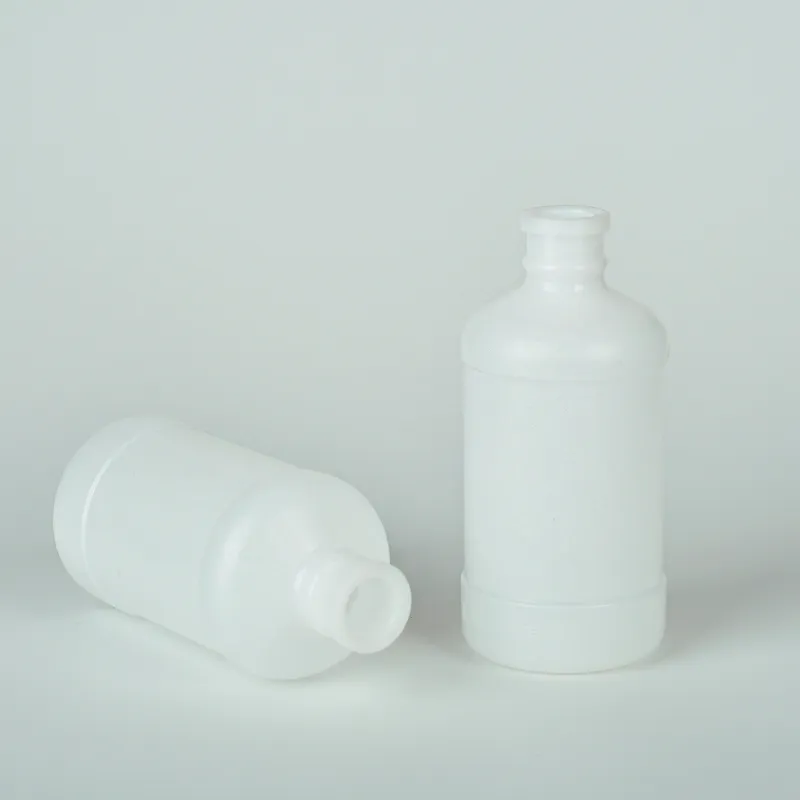
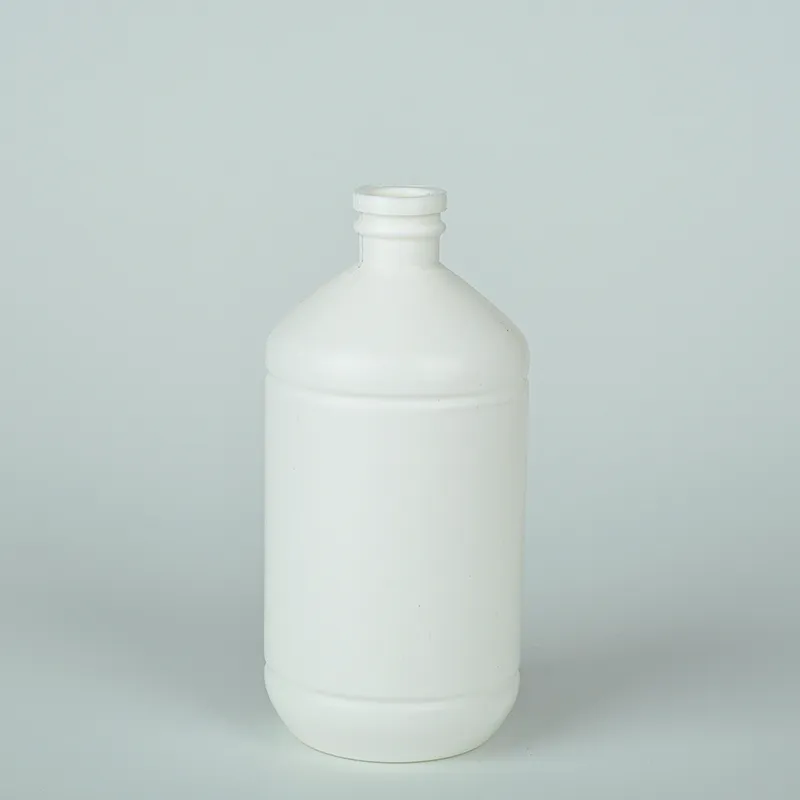
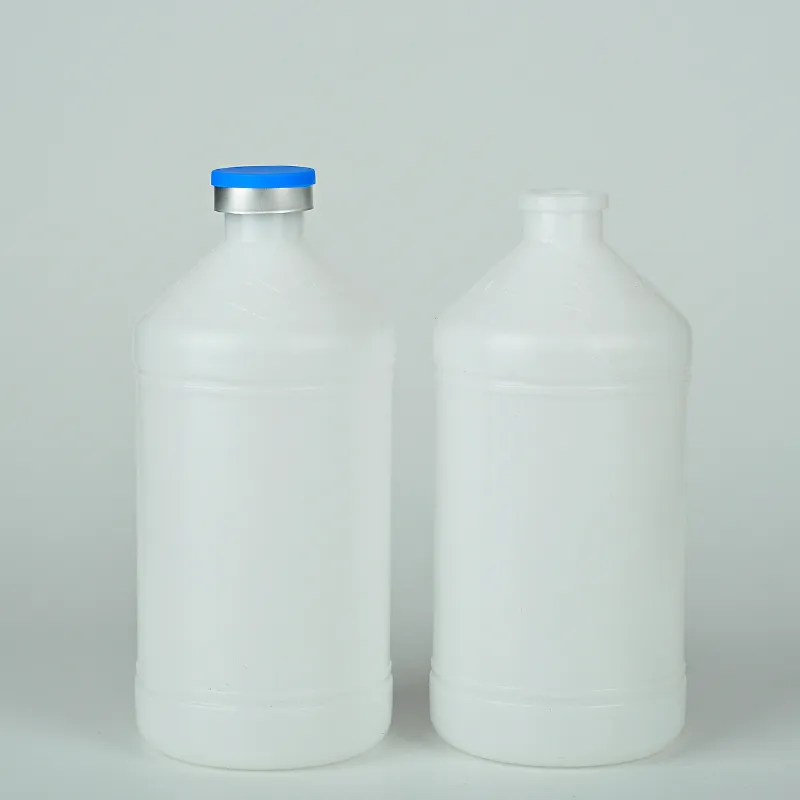
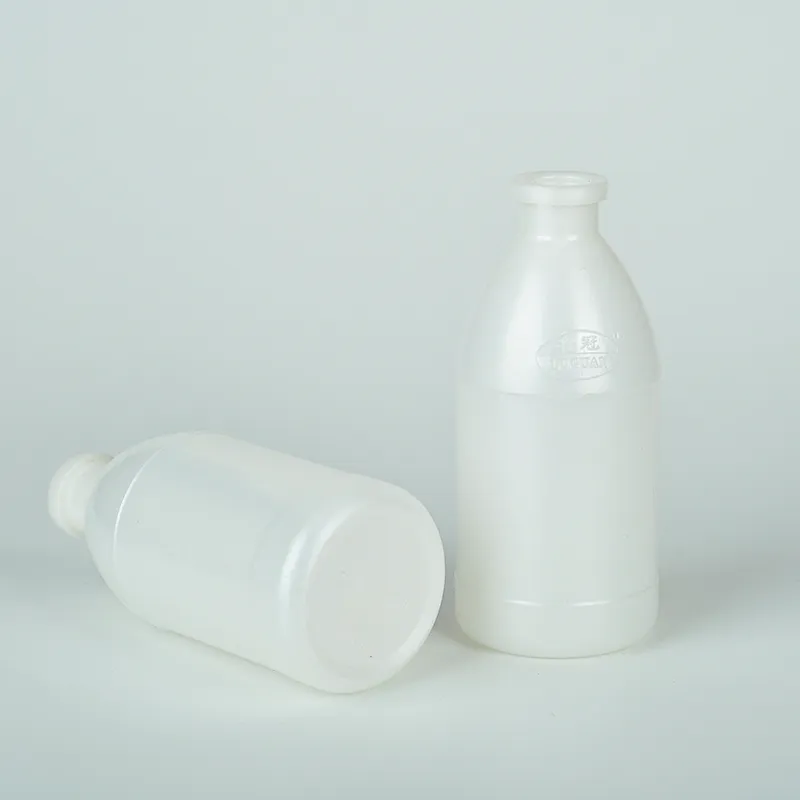
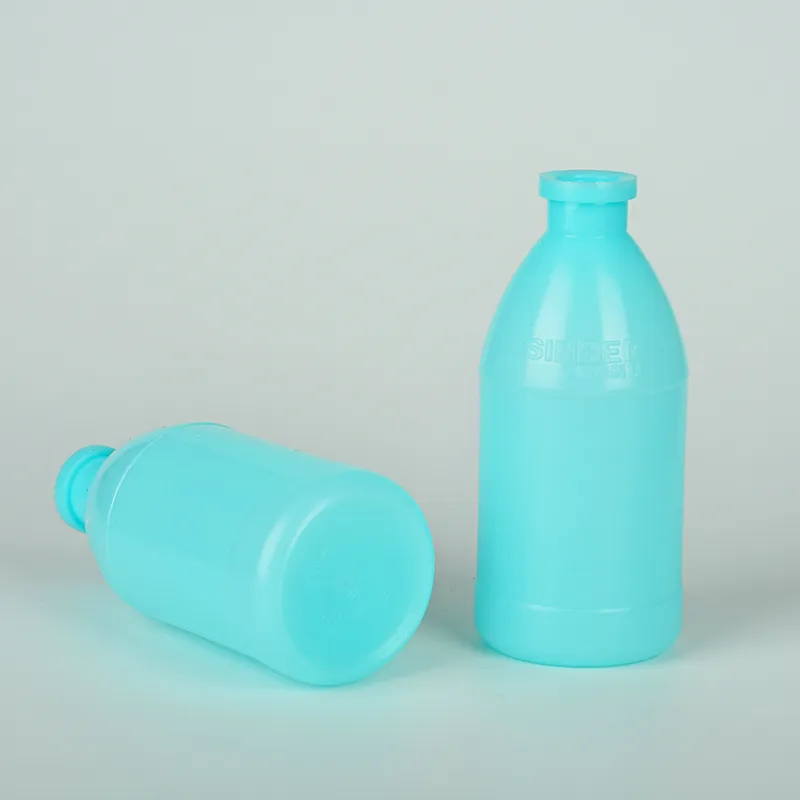
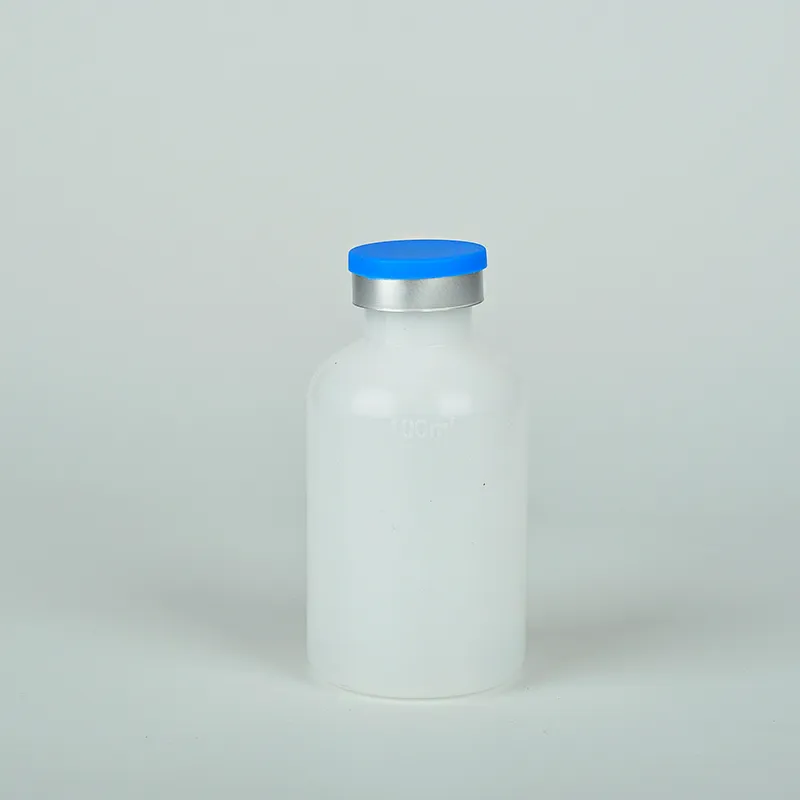
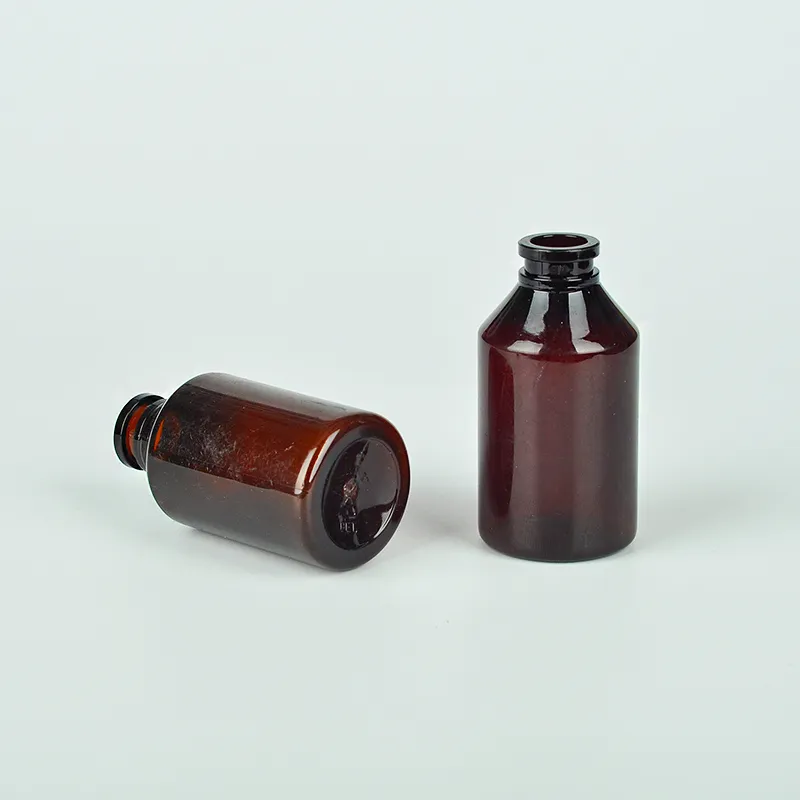
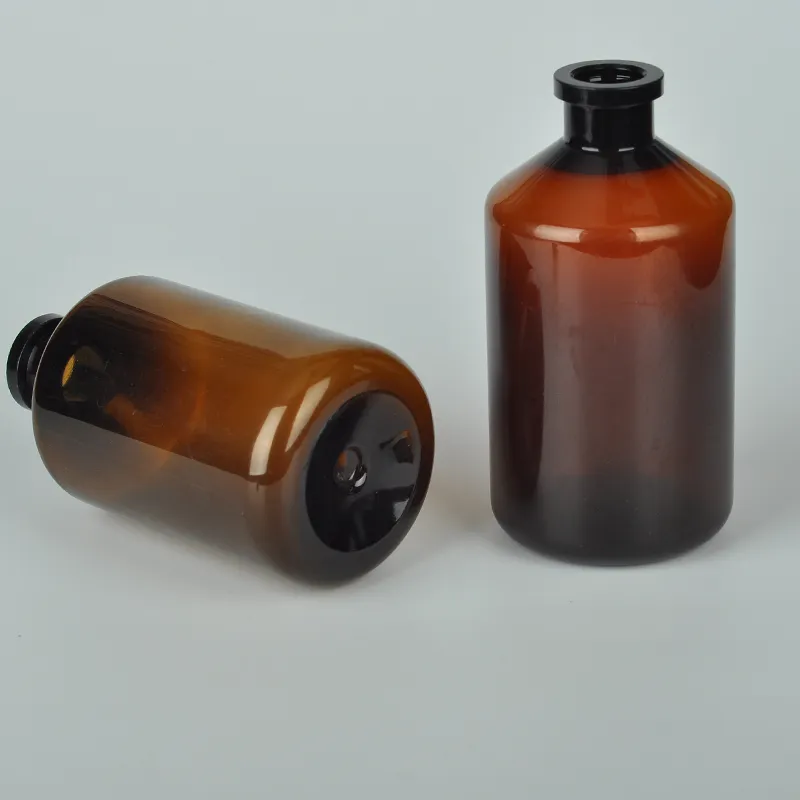
If you work in animal health, you’ve probably watched the quiet shift from heavy glass to lightweight engineered plastics. One example I’ve handled recently: the 300ml Brown Sterile Vaccine Vial Plastic Veterinary Medicine Vial. It’s made in LITUN, DUSHENG TOWN, CANGXIAN COUNTY, CANGZHOU CITY, HEBEI PROVINCE, CHINA, and—honestly—it reflects where veterinary biologics packaging is heading: safer logistics, better UV protection, and reliable sterility, without the smash factor of glass.
Industry trend, quick take
Veterinary manufacturers are leaning into PET and PP vials for multi-dose vaccines, bacterins, and diluents. Reduced breakage in transit, simpler cold-chain handling, and compatibility with gamma or EtO sterilization are the big levers. Many customers say the switch cuts claim rates and—surprisingly—staff injuries in barns and mobile clinics.
Product snapshot and specs
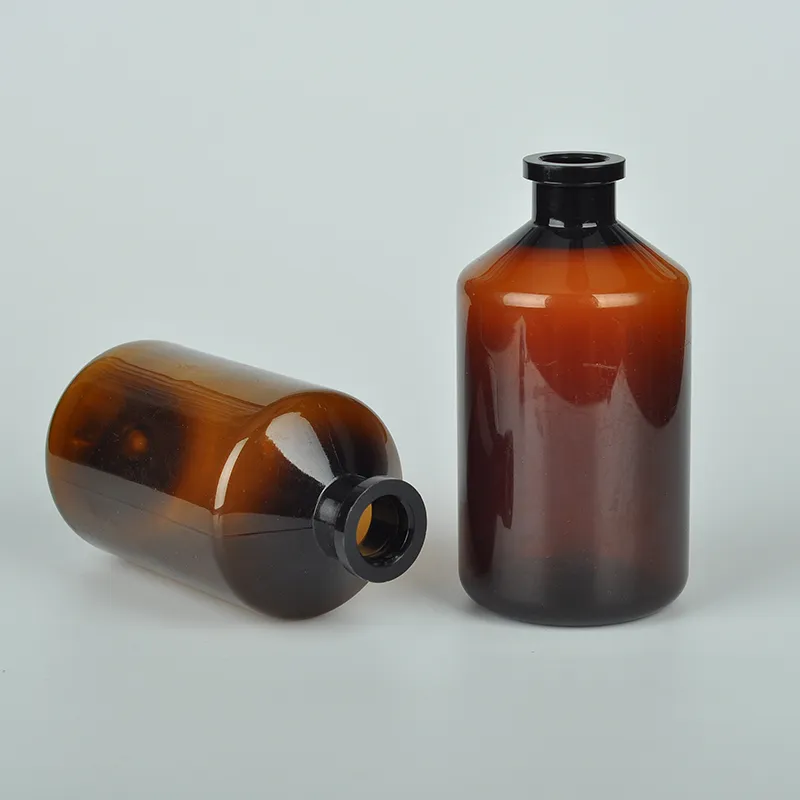
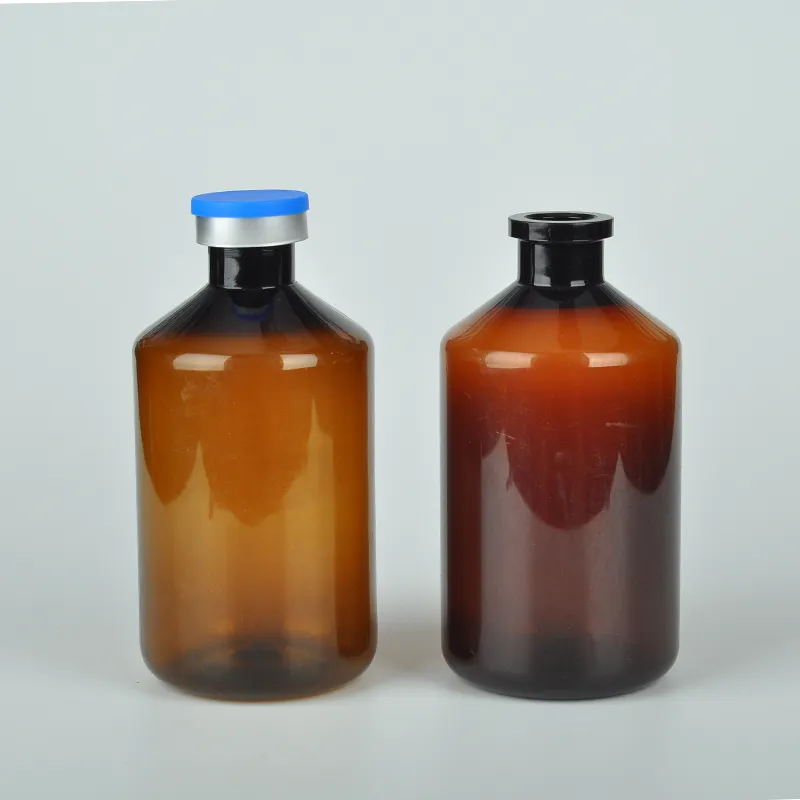
The 300ml Brown Sterile Vaccine Vial Plastic Veterinary Medicine Vial is built around PET or PP, with amber/brown pigmentation to lower UV transmission while keeping label readability. In real-world use, it rides well from warehouse to farm with fewer “dead-on-arrival” surprises.
| Parameter | Typical Value (≈; may vary) |
|---|---|
| Nominal capacity | 300 ml |
| Material options | PET or PP with brown masterbatch; HDPE cap; TPE/Butyl stopper (optional) |
| Neck/closure | 28 mm screw cap or 20 mm crimp finish for butyl stopper/aluminum seal |
| Sterilization | Gamma or EtO; target SAL 10^-6 (ISO 11137) |
| Light protection | UV/Visible transmission typically |
| Drop performance | Pass 1.0 m at 23 °C (ASTM D4169 profile, indicative) |
| Service life | Up to 3 years sealed; check vaccine label and storage 5–25 °C |
| Compliance targets | USP <661.1>/<661.2> plastics, ISO 11137, ISO 13485 QMS, ISO 8362 (fit-for-use guidance) |
How it’s made (process flow)
- Materials: Pharmaceutical-grade PET/PP resin with approved colorants; compatible organic processing aids.
- Methods: Extrusion blow molding or injection stretch blow molding; optional cleanroom finishing; cap/stopper assembly.
- Sterilization: Validated gamma or EtO cycle to SAL 10^-6 with bioburden mapping and dose audits.
- Testing: Extractables/leachables per USP /, package integrity (dye ingress or vacuum decay), torque, WVTR/OTR, distribution simulation per ASTM D4169.
Where it’s used
- Veterinary vaccines and toxoids (multi-dose)
- Diluents, adjuvants, and lab reagents
- Field kits for poultry, swine, bovine, companion animals
Advantages I noticed
- Significantly lower breakage vs glass; easier handling in barns and mobile units.
- Brown resin filters UV, supporting antigen stability (always confirm with your stability data).
- Flexible closures: screw-cap convenience or crimp with butyl for traditional workflows.
Vendor comparison (indicative)
| Criteria | WK Packing 300 ml Brown Plastic Vial | Generic PET Bottle Vendor | Amber Glass Vial Vendor |
|---|---|---|---|
| Sterility (SAL) | 10^-6 (validated gamma/EtO) | Varies; often non-sterile | 10^-6 after depyro/autoclave |
| UV protection | High (brown masterbatch) | Moderate (clear PET) | High (amber glass) |
| Breakage risk | Low | Low | High |
| Unit weight | Light | Light | Heavy |
| Compliance path | USP /, ISO 11137 | Basic food-grade only | Pharmacopeial glass |
Customization and real-world notes
- Custom colors, neck finishes, and tamper-evident caps; silk-screen or label-ready surfaces.
- Batch testing files: C of A, sterilization validation summary, migration data on request.
Case in point: a poultry integrator reported ≈72% fewer breakage incidents and ≈18% freight savings after switching from amber glass to the 300ml Brown Sterile Vaccine Vial Plastic Veterinary Medicine Vial. Another dairy co-op told me field nurses “stopped carrying extra shippers just in case,” which says a lot.
Quality and certifications
Look for ISO 13485 QMS, ISO 11137 sterilization validation, and plastic packaging conformance to USP /. For transport, ASTM D4169 helps predict real-life bumps. And if you’re crimping, align with ISO 8362 geometry to keep stopper/seal compatibility tidy.
Authoritative citations
- USP General Chapters <661.1> and <661.2> Plastic Packaging Systems for Pharmaceutical Use: https://www.uspnf.com
- ISO 11137 Sterilization of Health Care Products—Radiation: https://www.iso.org/standard/60802.html
- ASTM D4169 Standard Practice for Performance Testing of Shipping Containers: https://www.astm.org/d4169
- ISO 8362 Injection Containers and Accessories (vial systems guidance): https://www.iso.org/standard/74991.html
- WHO Guidelines on Stability Evaluation of Vaccines: https://www.who.int/publications
-
Bulk Eye Dropper Bottles for Industrial Packaging - Reliable & CustomizableNewsDec.31,2025
-
Small Plastic Dropper Bottles – Durable, Precise Packaging Solutions for B2B ApplicationsNewsDec.10,2025
-
Medicine Dropper Bottles – Precision and Quality Packaging Solutions for B2B | WK PackingNewsDec.10,2025
-
Discover Top Quality 2 oz Eye Dropper Bottles for Industrial UseNewsDec.09,2025
-
1 Oz Eye Dropper Bottles - Precision Packaging Solutions for B2B Industries | WKPackingNewsDec.09,2025
-
Durable 4 oz Eye Dropper Bottles for Industrial & Cosmetic UseNewsDec.09,2025