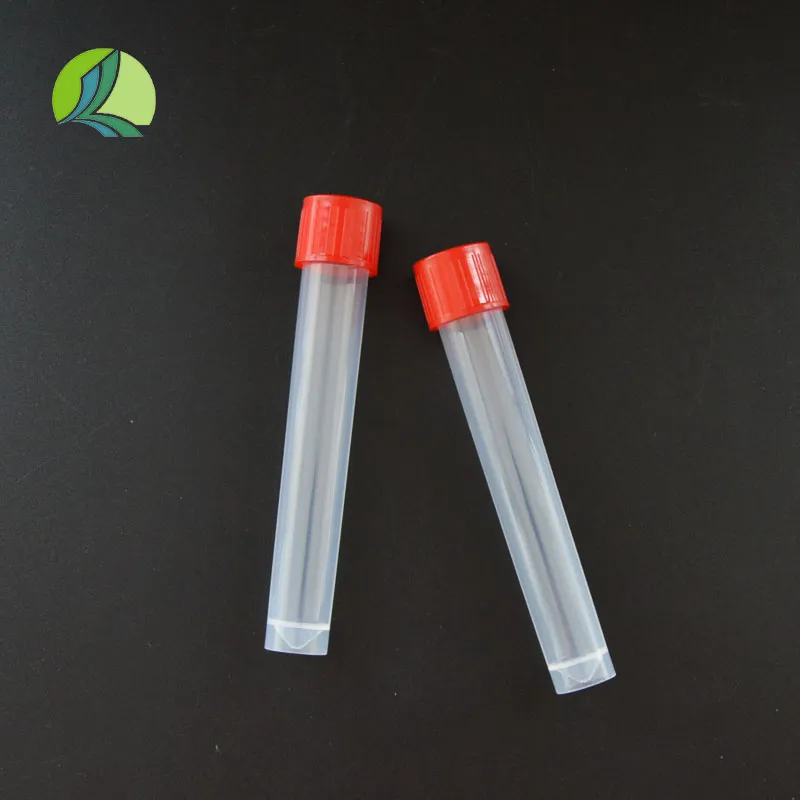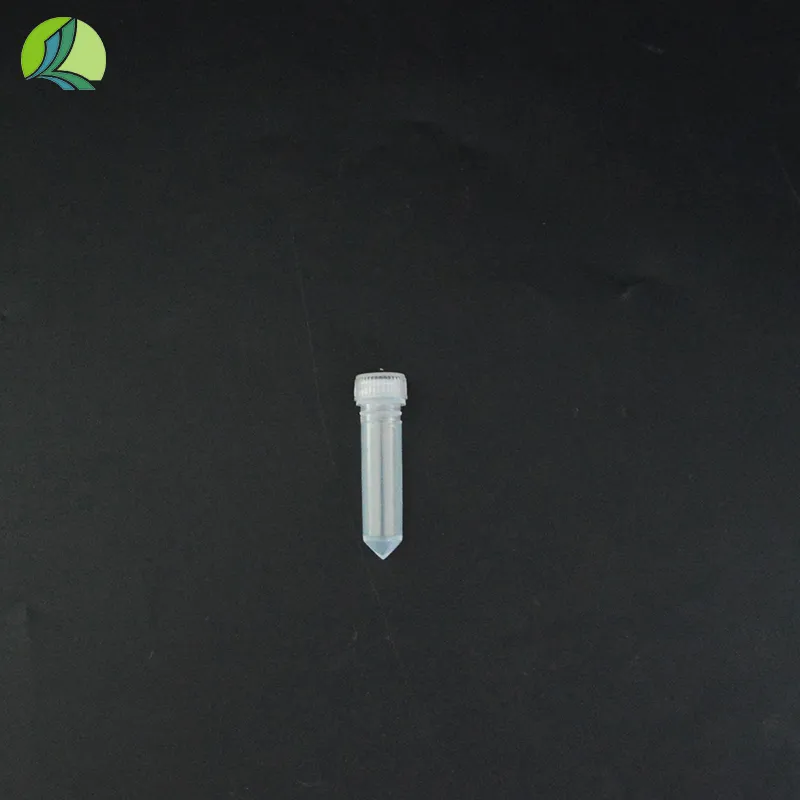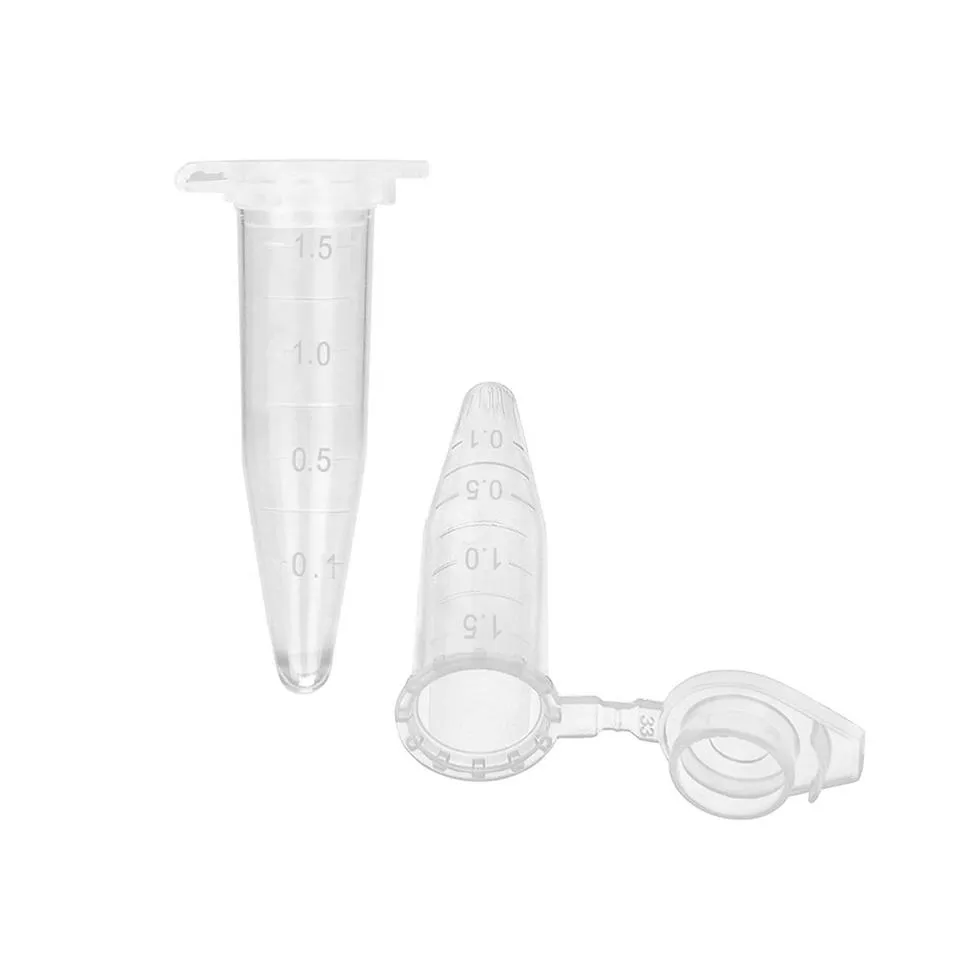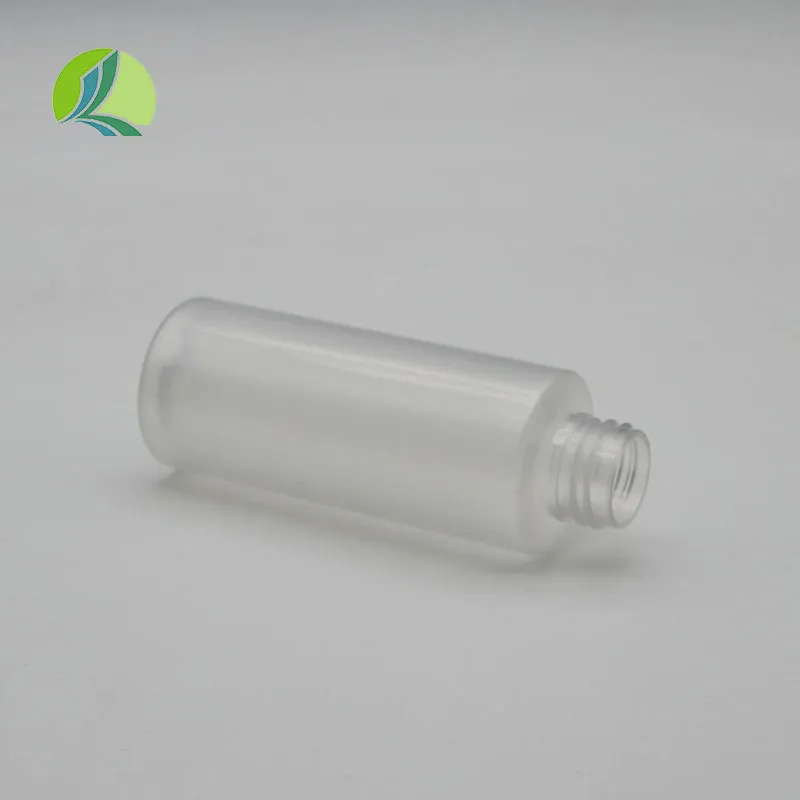

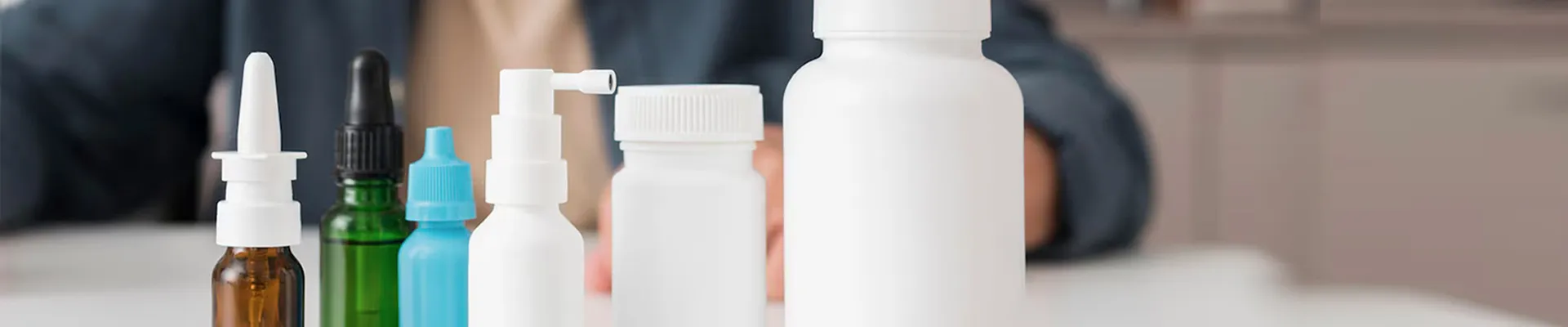


Plastic Laboratory Reagent Bottle Screw Cap Semi-Permeable
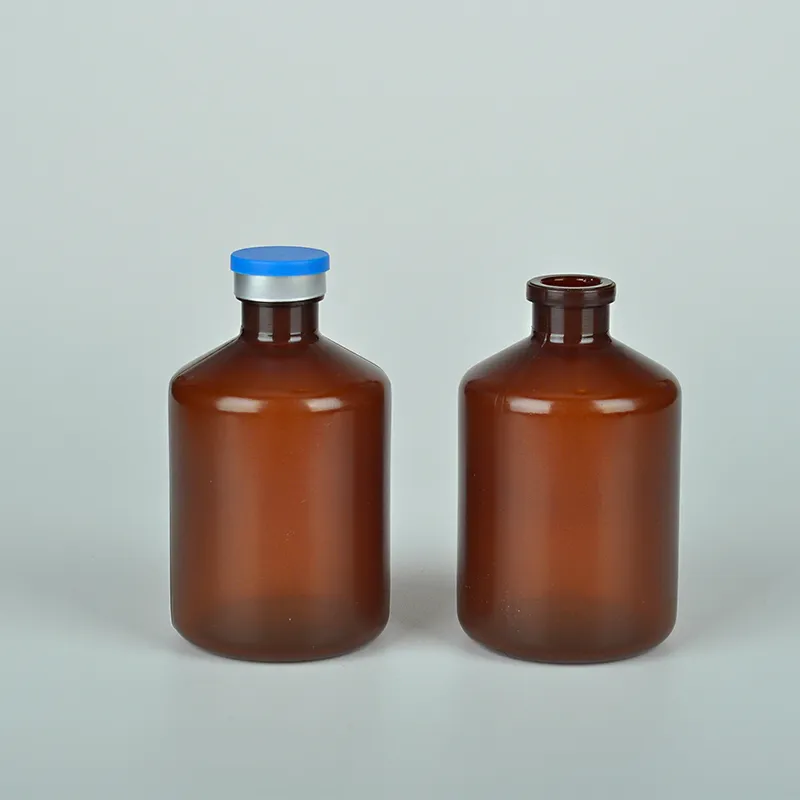
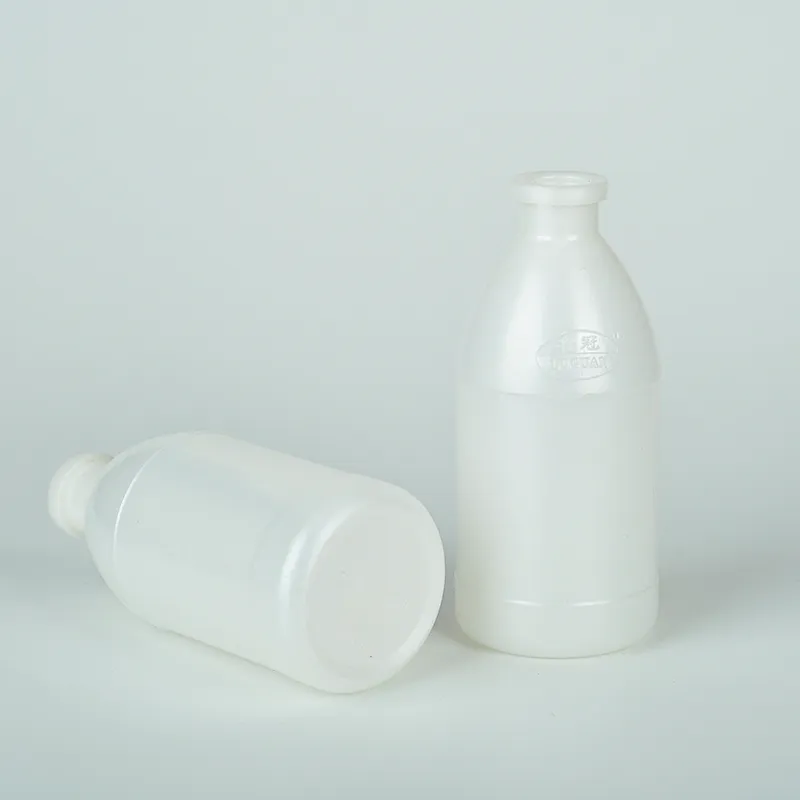
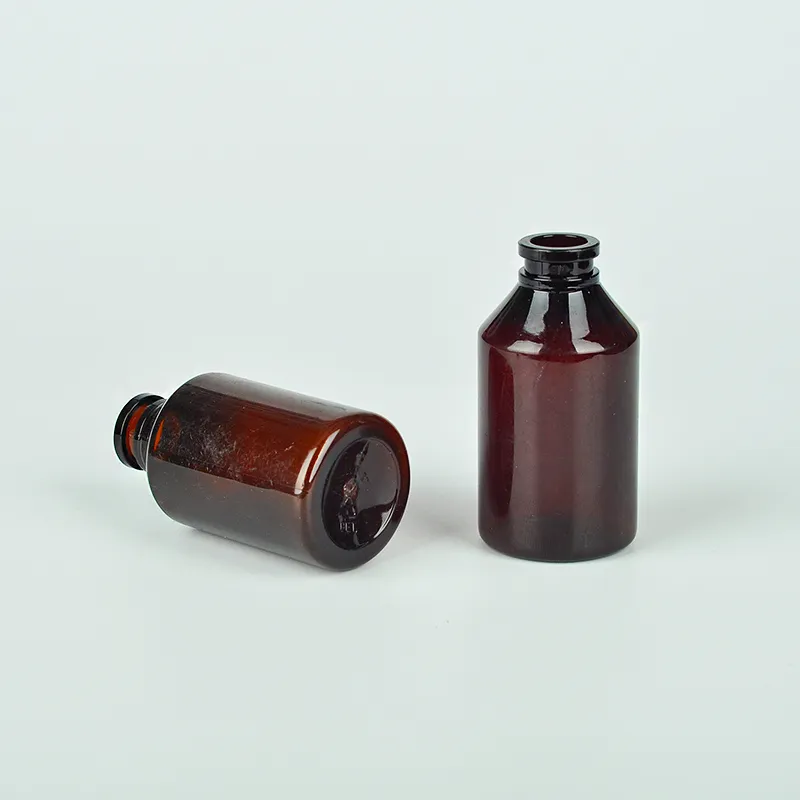
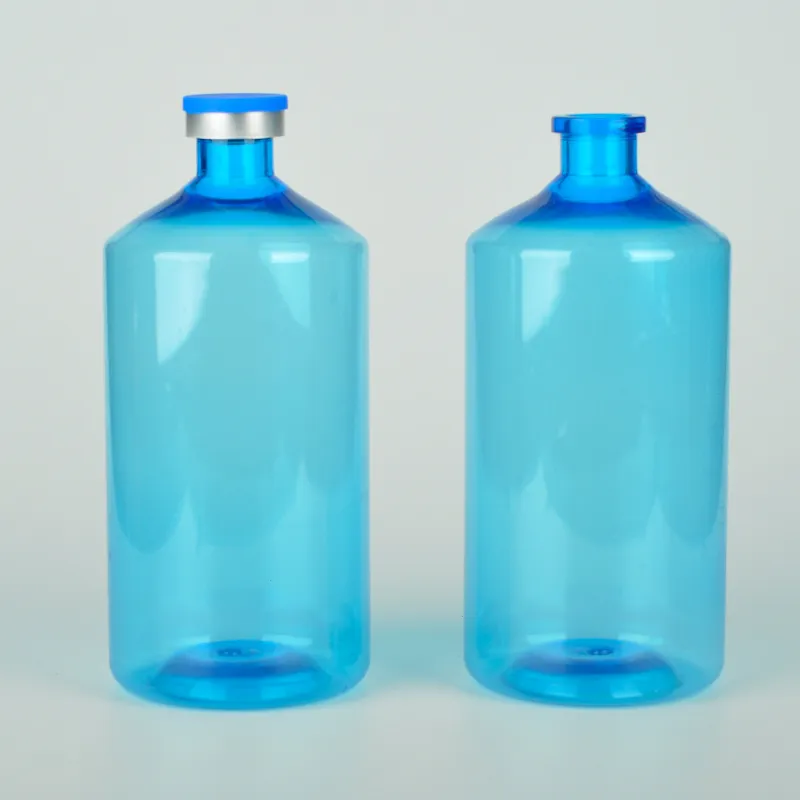
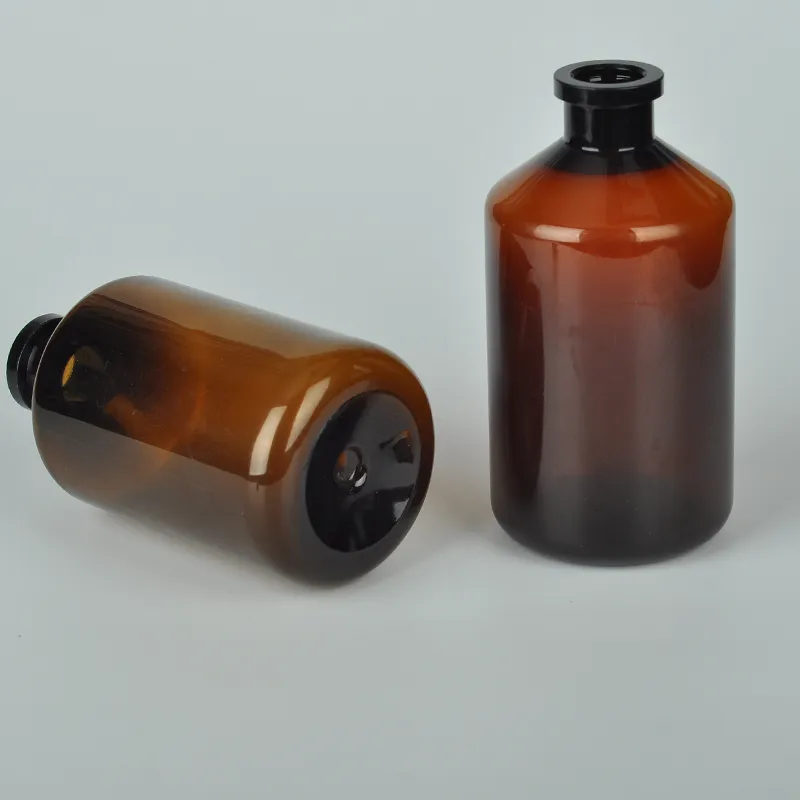
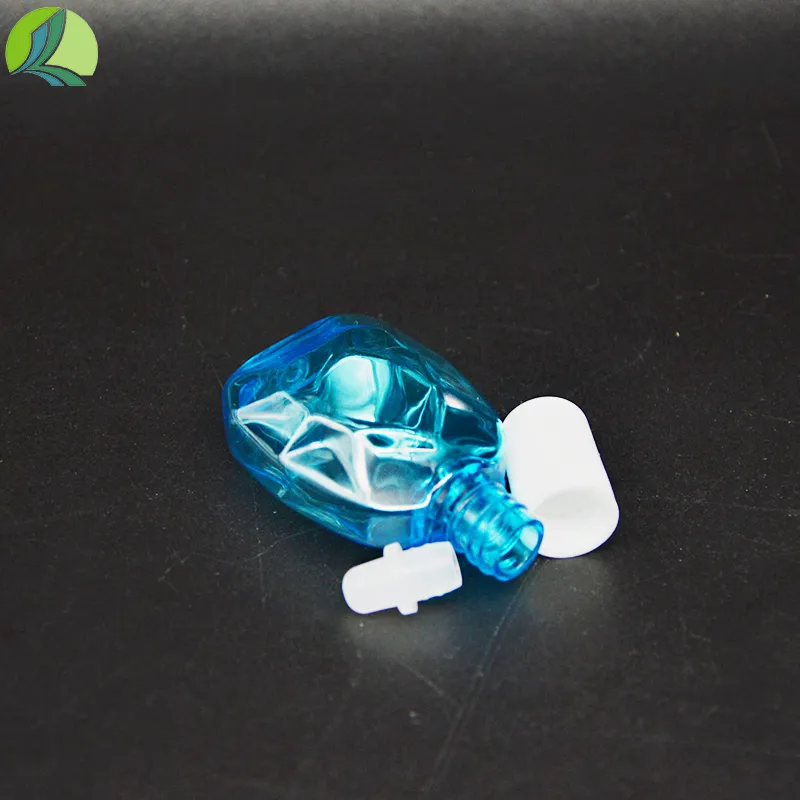
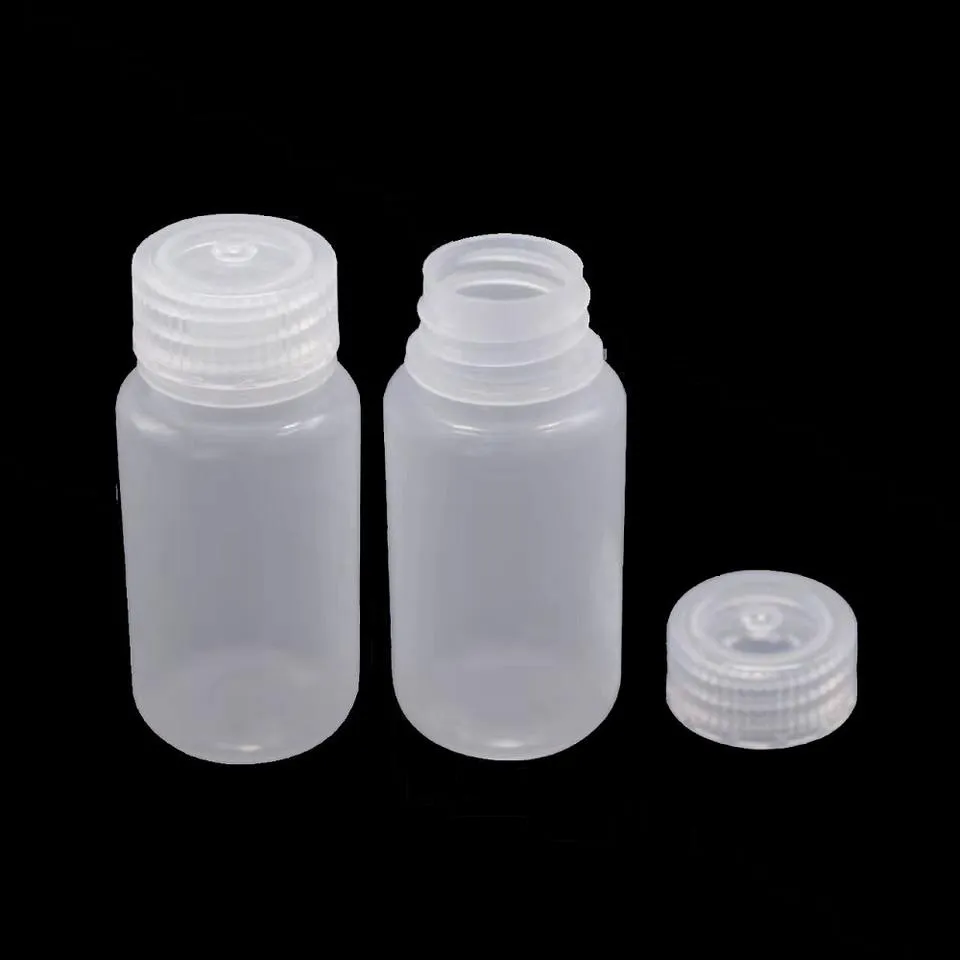
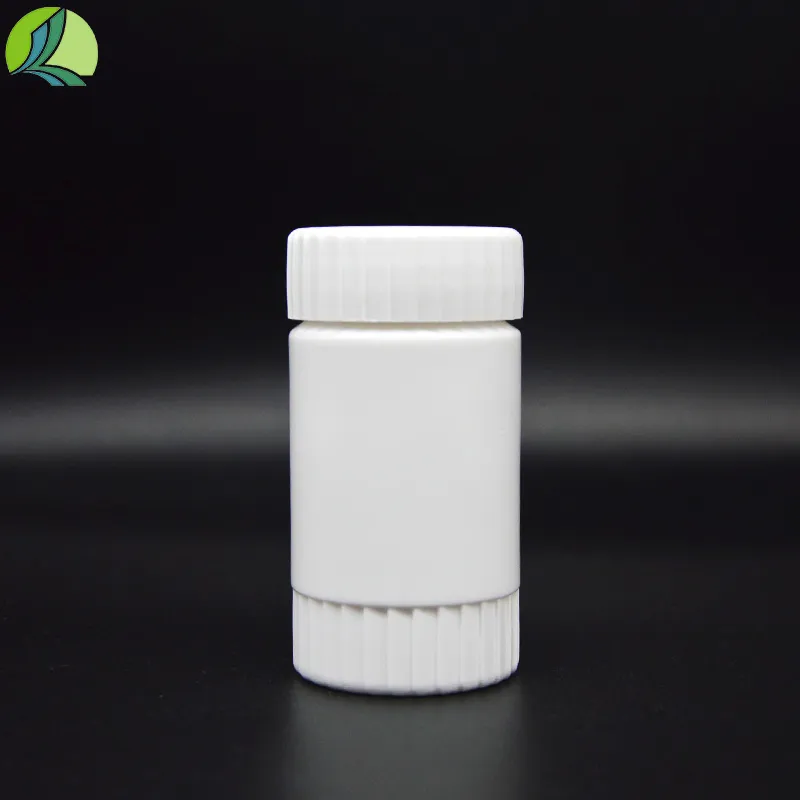
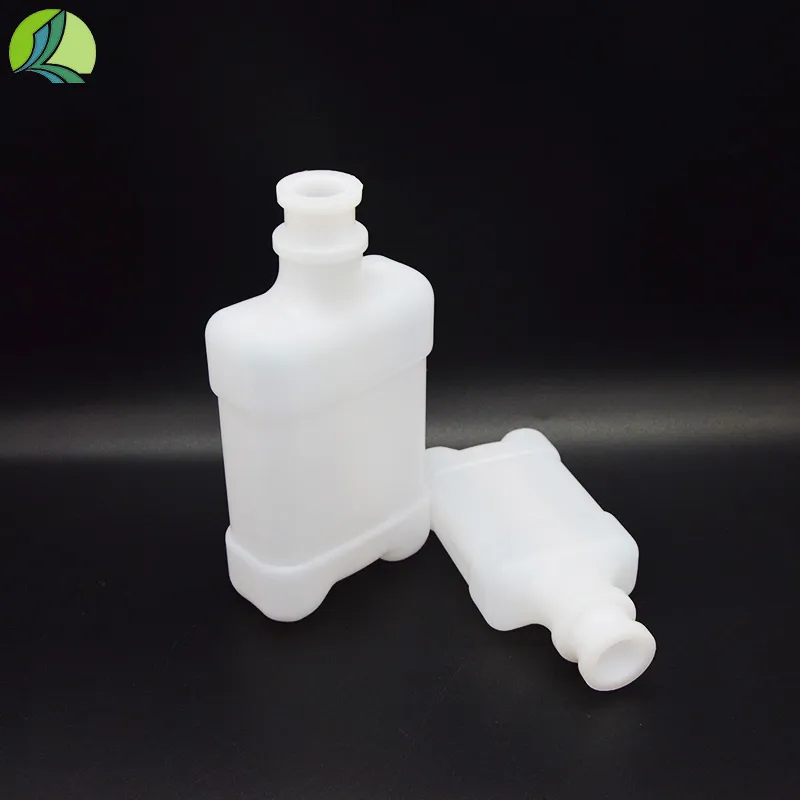
If you work with reagents, vaccines, or specialty buffers, you know the bottle matters as much as the liquid. That’s why the Plastic Laboratory Reagent Bottle Screw Cap Semi-Permeable Liquid Bottle Specifications Complete has been getting attention across labs and veterinary clinics. It’s made in a 10,000-class clean area, looks sharp in amber-brown (UV benefit), and, to be honest, feels sturdier than most knockoffs I’ve handled on supplier visits in Hebei.
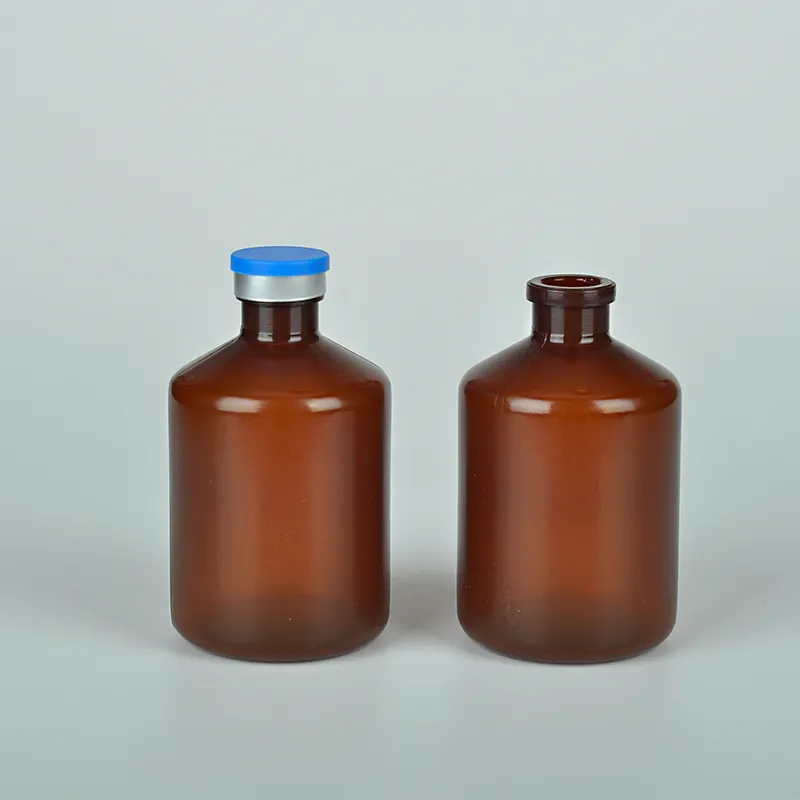
Origin story: LITUN, Dusheng Town, Cangxian County, Cangzhou City, Hebei Province, China. The factory’s been exporting widely; molds are customizable, which, surprisingly, not every vendor offers at low MOQs.
Industry trend snapshot—short version: semi-permeable or vented caps with hydrophobic membranes (often PTFE or ePTFE) are creeping into standard liquid packaging to relieve pressure without admitting microbes. It’s a clever fix for temperature swings and transit shocks. Many customers say it reduces “panel pop” and vacuum collapse. In fact, demand is up in veterinary biologics and field diagnostic kits.
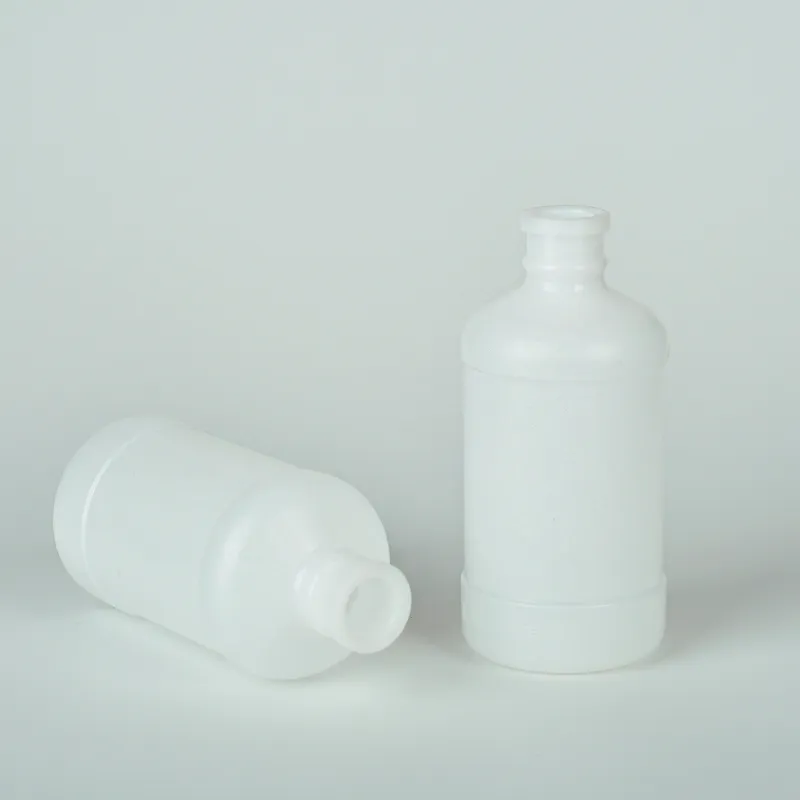
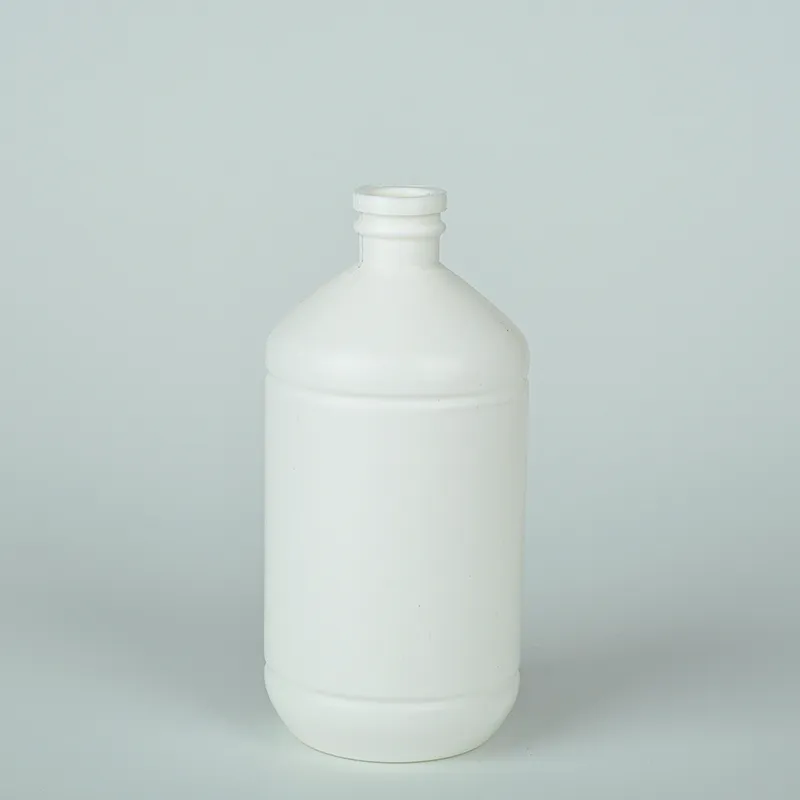
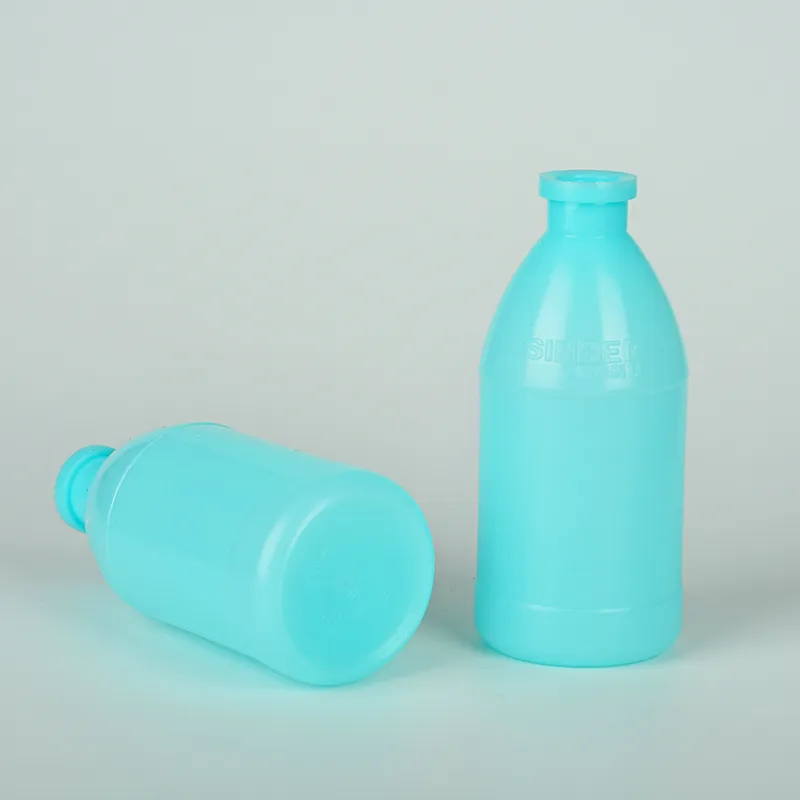
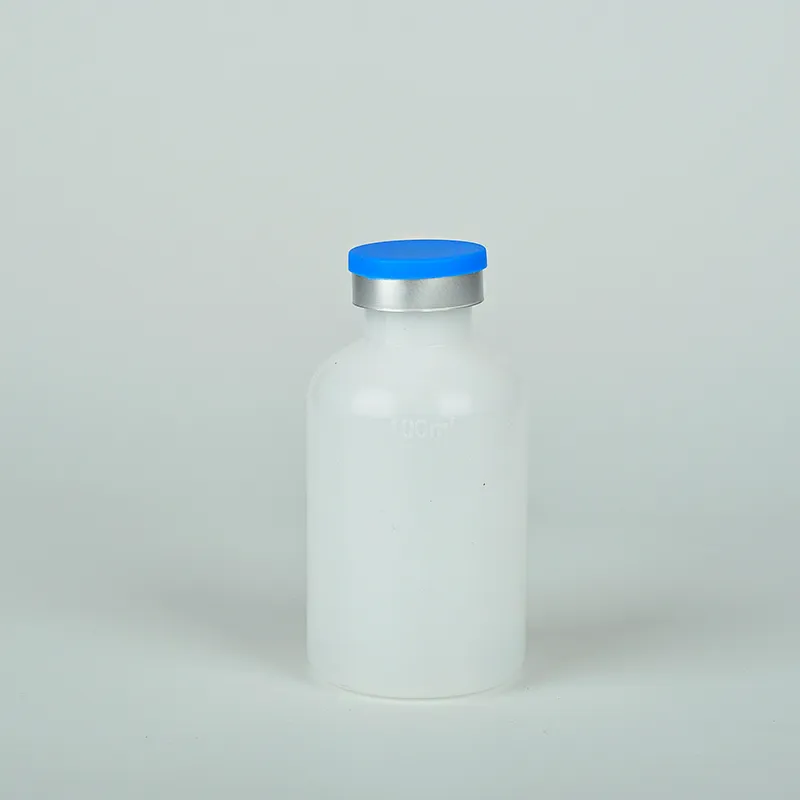
Plastic Laboratory Reagent Bottle Screw Cap Semi-Permeable Liquid Bottle Specifications Complete is typically manufactured in medical-grade PP or HDPE via injection-blow molding. The amber masterbatch improves UV shielding for light-sensitive actives. Caps can integrate a 0.22 µm hydrophobic vent for controlled gas exchange while maintaining sterility.
| Capacity Options | 10 mL, 20 mL, 30 mL, 50 mL, 100 mL, 250 mL (custom molds available) |
| Material | PP or HDPE (medical grade; USP compliant, ≈ per buyer validation) |
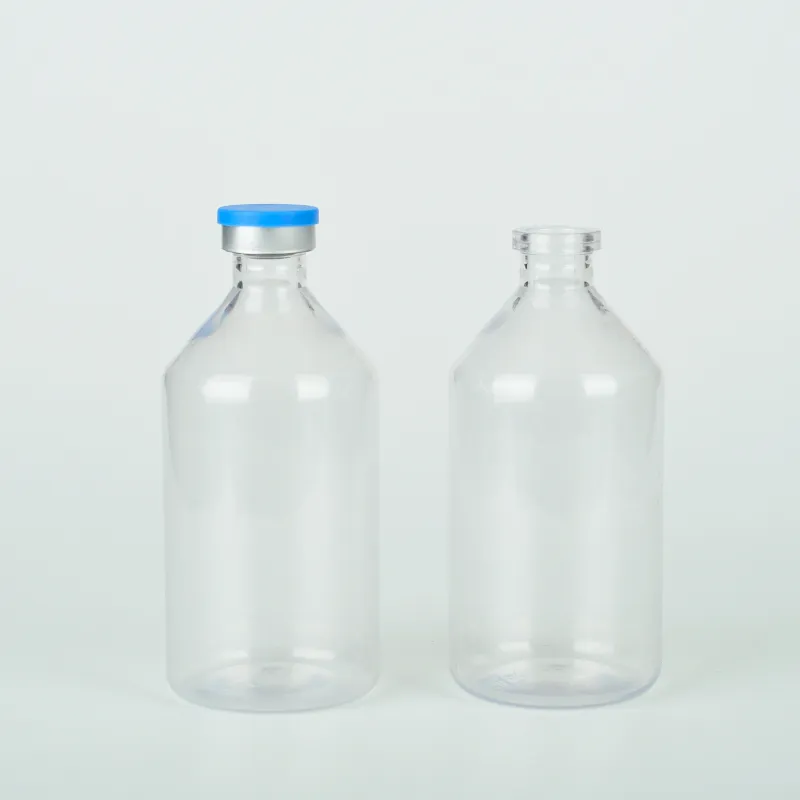
| Color | Amber-brown UV protective; clear/natural optional |
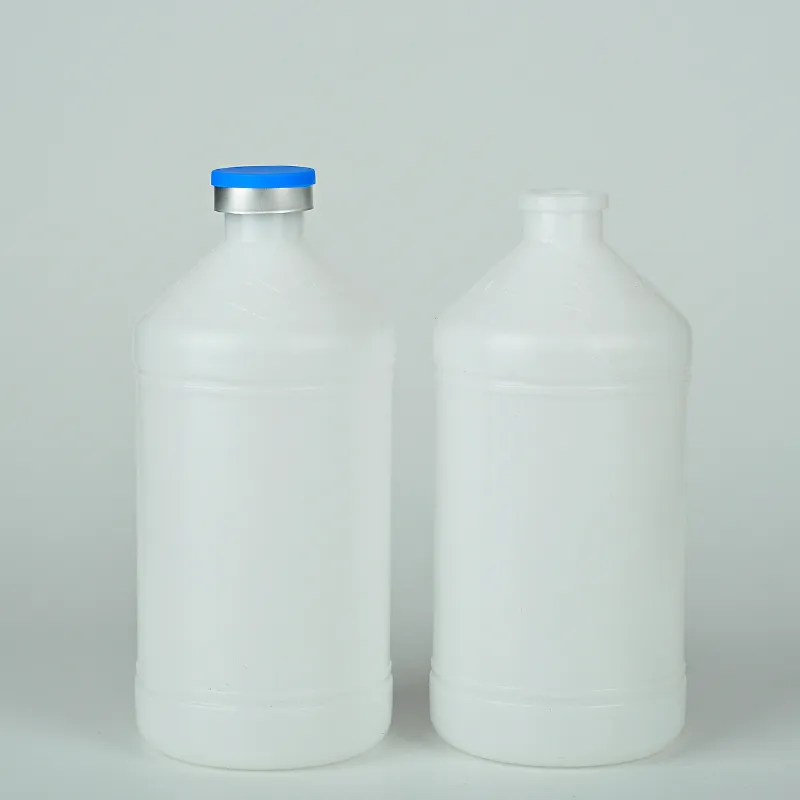
| Cap | Screw cap, optional vented membrane (0.22 µm hydrophobic), linered or linerless |
| Sterilization | Gamma (ISO 11137) or EO (ISO 11135); non-sterile bulk also offered |
| Permeability | OTR/MVTR depend on resin and wall; vented cap enables controlled gas flow (real-world use may vary) |
| Service Life | ≈ 3–5 years sealed, ambient storage; check CoA/lot aging data |
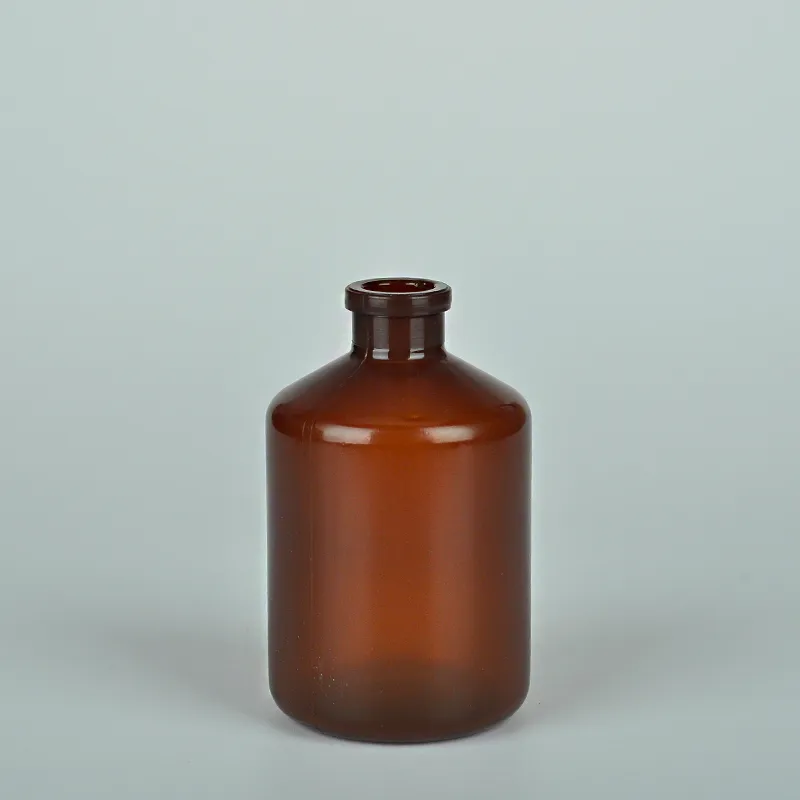
Process flow (how it’s actually made): medical-grade resin sourcing → pellet drying → injection-blow molding → trimming/annealing → 100% visual inspection → leak testing (ASTM D3078 bubble test) → particulate control in ISO 14644 cleanroom → sterilization (if ordered) → lot-level QC and CoA. Typical acceptance: no bubbles in vacuum leak test, particulates within internal spec, and torque seal integrity verified.
- Applications: veterinary vaccines, aqueous reagents, buffers, field kits, food-safety labs, academic R&D.
- Advantages: UV protection, semi-permeable cap option, thick walls, consistent torque seal, export-grade packing.
- Origin: LITUN, Dusheng Town, Cangxian, Cangzhou, Hebei—solid manufacturing base.
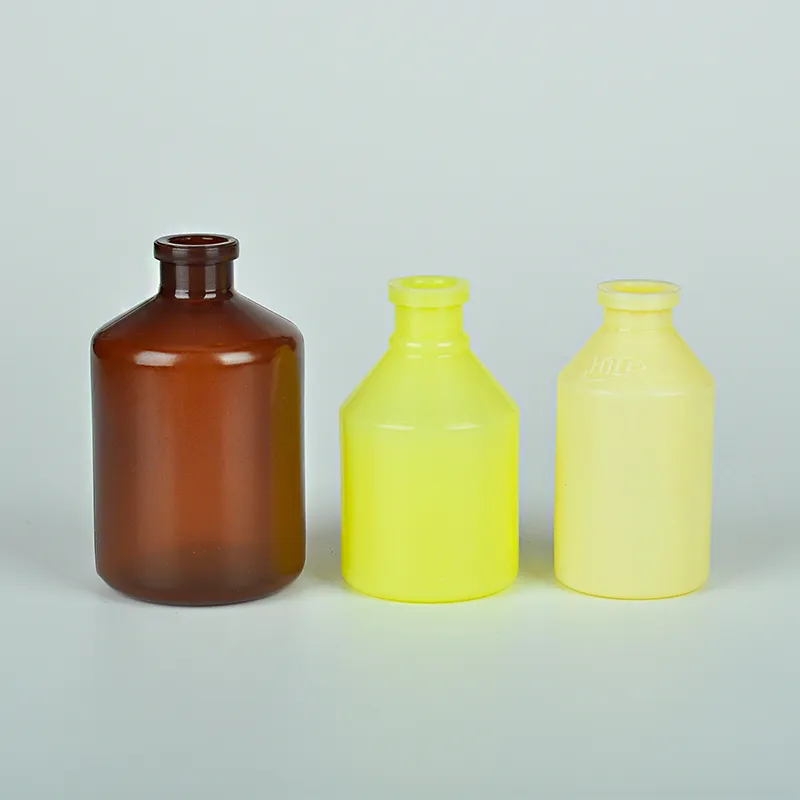
A quick reality check on data: one vet-bio client reported zero transit leaks across 50,000 units (mixed 20/50 mL) with gamma processing, torque set to 0.8–1.0 N·m. Our own look at lab sheets suggests leak-rate pass (ASTM D3078) and headspace pressure stability improved with vented caps during cold-chain swings. Your mileage may vary with solvent load and fill headspace.
| Vendor | Cleanroom | Customization | Lead Time | Certs/Docs | Price |
| WK Packing (this product) | Class 10,000 | Molds, colors, cap vents | ≈ 2–4 weeks | CoA, sterilization records | Mid |
| Generic Importer A | Unknown | Limited | 4–8 weeks | Basic | Low |
| LabBrand X | Class 100k+ ranges | Color only | 2–6 weeks | CoA | High |
Customization tips (learned the hard way): confirm neck finish and torque spec with your capping line; request PP vs. HDPE trials if solvent exposure is heavy; and if you ship cold, the vented screw cap is worth the tiny upcharge.
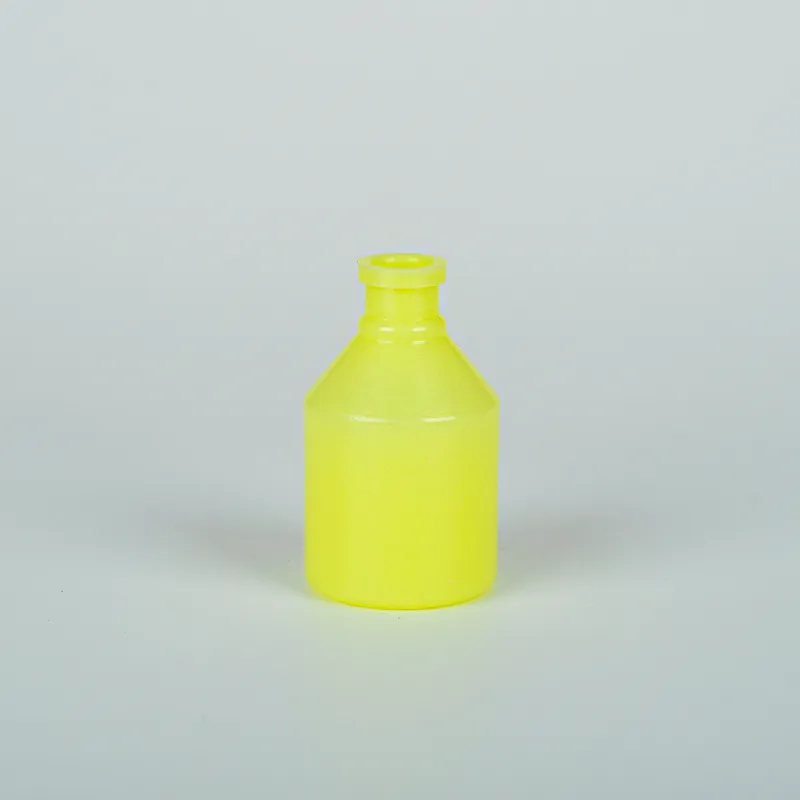
Customer feedback: “Looks premium, thick walls, no leaks after gamma.” Another said, “Actually quieter on the line—caps thread smoothly.” That tracks with my notes from a pilot lot: finish quality was consistent, which isn’t always the case on budget runs.
Bottom line: if you need dependable sterile packaging with optional semi-permeable caps and a clean aesthetic, Plastic Laboratory Reagent Bottle Screw Cap Semi-Permeable Liquid Bottle Specifications Complete is a strong contender—and not just on price.
Authoritative citations
- USP General Chapter <661.1> Plastic Materials of Construction – https://www.usp.org
- ISO 11137 Sterilization of health care products—Radiation – https://www.iso.org/standard/60885.html
- ISO 11135 Sterilization of health care products—Ethylene oxide – https://www.iso.org/standard/69190.html
- ASTM D3078 Standard Test Method for Determination of Leaks in Flexible Packaging by Bubble Emission – https://www.astm.org/d3078
- ISO 14644-1 Cleanrooms and associated controlled environments – https://www.iso.org/standard/53394.html
-
Bulk Eye Dropper Bottles for Industrial Packaging - Reliable & CustomizableNewsDec.31,2025
-
Small Plastic Dropper Bottles – Durable, Precise Packaging Solutions for B2B ApplicationsNewsDec.10,2025
-
Medicine Dropper Bottles – Precision and Quality Packaging Solutions for B2B | WK PackingNewsDec.10,2025
-
Discover Top Quality 2 oz Eye Dropper Bottles for Industrial UseNewsDec.09,2025
-
1 Oz Eye Dropper Bottles - Precision Packaging Solutions for B2B Industries | WKPackingNewsDec.09,2025
-
Durable 4 oz Eye Dropper Bottles for Industrial & Cosmetic UseNewsDec.09,2025