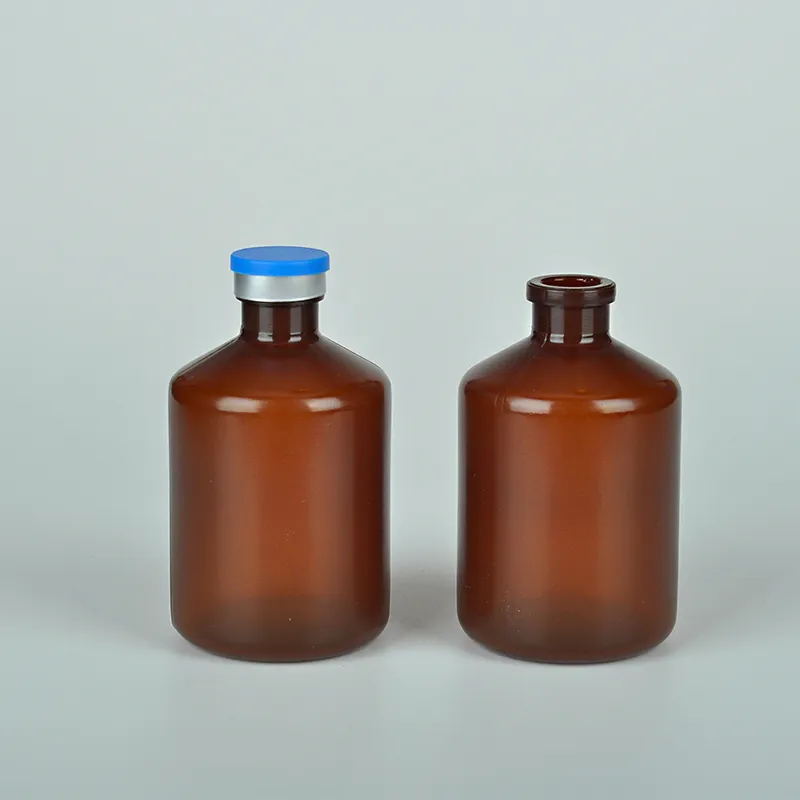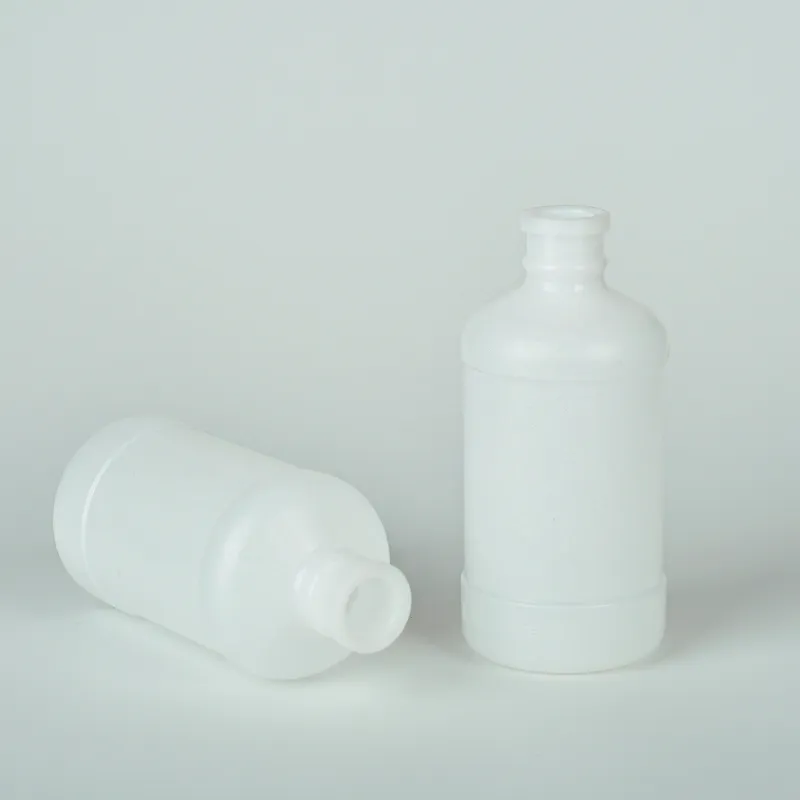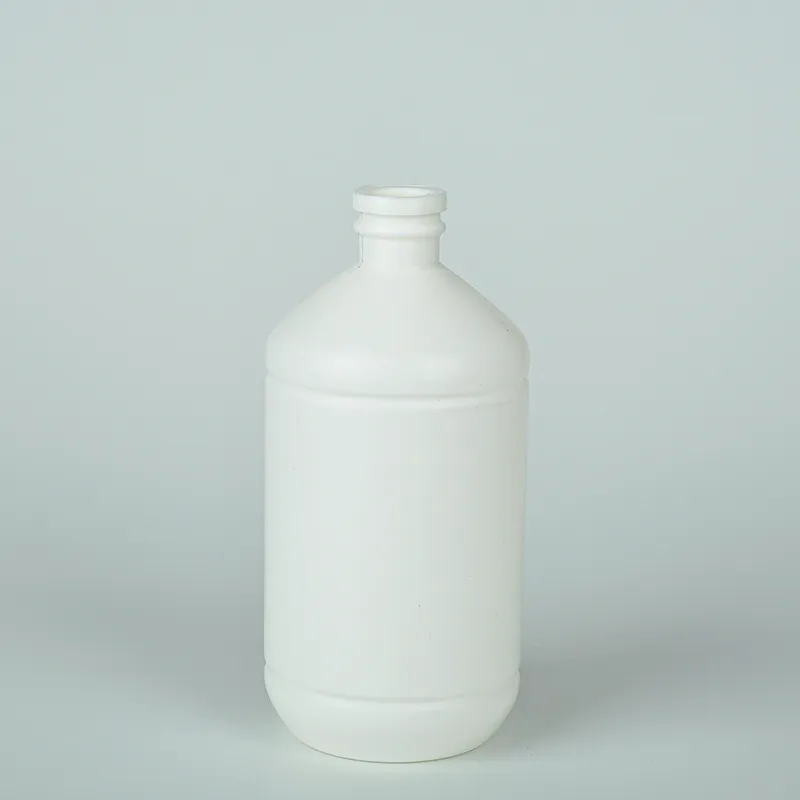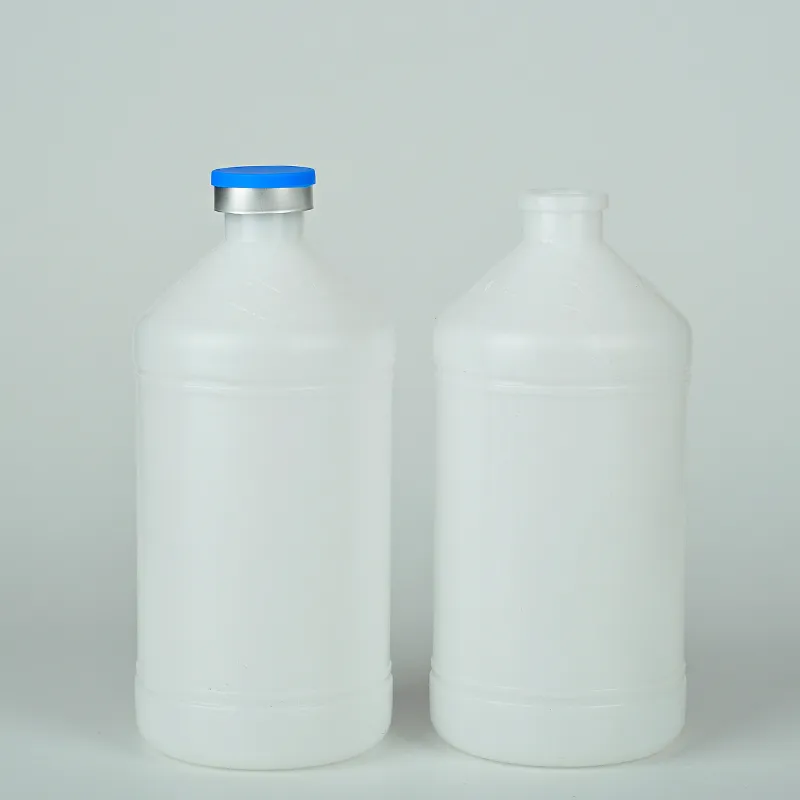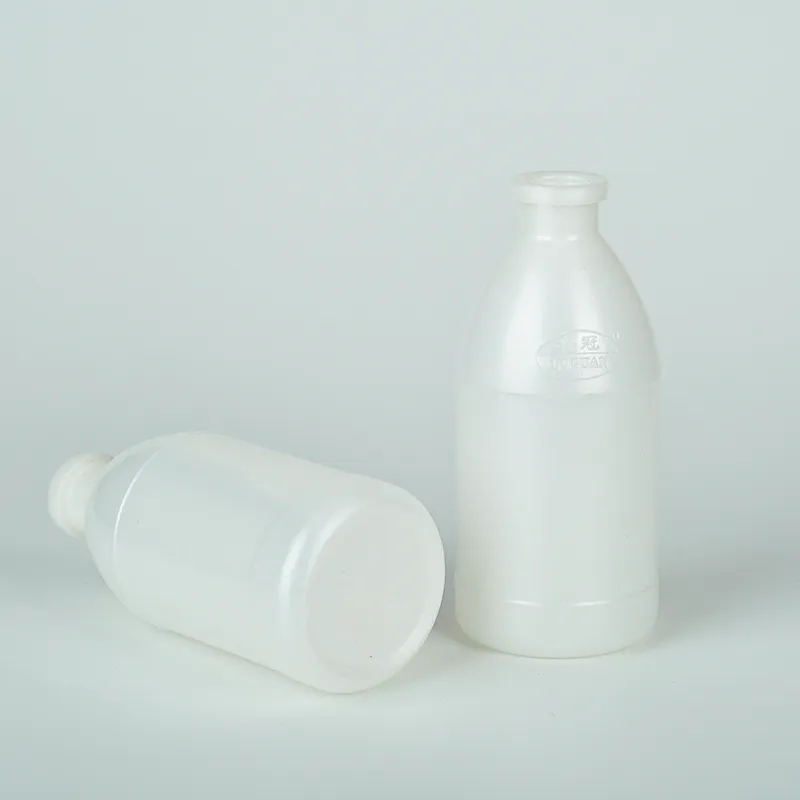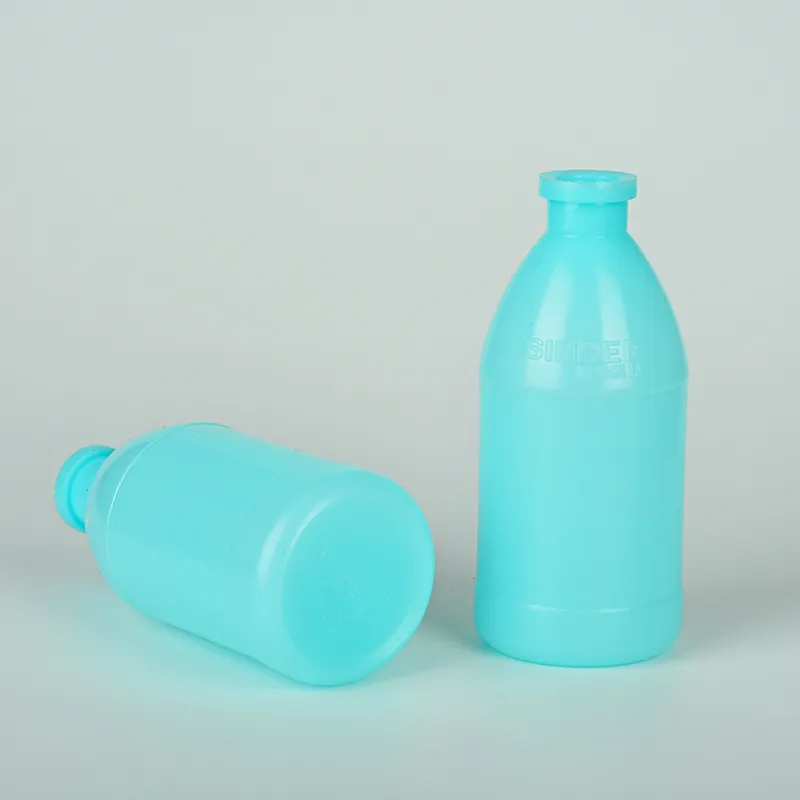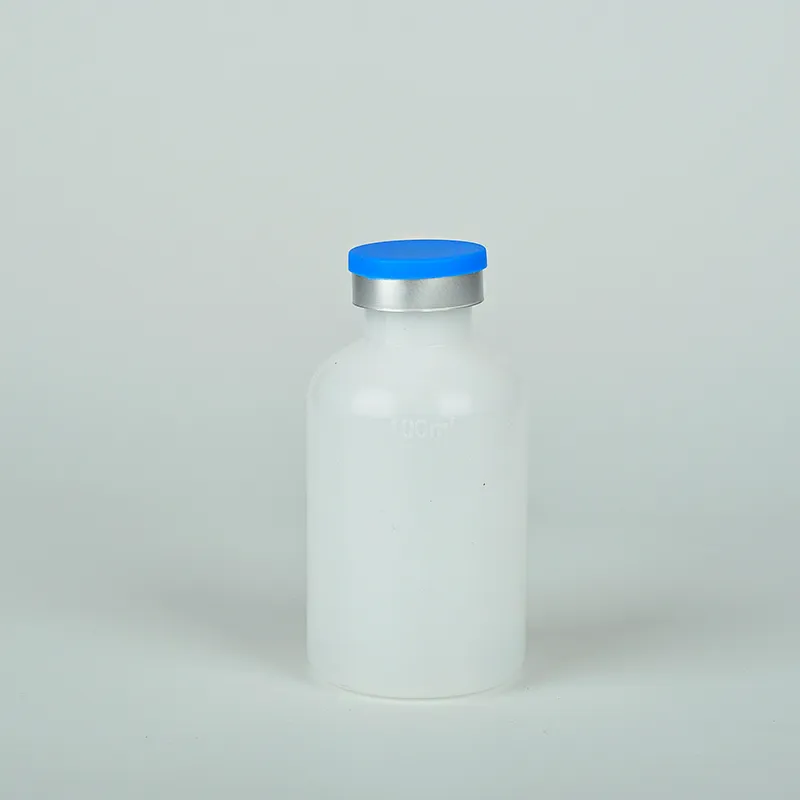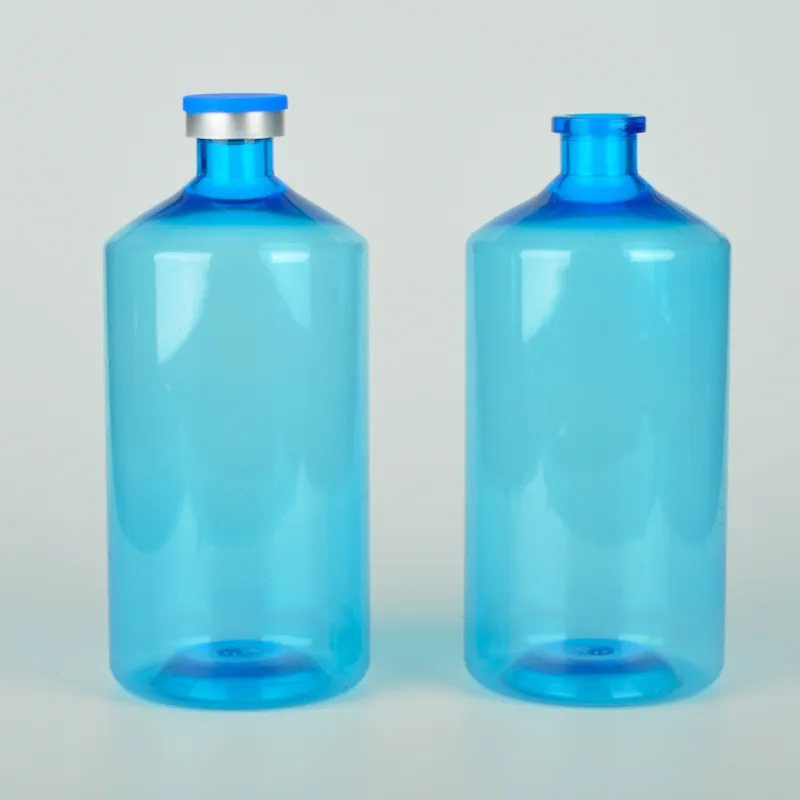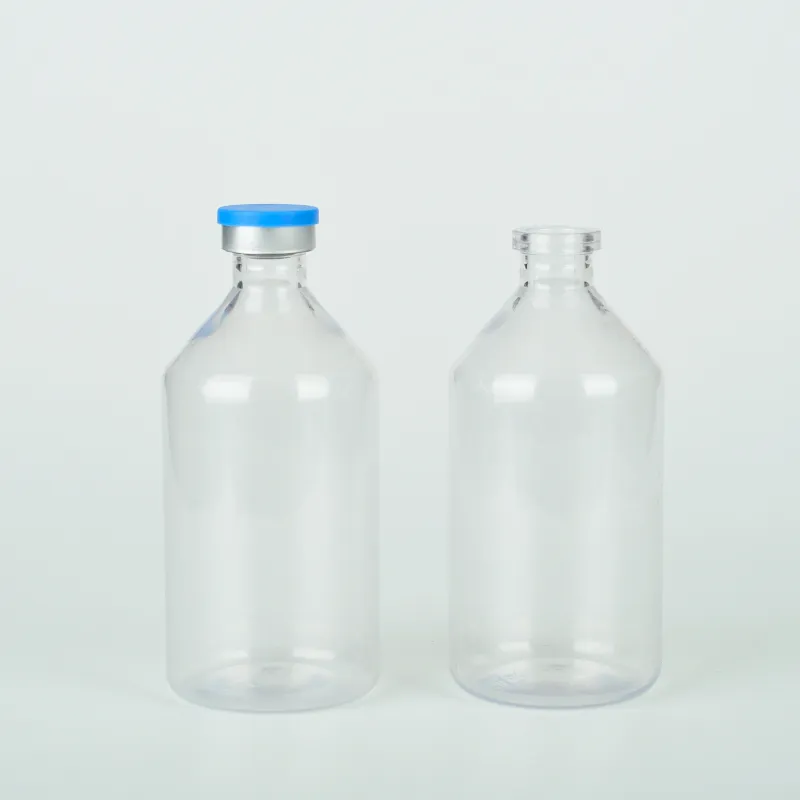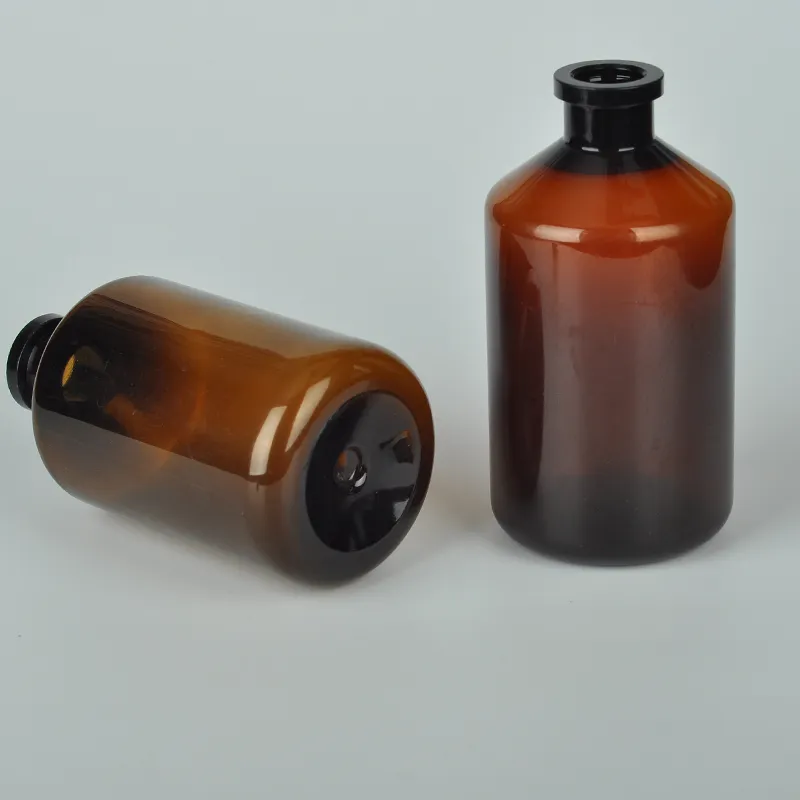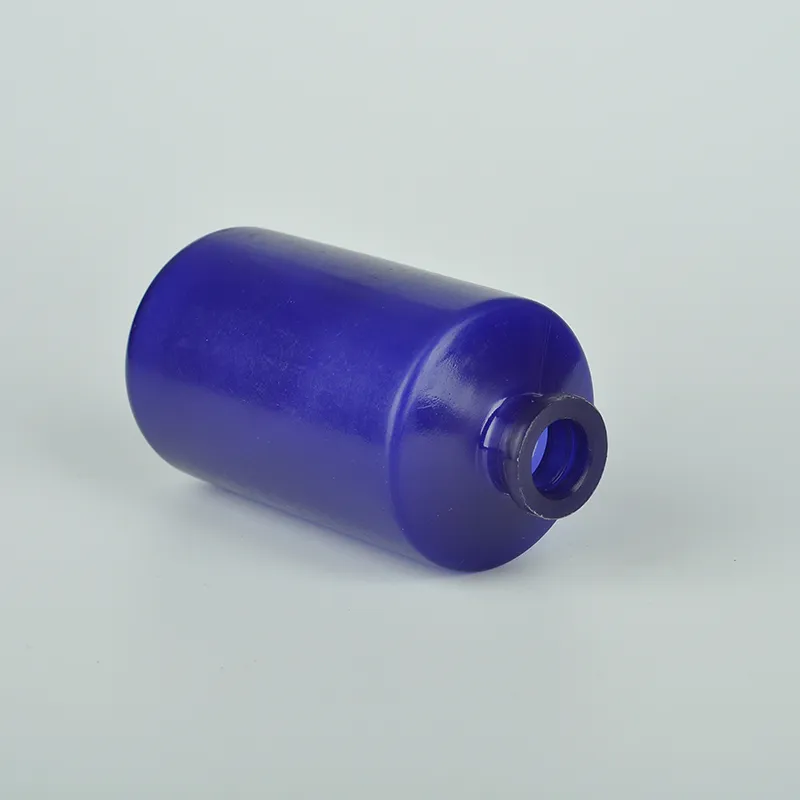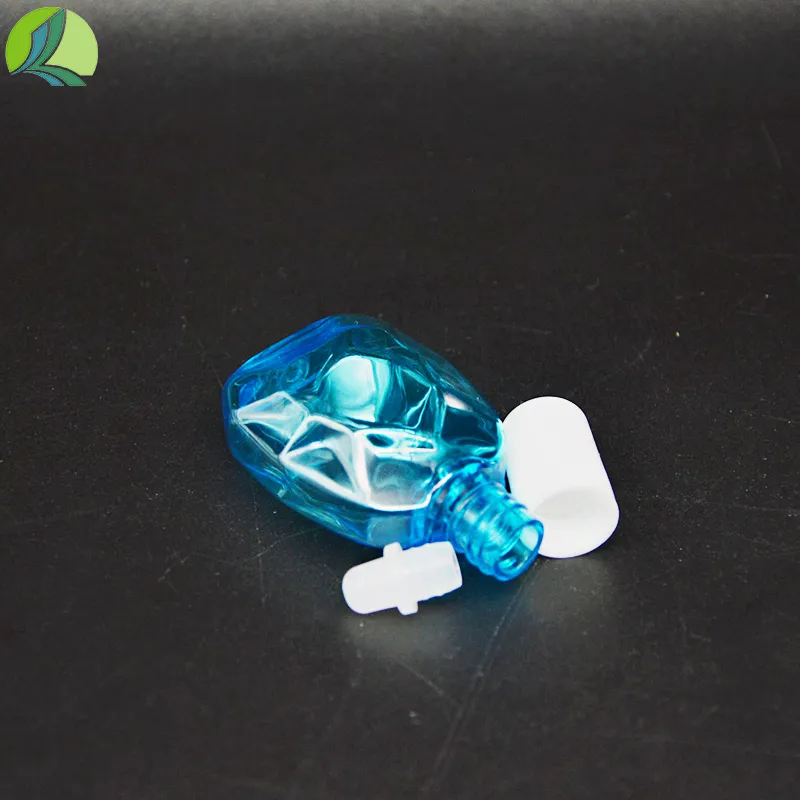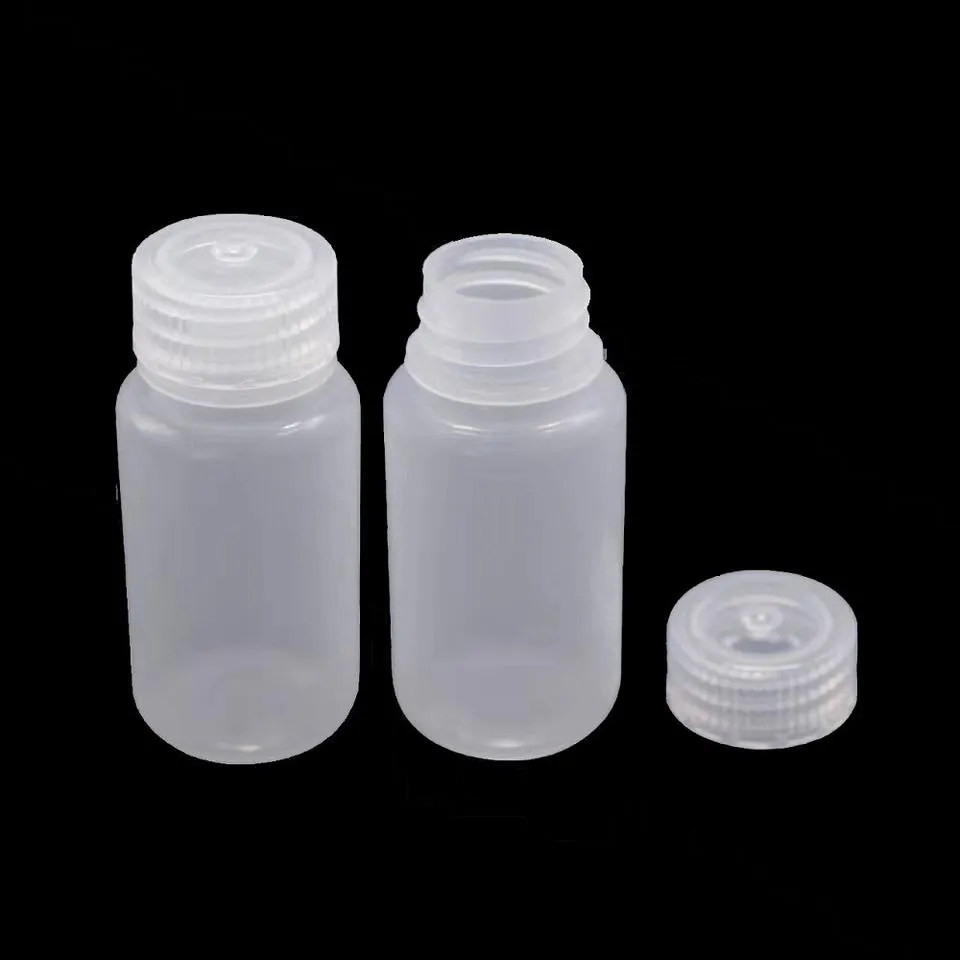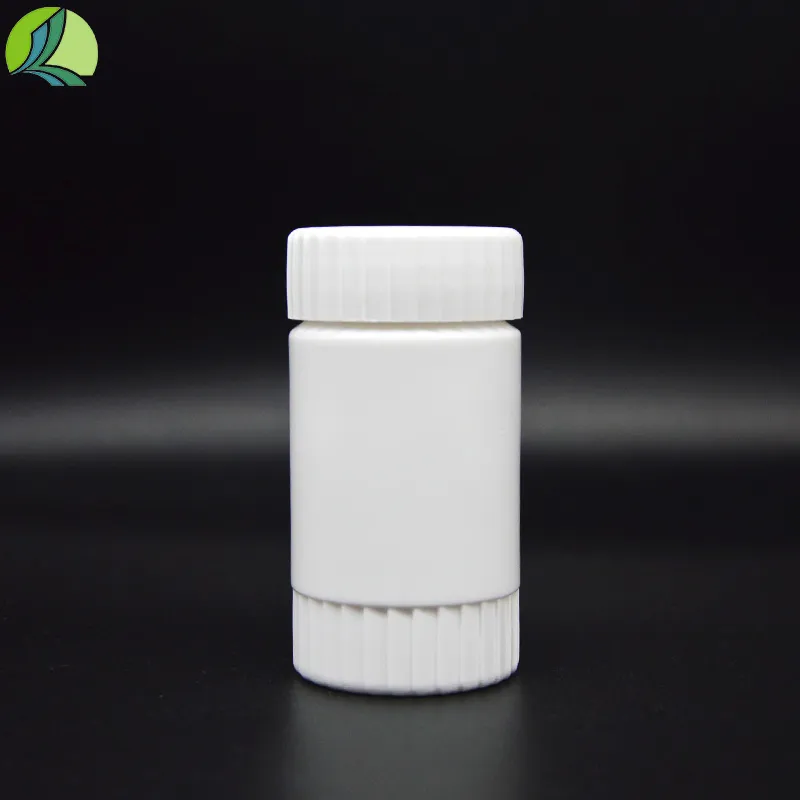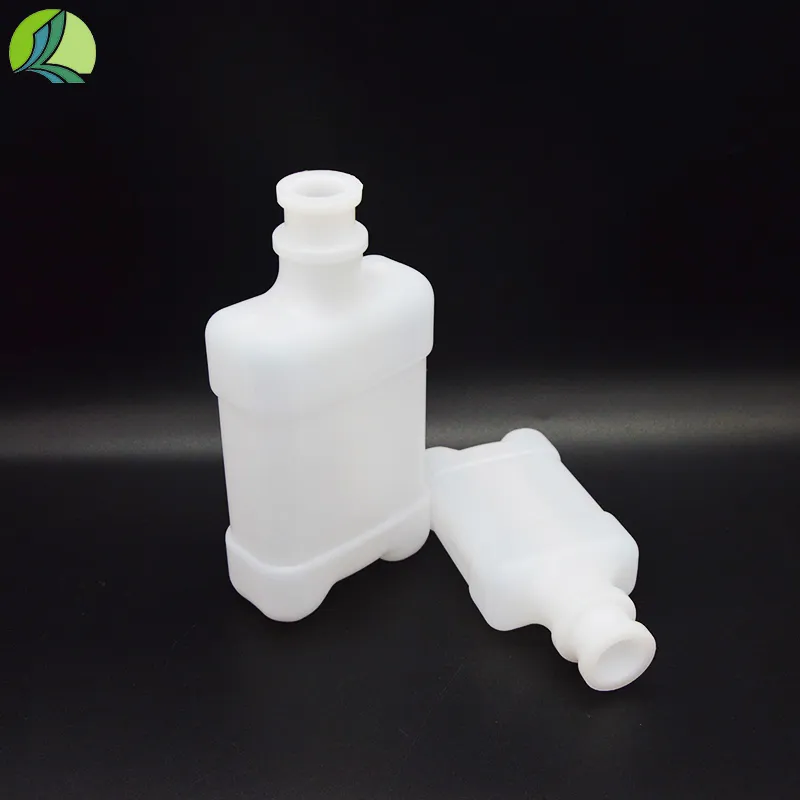
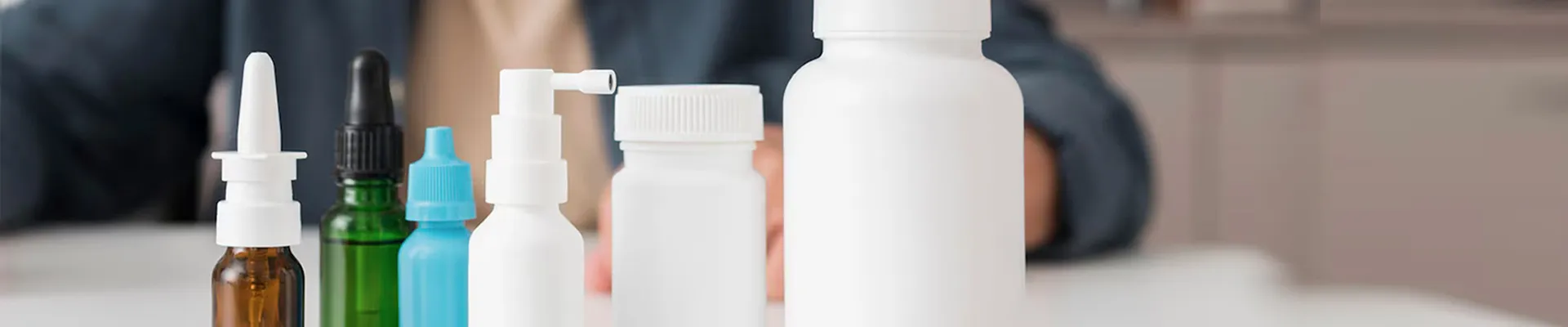


Sterile Plastic Clear Vaccine Vials for Lab & Veterinary
Clear plastic vials for vaccines and veterinary labs: what actually matters in the field
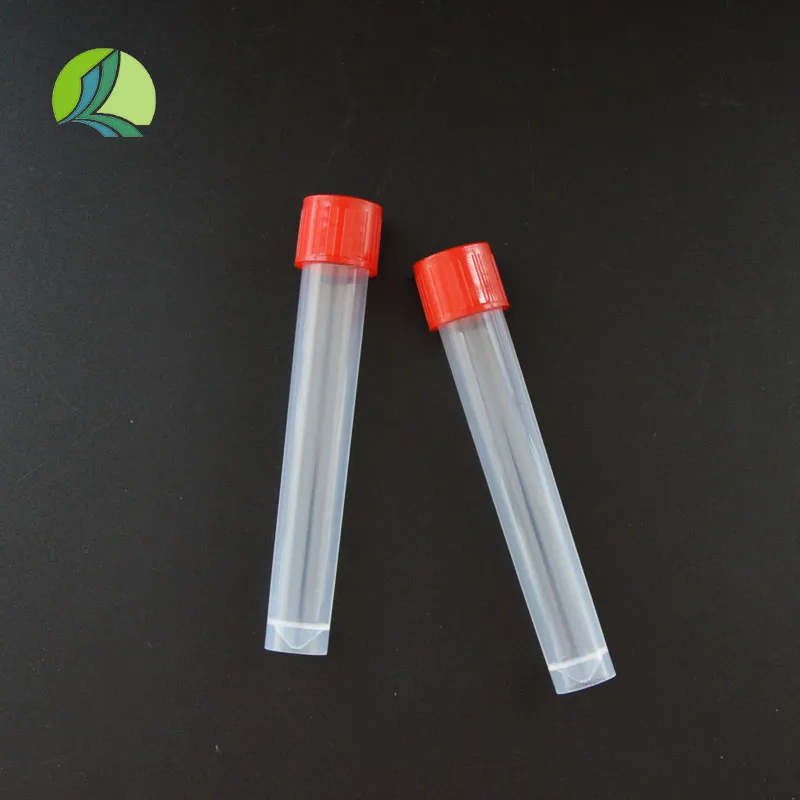
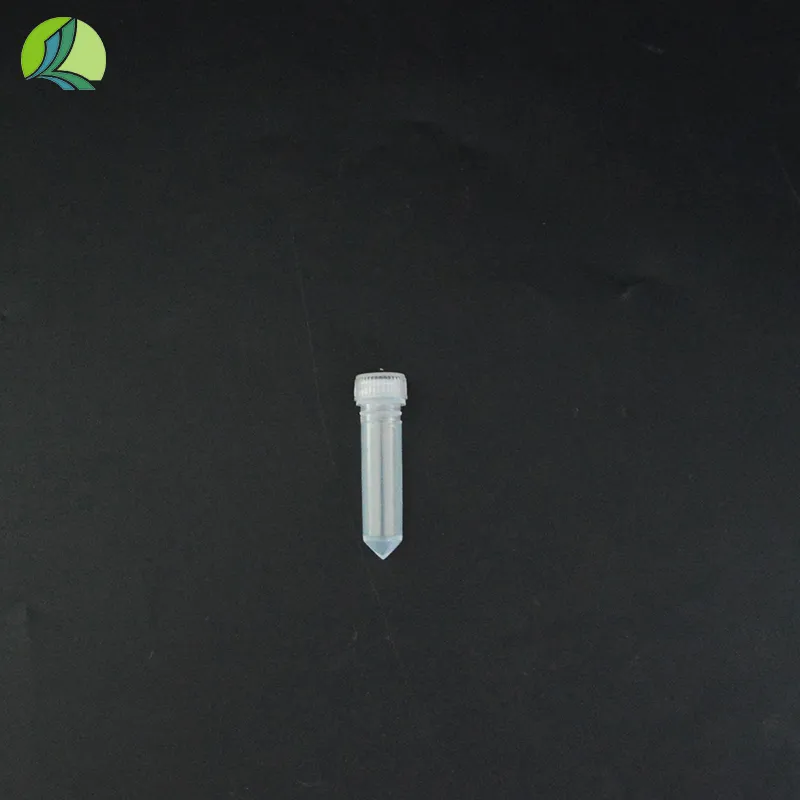
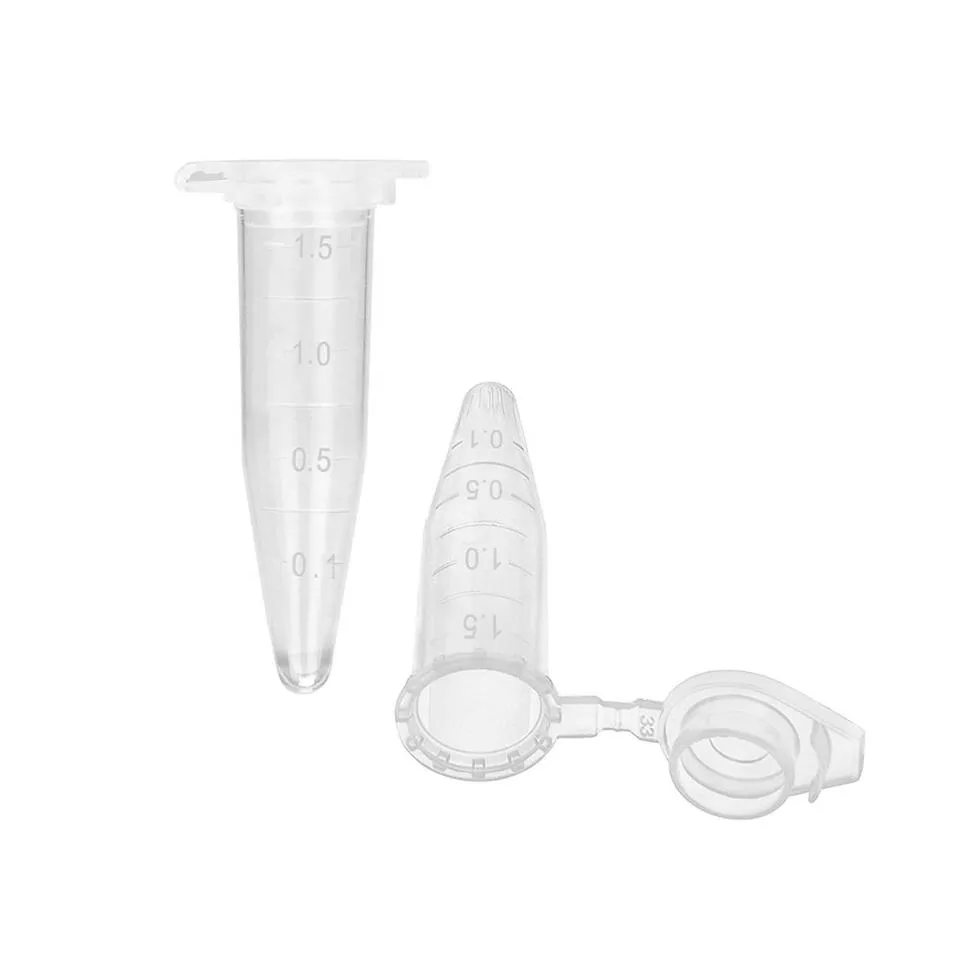
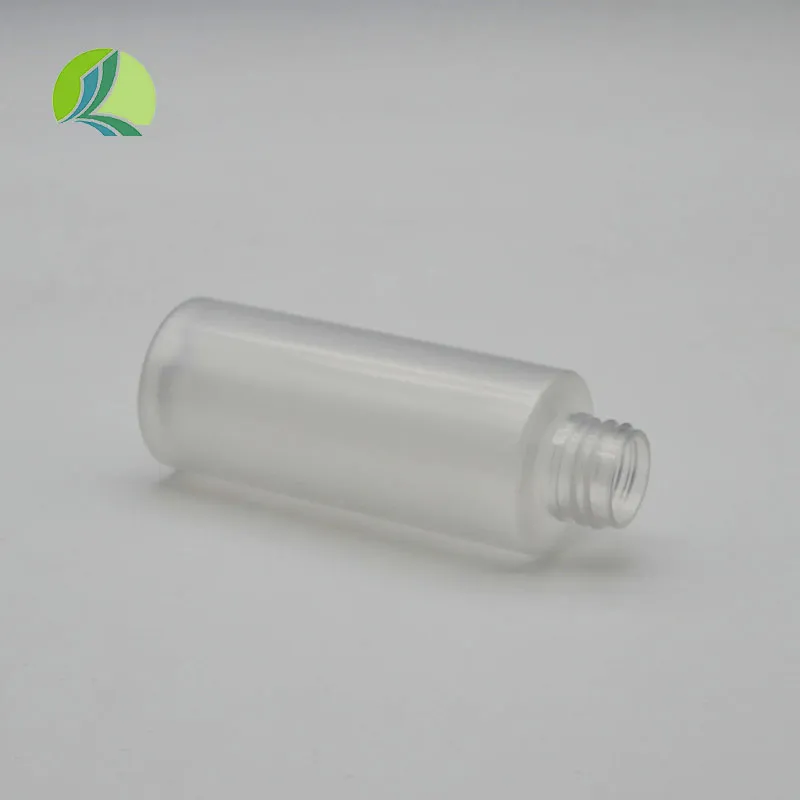
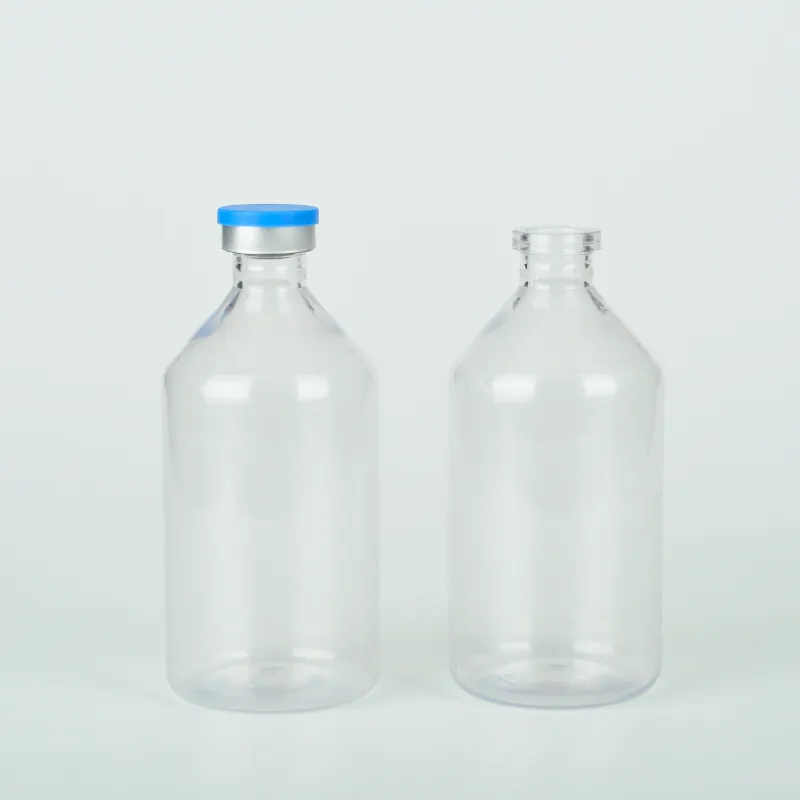
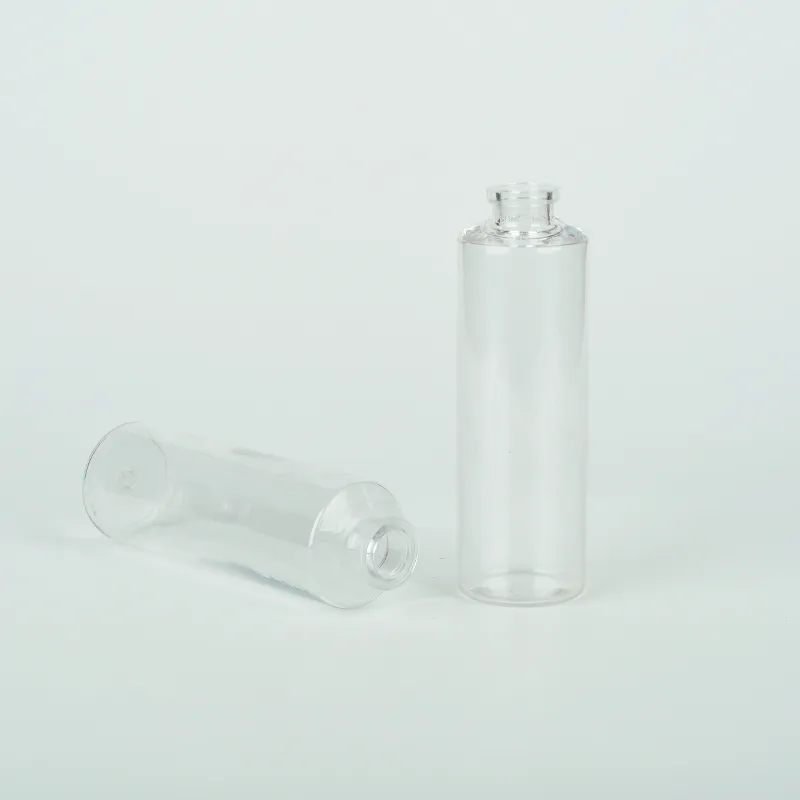
I’ve toured a lot of fill-finish rooms over the years, and one item always sparks debate: the switch from glass to advanced polymers. That’s why these Plastic Clear Vaccine Vials Laboratory Veterinary Medicine Liquid Vials caught my eye—clear, tough, and built for real lab work, not just brochure photos.
Industry trends I’m seeing
To be honest, glass still rules for many human vaccines. However, veterinary biologics and field research kits are pivoting to COP/COC and PETG vials—lighter, shatter-resistant, and compatible with gamma or EtO sterilization. Cold-chain mishaps happen; polymers tolerate impact better. Many customers say they’ve reduced breakage and freight claims by half, which squares with what I’ve heard in GMP corridors.
Quick specs (real-world use may vary)
| Attribute | Typical values | Notes |
|---|---|---|
| Material options | COP/COC or PETG (medical grade) | USP <661.1> compliant resins [1] |
| Nominal volumes | 2 mL, 5 mL, 10 mL, 20 mL | Custom sizes on request |
| Neck finish | 13 mm / 20 mm | Compatible with ISO 8362 stoppers/caps [2] |
| Closure systems | Butyl stopper + flip-off cap; or screw cap (PTFE-lined) | Crimp or threaded options |
| Optical clarity | Transmittance ≈ 90–92% @ 550 nm | Good for visual inspection |
| Sterilization | Gamma, E-beam, or EtO | ISO 11137 validated processes [3] |
| Particulate/endotoxin | USP <788>, ≤ 20 EU/device (typical) | Batch CoA provided [1] |
Process flow, testing, and service life
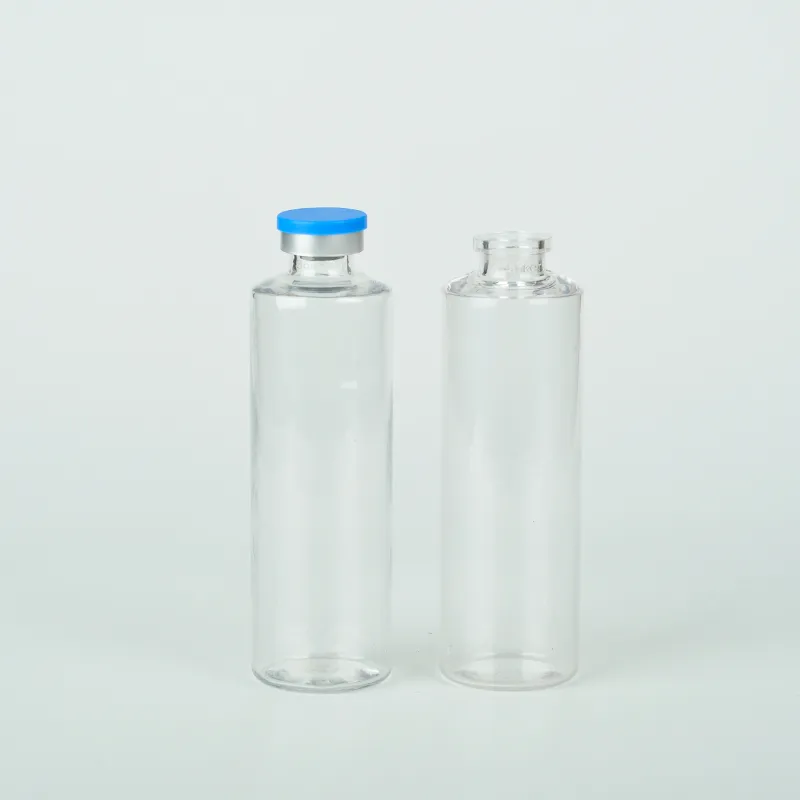
- Materials: medical-grade COP/COC or PETG pellets sourced with full lot traceability.
- Forming: injection or stretch-blow molding; ISO Class 8 cleanroom; in-line vision for wall-thickness (≈0.6–1.0 mm).
- Washing/packaging: low-endotoxin water, HEPA environment; sealed in double bags for cleanroom entry.
- Validation: extractables/leachables per USP <1663/1664> guidance, biocompatibility per ISO 10993 where applicable [4].
- Service life: typically 3–5 years sealed, away from UV; -20°C storage compatible (check formulation).
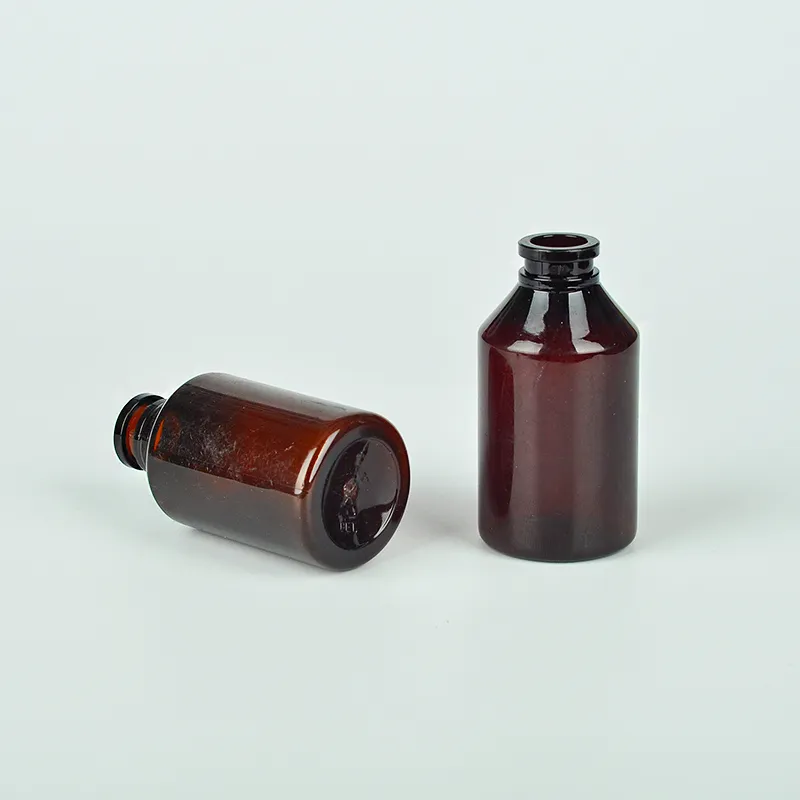
Origin matters to some buyers: these come from LITUN, Dusheng Town, Cangxian County, Cangzhou City, Hebei, China. The factory, in my visit notes, is surprisingly nimble on custom necks and color tints. And yes, customization is a thing here: special graduations, amber tinting for light-sensitive biologics, serialized lot printing, and even trial molds if your fill line is fussy.
Where they’re used (and why)
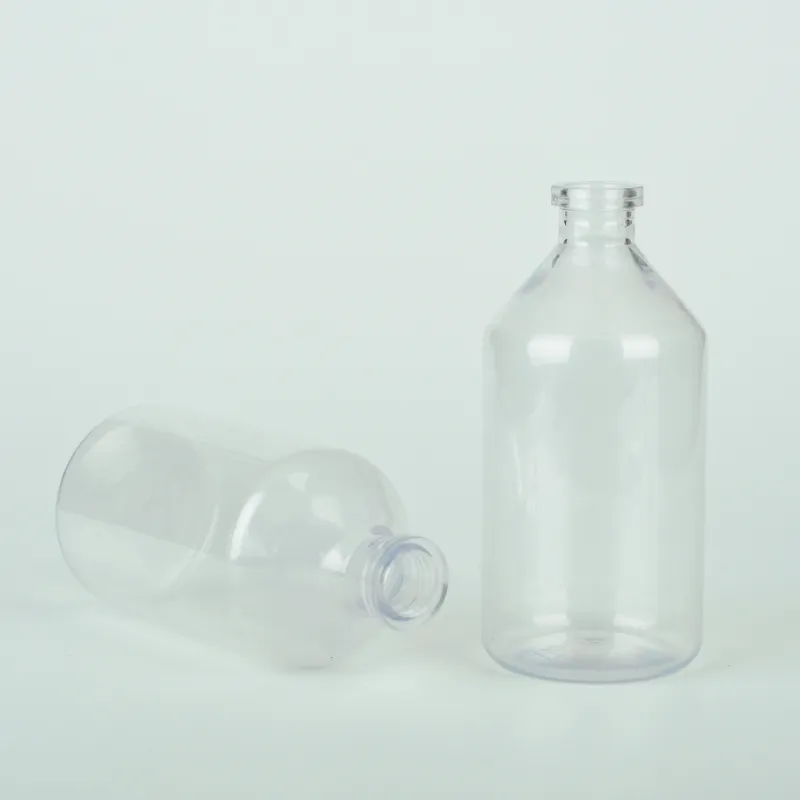
- Veterinary vaccines and diagnostics—mobile clinics like the lighter, shatter-safe build.
- Field labs and NGOs—lower freight weight, fewer breakage losses.
- Biotech pilot runs—small batches, fast iteration, custom necks.
- Teaching labs—safe handling for students; good clarity for visualization.
Case in point: a regional animal-health producer switched to Plastic Clear Vaccine Vials Laboratory Veterinary Medicine Liquid Vials for a 5 mL attenuated vaccine. Breakage dropped ≈70%, and their cold-box packing density improved by ~12%. They kept glass for one heat-labile product (good call), but for the rest, plastic made operational sense.
Vendor comparison at a glance
| Vendor | Material | Certs/Docs | Customization | Lead time |
|---|---|---|---|---|
| WK Packing (Plastic Clear Vaccine Vials Laboratory Veterinary Medicine Liquid Vials) | COP/COC, PETG | USP/ISO data sheets, CoA, gamma validation | High (neck, tint, print) | ≈ 2–4 weeks ex-works |
| Global Glass Co. | Type I glass | Ph. Eur./USP glass monographs | Medium (sizes standard) | ≈ 4–8 weeks |
| Generic Lab Distributor | Mixed plastics | Basic RoHS/REACH | Low | Stock-dependent |
Final take
If you need shatter resistance, lighter freight, and dependable clarity, Plastic Clear Vaccine Vials Laboratory Veterinary Medicine Liquid Vials are a practical, lab-ready alternative. Not for every formulation—agree—but for many veterinary and pilot applications, they just work.
References
- USP General Chapters <661.1> Plastic Packaging Systems and Their Materials of Construction; <788> Particulate Matter in Injections.
- ISO 8362 series – Injection containers and accessories (vials, caps, stoppers).
- ISO 11137 – Sterilization of health care products—Radiation.
- ISO 10993 – Biological evaluation of medical devices; USP <1663>/<1664> Extractables and Leachables.
-
Bulk Eye Dropper Bottles for Industrial Packaging - Reliable & CustomizableNewsDec.31,2025
-
Small Plastic Dropper Bottles – Durable, Precise Packaging Solutions for B2B ApplicationsNewsDec.10,2025
-
Medicine Dropper Bottles – Precision and Quality Packaging Solutions for B2B | WK PackingNewsDec.10,2025
-
Discover Top Quality 2 oz Eye Dropper Bottles for Industrial UseNewsDec.09,2025
-
1 Oz Eye Dropper Bottles - Precision Packaging Solutions for B2B Industries | WKPackingNewsDec.09,2025
-
Durable 4 oz Eye Dropper Bottles for Industrial & Cosmetic UseNewsDec.09,2025